Background

Antibiotic resistance poses a significant threat, particularly among vulnerable populations facing bacterial infections. In the realm of fungal diseases, such as those caused by C. neoformans, uncertainties persist regarding the role of host-derived factors. This study delves into the intricate dynamics of how host metabolites, notably glucose, influence the tolerance of C. neoformans to Amphotericin B (AmB), a critical fungicidal treatment.

Methodology

1. Sample Collection and Analysis

The study initiated with the collection of human cerebrospinal fluid (CSF) samples from patients afflicted with C. neoformans infection, with a primary focus on meningitis cases. The samples were subjected to analysis using high-performance anion-exchange chromatography (HPAEC) to quantify the levels of glucose, a metabolite of particular interest in this investigation.

Fungal Disease Treatment
Image by: www.neoteryx.com

2. Experimental Setup

Researchers designed a meticulous experimental framework to understand the dynamics of AmB tolerance concerning glucose levels. They tested the effectiveness of AmB on different strains in the presence of varying glucose concentrations. A single-cell-based method and time-series ribonucleic acid sequencing (RNA-seq) were employed to scrutinize the relationship between nuclear localization and Mig1-mediated AmB tolerance.

3. Additional Investigations

Beyond glucose, the study explored other factors influencing AmB tolerance. The role of Mig1, a fungal glucose repression activator, was examined after brain infection in mice. The impact of terbinafine, an ergosterol synthesis inhibitor, and inositol phosphorylceramide on AmB tolerance were also subjects of thorough investigation.

4. Animal Model and Treatments

Mice were enlisted as the animal model for evaluating the effectiveness of AmB coadministration versus monotherapy. To enhance drug access to the brain, a brain-targeting liposomal drug delivery strategy was adopted. The animals were sacrificed seven days after infection, and brain tissues were examined to assess fungal load and colony-forming units (c.f.u.).

Fungal Disease Treatment
Image by: sparkmed.stanford.edu

Results

1. Glucose-Induced AmB Tolerance

  • Glucose at brain-relevant concentrations significantly generated AmB tolerance.
  • Galactose repression (GR) and the role of Mig1 in AmB tolerance were established.

2. Mig1-Mediated Tolerance Mechanism

  • Mig1-regulated tolerance reduced therapy effectiveness by affecting ergosterol synthesis.
  • AmB and aureobasidin A outperformed clinically indicated therapy against meningitis.

3. Metabolite Comparison

  • Glucose, compared to other metabolites, caused higher AmB tolerance.
  • Replacement of galactose with glucose mirrored survival percentages after AmB therapy.

4. Glucose-Dependent Tolerance

  • Glucose-induced tolerance did not depend on macronutrient consumption.
  • GOX and manganese dioxide therapy had varying impacts on AmB tolerance.

Conclusions

The comprehensive findings of this study underscore the pivotal role of glucose in fungal AmB resistance, mediated through the Mig1 glucose repression regulator. The identified Mig1-mediated brain glucose tolerance significantly diminishes the effectiveness of AmB treatment in rats. This study not only contributes to our understanding of AmB tolerance mechanisms but also points towards potential targets for adjuvant therapy. The intricate interplay between host-obtained metabolites and fungicidal tolerance revealed in this research opens new avenues for refining antifungal strategies, particularly in the context of cryptococcal meningitis treatment. As we delve deeper into the molecular intricacies, the study paves the way for future investigations and advancements in combating fungal infections.
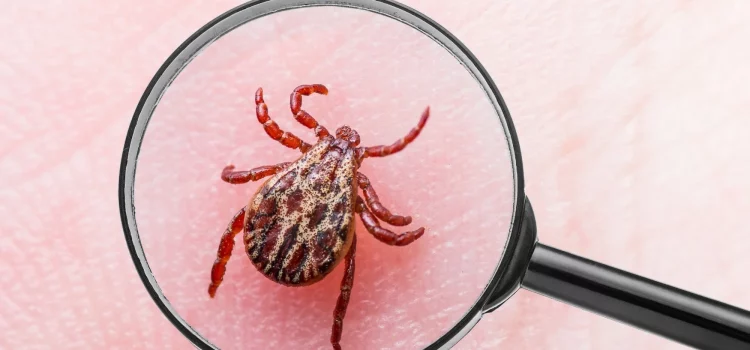

What are Ticks?

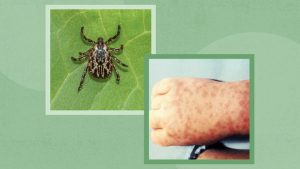
Ticks, are not insects, belong to the arachnid family, closely related to spiders. As intriguing creatures with a unique life cycle, they undergo distinct stages from eggs to larval and nymphal phases before reaching adulthood, showcasing eight legs. Understanding their biology is crucial to demystify their behaviors and potential risks they pose.

Ticks Can Pose a Serious Threat
Image by: www.inquirer.com

Where are Ticks Found?

  1. Backyards and Outdoor Spaces
  2. Wooded Areas
  3. Ground Cover and Walls
  4. Moist and Shaded Locations
  5. Regions with Small Mammals and Birds
  6. Under Leaves and in Tall Grasses
Ticks Can Pose a Serious Threat
Image by: www.hartforanimals.org

 Diversity of Tick Species in the United States

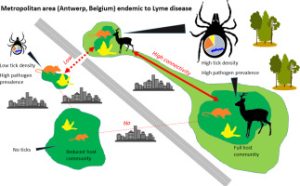
The U.S. hosts several tick species, each with distinct characteristics and geographic prevalence. Black-legged ticks, also known as deer ticks, dominate the Northeast and upper Midwest regions. Dog ticks are commonly found in the Midwest and Eastern U.S., with limited presence on the Pacific Coast. Lone star ticks, on the other hand, prevail in Southeastern and Eastern states.

Tick Species Geographic Distribution
Black-legged Ticks Northeast, Upper Midwest
Dog Ticks Midwest, Eastern U.S., Limited Pacific Coast
Lone Star Ticks Southeastern, Eastern U.S.
Ticks Can Pose a Serious Threat
Image by: www.everydayhealth.com

Tick-Borne Illness Landscape: A Closer Look

Ticks play a significant role in the transmission of various diseases, with black-legged ticks being particularly noteworthy. These ticks are associated with the transmission of babesiosis, anaplasmosis, Borrelia miyamotoi infection, Powassan virus, and the infamous Lyme disease.

  • Lyme Disease: Emerging as the most prevalent tick-borne illness, Lyme disease manifests with symptoms like fever, headache, fatigue, and a distinctive bulls-eye rash. If left untreated, it can progress to affect joints, the heart, and the nervous system.
  • Rocky Mountain Spotted Fever: Commonly spread by dog ticks, this potentially fatal disease requires prompt antibiotic treatment. Unfortunately, fatalities often occur due to delayed recognition and treatment.
  • Southern Tick-Associated Rash Illness (STARI): A relatively new entrant, STARI emerges from lone star tick bites, exhibiting symptoms akin to those of Lyme disease.
Ticks Can Pose a Serious Threat
Image by: www.sciencedirect.com

Heightened Tick Bite Awareness and Proactive Prevention

Ticks often target moist and warmer areas of the body, including the groin, armpits, and scalp. The painless nature of tick bites underscores the importance of regular inspections. Peak transmission of Lyme disease occurs in June, July, and August, with a surprising 75% of cases acquired on one’s own property.

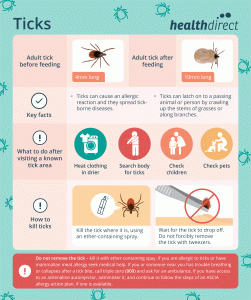
Defensive Measures for Tick Protection:

  • Utilize tick repellents containing DEET (25-50%) on exposed skin.
  • Apply permethrin on clothing for extended protection.
  • Conduct thorough inspections of yourself and clothing post-outdoor activities.
  • Opt for drying clothes in a dryer as an effective method to eliminate ticks.

Strategic Tick Bite Response

  1. Prompt Removal:
    • Use fine-tipped tweezers for precise removal.
    • Grasp the tick close to the skin’s surface.
  2. Steady Pressure:
    • Apply steady and upward pressure.
    • Avoid jerking or twisting motions during removal.
  3. Straight Motion:
    • Pull the tick straight out without deviation.
    • Ensure the entire tick is extracted.
  4. Cleaning the Bite Area:
    • Thoroughly clean the bite area with alcohol.
    • Follow up with soap and water to minimize infection risk.
  5. Save the Tick:
    • Preserve the tick for potential identification.
    • Store it in a sealed container or bag.
  6. Monitoring for Symptoms:
    • Be vigilant for signs of tick-borne illnesses.
    • Watch for symptoms such as fever or rash.
  7. Timely Medical Attention:
  8. Avoiding Panic:
    • Remain calm; not all tick bites lead to infections.

    • Overreacting may cause unnecessary stress.
Ticks Can Pose a Serious Threat
Image by: www.healthdirect.gov.au

Conclusion

Comprehending the intricacies of ticks and adopting proactive measures is paramount in mitigating the risks associated with tick-borne illnesses. Stay informed, engage in preventative practices, and safeguard your health during outdoor activities to ensure a harmonious coexistence with these fascinating yet potentially hazardous arachnids.

Understanding Ovarian Cancer

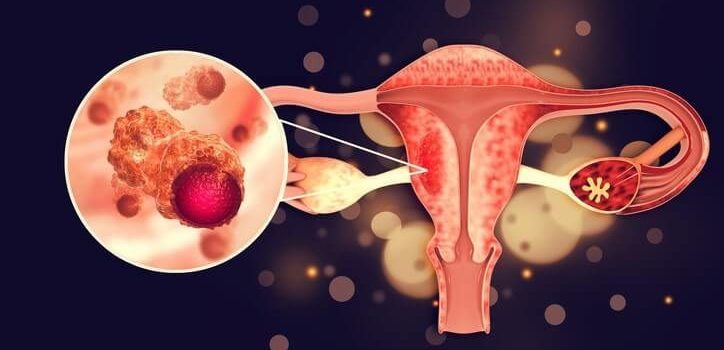
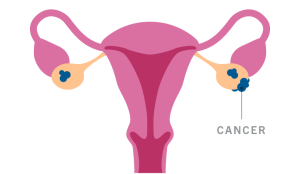
Ovarian cancer, a condition characterized by the uncontrolled multiplication of cells in the ovaries, poses a significant health challenge for women. This article aims to provide a comprehensive overview, covering symptoms, types, risk factors, diagnosis, stages, treatment, ongoing research, prevention, and the outlook for those affected.

Ovarian Cancer at a Glance

The ovaries, crucial components of the female reproductive system, produce eggs and hormones such as estrogen and progesterone. Shockingly, around 19,880 women in the United States are estimated to receive an ovarian cancer diagnosis in 2022, with approximately 12,810 facing a tragic outcome.

Ovarian Cancer
Image by: www.gene.com

Unveiling the Symptoms

Early Symptoms of Ovarian Cancer

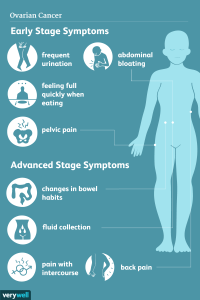
Recognizing the early signs of ovarian cancer is crucial for timely intervention. While these symptoms can be subtle and easily dismissed, persistent occurrences warrant medical attention. Early symptoms may include:

  • Abdominal Bloating, Pressure, and Pain: Unexplained sensations of fullness or discomfort in the abdominal area.
  • Abnormal Fullness After Eating: Feeling excessively full or bloated after consuming small amounts of food.
  • Difficulty Eating: Experiencing challenges or discomfort while eating.
  • Increased Urination: An uptick in the frequency of urination without an apparent cause.
  • Increased Urge to Urinate: A heightened sense of urgency to urinate, often unrelated to fluid intake.

It’s essential to note that these early symptoms may be indicative of various conditions, making their persistence and noticeable change from regular sensations significant for consultation with a healthcare professional.

Ovarian Cancer
Image by: www.verywellhealth.com

Later and Severe Symptoms

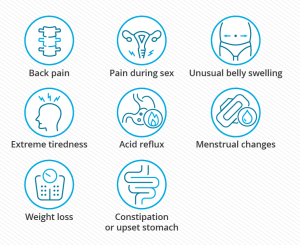
As ovarian cancer progresses, symptoms may become more pronounced and severe. These later signs often indicate advanced stages of the disease and may include:

  • Fatigue: Persistent and unexplained tiredness or weakness.
  • Indigestion: Discomfort or pain in the digestive system.
  • Back Pain: Aching or discomfort in the back region.
  • Menstrual Irregularities: Bleeding outside of the normal menstrual cycle.
  • Painful Intercourse: Discomfort or pain during sexual activity.
  • Dermatomyositis: A rare inflammatory disease leading to skin rash, muscle weakness, and inflamed muscles.
  • Loss of Appetite: Decreased desire or interest in eating.
  • Weight Loss: Unexplained and unintentional weight loss.
  • Changes in Bowel Habits: Constipation or alterations in bowel movements.

Severe symptoms often signal the spread of cancer beyond the ovaries, making intervention more challenging.

Ovarian Cancer
Image by: cdn.cancercenter.com

Post-Menopausal Symptoms

Post-menopausal women should be vigilant about changes in their health, as ovarian cancer symptoms can vary after menopause. One key difference is the absence of regular menstrual periods. Post-menopausal symptoms may include:

  • Bleeding After Menopause: Any unexpected bleeding after the cessation of regular menstrual periods should be investigated promptly.
  • Persistent Abdominal Discomfort: Ongoing discomfort or pain in the abdominal area.

Post-menopausal women experiencing these symptoms should seek medical attention promptly, considering the potential association with ovarian cancer, which is more common in women over the age of 60.

Types of Ovarian Cancer

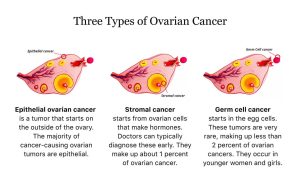
Understanding the cellular origins is crucial:

  • Epithelial Ovarian Carcinomas (85-90%): Form in the outer tissue layer.
  • Stromal Tumors (7%): Develop in hormone-producing cells.
  • Germ Cell Tumors: Rare, arising in egg-producing cells.
Ovarian Cancer
Image by: www.drugwatch.com

Ovarian Cysts: Benign vs. Cancerous

Criteria Benign Ovarian Cysts Cancerous Ovarian Tumors
Composition Typically filled with fluid Solid masses of cells
Growth Patterns May fluctuate in size with menstrual cycles Do not exhibit growth or reduction with cycles
Post-Menopausal Occurrence Uncommon Occurrence may raise suspicion, requires evaluation
Symptoms Often asymptomatic or mild symptoms Can cause severe symptoms as they progress
Ovulation Association Frequently associated with normal ovulation Not linked to ovulation patterns
Detection Challenges Usually detected incidentally during imaging May require thorough evaluation and testing
Management Approach Often monitored, may resolve on their own May necessitate surgical intervention for removal
Cancer Possibility Rarely associated with cancer A small percentage can be cancerous, requiring careful assessment
Post-Menopausal Consideration Typically less concerning Requires careful evaluation due to increased cancer risk

Risk Factors and Diagnosis

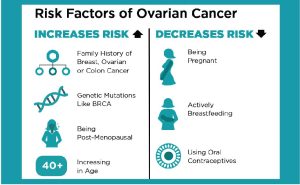
Risk Factors

  1. Family History:
    • Presence of ovarian cancer in close relatives increases risk.
    • Inherited genetic mutations (e.g., BRCA1, BRCA2) elevate susceptibility.
  2. Personal Cancer History:
    • Previous breast, uterine, or colon cancer diagnosis raises risk.
  3. Age:
    • Advanced age, especially post-menopausal, is a significant risk factor.
  4. Obesity:
    • Higher body mass index (BMI) correlates with an increased risk.
  5. Fertility Treatments:
    • Certain fertility drugs and hormone therapies may elevate risk.
  6. No History of Pregnancy:
    • Women who have never been pregnant face a higher risk.
  7. Endometriosis:
    • Presence of endometriosis increases the likelihood of ovarian cancer.
Ovarian Cancer
Image by: www.hilal.gov.pk

Diagnosis

Pelvic Exam:

Healthcare provider assesses pelvic abnormalities.

Transvaginal Ultrasound (TVUS):

Imaging test using sound waves to detect ovarian tumors.

CT Scan and MRI:

Cross-sectional imaging aids in evaluating spread and extent.

CA-125 Blood Test:

Measures cancer antigen levels; elevated levels may indicate ovarian cancer.

Biopsy:

Removal and analysis of a small tissue sample for definitive diagnosis.

Chest CT Scan and PET Scan:

Evaluates metastasis to lungs and distant organs.

Symptom Monitoring:

Persistent symptoms such as abdominal bloating prompt further investigation.

Genetic Testing:

Identification of genetic mutations associated with increased risk.

Clinical History Review:

Consideration of personal and family medical history.

Regular Check-ups:

Routine medical examinations for early detection and monitoring.

Ovarian Cancer
Image by: d1pp2z345iwjx7.cloudfront.net

Navigating the Stages

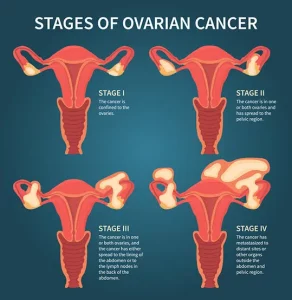
The staging of ovarian cancer determines its spread:

  • Stage 1: Limited to one ovary (1A) or both ovaries (1B), with possible external cell presence (1C).
  • Stage 2: Involves spread to pelvic structures (2A, 2B).
  • Stage 3: Spreads beyond the pelvis to abdominal lining and lymph nodes (3A, 3B, 3C).
  • Stage 4: Metastasizes to distant organs (4A, 4B).
Ovarian Cancer
Image by:twc-ms.com

Treatment Approaches

A multidisciplinary approach is adopted based on the cancer’s extent. Common treatments include surgery (often involving hysterectomy), chemotherapy, targeted therapy, and hormone therapy. Fertility preservation options are explored for those seeking to conceive in the future.

Ongoing Research and Hope

The landscape of ovarian cancer research is dynamic, with constant exploration of novel therapies and treatments. Promising developments include PARP inhibitors, targeted therapies like navicixizumab and ATR inhibitors, gene therapies, and innovative clinical trials.

Prevention and Outlook

While complete prevention methods are elusive, factors like oral contraceptives, breastfeeding, pregnancy, and certain surgical procedures may lower ovarian cancer risk. The outlook depends on various factors, including cancer stage, overall health, and treatment response. Survival rates vary across stages, emphasizing the importance of early detection and intervention.

In summary, understanding ovarian cancer comprehensively empowers individuals, fostering awareness, early detection, and a hopeful outlook driven by continuous advancements in research and treatment modalities.


Introduction

Embarking on the journey to alleviate the lingering impact of acne scars involves navigating through a plethora of treatment options. Among these, plastic surgery emerges as a nuanced solution, encompassing both surgical and nonsurgical interventions tailored to address distinct types of acne scars. This comprehensive article delves into the multifaceted world of plastic surgery, shedding light on its efficacy, key considerations, alternative treatments, and answers to frequently asked questions.

Acne Scars and the Surgical Spectrum

Surgical Precision for Indented Scars

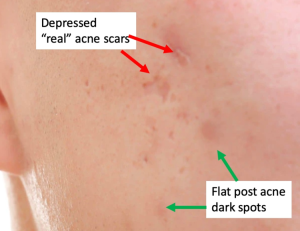
Plastic surgery provides a precise and targeted approach to indented scars. Surgeons, armed with specialized punch techniques, can strategically lift indented scars closer to the skin surface, rendering them noticeably less prominent. This surgical finesse extends to deeply indented scars, where scar tissue is either removed, elevated, or replaced with a skin graft.

 Acne Scars
Image by: dql5a1uh5bnf3.cloudfront.net

Confronting the Challenge of Raised Scars

The realm of plastic surgery also confronts the challenge of raised acne scars. While surgery effectively addresses these elevated scars, a common occurrence of recurrence prompts the incorporation of complementary treatments. Post-surgery, injections or radiation serve as strategic measures to prevent or minimize the reappearance of scars. The combination of surgical intervention with injections, featuring substances like fluorouracil and corticosteroids, stands out as a highly effective strategy in this context.

Exploring the Nonsurgical Landscape

Diverse Nonsurgical Alternatives

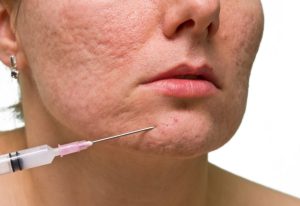
Beyond surgery, a diverse landscape of nonsurgical alternatives unfolds, each catering to specific scar characteristics. Injections, involving the direct administration of medication into scars, prove beneficial for both raised and indented scars. Subcision, a technique involving micro-wounding to stimulate collagen production, offers a unique approach to depressed scars. Dermal fillers, utilizing substances like hyaluronic acid, present a natural alternative, with FDA-approved options like Bellafill gaining prominence for certain scar types.

 Acne Scars
Image by: www.meliorclinics.co.uk

Laser Resurfacing, Microneedling, and Chemical Peels

Laser resurfacing, a procedure harnessing light wavelengths to stimulate collagen production, becomes a valuable option for depressed scars. Microneedling, a form of collagen-induction therapy, involves creating micro-injuries to trigger the body’s healing response, benefiting specific depressed scars. Chemical peels, through the application of a peeling solution, facilitate new skin growth, particularly aiding depressed scars. Each of these procedures adds a layer of versatility to acne scar treatment, catering to diverse scar types.

Cryotherapy and the Promise of Skin Tightening

In the quest for effective acne scar treatment, cryotherapy emerges as a contender, utilizing freezing to reduce the appearance of scars. Meanwhile, skin tightening, a newer and more affordable procedure, employs radiofrequency to tighten the skin, making raised scars less visible. The electromagnetic device used in radiofrequency generates heat, triggering collagen production and the formation of new skin cells. These emerging procedures broaden the spectrum of choices for individuals seeking scar improvement.

Navigating the Maze: Choosing the Right Treatment

Factors Influencing Treatment Choices

Choosing the right treatment involves a careful consideration of various factors, ensuring a personalized and effective approach. Elements such as costs, time and aftercare requirements, recovery periods, personal priorities, and the expertise of the practitioner come into play. Unlike a one-size-fits-all solution, the decision-making process necessitates a tailored approach based on scar characteristics and individual preferences.

 Acne Scars
Image by: plymouthmeetingdermatology.com

Conclusion: A Holistic Approach to Acne Scar Liberation

Empowering Through Knowledge

In conclusion, plastic surgery, serving as a cornerstone in acne scar treatment, unveils a comprehensive approach that extends beyond surgical interventions. This journey involves understanding the nuances of various treatments, empowering individuals to make informed decisions. While surgery significantly reduces scar visibility, the incorporation of complementary treatments and alternative procedures broadens the horizon, offering tailored solutions for diverse scar types. Embracing this holistic approach ensures individuals embark on a journey towards smoother, scar-free skin armed with knowledge and a myriad of treatment options.

Introduction

Sea lice rash, scientifically known as seabather’s eruption (SBE), emerges as a skin condition triggered by exposure to minuscule jellyfish and anemones in tropical or subtropical seawater. This article delves into the intricate details of sea lice rash, covering symptoms, treatment approaches, duration, when to seek medical advice, and addressing frequently asked questions.

Decoding Sea Lice: Not Lice, But Jellyfish

Contrary to the name, the agents behind sea lice rash aren’t actual lice. Instead, they are the thimble jellyfish Linuche unguiculata and its developmental stages—larvae, medusae, and ephyrae. Predominantly found in the West Atlantic Ocean, encompassing the Caribbean, Florida, and Mexico, these diminutive creatures release toxins when trapped between bathing suit fabric and the skin. Despite lacking physical stingers, their stinging cells induce an immune system response, resulting in the characteristic sea lice rash.

Sea Lice Rash
Image by: media.rnztools.nz

Unraveling Sea Lice Rash Symptoms

  • Prickling Sensation: Some individuals experience a prickling sensation in tight-fitting areas of their swimsuits while still in the water.
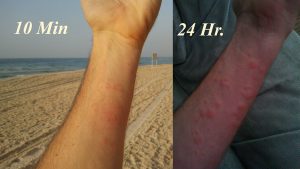
  • Onset Timing: Symptoms, including itchiness, bumps, or hives, typically manifest several hours after leaving the water.
  • Severity Variation: Severe reactions may involve infected blisters, headaches, vomiting, fever, chills, weakness, itchy eyes, and burning urination.
  • Age and Activity Impact: Children under 15 years old and surfers are more susceptible to pronounced symptoms due to extended water exposure.
Sea Lice Rash
Image by: c2.staticflickr.com

Navigating Treatment for Sea Lice Rash

Most cases of sea lice rash can be managed effectively at home through the following treatment measures:

  1. 5% Acetic Acid: Utilize to inactivate any undischarged stinging cells.
  2. Rubbing Alcohol or Diluted Vinegar: Apply to neutralize any remaining toxins.
  3. Ice Packs: Employ to ease pain and reduce inflammation.
  4. Antihistamines and Topical Corticosteroids: Administer to alleviate inflammation and itching.
  5. Calamine and Menthol Lotion: Use topically to reduce itching.
  6. Nonsteroidal Anti-Inflammatory Drugs (NSAIDs): Consider for pain and inflammation (note: avoid aspirin in children).

Additional Measures:

  • Bathing Suit Care: Ensure thorough cleaning by washing in hot, soapy water and rinsing with vinegar or alcohol. Follow with a heated dryer cycle to eliminate any remaining stinging cells.

When to Seek Medical Attention

While most cases can be managed at home, individuals experiencing severe reactions or signs of infection should promptly consult a doctor. Signs of infection include swelling, increased pain, warmth, redness, or the presence of pus.

PCOS
Image by: verywellhealth.com

Insights into Sea Lice Rash

How long does sea lice rash last?

Sea lice rash typically lasts 1–2 weeks but may persist for up to 2 months.

Can sea lice rash spread?

Although not transmissible, sea lice rash may continue to spread on the affected person for a few days after initial exposure.

Can a person avoid sea lice?

The most effective prevention method is to stay out of water containing jellyfish and anemones. According to Florida Health, these organisms are likely present during the summer, with peak months for sea lice issues in Florida being March–August.

In Conclusion

Sea lice rash, an immune system response to toxins from small jellyfish and sea anemones, unfolds as a complex yet manageable condition. Understanding its symptoms, adopting appropriate treatment measures, and knowing when to seek medical attention are crucial aspects in navigating this unique skin condition.

Understanding the Diagnostic Journey

Navigating Symptoms and Medical History

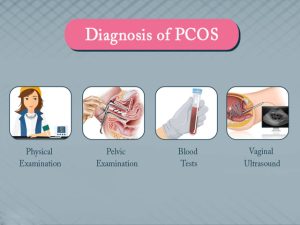
Polycystic Ovary Syndrome (PCOS) is a complex condition with no single test for diagnosis. Healthcare providers initiate the diagnostic process by delving into a patient’s symptoms, medications, and medical history. A detailed discussion about menstrual cycles, weight changes, and a comprehensive physical exam is conducted, encompassing an assessment for excess hair growth, insulin resistance, and acne.

PCOS
Image by: www.littleangelivf.com

Diagnostic Tools Unveiled

  1. Pelvic Exam: A cornerstone in the diagnostic arsenal, this examination allows healthcare providers to scrutinize reproductive organs for masses, growths, or any discernible changes.
  2. Blood Tests: Hormone levels are meticulously measured to pinpoint imbalances. These tests help exclude other potential causes of menstrual irregularities or androgen excess mimicking PCOS. Additionally, fasting cholesterol and triglyceride levels are examined, along with a glucose tolerance test to assess the body’s response to sugar.
  3. Ultrasound: A transvaginal ultrasound provides a visual examination of the ovaries’ appearance and the thickness of the uterine lining. This non-invasive procedure utilizes sound waves emitted by a transducer placed in the vagina, translating into images on a computer screen.

Peering into PCOS Complications

For individuals diagnosed with PCOS, the healthcare journey may extend to additional tests for ongoing monitoring. Regular checks encompass blood pressure, glucose tolerance, cholesterol, and triglyceride levels. Screenings for depression, anxiety, and obstructive sleep apnea may also be recommended to ensure a comprehensive understanding of the patient’s health status.

PCOS
Image by: https://drmncpathlab.com/wp-content/uploads/2019/04/04-04-19-Kabir-Da.jpg

Tailoring Treatment for PCOS

Holistic Approaches

PCOS treatment is not a one-size-fits-all solution; it’s a tailored approach focusing on specific concerns such as infertility, hirsutism, acne, or obesity.

Lifestyle Changes

Healthcare providers often advocate for lifestyle modifications as a foundational step. Recommendations may include weight loss through a combination of a low-calorie diet and moderate exercise. Even a modest weight reduction, such as 5% of body weight, can yield significant improvements. Collaborative efforts with a healthcare provider and a registered dietitian are essential in formulating an effective weight-loss plan.

PCOS
Image by: excelivf.com

Medications: A Multifaceted Approach

  1. Regulating Menstrual Periods: Options include combination birth control pills or progestin therapy, both of which contribute to hormonal balance and mitigate symptoms like irregular bleeding, excess hair growth, and acne.
  2. Fertility Enhancement: Medications like Clomiphene, Letrozole, Metformin, and Gonadotropins may be recommended to induce ovulation and enhance the chances of conception.
  3. Managing Excessive Hair Growth or Acne: Birth control pills, Spironolactone, Eflornithine, and various hair removal methods are suggested to address cosmetic concerns associated with PCOS.

Exploring Procedures for Pregnancy

For those facing challenges in natural conception, assisted reproductive technologies such as in vitro fertilization may be considered under the guidance of healthcare professionals.

PCOS
Image by: invitra.com

Lifestyle and Home Remedies: A Proactive Approach

To complement medical interventions, individuals with PCOS are encouraged to adopt lifestyle and home remedies that can positively impact their well-being.

  1. Maintaining a Healthy Weight: Weight loss is highlighted as a pivotal strategy to lower insulin and androgen levels, potentially restoring regular ovulation. Healthcare providers may recommend weight-control programs, if needed.
  2. Carbohydrate Management: Considering the potential impact of high-carbohydrate diets on insulin levels, individuals with PCOS are advised to limit carbohydrate intake. Embracing complex carbohydrates found in fruits, vegetables, whole grains, and legumes can be beneficial.
  3. Embracing Physical Activity: Regular exercise is touted as a potent tool to lower blood sugar levels, treat insulin resistance, and manage weight. It may also contribute to the prevention of diabetes.
PCOS
Image by: fitpaa.com

Preparation for Medical Consultation

Individuals seeking medical advice for PCOS can enhance the effectiveness of their consultations by adequately preparing for their appointments.

  • Symptom Documentation: List and describe the symptoms experienced, including their duration and severity.
  • Menstrual History: Provide comprehensive information about menstrual cycles, including frequency, duration, and flow.
  • Medication Overview: Document all medications, vitamins, herbs, and supplements being taken, specifying dosages.
  • Personal and Medical Information: Share relevant personal and medical details, including other health conditions, recent life changes, and stressors.

Patient-Doctor Dynamics: What to Expect

During the medical consultation, healthcare providers are likely to ask a series of questions to gather essential information for a nuanced understanding of the patient’s condition.

  • Symptom Inquiry: Detailed questioning about the frequency, severity, and onset of symptoms.
  • Menstrual History Exploration: Understanding the nuances of menstrual cycles, including the last period and any associated changes.
  • Weight and Lifestyle Impact: Exploring the correlation between weight changes, lifestyle choices, and symptom fluctuations.
  • Familial Connection to PCOS: Inquiring about any familial history of PCOS, involving close blood relatives like mothers or sisters.
PCOS
Image by: verywellhealth.com

The Holistic Approach to PCOS Management

Understanding and managing PCOS require a holistic approach that integrates diagnostics, lifestyle adjustments, and targeted medical interventions. This multifaceted strategy aims to enhance the quality of life for individuals affected by PCOS. As always, personalized guidance from healthcare professionals is paramount in navigating this complex journey.

Conclusion

Polycystic Ovary Syndrome (PCOS) stands as a multifaceted and intricate condition, demanding a comprehensive approach to diagnosis, treatment, and lifestyle management. The diagnostic journey involves a meticulous exploration of symptoms, medical history, and a series of tests such as pelvic exams, blood tests, and ultrasounds. It is a nuanced process where healthcare providers unravel the complexities to tailor interventions.

The treatment landscape for PCOS is diverse, reflecting the diverse nature of the condition. From lifestyle adjustments, including weight management and exercise, to targeted medications addressing hormonal imbalances and fertility concerns, the approach is personalized. The integration of in vitro fertilization for those facing conception challenges adds another layer to the treatment spectrum.

Lifestyle and home remedies emerge as proactive tools in the hands of individuals grappling with PCOS. From maintaining a healthy weight to managing carbohydrate intake and embracing physical activity, these strategies empower individuals to actively participate in their well-being.

Introduction

Yellow fever, a formidable viral infection transmitted through mosquitoes, poses a significant health risk to individuals traveling to specific regions in Africa and South and Central America. This comprehensive guide explores the intricacies of the yellow fever vaccine, its necessity, and the precautions associated with it.

Understanding Yellow Fever

What is yellow fever?

Yellow fever is caused by the yellow fever virus, primarily transmitted through the bites of infected mosquitoes. While some individuals may experience flu-like symptoms and eventually recover, others face severe manifestations, including high fever, vomiting, jaundice (yellowing of the skin or eyes), and bleeding. Alarmingly, approximately 1 in 12 cases result in fatality.

The Role of Mosquitoes

Yellow fever is not transmitted directly from person to person; mosquitoes serve as carriers, transferring the infection from one human to another. Unlike the mosquitoes that carry malaria, which are active from dusk to dawn, the mosquitoes responsible for yellow fever tend to bite during daylight hours.

Yellow Fever
Image by: kenyans.co.ke

Key Questions Answered

What country requires the yellow fever vaccine?

Countries in Africa and South and Central America have witnessed yellow fever outbreaks. Travelers to these regions, especially those over the age of 9 months, are strongly advised to seek immunization. Some countries mandate an International Certificate of Vaccination for entry.

Who should have the yellow fever vaccine?

The yellow fever vaccine is recommended for:

  • Travelers to at-risk countries
  • Workers handling materials potentially infected with the virus
  • Residents in areas where yellow fever is present
Yellow Fever
Image by: 800aspirin.com

Where can I get the yellow fever vaccine?

Yellow fever vaccine administration is limited to accredited centers. While many GP practices offer the vaccine, travelers should ensure their local practice is accredited. A vaccination certificate is issued, indicating the vaccine’s effectiveness date.

How does the yellow fever vaccine work?

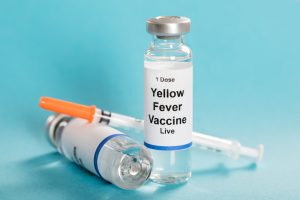
The vaccine stimulates the production of antibodies against the yellow fever virus, providing immunity. As a live vaccine, it can be administered concurrently with other vaccines.

Yellow Fever
Image by: milespharmacy.co.uk

When should you get the yellow fever vaccine?

To ensure immunity, individuals should receive the vaccine at least ten days before their travel date. While a single dose was traditionally effective for 10 years, recent declarations by the World Health Organization (WHO) suggest the potential for lifelong immunity. Travelers are advised to check the specific regulations of the countries they plan to visit.

What are the side-effects of yellow fever vaccine?

While severe reactions are rare, mild side-effects may persist for up to 14 days. These can include feeling generally unwell, headaches, muscle aches, joint pain, mild fever, or soreness at the injection site. Notably, encephalitis, a serious but rare side-effect, may occur, especially in individuals over 60.

Yellow Fever
Image by: health.wordpress.clevelandclinic.org

Who should not receive the yellow fever vaccine?

Certain circumstances may preclude individuals from receiving the yellow fever vaccine, including reduced immunity, ongoing fever, pregnancy, severe past reactions to egg, and thymus disorders. Consultation with a healthcare professional is essential in such cases.

Conclusion

Navigating the realm of yellow fever and its vaccine is vital for individuals embarking on journeys to at-risk regions. Understanding the vaccine’s intricacies, potential side-effects, and the specific demographics it caters to ensures not only personal safety but also contributes to the prevention of yellow fever epidemics. Always seek personalized advice from healthcare professionals for a well-informed travel health strategy.

Introduction

In the grand scheme of human survival, the necessity of nails is a matter of context. Unless one’s survival hinges on the ability to harvest fruit from the lower branches of trees, nails—both fingernails and toenails—may be considered non-essential. While these keratinous structures serve practical purposes, they do not hold the same life-sustaining significance as vital organs like the lungs.

Anatomy of Nails

Understanding the intricate anatomy of nails unveils the complexity of these seemingly simple structures. Breaking down the components:

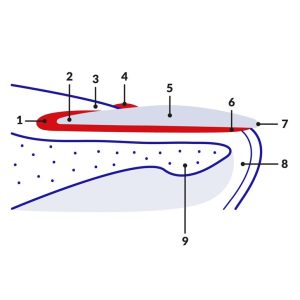
Fingernail Anatomy

  1. Nail Plate: The visible, hard surface of the nail.
  2. Nail Bed: A layer of skin beneath the nail plate.
  3. Cuticle (Eponychium): The rim of tissue at the base of the nail plate.
  4. Nail Folds: Ridges of skin and soft tissue surrounding the nail on three sides.
  5. Matrix: The hidden part beneath the cuticle, composed of living cells producing keratin.
Fingernail Anatomy
               Image by: patient.info
Nail File
image by: masterfile.com

Evolutionary Perspective

Why do we have fingernails?

  1. Modified Claws: Nails are believed to be evolutionary adaptations of claws, initially used by large mammals for climbing and grabbing.
  2. Support for Broad Fingertips: As primates, including our evolutionary ancestors, grew larger, nails supported the development of broad fingertips crucial for gripping.
  3. Tool Use: The transition from tree-dwelling to cave-dwelling led to broader fingertips, facilitating tool use. This skill eventually evolved into complex tasks, including assembling flat pack furniture.

Why do we have toenails?

  1. Claw Evolution: Similar to fingernails, toenails started as claws, providing grip during tree-climbing.
  2. Protective Function: Toenails, like fingernails, have a protective role, preventing injury to delicate tissues beneath.
  3. Balance Assistance: Some evidence suggests that toenails contribute to balance by ensuring consistent contact of toe sensors with the floor.
Fingernail Anatomy
                                       Image by: nailsfaq.com

Other Uses of Nails

Beyond their evolutionary origins and anatomical functions, nails have multifaceted uses in our daily lives:

  1. Aesthetic Enhancement: Nails can be adorned with varnish for aesthetic purposes.
  2. Practical Tasks: Nails aid in practical tasks such as opening containers without getting hands messy.
  3. Health Insights: The appearance of nails can provide clues to underlying health issues, with signs like pitting indicating skin conditions and discoloration signaling potential fungal infections or systemic health concerns.

Conclusion

In the intricate tapestry of human existence, the role of nails, both fingernails and toenails, transcends mere functionality. While not essential for survival in the traditional sense, these keratinous structures carry a rich evolutionary history, offering insights into our primate past. Understanding their anatomy reveals a complexity that goes beyond the surface, involving nail plates, beds, cuticles, and matrices. From modified claws aiding in climbing to supporting the development of broad fingertips for tool use, nails have been integral to our evolutionary journey.

Moreover, nails extend their influence into the practicalities of daily life, from aesthetic enhancements with nail varnish to aiding in everyday tasks. Their appearance even serves as a diagnostic tool, providing subtle clues to our overall health. As we navigate the nuances of existence, it becomes evident that nails, often taken for granted, contribute in multifaceted ways to the human experience.

Introduction

Varicose veins, a common vascular condition affecting a substantial portion of the adult population, are more than just swollen blood vessels. This comprehensive guide aims to provide an in-depth understanding of varicose veins, shedding light on their causes, symptoms, available treatments, preventive measures, and potential complications.

What Are Varicose Veins?

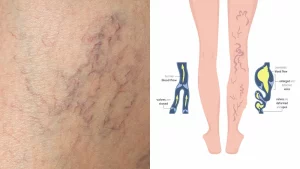
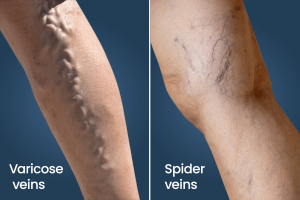
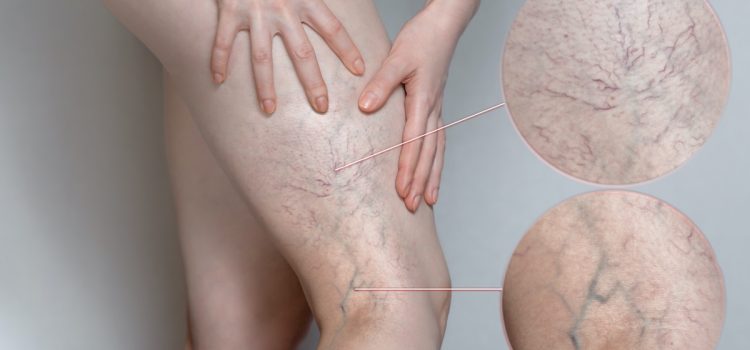
Varicose veins are characterized by the abnormal enlargement and twisting of blood vessels just beneath the skin’s surface, primarily occurring in the legs, feet, and ankles. These veins, often presenting as blue or purple bulges, can be accompanied by smaller, red or purple lines known as spider veins. While the aesthetic aspect is a concern, varicose veins can also induce discomfort, itching, and pain. Though not inherently dangerous, severe cases may lead to complications such as blood clots.

 varicose veins
Image by: https://prosperitydumpling.com/exactly-varicose-veins-are-caused-by-what/

Varicose Veins vs. Spider Veins

Feature Varicose Veins Spider Veins
Appearance Swollen, twisted, bulging veins Smaller, red or blue lines, resembling spider webs
Color Blue or purple Red or blue
Location Legs, feet, ankles Commonly on the face, behind the knee, or on feet
Size Larger and more prominent Smaller and thinner
Pain Can be painful, achy, or sore Typically not painful
Associated Symptoms Heaviness, itching, swelling, skin discoloration Often asymptomatic, may cause minor discomfort
Risk Factors Age, gender, family history, lifestyle choices Similar risk factors as varicose veins
Prevalence Common, affecting around 1/3 of adults Common, but prevalence may vary
Treatment Elevation, compression stockings, medical procedures Similar treatment options as varicose veins
 varicose veins
Image by: https://www.ithriveveins.com/education/varicose-veins-vs-spider-veins

Exploring Risk Factors

Various factors contribute to the development of varicose veins, making it imperative to recognize and understand these risk elements. Age, gender, family history, lifestyle choices, overall health, tobacco use, and excess weight all play significant roles in increasing susceptibility to varicose veins. Awareness of these factors empowers individuals to adopt preventive measures and seek timely intervention.

Who is Likely to Get Varicose Veins?

Anyone can develop varicose veins. Certain factors increase your chances of developing varicose veins, including:

  • Age: Because of the aging process, vein walls and valves don’t work as well as they once did. Veins lose elasticity and stiffen.
  • Gender: Female hormones can allow the walls of the veins to stretch. People who are pregnant, taking the birth control pill or going through menopause have a higher risk of varicose veins because of changes in hormone levels.
  • Family history: This condition can be inherited (runs in families).
  • Lifestyle: Standing or sitting for long periods decreases circulation. Wearing restrictive clothing, such as girdles or pants with tight waistbands can decrease blood flow.
  • Overall health: Certain health conditions, such as severe constipation or certain tumors, increase pressure in the veins.
  • Tobacco use: People who use tobacco products are more likely to develop varicose veins.
  • Weight: Excess weight puts pressure on blood vessels.
Ice for Weight Loss
Image by: https://marketingambition.medium.com/how-can-i-lose-weight-in-a-month-up-to-12-kg-a9ca8822494

Symptoms

Identifying Symptoms

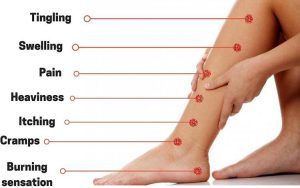
The most recognizable sign of varicose veins is a gnarled, blue or purple vein just under your skin’s surface. Symptoms include:

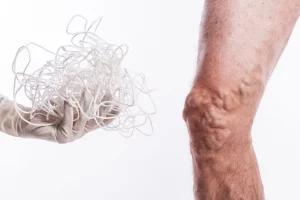
  • Bulging veins: Twisted, swollen, rope-like veins are often blue or purple. They appear just below the surface of the skin on your legs, ankles and feet. They can develop in clusters. Tiny red or blue lines (spider veins) may appear nearby.
  • Heavy legs: Muscles in your legs may feel tired, heavy or sluggish, especially after physical activity.
  • Itching: The area around varicose veins may itch.
  • Pain: Legs may be painful, achy or sore, especially behind your knees. You might have muscle cramps.
  • Swelling: Your legs, ankles and feet can swell and throb.
  • Skin discolorations and ulcers: If left untreated, varicose veins can cause brown discolorations on your skin. Severe varicose veins can cause venous ulcers (sores) on your skin.
 varicose veins
Image by: https://www.varicoseveinsmumbai.com/signs-and-symptoms-of-varicose-veins/

Unraveling Causes

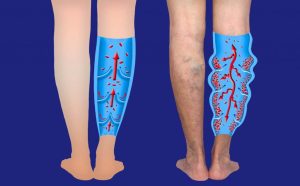
Varicose veins occur when the walls of your veins weaken. As blood pressure in your vein increases, the weakened walls allow your vein to get bigger. As your vein stretches, the valves that keep blood moving in one direction in your vein can’t work like they should. Sluggish blood backs up or pools in your vein, causing your vein to swell, bulge and twist.

Vein walls and valves can become weak for several reasons, including:

  • Hormones.
  • The aging process.
  • Excess weight.
  • Restrictive clothing.
  • Pressure inside the vein from standing for long periods.

     varicose veins
    Image by: https://www.modernheartandvascular.com/venous-insufficiency-and-the-main-causes/

Diagnosis and Tests

Diagnosing varicose veins typically involves a physical examination. However, for a more detailed assessment and to check for potential complications, healthcare providers may recommend ultrasound imaging. This non-invasive procedure utilizes sound waves to produce images of internal tissues, providing valuable insights into the condition of blood clots and the functionality of valves within the veins.

blood test
Image by: https://www.drawbridgehealth.com/blood-testing/

Management and Treatment Options

Although there isn’t a cure for varicose veins, these treatments can reduce their appearance and relieve discomfort:

  • Elevation: To increase blood flow and decrease pressure in your veins, you should elevate your legs above your waist several times throughout the day.
  • Elastic stockings: Supportive stockings or socks compress your veins and reduce discomfort. The compression stops your veins from stretching and helps blood flow.
  • Injection therapy (sclerotherapy): During sclerotherapy, a healthcare provider injects a solution into your vein. The solution causes the vein walls to stick together. Eventually, your vein turns into scar tissue and fades away.
  • Laser therapy: In a minimally invasive procedure called endovenous thermal ablation, healthcare providers use a catheter (a long, thin tube) and laser to close off a damaged vein.
  • Vein surgery: During these procedures, also called ligation and stripping, the surgeon ties off your affected vein (ligation) to stop blood from pooling. The surgeon may remove (strip) the vein to prevent varicose veins from reappearing.
blood test
Image by: https://certifiedfoot.com/how-do-spider-veins-on-ankles-and-feet-affect-you/

Complications and Side Effects

Half of the people who have surgical stripping get varicose veins again within five years, and varicose veins can happen again after endovenous ablation as well.

Potential side effects of these treatments include:

  • Scarring.
  • Skin burns.
  • Infection.
  • Injury to a nerve.
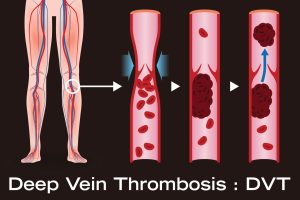
  • Deep vein thrombosis (a blood clot in a vein deep inside your body).
 varicose veins
Image by: https://drtobycohen.com.au/deep-vein-thrombosis/

Sclerotherapy can cause side effects that include:

  • Redness or bruising for a few days where a needle went into your skin.
  • Brown areas (for several months) on skin where the needle touched.
  • Lumps or hardness for a few months.

With sclerotherapy, new varicose veins can happen and need treatment.

Prevention Strategies

You may not be able to prevent varicose veins. You can reduce your chances of developing them by living an active, healthy lifestyle. Healthcare providers recommend many of the same measures to prevent and treat varicose veins:

  • Avoid long periods of standing: To encourage blood flow, take regular breaks to stretch and walk around, especially if you have a job that requires you to be on your feet.
  • Elevate your legs: Raising your feet above your waist helps blood flow to your heart.
  • Maintain a healthy weight: Getting rid of excess pounds reduces pressure inside your blood vessels.
  • Quit tobacco use: Smoking damages blood vessels, decreases blood flow and causes a wide range of health problems.
  • Stay active: To improve circulation, move frequently and avoid sitting still for prolonged periods.
  • Try compression stockings: Support socks and pantyhose compress your veins and help blood circulate, which can prevent varicose veins from getting worse.
  • Wear clothes that fit properly: To encourage blood flow, make sure your waistband isn’t too tight.

Outlook and Complications

Varicose veins can cause ulcers (open sores), bleeding and skin discoloration if left untreated. Severe varicose veins may be a sign of chronic venous insufficiency. This condition affects your veins’ ability to pump blood to your heart.

People who have varicose veins may be more likely to develop blood clots. It’s important to tell your healthcare provider about varicose veins. Your provider should evaluate and monitor you for clotting disorders such as:

  • Superficial thrombophlebitis: Blood clots can form inside varicose veins, causing a condition called superficial venous thrombosis or superficial thrombophlebitis. Thrombophlebitis is painful but isn’t usually dangerous. It’s also treatable.
  • Deep vein thrombosis (DVT): People with varicose veins have a higher risk of deep vein thrombosis, a blood clot in a vein deep inside your body.
  • Pulmonary embolism: A blood clot in your body (usually resulting from DVT) can become lodged in your lung. Pulmonary embolism is a life-threatening condition that requires immediate treatment.
Pulmonary embolism
Image by: https://www.stoptheclot.org/blood-clots-and-varicose-veins/

Conclusion

In conclusion, understanding varicose veins is pivotal for effective prevention and management. By recognizing symptoms, understanding risk factors, exploring available treatments, and adopting preventive measures, individuals can take proactive steps toward maintaining venous health and overall well-being. This comprehensive guide aims to empower readers with the knowledge needed to navigate the intricacies of varicose veins and make informed decisions about their vascular health.

Introduction

Maintaining optimal eye health goes beyond routine eye tests; it involves recognizing subtle changes and understanding when to seek urgent attention. While regular eye check-ups are recommended every two years by the NHS for those without apparent symptoms, certain signs demand immediate consideration from eye specialists.

Early Warning Signs: A Closer Look

1. Finding it Harder to Read

As we age, the eyes undergo natural changes, and one common shift is presbyopia. Individuals aged 40 and over might notice difficulties reading up close, indicating a need for reading glasses. If this gradual change becomes apparent, it’s crucial to consult an optician.

    • Presbyopia: Natural change in focusing ability.
    • Reading difficulties: A common symptom.
    • Optician consultation: Essential for appropriate prescriptions.
Photo by Oleksandr Pidvalnyi: https://www.pexels.com/photo/a-boy-reading-a-book-holding-a-magnifying-glass-12932791/

2. Blurred Vision

Sudden blurry vision can be alarming, but assessing the circumstances is crucial. Robert Longhurst, Consultant Optometrist at Phoenix Hospital, Harley Street, advises asking specific questions about the nature of the blurriness. Gradual blurring could be linked to dry eyes or developing cataracts, while sudden onset may signal serious issues like a detached retina or a stroke.

    • Nature of blurriness: Gradual or sudden onset.
    • Possible causes: Dry eyes, cataracts, or serious issues.
    • Urgent medical attention: Required for sudden blurring.
Blurred Vision
Image by: https://assileye.com/blog/causes-of-blurry-vision/

3. Sudden Loss of Vision

Temporary vision loss, even if it resolves quickly, is a concerning symptom. Amaurosis fugax, a temporary loss of vision due to reduced blood flow to the retina, could be a precursor to a stroke. Seeking urgent medical advice is imperative in such cases.

    • Amaurosis fugax: Temporary loss of vision.
    • Reduced blood flow: Potential precursor to a stroke.
    • Urgent medical advice: Necessary even if vision returns.
Sudden Loss of Vision
Image by: https://www.medicalnewstoday.com/articles/vision-loss-in-one-eye

4. Visual Disturbances

Visual disturbances can vary from seeing straight lines as wavy to experiencing floaters. While floaters are often benign, a sudden increase accompanied by flashing lights may indicate a posterior vitreous detachment. Seeking professional attention is essential to rule out potential complications.

    • Types of visual disturbances: Wavy lines, floaters, etc.
    • Sudden increase in floaters: Requires attention.
    • Posterior vitreous detachment: Potential complications.

Red Eyes: Causes and Concerns

Reddening of the Eyes

Red eyes, a common occurrence, can result from various factors such as irritation or infection. Seasonal considerations like hay fever may contribute, and over-the-counter antihistamine eye drops can help alleviate symptoms.

    • Red eyes causes: Irritation, infection, or allergies.
    • Seasonal considerations: Hay fever and eye redness.
    • Antihistamine eye drops: Useful for relief.
Sudden Loss of Vision
Photo by Louis Galvez on Unsplash

Blepharitis

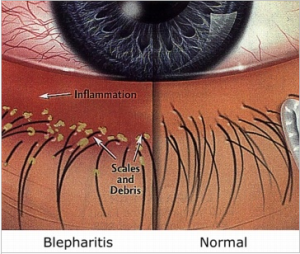
Often presenting with symptoms similar to conjunctivitis, blepharitis involves inflammation of the eyelid edges. Flakes, itching, and crusting may occur, and regular ‘lid hygiene’ is recommended for management.

    • Blepharitis: Inflammation of eyelid edges.
    • Symptoms: Flakes, itching, and crusting.
    • Lid hygiene: Management approach.
Blepharitis
Image by: https://www.palmcoasteyecenter.com/blepharitis.htm

Hay fever

During spring and summer months, many people suffer from hay fever, which can cause eye irritation and redness. If you have hay fever and experience this symptom, you may find eye drops containing antihistamine help to reduce redness and itching.

Conjunctivitis

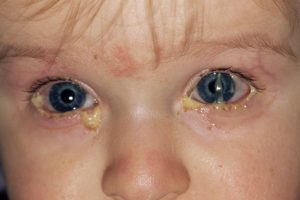
Allergic or infective conjunctivitis is one of the most common causes of red or pink eye. “This is a common eye inflammation usually caused by an irritant or a bacterium or virus,”

This condition is often infectious, so you may need to take time off work or study. If you experience symptoms alongside the redness that include itching, watery eyes, or pus, it’s likely that conjunctivitis is the cause. This condition can often be treated at home, using sterile (boiled and cooled) water and cotton wool to clean the eye area.

However, it may require additional medication. Your pharmacist can provide the same medication you would get on prescription from a GP, and can also confirm if any further action is needed.

Conjunctivitis
Image by: https://www.clinicaladvisor.com/slideshow/slides/conjunctivitis/

Subconjunctival Haemorrhage

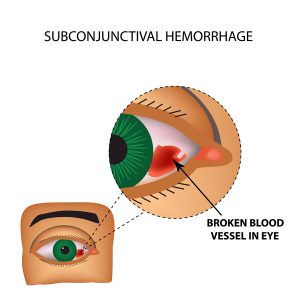
Despite its alarming name, subconjunctival haemorrhage is generally not serious and resembles a bruise on the eye. It can be caused by various factors, including injury, coughing, sneezing, or, rarely, high blood pressure.

    • Subconjunctival haemorrhage: Bruise-like appearance.
    • Causes: Injury, coughing, sneezing, or high blood pressure.
    • Typically not serious: Rarely indicates a severe condition.
Conjunctivitis
Image by: https://eyepatient.net/Home/articledetail/subconjunctival-hemorrhage-283

Other Causes of Red Eyes

Light sensitivity accompanying red eyes may signal uveitis, an inflammation of the middle layer of the eye. It’s crucial to seek medical advice for this combination of symptoms, as treatment with steroids may be necessary.

    • Light sensitivity: Possible symptom of uveitis.
    • Inflammation of middle layer: Uveitis.
    • Medical advice: Essential for proper diagnosis and treatment.

Contact lens wearers

In addition, if you are a contact lens wearer, this can make you more susceptible to certain infections. If you experience any of the above symptoms, remove your contact lens and speak to your optician or pharmacist.

“Although for the most part, a red eye does not have a sinister cause, anyone with red eye should get it looked at,” advises Longhurst. “Opticians are trained to diagnose most causes of a red eye and some can even prescribe medication.” If you are unable to see an optician, ask your pharmacist for advice.

Conjunctivitis
Image by: https://www.embs.org/pulse/articles/smart-contact-lenses-keep-an-eye-on-health/

Eye Pain: Deciphering the Signals

Eye soreness or pain, while often not serious, should be evaluated by an optician. Severe pain, especially with visual changes or sensitivity to light, requires immediate medical attention.

    • Eye pain assessment: Evaluation by an optician.
    • Severe pain and visual changes: Immediate medical attention.
    • Not always serious: Often linked to issues like dry eyes or foreign bodies.
Conclusion

Understanding when to worry about your eyes involves recognizing changes in vision, addressing red eye symptoms promptly, and seeking professional advice for eye pain. Regular eye check-ups remain crucial, but vigilance towards alarming symptoms ensures early intervention and optimal eye health. Remember, your eyes are precious, and timely attention can make a significant difference in preserving your vision.