Space exploration has always been a realm that sparks curiosity and ambition. From humanity’s first steps on the Moon to planning missions to Mars, our fascination with the cosmos knows no bounds. But space exploration is no longer confined to government agencies or long-standing players like NASA and ESA. We’re entering a new era with groundbreaking technologies, private sector involvement, and international collaborations that are reshaping our understanding of the universe.

This blog dives into the key innovations driving today’s space exploration, their implications for the future, and how you, as a space enthusiast, can engage with this new frontier.

A Brief History of Space Exploration

Space Exploration
Image by Yandex.com

To understand where we’re going, it helps to look back at some of the pivotal moments in space exploration’s history.

The Early Milestones

It all began in the mid-20th century with the Space Race, a period of intense competition between the United States and the Soviet Union. Key milestones included the launch of Sputnik 1 in 1957—the first artificial satellite—and Yuri Gagarin becoming the first human in space in 1961. Just eight years later, humanity reached a new peak with the Apollo 11 Moon landing, marking Neil Armstrong’s immortalized first steps on the lunar surface.

Key Technological Breakthroughs

Over the years, advancements in technology significantly expanded our capabilities for exploring space. Innovations such as reusable spacecraft (think Space Shuttle missions), GPS-enabled satellites, and interplanetary probes like Voyager have laid the foundation for modern endeavors. These achievements not only answered age-old questions about our solar system but also widened the horizons for future exploration.

Current Innovations in Space Technology

Space exploration today is accelerating at an unprecedented pace due to cutting-edge innovations. Here’s a closer look at the breakthroughs redefining how we reach and explore the cosmos.

Advanced Rocket Propulsion Systems

Traditional chemical propulsion systems made early milestones possible but had significant limitations in cost and reusability. Now, reusability is a focus, particularly with innovations like SpaceX’s Falcon 9 rocket, which drastically reduces launch costs by enabling rockets to return and land safely. Meanwhile, new technologies such as ion and nuclear propulsion are promising next-generation spacecraft with higher efficiency and faster travel times.

AI and Robotics in Space Missions

Artificial intelligence (AI) and robotics are revolutionizing space missions. Autonomous rovers like Perseverance, currently traversing Mars, are equipped with AI that allows them to adapt to their environments. Similarly, robotic arms and drones are assisting astronauts aboard the International Space Station (ISS) with maintenance tasks. These technologies are also being tested for use in deep-space exploration, where human intervention is often impossible.

Revolutionary Satellite Technology

Space Exploration
Image by Yandex.com

Satellite technology has moved far beyond telecommunications. Modern nanosatellites, or CubeSats, have democratized space, allowing researchers, universities, and private companies to launch affordable missions. These innovative satellites are used for global internet access (e.g., SpaceX’s Starlink), environmental monitoring, and even tracking climate change in real time.

The Future of Space Exploration

The next decade promises to be nothing short of extraordinary for space exploration, bringing forth projects and concepts that were once confined to the realm of science fiction.

Lunar and Martian Exploration

One of the most anticipated missions is NASA’s Artemis program, aimed at returning humans to the Moon, this time using it as a gateway for further exploration. Meanwhile, Mars is the next big frontier. NASA and international organizations aim to send humans to the Red Planet by the 2030s, with SpaceX taking ambitious steps toward its colonization.

Commercial Space Travel

Private companies like Blue Origin, Virgin Galactic, and SpaceX are leading the way in making space more accessible to civilians. Suborbital flights are becoming a reality, allowing tourists a glimpse of space’s wonders. The possibility of orbiting hotels or even long-term lunar stays could turn commercial space travel into a thriving industry.

International Collaborations

Space exploration is becoming increasingly collaborative, breaking the boundaries of individual nations. The Lunar Gateway project, developed by NASA, ESA, and other global agencies, aims to create a permanent lunar outpost. Additionally, China’s space program has established a successful lunar presence and is forging partnerships for further exploration.

Why Space Exploration Matters

Exploring space is not a goal unto itself—it has far-reaching implications and benefits for humanity as a whole.

Economic and Technological Advancements

Space research continually pushes the boundaries of what’s possible, leading to practical innovations that benefit Earth-based industries. GPS, weather prediction systems, and even medical technologies like CT scans had their origins in space research. The growing space economy also drives job creation in engineering, science, and manufacturing.

Addressing Global Challenges

Satellites play a critical role in addressing some of Earth’s biggest challenges. From monitoring climate change to supporting disaster response efforts, space technology provides data that drive real-world solutions. Space exploration also fosters international cooperation, offering a hopeful counterbalance to geopolitical tensions.

Inspiring Future Generations

Space inspires like little else. The progress we make pushes STEM education into the spotlight, encouraging young minds to imagine and create a better future. With global interest in space at an all-time high, exposure to space initiatives continues to ignite curiosity and drive innovation.

How You Can Get Involved

Space Exploration
Image by Yandex.com

Excited by what’s happening in the world of space exploration? Here’s how you can play a part, even from Earth!

  • Stay Educated: Follow the latest news from trusted sources like NASA, ESA, or SpaceX. Many organizations offer free content, webinars, and live feeds from ongoing missions.
  • Explore STEM Resources: Platforms like Khan Academy or Coursera provide excellent courses on astronomy, physics, and space science suited for learners at any level.
  • Support Space Advocacy Groups: Join organizations like The Planetary Society or Explore Mars to advocate for space research and policy funding.
  • Attend Events and Museums: Explore local planetariums, space centers, or attend webinars and conferences to engage with space-minded communities.

If you’re a STEM educator, use these topics to inspire students about the infinite possibilities beyond our skies.

What Lies Ahead in the Cosmos

Space exploration is no longer just about venturing into the unknown; it’s about innovation, collaboration, and finding solutions to Earth’s challenges. Whether through designing advanced technologies or inspiring young scientists, the progress we’re witnessing today has the potential to secure humanity’s place in the universe.

Whatever your role—observer, student, or professional—your interest and curiosity in space exploration contribute to a larger purpose. Join this interstellar renaissance by staying informed, engaging in discussions, or participating in educational initiatives.

The future of space isn’t just for astronauts or agencies—it’s for everyone with their eyes turned skyward.


Artificial Intelligence (AI) is no longer a futuristic concept; it has firmly embedded itself in the financial industry. In 2025, AI is transforming financial services by driving efficiency, enhancing customer experiences, and improving risk management. This article explores how AI is reshaping the financial sector, delves into key applications, and provides a comparative analysis of its impact.

Introduction to AI in Financial Services

AI in financial services refers to the use of machine learning algorithms, natural language processing, and predictive analytics to automate and optimize financial processes. With the integration of AI, financial institutions are enhancing operations and delivering innovative solutions that cater to the evolving needs of customers.

Key Applications of AI in Financial Services

1. Customer Service and Chatbots

AI-powered chatbots are revolutionizing customer interactions by providing instant support and guidance. Virtual assistants can handle routine queries, reducing the burden on human agents and ensuring 24/7 availability.

2. Fraud Detection and Prevention

AI systems analyze vast datasets in real-time to detect anomalies and patterns indicative of fraudulent activities. These systems can flag suspicious transactions, minimizing financial losses and enhancing security.

3. Risk Assessment and Management

AI algorithms assess creditworthiness by analyzing diverse data points, such as payment history, spending behavior, and social media activity. This ensures more accurate lending decisions and reduces defaults.

4. Personalized Financial Advice

Through AI, financial institutions provide tailored investment advice by analyzing an individual’s financial goals and risk appetite. Robo-advisors offer low-cost, efficient solutions for wealth management.

5. Automation in Back-End Processes

AI automates repetitive tasks such as data entry, compliance checks, and document verification, significantly reducing operational costs and improving accuracy.

Benefits of AI in Financial Services

1. Enhanced Efficiency

AI streamlines processes, reducing the time and cost associated with manual operations. Institutions can focus on strategic initiatives rather than administrative tasks.

2. Improved Customer Experience

Personalized solutions and faster services result in greater customer satisfaction. AI anticipates customer needs and delivers relevant recommendations.

3. Better Decision-Making

AI leverages big data to provide actionable insights. This enables financial organizations to make informed decisions that align with market trends and customer demands.

4. Strengthened Security

Advanced fraud detection systems protect both customers and institutions. AI ensures compliance with regulations, safeguarding sensitive information.

Challenges in Implementing AI in Financial Services

1. Data Privacy and Security

With increased reliance on data, ensuring privacy and protection from cyber threats is paramount.

2. Regulatory Compliance

Navigating complex regulatory landscapes can be a barrier for AI adoption in financial services.

3. Integration Costs

Implementing AI solutions requires significant investment in technology and infrastructure, which may be a hurdle for smaller institutions.

4. Skill Gap

Adopting AI demands expertise in data science and machine learning, creating a skills gap in the workforce.

How AI is Transforming Financial Services in 2025

Artificial intelligence (AI) is rapidly transforming the financial services industry, bringing about unprecedented levels of efficiency, personalization, and security. As we approach 2025, AI is poised to play an even more significant role, reshaping the way financial institutions operate and interact with their customers.  

Key Areas of Transformation:

  1. Enhanced Customer Experience:

    • Personalized Services: AI-powered chatbots and virtual assistants are becoming increasingly sophisticated, providing 24/7 customer support and personalized recommendations.  
    • Tailored Financial Advice: AI algorithms can analyze individual financial profiles to offer tailored investment advice and personalized financial planning.  
  2. Streamlined Operations:

    • Fraud Detection: AI-powered systems can detect and prevent fraudulent activities in real-time, protecting both financial institutions and customers.  
    • Risk Management: AI algorithms can analyze vast amounts of data to identify and mitigate potential risks, such as credit risk and market volatility.  
  3. Improved Decision Making:

    • Credit Scoring: AI-powered credit scoring models can provide more accurate and inclusive assessments of creditworthiness, expanding access to credit for underserved populations.  
    • Investment Strategies: AI algorithms can analyze market trends and identify profitable investment opportunities, enhancing portfolio performance.  
  4. Enhanced Security:

    • Cybersecurity: AI-powered systems can detect and respond to cyber threats in real-time, protecting sensitive financial data.  
    • Identity Verification: AI-powered biometric authentication systems can enhance the security of online transactions.  

Challenges and Considerations:

  • Data Privacy and Security: Financial institutions must ensure that customer data is protected and used responsibly.  
  • Algorithmic Bias: AI algorithms must be carefully designed and monitored to avoid bias and ensure fair outcomes.  
  • Job Displacement: The automation of certain tasks may lead to job displacement in the financial services industry.  

The Future of AI in Financial Services:

AI Financial Services
Image by NikolayF.com from Pixabay

As AI technology continues to evolve, we can expect to see even more innovative applications in the financial services industry. From the development of new financial products and services to the creation of entirely new business models, AI is poised to revolutionize the way we interact with money.

Fraud Detection

AI excels at identifying patterns and anomalies in vast datasets, making it a powerful tool in combating financial fraud. Machine learning algorithms can analyze transaction histories, detect unusual spending patterns, and flag suspicious activities in real-time. This proactive approach helps prevent fraud losses for both financial institutions and customers.

Algorithmic Trading

High-frequency trading, where algorithms execute trades at lightning speed, has become increasingly reliant on AI. These sophisticated systems can analyze market data, identify trends, and execute trades with minimal human intervention. While controversial, algorithmic trading has revolutionized the financial markets by increasing liquidity and efficiency.

Credit Risk Assessment

Traditional credit scoring models often rely on limited data, potentially excluding individuals with limited credit histories. AI algorithms can analyze a wider range of data points, including social media activity and alternative data sources, to provide a more comprehensive and accurate assessment of creditworthiness. This can help expand access to credit for underserved populations.

Investment Portfolio Management

AI-powered robo-advisors are gaining popularity, offering automated investment advice and portfolio management services at a fraction of the cost of traditional wealth management. These platforms utilize algorithms to analyze individual risk tolerance, investment goals, and market conditions to create and manage diversified portfolios.

Regulatory Compliance

The financial industry is heavily regulated, with complex rules and regulations to adhere to. AI can help financial institutions navigate this complex landscape by automating compliance tasks, such as Know Your Customer (KYC) checks and anti-money laundering (AML) screenings. This not only improves efficiency but also reduces the risk of regulatory penalties.

Insurance Underwriting

AI is transforming the insurance industry by improving underwriting processes. Algorithms can analyze vast amounts of data, including medical records, driving history, and lifestyle factors, to assess risk more accurately. This can lead to more personalized and equitable insurance premiums.

The Future of AI in Finance: Democratization of Finance

One of the most exciting potential impacts of AI in finance is the democratization of financial services. By making financial products and services more accessible and affordable, AI can empower individuals to make better financial decisions and achieve their financial goals. This includes providing access to affordable financial advice, expanding access to credit, and increasing financial literacy.


Analysis Table: Benefits and Challenges of AI in Financial Services

Aspect Benefits Challenges
Efficiency Automation of tasks reduces time and costs High initial setup and integration costs
Customer Experience Personalized services enhance satisfaction Resistance to change from traditional customers
Security Fraud detection and regulatory compliance Data privacy concerns
Decision-Making Data-driven insights lead to better strategies Lack of skilled professionals

Comparative Table: Traditional Financial Services vs. AI-Driven Financial Services

Feature Traditional Financial Services AI-Driven Financial Services
Customer Support Limited to working hours 24/7 support through AI chatbots
Risk Management Manual credit checks Automated, real-time assessments
Efficiency Time-consuming processes Streamlined and fast operations
Cost High operational costs Reduced costs with automation
Fraud Detection Reactive measures Proactive anomaly detection

Future Prospects of AI in Financial Services

The adoption of AI in financial services is set to grow exponentially. Emerging technologies such as blockchain integration, quantum computing, and advanced neural networks will further enhance AI capabilities. Financial institutions must embrace AI to remain competitive and relevant in the evolving market.

Conclusion

AI is a game-changer for financial services in 2025. By automating processes, enhancing customer experiences, and improving security, AI is driving innovation and efficiency. While challenges exist, the benefits of adopting AI far outweigh the risks. Financial institutions must invest in AI technologies to stay ahead in the competitive landscape.

As the world continues to recognize the importance of health and wellness, the demand for retreats that offer rejuvenation, relaxation, and revitalization has never been higher. Health and wellness retreats provide a sanctuary for individuals looking to escape the daily grind and focus on their physical, mental, and emotional well-being. In 2025, these retreats are set to offer even more innovative and holistic experiences, blending traditional practices with modern advancements. This article will explore some of the top health and wellness retreats for 2025, highlighting their unique offerings and the benefits they provide.

The Rise of Health and Wellness Retreats

Health and wellness retreats have gained immense popularity over the past decade. These retreats offer a comprehensive approach to well-being, often combining fitness, nutrition, mindfulness, and relaxation techniques. As we move into 2025, the trend is expected to continue growing, with retreats evolving to meet the diverse needs of individuals seeking a healthier lifestyle.

Why Choose a Health and Wellness Retreat?

  1. Holistic Approach: Retreats focus on the mind-body connection, offering a holistic approach to health and wellness.
  2. Personalized Experiences: Many retreats offer tailored programs to address individual health goals and concerns.
  3. Expert Guidance: Participants benefit from the guidance of experienced professionals, including nutritionists, fitness trainers, and mental health experts.
  4. Stress Reduction: Retreats provide a peaceful environment, away from the stresses of daily life, allowing for relaxation and rejuvenation.
  5. Community and Support: Attendees often form supportive communities, sharing experiences and encouraging each other on their wellness journeys.

Top Health and Wellness Retreats for 2025

1. The Mindful Escape, Bali

Located amidst the tranquil rice paddies of Ubud, The Mindful Escape offers a serene setting for those seeking mental clarity and emotional balance. This retreat focuses on mindfulness practices, including meditation, yoga, and breathwork. In 2025, The Mindful Escape will introduce virtual reality meditation sessions, allowing participants to immerse themselves in calming environments from around the world. The retreat also offers workshops on stress management, emotional resilience, and mindful eating.

2. Revitalize Retreat, Costa Rica

Nestled in the lush rainforests of Costa Rica, Revitalize Retreat offers a unique blend of adventure and relaxation. This retreat emphasizes physical wellness through activities like hiking, surfing, and zip-lining, combined with spa treatments and nutritional workshops. In 2025, Revitalize Retreat will launch a new program focusing on plant-based nutrition, featuring cooking classes and farm-to-table dining experiences. The retreat’s commitment to sustainability and eco-friendly practices adds an extra layer of appeal for health-conscious travelers.

3. Harmony Haven, Switzerland

Set against the breathtaking backdrop of the Swiss Alps, Harmony Haven is a luxury wellness retreat that offers a comprehensive approach to health and well-being. The retreat’s signature program, “Alpine Renewal,” combines fitness training, detoxification, and relaxation therapies. In 2025, Harmony Haven will introduce cutting-edge wellness technologies, such as personalized genetic testing and biofeedback, to tailor programs to individual needs. Guests can also enjoy thermal baths, alpine hikes, and gourmet healthy cuisine.

4. Soul Sanctuary, Sedona

Sedona’s stunning red rock formations provide the perfect setting for Soul Sanctuary, a retreat focused on spiritual and emotional healing. Participants can engage in activities like energy healing, sound therapy, and guided visualization. In 2025, Soul Sanctuary will offer a new “Soul Connection” program, designed to help individuals connect with their inner selves and foster personal growth. The retreat’s emphasis on spiritual wellness makes it a popular choice for those seeking a deeper connection to their purpose and passions.

5. Tranquil Shores, Maldives

For those seeking a tropical paradise, Tranquil Shores in the Maldives offers an idyllic escape. This retreat specializes in relaxation and rejuvenation, with an emphasis on marine-based therapies and ocean-inspired wellness. In 2025, Tranquil Shores will introduce “Blue Mind” sessions, which explore the calming effects of water on the mind and body. Guests can indulge in activities like snorkeling, paddleboarding, and sunset yoga, all while enjoying the pristine beauty of the Maldives.

Top Health and Wellness Retreats for 2025
Picture by: Yandex.com

Innovations in Health and Wellness Retreats for 2025

1. Technology Integration

As technology continues to advance, health and wellness retreats are incorporating innovative tools to enhance the guest experience. Virtual reality, wearable devices, and personalized apps are becoming integral components of retreat programs, offering real-time feedback and personalized insights.

2. Sustainability and Eco-Consciousness

In 2025, retreats are placing a greater emphasis on sustainability and eco-conscious practices. From using renewable energy sources to offering plant-based menus, retreats are committed to reducing their environmental impact while promoting health and wellness.

3. Focus on Mental Health

With mental health becoming a global priority, retreats are expanding their offerings to include more mental health-focused programs. Mindfulness, stress reduction, and emotional resilience are key components of many retreat experiences, helping individuals build healthier relationships with themselves and others.

4. Cultural Immersion

Retreats are increasingly incorporating cultural elements into their programs, allowing guests to experience local traditions and practices. This not only enriches the retreat experience but also fosters a deeper understanding and appreciation of diverse cultures.

Choosing the Right Retreat

When selecting a health and wellness retreat, it’s important to consider your personal goals and preferences. Here are some tips to help you choose the right retreat for your needs:

  1. Identify Your Goals: Determine what you hope to achieve from the retreat, whether it’s physical fitness, mental clarity, stress reduction, or spiritual growth.
  2. Research Programs: Look for retreats that offer programs aligned with your goals and interests. Consider the activities, workshops, and therapies available.
  3. Consider Location: Choose a location that resonates with you, whether it’s a tropical beach, a mountain retreat, or a cultural hub.
  4. Check Credentials: Ensure that the retreat is staffed by qualified professionals with expertise in health and wellness.
  5. Read Reviews: Look for reviews and testimonials from past participants to gauge the quality and effectiveness of the retreat.

Conclusion

As we look ahead to 2025, health and wellness retreats are poised to offer even more transformative experiences for individuals seeking to improve their well-being. With a focus on holistic health, personalized programs, and innovative technologies, these retreats provide an ideal environment for rejuvenation and growth. Whether you’re seeking adventure, relaxation, or spiritual connection, there’s a retreat out there to meet your needs. Embrace the opportunity to prioritize your health and wellness in 2025 and discover the profound benefits of a retreat experience.

Blockchain technology is revolutionizing industries across the globe, with the financial sector Financial Security being one of its most prominent beneficiaries. By providing a decentralized, transparent, and secure framework for transactions, blockchain is poised to redefine financial security in unprecedented ways. This article delves into the role of blockchain in enhancing financial security, exploring its mechanisms, benefits, and comparative advantages.

What is Blockchain Technology?

Blockchain is a decentralized digital ledger that records transactions across a network of computers. Each transaction is stored in a block, and these blocks are linked together in chronological order to form a chain. The technology ensures transparency, security, and immutability, as any alteration to a single block would require changes to all subsequent blocks in the chain.

Key characteristics of blockchain include:

  • Decentralization: Eliminates the need for a central authority.
  • Transparency: Every participant in the network can view transaction records.
  • Security: Uses cryptographic algorithms to secure data.
  • Immutability: Once recorded, data cannot be altered.

How Blockchain Enhances Financial Security

Financial Security
Photo by Karolina Grabowska: https://www.pexels.com/photo/crop-man-counting-dollar-banknotes-4386431/
1. Protection Against Fraud

One of the significant advantages of blockchain technology is its ability to prevent fraud. By maintaining a decentralized and transparent ledger, blockchain reduces the risk of data tampering. Every transaction is time-stamped and verified by a network of nodes, making it nearly impossible for malicious actors to manipulate records.

2. Enhanced Data Privacy

Blockchain employs cryptographic techniques to protect user data. Financial institutions can use private blockchains to ensure that sensitive information is only accessible to authorized individuals, thereby reducing the risk of identity theft and data breaches.

3. Secure Cross-Border Transactions

Traditional cross-border transactions are often slow and expensive, with multiple intermediaries involved. Blockchain streamlines this process by enabling peer-to-peer transactions, which are faster, cheaper, and more secure. The elimination of intermediaries also reduces the chances of errors or fraud.

4. Smart Contracts

Smart contracts are self-executing contracts with predefined rules encoded into the blockchain. These contracts automatically enforce terms when certain conditions are met, reducing the risk of human error and ensuring secure transactions.

5. Auditability and Traceability

Blockchain’s immutable nature ensures that all transactions are permanently recorded. This feature facilitates easier audits and enables regulators to trace financial activities, reducing opportunities for illegal activities such as money laundering.

Benefits of Blockchain Financial Security

Transparency

Blockchain provides an open ledger system where all participants have access to the same information. This transparency fosters trust and reduces the potential for disputes.

Cost Efficiency

By eliminating intermediaries and automating processes through smart contracts, blockchain reduces operational costs.

Real-Time Monitoring

Blockchain enables real-time tracking of financial transactions, providing stakeholders with instant updates and reducing delays.

Resilience Against Cyberattacks

The decentralized nature of blockchain makes it highly resistant to cyberattacks. Even if one node is compromised, the network remains secure.

The Role of Blockchain in Enhancing Financial Security

Introduction

Blockchain technology, the foundation of cryptocurrencies like Bitcoin, is revolutionizing the financial landscape. Its decentralized and immutable nature offers a unique approach to enhancing security and efficiency in various financial transactions. By understanding the core principles of blockchain, we can explore its potential to transform traditional financial systems and mitigate risks.  

Decentralization and Transparency

At the heart of blockchain’s security lies its decentralized architecture. Unlike traditional systems reliant on central authorities, blockchain distributes data across a network of computers. This eliminates single points of failure and reduces the risk of manipulation or censorship. Furthermore, the transparent nature of blockchain allows for public scrutiny of transactions, increasing accountability and deterring fraudulent activities.  

Immutability and Data Integrity

Once data is recorded on a blockchain, it becomes virtually impossible to alter or delete. This immutability ensures the integrity of financial records, preventing fraudulent modifications and providing a reliable audit trail. Smart contracts, self-executing agreements written on the blockchain, further enhance security by automating processes and reducing human error.  

Enhanced Security Against Cyberattacks

Blockchain’s cryptographic protocols and distributed ledger technology offer robust protection against cyberattacks. The decentralized nature makes it difficult for hackers to compromise the entire system, while cryptographic techniques secure individual transactions. Additionally, blockchain can be used to detect and prevent fraudulent activities in real-time, minimizing potential losses.  

Streamlining Financial Processes

Blockchain technology streamlines various financial processes, reducing costs and improving efficiency. For instance, cross-border transactions can be executed faster and more securely, eliminating the need for intermediaries. Supply chain management can be optimized through increased transparency and traceability, reducing fraud and improving overall efficiency.  

Challenges and Considerations

While blockchain offers significant potential, challenges such as scalability, regulatory uncertainty, and privacy concerns need to be addressed. Ensuring interoperability between different blockchain platforms and developing robust regulatory frameworks are crucial for widespread adoption.

Identity Management and Fraud Prevention:

Blockchain technology can revolutionize identity management by providing secure and tamper-proof digital identities. This can significantly reduce identity theft and fraud, enhancing security in areas such as online transactions and financial services.

Supply Chain Transparency and Traceability:

Blockchain can enhance supply chain transparency by tracking the origin and movement of goods throughout the entire supply chain. This increased visibility can help identify and prevent counterfeit goods, improve product quality, and ensure ethical sourcing practices.

Decentralized Finance (DeFi):

DeFi applications built on blockchain technology are transforming traditional financial services. By removing intermediaries, DeFi platforms offer users greater control over their finances, enabling access to lending, borrowing, and trading services with increased efficiency and reduced costs.

Voting and Governance:

Blockchain technology can enhance the security and transparency of voting systems. By leveraging its immutability and auditability, blockchain can ensure the integrity of elections and increase voter participation. Furthermore, it can facilitate decentralized governance models, empowering communities to make collective decisions more efficiently and democratically.

Comparative Analysis of Blockchain Financial Security

Feature Traditional Financial Systems Blockchain Technology
Transparency Limited High
Fraud Prevention Moderate High
Transaction Speed Slow Fast
Cost of Transactions High Low
Resilience to Cyberattacks Vulnerable Strong
Auditability Time-Consuming Instant

Analytical Insights

Aspect Analysis
Adoption Rate Financial institutions are increasingly exploring blockchain solutions.
Challenges Regulatory uncertainty and scalability remain hurdles.
Opportunities Blockchain’s potential for secure digital currencies is vast.
Future Outlook With advancements in technology, adoption is expected to surge.

Challenges in Implementing Blockchain

Despite its potential, blockchain faces several challenges:

  • Regulatory Uncertainty: Governments worldwide are yet to establish uniform regulations for blockchain.
  • Scalability Issues: The current infrastructure of blockchain networks may struggle to handle large volumes of transactions.
  • High Energy Consumption: Blockchain networks, especially those using proof-of-work algorithms, consume significant energy.
  • Integration Barriers: Integrating blockchain with existing financial systems requires substantial effort and investment.

Conclusion

Blockchain technology is undeniably transforming the financial landscape by offering unparalleled security, transparency, and efficiency. While challenges remain, the benefits far outweigh the drawbacks, making blockchain an indispensable tool for the future of financial security. As the technology evolves and regulatory frameworks stabilize, its adoption is likely to accelerate, paving the way for a more secure and efficient financial ecosystem.

Sustainable finance has emerged as a pivotal force in shaping the future of global financial markets. With increasing concerns over climate change, social inequality, and corporate governance, investors, businesses, and governments are focusing on aligning financial goals with environmental, social, and governance (ESG) principles. This article delves into the trends driving  the opportunities it presents, and its implications for the global economy.

Introduction to Sustainable Finance

Sustainable finance refers to the integration of ESG factors into financial decision-making processes. It encompasses investment strategies that not only aim for financial returns but also contribute to positive environmental and social outcomes. This paradigm shift has gained momentum as stakeholders recognize the interconnectedness of financial health and global sustainability.

Key Components of Sustainable Finance

  1. Environmental Factors: Investments aimed at mitigating climate change, promoting renewable energy, and conserving biodiversity.
  2. Social Factors: Focus on issues like gender equality, labor rights, and community development.
  3. Governance Factors: Emphasizing transparency, ethical practices, and accountability in corporate operations.

Trends in Sustainable Finance

1. Rise of Green Bonds

Green bonds have become a popular tool for funding eco-friendly projects. Governments, corporations, and international organizations are issuing these bonds to finance renewable energy, clean transportation, and sustainable agriculture projects.

2. ESG Integration in Investment Strategies

Investment funds increasingly incorporate ESG criteria into their portfolios. Asset managers are leveraging ESG data to assess risks and opportunities, leading to more informed investment decisions.

3. Regulatory Developments

Governments and international bodies are introducing regulations to standardize ESG reporting. Frameworks like the EU Taxonomy for sustainable activities are setting benchmarks for sustainable finance practices.

4. Technological Advancements

Innovations like blockchain and AI are enhancing transparency and efficiency in tracking sustainability metrics. These technologies are enabling investors to make data-driven decisions.

5. Increased Stakeholder Awareness

Consumers, employees, and investors are demanding greater accountability from businesses. Companies adopting sustainable practices gain a competitive edge in attracting and retaining stakeholders.

Opportunities in Sustainable Finance

Sustainable Finance
Image by: Yandex.com

1. Access to New Markets

Sustainable finance opens doors to untapped markets. For example, renewable energy projects in developing nations offer significant investment potential while contributing to global sustainability goals.

2. Long-Term Financial Performance

Research indicates that ESG-aligned investments often yield stable and long-term returns. Companies with robust sustainability practices are better positioned to mitigate risks and capitalize on opportunities.

3. Enhanced Corporate Reputation

Organizations that prioritize sustainability can build stronger brand loyalty. Demonstrating a commitment to ESG principles fosters trust and aligns with consumer values.

4. Policy Incentives

Governments are offering tax breaks, grants, and subsidies for sustainable initiatives. These incentives reduce costs and increase the attractiveness of sustainable investments.

5. Collaboration Opportunities

The rise of sustainable finance fosters collaboration among stakeholders, including governments, NGOs, and private investors. Such partnerships amplify the impact of sustainability initiatives.

The Growth of Sustainable Finance Opportunities

Sustainable finance has emerged as a powerful force in the global financial landscape, driving a shift towards a more responsible and sustainable future. This article delves into the key factors contributing to the growth of sustainable finance opportunities and explores the potential implications for investors and businesses.

What is Sustainable Finance?

encompasses a wide range of financial instruments and practices that aim to achieve environmental, social, and governance (ESG) objectives alongside financial returns. It encompasses various areas, including:

  • Green bonds: Debt securities issued to finance environmentally friendly projects.
  • Impact investing: Investing in companies or projects that generate measurable social and environmental impact.
  • ESG investing: Integrating ESG factors into investment decisions across asset classes.
  • Sustainable banking: Offering financial products and services that support sustainable development.

Factors Driving the Growth of Sustainable Finance

Several factors have contributed to the surge in opportunities:

  • Growing investor demand: Increasing awareness of environmental and social issues has led to a growing demand for sustainable investments from both individual and institutional investors.
  • Regulatory support: Governments and regulatory bodies worldwide are increasingly promoting through policies, regulations, and tax incentives.
  • Technological advancements: Technology is enabling greater transparency and accountability in facilitating data collection, analysis, and reporting of ESG performance.
  • Corporate social responsibility: Companies are increasingly recognizing the importance of ESG factors in their business strategies and are actively seeking to integrate sustainability into their operations.

Opportunities for Investors and Businesses

The growth of sustainable finance presents numerous opportunities for investors and businesses:

  • Diversification: Sustainable investments can offer diversification benefits, potentially reducing portfolio risk.
  • Long-term returns: Companies with strong ESG performance often demonstrate superior long-term financial performance.
  • Positive impact: Investing in sustainable projects and companies can contribute to a more sustainable future.
  • Innovation: Sustainable finance is driving innovation in various sectors, creating new markets and opportunities.

Challenges and Considerations

Despite the significant growth, sustainable finance still faces challenges:

  • Lack of standardization: The lack of standardized ESG reporting and metrics can make it difficult to compare investments and assess performance.
  • Greenwashing: Some companies may exaggerate their ESG credentials, misleading investors.
  • Data availability: Access to reliable and comprehensive ESG data remains a challenge for many investors.

Finance Sector

Sustainable finance is rapidly evolving, driven by a confluence of factors, including investor demand, regulatory support, technological advancements, and corporate social responsibility. As the market continues to mature, it is expected to offer even greater opportunities for investors and businesses seeking to align their financial goals with a more sustainable future.

Challenges in Sustainable Finance

While the growth of sustainable finance is promising, challenges remain. Standardizing ESG metrics is a significant hurdle, as inconsistent reporting frameworks hinder comparability. Additionally, greenwashing—misleading claims about sustainability efforts—threatens the credibility of the sector. Investors and regulators must work together to overcome these obstacles.

Comparative Table: Conventional Finance vs. Sustainable Finance

Feature Conventional Finance Sustainable Finance
Objective Maximize financial returns Balance financial returns with ESG goals
Focus Areas Profit and risk Environmental, social, and governance
Investment Tools Traditional equities, bonds, derivatives Green bonds, ESG funds, social impact bonds
Stakeholder Emphasis Shareholders Shareholders, society, environment
Regulatory Landscape Less ESG-focused Emerging ESG-specific regulations

Analysis Table: Trends and Their Impacts

Trend Description Impact on Market
Rise of Green Bonds Funding for eco-friendly projects Growth in renewable energy investments
ESG Integration Inclusion of ESG factors in portfolios Improved risk management and performance
Regulatory Developments Standardization of ESG reporting Increased transparency and accountability
Technological Advancements Use of AI and blockchain for ESG tracking Enhanced efficiency and investor trust
Increased Stakeholder Awareness Demand for corporate responsibility Greater emphasis on sustainable practices

Conclusion

Sustainable finance is not just a trend but a transformative movement reshaping global financial systems. By integrating ESG principles, aligns economic growth with environmental stewardship and social equity. As trends like green bonds, ESG integration, and technological advancements continue to evolve, the opportunities for investors and businesses are vast. However, addressing challenges like standardization and greenwashing is essential to unlock the full potential

Introduction

In 2025, live TV streaming services will continue to offer a convenient alternative to traditional cable TV. These services allow you to watch your favorite shows, sports, and news without the need for a cable subscription. As more people move away from cable, live TV streaming is becoming a popular choice. This article will explore the best live TV streaming services for 2025, comparing their features, pricing, and more.

Why People Are Switching from Cable to Streaming

Live TV Streaming Services 2025
Image by: Yandex.com

More and more people are choosing streaming services over traditional cable TV. One of the biggest reasons for this is flexibility. You can watch live TV anywhere, on different devices like smartphones, tablets, and smart TVs. You also don’t have to worry about long-term contracts, which makes it easier to cancel or change your plan.

Live TV streaming services let you choose what to watch, when to watch it, and on what device. They offer a wide range of options, from sports and news to entertainment and movies.

What to Look for in Live TV Streaming Services

When choosing the best live TV streaming service for 2025, there are a few things to consider:

  1. Channel Selection: Some services offer more channels, including local and national networks, while others might focus on specific types of content, like sports or movies.
  2. Pricing: Prices for these services vary. It’s important to find a service that fits your budget and gives you good value.
  3. Video Quality: Most services offer HD and 4K quality, so make sure the service supports high-quality streaming.
  4. DVR Features: Some services let you record shows and watch them later. This is useful if you have a busy schedule.
  5. Multiple Streams: If you have family members who want to watch different shows at the same time, look for a service that allows multiple streams.
  6. Device Compatibility: Make sure the service works with the devices you have, like your TV, phone, or tablet.

Best Live TV Streaming Services for 2025

Here are some of the best live TV streaming services for 2025:

1. YouTube TV

Live TV Streaming Services 2025
Image by: Yandex.com

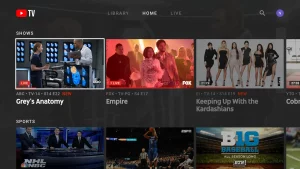
YouTube TV has been a top choice for several years. It offers a wide range of channels, including major networks and sports channels, making it a great option for most viewers.

Key Features:

  • 85+ channels, including ABC, NBC, CBS, and ESPN
  • Unlimited cloud DVR with 9 months of storage
  • Watch on up to 3 devices at once
  • Works with smart TVs, Roku, and more
  • Price: Around $64.99 per month

2. Hulu + Live TV

Live TV Streaming Services 2025
Image by: Yandex.com

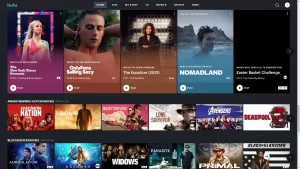
Hulu + Live TV is another great option that combines live TV with access to Hulu’s huge library of on-demand content. This is ideal for people who want both live channels and streaming shows.

Key Features:

  • 75+ channels, including news, sports, and entertainment
  • Includes Disney+ and ESPN+ with the bundle
  • Cloud DVR with 50 hours of storage (expandable)
  • Price: Starting at $69.99 per month

3. DirecTV Stream

Live TV Streaming Services 2025
Image by: Yandex.com

DirecTV Stream is a solid choice for those who want a mix of entertainment and premium content. It offers a variety of packages to suit different needs.

Key Features:

  • 65+ channels, including major networks and premium channels
  • 20 hours of cloud DVR storage
  • Price: Starting at $74.99 per month

4. Sling TV

Live TV Streaming Services 2025
Image by: Yandex.com

Sling TV is known for being affordable and flexible. It offers two main packages, Sling Orange and Sling Blue, allowing you to choose the channels that matter most to you.

Key Features:

  • 30+ channels (Sling Orange) or 40+ channels (Sling Blue)
  • Cloud DVR with 50 hours of storage
  • Price: Starting at $35 per month

5. FuboTV

Live TV Streaming Services 2025
Image by: Yandex.com

FuboTV is especially good for sports fans. It offers more than 100 channels, with a heavy focus on sports networks, but it also includes entertainment and news channels.

Key Features:

  • 100+ channels, including sports channels like ESPN, NFL Network, and more
  • Cloud DVR with 1,000 hours of storage
  • Supports streaming in 4K
  • Price: Starting at $74.99 per month

6. Philo

Live TV Streaming Services 2025
Image by: Yandex.com

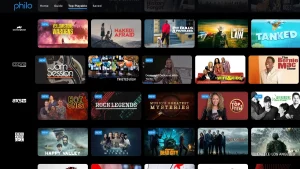
Philo is one of the most affordable options for streaming live TV. It’s focused on entertainment and lifestyle channels, but it doesn’t offer sports or local channels.

Key Features:

  • 60+ channels, including AMC, VH1, and Discovery
  • Cloud DVR with 30 hours of storage
  • Price: $25 per month

Convenience of Live TV Streaming

Live TV Streaming Services 2025
Image by: Yandex.com

One of the main reasons people love live TV streaming services is the convenience they offer. Unlike traditional cable, which often requires a set-top box or special equipment, streaming services allow you to watch TV on almost any device. Whether you’re at home or on the go, you can access your favorite shows and channels with just an internet connection. This convenience makes streaming ideal for people with busy lifestyles who want to watch TV whenever they have time.

Accessibility Across Devices

Live TV streaming services are available on a wide range of devices, making them even more accessible. Whether you prefer to watch on your phone, tablet, laptop, or smart TV, these services work with almost every screen. This flexibility means that you don’t have to be tied to your living room to enjoy live TV. You can stream your favorite shows on your commute or while relaxing in another room. The ability to switch between devices easily is one of the reasons why streaming services are so popular today.

Customization of Packages

Live TV Streaming Services 2025
Image by: Yandex.com

Live TV streaming services offer more options for customization than traditional cable. With cable, you often have to pay for channels you don’t watch. But with streaming, you can select the package that fits your preferences. For example, you can pick a package that includes sports channels, or you can choose one that focuses on news or entertainment. This ability to customize helps save money and ensures you’re only paying for the channels you care about.

No Long-Term Commitments

Another big advantage of live TV streaming services is that they don’t require long-term contracts. With traditional cable, you’re often locked into a year-long or multi-year contract, making it hard to cancel or switch providers without a penalty. Streaming services, on the other hand, offer more flexibility. You can cancel or change your plan at any time without facing heavy fees, which makes it easier to try out different services and find the best fit for your needs.

Growing Popularity of Sports Streaming

Live TV Streaming Services 2025
Image by: Yandex.com

Sports fans have been driving the growth of live TV streaming services. With platforms like FuboTV and YouTube TV offering comprehensive sports coverage, fans can now stream their favorite games in real-time. This has become a major draw for viewers who want access to sports channels like ESPN, NFL Network, and NBA TV, without paying for expensive cable packages. The ability to watch sports live from any location has helped streaming services attract a loyal sports audience.

More Content Options with Streaming

One of the best things about live TV streaming services is the variety of content available. In addition to regular TV shows, you can also find movies, documentaries, and even exclusive original programming. Many streaming services, like Hulu and YouTube TV, offer a wide selection of on-demand content, so you can watch shows you might have missed. This means that, along with live TV, you have access to a huge library of content whenever you want.

Budget-Friendly Choices

Live TV Streaming Services 2025
Image by: Yandex.com

Live TV streaming services can be more affordable than traditional cable TV, especially if you’re looking for basic packages. Many streaming services offer low-cost plans that include popular channels, making it easier for viewers on a budget to enjoy live TV. For those who want more features, like additional channels or better video quality, higher-tier plans are also available. Even with the higher cost, streaming services can still be cheaper than cable, especially when you factor in the cost of cable equipment and installation fees.

No Installation Required

Unlike cable, which often requires installation and setup, live TV streaming services are easy to set up. All you need is an internet connection and a compatible device, and you’re ready to start watching. This is especially helpful for people who move often or live in apartments where installing cable might not be an option. With streaming, you can get up and running quickly without any extra hassle or long waits for installation.

Easier to Discover New Shows

Live TV Streaming Services 2025
Image by: Yandex.com

Live TV streaming services often come with smart features that make it easier to discover new shows. Many platforms use algorithms to suggest shows based on your watching habits, so you don’t have to spend time searching for something to watch. You might discover new series, documentaries, or movies that you wouldn’t have found otherwise. This personalized experience makes streaming more enjoyable and helps you stay up to date with the latest trends in entertainment.

Challenges with Internet Speed

While streaming is convenient, it does depend on a strong internet connection. If your internet speed is slow, you may experience buffering, which can disrupt your viewing experience. This is one of the challenges that many people face with live TV streaming services. To avoid this, it’s important to have a reliable internet connection, especially if multiple people in your household are streaming at the same time. Streaming services continue to work on improving video quality and reducing buffering issues, but a fast internet connection is still key to enjoying seamless streaming.

Future of Live TV Streaming Services

Live TV Streaming Services 2025
Image by: Yandex.com

The future of live TV streaming services looks bright. As technology improves, streaming services will offer even better video quality, including 4K and possibly even higher resolutions. They will also continue to evolve with more personalization, allowing users to get recommendations based on their preferences. The competition between services will likely push them to offer more affordable plans and better features. In the future, we might see even more integration with smart devices, making it easier to watch live TV on any screen, anytime.

Comparison Table of Live TV Streaming Services for 2025

To help you choose the best service, here’s a comparison table with the key features of each service:

Service Channels Cloud DVR Streams Price Unique Features
YouTube TV 85+ Unlimited, 9-month storage Up to 3 devices $64.99/month Large channel lineup, 4K support
Hulu + Live TV 75+ 50 hours (expandable) 2 devices $69.99/month Includes Disney+ and ESPN+
DirecTV Stream 65+ 20 hours 3 devices $74.99/month Premium content options
Sling TV 30+ (Orange) / 40+ (Blue) 50 hours 1 device (Orange) / 3 devices (Blue) $35/month (Orange) Customizable, affordable
FuboTV 100+ 1,000 hours 3 devices $74.99/month Best for sports fans
Philo 60+ 30 hours 3 devices $25/month Budget-friendly, no sports

Conclusion

Choosing the best live TV streaming service for 2025 depends on your preferences. If you want a wide range of channels, YouTube TV and Hulu + Live TV are excellent choices. If you’re on a budget, Sling TV and Philo offer great value at a lower price. For sports enthusiasts, FuboTV is a top pick with its extensive sports coverage.

As streaming continues to grow, 2025 promises to bring even more options for watching live TV online. Whether you’re looking for sports, entertainment, or just the basics, there’s a service out there for you.

Interest rates play a critical role in shaping the housing market, influencing buyers, sellers, and overall economic trends. Understanding how rising interest rates affect the housing market is essential for potential homeowners, investors, and policymakers alike. This article explores the dynamics of rising interest rates, their direct and indirect effects, and comparative analyses to provide a comprehensive understanding of this vital economic phenomenon.

Understanding Interest Rates

Interest rates are the cost of borrowing money, typically expressed as an annual percentage. Central banks, such as the Federal Reserve in the United States, adjust these rates to control inflation, stabilize the economy, and influence consumer behavior. When rates rise, borrowing becomes more expensive, affecting sectors dependent on credit, particularly the housing market.

How Rising Interest Rates Affect the Housing Market

Rising interest rates can have profound implications for the housing market. Here are the primary effects:

1. Increased Mortgage Costs

When interest rates climb, the cost of mortgages rises. Higher rates mean that monthly payments on home loans increase, making homeownership less affordable for many. For example, a one-point increase in the interest rate can add hundreds of dollars to a monthly mortgage payment.

2. Decrease in Housing Demand

With higher borrowing costs, fewer people can afford to buy homes. This decreased demand often results in slower home sales and a cooling of housing market activity. First-time homebuyers and middle-income families are typically the most affected.

3. Decline in Home Prices

Reduced demand often leads to lower home prices. Sellers may need to lower their asking prices to attract buyers who are now facing higher financing costs.

4. Impact on Real Estate Investment

Higher interest rates make real estate investments less attractive as the cost of financing increases and the potential for returns diminishes. Investors may shift their focus to other, less capital-intensive opportunities.

Broader Economic Implications

Housing Market
Image by S K from Pixabay

The housing market is interconnected with other sectors of the economy, so changes in interest rates can have ripple effects:

1. Construction Industry Slowdown

A decrease in housing demand can lead to reduced activity in the construction sector. Builders may delay or cancel projects, impacting jobs and economic growth.

2. Reduced Consumer Spending

Homeowners with higher mortgage payments have less disposable income, which can lead to a decrease in consumer spending—a major driver of the economy.

3. Regional Disparities

Regions with higher property values or those heavily reliant on real estate may experience more significant economic slowdowns due to rising interest rates.

Opportunities Amidst Rising Interest Rates

While rising interest rates pose challenges, they also create opportunities:

1. Better Savings Rates

Higher interest rates often lead to better returns on savings accounts and fixed-income investments, benefiting savers.

2. Bargain Opportunities in Real Estate

For cash buyers or those less affected by borrowing costs, declining home prices can present opportunities to purchase properties at lower valuations.

3. Encouragement of Market Stability

By cooling an overheated housing market, rising interest rates can help stabilize prices and prevent bubbles.

Comparative Analysis: Historical Perspective

Period Interest Rate Trend Housing Market Impact
2000-2007 Gradual increase Housing boom followed by a bubble burst in 2008.
2008-2012 Rates significantly lowered Recovery phase with increased affordability for buyers.
2016-2018 Moderate rise Slower growth in home sales and slight cooling of prices.
2020-2023 Record lows to increases Initial surge in demand, followed by affordability challenges.

Analysis Table: Impact of Rising Interest Rates on Key Housing Metrics

Key Metric Effect of Rising Interest Rates
Mortgage Affordability Declines as monthly payments become more expensive.
Home Sales Volume Decreases due to reduced buyer activity.
Home Prices Tend to stabilize or decline with lower demand.
Rental Market Demand Increases as potential buyers delay purchasing homes.
New Construction Slows down as builders respond to reduced market activity.

Strategies for Navigating a Rising Interest Rate Environment

To mitigate the challenges of rising interest rates, consider the following strategies:

1. Lock in Fixed-Rate Mortgages

Opt for fixed-rate loans to avoid fluctuations in monthly payments as interest rates continue to rise.

2. Increase Down Payments

A larger down payment can reduce the amount borrowed and mitigate the impact of higher interest rates.

3. Focus on Affordability

Buyers should evaluate their budgets carefully and prioritize homes within their financial means.

4. Explore Alternative Financing Options

Consider creative financing solutions such as adjustable-rate mortgages (ARMs), though these come with risks.

5. Timing Your Purchase

Monitor rate trends and consider purchasing when rates are stable or slightly lower.

Conclusion

Rising interest rates have significant and multifaceted impacts on the housing market, affecting affordability, demand, prices, and broader economic dynamics. While these shifts can pose challenges for buyers, sellers, and investors, they also present opportunities for those who adapt strategically. By understanding these effects and employing thoughtful approaches, stakeholders can navigate the complexities of the housing market during periods of rising interest rates.

The U.S. economy remains one of the most important engines of global growth, and understanding its Trends and Projections trajectory is vital for businesses, policymakers, and individuals alike. As we enter 2024, a year marked by both opportunities and challenges, key trends in areas such as inflation, employment, interest rates, and technology will play pivotal roles in shaping the economic landscape. This article highlights the most critical aspects of the U.S. economic outlook for 2024 and offers insights on how these trends might unfold over the coming year.

1. Inflation and Price Stability

Inflation has been a dominant theme in recent years, with prices for goods and services rising significantly since the COVID-19 pandemic. As we head Trends and Projections into 2024, inflation remains a key concern, though there are signs of moderation. The Federal Reserve has employed aggressive interest rate hikes to combat inflation, bringing it down from a peak of over 9% in mid-2022 to around 3-4% at the end of 2023.

However, challenges persist. Energy prices, particularly oil and gas, continue to be volatile due to global supply chain disruptions and geopolitical tensions. Food prices remain elevated, driven by climate-related events and ongoing supply chain issues. The Federal Reserve’s efforts to maintain price stability will be crucial in 2024, but further tightening of monetary policy could pose risks to economic growth.

Analysis:

Factor 2023 Status 2024 Prediction
Inflation Rate 3-4% Likely to moderate to 2-3%
Energy Prices Volatile Expected to stabilize
Food Prices High Continued elevated levels
Federal Reserve Policy Tight May continue rate hikes

2. Labor Market Trends

Trends and Projections
Image by: https://beyond seller.com

The U.S. labor market has remained resilient through 2023, with unemployment hovering around a historically low 3.7%. However, certain trends point to potential challenges ahead. Wage growth has been robust, driven by a tight labor market and demand for skilled workers. However, this wage inflation may begin to slow down as economic growth moderates and businesses look to contain costs.

Another significant trend to watch in 2024 is the rise of automation and artificial intelligence (AI), which is transforming industries such as manufacturing, retail, and customer service. The continued adoption of AI may displace certain jobs while creating new opportunities in tech-driven sectors.

Comparative Table:

Labor Market Indicators 2023 Outlook 2024 Outlook
Unemployment Rate 3.7% 3.5-4%
Wage Growth High (5-6%) Likely to moderate (3-4%)
Automation Impact on Jobs Increasingly noticeable Significant expansion
Labor Force Participation Rate Improving Expected to remain steady

3. Interest Rates and Monetary Policy

The Federal Reserve’s monetary policy will continue to play a crucial role in shaping the U.S. economic outlook in 2024. After several Trends and Projectionsaggressive interest rate hikes in 2022 and 2023 to combat inflation, the Federal Reserve faces a delicate balancing act between controlling inflation and ensuring economic growth.

In 2024, interest rates are expected to remain elevated, though the pace of hikes may slow. Businesses and consumers will face higher borrowing costs, potentially impacting investment, home-buying, and consumer spending. It will be essential to monitor how the Federal Reserve adjusts its strategy in response to economic data throughout the year.

Analysis:

Factor 2023 Policy 2024 Expectations
Federal Reserve Interest Rate 5-5.25% Expected to stabilize
Borrowing Costs (Businesses) High Continued high costs
Mortgage Rates Elevated (7-8%) Likely to remain high
Consumer Spending Moderate Potential slowdown

4. Geopolitical Risks and Global Trade

Global events will also have a significant impact on the U.S. economy in 2024. Ongoing geopolitical tensions, particularly between the U.S., China, and Russia, are expected to continue affecting global trade flows and economic stability. The U.S.-China trade relationship remains strained, with tariffs and trade restrictions impacting industries such as technology, manufacturing, and agriculture.

Additionally, the Russia-Ukraine conflict continues to disrupt global energy markets and supply chains. The U.S. economy, while resilient, is not immune to these external shocks, and any escalation in global tensions could have significant economic consequences.

Comparative Table:

Geopolitical Factors 2023 Impact 2024 Expectations
U.S.-China Trade Relations Strained Likely to remain tense
Russia-Ukraine Conflict Energy disruption Continued impact on markets
Global Supply Chain Disruptions Easing somewhat Potential for new shocks
International Trade Moderate growth Slower growth possible

5. Technological Innovation and Productivity

Technology continues to be a driving force in the U.S. economy, and 2024 will see further advancements in areas like artificial intelligence, renewable energy, and digital transformation. These innovations have the potential to boost productivity, lower costs, and create new industries.

In particular, the expansion of AI and automation will reshape sectors such as manufacturing, Trends and Projections healthcare, and logistics. The transition to clean energy, driven by both government policies and private investment, will also be a significant economic driver. However, technological disruption may lead to job displacements in certain industries, emphasizing the need for workforce retraining and education.

Analysis:

Factor 2023 Status 2024 Outlook
Artificial Intelligence (AI) Growing adoption Further integration
Renewable Energy Investments High Continued expansion
Digital Transformation Ongoing Expected to accelerate
Job Displacement (Automation) Limited Increasing in 2024

6. Consumer Spending and Housing Market

Consumer spending, a key driver of the U.S. economy, showed resilience in 2023 despite inflationary pressures. However, as higher interest rates and elevated costs of living persist, there may be a moderation in spending in 2024. High mortgage rates have already cooled the housing market, with home sales declining and price growth slowing.

In 2024, affordability challenges in the housing market will likely continue, especially for first-time homebuyers. If interest rates remain elevated, it will be difficult for many households to purchase homes, which could further soften demand in the real estate sector.

Comparative Table:

Consumer and Housing Indicators 2023 Trends 2024 Predictions
Consumer Spending Resilient Likely to slow
Mortgage Rates 7-8% Expected to remain high
Housing Market Activity Cooling Continued slowdown
Home Price Growth Slowing Likely to stabilize

7. Fiscal Policy and Government Spending

Government spending will continue to play a pivotal role in shaping the U.S. economy in 2024. The federal government’s fiscal policy, particularly in areas such as infrastructure investment, social services, and defense, will influence economic growth. The Biden administration’s infrastructure bill, passed in Trends and Projections previous years, will continue to drive investment in transportation, clean energy, and digital infrastructure, providing a boost to industries like construction and renewable energy.

However, rising national debt and the potential for political gridlock in Trends and Projections Congress may limit future fiscal expansion. In 2024, the government may face pressure to curtail spending or raise taxes, particularly if inflationary concerns resurface. The balance between stimulating the economy and managing the federal budget deficit will be a critical issue in the year ahead.

8. Housing Affordability and Real Estate Trends

One of the most pressing concerns for U.S. households in 2024 will be Trends and Projections housing affordability. As mortgage rates remain elevated, many prospective homebuyers, particularly first-time buyers, will find it increasingly difficult to enter the housing market. The combination of high borrowing costs, tight housing supply, and rising home prices has created affordability challenges in major urban areas.

At the same time, the rental market is also seeing upward pressure, with rents rising in cities nationwide. In 2024, this trend Trends and Projections may continue as fewer people are able to transition from renting to owning homes. The cooling of the housing market seen in late 2023 may persist into the next year, potentially leading to a stabilization of prices, but affordability will remain a key challenge for many Americans.

9. Corporate Earnings and Business Investment

Business investment is another important aspect of the U.S. economic outlook for 2024. Despite inflationary pressures and higher borrowing costs, U.S. corporations have generally maintained healthy earnings in 2023. However, as interest rates remain elevated, companies may face increased costs for financing new projects and expansions.

In 2024, business leaders are likely to focus on improving efficiency and cutting costs, particularly through the adoption of new technologies like automation and AI. Companies that are able to adapt to these challenges by innovating and streamlining operations are expected to fare better. Meanwhile, industries that are highly sensitive to interest rates, such as real estate and construction, may experience slower growth in the year ahead.

10. Global Economic Influences

The U.S. economy does not operate in isolation; global economic trends will have a significant impact on the U.S. in 2024. Slowdowns in major economies like China and Europe, as well as disruptions in global supply chains, could influence U.S. exports and imports. For instance, reduced demand from China, a key trading partner, could impact industries such as agriculture, technology, and manufacturing.

Additionally, global inflationary pressures and currency fluctuations will shape the trade environment. If the U.S. dollar remains strong relative to other currencies, it could make American goods more expensive on the global market, reducing demand for exports. Monitoring global economic conditions will be crucial for businesses with international exposure as they navigate 2024.

11. Consumer Confidence and Economic Sentiment

Finally, consumer confidence will be a critical factor in determining the direction of the U.S. economy in 2024. Despite economic challenges, consumer spending has remained robust due to strong labor market conditions and wage growth. However, rising costs, elevated interest rates, and concerns about inflation may begin to weigh more heavily on consumer sentiment as we move into the new year.

If consumers begin to pull back on spending, especially on big-ticket items like homes and automobiles, it could slow overall economic growth. In 2024, the direction of consumer confidence will largely depend on the effectiveness of inflation control measures, wage growth, and the stability of the labor market. Positive economic sentiment will be key to sustaining growth, while any significant decline in confidence could signal a more challenging Trends and Projections economic environment.

Conclusion

The U.S. economic outlook for 2024 is shaped by a complex set of factors, from Trends and Projections inflation and labor market dynamics to global geopolitical risks and technological advancements. While inflation may moderate and labor markets remain stable, challenges such as high interest rates, geopolitical tensions, and technological disruption will require careful management by policymakers and businesses. Understanding these key trends will be essential for navigating the economic uncertainties of the year ahead.

Introduction

Social media has changed how we connect with the entertainment industry. Platforms like Instagram, TikTok, YouTube, and Twitter have made it easier for people to access, share, and create entertainment content. This shift has affected everything from how movies, music, and shows are shared to how celebrities interact with their fans. Let’s take a closer look at how social media has changed the entertainment world.

The Rise of Social Media in Entertainment

Social Media Entertainment
Image by: Yandex.com

Social media platforms like Facebook, MySpace, and YouTube began the shift in how we connect with entertainment. These platforms allowed people to discover new music, movies, and videos that they might not have found before. Over time, social media became more than just a way to stay connected with friends – it became a space to discover, share, and promote all kinds of entertainment content. TikTok, with its short and engaging videos, further pushed the idea of viral content. Now, it’s possible to share and promote music, movies, and even entire shows without relying on traditional media channels.

Connecting Celebrities and Fans Directly

Social Media Entertainment
Image by: Yandex.com

One of the biggest changes social media brought to entertainment is how it allows celebrities to interact directly with their fans. Before social media, people had to wait for TV interviews, magazine articles, or public events to see what celebrities were up to. Now, a celebrity can post a picture, video, or message on Instagram or Twitter in seconds, connecting with millions of followers. This direct communication has made fans feel closer to their favorite stars and allows celebrities to share personal moments in a way that wasn’t possible before.

The interaction between celebrities and fans has also led to viral trends, challenges, and memes. These trends can spread quickly, often leading to millions of views and more attention for the entertainment involved. This new connection between stars and their audiences has created an entirely new way of consuming entertainment.

Content Creation and Sharing

Social Media Entertainment
Image by: Yandex.com

Social media has allowed anyone with a phone or camera to create and share content. Before social media, creating content like music videos or short films often required big studios, equipment, and a lot of money. Now, a person can shoot a video on their phone and share it with the world. Platforms like YouTube and Instagram have made it easier for independent creators to gain a following without needing to work with big studios or production companies.

This has led to the rise of creators, influencers, and vloggers who have huge followings. These creators often promote products, albums, or even movies through social media, making it a powerful tool for entertainment marketing. Social media has made it possible for people with unique talents to gain attention and share their work with a global audience.

Algorithms and Personalized Content

Social Media Entertainment
Image by: Yandex.com

The algorithms on social media platforms like Instagram and TikTok help users discover new content based on what they like or watch. These algorithms suggest new music, videos, and even shows to watch, making it easier for people to find new content they might enjoy. This personalized experience has changed how people consume entertainment. Instead of waiting for TV commercials or radio ads, users now get recommendations that match their preferences and interests.

Streaming services like Netflix and Spotify also use similar algorithms to suggest movies, shows, and music. These recommendations are based on what users have watched or listened to before, helping them discover new content they might enjoy.

Social Media’s Role in Music and Live Events

Social Media Entertainment
Image by: Yandex.com

The music industry has greatly benefited from social media. Artists can now release songs, albums, and music videos directly to their followers on platforms like Instagram, Twitter, and TikTok. These platforms also allow artists to interact with fans in real time, sharing updates about new releases and upcoming tours.

Social media has also changed how live events are shared. Fans who can’t attend concerts or festivals can still enjoy live performances by watching them on platforms like Instagram Live or TikTok. Event organizers and performers can also use social media to promote events, build excitement, and connect with audiences during the event. Social media has made it easier for people to participate in live experiences, even if they’re watching from their phones or computers.

Influencers and User-Generated Content

Social Media Entertainment
Image by: Yandex.com

Influencers are people who have built large followings on platforms like YouTube, Instagram, and TikTok. These individuals can influence trends and shape what’s popular in entertainment. Influencers often promote brands, music, and other forms of entertainment through their social media platforms. Because they are seen as more relatable than traditional celebrities, their endorsements can have a huge impact on a product’s success.

User-generated content is also a big part of how entertainment spreads. Fans can create their own videos, memes, or posts about movies, TV shows, or music they love. These fan-made creations help promote the original content, giving it more exposure. Sometimes, this user-generated content can go viral, leading even more people to check out the original content. Social media gives fans the power to promote and celebrate the entertainment they enjoy.

How Social Media Has Changed Music Promotion

Social Media Entertainment
Image by: Yandex.com

Social media has completely changed how music is shared and promoted. Artists no longer have to rely only on radio stations or TV channels to get their music out there. Now, they can post songs or music videos directly on platforms like Instagram, TikTok, and YouTube. Fans can easily discover new artists by scrolling through their feeds. Social media also allows artists to get instant feedback from their audience, making it easier to connect and grow their fanbase.

Social Media and Movie Marketing

Movies and TV shows now use social media to build excitement and reach more viewers. Before a film even hits theaters, studios often use social media to share trailers, behind-the-scenes clips, and cast interviews. These posts can generate buzz and get people excited to see the movie. Social media also gives fans the chance to share their thoughts and reactions, making them feel involved in the movie’s success.

Influencers and Their Impact on Entertainment

Social Media Entertainment
Image by: Yandex.com

Influencers are people who have built large followings on social media platforms. They play an important role in shaping entertainment trends. Many influencers share the latest movies, music, and TV shows with their followers, helping these things go viral. Because influencers are seen as more relatable than traditional celebrities, their recommendations are often trusted more by fans. As a result, influencers help drive interest and sales in entertainment content.

Social Media’s Role in Fan Communities

Social media has helped create communities of fans who share a passion for movies, music, and TV shows. Fans can join groups, chat with others, and share content related to their favorite stars or genres. These communities help build strong connections between fans and give them a space to share their thoughts and ideas. Social media has turned being a fan into an interactive experience where people can participate and feel like they are part of something bigger.

Social Media’s Influence on Fashion in Entertainment

Social Media Entertainment
Image by: Yandex.com

Fashion and entertainment are closely linked, and social media has made it easier for fans to keep up with trends. Celebrities and influencers often share their outfits or fashion choices on platforms like Instagram, setting new trends for others to follow. Fans now have easy access to the latest styles and can even copy their favorite celebrity’s look. Social media has made fashion a bigger part of how we experience entertainment, with style becoming just as important as the content itself.

Challenges of Social Media in Entertainment

While social media has brought many benefits to the entertainment industry, there are also some challenges. One major concern is the pressure it puts on celebrities and influencers to constantly engage with their followers. The need to post regularly, maintain a public image, and keep up with online trends can be overwhelming. Many celebrities and creators struggle with mental health issues because of this constant pressure to stay relevant.

Another challenge is the spread of fake news and misinformation. Social media can sometimes be used to spread rumors, misleading information, or negative gossip about celebrities and entertainment projects. This can hurt careers or create confusion among fans, making it harder to trust information shared online.

Looking Ahead: The Future of Social Media in Entertainment

Social Media Entertainment
Image by: Yandex.com

Social media will continue to play a key role in the future of entertainment. New technologies like virtual reality (VR) and augmented reality (AR) could change the way we experience entertainment on social media. These technologies will allow fans to interact with content in more immersive ways, like attending virtual concerts or exploring virtual movie sets.

As social media continues to evolve, it will shape how content is created, shared, and consumed. The entertainment industry will have to keep adapting to new trends and platforms in order to stay connected with audiences. Whether it’s through influencer marketing, live events, or viral challenges, social media will remain a powerful force in the entertainment world.

Analysis Table: How Social Media Affects Entertainment

Impact Description Effect
Content Creation Social media lets anyone create and share content. More people can create and share their own entertainment.
Fan Engagement Celebrities and fans interact directly. Fans feel closer to their favorite stars.
Music Promotion Artists can promote music and albums directly to fans. Easier to reach a global audience for music releases.
Event Promotion Events are shared in real-time on social media platforms. More people can participate in live events from anywhere.
Influencer Power Influencers shape trends and promote entertainment through social media. Influencers help new content get noticed quickly.
Content Discovery Algorithms suggest new content based on user interests. Easier for users to discover new music, shows, and movies.
Mental Health Social media pressure affects celebrities and influencers. Increased stress and online harassment for creators.

Comparative Table: Traditional vs. Social Media Entertainment

Aspect Traditional Entertainment Social Media Entertainment
Content Distribution Through TV, radio, and movies. Shared instantly on platforms like Instagram and TikTok.
Audience Engagement Limited to TV shows and movies. Real-time interaction with celebrities and fans.
Content Creation Created by studios, companies, and record labels. Anyone can create content on their phone or computer.
Promotion Relies on TV ads, print, and radio. Promoted through social media and influencers.
Access to Content Limited by TV schedules or movie theater times. Accessible online, at any time, from anywhere.

Conclusion

In conclusion, social media has profoundly reshaped the entertainment industry by democratizing content creation, enhancing audience engagement, and revolutionizing marketing strategies. While it has brought unprecedented opportunities for visibility and connectivity, it also poses challenges that require thoughtful navigation. As technology continues to evolve, so too will the dynamics between social media and entertainment, shaping the future of how we create, consume, and experience content.

The Federal Reserve, often referred to as the Fed, plays a critical role in shaping the U.S. economy. As the central banking system of the United States, its Economic Condition policies have wide-reaching impacts on everything from inflation rates and employment levels to financial markets and the cost of borrowing. In this article, we will explore how Federal Reserve policies influence the economy, examining both the positive and negative consequences of these actions, and providing a comprehensive understanding of the Fed’s vital role.

Understanding the Federal Reserve and Its Role

The Federal Reserve was established in 1913 to provide the country with a safer, more stable monetary and financial system. Its primary goals are to manage inflation, Economic Condition maintain employment, and stabilize the financial system. The Federal Reserve achieves these objectives through its control of the nation’s money supply and interest rates.

The Fed operates by setting the federal funds rate, which influences interest rates throughout the economy, and by adjusting the supply of money available to banks. These tools allow the Fed to either stimulate economic growth or slow it down, depending on the needs of the economy.

Federal Reserve Policies: Key Tools and Mechanisms

The Federal Reserve has several tools at its disposal to shape the economy:

1. Open Market Operations

The most commonly used tool is open market operations (OMO), where the Fed buys or sells government securities. When the Fed buys securities, it injects money into the economy, encouraging borrowing and spending. Conversely, selling securities withdraws money from the economy, slowing down borrowing and spending.

2. Federal Funds Rate

The federal funds rate is another significant tool. It is the interest rate at which banks lend to each other overnight. By lowering this rate, the Fed encourages borrowing, while raising it makes borrowing more expensive and discourages spending.

3. Discount Rate

The discount rate is the interest rate the Federal Reserve charges commercial banks for short-term loans. Lowering the discount rate can stimulate the economy by making it easier for banks to lend, while raising it can have the opposite effect.

4. Reserve Requirements

The reserve requirement refers to the amount of funds that banks must hold in reserve and not lend out. By lowering the reserve requirement, the Fed can increase the money supply, while raising it decreases the available money in the economy.

The Impact of Federal Reserve Policies on Inflation

Economic Condition
This image is taken from google .com

Inflation, or the rise in prices over time, is a key concern for the Federal Reserve. When inflation is too high, the purchasing power of money decreases, leading to higher costs for consumers and businesses. The Fed uses its policies to keep inflation at a moderate level, typically around 2% annually.

Expansionary Monetary Policy and Inflation

When the economy is growing too slowly, the Fed may implement expansionary monetary policy by lowering interest rates and increasing the money supply. This can lead to higher inflation as more money chases the same amount of goods and services. While moderate inflation is normal in a healthy economy, excessively high inflation can be damaging.

Contractionary Monetary Policy and Inflation

On the other hand, when inflation is too high, the Fed can implement contractionary monetary policy. By raising interest rates and reducing the money supply, the Fed can cool down the economy and bring inflation under control. This approach, however, can slow economic growth and increase unemployment, as businesses reduce spending and investments.

The Impact of Federal Reserve Policies on Employment

One of the Federal Reserve’s primary goals is to maximize employment. The relationship Economic Condition between the Fed’s policies and employment levels is complex and often requires a delicate balancing act.

Stimulating Job Growth

When the economy is weak, the Federal Reserve lowers interest rates to stimulate borrowing and investment, leading to job creation. Lower borrowing Economic Condition costs encourage businesses to expand, hire more workers, and invest in new projects. As more money flows into the economy, consumer demand increases, driving the need for more labor.

Risk of Unemployment

However, when the Fed raises interest rates to control inflation, the cost of borrowing increases. This can lead to a slowdown in business growth and a reduction in job creation. In extreme cases, contractionary policies can lead to layoffs and higher unemployment rates. The Fed must carefully manage these dynamics to avoid triggering recessions while fighting inflation.

The Federal Reserve and Interest Rates: Effects on Borrowing and Spending

Interest rates set by the Federal Reserve are one of the most powerful influences on borrowing and spending in the economy. By adjusting the federal funds rate, the Fed can either encourage borrowing or make it more expensive, thus slowing spending.

Impact on Consumers

For consumers, lower interest rates reduce the cost of borrowing for mortgages, car loans, and credit cards. This leads to increased consumer spending, which stimulates economic growth. Conversely, higher interest rates make borrowing more expensive, reducing consumer spending and slowing economic growth.

Impact on Businesses

For businesses, interest rate changes affect the cost of financing. Lower rates encourage businesses to borrow more to invest in new Economic Condition projects, expand operations, and hire employees. Higher rates, on the other hand, discourage borrowing, leading to reduced business investment and slower growth.

The Impact of Federal Reserve Policies on Financial Markets

Federal Reserve policies also have significant impacts on financial markets. Interest rates, inflation expectations, and overall economic outlook are all influenced by the Fed’s actions, which in turn affect stock prices, bond yields, and currency values.

Stock Market

When the Fed lowers interest rates, it often leads to higher stock prices. This is Economic Condition because lower interest Economic Condition rates reduce the returns on bonds, making stocks a more attractive investment. Additionally, lower borrowing costs can increase corporate profits, boosting stock prices. However, if the Fed raises rates, stocks may decline as investors shift their money into safer, higher-yielding bonds.

Bond Market

In the bond market, interest rates are inversely related to bond prices. When interest rates rise, bond prices fall, and when rates decrease, bond prices rise. Economic Condition Fed policies that affect interest rates can therefore lead to significant fluctuations in bond prices, impacting investors and pension funds.

Foreign Exchange Market

Federal Reserve policies also affect the value of the U.S. dollar. Lower interest rates can weaken the dollar as investors seek higher returns in other currencies, while higher rates can strengthen the dollar by attracting foreign investment. These currency fluctuations can have widespread effects on international trade and global financial markets.

Long-Term Impacts of Federal Reserve Policies on Economic Growth

The Federal Reserve’s policies not only have short-term effects but also shape long-term economic growth. A stable and predictable monetary environment fosters confidence among investors, businesses, and consumers, which can lead to sustained economic growth.

Encouraging Long-Term Investment

By keeping inflation low and stable, the Fed creates an environment in which long-term investments, such as infrastructure and technology, become more attractive. This fosters innovation and productivity, which are essential for long-term economic growth.

Challenges in Predicting the Future

However, the long-term impacts of Fed policies can be difficult to predict. While the Fed aims to stabilize the economy, external factors such as global economic shifts, political instability, and technological change can complicate its ability to achieve these goals. Moreover, overreliance on monetary policy can sometimes create economic imbalances, leading to financial bubbles or unsustainable debt levels.

Analysis of Federal Reserve Policies

Aspect Positive Impact Negative Impact
Inflation Control Keeps inflation at manageable levels May lead to deflation or too-low inflation, reducing growth
Employment Stimulates job growth through lower interest rates Can increase unemployment when contractionary policies are used
Consumer Borrowing Low rates make loans affordable, boosting spending High rates can reduce borrowing, leading to lower demand
Business Investment Encourages investment and expansion Higher borrowing costs can slow business growth
Financial Markets Boosts stock prices with lower interest rates Stock market volatility when rates are increased
Economic Stability Provides long-term stability for planning Overly aggressive policies can lead to financial bubbles

Comparative Table of Monetary Policies

Monetary Policy Purpose When It’s Used Effect on Economy
Expansionary Policy Stimulate growth, reduce unemployment During recessions or periods of slow growth Increases spending, inflation, and employment
Contractionary Policy Reduce inflation, slow down economy When inflation is high or the economy is overheating Reduces spending, controls inflation, may raise unemployment
Neutral Policy Maintain current economic conditions During periods of stable growth Keeps inflation and employment stable

Conclusion

The Federal Reserve’s policies have profound impacts on the U.S. economy. Through Economic Condition its control of interest rates, money supply, and lending conditions, the Fed plays a central role in guiding economic growth, inflation, employment, and financial stability. While its policies offer significant benefits, such Economic Condition as stabilizing prices and promoting job growth, they also carry risks, particularly when not carefully balanced. Understanding these dynamics is essential for comprehending how monetary policy shapes the broader economic landscape.