
Introduction: In recent years, the entertainment industry has experienced a significant shift in its approach to inclusivity. Once characterized by a lack of diverse voices and limited representation, the industry has now begun to embrace the importance of reflecting the true diversity of our society. From films to television shows, music to literature, this article delves into the journey from representation to empowerment in various entertainment genres.

  1. The Evolution of Diversity in Film: The silver screen has played a pivotal role in shaping cultural narratives, and its evolution toward inclusivity has been both remarkable and necessary. We explore how filmmakers have moved beyond tokenism to create complex and authentic characters that challenge stereotypes. We discuss groundbreaking films that have paved the way for underrepresented communities and examine the impact of inclusive storytelling on audience perceptions.
  2. Television’s Trailblazing Transformation: Television has experienced a renaissance of diversity, with shows that authentically depict a range of backgrounds and experiences. We analyze how series like “Pose,” “Orange Is the New Black,” and “Brooklyn Nine-Nine” have pushed the boundaries of representation, fostering empathy and understanding among viewers. We also delve into the increasing number of diverse showrunners and writers who are reshaping the industry from within.
  3. Music’s Harmonious Melting Pot: The music industry has long been a platform for artists to express their unique identities, but it has not always been an inclusive space. We highlight how musicians from marginalized communities are reclaiming their narratives and finding empowerment through their art. From hip-hop to country, we examine how diverse voices are challenging stereotypes and reshaping genres to reflect a more inclusive society.
  4. Literature’s Diverse Narratives: Books have the power to transport readers to different worlds and perspectives, making diversity in literature a vital component of inclusive storytelling. We explore how authors from marginalized communities are breaking barriers and providing a platform for underrepresented voices. From contemporary novels to classic literature, we showcase works that champion inclusivity and discuss the importance of diverse publishing houses.
  5. Gaming’s Path to Inclusion: The gaming industry has often faced criticism for its lack of representation, but change is underway. We investigate how developers are creating diverse and relatable characters that resonate with players, fostering a sense of empowerment and belonging. We also examine the rise of indie games that challenge traditional narratives and the efforts to make gaming communities more inclusive and welcoming.

Conclusion: As the entertainment industry continues to evolve, the journey from representation to empowerment remains an ongoing process. Through diverse narratives, inclusive casting, and behind-the-scenes opportunities, various entertainment genres are becoming powerful tools for fostering empathy, understanding, and empowerment. By exploring the successes and challenges within film, television, music, literature, and gaming, we can celebrate the progress made while acknowledging the work that lies ahead in creating a truly inclusive and equitable cultural landscape.

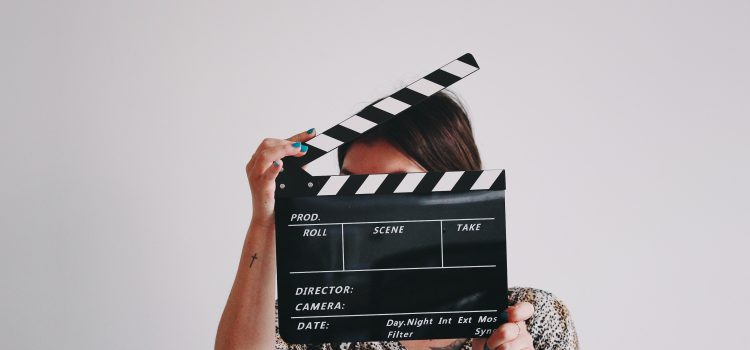
Subtitle: How Theater’s Influence Transforms the World of Film and Television

by [Your Name], Staff Writer

[City], [Date] – In the ever-evolving landscape of entertainment, the worlds of theater, film, and television have been intricately intertwined for decades. However, in recent years, we have witnessed a resurgence of theatrical influences permeating through the silver screen and small screen, resulting in a true artistic renaissance. This article explores the compelling shift in storytelling and the profound impact theater has had on contemporary visual media.

The marriage between stage and screen is not a new phenomenon, with iconic plays such as William Shakespeare’s “Hamlet” and Arthur Miller’s “Death of a Salesman” successfully transitioning to film adaptations. Yet, what we are currently experiencing goes beyond mere adaptations. Theater is now making its indelible mark on storytelling, aesthetics, and even the overall experience of cinematic and television productions.

One of the primary factors driving this renaissance is the collaboration between theater directors and filmmakers. Visionary directors such as Sam Mendes, who transitioned from acclaimed stage productions to directing groundbreaking films like “American Beauty” and “1917,” bring a distinct artistic sensibility honed in the theater to their cinematic endeavors. Their expertise in crafting powerful performances, staging dynamic scenes, and capturing the essence of storytelling resonates with audiences worldwide.

Moreover, the blurring boundaries between the stage and screen have given rise to innovative approaches in cinematography and production design. Filmmakers are drawing inspiration from theatrical techniques, using long takes, immersive sets, and theatrical lighting to enhance the visual and emotional impact of their stories. This convergence can be witnessed in recent films like Damien Chazelle’s “La La Land” and Baz Luhrmann’s “Moulin Rouge!,” where the stylized choreography and extravagant sets emulate the vibrant energy of a live stage performance.

The impact of theater on television series is equally significant. Streaming platforms have embraced theatrical storytelling techniques, allowing for more experimental narratives and character-driven dramas. Series like Lin-Manuel Miranda’s “Hamilton” and Phoebe Waller-Bridge’s “Fleabag” successfully make the leap from stage to screen, captivating audiences with their raw and authentic portrayals.

This artistic renaissance is not limited to adaptations or collaborations but also extends to the revitalization of live theater itself. As more people discover the magic of the stage through film and television, there is a renewed interest in attending live performances. The success of Broadway shows such as “Hamilton,” “The Book of Mormon,” and “Wicked” testifies to the enduring power of theater, and their screen adaptations introduce new generations to the world of live performance.

However, amidst this artistic synergy, it is essential to acknowledge the challenges that arise when incorporating theatrical elements into visual media. Adapting the inherently live and immersive nature of theater to the confined world of the screen requires finesse and careful consideration. Striking the right balance between the two mediums while retaining the essence of the original work is a delicate process.

As we witness this artistic renaissance unfold, it becomes evident that the stage and screen are inextricably linked, with each influencing and enriching the other. Theater provides a wellspring of inspiration, an incubator for innovative storytelling, and a catalyst for creativity in the world of film and television. The continued convergence of these art forms promises a future where the boundaries between stage and screen blur even further, enriching the world of entertainment with bold, transformative narratives.

In this dynamic era of artistic exploration, one thing remains certain: the renaissance of theater in film and television has reshaped the landscape of entertainment, inviting audiences on a remarkable journey where the magic of the stage

Subtitle: Unraveling the Dynamic World of Entertainment Industry Investments and Innovations

Date: May 16, 2023

Introduction: In the ever-evolving landscape of the entertainment industry, where creativity and business collide, the wheeling and dealing behind the scenes can be just as captivating as the finished products on our screens. From multimillion-dollar acquisitions to groundbreaking partnerships, the business of entertainment is a complex web of transactions that shape the future of the industry. In this article, we will delve into the hottest deals and trends that are reshaping the business of entertainment, exploring the innovative approaches and lucrative investments that are fueling its growth.

I. Blockbuster Acquisitions: Merging Creativity and Capital One cannot discuss the business of entertainment without acknowledging the blockbuster acquisitions that have sent shockwaves through the industry. From media conglomerates to tech giants, major players have been actively seeking to expand their reach and diversify their content offerings. We’ll take a closer look at recent high-profile acquisitions, such as the merger between a leading streaming platform and a renowned production studio, examining the motivations behind these deals and their implications for the industry.

II. Streaming Wars and the Battle for Content Supremacy Streaming platforms continue to dominate the entertainment landscape, with a fierce battle for subscribers unfolding on multiple fronts. We will analyze the strategies employed by streaming services to secure exclusive content rights, develop original programming, and entice viewers. Additionally, we’ll explore the emerging trends in niche streaming services catering to specific genres or demographics, as well as the impact of global expansion in an increasingly interconnected digital world.

III. The Rise of Influencer-Driven Partnerships In the age of social media and digital influencers, collaborations between entertainment industry powerhouses and popular content creators have become a key component of marketing and brand promotion. We’ll dive into the realm of influencer-driven partnerships, examining the symbiotic relationship between influencers and the entertainment industry. From brand endorsements to co-creation of original content, these collaborations not only drive engagement but also generate substantial revenue streams.

IV. Technological Innovations: Transforming the Entertainment Landscape Technological advancements have revolutionized the way we consume and produce entertainment. From virtual reality experiences to blockchain-powered distribution platforms, we will explore the latest innovations reshaping the industry. We’ll examine how these technologies impact various sectors, including film, television, gaming, and live events, and discuss their potential for unlocking new creative possibilities and revenue streams.

V. Ethical Considerations in the Business of Entertainment While the business of entertainment presents exciting opportunities, it also raises important ethical considerations. We will shed light on issues such as fair compensation for artists, diversity and inclusion in decision-making processes, and the responsibility of content creators and distributors to promote accurate representation and tackle societal challenges. Through interviews with industry experts and thought leaders, we’ll gain insights into the initiatives being taken to address these concerns and foster a more inclusive and responsible entertainment ecosystem.

Conclusion: The business of entertainment is a dynamic and multifaceted realm that encompasses financial transactions, strategic partnerships, technological advancements, and ethical considerations. By exploring the hottest deals and trends, we gain a deeper understanding of how these factors shape the future of the industry. As the entertainment landscape continues to evolve, it is crucial to recognize the interplay between creativity and commerce, ensuring a thriving and sustainable industry that captivates audiences worldwide.

[Author’s Note: In this article, we aim to provide an informative and balanced overview of the business of entertainment. It is important to conduct further research and consult additional sources to gather a comprehensive understanding of the topic.]

Singapore is known for its vibrant street food scene, with hawker centers and food stalls offering a wide variety of delicious and affordable dishes. Now, that same street food culture is making its way to New York City, with the opening of a new hotspot for street food lovers.

Located in the heart of the city, the new hotspot brings together some of the best Singaporean street food vendors in New York City. From Hainanese chicken rice to laksa, the vendors offer a diverse range of dishes that reflect the city’s multiculturalism.

One of the highlights of the new hotspot is the Hainanese chicken rice, a classic Singaporean dish that has become a favorite among New Yorkers. The dish features tender poached chicken served with fragrant rice cooked in chicken broth and a variety of sauces and condiments.

Another popular dish is laksa, a spicy noodle soup that features a rich and flavorful broth made with coconut milk, spices, and seafood or chicken. The dish is a favorite among Singaporeans and has become increasingly popular in New York City.

But it’s not just about the food. The new hotspot offers a unique cultural experience that reflects the vibrant street food culture of Singapore. It’s a place where people from all walks of life can come together to enjoy delicious food, learn about different cultures, and connect with one another.

The vendors also bring with them a sense of community and connection. Many of the vendors are family-run businesses, and they take pride in sharing their culinary traditions and stories with their customers.

In addition to the Singaporean street food vendors, the new hotspot also features vendors from other parts of the world, adding to the already diverse culinary landscape of New York City. From Mexican food trucks to Korean barbecue, the vendors offer a wide variety of flavors and cuisines.

But the new hotspot is not just about the food. It’s also a hub for cultural exchange and community building. The vendors come from all over the world, and they bring with them their unique culinary traditions and stories.

The new hotspot also hosts events and workshops that showcase the vendors’ cultures and cuisines. From cooking classes to cultural performances, the events provide a platform for the vendors to share their stories and connect with the community.

In addition, the new hotspot is committed to sustainability and social responsibility. The vendors use locally sourced ingredients whenever possible, and they prioritize environmentally friendly practices such as composting and recycling.

The new hotspot is a testament to the power of street food to bring people together and create community. It’s a place where people can come together to enjoy delicious food, learn about different cultures, and connect with one another.

But it’s also a reminder of the challenges that street food vendors face in cities around the world. In many cities, street food vendors are subject to strict regulations and face barriers to entry that make it difficult for them to operate. The new hotspot is a step towards creating a more inclusive and supportive environment for street food vendors.

In conclusion, the new hotspot for street food lovers brings together some of the best Singaporean street food vendors in New York City, offering a unique cultural experience that reflects the vibrant street food culture of Singapore. It’s a place where people from all walks of life can come together to enjoy delicious food, learn about different cultures, and connect with one another. But it’s also a reminder of the challenges that street food vendors face, and the need for more inclusive and supportive environments for street food culture to thrive.

Introduction: In the captivating realm of film and television, the ability to evoke genuine emotions in audiences is an art form that requires a delicate balance of creative storytelling, skilled direction, and the magic of cinematography. From tears of joy to spine-tingling fear, the power of visuals to capture and convey emotions is unparalleled. In this article, we delve into the captivating world of capturing emotions on camera, exploring the techniques and creative choices that bring these moments to life.

  1. The Language of Visual Storytelling: At the heart of capturing emotions on camera lies the language of visual storytelling. Cinematographers and directors carefully craft every shot, utilizing a wide array of techniques to heighten the emotional impact on viewers. From the framing and composition to the use of color and lighting, each visual element plays a crucial role in setting the mood and eliciting specific emotions. We’ll take a closer look at some of the most effective techniques employed by filmmakers to evoke powerful emotional responses.
  2. Lighting: Painting the Canvas of Emotion: Lighting is one of the most influential tools in a cinematographer’s arsenal. Whether it’s the soft glow of a sunset or the harsh shadows of a suspenseful scene, lighting has the power to shape the emotional atmosphere of a shot. We’ll explore the interplay between light and emotion, examining how various lighting techniques, such as high-key and low-key lighting, can intensify the emotional impact of a scene.
  3. Color: The Palette of Feelings: Colors have a profound impact on our emotions, and filmmakers utilize this knowledge to their advantage. Through careful color grading and artful production design, filmmakers can create visual palettes that evoke specific emotions. We’ll examine the psychology behind color and its influence on our emotional responses, exploring iconic films and TV shows that masterfully use color to immerse audiences in the story’s emotional landscape.
  4. Performance: Actors Bringing Emotions to Life: While the visual elements play a crucial role in capturing emotions, none of it would be complete without the skilled performances of actors. Through their talent, actors breathe life into characters, portraying a wide range of emotions that resonate with audiences. We’ll dive into the process of actors’ emotional preparation, the nuances of their performances, and how they collaborate with cinematographers and directors to create authentic emotional moments on screen.
  5. Sound: The Unseen Catalyst: In the world of visual storytelling, sound is the unsung hero that complements and enhances the emotions captured on camera. From the haunting score that sends chills down your spine to the subtle ambient sounds that immerse you in a scene, sound design plays a crucial role in eliciting emotional responses. We’ll explore the art of sound design and its ability to amplify the emotional impact of a film or TV show.

Conclusion: Capturing emotions on camera is an intricate process that involves the collaboration of various creative minds. From the visionary director to the talented cinematographer, the skilled actors, and the meticulous sound designers, each element contributes to the awe-inspiring world of visual marvels in film and television. As we immerse ourselves in the emotional journeys presented on screen, we appreciate the artistry and craftsmanship that allows us to feel, to empathize, and to experience the full spectrum of human emotions through the magic of cinema and television.

Note: This article provides an overview of the topic and can be expanded upon with specific examples, interviews, and deeper analysis of films and TV shows.

Subtitle: Examining the Power of Stories to Shape Perspectives, Drive Change, and Foster Unity

By [Your Name], Staff Writer

[City], [Date] – In the realm of human communication, few things possess the transformative power of a compelling story. Throughout history, narratives have captivated hearts and minds, transcending time and cultural barriers. From ancient mythologies to modern-day novels, storytelling has served as a vehicle for knowledge transmission, cultural preservation, and social transformation. In this article, we delve into the profound influence of narratives on culture and society, shedding light on how stories shape our perspectives, drive change, and foster unity.

Stories have been an intrinsic part of human existence since the dawn of civilization. They entertain, educate, and provoke thought, leaving an indelible imprint on our collective consciousness. Whether passed down orally, recorded in written form, or depicted in visual media, stories have the ability to resonate deeply within us, evoking emotions, challenging beliefs, and influencing our behavior.

One of the key roles of storytelling is the preservation and transmission of cultural heritage. Through myths, legends, and folktales, societies have safeguarded their traditions, values, and historical accounts, ensuring that subsequent generations remain connected to their roots. These narratives provide a sense of identity and continuity, fostering a shared understanding of a community’s past and present.

Beyond cultural preservation, narratives also shape our perspectives and influence how we interpret the world. Stories have the power to challenge existing norms, question societal constructs, and encourage critical thinking. They can be a catalyst for empathy, helping us to understand different experiences, cultures, and perspectives. By presenting diverse characters and narratives, storytelling opens doors to compassion, breaking down stereotypes, and building bridges across divides.

Moreover, stories are a potent force for driving change in society. Throughout history, movements for social justice and equality have often been accompanied by narratives that illuminate the struggles, triumphs, and aspirations of marginalized communities. Books like “To Kill a Mockingbird” by Harper Lee and “The Diary of a Young Girl” by Anne Frank have played instrumental roles in shaping public opinion and sparking conversations around human rights, discrimination, and the power of resilience.

In today’s digital age, the influence of narratives has expanded exponentially. With the advent of social media and online platforms, stories can reach global audiences in a matter of seconds. Social media campaigns, viral videos, and online movements have harnessed the power of storytelling to galvanize public opinion and mobilize individuals toward collective action. The #MeToo movement, which originated as a hashtag, is a testament to the ability of narratives to amplify voices and ignite social change.

However, it is crucial to recognize that storytelling can also be a double-edged sword. In the age of misinformation, narratives can be manipulated to deceive, manipulate public opinion, and sow division. Responsible journalism and critical media literacy are essential in navigating this complex landscape, ensuring that narratives are grounded in truth and ethical storytelling practices.

As we reflect on the profound influence of narratives on culture and society, it becomes clear that stories possess an inherent power to shape our understanding of the world, challenge the status quo, and foster unity among diverse communities. By embracing the diverse narratives that surround us, we open ourselves to a richer tapestry of experiences and perspectives, building a more empathetic and inclusive society.

In an era where our attention is constantly pulled in multiple directions, let us not forget the profound impact that a well-told story can have on our collective consciousness. The stories we tell, and the stories we consume, have the potential to shape the world we live in. It is up to us, as individuals and as a society, to harness the

The field of brain research is on the cusp of an extraordinary era, driven by remarkable advancements in technology and a growing understanding of the intricate workings of the human brain. These breakthroughs hold immense promise for diagnosing, treating, and even preventing neurological disorders. In this article, we delve into the future of brain research, exploring pioneering technologies and innovative treatment options that are revolutionizing the field.

The development of advanced neuroimaging techniques has provided unprecedented insights into the inner workings of the brain. Magnetic resonance imaging (MRI), functional MRI (fMRI), and diffusion tensor imaging (DTI) allow scientists to visualize brain structures, track neural activity, and map white matter connections with unprecedented detail. These imaging technologies have transformed our understanding of brain disorders, enabling earlier and more accurate diagnoses.

One of the most exciting areas of brain research lies in the field of brain-computer interfaces (BCIs). BCIs establish direct communication pathways between the brain and external devices, opening up tremendous possibilities for individuals with motor impairments or communication difficulties. Emerging technologies, such as electroencephalography (EEG)-based BCIs and implanted neural devices, are enabling paralyzed individuals to control robotic limbs and allowing those with speech impairments to communicate through brain signals.

Artificial intelligence (AI) and machine learning algorithms are revolutionizing brain research by analyzing vast amounts of complex data and uncovering patterns that were previously inaccessible. These powerful tools can identify subtle brain abnormalities, predict disease progression, and assist in the development of personalized treatment plans. AI is also driving progress in neuroinformatics, a field dedicated to integrating and analyzing diverse datasets to unravel the complexities of brain function and disease.

Advancements in genetics and genomics are transforming our understanding of the genetic basis of neurological disorders. Genome-wide association studies (GWAS) have identified thousands of genetic variants associated with conditions such as Alzheimer’s disease, epilepsy, and schizophrenia. These findings are shedding light on disease mechanisms, offering potential targets for therapeutic interventions, and paving the way for personalized medicine approaches.

The emergence of gene editing technologies, such as CRISPR-Cas9, holds immense promise for treating genetic-based neurological disorders. Researchers are exploring the use of gene editing to correct genetic mutations associated with conditions like Huntington’s disease, muscular dystrophy, and certain forms of epilepsy. While still in early stages, these gene-editing tools offer hope for targeted treatments that address the root causes of brain disorders.

Neurostimulation techniques, such as deep brain stimulation (DBS) and transcranial magnetic stimulation (TMS), are being refined and expanded to provide more precise and effective treatments. DBS, which involves implanting electrodes in specific brain regions, has shown remarkable results in alleviating symptoms of Parkinson’s disease, depression, and obsessive-compulsive disorder. TMS, a non-invasive technique that uses magnetic fields to stimulate the brain, is being explored for a range of conditions, including chronic pain, addiction, and stroke rehabilitation.

The integration of technology and digital health is also transforming brain research and treatment. Mobile apps, wearable devices, and virtual reality platforms are being developed to monitor and manage neurological conditions, track treatment progress, and deliver targeted interventions. These technologies enable remote monitoring, enhance patient engagement, and facilitate data-driven healthcare approaches.

Ethical considerations are paramount in the future of brain research. Safeguarding patient privacy, ensuring equitable access to emerging treatments, and addressing the potential societal implications of neuroenhancement technologies are critical aspects that require careful examination and regulation.


Introduction: In an era dominated by screens and digital distractions, it might seem counterintuitive to suggest that screen time can be beneficial for self-care. However, a growing trend called “Popcorn Therapy” is challenging this notion by harnessing the power of movies and television shows as a therapeutic tool for healing and coping. In this article, we delve into the concept of Popcorn Therapy, explore its potential benefits, and provide practical tips for incorporating it into your self-care routine.

  1. The Rise of Popcorn Therapy: Popcorn Therapy is a novel approach to self-care that embraces the healing potential of screen time. It recognizes that well-chosen movies and TV shows can elicit emotional responses, provide catharsis, and foster a sense of connection. With the rise of streaming platforms and on-demand content, the accessibility and variety of media choices have never been greater, making Popcorn Therapy more accessible than ever before.
  2. The Therapeutic Power of Stories: Stories have been an integral part of human culture since time immemorial. They have the ability to transport us, evoke emotions, and offer valuable insights into the human experience. Popcorn Therapy taps into this power, allowing individuals to find solace, inspiration, and personal growth through narratives that resonate with their own lives.
  3. Healing and Coping Mechanisms: a) Emotional Catharsis: Engaging with films or shows that explore themes of loss, trauma, or adversity can provide a safe space to process and release pent-up emotions. The act of witnessing characters overcoming challenges can inspire hope and resilience in the viewer’s own life.

b) Escapism and Relaxation: Sometimes, self-care entails a temporary escape from reality. Popcorn Therapy offers the opportunity to immerse oneself in a captivating story, allowing for relaxation, diversion, and a much-needed mental break.

c) Empathy and Connection: Watching characters navigate their own struggles fosters empathy, reminding us that we are not alone in our own journeys. This connection can be particularly powerful for individuals experiencing loneliness, anxiety, or isolation.

  1. Incorporating Popcorn Therapy into Your Self-Care Routine: a) Intentional Selection: Choose movies and TV shows that align with your emotional needs or personal growth goals. Reflect on themes, genres, or narratives that resonate with you, and curate a list of options that cater to your specific self-care needs.

b) Mindful Consumption: Treat your Popcorn Therapy sessions as intentional experiences. Create a cozy atmosphere, eliminate distractions, and engage fully with the content. Take breaks to reflect on your emotional responses and any insights gained during the viewing.

c) Community Engagement: Popcorn Therapy can also be a shared experience. Consider joining online communities or hosting movie nights with friends or loved ones, allowing for discussion and shared perspectives.

  1. Ethical Considerations: While Popcorn Therapy can be a valuable self-care tool, it is important to be mindful of potential triggers or retraumatization. Exercise caution when choosing content that deals with sensitive topics, and be aware of your own emotional boundaries. If necessary, seek professional guidance or support to navigate challenging themes responsibly.

Conclusion: Popcorn Therapy represents a fresh perspective on self-care, challenging the assumption that all screen time is inherently negative. By harnessing the therapeutic power of stories, individuals can use carefully selected movies and TV shows as a means to heal, cope, and find solace. As with any self-care practice, it is essential to approach Popcorn Therapy with intention, mindfulness, and ethical considerations. So, grab your favorite snack, dim the lights, and embark on a cinematic journey towards self-discovery and well-being.

Dining out can be a wonderful experience, but it can also be confusing and overwhelming. From deciphering menus to understanding wine pairings, there are many mysteries to unravel when it comes to restaurants. That’s why we’ve enlisted the help of our expert food critic to help you decode the secrets of dining and make informed decisions about where to eat.

Our food critic has years of experience in the industry and a discerning palate that can help you navigate the world of gastronomy. Whether you’re looking for a romantic date spot, a family-friendly restaurant, or a trendy new hotspot, our food critic can provide valuable insights and recommendations.

One of the mysteries of dining out is understanding the different dishes and ingredients on a menu. Our food critic can help you decipher menus and provide recommendations for dishes that are particularly delicious or unique. They can also provide insights into the different cooking techniques and flavor profiles used in different cuisines.

Another mystery of dining out is knowing how to pair food and wine. Our food critic can provide recommendations for wine pairings that complement the flavors of your meal and enhance your dining experience. They can also provide insights into the different types of wine and how they are made.

If you’re looking for a romantic date spot, our food critic can provide recommendations for restaurants with intimate atmospheres, candlelit tables, and romantic menus. And if you’re looking for a family-friendly restaurant, our food critic can recommend restaurants with kid-friendly menus, play areas, and activities to keep the little ones entertained.

But our food critic doesn’t just provide recommendations for dining out. They can also help you navigate the world of home cooking and entertaining. If you’re hosting a dinner party or special event, our food critic can provide tips and recommendations for menu planning, wine pairings, and presentation.

In addition to providing recommendations and advice, our food critic can also help you stay up-to-date on the latest trends and developments in the world of gastronomy. From new restaurant openings to emerging food trends, our food critic can provide insights and analysis to help you stay informed and ahead of the curve.

But perhaps the biggest mystery of dining out is simply understanding the culture and etiquette of different types of restaurants. Our food critic can provide insights into the different types of restaurants, from casual cafes to fine dining establishments. They can also provide tips on how to dress, how to make reservations, and how to interact with restaurant staff.

So if you’re looking to unravel the mysteries of dining and make informed decisions about where to eat, submit your inquiries to our food critic. With their years of experience and discerning palate, they can help you navigate the world of gastronomy and discover new and exciting dining experiences.

By [Your Name], Staff Writer

[City], [Date] – In a world driven by constant technological advancements and evolving consumer preferences, the entertainment industry finds itself on the cusp of a new era. As traditional boundaries continue to blur, innovative technologies and emerging trends are reshaping the way we consume and engage with entertainment. From immersive experiences to interactive storytelling, the next wave of entertainment is poised to revolutionize the industry as we know it.

One of the most transformative innovations gaining momentum is virtual reality (VR). Previously confined to niche markets, VR has started to break free from its shackles, making its way into mainstream entertainment. With the advent of more accessible and affordable VR devices, consumers can now step into virtual worlds, transcending physical boundaries and experiencing entertainment in unprecedented ways. Whether it’s exploring distant planets, participating in adrenaline-fueled adventures, or immersing oneself in virtual concerts, the possibilities are endless.

Augmented reality (AR) is another groundbreaking technology reshaping the entertainment landscape. AR seamlessly blends digital content with the real world, offering users a new level of engagement and interaction. From mobile applications that overlay digital characters onto our surroundings to AR-enhanced live performances that combine physical and virtual elements, this technology has the potential to revolutionize storytelling and bridge the gap between imagination and reality.

Furthermore, the rise of streaming platforms has significantly disrupted the traditional broadcast and cable television model. Over the past decade, streaming services such as Netflix, Amazon Prime Video, and Disney+ have emerged as dominant players, revolutionizing how we consume television shows, movies, and documentaries. These platforms not only provide a vast library of content but also invest heavily in producing original, high-quality programming, challenging the dominance of traditional media giants.

The integration of artificial intelligence (AI) and machine learning algorithms is another frontier that entertainment pioneers are exploring. These technologies enable personalized content recommendations, enhancing the user experience by curating tailored suggestions based on individual preferences and viewing habits. Additionally, AI is being employed to create hyper-realistic computer-generated imagery (CGI) and lifelike virtual characters, blurring the line between fiction and reality.

As the entertainment industry ventures further into uncharted territory, there are ethical and societal implications to consider. With technologies like deepfakes and AI-generated content, concerns regarding misinformation, privacy, and the manipulation of reality have come to the forefront. Journalists, content creators, and consumers alike must navigate these new challenges, ensuring ethical standards are upheld while promoting responsible use of these powerful tools.

The next wave of entertainment innovations and trends is not limited to technological advancements alone. The industry is also witnessing a cultural shift, with diverse voices gaining prominence and stories that were once marginalized finding wider audiences. There is a growing demand for representation and inclusivity, leading to fresh narratives and perspectives that resonate with a broader range of viewers.

In conclusion, the entertainment industry is entering an exciting phase of innovation and transformation. Virtual reality, augmented reality, streaming platforms, artificial intelligence, and cultural shifts are all shaping the next wave of entertainment. As these boundaries continue to be broken, it is essential for both creators and consumers to embrace these developments responsibly, while ensuring that storytelling and the human experience remain at the core of this brave new world of entertainment.

[Optional] Opinion Piece:

Title: The Next Wave of Entertainment: A Journey Beyond Boundaries

By [Your Name], Opinion Columnist

[City], [Date] – The entertainment industry stands at the precipice of a revolution, driven by innovations that are shattering traditional boundaries and opening up a world of infinite possibilities. As we embrace the next wave of entertainment, we find ourselves on a transformative journey, one that challenges our preconceptions and redefines the very essence of entertainment