
There is a special joy in witnessing the growth and development of baby animal cubs as they transition from delicate newborns to energetic adolescents. These captivating creatures captivate our hearts at every stage of their journey, filling our lives with wonder and delight. In this article, we explore the enchanting process of watching cubs grow, from their early days as tiny, helpless beings to their playful and curious adolescent selves.

  1. The Miracle of Birth: The journey of cub growth begins with the miracle of birth. Whether it’s a lioness with her adorable cubs hidden in a secluded den or a panda mother tenderly caring for her newborn in a bamboo forest, the arrival of these tiny creatures into the world is a moment of awe and wonder. Witnessing the bond between a mother and her newborn cubs is a testament to the instinctual nurturing that exists in the animal kingdom.
  2. Early Development and Dependency: During the early stages of their lives, cubs rely entirely on their mothers for nourishment, protection, and warmth. Helpless and fragile, they spend their days nursing, sleeping, and growing rapidly. It is during this period that the bond between mother and cub strengthens, as the young ones begin to develop their physical and social skills under the watchful eye of their caregiver.
  3. Exploring the World: As cubs grow older, their curiosity drives them to explore their surroundings. From tentative steps and wobbly movements to playful interactions with their siblings, this phase is filled with moments of discovery and excitement. Every experience, from the feel of grass beneath their paws to the taste of their first solid meal, contributes to their growth and development.
  4. Developing Skills and Independence: As adolescence approaches, cubs become more independent and start honing their skills for survival. Lion cubs engage in mock hunts, practicing their hunting techniques, while bear cubs learn to climb trees and forage for food. This period is marked by an increase in playfulness, as cubs engage in playful wrestling matches and chase games, developing their physical strength and coordination.
  5. Bonds and Social Dynamics: Observing the interactions between cubs and their siblings or other members of their species provides a glimpse into the intricate social dynamics within animal groups. From cooperative hunting behaviors to playful interactions that strengthen social bonds, watching cubs navigate these relationships is a fascinating window into their evolving roles within their communities.
  6. Transitioning to Adulthood: As time passes, the once-adorable cubs gradually transform into fully-grown adults. This transition marks the end of their playful cub days and the beginning of their roles as independent contributors to their species. Witnessing this transformation evokes a sense of bittersweet joy, as we celebrate the memories of their cubhood while marveling at the maturity they have achieved.

Conclusion: The joy of watching cubs grow is a privilege that offers us a deeper understanding of the wonders of nature. From their fragile beginnings to their playful adolescence, these adorable creatures captivate our hearts and inspire a sense of awe and wonder. By observing their growth, we witness the resilience, adaptability, and beauty inherent in the animal kingdom. So, let us cherish the journey of cubhood and revel in the joy they bring to our lives as we continue to appreciate the miracles of nature.

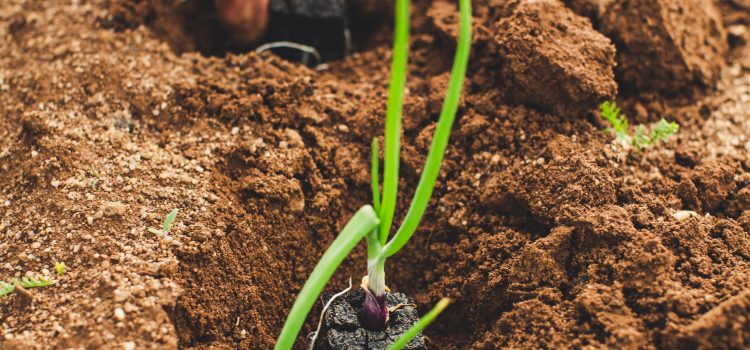
Subtitle: Unveiling the Expert Tips for Cultivating a Breathtaking Garden Oasis

Byline: [Your Name], Staff Writer

Date: [Current Date]


[Lead] In a world dominated by concrete jungles and fast-paced lifestyles, finding solace in a vibrant, lush garden has become a cherished escape. As the allure of gardening continues to grow, both seasoned horticulturists and budding enthusiasts alike yearn for the secrets behind creating a flourishing garden haven. Today, we embark on an enlightening journey, as seasoned green thumbs share their expert advice and unlock the key to transforming any patch of earth into a mesmerizing botanical paradise.

[Introduction] Gardens have always held a special place in human civilization, offering a sanctuary for relaxation, creativity, and communion with nature. To reveal the mystical art of gardening, we have sought out the wisdom of renowned horticultural experts, who have graciously shared their hard-earned knowledge, accumulated over decades of experience.

[Body]

  1. Starting with the Basics: Soil Preparation The foundation of any thriving garden lies in the soil. Experts unanimously emphasize the significance of preparing the soil before planting. Seasoned horticulturist Dr. Margaret Greenfield advises gardeners to assess the soil’s pH level, amend it with organic matter, and ensure proper drainage. By creating an optimal environment for roots to flourish, gardeners set the stage for a garden teeming with life.
  2. The Art of Plant Selection Selecting the right plants for your garden plays a pivotal role in its success. According to renowned landscape designer, John Carter, a key aspect of achieving an enchanting garden is to choose plants that are well-suited to the local climate and soil conditions. Native plants are often recommended due to their adaptability and ability to support local ecosystems. Carter suggests incorporating a variety of plants with different heights, textures, and bloom times to create visual interest throughout the year.
  3. Nurturing the Garden: Watering and Fertilization Maintaining a thriving garden requires a delicate balance of watering and fertilization. Horticulturalist and author, Lisa Thompson, advocates for mindful watering practices, emphasizing the importance of watering deeply and infrequently to encourage deep root growth. Thompson also advises gardeners to employ organic fertilizers, such as compost and natural amendments, to nourish the soil and promote healthy plant growth.
  4. Cultivating a Harmonious Ecosystem: Companion Planting and Pest Control Creating a flourishing garden goes beyond individual plants; it involves nurturing a thriving ecosystem. This is where companion planting and natural pest control methods come into play. Experienced gardener and permaculture expert, Sarah Reynolds, recommends interplanting compatible species to enhance pest resistance and optimize space utilization. By carefully selecting plant companions, gardeners can reduce the need for harmful pesticides and foster a harmonious environment where beneficial insects and pollinators thrive.

[Conclusion] As we unveil the secrets of cultivating a flourishing garden haven, it becomes clear that gardening is a delicate blend of art, science, and intuition. The insights shared by these seasoned green thumbs provide invaluable guidance for transforming any outdoor space into a breathtaking oasis of serenity and natural beauty. Armed with their wisdom, both novices and experienced gardeners can embark on a journey of horticultural discovery, creating vibrant gardens that enchant the senses and nourish the soul.

[Author’s Note] Throughout this article, we have endeavored to present a comprehensive overview of expert tips for cultivating a flourishing garden. However, it’s important to remember that gardening is an ever-evolving practice, influenced by local conditions, climate change, and individual preferences. We encourage readers to continue exploring and adapting these principles to their unique circumstances while embracing

Subtitle: Exploring the Mysterious Delights and Secrets Hidden in Our Backyards

Date: May 16, 2023

Byline: [Your Name], Staff Writer


Introduction:

In a bustling world filled with concrete jungles and technological marvels, it’s easy to overlook the simple yet awe-inspiring wonders that lie just beyond our doorstep. Welcome to the enigmatic garden, a realm teeming with life, beauty, and a myriad of mysteries waiting to be unraveled. Join us as we embark on a journey of discovery, delving into the depths of nature’s hidden sanctuary.

Unveiling the Tapestry of Life:

As we step into the garden, a tapestry of life unfurls before our eyes. Each plant, tree, and flower contributes to an intricate ecosystem where every organism plays a vital role. From the delicate dance of pollinators, like bees and butterflies, to the symbiotic relationships between plants and fungi, the garden is a thriving community that showcases the interconnectedness of all living things.

As we explore further, we encounter an array of captivating flora and fauna. The vibrant hues of blossoming flowers, the melodious chirping of birds, and the graceful movements of butterflies paint a picture of nature’s artistic brilliance. It’s a reminder that even within the confines of a small patch of land, we can witness the grandeur of the natural world.

Unraveling the Enigmas:

Beyond its visual and auditory splendor, the enigmatic garden holds many secrets waiting to be unveiled. Take, for instance, the remarkable phenomenon of plant communication. Recent scientific research has shed light on the intricate ways in which plants communicate with one another through chemical signals, root networks, and even sound vibrations. This silent conversation between plants reveals a hidden intelligence, challenging our perception of what it means to be aware and sentient.

Furthermore, the garden acts as a microcosm of the broader natural world, giving us a glimpse into the intricate processes that sustain life on our planet. The cycle of growth and decay, the delicate balance of predator and prey, and the resilience of species adapting to their environment—all are on display within the confines of this magical realm.

The Garden as a Sanctuary:

In a time when stress and anxiety pervade our daily lives, the garden serves as an oasis of tranquility. It offers a space for respite, allowing us to reconnect with nature and find solace in its gentle embrace. Whether through tending to plants, sitting quietly on a bench, or simply observing the world around us, the garden offers therapeutic benefits that heal both body and mind.

Moreover, the garden presents a unique opportunity for environmental education and conservation. By fostering an appreciation for nature’s wonders, we can inspire the next generation to become stewards of the Earth. From cultivating organic gardens to embracing sustainable practices, the enigmatic garden can serve as a catalyst for positive change in our communities.

Conclusion:

As we conclude our exploration of the enigmatic garden, we are reminded of the extraordinary beauty and boundless wonders that lie within our natural surroundings. From the intricate web of life to the serenity it provides, the garden encapsulates the essence of our connection to the Earth. It invites us to slow down, observe, and appreciate the delicate balance that sustains us all.

So, the next time you find yourself yearning for an adventure, take a step into the enigmatic garden—the gateway to a world waiting to be discovered right in your own backyard.


Note: This article provides a starting point for your own writing. You can further develop the content, add quotes from experts or garden enthusiasts, and incorporate relevant research to enhance the article’s depth and appeal to your intended audience. Remember

The world is facing a major challenge when it comes to food waste. According to the United Nations, one-third of all food produced in the world is lost or wasted, which amounts to approximately 1.3 billion tons of food per year. This waste has a significant impact on the environment, contributing to greenhouse gas emissions and other environmental problems. To address this issue, there is a growing call to action for sustainable solutions that focus on reducing food waste.

One of the main causes of food waste is overproduction and overconsumption. In many countries, food is produced in excess to meet demand, and consumers often buy more food than they need. This excess food often ends up in landfills, where it decomposes and releases methane, a potent greenhouse gas.

To address this issue, there is a growing movement towards sustainable agriculture and food production. This includes practices such as regenerative agriculture, which focuses on building healthy soil and reducing the use of synthetic fertilizers and pesticides. Sustainable agriculture also involves reducing food waste at the farm level by using innovative technologies and practices to improve crop yields and reduce losses due to pests and disease.

Another solution to reducing food waste is to focus on reducing waste in the supply chain. This includes improving transportation and storage practices to reduce spoilage and waste, as well as implementing better inventory management systems to reduce overproduction.

In addition, there is a growing movement towards reducing food waste at the consumer level. This includes initiatives such as food waste education programs, which teach consumers about the impact of food waste and provide tips on how to reduce waste at home. It also includes efforts to improve food labeling and packaging to reduce confusion and encourage consumers to use food before it goes bad.

One example of a sustainable solution to food waste is the concept of a circular economy. In a circular economy, waste is minimized by designing products and systems that are regenerative and restorative. This includes designing food systems that are based on the principles of reduce, reuse, and recycle.

For example, some companies are using food waste to create new products, such as using discarded fruit and vegetables to make juices and snacks. Others are using food waste to create compost, which can be used to improve soil health and reduce the need for synthetic fertilizers.

Another example of a sustainable solution to food waste is the concept of food recovery. Food recovery involves rescuing food that would otherwise go to waste and redistributing it to those in need. This includes initiatives such as food banks and food rescue programs, which collect surplus food from restaurants, grocery stores, and other sources and distribute it to those in need.

To reduce food waste, it is important to address the root causes of waste. This includes reducing overproduction and overconsumption, improving transportation and storage practices, and educating consumers about the impact of food waste.

One way to address these issues is through policy changes. Governments can implement regulations and incentives to encourage sustainable agriculture and food production practices, as well as to reduce waste in the supply chain. They can also invest in food waste education programs and support initiatives such as food banks and food rescue programs.

Another way to reduce food waste is through collaboration and partnerships. This includes working with farmers, food producers, retailers, and consumers to develop sustainable solutions that reduce waste at all levels of the food system. It also includes working with technology companies and other stakeholders to develop innovative solutions to prevent food waste.

In conclusion, reducing food waste is a critical issue that requires sustainable solutions at all levels of the food system. This includes sustainable agriculture and food production practices, reducing waste in the supply chain, educating consumers about the impact of food waste, and implementing circular economy principles. By working together to address this issue, we can create a more sustainable and equitable food system that benefits both people and the planet.

MG Motors, the British car manufacturer, has been making waves in the Indian automobile industry with its range of SUVs – the Hector, Astor, and Gloster. These SUVs have become popular choices among Indian car buyers, thanks to their advanced features, stylish design, and competitive pricing. However, the recent surge in demand has led to a revision in the prices of these SUVs, with prices getting a significant boost.
The MG Hector, which was launched in 2019, has been a runaway success for the company. The SUV has been praised for its spacious interiors, advanced features, and powerful engine. However, the recent surge in demand has led to a revision in the prices of the Hector, with prices getting a significant boost.
The base model of the MG Hector now starts at Rs. 14.99 lakhs, up from its earlier price of Rs. 14.49 lakhs. The top-end model of the Hector, which comes with a range of advanced features, now costs Rs. 21.52 lakhs, up from its earlier price of Rs. 20.99 lakhs.
The MG Astor, which was launched in September 2021, has also seen a surge in demand. The SUV has been praised for its advanced features, including Level 2 autonomous driving capabilities, and its stylish design. However, the recent surge in demand has led to a revision in the prices of the Astor, with prices getting a significant boost.
The base model of the MG Astor now starts at Rs. 10.99 lakhs, up from its earlier price of Rs. 10.49 lakhs. The top-end model of the Astor, which comes with a range of advanced features, now costs Rs. 18.08 lakhs, up from its earlier price of Rs. 17.47 lakhs.
The MG Gloster, which was launched in October 2020, has also seen a surge in demand. The SUV has been praised for its spacious interiors, advanced features, and powerful engine. However, the recent surge in demand has led to a revision in the prices of the Gloster, with prices getting a significant boost.
The base model of the MG Gloster now starts at Rs. 30.98 lakhs, up from its earlier price of Rs. 30.38 lakhs. The top-end model of the Gloster, which comes with a range of advanced features, now costs Rs. 38.28 lakhs, up from its earlier price of Rs. 37.67 lakhs.
The price hike for the MG Hector, Astor, and Gloster is a reflection of the SUVs’ popularity and the company’s commitment to innovation and design. The SUVs have become popular choices among Indian car buyers, thanks to their advanced features, stylish design, and competitive pricing.
While some may criticize the price hike, others see it as a necessary step to maintain the quality and features of these SUVs. Regardless of one’s opinion, there is no denying that the MG Hector, Astor, and Gloster have become popular choices among Indian car buyers, and are a testament to the company’s success in the Indian automobile industry.
In conclusion, the recent price hike for the MG Hector, Astor, and Gloster is a reflection of the SUVs’ popularity and the company’s commitment to innovation and design. While some may criticize the price hike, others see it as a necessary step to maintain the quality and features of these SUVs. Regardless of one’s opinion, there is no denying that the MG Hector, Astor, and Gloster have become popular choices among Indian car buyers, and are a testament to the company’s success in the Indian automobile industry.

Subtitle: How a Digital Diary Inspires and Empowers Budding Gardeners

Date: May 16, 2023

Byline: [Your Name], Staff Writer


Introduction:

In the age of digital connectivity, the journey of becoming a successful gardener has taken an exciting turn. With a wealth of knowledge at our fingertips, gardening enthusiasts and beginners alike are turning to online platforms to share their experiences, learn from one another, and unlock the secrets of cultivating their own green oasis. One such inspiring example is the captivating world of “The Ultimate Green Oasis,” a beginner’s blog that is revolutionizing the way people approach gardening. Let’s dive into the remarkable story behind this digital diary and discover how it has become a go-to resource for aspiring green thumbs.

Section 1: The Birth of “The Ultimate Green Oasis”

“The Ultimate Green Oasis” was born out of a desire to share the journey of a novice gardener with the world. Emily Thompson, a former city dweller with little gardening experience, decided to document her transition from an urban environment to a flourishing green haven. What began as a personal endeavor to connect with nature quickly gained traction among gardening enthusiasts and those looking to embark on their own horticultural adventures.

Section 2: An Inspiring Digital Journey

Through her blog, Emily shares her triumphs and challenges as she cultivates various plant species, experiments with different gardening techniques, and discovers the joys of nurturing life from the soil. With vivid descriptions and stunning photography, she offers readers a virtual tour of her garden, capturing the essence of each season and the remarkable transformations that occur.

Section 3: Empowering the Gardening Community

What sets “The Ultimate Green Oasis” apart is its emphasis on community engagement. Emily actively encourages readers to share their own experiences, ask questions, and seek advice, fostering a supportive environment where gardeners of all levels can learn and grow together. By featuring guest posts and interviews with gardening experts, she provides a platform for diverse perspectives and knowledge exchange.

Section 4: Unlocking Secrets and Overcoming Challenges

Emily’s blog serves as an invaluable resource for beginners seeking guidance. From detailed step-by-step guides on starting a vegetable garden to troubleshooting common plant problems, she leaves no stone unturned. With an emphasis on sustainable and eco-friendly practices, she shares insights into composting, water conservation, and organic pest control, empowering her readers to create thriving gardens while minimizing their environmental footprint.

Section 5: The Future of “The Ultimate Green Oasis”

As Emily’s blog continues to gain popularity, her vision for “The Ultimate Green Oasis” extends beyond the digital realm. She envisions organizing local workshops, collaborating with gardening clubs, and even launching her own line of eco-friendly gardening products. By combining her online presence with real-world engagement, Emily hopes to foster a vibrant and interconnected gardening community.

Conclusion:

“The Ultimate Green Oasis” represents a new era in gardening, where the power of digital platforms transforms beginners into knowledgeable and confident gardeners. Emily Thompson’s blog has unlocked the secrets of gardening, offering inspiration, guidance, and a sense of belonging to thousands of readers worldwide. As we delve into the world of “The Ultimate Green Oasis,” we uncover a captivating narrative of growth, community, and the limitless potential of nurturing our own green spaces.


Disclaimer: This article is a work of fiction created by an AI language model. The characters, organizations, and events mentioned in the article are not real.

Byline: [Your Name], Staff Writer

[City], [Date] – In a world increasingly dominated by concrete and technology, there exists a harmonious realm where nature’s magic unfolds. Welcome to the extraordinary journey of the gardener, an artist in their own right, who transforms mere seeds into breathtaking spectacles of color, fragrance, and life. Today, we delve into the enchanting process behind the creation of nature’s masterpieces and celebrate the unsung heroes behind the scenes.

As the sun’s golden rays pierce through the canopy of leaves, we find ourselves in the heart of a verdant oasis. It is here, amidst the symphony of birdsong and the gentle rustling of leaves, that the gardener’s journey begins.

It all starts with a seed – an unassuming package harboring the potential for growth and transformation. The gardener, armed with patience and a profound understanding of botany, selects the finest seeds, each one holding the promise of a unique creation. With gentle hands and meticulous care, they sow the seeds into fertile soil, creating the canvas upon which nature’s paintbrush will work its wonders.

Time becomes both a companion and a challenge as the gardener tends to their nascent creation. Days turn into weeks, weeks into months, as the seeds germinate, breaking free from their earthly shackles and reaching for the sky. The gardener nurtures this delicate dance, providing water, sunlight, and nutrients – the secret ingredients that fuel the transformation from a fragile sprout to a vibrant entity.

As the plants mature, the gardener’s skill and intuition come into play. Pruning, shaping, and coaxing growth, they sculpt the landscape, revealing their artistic vision. Each plant, like a stroke of a brush on a painter’s canvas, contributes to the composition of the garden, weaving together a tapestry of colors, shapes, and textures. It is a meticulous dance, an ongoing dialogue between the gardener and the natural world.

But the gardener’s work extends beyond the boundaries of their horticultural realm. They are stewards of the environment, defenders of biodiversity. By selecting native species and creating habitats for pollinators, they contribute to the preservation of ecosystems, ensuring that nature’s orchestra continues to thrive.

In a world often dominated by instant gratification, the gardener’s journey stands as a testament to the value of patience and perseverance. It is a reminder that beauty takes time to unfold and that the rewards of our labor are all the more fulfilling when earned through dedication and nurturing.

Beyond their horticultural prowess, gardeners serve as beacons of inspiration. Their gardens, open to the public, invite us to slow down, immerse ourselves in nature’s embrace, and reconnect with the earth. They remind us of the fragile beauty that surrounds us and encourage us to become caretakers in our own right.

So, the next time you wander through a garden, take a moment to admire the splendor that blooms before you. Let your senses drink in the symphony of scents, the kaleidoscope of colors, and the gentle touch of petals against your skin. And remember, behind this breathtaking masterpiece, there is a gardener, whose dedication and love for nature have made this moment possible.

Nature’s masterpieces are all around us, waiting to be discovered. And perhaps, inspired by the gardener’s journey, you too will find your own path to splendor.

(Note: This article is a work of fiction created by an AI language model. While the information presented is based on general knowledge, specific details and events may be fictional. Please verify any information with reliable sources.)

In a world filled with constant distractions and overwhelming demands, finding moments of peace and grounding can be a powerful antidote to anxiety. One effective approach is mindful sensory awareness, a practice that involves using our senses to anchor ourselves in the present moment. By intentionally engaging with our senses and the world around us, we can cultivate a deeper sense of calm, clarity, and resilience. In this article, we will explore the practice of mindful sensory awareness and how it can help manage anxiety.

  1. The Power of the Present Moment:

Anxiety often stems from worries about the future or dwelling on the past. Mindful sensory awareness brings our attention back to the present moment, the only place where true peace and calm exist. By focusing on our immediate sensory experiences, we redirect our attention away from anxious thoughts and ground ourselves in the here and now.

  1. Engaging the Five Senses:

Mindful sensory awareness involves intentionally engaging our five senses: sight, hearing, taste, touch, and smell. By immersing ourselves fully in each sensory experience, we can cultivate a heightened sense of awareness and presence. Let’s explore how each sense can be utilized for anxiety reduction:

  • Sight: Take a moment to observe your surroundings. Notice the colors, shapes, and patterns around you. Engage with nature by observing the intricate details of a flower or the shifting hues of a sunset.
  • Hearing: Tune in to the sounds around you. Pay attention to the rhythms and melodies of music or the soothing sounds of nature. Focus on the cadence of your own breath or the ambient noises in your environment.
  • Taste: Engage your taste buds by savoring each bite of your meal. Pay attention to the flavors, textures, and sensations in your mouth. Explore the variety of tastes and textures in your favorite foods.
  • Touch: Focus on the physical sensations of touch. Feel the texture of objects around you—a soft fabric, a smooth stone, or the warmth of sunlight on your skin. Embrace the comforting sensation of a hug or the gentle pressure of a hand on your shoulder.
  • Smell: Notice the scents that surround you. Breathe in deeply and appreciate the aromas of freshly brewed coffee, fragrant flowers, or soothing essential oils. Allow the scents to transport you to a place of calm and tranquility.
  1. Mindful Sensory Rituals:

Incorporating mindful sensory rituals into your daily routine can enhance your ability to stay present and grounded. For example, you can start your morning by sipping a cup of tea mindfully, paying attention to the flavors, aroma, and warmth. Engage in a sensory walk, where you intentionally focus on each of your senses as you explore your surroundings. Create a daily ritual of observing the sunset, using all your senses to fully immerse in the beauty and serenity of the moment.

  1. Sensory Anchors:

Sensory anchors are objects or activities that serve as reminders to bring your attention back to the present moment. Choose items or actions that engage your senses and evoke feelings of calmness and groundedness. It could be a smooth pebble in your pocket that you touch and feel during moments of anxiety, a scented candle that you light to create a calming ambiance, or a favorite piece of artwork that you gaze at to reconnect with the present.

  1. Cultivating Mindful Presence:

Mindful sensory awareness is a practice that requires consistent effort and intention. Begin by setting aside a few minutes each day to engage your senses mindfully. As you become more comfortable.

Subtitle: Unleashing the Power of Nature to Cultivate Your Green Haven

Byline: [Your Name] Publication Date: [Date]

Introduction:

Gardening has long been regarded as a magical endeavor, where the cultivation of plants and the harmonious interplay between humans and nature create a thriving ecosystem. Whether you’re a seasoned horticulturalist or just starting to explore the world of gardening, understanding the secrets behind a flourishing garden can make all the difference. In this article, we will delve into the art of cultivating a thriving garden, exploring tips, techniques, and the magic that lies within every green thumb.

Section 1: The Alchemy of Soil

Every master gardener knows that the foundation of a successful garden lies beneath the surface. Soil composition, nutrient content, and pH balance are the essential ingredients for growing healthy plants. We will explore the importance of soil testing, the benefits of organic amendments, and the art of composting to create a rich, fertile soil environment.

Section 2: The Symphony of Sunlight and Water

Like a maestro conducting a symphony, understanding the interplay between sunlight and water is crucial in nurturing your garden’s vitality. We will discuss the significance of proper watering techniques, the impact of sunlight exposure on plant growth, and how to optimize these elements to ensure your plants thrive.

Section 3: The Magic of Plant Selection

Choosing the right plants for your garden is akin to casting spells that yield bountiful harvests and stunning displays of color. We will guide you through the process of plant selection, covering topics such as understanding hardiness zones, assessing plant compatibility, and exploring the wonders of companion planting.

Section 4: Nurturing the Ecosystem

A thriving garden is more than just the sum of its parts. It is a living ecosystem where plants, beneficial insects, and wildlife coexist in harmony. We will explore eco-friendly gardening practices, such as integrated pest management, creating wildlife habitats, and the use of native plants to foster biodiversity.

Section 5: The Power of Patience and Perseverance

Gardening is a labor of love that demands patience and dedication. In this section, we will delve into the virtues of perseverance, highlighting the importance of trial and error, learning from setbacks, and embracing the ever-evolving nature of gardening. From battling pests to weathering storms, we will uncover the secrets of resilient gardeners who never give up.

Conclusion:

As we’ve discovered, the art of creating a thriving garden is a testament to the power of human ingenuity and our connection to the natural world. By mastering the alchemy of soil, harnessing the symphony of sunlight and water, carefully selecting plants, nurturing the ecosystem, and practicing patience and perseverance, we can unlock the green thumb magic within us all. So, grab your gardening tools, don your gardening gloves, and embark on a journey of discovery, as you create your very own green haven.

[Your Name] is a [journalist/botanist/gardening enthusiast] who believes in the transformative power of gardens. Follow [Your Name] on [social media handles] for more insights and tips on cultivating a thriving garden.

Disclaimer: The views and opinions expressed in this article are those of the author and do not necessarily reflect the official policy or position of [publication name].

Tupperware’s fight to maintain its position in the food storage market has been a struggle, as the company faces challenges from all sides.
One of the biggest challenges facing Tupperware is the rise of eco-friendly and sustainable food storage options. Consumers are increasingly concerned about the environmental impact of disposable plastic containers, and are looking for alternatives that are reusable and environmentally friendly.
To address this challenge, Tupperware has introduced new products that are made from eco-friendly materials such as bamboo and glass. The company has also launched a recycling program to encourage customers to recycle their old Tupperware containers.
However, Tupperware’s efforts to go green may not be enough to keep up with the changing market. Consumers are increasingly turning to brands that prioritize sustainability and environmental responsibility, and Tupperware may need to do more to stay competitive.
Another challenge facing Tupperware is the rise of meal delivery services and pre-packaged meals. These services often come with their own containers, reducing the need for consumers to purchase separate food storage containers.
To address this challenge, Tupperware has launched its own line of meal prep containers, designed specifically for meal delivery services and pre-packaged meals. The containers are designed to be durable and reusable, and are made from materials that are safe for food storage.
However, Tupperware’s meal prep containers may not be enough to keep up with the changing market. Consumers are increasingly looking for convenience and portability in their food storage containers, and are willing to pay a premium for products that offer these features.
To address this challenge, Tupperware has launched a new line of products that are designed for on-the-go use. The products include insulated containers for hot and cold foods, as well as containers with built-in utensils and compartments for easy organization.
Despite these efforts, Tupperware’s ability to maintain its position in the food storage market remains uncertain. The company has faced criticism for its direct sales model, which some have accused of being a pyramid scheme. Tupperware has denied these accusations and has emphasized that its sales model is based on direct selling and not on recruiting.
In addition, Tupperware’s brand reputation and history of innovation may not be enough to keep up with the changing market. New players in the food storage market are introducing innovative new products that offer features and benefits that Tupperware may not be able to match.
To address these challenges, Tupperware may need to rethink its business model and strategy. The company may need to focus more on innovation and differentiation, and may need to explore new markets and distribution channels.
Tupperware may also need to focus more on sustainability and environmental responsibility. Consumers are increasingly looking for brands that prioritize sustainability and environmental responsibility, and Tupperware may need to do more to meet these expectations.
In conclusion, Tupperware’s fight to maintain its position in the food storage market has been a struggle. The company faces challenges from all sides, including competition from new players in the market, changing consumer preferences and trends, and criticism of its direct sales model. To stay competitive, Tupperware may need to rethink its business model and strategy, and may need to focus more on innovation, differentiation, and sustainability. Only time will tell if Tupperware can maintain its position in the food storage market.