From Likes to Lucrative: Mastering Social Media Monetization

Social media has become an undeniable force in our lives. It’s a platform for connection, entertainment, and yes, even business opportunities. But what if you could take your social media presence from a hobby to a source of real income?

The good news is, you can. With the right strategies, you can turn those likes and shares into a lucrative revenue stream. This article, written by social media strategist Sarah Jones, is your guide to mastering social media monetization.

Why Monetize Social Media?

Let’s face it, creating engaging social media content takes time and effort. Monetization allows you to reap the rewards of your hard work. Here are just a few reasons to consider turning your social media following into a source of income:

  • Turn your passion into profit: Do you love sharing your knowledge about fashion or travel? Monetization allows you to build a career around your interests.
  • Financial freedom: Social media can provide a steady income stream, giving you more control over your finances.
  • Build a sustainable brand: Monetization strategies can help you solidify your brand identity and attract new followers.
From Likes to Lucrative: Mastering Social Media Monetization
Picture by: Scarpetta Group

Know Your Audience: The Foundation of Success

Before diving into monetization strategies, understanding your audience is crucial. Who are you trying to reach? What are their interests, pain points, and online behavior? By analyzing your follower demographics and engagement metrics, you can tailor your content and choose the most effective monetization methods.

Building Your Brand: Establishing Value and Trust

Your social media presence is essentially your online brand. It’s how you establish yourself as a credible source of information or entertainment. To build a strong brand, focus on delivering high-quality content that consistently provides value to your audience. Be genuine, transparent, and responsive to comments and questions. Remember, trust is key to successful monetization.

Monetization Strategies for Social Media

Now comes the exciting part: exploring the various ways to turn your social media presence into profit. Here are some of the most popular options:

  • Affiliate Marketing: Partner with brands to promote their products or services. You’ll earn a commission for every sale made through your unique affiliate link.
  • Sponsored Content & Brand Partnerships: Collaborate with brands to create content that showcases their products or services in an authentic way.
  • Selling Your Own Products or Services: Do you have a unique product or service to offer? Social media is a fantastic platform to showcase your offerings and connect with potential customers.
  • Online Courses & Workshops: Share your expertise and knowledge by creating online courses or workshops. This is a great way to generate recurring income.
  • Paid Community Memberships: Offer exclusive content, access, or benefits to your most loyal followers through a paid membership program.

From Likes to Lucrative: Mastering Social Media Monetization
Picture by: Google Gemini

Turning Followers into Paying Customers: Effective Strategies

So, you’ve chosen your monetization method – but how do you convert your followers into paying customers? Here are some key strategies:

  • Provide value first: Don’t jump straight into selling. Focus on building trust and establishing yourself as an authority in your niche.
  • Be transparent: Clearly disclose sponsored content and affiliate partnerships.
  • Offer a compelling call to action: Tell your audience exactly what you want them to do, whether it’s visiting a link, subscribing to a service, or making a purchase.

The Importance of Consistency and Content Quality

In the fast-paced world of social media, consistency is key. Regularly post high-quality content that resonates with your audience. This keeps you top-of-mind and fosters ongoing engagement.

Compliance and Transparency: Building Trust

Remember, transparency is crucial. Always disclose sponsored content and affiliate partnerships according to platform guidelines. Building trust with your audience is essential for long-term success.

Metrics that Matter: Tracking Your Progress

Data is your friend! Utilize social media analytics to track your progress and measure the effectiveness of your monetization strategies. Focus on metrics like engagement rate, reach, and website clicks to see what’s working and what needs improvement.

From Likes to Lucrative: Mastering Social Media Monetization
Picture by: Google Gemini

Beyond the Basics: Advanced Monetization Techniques

As your social media presence grows, you can explore advanced monetization techniques like merchandise sales, live streams with paid access, or exclusive content for paying subscribers.

The Future of Social Media Monetization

The world of social media is constantly evolving, and new monetization opportunities emerge all the time. Stay informed about the latest trends and platforms to stay ahead of the curve.

Conclusion: From Likes to Lucrative

Monetizing your social media presence requires dedication, strategy, and a commitment to providing value to your audience. By following the tips and strategies outlined in this article, you can transform your social media from a platform for likes to a lucrative revenue stream Remember, success takes time and effort. Don’t get discouraged if you don’t see results overnight. Keep creating valuable content, engage with your audience, and analyze your data to refine your approach. With dedication and the right strategies, you can turn your social media passion into a thriving business.

Ready to embark on your social media monetization journey? Here’s a quick recap:

  • Know your audience: Tailor your content and monetization strategy to their needs and interests.
  • Build a strong brand: Establish yourself as a trusted source of information or entertainment.
  • Explore various monetization options: Find the methods that best suit your brand and content.
  • Focus on providing value: Before selling, build trust and offer valuable content consistently.
  • Be transparent and compliant: Disclose sponsored content and follow platform guidelines.
  • Track your progress: Use data to measure the effectiveness of your strategies.
  • Stay informed: Keep up with the latest trends and opportunities in social media monetization.

With the power of social media and the right approach, you can turn those likes and shares into a source of real income. So, what are you waiting for? Start building your social media empire today!


Meet Dr. Digital: Your Guide to the Telemedicine Revolution

Dr. Anya Patel, a seasoned family physician with over a decade of experience, has a front-row seat to the evolution of healthcare. Today, she’s here to unpack the exciting world of telemedicine, a revolutionary approach that’s fundamentally changing how we access and deliver medical care. Whether you’re a busy patient seeking a convenient way to connect with a doctor, or a healthcare professional curious about the possibilities of telemedicine, this article is your roadmap to understanding this groundbreaking trend.

Telemedicine 101: What is it and How Does it Work?

Imagine attending a doctor’s appointment from the comfort of your couch, or consulting a specialist across the country without ever leaving your town.  This is the magic of telemedicine, a broad term encompassing the use of telecommunications technology to deliver healthcare services remotely.  Video conferencing platforms are a popular choice, allowing patients to have face-to-face consultations with doctors in real-time. Secure messaging and phone calls are also utilized for consultations and follow-up care.

Benefits for Patients: Convenience & Care at Your Fingertips

For patients, telemedicine offers a multitude of advantages that are revolutionizing the way we experience healthcare.

  • No More Waiting Rooms! Gone are the days of waiting for hours in crowded waiting rooms. Telemedicine appointments allow for more flexibility, scheduling consultations during your lunch break or after work, eliminating the disruption to your daily routine.
  • Improved Access to Specialty Care: Living in a rural area often means limited access to specialists. Telemedicine bridges this gap, connecting patients with specialists located anywhere in the country, ensuring they receive the best possible care regardless of their location.
  • Chronic Condition Management: Individuals managing chronic conditions like diabetes or heart disease can benefit greatly from telemedicine. Regular virtual consultations allow for closer monitoring, medication adjustments, and improved disease management from the comfort of their homes.

Revolutionizing Healthcare Delivery: Advantages for Providers

The impact of telemedicine extends far beyond patient convenience. Healthcare providers are also discovering numerous advantages associated with this innovative approach.

  • Enhanced Patient Engagement & Management: Telemedicine fosters stronger patient-provider relationships by facilitating regular check-ins and open communication between appointments. This can lead to earlier detection of potential issues and improved overall patient outcomes.
  • Streamlining Workflows & Boosting Efficiency: Telemedicine consultations can be shorter and more focused compared to traditional in-person visits. This allows doctors to see more patients efficiently, optimizing their schedules and potentially reducing wait times for all patients.
  • Reduced Administrative Burden: Telemedicine platforms can streamline administrative tasks associated with appointments, freeing up valuable time for doctors and their staff to focus on patient care.
Skip the Wait: Telemedicine's Revolution in Healthcare
Picture by: Bing Designer

Conditions Well-Suited for Telemedicine Consultations

Telemedicine isn’t a one-size-fits-all solution. However, it’s a valuable tool for addressing a wide range of healthcare needs. Here are some examples of conditions well-suited for telemedicine consultations:

  • Minor illnesses: Cold and flu symptoms, allergies, urinary tract infections, and other non-emergency concerns can be effectively addressed through telemedicine consultations.
  • Chronic disease management: As mentioned earlier, telemedicine is ideal for regular check-ins and monitoring patients with chronic conditions.
  • Mental health consultations: Therapists and counselors are increasingly utilizing telemedicine platforms to provide mental health support to patients remotely.
  • Dermatology consultations: Skin conditions can often be diagnosed and treated effectively through video consultations with a dermatologist.

Is Telemedicine Right for You? Exploring Potential Limitations

While telemedicine offers a wealth of benefits, it’s essential to acknowledge some potential limitations.

  • Technological Considerations: Access to technology and a stable internet connection is necessary for successful telemedicine consultations.
  • Importance of In-Person Visits: Telemedicine isn’t a replacement for traditional in-person visits.  Physical examinations and certain procedures still require face-to-face interaction with a healthcare professional.
  • Privacy and Security: It’s crucial to choose a telemedicine platform that prioritizes patient privacy and data security.

The Future of Telemedicine: A Brighter, More Accessible Healthcare Landscape

The rise of telemedicine marks a significant shift in the healthcare landscape. As technology continues to evolve and healthcare systems adapt, we can expect telemedicine to become an even more integrated part of our healthcare experience.

Here are some exciting possibilities on the horizon:

  • Integration with Wearable Devices: Telemedicine can be further enhanced by integrating with wearable devices that track vital signs and health data. This real-time data can provide doctors with valuable insights into a patient’s health between appointments, allowing for more proactive care management.
  • Expansion of Remote Monitoring Capabilities: Telemedicine platforms are constantly evolving to allow for remote monitoring of various health conditions. For instance, patients with heart disease could have their EKG monitored remotely, or individuals with diabetes could transmit blood sugar readings directly to their doctors.
  • Specialization in Telemedicine: As telemedicine becomes more commonplace, we might see the emergence of specialists who focus primarily on delivering care virtually. These specialists would be well-versed in the nuances of telemedicine consultations and adept at building strong patient relationships remotely.
  • Telemedicine in Underserved Communities: Telemedicine holds immense potential for bridging the gap in healthcare access for underserved communities. Patients in remote areas or those with limited transportation options can connect with specialists and receive quality care without the burden of long travel distances.

Taking the First Step: Exploring Telemedicine Options

If you’re interested in exploring telemedicine for yourself, here are some resources to get you started:

  • Ask your doctor: Many primary care physicians now offer telemedicine consultations. Discuss your interest with your doctor and see if it’s a suitable option for your specific needs.
  • Research online platforms: Several reputable telemedicine platforms connect patients with doctors virtually. Look for platforms that are secure, HIPAA-compliant, and offer services relevant to your healthcare needs.
  • Check with your insurance provider: Many insurance companies now cover telemedicine consultations.  Contact your insurance provider to determine if they cover telemedicine services and what limitations might apply.

Conclusion: A Revolution in Reach

Telemedicine is not just a futuristic concept; it’s a practical reality transforming healthcare today. By offering increased convenience, improved access to specialists, and enhanced communication between patients and providers, telemedicine is paving the way for a brighter, more accessible healthcare landscape for everyone. So next time you’re considering a doctor’s appointment, remember, the doctor might just be a video call away.

About the Author:

Sarah Jones is a seasoned marketing professional with over 10 years of experience building successful influencer marketing campaigns for various brands.  She’s passionate about helping businesses unlock the power of influencer partnerships and achieve their marketing goals.

Level Up Your Influence: Top Marketing Hacks for Success

In today’s digital landscape, influencer marketing has become a powerful tool for brands to reach target audiences, build brand awareness, and drive conversions. However, navigating the world of influencer partnerships can feel overwhelming. This article equips you with the top marketing hacks to level up your influencer marketing strategy and achieve success.

Why Influencer Marketing Matters

Consumers trust recommendations from people they admire and follow. Influencer marketing leverages this trust by partnering with individuals who resonate with your target audience. These influencers can effectively promote your brand, generate user-generated content, and ultimately drive sales.

Identifying Your Ideal Influencer Partner

Not all influencers are created equal. The key lies in finding partners who align with your brand values, target the right audience demographics, and possess strong engagement rates. Focus on the “3 R’s” of influencer marketing:

  • Relevance: Does the influencer’s content and niche align with your brand?
  • Reach: How many people does the influencer reach through their platform(s)?
  • Resonance: Does the influencer foster genuine connections and engagement?

Building Authentic Relationships

Successful influencer marketing goes beyond transactional partnerships. Invest time in building genuine relationships with potential influencers. Get to know their content style, audience interests, and collaborate on creative campaigns that feel authentic to them and your brand.

Crafting Compelling Influencer Campaigns

Don’t micromanage your influencer partners. Instead, provide clear campaign objectives, brand messaging guidelines, and creative freedom for them to develop engaging content that resonates with their audience.

Level Up Your Influence: Top Marketing Hacks for Success
Picture by: Google Gemini

Optimizing Your Influencer Marketing Strategy

Data is king! Track key metrics such as reach, engagement, website traffic, and conversion rates to gain insights into your campaigns’ performance. Utilize these insights to optimize your strategy and maximize your ROI.

Beyond the Big Names: The Power of Micro-Influencers

Micro-influencers (with follower counts between 10k-50k) often boast higher engagement rates and deeper connections with their audience compared to mega-influencers. Consider partnering with a mix of influencers to reach a wider audience while maintaining a targeted approach.

Common Influencer Marketing Mistakes (and How to Avoid Them)

  • Focusing solely on follower count: Engagement matters more!
  • Unclear campaign objectives: Define your goals upfront.
  • Lack of transparency: Disclose sponsored content clearly.
  • Neglecting long-term relationships: Build partnerships for future collaborations.

Conclusion: Level Up Your Influence and Brand Success

By implementing these top influencer marketing hacks, you can forge valuable partnerships, craft captivating campaigns, and achieve remarkable results for your brand. Remember, influencer marketing is a marathon, not a sprint. By focusing on building genuine relationships, creating authentic content, and optimizing your strategy, you can effectively leverage influencer marketing to grow your brand and influence in the long run.

Table: Key Influencer Marketing Strategies

Strategy Description
Identify Ideal Influencers Focus on relevance, reach, and resonance.
Build Authentic Relationships Invest time in getting to know potential partners.
Craft Compelling Campaigns Provide clear objectives and creative freedom.
Track and Analyze Performance Use data to optimize your strategy.
Consider Micro-Influencers Leverage their high engagement rates.
Prioritize Transparency Disclose sponsored content.

Automation has been a game-changer in various industries, increasing efficiency and productivity. However, the rise of AI and automation has also raised concerns about the potential displacement of human workers. While it is true that some jobs may become obsolete due to automation, human collaboration remains essential for AI to complement, rather than replace, jobs. As we navigate the impact of AI on global job markets, it is crucial to recognize the importance of human skills such as critical thinking, problem-solving, and emotional intelligence. These skills are difficult to replicate with AI, making human workers indispensable in the workforce of the future.

Redefining Career Pathways

The Impact of AI on Job Markets
Image by : Yandex

The rapid advancement of AI technology is transforming job markets globally, leading to the redefinition of career pathways in an AI-driven economy. As automation takes over routine tasks, workers are required to adapt and acquire new skills to stay relevant in the job market.

AI is creating new job opportunities in emerging industries such as data science, machine learning, and artificial intelligence. These high-skilled jobs require specialized knowledge and expertise, highlighting the importance of continuous learning and upskilling in today’s fast-paced economy.

To thrive in the age of AI, individuals need to embrace lifelong learning and be open to acquiring new skills and knowledge. By staying agile and adaptable, workers can navigate the changing job landscape and secure their place in the workforce of the future.

AI in Financial Services

The adoption of AI in financial services is revolutionizing operations in the industry, from fraud detection and risk assessment to customer service and investment management. While AI has the potential to enhance efficiency and accuracy in financial services, its widespread adoption may also impact global job markets.

AI-powered algorithms are increasingly being used to automate tasks that were previously performed by human workers, leading to concerns about job displacement in the financial services sector. However, AI also creates new job opportunities in areas such as data analysis, algorithm development, and cybersecurity.

As financial institutions embrace AI technology, it is essential for workers to adapt and acquire the skills needed to thrive in a digital-first environment. By leveraging AI to augment their capabilities, financial professionals can stay competitive and drive innovation in the industry.

Promoting Lifelong Learning

The Impact of AI on Job Markets
Image by ; Yandex

The impact of AI on job markets worldwide underscores the importance of promoting lifelong learning and continuous skill development. As automation and AI technology reshape industries and job roles, workers need to adapt and acquire new skills to remain relevant in the workforce.

Lifelong learning is essential to adapt to the advancements in AI and technology, enabling individuals to stay ahead of the curve and seize new opportunities in emerging industries. By investing in education and training programs, workers can acquire the skills needed to thrive in the digital economy.

Employers also play a crucial role in promoting lifelong learning by providing opportunities for upskilling and reskilling to their workforce. By fostering a culture of continuous learning and innovation, organizations can empower their employees to embrace change and drive growth in the age of AI.

Fostering Inclusive Growth

The impact of AI on job markets worldwide highlights the need for strategies to foster inclusive growth and ensure that the benefits of AI technology are shared equitably across society. As automation and AI continue to reshape industries and job roles, it is essential to address the challenges of job displacement and inequality.

One way to foster inclusive growth amidst AI advancements is to invest in education and training programs that equip workers with the skills needed to thrive in the digital economy. By providing access to quality education and training, individuals can adapt to the changing job landscape and secure their place in the workforce.

Additionally, policymakers and industry leaders must work together to create opportunities for all workers to participate in the digital economy. By promoting diversity and inclusion in the workforce, we can ensure that the benefits of AI technology are accessible to everyone, regardless of background or skill level.

Revolutionizing Manufacturing Processes

The Impact of AI on Job Markets
Image by : Yandex

AI’s impact on job markets is a critical concern, particularly in industries such as manufacturing where automation and AI technology are transforming operations. As AI continues to revolutionize manufacturing processes, workers are faced with the challenge of adapting to new technologies and job roles.

AI-powered robots and machines are increasingly being used to automate tasks in manufacturing, from assembly and quality control to inventory management and logistics. While automation can enhance efficiency and productivity, it also raises concerns about job displacement and the future of work in the manufacturing sector.

To navigate the impact of AI on manufacturing job markets, workers need to acquire new skills and knowledge to stay relevant in the digital age. By embracing technology and upskilling in areas such as robotics, programming, and data analysis, workers can secure their place in the evolving manufacturing industry.

AI in Environmental Sustainability

The Impact of AI on Job Markets
Image by : Yandex

AI has the potential to create new job opportunities in the environmental sustainability sector, from renewable energy and waste management to climate change mitigation and conservation efforts.

By leveraging AI technology, organizations can drive innovation and sustainability in traditional industries while creating new jobs in emerging sectors.

However, the adoption of AI in environmental sustainability may also lead to job displacement in traditional sectors that rely on manual labor and routine tasks. As AI technology automates repetitive tasks, workers in these industries need to acquire new skills and adapt to the changing job landscape.

To promote inclusive growth and ensure that the benefits of AI technology are shared equitably, policymakers and industry leaders must invest in education and training programs that equip workers with the skills needed to thrive in the digital economy. By fostering a culture of lifelong learning and innovation, we can create a more sustainable and inclusive future for all.

Empowering Remote Workforces

AI technology is transforming job markets globally, empowering remote workforces to collaborate and innovate in a digital-first environment. As organizations embrace AI to streamline operations and enhance productivity, remote workers are leveraging technology to stay connected and productive from anywhere in the world.

AI-powered tools such as virtual assistants, collaboration platforms, and project management software enable remote workers to communicate effectively, collaborate on projects, and access information in real-time. By leveraging AI technology, remote workforces can overcome geographical barriers and drive innovation in a globalized economy.

To thrive in the age of AI, remote workers need to adapt to new technologies and acquire the skills needed to succeed in a digital-first environment. By embracing remote work opportunities and leveraging AI tools, individuals can stay competitive and drive growth in the evolving job market.

Leveraging AI for Social Good

AI technology has the potential to create new job opportunities in emerging industries such as healthcare, education, and social services. By leveraging AI for social good, organizations can drive innovation and address complex societal challenges while creating new jobs in high-demand sectors.

While AI may automate routine tasks and processes, it also creates opportunities for workers to focus on high-skilled and value-added activities. By leveraging AI technology to augment their capabilities, workers can enhance their productivity and drive innovation in their respective industries.

To thrive in the age of AI, individuals need to adapt to new technologies and acquire the skills needed to succeed in a digital-first economy. By embracing AI for social good and leveraging technology to drive positive change, workers can create a more sustainable and inclusive future for all.

Creating a minimalist wardrobe is about paring down your clothing collection to essential, versatile pieces that reflect your personal style and simplify your daily life. A minimalist wardrobe emphasizes quality over quantity and encourages mindful consumption. Here are some steps to help you build a minimalist wardrobe that is both functional and stylish.

Assess Your Current Wardrobe

Begin by assessing your current wardrobe to determine what you already own and what you truly need. Take inventory of your clothing items and identify pieces that you wear frequently versus those that seldom get worn. This process allows you to declutter and streamline your wardrobe, focusing on items that align with a minimalist approach.

Identify Your Style Essentials

Minimalist wardrobes consist of timeless, versatile pieces that can be mixed and matched to create various outfits. Identify your style essentials, such as basic tops, bottoms, and outerwear, in neutral colors like black, white, gray, and navy. Choose classic silhouettes and simple designs that transcend trends and can be worn season after season.

Focus on Quality and Durability

Invest in high-quality clothing that is durable and well-made. Quality fabrics and craftsmanship ensure that your minimalist wardrobe staples withstand frequent wear and washes, lasting longer than cheaper, fast-fashion alternatives. Opt for natural materials like cotton, linen, wool, and silk, which are breathable, comfortable, and sustainable choices.

Build a Capsule Wardrobe

How to Create a Minimalist Wardrobe: Simplify Your Style
Image by: Yandex.com

A capsule wardrobe is a collection of essential clothing items that can be mixed and matched to create a variety of outfits. Include versatile pieces like a tailored blazer, well-fitted jeans, a classic white shirt, a little black dress, and comfortable flats or sneakers. Limiting your wardrobe to a cohesive capsule collection simplifies dressing and eliminates decision fatigue.

Embrace Neutral Colors

Neutral colors form the foundation of a minimalist wardrobe, creating a cohesive and timeless aesthetic. Stick to a color palette of whites, grays, blacks, and earth tones that complement each other effortlessly. Neutrals are versatile and can be paired with bolder accessories or statement pieces for added interest without overwhelming your minimalist style.

Curate Thoughtfully

Curate your minimalist wardrobe thoughtfully, keeping only items that serve a specific purpose and align with your lifestyle. Donate or sell clothing that no longer fits or suits your style, ensuring that your wardrobe remains clutter-free and functional. Adopt a one-in, one-out policy for new additions to maintain a streamlined collection of clothing.

Prioritize Fit and Comfort

Choose clothing that fits well and feels comfortable on your body. A minimalist wardrobe focuses on quality over quantity, so each piece should be flattering and functional. Tailored pieces enhance your silhouette, while comfortable fabrics allow for ease of movement and everyday wear. Prioritize comfort and fit to ensure that you feel confident and at ease in your minimalist outfits.

Mix and Match with Accessories

Accessories play a crucial role in maximizing the versatility of your minimalist wardrobe. Invest in quality accessories like scarves, belts, jewelry, and handbags that can elevate and transform basic outfits. Accessories allow you to express your personal style while adding interest and texture to your minimalist ensembles.

Care for Your Clothing

Proper care is essential for maintaining a minimalist wardrobe. Follow care instructions on garment labels, wash clothes gently, and store them neatly to prolong their lifespan. Regularly assess your wardrobe to remove any items that are worn out or no longer serve a purpose. By caring for your clothing, you ensure that your minimalist wardrobe remains functional and stylish for years to come.

Enjoy the Benefits of Minimalism

Creating a minimalist wardrobe offers numerous benefits, including reduced decision-making, enhanced personal style, and a more sustainable approach to fashion. By focusing on quality, versatility, and personal expression, you can build a wardrobe that reflects your values and simplifies your daily routine. Embrace minimalism as a lifestyle choice that promotes mindful consumption and lasting satisfaction with your clothing choices.

How to Create a Minimalist Wardrobe: Simplify Your Style
Image by: Yandex.com

In conclusion, building a minimalist wardrobe involves assessing your current wardrobe, identifying style essentials, focusing on quality and durability, building a capsule wardrobe, embracing neutral colors, curating thoughtfully, prioritizing fit and comfort, mixing and matching with accessories, caring for your clothing, and enjoying the benefits of minimalism. By following these steps, you can create a minimalist wardrobe that enhances your personal style while promoting simplicity and sustainability.

Traveling as a student is one of life’s most enriching experiences. It provides a unique opportunity to discover new cultures, meet diverse people, and create lasting memories. However, as a student, money can be tight, making it essential to find ways to travel affordably. The good news is that budget travel doesn’t mean sacrificing fun or comfort. With a bit of planning and creativity, you can explore the world without breaking the bank. Here are some friendly budget travel tips for students to help you embark on your next adventure.

Plan Ahead

Planning is crucial when it comes to budget travel. Start by researching your destination thoroughly. Look for affordable accommodation, cheap flights, and budget-friendly activities. Planning ahead allows you to take advantage of early bird discounts and avoid last-minute price hikes.

Travel During Off-Peak Seasons

One of the best budget travel tips for students is to travel during off-peak seasons. Tourist destinations are less crowded, and prices for flights and accommodation are significantly lower. Plus, you’ll have a more authentic experience without the tourist rush.

Use Student Discounts

Always carry your student ID card when traveling. Many attractions, museums, and public transport systems offer significant discounts to students. Websites like ISIC (International Student Identity Card) provide a comprehensive list of discounts available worldwide.

Book Flights in Advance

Flights can be one of the most expensive parts of your trip. To get the best deals, book your flights well in advance. Use flight comparison websites like Skyscanner, Kayak, or Google Flights to find the cheapest options. Consider flying with budget airlines and be flexible with your travel dates.

women's travel dresses
Image by yandex.com

Consider Alternative Accommodation

Instead of staying in expensive hotels, consider more affordable alternatives like hostels, guesthouses, or Airbnb. Hostels are a great way to meet fellow travelers and often offer communal kitchens where you can cook your meals, saving you money on eating out.

Use Public Transportation

Using public transportation is a cost-effective way to get around. Research the local transport options available at your destination and consider purchasing day passes or travel cards for unlimited travel. Walking or biking is also a great way to explore, stay fit, and save money.

Cook Your Own Meals

Eating out can quickly add up, so try to cook your own meals whenever possible. Stay in accommodations with kitchen facilities, shop at local markets, and prepare simple, budget-friendly meals. Not only will this save you money, but it’s also a fun way to experience local ingredients and flavors.

30-Day Healthy Food Challenge
Image by: Yandex.com

Take Advantage of Free Activities

Many destinations offer a plethora of free activities that you can enjoy. Explore parks, beaches, and hiking trails, visit free museums and cultural sites, or attend local festivals and events. Research online or ask locals for recommendations on free or low-cost things to do.

Travel with Friends

Traveling with friends can help reduce costs as you can share expenses for accommodation, transportation, and food. Plus, it’s always more fun to have travel companions to share the experience with. Just make sure to plan and communicate clearly to avoid any misunderstandings.

Pack Light

Packing light can save you money on baggage fees, especially if you’re flying with budget airlines. Bring versatile clothing that you can mix and match and avoid overpacking. Remember, you can always do laundry during your trip if needed.

Use Travel Rewards and Loyalty Programs

Sign up for travel rewards programs and loyalty schemes offered by airlines, hotels, and credit card companies. Accumulate points and miles that you can redeem for free flights, accommodation, or other travel-related expenses. This is a great way to make your budget go further.

Stay Connected with Free Wi-Fi

Avoid expensive roaming charges by using free Wi-Fi whenever possible. Many cafes, restaurants, and public spaces offer free Wi-Fi, so you can stay connected without spending a fortune. Alternatively, consider purchasing a local SIM card with a data plan for affordable internet access.

Be Flexible and Open-Minded

Flexibility is key to budget travel. Be open to changing your plans if you come across a great deal or an unexpected opportunity. Sometimes, the most memorable experiences come from spontaneous decisions and taking the road less traveled.

Learn Basic Phrases in the Local Language

Learning a few basic phrases in the local language can go a long way in making your trip more enjoyable and affordable. Locals are often more willing to help and offer recommendations when you make an effort to speak their language. Plus, it can lead to more authentic and rewarding interactions.

Keep an Eye on Your Budget

Last but not least, keep track of your expenses and stick to your budget. Use budgeting apps to monitor your spending and make adjustments if needed. Being mindful of your finances ensures that you can enjoy your trip without worrying about running out of money.

Best Travel Backpacks for Men
Image by yandex.com

Conclusion

Traveling on a student budget may require some extra effort and planning, but it’s entirely possible to have an amazing adventure without spending a fortune. By following these friendly budget travel tips for students, you can explore new destinations, meet incredible people, and create unforgettable memories. Happy travels!

About the Author:

Sarah Jones is a certified nutritionist with a passion for empowering individuals to achieve optimal health through balanced eating. With over 10 years of experience, Sarah enjoys creating informative and engaging content to help people make informed dietary choices.

Fueling Your Body: The Importance of Balanced Diets

Have you ever felt sluggish throughout the day, despite consuming what seemed like a decent amount of food? Or maybe you’ve experienced afternoon crashes that leave you reaching for sugary snacks? These scenarios often point towards an imbalance in your diet.

Just like a car needs the right fuel to run smoothly, our bodies require a balanced intake of nutrients to function optimally. A balanced diet provides the essential building blocks for our cells, fuels our energy levels, and supports vital bodily functions.

The Powerhouse Plate: Understanding Food Groups

Think of your plate as a powerhouse waiting to be unleashed! To create a balanced diet, we need to incorporate a variety of foods from different food groups. Each group offers a unique set of nutrients that work together to keep us healthy.

  • Fruits & Vegetables: Packed with vitamins, minerals, and fiber, these colorful wonders boost immunity, support digestion, and promote healthy weight management.
  • Whole Grains: These fuel sources provide sustained energy, aid gut health, and regulate blood sugar levels thanks to their complex carbohydrates and fiber content.
  • Lean Protein: Essential for building and repairing tissues, protein also supports muscle growth and promotes satiety, keeping you feeling fuller for longer. Lean protein sources include chicken, fish, beans, and lentils.
  • Healthy Fats: Don’t fear fat! Healthy fats like omega-3s play a crucial role in brain function and heart health. They also improve the absorption of certain vitamins. Avocados, nuts, and fatty fish are excellent sources.
  • Dairy (or Alternatives): Calcium and Vitamin D, found in dairy products or fortified alternatives, are essential for strong bones and teeth and a healthy immune system.

Benefits Beyond the Bite: How Balanced Eating Impacts You

The benefits of balanced eating extend far beyond just feeling full. Here’s how a balanced diet can positively impact your life:

  • Increased Energy Levels: Say goodbye to afternoon slumps! Balanced meals provide sustained energy throughout the day, keeping you focused and productive.
  • Stronger Immune System: A balanced diet rich in vitamins and minerals helps your body fight off infections and illnesses, keeping you healthy.
  • Improved Mood: The right balance of nutrients can positively impact your mood and cognitive function, leaving you feeling happier and more energized.
  • Reduced Risk of Chronic Diseases: Eating a balanced diet can help prevent chronic health conditions like heart disease, type 2 diabetes, and certain cancers.
  • Healthy Weight Management: Balanced eating promotes healthy weight management by keeping you feeling satisfied and preventing overeating.

Creating balanced meals doesn’t have to be complicated

Here are some tips to get you started:

  • Fill half your plate with fruits and vegetables. Aim for a variety of colors to ensure you’re getting a wide range of vitamins and minerals.
  • Choose whole grains over refined grains. Opt for brown rice, quinoa, or whole-wheat bread instead of white bread or white rice.
  • Include a lean protein source at every meal or snack.
  • Don’t be afraid of healthy fats. Add a drizzle of olive oil to your salad or incorporate nuts and seeds into your diet.
  • Incorporate dairy (or alternatives) in moderation. Choose low-fat options or fortified plant-based alternatives.
  • Plan your meals and snacks to avoid unhealthy choices when hunger strikes.
  • Read food labels to understand portion sizes and nutrient content.
  • Cook more meals at home to control ingredients and portion sizes.
Your Energy & Wellbeing: A Guide to Balanced Diets
Picture by: Google Gemini

Sample Balanced Meals for Every Day

Feeling overwhelmed by meal planning? Here are some sample meals that showcase a balanced approach:

  • Breakfast: Greek yogurt with berries, granola, and a sprinkle of almonds.
  • Lunch: Grilled chicken salad with whole-wheat bread and a side of fruit.
  • Dinner: Salmon with roasted vegetables and brown rice.
  • Snack: Apple slices with peanut butter or a handful of mixed nuts.

Supercharge Your Health: The Long-Term Rewards

Adopting a balanced diet is an investment in your long-term health. By providing your body with the nutrients it needs, you can:

  • Reduce your risk of chronic diseases and keep healthcare costs down.
  • Maintain a healthy weight and improve your overall body composition.
  • Boost your energy levels and feel your best throughout the day.
  • Improve your mood and cognitive function for a sharper mind and a more positive outlook.
  • Live a longer and healthier life by setting the foundation for optimal well-being.

Debunking Diet Myths: Separating Fact from Fiction

The world of dieting is full of confusing information. Here are some common myths

  • Myth: All Carbs are Bad. Fact: Complex carbohydrates found in whole grains are essential for sustained energy and healthy digestion. Limit refined carbohydrates like white bread and sugary drinks.
  • Myth: Fat Makes You Fat. Fact: Healthy fats are crucial for brain function, heart health, and nutrient absorption. Focus on limiting unhealthy saturated and trans fats.
  • Myth: You Need to Detox to Lose Weight. Fact: Your body has its own detoxification system. Focus on eating a balanced diet and staying hydrated for optimal cleansing.
  • Myth: Skipping Meals Helps with Weight Loss. Fact: Skipping meals can lead to overeating later and disrupt your metabolism. Aim for regular, balanced meals and snacks to keep your body fueled.
  • Myth: Certain “Magic” Foods Burn Fat. Fact: There’s no single magic food for weight loss. Sustainable weight management comes from a combination of balanced eating and regular physical activity.

Taking the First Step: Resources & Support for Your Journey

Taking the first step towards a balanced diet is the most important one. Here are some resources and support systems to help you on your journey:

  • Consult a registered dietitian for personalized guidance and meal plans.
  • Join online communities focused on healthy eating and balanced living.
  • Download mobile apps that offer healthy recipes and meal planning tools.
  • Find an accountability partner to support and motivate you on your journey.

Remember, a balanced diet is not about deprivation or fad trends. It’s about making conscious choices to nourish your body with the nutrients it needs to thrive. By incorporating these tips and strategies into your daily life, you can unlock a world of increased energy, improved well-being, and a foundation for a healthy future. Let food be your medicine, and enjoy the journey towards a healthier, happier you!

Sustainable living is an increasingly popular lifestyle choice that focuses on reducing one’s environmental impact. By adopting sustainable practices, individuals can contribute to the well-being of the planet while improving their own quality of life. Here are some practical steps to help you get started with sustainable living.

Understanding Sustainable Living

The first step in sustainable living is understanding what it entails. Sustainable living involves making choices that minimize waste, reduce energy consumption, and promote the use of renewable resources. It means being conscious of how your actions affect the environment and making adjustments to lessen your carbon footprint. This holistic approach not only benefits the planet but also enhances your personal well-being.

Sustainable Living: How to Get Started
Image by: Yandex.com

Reduce, Reuse, Recycle

One of the fundamental principles of sustainable living is the “reduce, reuse, recycle” mantra. Start by reducing your consumption. Buy only what you need, choose products with minimal packaging, and opt for quality over quantity. Reusing items, such as repurposing containers or repairing broken goods, can significantly cut down on waste. Finally, recycle materials like paper, plastic, and glass to ensure they are processed and used again. These steps are easy to implement and make a big difference.

Energy Efficiency

Improving energy efficiency is crucial for sustainable living. Simple changes, such as switching to LED light bulbs, using energy-efficient appliances, and unplugging electronics when not in use, can reduce energy consumption. Additionally, consider investing in renewable energy sources like solar panels or wind turbines for your home. These measures not only lower your utility bills but also decrease your carbon footprint, contributing to a more sustainable lifestyle.

Sustainable Transportation

Transportation is a significant contributor to carbon emissions. For sustainable living, try to minimize the use of personal vehicles. Walk, bike, or use public transportation whenever possible. Carpooling is another great option to reduce the number of vehicles on the road. If you must drive, consider switching to an electric or hybrid vehicle. These choices help reduce greenhouse gas emissions and promote cleaner air.

Eco-Friendly Eating

Adopting eco-friendly eating habits is another essential aspect of sustainable living. Choose locally sourced, organic, and seasonal foods to reduce the carbon footprint associated with food transportation and production. Reduce meat consumption, as livestock farming is a major contributor to greenhouse gases. Opt for plant-based meals more often and support sustainable agriculture practices. These changes not only benefit the environment but also improve your health.

Waste Reduction

Minimizing waste is a key component of sustainable living. Avoid single-use plastics by using reusable bags, bottles, and containers. Composting organic waste reduces landfill usage and creates nutrient-rich soil for gardening. Buy in bulk to reduce packaging waste and choose products made from recycled materials. These small actions can significantly decrease the amount of waste you produce.

Water Conservation

Water is a precious resource, and conserving it is vital for sustainable living. Simple practices, such as fixing leaks, installing water-saving fixtures, and taking shorter showers, can make a big difference. Collecting rainwater for gardening and using drought-resistant plants can further reduce water usage. By being mindful of water consumption, you contribute to the sustainable management of this essential resource.

Sustainable Living: How to Get Started
Image by: Yandex.com

Educate and Advocate

Finally, educating yourself and others about sustainable living is crucial. Stay informed about environmental issues and share your knowledge with friends and family. Advocate for policies and practices that promote sustainability at local, national, and global levels. By raising awareness and encouraging collective action, you can help create a more sustainable future.

In conclusion, sustainable living is about making conscious choices that benefit the environment and enhance personal well-being. By understanding its principles, reducing waste, improving energy efficiency, adopting eco-friendly transportation and eating habits, minimizing waste, conserving water, and educating others, you can embark on a path to sustainable living. These steps are practical and achievable, making it easy for anyone to get started on this rewarding journey.

The landscape of global politics is undergoing a significant transformation, reshaped by various forces from economic shifts and globalization to the rise of social media and the pressing issue of climate change. These changing faces in global politics are not just altering the way nations interact but are also redefining the very essence of sovereignty, international collaboration, and the global political agenda.

Shift in Global Economic Power Balances

In recent years, the emergence of economies such as China, India, and Brazil has begun to reshape the global economic landscape, challenging the traditional dominance of Western powers. This shift is not merely economic; it carries profound political implications, altering the dynamics of international relations. As these emerging economies assert their economic and political influence, they bring a fresh perspective to global governance, demanding a more significant say in international institutions and the crafting of global policies. This redistribution of economic power is fundamentally changing the global perspective, introducing new players with distinct priorities and strategies for addressing global challenges.

Impact of Globalization on Sovereignty

globalization
Image by : Yandex

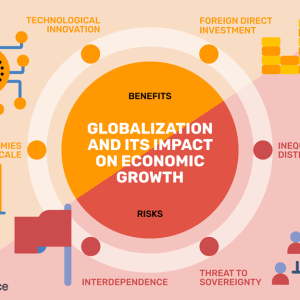
Globalization, a force that has been gathering momentum over the past few decades, is reshaping the concept of sovereignty. It challenges the traditional notion of absolute national control over economic policies, as global trade agreements, multinational corporations, and international financial institutions play increasingly significant roles in domestic economies. This interconnectedness, while fostering economic growth and technological advancement, also means that national policies are no longer solely determined within national borders. The influence of globalization on sovereignty is profound, as it necessitates a rethinking of how power is exercised and shared on the global stage, influencing the structures of political power and the nature of international relations.

The Role of International Organizations in the New Era

As the global political landscape evolves, international organizations are finding it necessary to adapt. These institutions, established in the aftermath of World War II, are being compelled to accommodate the rising influence of emerging economies and the changing priorities that accompany their ascent. The role of these organizations is increasingly about facilitating international collaboration in this new era, where global challenges such as pandemics, climate change, and cybersecurity demand coordinated global responses. The effectiveness of international organizations in navigating these shifts is crucial for shaping a world where global governance structures reflect the current political and economic realities.

Social Media’s Influence on Political Movements

The advent of social media has revolutionized political activism, creating new arenas for political discourse that transcend national borders. Platforms like Twitter, Facebook, and Instagram have enabled activists to organize and mobilize with unprecedented speed and scale, challenging traditional political power structures. The global perspective offered by social media reshapes political activism, allowing movements to gain international attention and support, thereby amplifying their impact. This digital transformation of political engagement underscores the changing nature of political power and the increasing importance of digital literacy and access in shaping political outcomes.

Climate Change as a Political Agenda

Climate change has emerged as a central issue on the global political agenda, driven by a growing recognition of its profound impact on every aspect of human life. The changing faces in global politics are increasingly prioritizing climate action, reflecting a shift towards a more sustainable and equitable approach to global governance. International agreements such as the Paris Agreement underscore the importance of global cooperation in addressing this challenge. The emphasis on climate change in political discourse highlights the interconnectedness of global communities and the necessity of a unified response to safeguard the planet for future generations.

Populism and Nationalism on the Rise

globalization
Image by : Yandex

The rise of populism and nationalism marks a significant shift in the global political landscape. These movements, often characterized by a skepticism of globalization and a focus on national interests, are reshaping political landscapes across nations. From the United States to Europe and beyond, populist leaders have gained power by appealing to concerns over national identity, economic insecurity, and the impacts of globalization. This rise of nationalism and populism is altering the course of diplomacy and international relations, emphasizing sovereignty and self-interest over global cooperation and multilateralism.

The New Cold War: Cybersecurity and Espionage

In the digital age, cybersecurity and espionage represent the new frontiers of international conflict, signaling a shift in the nature of global power struggles. The global perspective on security is evolving, with cyber threats and digital espionage becoming central concerns for national security. This new Cold War is characterized by stealthy cyber attacks, misinformation campaigns, and the hacking of sensitive government and corporate systems. The changing faces in global politics must navigate this complex landscape, where technological prowess is as crucial as military might in asserting national power and protecting interests.

Migration and Its Effects on Global Politics

Migration, driven by conflict, economic hardship, and climate change, is reshaping global politics, altering national demographics, and testing the resilience of traditional political landscapes. The influx of migrants and refugees poses challenges to national policies and international cooperation, sparking debates on border security, integration, and human rights. The global perspective on migration underscores the need for comprehensive strategies that address the root causes of displacement and promote sustainable development and peace in migrant-origin countries.

The Future of Global Trade Agreements

globalization
Image by : Yandex

The rise of emerging economies is significantly influencing the future of global trade agreements. These nations are not only becoming key players in the global market but are also demanding a more equitable say in the formulation of trade policies and agreements. This shift in political power is leading to a reevaluation of existing trade agreements and the negotiation of new ones, with a greater emphasis on inclusivity, sustainability, and fair trade practices. The evolving landscape of global trade reflects the broader changes in global politics, where traditional power structures are being challenged and new paradigms of cooperation and competition are emerging.

As the faces of global politics continue to change, the world is witnessing a complex interplay of forces shaping the future of international relations, governance, and cooperation. From economic shifts and the impact of globalization to the rise of digital platforms and the urgent need to address climate change, these transformations require a rethinking of traditional approaches to global challenges. The evolving global landscape underscores the importance of adaptability, collaboration, and innovation in navigating the uncertainties of the 21st century.

Hiking is one of the most rewarding outdoor activities, offering breathtaking views, physical challenges, and a profound connection with nature. Here, we explore some of the best hiking trails around the world that every enthusiast should consider. These trails vary in difficulty, length, and scenery, but each promises an unforgettable experience.

Inca Trail, Peru

The Inca Trail is arguably one of the most famous hiking routes globally, leading adventurers through the stunning landscapes of the Andes to the ancient city of Machu Picchu. This 26-mile trek typically takes four days and three nights to complete. Hikers will traverse diverse terrains, including lush cloud forests, alpine tundra, and ancient Incan ruins.

  • Machu Picchu: The trail ends at the Sun Gate, offering a majestic view of this ancient wonder.
  • Wiñay Wayna: A beautifully preserved archaeological site that provides a glimpse into Incan life.
  • Dead Woman’s Pass: The highest point on the trail at 13,828 feet, offering panoramic views.
Image by yandex.com

Appalachian Trail, USA

Stretching over 2,190 miles from Georgia to Maine, the Appalachian Trail is one of the longest continuous footpaths in the world. Hikers can choose to complete sections of the trail or undertake the full thru-hike, which typically takes five to seven months.

  • Great Smoky Mountains National Park: Known for its diverse wildlife and scenic vistas.
  • Shenandoah National Park: Offers lush forests, waterfalls, and abundant wildlife.
  • White Mountains: A challenging yet rewarding segment with stunning views and rugged terrain.

Camino de Santiago, Spain

The Camino de Santiago, or the Way of St. James, is a network of pilgrimage routes leading to the shrine of the apostle Saint James in Santiago de Compostela. The most popular route, the Camino Francés, spans approximately 500 miles from St. Jean-Pied-de-Port in France to Santiago in Spain.

  • Cathedral of Santiago de Compostela: The final destination, renowned for its stunning architecture and historical significance.
  • Burgos: Home to a magnificent Gothic cathedral and a rich cultural heritage.
  • Pamplona: Famous for the Running of the Bulls and its historic old town.

Tour du Mont Blanc, France/Italy/Switzerland

Encircling the Mont Blanc massif, the Tour du Mont Blanc is a 110-mile trek that takes hikers through France, Italy, and Switzerland. This trail offers a mix of alpine meadows, dramatic mountain passes, and charming villages.

  • Chamonix: A world-renowned ski resort with stunning views of Mont Blanc.
  • Courmayeur: An Italian alpine town known for its scenic beauty and delicious cuisine.
  • Col de la Seigne: A high mountain pass offering breathtaking vistas of the surrounding peaks.

Milford Track, New Zealand

Dubbed the “finest walk in the world,” the Milford Track in New Zealand’s Fiordland National Park spans 33 miles from Glade Wharf to Milford Sound. This four-day hike showcases some of the most stunning natural landscapes on the planet.

  • Sutherland Falls: One of the tallest waterfalls in the world, plunging 1,904 feet.
  • Mackinnon Pass: Offers spectacular views of the surrounding mountains and valleys.
  • Milford Sound: A breathtaking fjord with towering cliffs and lush rainforests.

Torres del Paine Circuit, Chile

The Torres del Paine Circuit, also known as the “O Circuit,” is a challenging and rewarding trek through Patagonia. Spanning approximately 80 miles, this trail offers hikers a chance to experience the rugged beauty of Torres del Paine National Park.

  • Grey Glacier: A massive glacier that feeds into the Grey Lake.
  • French Valley: Known for its dramatic landscapes and hanging glaciers.
  • Las Torres: The iconic granite towers that give the park its name.

Annapurna Circuit, Nepal

The Annapurna Circuit is a classic Himalayan trek that takes hikers through diverse landscapes, from subtropical forests to alpine regions. This trail, which spans about 128 miles, circles the Annapurna Massif and provides stunning views of some of the world’s highest peaks.

  • Thorong La Pass: The highest point of the trek at 17,769 feet, offering breathtaking panoramic views.
  • Muktinath: A sacred site for both Hindus and Buddhists.
  • Marshyangdi River Valley: Known for its picturesque villages and terraced fields.

Pacific Crest Trail, USA

The Pacific Crest Trail stretches 2,650 miles from the Mexican border to the Canadian border, passing through California, Oregon, and Washington. This trail offers a diverse array of landscapes, from deserts to mountain ranges.

  • John Muir Trail: A 211-mile section renowned for its stunning Sierra Nevada scenery.
  • Crater Lake: The deepest lake in the USA, formed by a collapsed volcano.
  • North Cascades: Known for their rugged beauty and challenging terrain.
Travel Fox Shoes.
Image by yandex.com

Laugavegur Trail, Iceland

The Laugavegur Trail is a 34-mile trek through Iceland’s otherworldly landscapes. Starting from Landmannalaugar and ending in Þórsmörk, this trail offers a unique combination of geothermal features, glaciers, and volcanic landscapes.

  • Landmannalaugar: Known for its colorful rhyolite mountains and hot springs.
  • Álftavatn Lake: A serene lake surrounded by lush green hills.
  • Eyjafjallajökull Volcano: Offers views of the infamous volcano that erupted in 2010.

Conclusion

The Everest Base Camp Trek is a bucket-list adventure for many hikers, taking them to the base of the world’s highest mountain. This 80-mile round trip offers unparalleled views of the Himalayas and an insight into the Sherpa culture. Namche Bazaar: A vibrant Sherpa town and acclimatization stop .Kala Patthar: Offers the best views of Mount Everest. Tengboche Monastery: The largest monastery in the Khumbu region, with stunning mountain views.