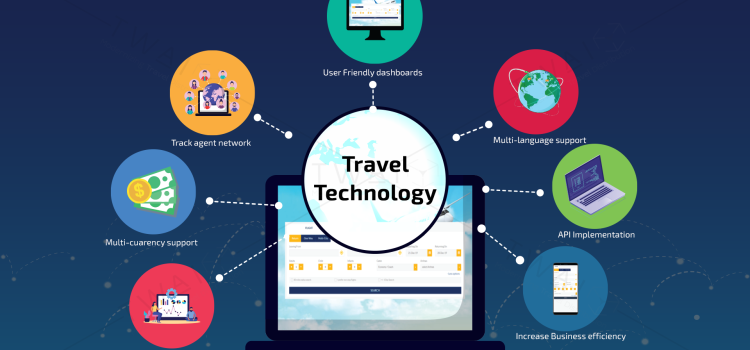
Technology has revolutionized the way we travel, transforming every stage of the journey from planning and booking to experiencing a destination. Here’s a closer look at the profound impact technology has had on modern travel:
Planning and Booking:
Online Travel Agencies (OTAs): Platforms like Expedia, Kayak, and Skyscanner allow travelers to compare prices, find deals, and book flights, accommodation, and activities seamlessly.
Travel Apps: A plethora of travel apps exist to streamline every aspect of your trip. From booking tours and finding hidden gems to translating languages and navigating unfamiliar cities, there’s an app for practically everything.
Destination Research: The internet empowers travelers to research destinations like never before. Reviews, blogs, and social media offer invaluable insights into attractions, local culture, and hidden gems, allowing for more informed travel decisions.
Enhanced Connectivity:
Mobile Technology: Smartphones have become our travel companions, serving as cameras, maps, communication tools, and entertainment hubs. Stay connected with loved ones back home, access real-time information, and navigate unfamiliar places with ease.
Digital Boarding Passes: Gone are the days of paper tickets. Electronic boarding passes stored on your smartphone make the check-in process faster and more convenient.
Wi-Fi Availability: Ubiquitous Wi-Fi access allows travelers to stay connected, share experiences on social media, and access important information on the go.
Image by yandex.com
Personalized Travel Experiences:
Recommendation Algorithms: Travel apps and websites often use recommendation algorithms to suggest flights, hotels, and activities based on your interests and travel history. This allows for a more personalized travel experience, catering to your specific preferences.
Virtual Reality (VR) and Augmented Reality (AR): These emerging technologies are transforming travel planning. VR allows you to virtually explore destinations before you go, while AR can overlay information and directions onto your real-world view.
Safety and Security:
Travel Tracking Apps: These apps allow loved ones back home to track your location and itinerary, offering peace of mind for both travelers and those they leave behind.
Emergency Translation Apps: Language barriers are no longer a major concern. Translation apps can help you communicate with locals and navigate unfamiliar situations.
Mobile Payment Options: Cashless transactions are becoming increasingly common. Mobile wallets and payment apps offer a secure and convenient way to pay for travel expenses worldwide.
The Future of Travel Technology:
The future of travel technology promises even more exciting advancements. Artificial intelligence (AI) could personalize travel experiences even further, while advancements in wearable technology could revolutionize navigation and information access.
However, it’s important to acknowledge the potential downsides of technology dependence. Over-reliance on smartphones can detract from the present moment and hinder genuine cultural immersion.
Image by yandex.com
Conclusion:
The Role of Technology in Modern Travel is nothing short of transformative. It has made travel more convenient, efficient, and enjoyable. So the next time you’re planning a trip, take a moment to appreciate the technology that makes it all possible. And remember, even though technology has made travel easier, it’s the experiences and memories that make it truly special. Safe travels!
Sarah Jones is a seasoned digital strategist with over 10 years of experience helping businesses build strong online presences. She’s passionate about empowering entrepreneurs and bloggers to connect with their audience on a deeper level and cultivate thriving online communities.
Forge Your Tribe: Top Tips for Building an Online Community
In today’s digital landscape, a strong online presence is no longer a luxury – it’s a necessity. But simply having a website or social media profiles isn’t enough. To truly thrive in the online space, you need to cultivate a loyal following that’s not just engaged with your brand, but actively invested in its success. Here’s where building a vibrant online community comes in.
Why Build an Online Community?
Online communities offer a plethora of benefits for entrepreneurs and bloggers alike. They provide a platform to:
Deepen customer relationships: Foster meaningful connections with your audience, fostering brand loyalty and trust.
Gain valuable insights: Get direct feedback on your products, services, or content, allowing you to refine your offerings and cater to your audience’s needs.
Increase brand awareness: A thriving community can act as a powerful marketing tool, generating organic buzz and attracting new followers.
Boost sales and conversions: Engaged communities are more likely to become paying customers and advocates for your brand.
Picture by: Google Gemini
Defining Your Niche and Identifying Your Ideal Community Member
Before diving headfirst into building your online haven, take a step back and define your niche. What specific area of expertise or interest will your community revolve around? Once you have a clear understanding of your niche, it’s time to identify your ideal community member. Who are you hoping to attract? Understanding their demographics, interests, and online behavior allows you to tailor your community experience and ensure it resonates with them.
Choosing the Right Platform
Platform
Pros
Cons
Social Media Groups
Easy to set up, existing user base
Limited customization options, potential for algorithm suppression
Online Forums
Focused discussions, strong sense of community
Can be time-consuming to manage, may require technical expertise
Membership Platforms
Highly customizable features, fosters exclusivity
May require a subscription fee, initial investment needed
Fostering Engagement: Strategies to Keep Your Community Active
Engagement is the lifeblood of any online community. Here are some tips to keep your members coming back for more:
Regularly post high-quality content: Share valuable information, resources, and discussions relevant to your niche.
Host interactive events: Webinars, Q&A sessions, or online challenges can spark conversation and create a sense of togetherness.
Encourage member participation: Respond to comments and questions promptly, and acknowledge user-generated content.
Building Trust and Encouraging User-Generated Content
Building trust is crucial for a thriving community. Be transparent, authentic, and responsive to your members’ needs. Encourage them to share their own experiences, tips, and insights by creating a safe space for open communication.
Picture by: Google Gemini
The Power of Recognition: Highlighting Member Contributions
Recognizing and rewarding your members’ contributions fosters a sense of belonging and motivates them to stay active. Feature outstanding content, highlight helpful members, and celebrate achievements to show your appreciation.
Keeping it Fresh: Content Strategies for Your Community
A successful online community needs a steady stream of fresh content to keep members engaged. Experiment with different formats like blog posts, polls, live streams, and infographics to cater to diverse learning styles and preferences.
Monetization: Turning Your Community into a Sustainable Venture
Once your community is established, you might consider exploring monetization options. This could involve offering exclusive premium content, hosting online courses, or partnering with relevant brands. However, prioritize the value you offer your members first, and ensure any monetization efforts enhance, not detract, from the community experience.
Conclusion: Cultivating a Thriving Online Space
Building a thriving online community takes time, dedication, and a genuine desire to connect with your audience. By following these tips, fostering a welcoming and engaging environment, and prioritizing the value you offer your members, you can cultivate a loyal online community that will support your brand and contribute to its long-term success. Remember, a strong community is a two-way street. Listen to your members, adapt to their needs, and watch your online tribe flourish!
Cryptocurrencies have revolutionized the world of finance, offering new investment opportunities and challenges. As the market continues to evolve, investors must stay informed to navigate the complexities and maximize their returns. This article provides a comprehensive guide on cryptocurrency investment tips, including key strategies, risk management, and important considerations.
Understanding Cryptocurrencies
Photo by David McBee: https://www.pexels.com/photo/bitcoins-and-u-s-dollar-bills-730547/
Cryptocurrencies are digital or virtual currencies that use cryptography for security and operate on decentralized networks based on blockchain technology. Unlike traditional currencies issued by governments (fiat currencies), cryptocurrencies are typically decentralized and operate on a peer-to-peer basis. Bitcoin, Ethereum, and Ripple are among the most well-known cryptocurrencies, each serving different purposes and offering various features.
Investment Strategies
Research and Due Diligence
Before investing in any cryptocurrency, it is crucial to conduct thorough research. Understanding the underlying technology, the team behind the project, and the cryptocurrency’s use case can help assess its potential. Investors should:
Read Whitepapers: A whitepaper provides detailed information about the cryptocurrency, including its technology, purpose, and roadmap.
Analyze Market Trends: Look at historical price data and market trends to gauge the cryptocurrency’s performance.
Check Regulatory Compliance: Ensure the cryptocurrency complies with relevant regulations in your country to avoid legal issues.
Diversification
Diversification is a fundamental principle of investing. In the cryptocurrency market, this means spreading investments across various cryptocurrencies rather than putting all your money into one. Diversification can help mitigate risk, as different cryptocurrencies can react differently to market changes. Consider investing in:
Established Cryptocurrencies: Such as Bitcoin and Ethereum, which have a track record and substantial market capitalization.
Emerging Cryptocurrencies: Projects with innovative technology or unique use cases that may offer high growth potential.
Risk Management
Cryptocurrency investments are inherently volatile, and managing risk is crucial. Strategies to consider include:
Setting Stop-Loss Orders: Automatically sell a cryptocurrency if its price drops below a certain level to limit potential losses.
Investing Only What You Can Afford to Lose: Due to the high volatility, invest only money that you can afford to lose without impacting your financial stability.
Regular Monitoring: Keep track of your investments and the overall market to adjust your strategy as needed.
Fundamental and Technical Analysis
Fundamental Analysis
Fundamental analysis involves evaluating a cryptocurrency based on its intrinsic value and potential for growth. Key factors to consider include:
Technology and Use Case: Assess the technology behind the cryptocurrency and its potential applications. For example, Ethereum’s smart contract capabilities offer a wide range of applications beyond a simple currency.
Team and Development: The expertise and track record of the development team can influence the success of the cryptocurrency.
Adoption and Partnerships: Partnerships with established companies or integration into real-world applications can be positive indicators of a cryptocurrency’s potential.
Technical Analysis
Technical analysis involves analyzing price charts and trading volumes to predict future price movements. Techniques include:
Chart Patterns: Patterns such as head and shoulders, and double tops and bottoms can indicate potential price movements.
Indicators and Tools: Tools like Moving Averages (MA), Relative Strength Index (RSI), and Bollinger Bands can help assess market trends and potential entry and exit points.
Emerging Trends in Cryptocurrency Investment
As the cryptocurrency market continues to mature, new trends and technologies are reshaping investment strategies. One notable trend is the rise of decentralized finance (DeFi), which leverages blockchain technology to recreate traditional financial systems in a decentralized manner. DeFi platforms offer various financial services, such as lending, borrowing, and trading, without the need for intermediaries. This trend presents new investment opportunities but also comes with its own set of risks, such as smart contract vulnerabilities and regulatory uncertainties. Investors should stay informed about these emerging technologies and assess their potential impact on their investment strategies.
Another trend is the increasing integration of cryptocurrencies with traditional financial systems. Major financial institutions and corporations are beginning to accept cryptocurrencies for transactions and investments. This integration could lead to greater mainstream adoption and stability in the market. For example, some companies now allow payments in Bitcoin or other cryptocurrencies, and investment firms are offering cryptocurrency-related financial products. As traditional and digital financial worlds converge, investors should consider how these developments might affect the value and utility of their cryptocurrency investments.
Regulatory Considerations and Compliance
Regulatory developments are a crucial aspect of cryptocurrency investment. Governments and regulatory bodies around the world are continuously evolving their stance on digital currencies. Regulations can vary significantly between jurisdictions, ranging from supportive frameworks to outright bans. Staying compliant with local regulations is essential to avoid legal issues and penalties. For instance, some countries require cryptocurrency exchanges to adhere to strict anti-money laundering (AML) and know-your-customer (KYC) regulations, while others may impose taxes on cryptocurrency gains.
Investors should also be aware of the potential impact of future regulatory changes on their investments. New regulations could affect market liquidity, trading practices, and the overall regulatory environment for cryptocurrencies. Keeping abreast of regulatory news and understanding the legal landscape in your country can help mitigate risks and ensure that your investment strategies remain compliant.
The Role of Security in Cryptocurrency Investments
Security is a paramount concern in cryptocurrency investments due to the risk of cyber attacks, hacking, and fraud. Investors must prioritize safeguarding their assets to avoid potential losses. Using reputable cryptocurrency exchanges and wallets with strong security measures is essential. Consider employing hardware wallets for long-term storage, as they provide a higher level of protection against online threats compared to software wallets. Additionally, enabling two-factor authentication (2FA) and regularly updating security protocols can help protect your investments from unauthorized access.
Being vigilant about phishing scams and fraudulent schemes is also crucial. Scammers often use deceptive tactics to trickinvestors into revealing sensitive information or transferring funds to fraudulent accounts. Educating yourself about common security threats and implementing best practices can help mitigate these risks and protect your investment portfolio. By prioritizing security, you can enjoy greater peace of mind and focus on maximizing your returns in the dynamic world of cryptocurrency.
Image by Pexels.com
Comparative Table: Major Cryptocurrencies
Cryptocurrency
Launch Year
Technology
Market Cap (2024)
Key Features
Bitcoin (BTC)
2009
Blockchain
$650 Billion
Digital gold, store of value
Ethereum (ETH)
2015
Blockchain, Smart Contracts
$500 Billion
Decentralized applications, smart contracts
Ripple (XRP)
2012
Blockchain, Consensus Protocol
$25 Billion
Cross-border payments, fast transactions
Cardano (ADA)
2017
Blockchain, Proof-of-Stake
$20 Billion
Scalability, sustainability, and smart contracts
Analysis Table: Risk vs. Reward
Strategy
Potential Reward
Potential Risk
Suitability
Long-Term Holding
High returns with proper selection
Market volatility, long-term horizon
Suitable for patient investors
Day Trading
Potential for quick gains
High risk, requires constant monitoring
Suitable for experienced traders
Diversification
Reduced risk through spreading investments
Potential lower returns compared to concentrated investments
Suitable for most investors
Staking and Yield Farming
Earning additional tokens through staking
Risk of losing staked tokens, smart contract vulnerabilities
Suitable for investors interested in passive income
Conclusion
Investing in cryptocurrencies offers significant opportunities but also comes with substantial risks. By conducting thorough research, diversifying investments, and employing effective risk management strategies, investors can better navigate the volatile cryptocurrency market. Fundamental and technical analyses are vital tools for making informed decisions and predicting potential market movements. As with any investment, it is essential to stay updated with market trends and continuously educate oneself to adapt to the ever-evolving landscape of cryptocurrencies.
By following these investment tips, you can better position yourself to take advantage of the opportunities in the cryptocurrency market while managing the inherent risks.
Sarah Jones is a certified pain management specialist with over 10 years of experience helping individuals navigate chronic pain. She is passionate about empowering patients to take control of their health and live fulfilling lives despite pain.
Chronic Pain Management Strategies: A Quick Guide
Strategy
Description
Benefits
Regular Exercise
Low-impact activities like walking, swimming, or yoga can improve flexibility, reduce inflammation, and boost mood.
Increased pain tolerance, improved sleep, and enhanced overall well-being.
Relaxation Techniques
Deep breathing, meditation, and progressive muscle relaxation can ease muscle tension and promote calmness.
Reduced stress levels, improved sleep quality, and better pain management.
Prioritizing Sleep
Adequate sleep is crucial for pain recovery. Establish a regular sleep schedule and practice good sleep hygiene.
Improved energy levels, better mood, and enhanced pain tolerance.
Healthy Diet
Focus on whole foods, fruits, vegetables, and lean protein sources. Limit processed foods, sugar, and unhealthy fats.
Reduced inflammation, improved energy levels, and better overall health.
Cognitive Behavioral Therapy (CBT)
CBT can help individuals develop coping mechanisms for pain and manage negative thoughts associated with chronic pain.
Improved pain management skills, reduced anxiety and depression, and increased quality of life.
Acupuncture or Massage Therapy
These complementary therapies can provide targeted pain relief and promote relaxation.
Reduced pain intensity, improved muscle tension, and enhanced well-being.
Understanding Chronic Pain: A Friend or Foe?
Chronic pain is a complex condition that can significantly impact your daily life. It’s important to remember that pain is a signal, not an enemy. While acute pain serves as a warning of injury, chronic pain can become a condition on its own, often without a clear underlying cause. The constant barrage of pain signals can disrupt your nervous system, leading to fatigue, difficulty sleeping, and emotional distress.
Exercise is often the last thing someone with chronic pain wants to do, but it’s one of the most effective tools for managing pain in the long run. Regular physical activity strengthens muscles and improves flexibility, which can help stabilize joints and reduce pain. Exercise also boosts endorphin production, the body’s natural painkillers, leading to a more positive outlook and improved mood.
Here’s how to get started:
Choose low-impact activities: Walking, swimming, yoga, and tai chi are all excellent options for those with chronic pain.
Start slow and gradually increase intensity: Begin with short sessions and gradually increase the duration and intensity of your workouts as your fitness improves.
Listen to your body: Pain is a signal, but it doesn’t have to stop you from exercising. Pay attention to your body’s cues and adjust the intensity or duration of your workout accordingly.
Relaxation Techniques: Taming the Tension
Chronic pain and stress often go hand-in-hand. Stress can exacerbate pain perception, creating a vicious cycle. Relaxation techniques like deep breathing, meditation, and progressive muscle relaxation can help break this cycle. By calming the nervous system, relaxation techniques can significantly reduce pain perception and promote feelings of peace and well-being.
Here are some relaxation techniques to explore:
Deep breathing: Focus on slow, deep breaths from your diaphragm. Breathe in through your nose for a count of four, hold for a count of seven, and exhale slowly through your mouth for a count of eight. Repeat this cycle for several minutes.
Meditation: Find a quiet space, close your eyes, and focus on your breath. Allow thoughts to come and go without judgment. If your mind wanders, gently bring your focus back to your breath.
Progressive muscle relaxation: Tense and relax different muscle groups throughout your body, starting with your toes and working your way up to your head. Focus on the feeling of tension releasing as you relax each muscle group.
Sleep Strategies for Chronic Pain Sufferers
Getting enough quality sleep is vital for both physical and mental health. When you’re in chronic pain, sleep can be elusive. Getting enough quality sleep is vital for both physical and mental health. When you’re in chronic pain, sleep can be elusive. The constant discomfort can make it difficult to fall asleep and stay asleep throughout the night. However, prioritizing sleep is crucial for managing chronic pain. Here are some tips to improve your sleep hygiene and get the rest you need:
Establish a regular sleep schedule:Go to bed and wake up at the same time each day, even on weekends. This helps regulate your body’s natural sleep-wake cycle.
Create a relaxing bedtime routine: Take a warm bath, read a book, or listen to calming music before bed. Avoid screens like TVs, laptops, and phones for at least an hour before sleep as the blue light they emit can disrupt sleep patterns.
Optimize your sleep environment: Make sure your bedroom is dark, quiet, and cool. Invest in blackout curtains, earplugs, and a comfortable mattress and pillows.
Limit caffeine and alcohol intake: Avoid caffeine in the afternoon and evening, as it can interfere with sleep. While alcohol may make you drowsy initially, it can disrupt sleep later in the night.
See a doctor if you have sleep apnea: Sleep apnea is a sleep disorder that can worsen chronic pain. If you experience frequent snoring or daytime sleepiness, talk to your doctor about getting tested for sleep apnea.
Picture by: https://recoverypt.com/
Building a Balanced Diet for Pain Management
What you eat can significantly impact your pain levels. Chronic inflammation is often a contributing factor to chronic pain. A healthy diet rich in anti-inflammatory foods can help reduce inflammation and improve overall well-being. Here are some dietary tips for pain management:
Focus on whole foods: Fill your plate with fruits, vegetables, whole grains, and lean protein sources. These foods are packed with nutrients that can help your body heal and fight inflammation.
Limit processed foods: Processed foods are often high in unhealthy fats, added sugars, and sodium, which can contribute to inflammation.
Choose healthy fats: Include healthy fats like those found in olive oil, avocados, and fatty fish in your diet. These fats can help reduce inflammation and improve heart health.
Stay hydrated: Drinking plenty of water helps flush toxins from your body and keeps your joints lubricated. Aim for eight glasses of water per day.
The Mind-Body Connection: Exploring Alternative Therapies
Chronic pain doesn’t just affect the physical body; it can also have a significant impact on your mental and emotional well-being. The mind and body are interconnected, and stress and negative emotions can exacerbate pain perception. Exploring alternative therapies that address the mind-body connection can be a valuable tool in your pain management toolbox. Here are a few options to consider:
Cognitive Behavioral Therapy (CBT): CBT can help individuals develop coping mechanisms for pain and manage negative thoughts associated with chronic pain. By learning to reframe negative thoughts and develop healthy coping skills, CBT can significantly improve pain management and quality of life.
Acupuncture: Acupuncture involves inserting thin needles into specific points on the body. Studies suggest that acupuncture can be effective in reducing pain for various conditions.
Massage Therapy: Massage therapy can help relieve muscle tension, improve circulation, and promote relaxation. There are different massage techniques, so discuss your needs with a qualified massage therapist to find the best approach for you.
When to Seek Professional Help: It’s Okay to Ask for Support
While the strategies outlined above can be helpful for managing chronic pain, it’s important to remember that you’re not alone in this journey. If your pain is severe or interferes with your daily activities, don’t hesitate to seek professional help. A doctor or pain specialist can help you develop a personalized treatment plan that addresses your specific needs. They can also prescribe medication to manage pain and recommend physical therapy or other interventions.
Here are some signs that it’s time to see a doctor for your chronic pain:
The pain is severe and interferes with your daily life.
You’ve tried self-care strategies without success.
The pain is accompanied by other symptoms like fever, weight loss, or numbness.
Living Well with Chronic Pain: It’s a Journey, Not a Destination
Chronic pain can be a challenging condition, but it doesn’t have to control your life. By implementing the strategies discussed in this article and working with your healthcare team, you can effectively manage your chronic pain and live a fulfilling life. Remember, chronic pain management is a journey, not a destination. There will be good days and bad days, but by staying committed to your pain management plan and maintaining a positive attitude, you can take control of your health and well-being.
Subscription boxes have revolutionized the way we shop, offering a convenient and personalized experience delivered right to our doorstep. The excitement of unboxing a curated selection of products each month is an experience that many look forward to. In this article, I will introduce you to some of the top subscription boxes available today. These boxes are designed to cater to various interests and needs, making them an excellent choice for anyone looking to discover new products and enjoy the element of surprise. The benefits of top subscription boxes are numerous, from the convenience of having products delivered to your home to the joy of discovering new items that you might not have picked up on your own.
Benefits of Subscription Boxes
Image by : Yandex
One of the primary benefits of subscription boxes is the personalized experience they offer. Many top subscription boxes are tailored to your preferences, ensuring that you receive products that match your tastes and interests. Whether you are a beauty enthusiast, a foodie, or a fitness buff, there is a subscription box designed just for you. This personalized approach makes subscription boxes a great way to discover new products and brands that you may not have encountered otherwise.
Another significant benefit of top subscription boxes is the convenience and variety they offer. Instead of spending time browsing through stores or online shops, you can have a curated selection of products delivered right to your door. This convenience saves you time and effort, allowing you to enjoy a variety of products without the hassle of shopping. Additionally, subscription boxes often include exclusive items or limited-edition products, adding an element of excitement and exclusivity to your unboxing experience.
Popular Subscription Box Categories
Beauty and wellness boxes are among the most popular subscription boxes available today. These boxes typically include a mix of skincare, makeup, and wellness products, allowing you to try out new items and discover new favorites. Many beauty and wellness subscription boxes also offer personalized selections based on your skin type and preferences, ensuring that you receive products that are suited to your needs.
Food and drink boxes are another popular category of subscription boxes. These boxes often feature gourmet and artisanal food items, providing a unique culinary experience each month. From snacks and beverages to full meal kits, food and drink subscription boxes offer a wide variety of options for food lovers. Many of these boxes also focus on specific themes or cuisines, allowing you to explore new flavors and culinary traditions from around the world.
How to Choose the Right Subscription Box
When choosing the right subscription box, it is essential to assess your needs and preferences. Consider what interests you the most and what type of products you would like to receive. For example, if you are passionate about beauty and skincare, a beauty subscription box may be the best choice for you. On the other hand, if you enjoy trying new foods and beverages, a food and drink subscription box might be more suitable.
Another important factor to consider is the value offered by the subscription box. Look for boxes that provide a good balance of quality and quantity, ensuring that you get your money’s worth. Many subscription boxes offer discounts or special promotions for new subscribers, so take advantage of these offers to get the best deal. Additionally, read reviews and check out unboxing videos to get a sense of what to expect from the box and whether it meets your expectations.
Top Subscription Boxes for Beauty Enthusiasts
Image by : Yandex
For beauty enthusiasts, there are several top subscription boxes to explore. These boxes typically include a mix of skincare, makeup, and beauty tools, allowing you to try out new products and discover new favorites. Some of the best subscription boxes for beauty enthusiasts include Birchbox, Ipsy, and BoxyCharm. These boxes offer personalized selections based on your beauty profile, ensuring that you receive products that match your preferences and needs.
Discovering the best subscription boxes for you can be a fun and rewarding experience. Many beauty subscription boxes offer exclusive items or limited-edition products, adding an element of excitement to your unboxing experience. Additionally, these boxes often include detailed product information and tips on how to use the items, helping you make the most of your new beauty finds.
Subscription Boxes for Food Lovers
For gourmet and artisanal food lovers, there are several top subscription boxes to consider. These boxes often feature a selection of high-quality food items, from snacks and condiments to full meal kits. Some of the best subscription boxes for food lovers include Try the World, which offers a curated selection of international foods, and SnackCrate, which delivers a monthly box of snacks from different countries.
Subscription boxes offering unique international culinary experiences are a great way to explore new flavors and cuisines. These boxes often include detailed information about the featured products and their origins, allowing you to learn more about different culinary traditions. Additionally, many food subscription boxes offer recipes and serving suggestions, helping you create delicious meals and snacks with your new ingredients.
Subscription Boxes for Fitness and Wellness
Image by : Yandex
For fitness enthusiasts, there are several top subscription boxes tailored to your needs. These boxes typically include a mix of fitness gear, workout apparel, and nutritional supplements, helping you stay motivated and on track with your fitness goals. Some of the best subscription boxes for fitness enthusiasts include FabFitFun, which offers a mix of fitness, beauty, and wellness products, and Gainz Box, which focuses on fitness gear and apparel.
Top subscription boxes curated for holistic wellness are also a great option for those looking to improve their overall well-being. These boxes often include a mix of wellness products, from aromatherapy and relaxation tools to healthy snacks and supplements. Some popular wellness subscription boxes include TheraBox, which focuses on self-care and mental wellness, and CalmBox, which offers a selection of calming and stress-relief products.
Subscription Boxes for Kids and Families
For families and kids, there are several top subscription boxes designed to meet your needs. These boxes often include educational and engaging activities, helping children learn and explore new interests. Some of the best subscription boxes for kids’ educational needs include KiwiCo, which offers hands-on science and art projects, and Little Passports, which provides a fun and educational journey around the world.
Top subscription boxes for family bonding activities are also a great way to spend quality time together. These boxes often include games, crafts, and other activities that the whole family can enjoy. Some popular family subscription boxes include Cratejoy, which offers a variety of themed boxes for different interests, and The Adventure Challenge, which provides a selection of fun and interactive challenges for families to complete together.
Conclusion and Recommendations
In conclusion, subscription boxes offer a convenient and personalized way to discover new products and enjoy a variety of experiences. From beauty and wellness to food and drink, there are top subscription boxes available to suit every interest and need. When choosing the right subscription box, consider your preferences and the value offered by the box to ensure that you get the best experience.
For beauty enthusiasts, some of the top subscription boxes to explore include Birchbox, Ipsy, and BoxyCharm. Food lovers can enjoy unique culinary experiences with boxes like Try the World and SnackCrate. Fitness and wellness enthusiasts can stay motivated with boxes like FabFitFun and TheraBox. Families and kids can bond and learn together with boxes like KiwiCo and The Adventure Challenge. Whatever your interests, there is a subscription box out there for you, offering a fun and exciting way to discover new products and experiences.
For nature enthusiasts with a thirst for adventure, there’s nothing quite like the thrill of conquering a challenging hike. The world boasts an incredible network of trails, each offering unique challenges, breathtaking scenery, and a deep connection with nature. Whether you’re a seasoned trekker or an eager beginner, there’s a perfect trail out there waiting to be explored. Here are some of the most captivating hiking trails across the globe:The Kungsleden is a 270-mile trail that traverses the wild and remote landscapes of Swedish Lapland. Hikers can expect to see vast birch forests, glacial rivers, and the stunning Kebnekaise, Sweden’s highest peak. The trail is well-marked and offers a chance to experience the Northern Lights in the winter months.
The Inca Trail to Machu Picchu, Peru
This iconic 4-day trek leads you through the majestic Andes Mountains to the awe-inspiring Inca city of Machu Picchu. Hike along ancient Inca stone paths, past picturesque villages, and cloud forests teeming with life. The culmination of the trek, reaching the Lost City of the Incas shrouded in mist, is a truly unforgettable experience.
Image by: Yandex.com
The Milford Track, New Zealand
Nicknamed “The Finest Walk in the World,” the Milford Track is a 53-kilometer (33-mile) journey through the heart of Fiordland National Park in New Zealand. Traverse valleys carved by glaciers, witness towering waterfalls cascading down lush rainforests, and soak in the serenity of crystal-clear lakes. Be prepared for ever-changing weather conditions, but the dramatic scenery is more than worth the challenge.
John Muir Trail, United States
For the ultimate test of endurance, embark on the John Muir Trail, a 341-kilometer (211-mile) path through California’s Sierra Nevada mountains. Traverse granite peaks, encounter towering sequoia trees, and marvel at the beauty of Yosemite, Kings Canyon, and Sequoia National Parks. This epic journey is a true wilderness adventure, demanding physical fitness and backcountry camping experience.
West Highland Way, Scotland
This 154-kilometer (96-mile) trail in Scotland is a fantastic option for first-time long-distance hikers. The West Highland Way winds through rolling hills, past quaint villages, and along the shores of Loch Lomond, the largest loch in Great Britain. With well-maintained paths and readily available campsites, this trail offers a taste of Scottish wilderness without overwhelming challenges
The Laugavegur Trail, Iceland
Volcanic landscapes, geothermal hot springs, and otherworldly beauty await on the Laugavegur Trail in Iceland. This 55-kilometer (34-mile) trek traverses colorful rhyolite mountains, black sand deserts, and lush valleys. Be prepared for unpredictable weather, but the chance to witness Iceland’s unique geological formations makes this hike an unforgettable experience.
These are just a taste of the incredible hiking adventures that await around the world. When choosing your trail, consider your fitness level, desired level of challenge, and preferred scenery
Image by: Yandex.com
Conclusion
The best hiking trails in the world offer a blend of natural beauty, cultural experiences, and physical challenges. Whether you’re a seasoned hiker or a novice looking for a new adventure, these trails provide an opportunity to connect with nature and experience the world in a unique and intimate way. So, pack your bags, choose your trail, and embark on a journey that promises to be as rewarding as it is unforgettable. Happy hiking!
In a world filled with noise, distractions, and excess, minimalist living has emerged as a powerful antidote to the chaos of modern life. Minimalist living is a lifestyle choice that prioritizes simplicity, intentionality, and mindfulness in all aspects of daily life. By decluttering physical and mental spaces, focusing on what truly matters, and embracing a mindset of less is more, minimalist living offers a pathway to a more meaningful, intentional, and fulfilling existence. In this article, we will explore the profound benefits of minimalist living and how it can transform your life for the better.
The Essence of Minimalist Living:
Minimalist living is not just about decluttering possessions or simplifying one’s environment—it is a mindset, a philosophy, and a conscious choice to live with intention and purpose. It involves paring down material possessions, reducing distractions, and focusing on what adds value and meaning to our lives. Minimalist living is about creating space for what truly matters, letting go of excess, and embracing a life of simplicity and intentionality.
Image by: Yandex.com
The Transformative Power of Minimalist Living:
Minimalist living has the transformative power to create a sense of freedom, clarity, and peace in our lives. By simplifying our physical surroundings, organizing our spaces, and decluttering our minds, we can experience a newfound sense of lightness and ease. Minimalist living helps us let go of the unnecessary, prioritize the essential, and create room for creativity, mindfulness, and joy in our daily lives.
Enhancing Mental Clarity and Focus Through Minimalist Living:
Minimalist living can improve mental clarity, enhance focus, and reduce overwhelm by creating a sense of order and simplicity in our environment. By eliminating distractions, streamlining our possessions, and curating our spaces mindfully, we can create a peaceful and harmonious atmosphere that supports clarity of thought and concentration. Minimalist living fosters a sense of calm, reduces mental clutter, and enhances our ability to focus on what truly matters.
Promoting Sustainable Living Practices Through Minimalist Living:
Minimalist living aligns with principles of sustainability, conscious consumption, and environmental stewardship by encouraging us to live more mindfully and intentionally. By reducing our consumption, reusing and repurposing items, and minimizing waste, we can lower our environmental impact and contribute to a more sustainable future. Minimalist living promotes a lifestyle of simplicity, resourcefulness, and eco-consciousness that benefits not only ourselves but also the planet we call home.
Cultivating Gratitude and Contentment in Minimalist Living:
Minimalist living can cultivate a sense of gratitude, contentment, and appreciation for the simple pleasures in life. By focusing on what truly brings us joy and fulfillment, rather than chasing after material possessions or external validation, we can cultivate a deep sense of gratitude for the abundance that surrounds us. Minimalist living teaches us to savor the present moment, cherish the little things, and find contentment in the beauty of simplicity.
Embracing Minimalist Living for Financial Freedom and Security:
Minimalist living can lead to financial freedom and security by encouraging us to live within our means, prioritize experiences over possessions, and save for the future. By decluttering our lives, simplifying our expenses, and focusing on what truly adds value, we can reduce financial stress, live more intentionally, and build a solid foundation for a secure and fulfilling future. Minimalist living empowers us to break free from the cycle of consumerism, prioritize our financial goals, and create a life of abundance and freedom.
Creating Space for Mindfulness and Self-Care Through Minimalist Living:
Minimalist living creates space for mindfulness, self-care, and personal growth by allowing us to prioritize our well-being and nurture our inner selves. By decluttering our environments, simplifying our schedules, and focusing on self-care practices, we can cultivate a deeper sense of self-awareness, resilience, and inner peace. Minimalist living provides a canvas for intentional living, self-reflection, and personal development, fostering a lifestyle that nourishes our minds, bodies, and spirits.
Embracing Minimalist Living as a Journey of Self-Discovery:
Minimalist living is not just a destination but a journey of self-discovery, growth, and transformation. By embracing the principles of minimalism, decluttering our lives, and simplifying our choices, we can peel back the layers of distractions and excess to uncover our true selves. Minimalist living invites us to explore what truly matters, let go of what no longer serves us, and embrace a life of authenticity, purpose, and fulfillment.
Image by: Yandex.com
Integrating Minimalist Living into Daily Routine:
Incorporating minimalist living into our daily routinesinvolves making conscious choices, simplifying our habits, and creating space for what brings us joy and fulfillment. Whether through decluttering our spaces, prioritizing experiences over possessions, or practicing mindfulness and gratitude, we can weave the principles of minimalism into our daily lives. By embracing minimalist living as a way of being, not just a set of practices, we can create a lifestyle that supports our well-being, enhances our relationships, and fosters a deep sense of contentment and peace.
Conclusion:
In conclusion, minimalist living offers a transformative approach to life that can bring clarity, peace, and fulfillment in an increasingly complex and fast-paced world. By embracing the principles of minimalism, decluttering our lives, and simplifying our choices, we can create space for what truly matters, cultivate gratitude and contentment, and embark on a journey of self-discovery and personal growth. Minimalist living is not about deprivation or sacrifice but about intentionality, mindfulness, and living in alignment with our values and priorities. Embrace the beauty of minimalist living, create space for what brings you joy and fulfillment, and watch as simplicity and intentionality transform your life into a more meaningful, purposeful, and fulfilling existence.
Climate change poses an existential threat to humanity, impacting our environment, health, and economies. Addressing this challenge requires a multifaceted approach, grounded in a deep understanding of the underlying science, and the deployment of various strategies from renewable energy integration to international collaboration. As a professional deeply immersed in the study and advocacy for solutions to climate change, I have come to recognize the critical components necessary for an effective response to this global crisis.
Understanding the Science of Climate Change
Image by : Yandex
Understanding the science of climate change guides effective solution development. It is imperative that we grasp the complexities of how greenhouse gases trap heat in the atmosphere, leading to global warming and a cascade of environmental impacts. This understanding enables us to identify the most effective levers for mitigation and adaptation. Effective climate change solutions require a deep understanding of its science, as it lays the foundation for all subsequent actions. By comprehensively understanding the mechanisms through which human activities contribute to climate change, we can tailor our strategies to be both effective and efficient in curbing its impacts.
Renewable Energy Integration
Renewable energy integration is pivotal for combating climate change effectively. The transition from fossil fuels to renewable sources of energy, such as solar, wind, and hydro, is critical in reducing the carbon footprint of our global energy systems. Climate change mitigation requires accelerating renewable energy adoption globally, a task that necessitates both technological innovation and policy support. By investing in renewable energy, we not only reduce greenhouse gas emissions but also promote sustainable economic growth and energy security.
Enhancing Energy Efficiency
Enhancing energy efficiency is crucial for mitigating climate change impacts. By improving the efficiency of buildings, transportation, and industries, we can significantly reduce energy consumption and thus decrease the emission of greenhouse gases. Energy efficiency represents a cost-effective solution for climatechange challenges, offering substantial returns on investment through reduced energy costs and environmental benefits. It is an area where policy, technology, and consumer behavior converge to create impactful results.
Forest Conservation and Reforestation Efforts
Forest conservation is crucial for mitigating climate change impacts effectively. Forests act as carbon sinks, absorbing CO2 from the atmosphere, and play a vital role in regulating the global climate. Reforestation efforts are vital in reversing climate change consequences globally, restoring degraded lands, and enhancing biodiversity. These efforts not only contribute to carbon sequestration but also provide livelihoods, preserve water resources, and protect ecosystems against the impacts of climate change.
Innovative Carbon Capture Technologies
Image by : Yandex
Innovative carbon capture technologies are critical for mitigating climate change effects. These technologies, which capture CO2 emissions from industrial processes and power generation, are essential in the transition towards a low-carbon economy. Carbon capture solutions are a cornerstone in effective climate change strategies, allowing us to address emissions from the hardest-to-decarbonize sectors. Their development and deployment are crucial for achieving global climate targets.
Promoting Sustainable Agriculture Practices
Implementing crop rotation mitigates climate change by enhancing soil health, leading to increased carbon sequestration and reduced need for chemical fertilizers. Adopting agroforestry practices reduces the carbon footprint, combating climate change effectively by integrating trees into agricultural landscapes. These practices not only contribute to reducing greenhouse gas emissions but also improve food security, biodiversity, and resilience to climate impacts.
International Collaboration on Climate Policies
International collaboration enhances the effectiveness of climate change mitigation strategies. Climate change is a global issue that requires coordinated action across borders. Unified global policies ensure equitable solutions to climate change challenges, facilitating the sharing of technology, financial resources, and best practices. By working together, countries can achieve more significant impacts than any could alone, aligning their efforts with the goals of international agreements such as the Paris Agreement.
Public Awareness and Education Campaigns
Raising awareness on climate change mitigates its long-term impacts. Public understanding and engagement are crucial for driving the societal and behavioral changes necessary to address climate change. Educational campaigns on climate change foster proactive societal adaptations, encouraging individuals and communities to adopt more sustainable lifestyles and support climate-friendly policies. By increasing public awareness and education, we empower citizens to take part in the global effort against climate change, making it a collective endeavor.
Conclusion
In conclusion, the battle against climate change is multifaceted, requiring a deep understanding of its underlying science and the implementation of a broad range of strategies. From integrating renewable energy and enhancing energy efficiency to promoting sustainable agriculture and fostering international collaboration, each component plays a critical role in crafting an effective response to this global challenge. Additionally, public awareness and education are fundamental in ensuring the long-term success of these efforts. As we move forward, it is imperative that we continue to innovate, collaborate, and educate, harnessing the collective power of humanity to secure a sustainable future for all.
Traveling through Europe is a dream for many, but often, the thought of high costs discourages potential explorers. Fear not! In this friendly guide, we’ll share invaluable budget travel tips for Europe, ensuring you can experience the rich cultures, breathtaking landscapes, and historical wonders without breaking the bank. Let’s dive in One of the most effective budget travel tips for Europe is booking your flights early. Airlines often offer lower prices for early bird tickets. Use fare comparison websites and set up alerts for deals.
Be Flexible with Dates and Destinations
Flexibility can lead to significant savings. Traveling during the shoulder seasons (spring and fall) can yield cheaper flights and accommodations. Also, being open to various destinations can help you snag great deals.
Accommodation Hacks
Hostels aren’t just for the young and wild. Many offer private rooms and family-friendly environments. Websites like Hostelworld and Booking.com are great for finding budget-friendly options.
Image by: Yandex.com
Consider Airbnb and Couchsurfing
Airbnb can provide affordable stays, especially if you’re traveling in a group. Couchsurfing, on the other hand, allows you to stay with locals for free, giving you a deeper cultural experience.Websites like TrustedHousesitters connect travelers with homeowners looking for someone to care for their home and pets while they’re away. It’s a win-win!
Transport on a Budget
Europe is home to many budget airlines like Ryanair, EasyJet, and Wizz Air. They offer incredibly low fares for those who can pack light and don’t mind the no-frills service. Eurail passes can be a cost-effective way to see multiple countries by train. For even cheaper options, consider bus companies like FlixBus or Megabus.Many European cities are walkable or bike-friendly. Not only will this save you money, but it also allows you to see more and enjoy the local ambiance.Eating at food markets or street vendors can save you a fortune. Plus, it’s a great way to taste authentic local cuisine.
Grocery Stores and Picnics
Visit local grocery stores for snacks and ingredients. A picnic in a beautiful park can be both delightful and budget-friendly. Avoid tourist traps. Ask locals for recommendations or use apps like Yelp and TripAdvisor to find affordable, delicious dining options. Many cities offer free walking tours. They’re typically tip-based, so you can pay what you feel is fair. It’s a great way to learn about the city from a local’s perspective. Look into city passes that offer discounts or free entry to multiple attractions. The Paris Pass, Rome City Pass, and similar cards can save you a ton if you plan to visit several sites. Many museums have free entry days or times. Do a bit of research and plan your visits accordingly. Additionally, some attractions are always free, such as London’s British Museum or Berlin’s East Side Gallery. Avoid hefty foreign transaction fees by using a travel credit or debit card. Some cards offer favorable exchange rates and no ATM fees.
Budget and Track Expenses
Keep a close eye on your spending with budget apps like Trail Wallet or TravelSpend. Knowing where your money goes helps you stick to your budget.A few words in the local language can go a long way. Simple phrases like “hello,” “please,” and “thank you” can endear you to locals and sometimes even get you better prices.Avoid extra baggage fees by packing light. Also, having less to carry makes moving around easier and less stressful.
Stay Connected
Use free Wi-Fi whenever possible. Apps like WhatsApp and Skype can help you stay in touch with loved ones without incurring high phone bills. Invest in travel insurance. It might seem like an added expense, but it can save you a lot in case of emergencies.
Image by: Yandex.com
Conclusion
Traveling through Europe on a budget is entirely possible with a bit of planning, flexibility, and smart choices. These budget travel tips for Europe are designed to help you make the most of your trip without overspending. So pack your bags, embrace the adventure, and enjoy all that Europe on a budget is entirely feasible with a bit of planning and a savvy approach. By following these Budget Travel Tips for Europe, you can enjoy a rich and fulfilling travel experience without overspending. From booking flights in advance and utilizing public transportation to embracing local experiences and cooking your own meals, these strategies will help you make the most of your European adventure while keeping your budget intact. Happy travels!
In today’s digital landscape, a strong social media presence is no longer a luxury for businesses – it’s a necessity. Social media platforms connect you directly with your target audience, allowing you to build brand awareness, foster customer loyalty, and ultimately drive sales. Whether you’re a seasoned entrepreneur or just starting out, mastering social media can unlock a world of opportunities for your business.
Why Social Media Matters for Your Business
Social media offers a unique blend of reach, engagement, and brand-building potential. It allows you to:
Connect with a wider audience: Reach new customers beyond your local market and tap into specific demographics perfectly aligned with your brand.
Build meaningful relationships: Foster two-way communication with your customers, answer questions, address concerns, and build trust.
Boost brand awareness: Increase brand visibility through engaging content and strategic social media campaigns.
Drive website traffic: Direct valuable traffic to your website, landing pages, or online store through compelling calls to action.
Generate leads and conversions: Utilize targeted social media campaigns to attract qualified leads and convert them into paying customers.
Picture by: Google Gemini
Identifying Your Target Audience & Social Media Sweet Spots
The key to social media success lies in understanding who you’re trying to reach. Develop a clear picture of your ideal customer – their demographics, interests, and online behavior. Once you know your target audience, you can identify the social media platforms they frequent the most.
Here’s a quick breakdown of popular platforms and their strengths:
Facebook: Ideal for brand awareness, content sharing, and community building.
Instagram: Perfect for visual storytelling through engaging photos and videos.
LinkedIn: Excellent for B2B marketing, professional networking, and thought leadership.
Twitter: Great for real-time updates, industry conversations, and customer service.
Crafting Compelling Content that Connects
Social media is all about creating content that resonates with your audience. Here are some tips:
Focus on quality: Publish high-quality visuals, informative text posts, and engaging videos that provide value to your audience.
Variety is key: Experiment with different content formats – text posts, images, infographics, live videos, and stories – to keep your audience interested.
Storytelling matters: Weave compelling narratives into your content to connect with your audience on an emotional level.
Post consistently: Maintain a regular posting schedule to stay top-of-mind and build anticipation for your next update.
Mastering the Art of Engagement
Social media is a two-way street. Don’t just broadcast messages – actively engage with your audience. Here’s how:
Respond to comments and messages promptly: Show your audience you care about their feedback and questions.
Host live Q&A sessions: Provide real-time interaction and valuable insights to your followers.
Run contests and giveaways: Encourage participation and generate excitement with interactive campaigns.
Collaborate with influencers: Partner with relevant influencers to reach a wider audience and boost brand credibility.
Picture by: Google Gemini
Leveraging Social Media Analytics for Success
Social media analytics provide valuable insights into your campaign performance. Use built-in analytics tools to track key metrics such as:
Reach: The number of unique users who saw your content.
Engagement: Likes, comments, shares, and other forms of audience interaction.
Click-through rates: The percentage of users who clicked on a link in your post.
Conversion rates: The number of users who took a desired action (e.g., made a purchase) after clicking on your social media content.
By analyzing this data, you can identify what’s working and what’s not, allowing you to refine your strategies for optimal results.
Common Pitfalls to Avoid
Neglecting audience engagement: Don’t just post – actively engage with your audience and respond to their comments and messages.
Ignoring negative feedback: Address negative feedback promptly and professionally. Use it as an opportunity to improve.
Failing to adapt to changing trends: Stay updated on the latest social media trends and adapt your strategies accordingly.
Conclusion: Building a Sustainable Social Media Strategy
Conquering social media requires a strategic approach. By understanding your audience, crafting compelling content, and actively engaging with your followers, you can build a thriving online community and achieve your business goals. Remember, social media success is a marathon, not a sprint. Be patient, stay consistent