In recent years, the financial industry has undergone a significant transformation due to the integration of big data analytics. This shift has revolutionized how financial institutions make decisions, manage risks, and forecast future trends. Big data encompasses vast amounts of structured and unstructured data collected from various sources, including transaction records, social media, and market reports. Leveraging this data effectively allows financial organizations to gain insights, optimize strategies, and enhance decision-making processes.

Understanding Big Data in Finance

Photo by Eyestetix Studio on Unsplash

Big data refers to large volumes of complex data that traditional data processing tools cannot handle efficiently. In the financial sector, big data includes information from stock exchanges, trading platforms, customer transactions, market news, and economic indicators. The ability to analyze this data in real-time provides financial institutions with a comprehensive view of market dynamics and customer behavior.

Impact on Financial Decision Making

  1. Risk Management

Big data has a profound impact on risk management. By analyzing large datasets, financial institutions can identify potential risks more accurately and develop strategies to mitigate them. For example, credit scoring models have become more sophisticated, incorporating a wider range of data points to evaluate a borrower’s creditworthiness. This has led to more precise risk assessments and reduced instances of loan defaults.

Table 1: Comparative Analysis of Traditional vs. Big Data Risk Management

Aspect Traditional Risk Management Big Data Risk Management
Data Sources Limited to historical data Includes real-time and diverse data
Accuracy Lower accuracy in risk prediction Higher accuracy due to advanced analytics
Speed of Analysis Slower due to manual processes Faster with automated systems
Adaptability Less adaptable to market changes More adaptable with real-time data
  1. Fraud Detection

Big data analytics significantly enhances fraud detection capabilities. By analyzing transaction patterns and customer behaviors, financial institutions can identify anomalies and potential fraudulent activities more effectively. Machine learning algorithms can detect unusual patterns that may indicate fraud, reducing the incidence of financial crimes.

Table 2: Comparative Analysis of Fraud Detection Techniques

Technique Traditional Methods Big Data Analytics Methods
Detection Speed Slower and less effective Faster with real-time monitoring
Data Utilization Limited to specific transaction types Utilizes comprehensive data sources
Adaptability to New Fraud Patterns Less adaptive Highly adaptive with advanced algorithms
Accuracy of Detection Lower due to limited data Higher due to extensive data analysis
  1. Customer Insights and Personalization

Big data enables financial institutions to gain deeper insights into customer behavior and preferences. By analyzing customer transactions, interactions, and feedback, institutions can create personalized financial products and services. This level of personalization improves customer satisfaction and loyalty, leading to better financial outcomes.

Table 3: Comparative Analysis of Customer Insights

Aspect Traditional Methods Big Data Methods
Customer Profiling Basic demographic analysis Detailed behavioral analysis
Personalization Limited to standard products Highly personalized financial solutions
Customer Retention Lower due to generic services Higher due to tailored experiences
Marketing Effectiveness Less targeted More targeted with data-driven strategies

Challenges and Limitations

Despite its advantages, big data in financial decision-making faces several challenges. These include data privacy concerns, the need for significant computational resources, and the complexity of integrating disparate data sources. Ensuring data quality and security is crucial to maintaining the integrity of analytics and protecting sensitive information.

  1. Data Privacy

The extensive use of personal and financial data raises concerns about data privacy. Financial institutions must comply with regulations such as the General Data Protection Regulation (GDPR) and ensure that customer data is handled securely. Balancing data utilization with privacy protection is a critical challenge.

  1. Computational Resources

Analyzing big data requires substantial computational resources, including powerful servers and advanced software. The costs associated with these resources can be significant, particularly for smaller financial institutions.

  1. Data Integration

Integrating data from various sources can be complex. Financial institutions must develop robust systems to combine and analyze data effectively while ensuring accuracy and consistency.

Future Trends

As technology continues to evolve, the role of big data in financial decision-making will likely expand further. Emerging trends include:

  1. Artificial Intelligence (AI) and Machine Learning

AI and machine learning algorithms are becoming increasingly sophisticated, enabling more accurate predictions and automated decision-making processes. These technologies will further enhance the capabilities of big data analytics in finance.

  1. Blockchain Technology

Blockchain technology has the potential to revolutionize data security and transparency in financial transactions. Integrating blockchain with big data analytics could lead to more secure and efficient financial systems.

  1. Real-time Analytics

The demand for real-time data analysis is growing. Financial institutions will invest in technologies that enable instant data processing and decision-making, improving their ability to respond to market changes swiftly.

Comparative Table of Big Data vs. Traditional Financial Decision-Making

Aspect Traditional Financial Decision-Making Big Data-Driven Financial Decision-Making
Data Volume Limited to historical and static data Encompasses large volumes of diverse data
Decision Speed Slower, manual processes Faster, automated analysis
Accuracy Less accurate due to limited data More accurate with comprehensive data
Risk Assessment Basic risk models Advanced risk models with real-time data
Customer Personalization Generalized services Highly personalized financial products
Fraud Detection Reactive and less effective Proactive with real-time monitoring

In summary, big data is reshaping the financial landscape, providing valuable insights and driving more informed decision-making processes. As technology progresses, its role in finance will likely become even more integral, offering new opportunities and challenges for financial institutions.

Conclusion

Big data has transformed financial decision-making by providing deeper insights, enhancing risk management, improving fraud detection, and enabling personalized customer experiences. While challenges such as data privacy and computational resource requirements exist, the benefits of big data far outweigh these limitations. As technology advances, the role of big data in finance will continue to evolve, driving innovation and efficiency in the financial industry.


The stock market can seem like a mysterious and complex world to beginners. However, with the right knowledge and tools, anyone can start investing and potentially build wealth over time. This article aims to demystify the stock market, providing a comprehensive guide for beginners to understand its basic concepts, operations, and strategies for successful investing.

What is the Stock Market?

Photo by Lukas: https://www.pexels.com/photo/person-holding-100-us-dollar-banknote-928188/

The stock market is a collection of exchanges where investors can buy and sell shares of publicly traded companies. These shares represent ownership in a company, and their value fluctuates based on various factors, including the company’s performance, investor sentiment, and market conditions. Major stock exchanges include the New York Stock Exchange (NYSE), NASDAQ, and the London Stock Exchange (LSE).

Key Players in the Stock Market

Several key players operate within the stock market:

  1. Investors: Individuals or entities that buy and sell stocks.
  2. Brokers: Licensed professionals who execute buy and sell orders on behalf of investors.
  3. Stock Exchanges: Platforms where stocks are listed and traded.
  4. Market Makers: Firms or individuals that provide liquidity by buying and selling stocks, ensuring smooth market operations.

How the Stock Market Works

When a company decides to go public, it conducts an Initial Public Offering (IPO), where shares are sold to institutional and retail investors. After the IPO, these shares can be traded on the stock exchange. The stock market operates on a supply and demand basis; when demand for a stock is high, its price increases, and when demand is low, the price decreases.

Types of Stocks

There are two main types of stocks:

  1. Common Stocks: These represent ownership in a company and entitle the shareholder to vote at shareholder meetings and receive dividends.
  2. Preferred Stocks: These do not usually come with voting rights but offer fixed dividends and have priority over common stocks in the event of liquidation.

Stock Market Indices

Stock market indices, such as the S&P 500, Dow Jones Industrial Average, and NASDAQ Composite, track the performance of a group of stocks. These indices provide a snapshot of market trends and can be used to gauge the overall health of the economy.

Fundamental Analysis vs. Technical Analysis

Investors use two primary methods to analyze stocks:

  1. Fundamental Analysis: This approach evaluates a company’s financial health, including its revenue, earnings, future growth potential, and competitive advantage. Key financial statements analyzed include the income statement, balance sheet, and cash flow statement.
  2. Technical Analysis: This method analyzes statistical trends from trading activity, such as price movement and volume. Technical analysts use charts and other tools to identify patterns and predict future price movements.

Risk and Reward in the Stock Market

Investing in the stock market involves risks, but it also offers the potential for significant rewards. Key risks include market volatility, economic downturns, and company-specific issues. However, by diversifying investments and adopting a long-term perspective, investors can mitigate some of these risks and achieve favorable returns.

Developing an Investment Strategy

A well-thought-out investment strategy is crucial for success in the stock market. Here are some key components:

  1. Setting Financial Goals: Define clear, achievable goals for your investments.
  2. Risk Tolerance: Assess your risk tolerance and invest accordingly.
  3. Diversification: Spread investments across different sectors and asset classes to reduce risk.
  4. Regular Monitoring: Keep track of your investments and adjust your strategy as needed.

The Role of Emotion in Investing

Emotional decision-making can lead to poor investment choices. Common emotional pitfalls include fear during market downturns and greed during market booms. Developing a disciplined approach and sticking to a well-defined strategy can help mitigate the impact of emotions on investment decisions.

Tools and Resources for Beginners

Several tools and resources can assist beginners in their investment journey:

  1. Online Brokerage Accounts: Platforms like E*TRADE, Robinhood, and Fidelity offer user-friendly interfaces and educational resources.
  2. Financial News and Analysis: Websites like Yahoo Finance, Bloomberg, and CNBC provide up-to-date market news and analysis.
  3. Investment Apps: Apps like Acorns and Stash make it easy to start investing with small amounts of money.

Common Mistakes to Avoid

Beginners often make certain mistakes when starting out in the stock market. Some common ones include:

  1. Lack of Research: Investing without thoroughly researching companies.
  2. Overtrading: Frequently buying and selling stocks, leading to high transaction costs and potential losses.
  3. Ignoring Diversification: Putting too much money into one stock or sector.
  4. Timing the Market: Trying to predict market movements instead of adopting a long-term strategy.

The Benefits of Long-Term Investing

Long-term investing allows time for investments to grow and compound. Historically, the stock market has provided higher returns compared to other asset classes over long periods. By staying invested and avoiding short-term market fluctuations, investors can benefit from the power of compounding.

Analysis Table

Topic Description
Stock Market Definition A marketplace where shares of publicly traded companies are bought and sold.
Key Players Investors, brokers, stock exchanges, and market makers.
Operation Based on supply and demand, prices fluctuate accordingly.
Types of Stocks Common stocks and preferred stocks.
Stock Indices S&P 500, Dow Jones, NASDAQ Composite.
Analysis Methods Fundamental analysis (financial health) vs. technical analysis (statistical trends).
Risk and Reward Potential for significant returns, but also involves risks like market volatility.
Investment Strategy Setting financial goals, assessing risk tolerance, diversifying, and regular monitoring.
Emotional Impact Importance of avoiding emotional decisions and sticking to a strategy.
Tools for Beginners Online brokerage accounts, financial news sites, and investment apps.
Common Mistakes Lack of research, overtrading, ignoring diversification, and attempting to time the market.
Long-Term Investing Benefits from growth and compounding over time, avoiding short-term market fluctuations.

Comparative Table

Aspect Fundamental Analysis Technical Analysis
Focus Company’s financial health and intrinsic value. Historical price and volume data.
Key Metrics Revenue, earnings, growth potential, dividends. Price patterns, trading volume, moving averages.
Tools Financial statements, earnings reports, ratios. Charts, technical indicators (RSI, MACD).
Time Horizon Long-term perspective. Short to medium-term perspective.
Approach In-depth analysis of financial data and industry. Identifying patterns and trends in stock prices.
Objective Determine a stock’s intrinsic value. Predict future price movements.
Suitable For Long-term investors seeking value. Traders looking for short-term gains.

`By understanding these concepts, beginners can better navigate the stock market, make informed investment decisions, and build a solid foundation for their financial future.

Conclusion

Understanding the is a valuable skill that can lead to significant financial benefits. By learning the basics, developing a sound investment strategy, and avoiding common pitfalls, beginners can start their journey toward becoming successful investors. Remember, investing is a marathon, not a sprint, and patience and discipline are key to achieving long-term success.

Author Introduction:

As a pediatrician with over 15 years of experience, I’ve witnessed firsthand the transformative power of physical activity in children’s lives. From stronger bodies and sharper minds to improved mood and social skills, the benefits of getting kids moving are undeniable. This article dives deep into the importance of physical activity for children and equips parents, caregivers, educators, and healthcare professionals with practical strategies to help youngsters embrace a life of healthy movement.

Active Bodies, Healthy Kids: Unveiling the Benefits of Exercise

Imagine a child brimming with energy, confidently climbing the monkey bars, chasing butterflies with glee, and falling asleep soundly at night. This picture of vibrant health is a testament to the power of physical activity for children.

The benefits of exercise extend far beyond burning calories. Physical activity lays the foundation for a lifetime of well-being, impacting a child’s physical, mental, emotional, and social development.

Get Kids Moving! Why Physical Activity is Essential
Picture by: Google Gemini

Building Strong Foundations: Physical Development Through Play

From the first wobbly steps to mastering cartwheels, physical activity plays a crucial role in a child’s physical development. It strengthens muscles and bones, improves coordination, balance, and motor skills. Running, jumping, climbing, and playing tag are all natural ways for children to develop these essential skills.

Brainpower Boost: How Physical Activity Enhances Learning

The benefits of exercise go beyond the physical realm. Studies have shown that physical activity can significantly enhance cognitive function in children. It improves memory, focus, concentration, and learning capacity. Increased blood flow to the brain during exercise fosters the growth of new brain cells and strengthens existing neural connections, leading to sharper minds and better academic performance.

Beyond Fitness: Social, Emotional, and Mental Health Benefits

The playground is more than just a place for swings and slides; it’s a social hub where children learn valuable life skills. Team sports, games, and group activities promote teamwork, communication, and cooperation. Physical activity also acts as a natural stress reliever, reducing anxiety and symptoms of depression. Additionally, it boosts self-esteem, confidence, and overall emotional well-being.

Get Kids Moving! Why Physical Activity is Essential
Picture by: Google Gemini

From Screen Time to Green Time: Making Physical Activity Fun and Engaging

In today’s digital age, it’s easy for children to get glued to screens. However, it’s crucial to find ways to balance screen time with active play. The key is to make physical activity fun and engaging!

Here are some tips:

  • Lead by example: Make physical activity a family affair. Go for walks, bike rides, or have dance parties in the living room.
  • Turn chores into games: Transform cleaning or yard work into a playful competition. Set a timer and see who can finish first!
  • Explore the outdoors: Visit parks, playgrounds, or go on nature hikes. Fresh air and new environments will spark children’s curiosity and encourage movement.
  • Embrace age-appropriate activities: For younger children, focus on active play, singing, and dancing. Older children might enjoy team sports, dance classes, or martial arts.
  • Limit screen time: Set clear boundaries around screen time to ensure enough time for active play.

Creating a Culture of Movement: Tips for Parents, Educators, and Healthcare Professionals

Parents, educators, and healthcare professionals all play a vital role in fostering a love of physical activity in children. Here are some specific strategies for each group:

Parents:

  • Be a positive role model: Make healthy choices and prioritize physical activity in your own life.
  • Provide opportunities for movement: Integrate active play into your daily routine.
  • Offer positive reinforcement: Praise your child’s efforts and celebrate their achievements.
  • Communicate with healthcare professionals: Discuss your child’s physical activity habits during checkups.

Educators:

  • Incorporate movement into the classroom: Plan activities that involve movement breaks, stretching exercises, or active learning games.
  • Offer a variety of physical activities: Cater to different interests and abilities by providing a range of physical education options.
  • Promote active recess: Ensure children have ample time for unstructured play during recess.
  • Collaborate with parents: Communicate the importance of physical activity at home.

Healthcare Professionals:

  • Advise parents on recommended activity levels for different age groups.
  • Screen for potential barriers to physical activity, such as access to safe play areas or health limitations.
Get Kids Moving! Why Physical Activity is Essential
Picture by: Google Gemini

Keeping Kids Active: A Day in the Life of Movement

Imagine a typical day infused with movement! Here’s a glimpse into how to weave physical activity into your child’s daily routine:

  • Morning: Start with a family walk or bike ride to school. This not only promotes exercise but also allows for quality bonding time.
  • School: Incorporate active breaks throughout the school day, as suggested by educators. Encourage children to participate in gym class and explore after-school sports or clubs.
  • Afternoon: After school, head to the park for a game of tag, frisbee, or a nature scavenger hunt. Organize active playdates with friends or enroll your child in a dance class or swimming lessons.
  • Evening: Help with chores in a fun way, turning them into mini-challenges. End the day with some calming stretches or family yoga poses to wind down before bedtime.

Overcoming Obstacles: Addressing Common Barriers to Physical Activity

Despite the numerous benefits, some challenges can hinder a child’s physical activity levels. Here are some common barriers and solutions:

  • Lack of time: Schedule physical activity into your daily routine just like any other important task.
  • Limited access to safe play areas: Explore alternative options like walking or playing in your backyard. Indoor activities like jumping rope or dance workouts can also be effective.
  • Weather: Embrace all kinds of weather! Bundle up for winter walks or have indoor dance parties on rainy days.
  • Lack of motivation: Make it fun! Involve your child in choosing activities and set achievable goals together.

The Power of Play: Unleashing the Joy of Movement

Remember, the key to fostering a love of physical activity in children lies in making it enjoyable. Focus on the fun of movement, not just the physical benefits. Let them explore, climb, run, and get messy! This sense of joy will translate into a lifelong appreciation for staying active and healthy.

Conclusion: Building a Healthy Future, One Step at a Time

Physical activity is not just about burning calories; it’s about building a foundation for a healthy and fulfilling life. By incorporating movement into your child’s daily routine, you’re nurturing their physical, mental, emotional, and social well-being. So lace up your shoes, step outside, and embark on a journey of active fun with your child! Every step they take is a step towards a healthier future.

About the Author:

Sarah Jones is a digital marketing specialist with over 10 years of experience. Witnessing the ever-growing influence of social media firsthand, she’s passionate about helping users understand its impact on behavior. In this article, Sarah explores how social media subtly shapes our spending habits.

Understanding the Influence

We all know social media is a powerful tool for connecting and sharing. But have you ever considered its subtle influence on your spending habits? From the carefully curated feeds we scroll through to the targeted ads that follow us around the web, social media platforms play a significant role in shaping our consumer behavior.

The Allure of Social Media: Why We Can’t Look Away

Let’s face it, social media platforms are designed to be addictive. The constant stream of likes, comments, and notifications triggers the reward centers in our brains, keeping us engaged and coming back for more. This creates a feedback loop where we crave social validation and seek ways to maintain a positive online presence.

The Like Lab: How Social Validation Fuels Spending

Studies have shown that social validation, receiving likes and positive comments on our posts, can trigger dopamine release – the feel-good chemical in our brains. This positive reinforcement can subconsciously influence us to associate spending with happiness. For example, seeing friends flaunt their latest purchases on social media might subconsciously make us feel the need to keep up with the perceived trends.

Table 1: The Like Lab – Social Validation and Spending

Factor Influence on Spending
Likes & Positive Comments Trigger dopamine release, associating spending with happiness
Fear of Missing Out (FOMO) Creates a desire to keep up with perceived trends
Social Media's Hidden Influence: From Likes to Spending Habits
Picture by: Google Gemini

The Power of Perception: Comparing Ourselves Online

Social media feeds are often meticulously curated, showcasing the best moments and possessions. Constantly comparing ourselves to these unrealistic portrayals can lead to feelings of inadequacy and a desire to acquire the same things we see online. This can be particularly detrimental for teenagers and young adults whose self-esteem is still under development.

The Influencer Effect: Decoding Celebrity Endorsements

Social media influencers have become a powerful marketing tool. Their seemingly effortless endorsements can significantly influence our purchasing decisions. However, it’s important to remember that these endorsements are often sponsored, and influencers may not genuinely use or believe in the products they promote.

Table 2: Decoding Influencer Endorsements

Factor Critical Thinking Points
Sponsored Content Influencers may be paid to promote products, regardless of personal experience.
Unrealistic Portrayals Social media feeds often showcase the best aspects of someone’s life

Targeted Temptation: Algorithms Know What You Want

Social media platforms use sophisticated algorithms to track our online behavior, interests, and browsing habits. This allows them to target us with highly personalized ads, making it all too easy to fall prey to impulsive purchases.

Beyond the Likes: Taking Back Control of Your Wallet

Social media can be a fun and informative tool, but it’s important to be mindful of its influence on your behavior. Here are some tips to help you take back control of your wallet:

  • Unfollow accounts that trigger feelings of inadequacy.
  • Be mindful of sponsored content and influencer endorsements.
  • Take breaks from social media to avoid constant comparison.
  • Create a budget and stick to it before browsing online.
  • Ask yourself if a purchase aligns with your needs or wants before buying.

By being aware of social media’s influence and implementing these strategies, you can make conscious choices about your spending habits and ensure you’re in control of your finances.

Remember, social media should be a platform for connection and expression, not a driver of impulsive spending.

Introduction

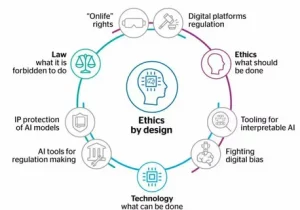
As we witness rapid advancements in artificial intelligence (AI) technology, it is crucial to acknowledge the ethical dilemmas that can arise in various industries. Balancing AI innovation with ethical considerations is essential for the progress and acceptance of this groundbreaking technology.

Ethical considerations in AI development

AI and Ethics: Balancing Innovation and Privacy
Image by : Yandex

When it comes to AI development, ethical guidelines play a crucial role in ensuring that the technology is used responsibly. It is important for developers to prioritize ethical considerations throughout the entire process, from data collection to algorithm design. By adhering to ethical norms, we can prevent potential harm and ensure that AI benefits society as a whole.

Impact of unethical AI practices

Unethical AI practices can have far-reaching consequences, particularly when it comes to decision-making processes. AI has the potential to perpetuate biases and discrimination if not developed and implemented ethically. These ethical concerns can hinder progress in AI innovation and erode public trust in the technology. It is imperative that we address these issues to prevent negative outcomes and promote the responsible use of AI.

Promoting responsible AI innovation

To promote responsible AI innovation, it is essential to ensure that AI aligns with ethical standards. This includes fostering a dialogue on AI and ethics within the industry and beyond. By engaging in discussions about the ethical implications of AI, we can work towards developing technology that benefits society while minimizing potential harm.

Regulatory frameworks for ethical AI

AI and Ethics: Balancing Innovation and Privacy
Image by ; Yandex

Regulatory frameworks are crucial in ensuring that AI practices remain ethical. These frameworks provide guidelines and standards for developers to follow, helping to prevent unethical behavior and promote accountability. However, balancing AI innovation with ethical considerations can be challenging, as regulations must keep pace with rapidly evolving technology. It is important for policymakers to continuously review and update regulations to address emerging ethical concerns in AI development.

Conclusion

In conclusion, as we continue to push the boundaries of AI innovation, it is paramount that we prioritize ethical considerations. Striking a balance between AI advancement and ethical concerns is essential for the responsible development and deployment of this transformative technology. By working together to address ethical dilemmas in AI, we can ensure that AI benefits society while upholding ethical standards.

Crete, the largest and most populous of the Greek islands, is a land steeped in history, culture, and natural beauty. While many visitors flock to its renowned beaches and ancient ruins, there is a wealth of lesser-known treasures waiting to be discovered. In 2024, more travelers are seeking unique and authentic experiences, venturing beyond the usual tourist hotspots to uncover the island’s hidden gems. This comprehensive guide, “Discovering Crete: Off-the-Beaten-Path Adventures in 2024,” aims to provide an in-depth exploration of these uncharted territories, offering insights and practical advice for those eager to delve deeper into Crete’s rich tapestry.

Caribbean Bliss Best Islands to Visit in January 2024
Image by yandex.com

Historical Significance

Crete’s history is a mosaic of civilizations, from the ancient Minoans, who established Europe’s first advanced society, to the Romans, Byzantines, Venetians, and Ottomans. Each left an indelible mark on the island, contributing to its unique cultural and architectural heritage. The island’s strategic location in the Mediterranean has made it a crossroads of trade and conquest, enriching its history and culture.

Natural Wonders

Crete’s diverse landscape is a paradise for nature lovers. From rugged mountains and deep gorges to fertile plains and pristine beaches, the island offers a variety of ecosystems. The White Mountains, Priorities, and Diti ranges are home to rare flora and fauna, while the Samaria Gorge, a UNESCO Biosphere Reserve, attracts hikers from around the world.

Cultural Richness

Cretan culture is a vibrant blend of ancient traditions and modern influences. Music, dance, and cuisine play a central role in daily life, with festivals and celebrations held throughout the year. The island’s villages, each with its own unique character, offer a glimpse into the timeless way of life that has endured for centuries.

Planning Your Adventure

While Crete is a year-round destination, the best time to explore its off-the-beaten-path attractions is during the shoulder seasons of spring (April to June) and autumn (September to October). The weather is pleasant, and the island is less crowded, allowing for a more immersive experience.

Vancouver Island's Wineries
Image by yandex.com

Getting There

Crete is accessible by air and sea. The island has three international airports: Heraklion, Chania, and Sitia. Regular flights connect Crete with major European cities, while ferries operate from mainland Greece and other islands.

Transportation

To truly discover Crete’s hidden gems, renting a car is highly recommended. The island’s extensive road network allows for easy access to remote areas. Alternatively, public buses and taxis are available, though they may not reach some of the more secluded spots.

Hidden Villages and Towns

Nestled in the foothills of Mount Juktas, Archanes is a picturesque village known for its well-preserved architecture and vibrant cultural scene. Wander through its narrow streets, visit the Archaeological Museum, and sample local wines at one of the many wineries.

Anogeia

Perched on the slopes of Mount Psiloritis, Anogeia is a village with a storied past. Known for its resistance during World War II, it is also a center of Cretan music and weaving. Explore its historic sites, including the Nida Plateau and Ideon Cave, where Zeus is said to have been born. Tucked away in the heart of Crete, the Amari Valley is a lush, fertile region dotted with traditional villages and ancient ruins. Hike through olive groves and vineyards, visit the Byzantine churches, and discover the archaeological site of Ancient Syvritos.

Asterousia Mountains

The rugged Asterousia Mountains, located in southern Crete, offer a stark contrast to the island’s more verdant regions. This remote area is ideal for adventurous travelers seeking solitude and breathtaking scenery. Explore the Agiofarago Gorge, visit the Monastery of Odigitria, and relax on the secluded beaches of Tripiti and Vathi.

Lasithi Plateau

Surrounded by the Dikti Mountains, the Lasithi Plateau is a high-altitude plain known for its windmills and fertile soil. Cycle through the plateau’s picturesque villages, visit the Cave of Zeus, and learn about traditional Cretan agriculture at the Lasinthos Eco Park.

Unique Cultural Experiences

Crete’s calendar is filled with festivals celebrating everything from religious holidays to local produce. Attend the Feast of St. Titus in Heraklion, the Renaissance Festival in Rethymno, or the Chestnut Festival in Elos to experience the island’s rich cultural heritage.

Culinary Delights

Cretan cuisine is renowned for its simplicity and use of fresh, local ingredients. Join a cooking class to learn how to prepare traditional dishes like dakos, kalitsounia, and lamb with stamnagathi. Visit local markets, such as the Chania Municipal Market, to sample regional specialties.

Caving

Crete is home to numerous caves, many of which have significant archaeological and geological importance. Explore the Cave of Zeus on the Lasithi Plateau, the Cave of Sfendoni near Zoniana, or the Cave of Milatos in eastern Crete.

Sustainable Travel

As more travelers seek sustainable options, Crete offers a range of eco-friendly accommodations. Stay at an agritourism farm, such as Eleonas in Zaros, or a boutique eco-hotel like Milia Mountain Retreat, which is powered by renewable energy.

Responsible Tourism

Support local communities by choosing locally-owned businesses, participating in community-based tourism initiatives, and respecting the island’s natural and cultural heritage. Engage with local artisans, purchase handmade crafts, and savor traditional cuisine.

Image By Yandex .com

Conclusion

“Discovering Crete: Off-the-Beaten-Path Adventures in 2024” invites travelers to venture beyond the well-trodden paths and immerse themselves in the island’s hidden wonders. From ancient villages and pristine landscapes to unique cultural experiences and thrilling adventures, Crete offers endless opportunities for exploration and discovery. As you plan your journey, remember to travel responsibly and cherish the island’s rich heritage, ensuring that future generations can continue to enjoy its beauty and charm.

Preity Zinta, the epitome of grace and elegance, recently captivated onlookers with her stunning appearance in a sequin-embellished dress that radiated glamour and sophistication. Let’s delve into the details of this exquisite ensemble and celebrate Preity’s timeless sense of style.


1. The Aura of Elegance:

Preity Zinta exudes an aura of elegance that transcends time and trends, making her a perennial style icon in the world of fashion. Her choice of a sequin-embellished dress perfectly showcases her innate grace and sophistication, reflecting her impeccable taste and eye for all things glamorous.


2. Redefining Glamour:

With her impeccable fashion choices and effortless charm, Preity Zinta redefines glamour with each appearance. The sequin-embellished dress she elegantly adorns exudes a sense of opulence and luxury, elevating her allure and setting a new standard for red carpet elegance.


3. Sparkling Sequin Elegance:

Sequin embellishments add a touch of sparkle and sophistication to any outfit, and Preity Zinta carries off this embellished dress with unparalleled grace and poise. The shimmering sequins complement her radiant persona, adding a sense of allure and glamour to her ensemble that mesmerizes all who behold her.

4. Effortless Sophistication:

Preity Zinta effortlessly embodies sophistication and glamour in her sequin-embellished dress, showcasing a perfect balance of style and grace. Her poised demeanor and confident stride exude a magnetic charm that captivates hearts and leaves a lasting impression of timeless elegance.

Preity Zinta Exudes Glamour in a Sequin-Embellished Dress
Image by: Bing.com

5. A Vision of Beauty:

As she graces the spotlight in her sequin-embellished dress, Preity Zinta emerges as a vision of beauty that transcends mere aesthetics. Her inner radiance shines through, enhancing the sparkle of the sequins and reflecting a beauty that emanates from within, capturing the hearts of admirers far and wide.


6. Timeless Style Statement:

Preity Zinta’s choice of a sequin-embellished dress makes a resounding style statement that stands the test of time. With a nod to classic glamour and a touch of contemporary flair, she effortlessly blends the past and the present, creating a look that is both timeless and trendsetting.


7. Confidence and Poise:

Confidence and poise are synonymous with Preity Zinta’s demeanor, and in her sequin-embellished dress, she exudes a sense of self-assured elegance that is truly mesmerizing. Her confident stance and graceful movements complement the shimmering sequins, creating a captivating sight that commands attention and admiration.


8. Celebrating Individuality:

Preity Zinta’s sartorial choices reflect her unique sense of style and individuality, setting her apart as a fashion icon with a distinct persona. The sequin-embellished dress she wears showcases her fearless approach to fashion, highlighting her ability to embrace glamour with a touch of personal flair that is both captivating and inspiring.


9. Radiating Glamorous Vibes:

Preity Zinta radiates glamorous vibes in her sequin-embellished dress, embodying the essence of red carpet allure and opulence. The dress sparkles with every movement, casting a spell of enchantment and sophistication that elevates her charm and charisma to new heights, leaving a trail of admirers in her wake.

Preity Zinta Exudes Glamour in a Sequin-Embellished Dress
Image by: Bing.com

10. A Timeless Beauty Icon:

As she dazzles in her sequin-embellished dress, Preity Zinta reaffirms her status as a timeless beauty icon with an impeccable sense of style. Her ability to exude glamour effortlessly serves as a reminder of her enduring appeal and everlasting charm, captivating audiences with every glamorous appearance.

Developing healthy relationships is vital for emotional well-being and personal growth. Whether with family, friends, or romantic partners, fostering connections based on trust, respect, and understanding leads to a fulfilling life. In this article, we will explore essential strategies to help you build and maintain healthy relationships.

1. Communication is Key

Effective communication is the cornerstone of healthy relationships. It involves not only expressing your thoughts and feelings but also actively listening to others. Make it a habit to check in with your loved ones regularly. Share your experiences, and encourage them to share theirs. Open dialogue fosters understanding and helps prevent misunderstandings, which can lead to conflict.

2. Set Boundaries

Setting boundaries is crucial for maintaining healthy relationships. Clearly define what is acceptable and what is not in your interactions with others. Boundaries protect your emotional and physical space, allowing for a safe environment where everyone feels respected. Communicate your boundaries openly, and encourage others to do the same. Healthy relationships thrive when both parties understand and respect each other’s limits.

3. Practice Empathy

Empathy plays a significant role in developing healthy relationships. It allows you to understand and share the feelings of others. When someone is going through a tough time, practicing empathy helps you connect on a deeper level. Instead of jumping to conclusions or offering solutions immediately, take a moment to listen and validate their feelings. This understanding builds trust and strengthens your bond.

4. Show Appreciation

Expressing gratitude and appreciation is essential in maintaining healthy relationships. Acknowledge the efforts of those around you, whether through verbal affirmations or small gestures. Simple “thank you” notes or spontaneous acts of kindness can go a long way in making others feel valued. When people feel appreciated, they are more likely to reciprocate and invest in the relationship.

How to Develop Healthy Relationships?
Image by: Yandex.com

5. Spend Quality Time Together

Quality time is vital for nurturing healthy relationships. Make an effort to engage in activities that you both enjoy. Whether it’s cooking, hiking, or simply watching a movie, shared experiences foster connection. This dedicated time allows for deeper conversations and strengthens your emotional ties. Regularly scheduling quality time can significantly enhance the overall health of your relationships.

6. Be Honest and Trustworthy

Honesty is a foundational element of healthy relationships. Being truthful builds trust and creates a safe space for open communication. When you’re honest about your feelings and intentions, others are more likely to respond in kind. Likewise, trustworthiness is essential; if you say you’ll do something, follow through. Consistency in your words and actions reinforces trust, which is vital for any healthy relationship.

7. Handle Conflicts Constructively

Disagreements are natural in any relationship. The key is how you handle conflicts. Approach disagreements with a problem-solving mindset rather than a confrontational one. Use “I” statements to express how you feel without blaming the other person. For example, say “I feel hurt when…” instead of “You always…”. This approach encourages constructive dialogue and helps resolve conflicts amicably.

8. Support Each Other

In healthy relationships, mutual support is crucial. Be there for your loved ones during challenging times and celebrate their successes. Offering emotional support can involve listening, providing advice, or simply being present. When people know they can rely on you, it strengthens the bond you share. Remember, supporting each other creates a foundation for trust and security in the relationship.

9. Grow Together

Healthy relationships thrive on mutual growth and development. Encourage each other to pursue individual interests and goals. Sharing personal growth experiences can lead to deeper connections. Whether it’s taking a class together, exploring new hobbies, or setting shared goals, growing together enriches the relationship. Embrace the journey of personal development and support one another in achieving dreams.

How to Develop Healthy Relationships?
Image by: Yandex.com

10. Practice Forgiveness

Forgiveness is essential in maintaining healthy relationships. Holding onto grudges can create resentment and hinder emotional intimacy. Learn to let go of past mistakes and communicate openly about any hurt feelings. By practicing forgiveness, you create an atmosphere of acceptance and understanding, allowing your relationships to flourish.

Conclusion

Developing healthy relationships requires effort, communication, and a commitment to mutual growth. By focusing on effective communication, setting boundaries, and practicing empathy, you can build strong connections with those around you. Show appreciation, spend quality time together, and handle conflicts constructively to maintain harmony. Trustworthiness and support are vital, as is the ability to forgive and grow together. Prioritizing these strategies will lead to healthier, more fulfilling relationships that enrich your life.

Monaco, the epitome of opulence and sophistication, continues to reign as one of the world’s premier luxury destinations. Nestled on the French Riviera, this tiny principality offers an unparalleled blend of lavish experiences, making it the ultimate getaway for discerning travelers in 2024. With its stunning landscapes, world-class amenities, and rich cultural heritage, Monaco promises an unforgettable escape.

A Glimpse into Monaco’s Rich Heritage

Monaco’s history is as captivating as its modern-day allure. Founded in 1297 by the House of Grimaldi, the principality has evolved into a symbol of prestige and elegance. The iconic Prince’s Palace, perched on a rocky outcrop overlooking the Mediterranean Sea, stands as a testament to Monaco’s enduring legacy. Visitors can explore the palace’s opulent state apartments and witness the changing of the guard ceremony, a tradition that dates back to the 19th century.

The Allure of Monte Carlo

Monte Carlo, the heart of Monaco, is synonymous with luxury and glamour. The district is home to the legendary Casino de Monte-Carlo, an architectural masterpiece that has attracted high rollers and celebrities for over a century. In 2024, the casino continues to offer an exquisite blend of gaming, entertainment, and fine dining. Whether you’re trying your luck at the roulette table or savoring gourmet cuisine at the Michelin-starred Le Louis XV, Monte Carlo promises an indulgent experience.

Image by yandex.com

World-Class Accommodations

Monaco’s hospitality industry is renowned for its commitment to excellence. The principality boasts a plethora of luxurious hotels and resorts, each offering a unique blend of comfort and sophistication. The Hôtel de Paris Monte-Carlo, with its palatial architecture and impeccable service, remains a favorite among elite travelers. For those seeking modern elegance, the Fairmont Monte Carlo offers stunning sea views and a rooftop pool.

Culinary Delights

Monaco’s culinary scene is a gastronomic paradise, with a diverse array of dining options that cater to every palate. In 2024, the principality continues to attract world-renowned chefs who create culinary masterpieces using the finest ingredients. From the exquisite Mediterranean flavors at Alain Ducasse’s Le Louis XV to the innovative dishes at Yoshi, Monaco’s first Japanese restaurant to earn a Michelin star, the principality’s dining establishments promise an unforgettable epicurean journey.

Exclusive Shopping Experiences

Monaco’s shopping scene is a haven for luxury enthusiasts. The Carré d’Or district, known for its high-end boutiques and designer stores, offers an unparalleled shopping experience. In 2024, visitors can explore the latest collections from renowned fashion houses such as Chanel, Louis Vuitton, and Prada. The Metropole Shopping Monte-Carlo, with its elegant architecture and curated selection of luxury brands, provides a refined shopping environment.

Cultural Extravaganza

Monaco’s cultural offerings are as diverse as they are captivating. The principality is home to a myriad of museums, galleries, and cultural institutions that celebrate art, history, and science. The Oceanographic Museum, founded by Prince Albert I, continues to be a highlight, showcasing marine life and oceanographic research. The Nouveau Museet National de Monaco, with its contemporary art exhibitions, offers a glimpse into the modern artistic landscape.

Thrilling Events and Festivals

Monaco’s calendar is brimming with world-class events and festivals that attract visitors from around the globe. The Formula 1 Monaco Grand Prix, held annually in May, is a highlight, offering an adrenaline-pumping experience as cars race through the streets of Monte Carlo. The Monaco Yacht Show, a premier event for luxury yachting, showcases the latest in maritime innovation. In 2024, the principality continues to host a range of cultural and sporting events, ensuring there’s always something exciting to experience.

Wellness and Relaxation

Monaco’s commitment to wellness is evident in its world-class spas and wellness centers. The Thermes Marins Monte-Carlo, with its state-of-the-art facilities and holistic treatments, offers a sanctuary for relaxation and rejuvenation. In 2024, visitors can indulge in bespoke wellness programs that combine traditional therapies with cutting-edge technologies. From luxurious spa treatments to personalized fitness regimes, Monaco provides a haven for those seeking to unwind and revitalize.

Sustainable Luxury

In recent years, Monaco has made significant strides in promoting sustainable luxury. The principality is committed to environmental conservation and sustainable development, with initiatives aimed at reducing carbon emissions and preserving marine ecosystems. In 2024, visitors can explore eco-friendly luxury experiences, from sustainable dining options to green accommodations. Monaco’s dedication to sustainability ensures that travelers can enjoy opulence while minimizing their environmental footprint.

Image by yandex.com

Conclusion

Monaco: A Luxurious Getaway in 2024 offers an unparalleled blend of history, luxury, and modernity. With its world-class accommodations, exquisite dining, and diverse cultural offerings, the principality promises an unforgettable escape for discerning travelers. Whether you’re seeking the thrill of the casino, the serenity of a spa, or the excitement of world-class events, Monaco continues to be the ultimate destination for luxury and sophistication. Plan your visit to Monaco in 2024 and experience the epitome of opulence and elegance.

The fight against infectious diseases

Global Health initiatives combat infectious diseases worldwide. These initiatives are crucial in tackling the myriad of infectious diseases that pose significant threats to populations around the globe. By implementing vaccination programs, improving sanitation, and providing access to clean water, these initiatives strive to reduce the incidence and spread of infectious diseases. For example, the Global Polio Eradication Initiative (GPEI) has made remarkable progress in reducing polio cases by over 99% since its inception. Similarly, efforts to combat malaria, tuberculosis, and HIV/AIDS have seen significant advancements due to coordinated global health initiatives.

Collaborative efforts enhance Global Health against infectious threats. The fight against infectious diseases is bolstered by the collaboration of international organizations, governments, non-profits, and the private sector. These collaborative efforts facilitate the sharing of resources, knowledge, and technology, enabling a more effective response to infectious threats. For instance, the World Health Organization (WHO) works closely with countries and other partners to monitor and respond to outbreaks, ensuring a swift and coordinated approach. Such partnerships are vital in enhancing global health security and mitigating the impact of infectious diseases.

Challenges in healthcare infrastructure

Global Health Initiatives: Progress and Challenges
Image by : Yandex

Insufficient funding hampers Global Health infrastructure improvements. One of the significant challenges in improving global health infrastructure is the lack of adequate funding. Many low- and middle-income countries struggle to allocate sufficient resources to build and maintain healthcare facilities, train healthcare workers, and procure essential medical supplies. This funding gap hinders the ability to provide quality healthcare services and respond effectively to health emergencies. Without substantial financial investment, it is challenging to create a robust healthcare infrastructure that can support the health needs of the population.

Global Health disparities due to unequal resource distribution. Unequal distribution of resources exacerbates global health disparities, leaving vulnerable populations at a disadvantage. Wealthier nations often have better access to advanced medical technologies, well-equipped healthcare facilities, and highly trained medical personnel. In contrast, poorer countries face significant challenges in accessing even basic healthcare services. This disparity leads to uneven health outcomes, with preventable diseases and conditions disproportionately affecting those in resource-limited settings. Addressing these disparities requires a concerted effort to ensure equitable distribution of resources and opportunities for all.

Access to essential medicines

Essential medicines are critical for global health improvement. Access to essential medicines is fundamental in improving health outcomes and quality of life. These medicines, which include treatments for chronic diseases, antibiotics, and vaccines, are necessary to prevent and treat a wide range of health conditions. Ensuring that these medicines are available, affordable, and of high quality is a key priority for global health initiatives. Without access to essential medicines, many individuals, particularly in low-income countries, are unable to receive the care they need, leading to unnecessary suffering and death.

Global health disparities hinder access to essential medicines. Disparities in global health significantly impact access to essential medicines. Factors such as poverty, lack of healthcare infrastructure, and political instability can limit the availability and affordability of these medicines. Additionally, intellectual property laws and market dynamics often restrict the production and distribution of affordable generic medicines, further exacerbating the issue. Efforts to improve access to essential medicines must address these underlying disparities and promote policies that ensure equitable access for all populations.

Impact of climate change on health

Climate change exacerbates respiratory diseases in global health. The impact of climate change on health is profound, particularly concerning respiratory diseases. Increased air pollution, resulting from industrial activities and vehicle emissions, contributes to the prevalence of respiratory conditions such as asthma and chronic obstructive pulmonary disease (COPD). Additionally, climate change can lead to more frequent and severe wildfires, which produce smoke and particulate matter that further compromise air quality. These environmental changes pose significant challenges to global health, necessitating urgent action to mitigate the effects of climate change on respiratory health.

Heatwaves increase mortality rates, impacting global health adversely. Heatwaves, a direct consequence of climate change, have a detrimental impact on global health by increasing mortality rates. Extreme heat can lead to heat exhaustion, heatstroke, and exacerbate existing health conditions, particularly among vulnerable populations such as the elderly, children, and those with chronic illnesses. The frequency and intensity of heatwaves are expected to rise, posing a growing threat to public health. Addressing the health impacts of heatwaves requires comprehensive strategies, including public health interventions, infrastructure improvements, and policies aimed at reducing greenhouse gas emissions.

The role of international organizations

Global Health Initiatives: Progress and Challenges
Image by : Yandex

International organizations coordinate global health emergency responses. In times of health emergencies, international organizations play a crucial role in coordinating responses and providing support to affected countries. Organizations such as the WHO, the United Nations Children’s Fund (UNICEF), and the International Red Cross and Red Crescent Movement work together to mobilize resources, deploy medical teams, and deliver essential supplies. Their coordinated efforts ensure a timely and effective response to outbreaks, natural disasters, and other health crises, ultimately saving lives and mitigating the impact of emergencies on global health.

Global health policies are shaped by international collaborations. International collaborations are instrumental in shaping global health policies and strategies. By bringing together stakeholders from different countries and sectors, these collaborations facilitate the exchange of knowledge, best practices, and innovative solutions. For instance, the Global Fund to Fight AIDS, Tuberculosis, and Malaria is a partnership that pools resources to combat these diseases and strengthen health systems. Such collaborations are essential in developing comprehensive and effective global health policies that address the diverse health challenges faced by populations worldwide.

Innovations in medical technology

Telemedicine revolutionizes Global Health access and delivery. Innovations in medical technology, such as telemedicine, have revolutionized access to healthcare services and delivery. Telemedicine allows patients to consult with healthcare providers remotely, overcoming geographical barriers and improving access to care, especially in underserved areas. This technology has been particularly valuable during the COVID-19 pandemic, enabling continuity of care while minimizing the risk of virus transmission. Telemedicine also facilitates remote monitoring of chronic conditions, providing timely interventions and reducing the burden on healthcare facilities.

AI diagnostics enhance Global Health outcomes and efficiency. Artificial intelligence (AI) diagnostics are transforming global health by enhancing the accuracy and efficiency of medical diagnoses. AI algorithms can analyze vast amounts of data, including medical images and patient records, to identify patterns and detect diseases at an early stage. This technology has the potential to improve diagnostic accuracy, reduce diagnostic errors, and enable personalized treatment plans. AI diagnostics are particularly beneficial in resource-limited settings, where access to specialized medical expertise may be limited. By leveraging AI, healthcare providers can make more informed decisions, ultimately improving health outcomes.

Health education and awareness

Health education is crucial for global health improvement. Health education plays a vital role in promoting global health by empowering individuals with the knowledge and skills needed to make informed health decisions. Educational programs on topics such as nutrition, hygiene, and disease prevention can help reduce the incidence of preventable diseases and improve overall health outcomes. Health education also fosters a culture of health and well-being, encouraging individuals to adopt healthy behaviors and seek timely medical care. Investing in health education is essential for building healthier communities and achieving global health goals.

Awareness campaigns address global health disparities effectively. Awareness campaigns are effective tools in addressing global health disparities by raising public awareness and advocating for policy changes. These campaigns can highlight the importance of issues such as vaccination, maternal health, and mental health, mobilizing communities and policymakers to take action. For example, campaigns promoting the importance of childhood immunizations have contributed to increased vaccination rates and reduced the incidence of vaccine-preventable diseases. By raising awareness and fostering community engagement, these campaigns play a crucial role in addressing health disparities and improving global health outcomes.

Global health funding and resources

Global Health funding is critical for combating diseases worldwide. Adequate funding is essential for combating diseases and improving health outcomes on a global scale. Financial resources are needed to support research and development of new treatments, implement public health programs, and strengthen healthcare systems. Organizations such as the Global Fund and Gavi, the Vaccine Alliance, rely on funding from governments, private sector partners, and philanthropic organizations to carry out their work. Sustained and increased funding is necessary to continue making progress in the fight against infectious diseases and other health challenges.

Resource allocation impacts Global Health outcomes significantly. The allocation of resources has a significant impact on global health outcomes. Equitable distribution of financial, human, and technological resources ensures that all populations have access to quality healthcare services. Strategic resource allocation can address gaps in healthcare infrastructure, improve access to essential medicines, and enhance the capacity of healthcare workers. Conversely, inadequate or misallocated resources can hinder progress and perpetuate health disparities. Effective resource allocation requires careful planning, coordination, and a commitment to equity and inclusivity in global health efforts.