Imagine a world where diseases are conquered with unprecedented speed and precision. This isn’t a distant dream anymore; it’s the reality being shaped by artificial intelligence. As a seasoned technology and healthcare enthusiast with a keen eye on the pharmaceutical industry, I’ve witnessed firsthand the transformative power of AI in drug discovery. Let’s delve into the fascinating world where algorithms meet biology and unlock the secrets of life-saving medications.
The Age of AI in Medicine
The convergence of artificial intelligence and healthcare is ushering in a new era of medical breakthroughs. AI’s ability to process vast amounts of data at lightning speed is revolutionizing drug discovery. From identifying potential drug targets to optimizing clinical trials, AI is proving to be an invaluable tool for researchers and pharmaceutical companies.
How AI is Accelerating Drug Discovery
Drug Target Identification: AI algorithms can analyze biological data to pinpoint potential drug targets with unprecedented accuracy.
Virtual Screening: By simulating the interaction between molecules, AI can rapidly screen millions of compounds to identify promising drug candidates.
Drug Design: AI-powered tools can design novel drug molecules with desired properties, accelerating the drug development process.
Clinical Trial Optimization: AI can help identify suitable patient populations, predict trial outcomes, and optimize trial design for efficiency.
Overcoming Challenges in Drug Development with AI
Drug development is a complex and costly process. AI is addressing some of the key challenges by:
Reducing Failure Rates: By improving target selection and drug design, AI can help reduce the number of failed drug candidates.
Speeding Up Time to Market: AI-driven automation and optimization can accelerate the drug development timeline.
Lowering Development Costs: By increasing efficiency and reducing trial failures, AI can help lower the overall cost of drug development.
Picture by: Google Gemini
Ethical Considerations in AI-Driven Drug Discovery
As with any powerful technology, AI raises ethical concerns. It is crucial to ensure that AI is developed and used responsibly, with a focus on patient safety, data privacy, and accessibility to life-saving treatments.
The Future of AI in Healthcare
The future of AI in healthcare is incredibly promising. As AI technology continues to advance, we can expect to see even more groundbreaking applications in drug discovery, personalized medicine, and disease prevention.
Investing in the Future of Medicine
Investing in AI-driven drug discovery is not just a financial opportunity; it’s an investment in human health. By supporting AI research and development, we can accelerate the pace of medical innovation and improve the lives of millions of people worldwide.
AI is not a silver bullet for drug discovery, but it is a powerful tool that is transforming the landscape of pharmaceutical research. By harnessing the power of AI, we can accelerate the development of life-saving treatments and create a healthier future for all.
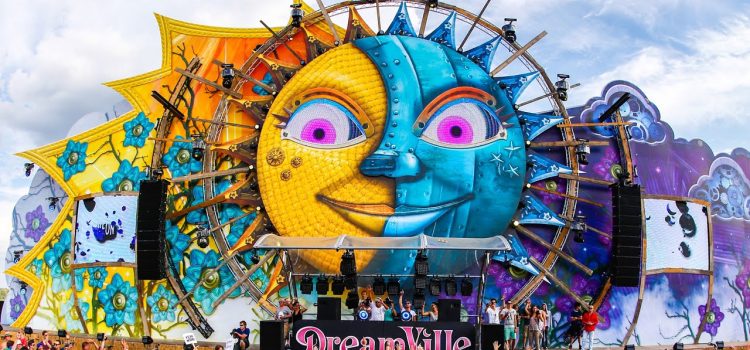
Music festivals have long been a cornerstone of cultural expression, bringing together diverse communities to celebrate art, music, and shared experiences. As we look towards the future, the landscape of these events is set to undergo significant transformations driven by technological advancements, environmental consciousness, and evolving audience expectations. This article explores the future of music festivals, focusing on innovation and sustainability, and how these factors will shape the experiences of attendees and the industry as a whole.
Technological Innovations
Image by: Google.com
Virtual and Augmented Reality
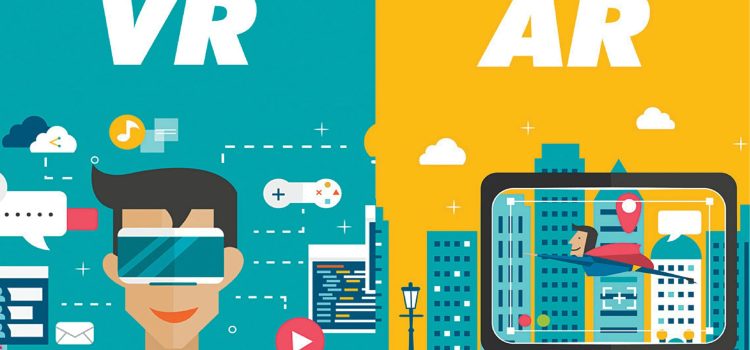
Virtual Reality (VR) and Augmented Reality (AR) are poised to revolutionize the way we experience music festivals. VR can transport attendees to immersive, virtual festival grounds, allowing them to enjoy performances from the comfort of their homes. AR, on the other hand, can enhance live events by overlaying digital information onto the physical world, providing real-time updates, interactive maps, and personalized content.
Live Streaming and Hybrid Events
The COVID-19 pandemic accelerated the adoption of live streaming, and this trend is likely to continue. Hybrid events, which combine in-person and virtual experiences, offer greater accessibility and inclusivity. Fans who cannot attend in person can still participate in the festival experience, expanding the reach and impact of these events.
Advanced Ticketing Systems
Blockchain technology and smart contracts are set to revolutionize ticketing systems, reducing fraud and ensuring transparency. These systems can also facilitate dynamic pricing, where ticket prices fluctuate based on demand, and offer personalized packages tailored to individual preferences.
AI and Data Analytics
Artificial Intelligence (AI) and data analytics can enhance the festival experience by providing personalized recommendations, optimizing logistics, and improving crowd management. AI-driven chatbots can assist attendees with real-time information, while data analytics can help organizers make informed decisions to enhance safety and satisfaction.
Sustainability Initiatives
Image by: Google.com
Renewable Energy Sources
As environmental concerns grow, music festivals are increasingly adopting renewable energy sources to power their events. Solar panels, wind turbines, and biofuels are being used to reduce carbon footprints and promote sustainability. Festivals like Glastonbury and Coachella have already implemented such initiatives, setting a precedent for others to follow.
Waste Management and Recycling
Effective waste management is crucial for minimizing the environmental impact of music festivals. Organizers are implementing comprehensive recycling programs, encouraging the use of reusable containers, and partnering with waste management companies to ensure proper disposal of waste. Composting organic waste and reducing single-use plastics are also becoming standard practices.
Sustainable Transportation
Transportation is a significant contributor to the carbon footprint of music festivals. To address this, organizers are promoting carpooling, providing shuttle services, and encouraging the use of public transportation. Some festivals are even offering incentives for attendees who choose eco-friendly travel options, such as biking or using electric vehicles.
Eco-Friendly Infrastructure
Festival infrastructure is also evolving to be more sustainable. Temporary structures made from recycled materials, eco-friendly sanitation facilities, and green camping options are becoming more common. These initiatives not only reduce environmental impact but also promote a culture of sustainability among attendees.
Evolving Audience Expectations
Image by: Google.com
Inclusivity and Diversity
Modern festival-goers demand inclusivity and diversity in lineups, experiences, and accessibility. Organizers are responding by featuring a broader range of artists, creating safe spaces for marginalized communities, and ensuring that festivals are accessible to people with disabilities.
Wellness and Well-Being
The focus on wellness and well-being is becoming increasingly important at music festivals. Attendees are seeking experiences that promote mental and physical health, such as yoga sessions, meditation areas, and healthy food options. Festivals are also prioritizing mental health support and harm reduction services to ensure the safety and well-being of their attendees.
Interactive and Immersive Experiences
Today’s audiences crave interactive and immersive experiences that go beyond traditional performances. Art installations, interactive workshops, and experiential zones are becoming integral parts of the festival landscape. These elements create a more engaging and memorable experience for attendees.
Community and Connection
The sense of community and connection is a fundamental aspect of music festivals. Organizers are fostering this by creating spaces for social interaction, facilitating community-building activities, and leveraging social media to connect attendees before, during, and after the event.
The Future of Music Festivals: What to Expect
Image by: Google.com
The Continued Evolution of Festival Formats
As the world continues to grapple with the effects of the COVID-19 pandemic and other global challenges, the format of music festivals will continue to evolve. Hybrid festivals that combine in-person and virtual experiences are likely to become more common, offering flexibility for both organizers and attendees. These hybrid formats can cater to different audience preferences and provide a more inclusive experience, allowing fans who are unable to attend in person to still participate.
Virtual festivals will also continue to grow, offering unique experiences that complement traditional events. As technology advances, virtual festivals will become more immersive and interactive, attracting a wider audience and providing new opportunities for artists and brands.
The Importance of Community and Social Impact
As music festivals evolve, there will be a growing emphasis on community and social impact. Festivals have always been about bringing people together, and this sense of community will continue to be a driving force in the future. However, festivals will increasingly be seen as platforms for social change, promoting values like sustainability, inclusivity, and social justice.
Festival organizers are likely to prioritize partnerships with organizations that align with these values, whether it’s promoting environmental conservation, supporting local communities, or advocating for social causes. Festivals will become more than just entertainment events they will be spaces where people come together to celebrate music, culture, and shared values.
Technological Innovations and the Future of Festival Experiences
The future of music festivals will be shaped by ongoing technological innovations. AR, VR, and AI will continue to play a significant role in creating immersive and personalized experiences. Blockchain technology could be used for ticketing, ensuring security and preventing fraud, while also enabling new forms of fan engagement, such as NFTs (non-fungible tokens) for exclusive festival content or merchandise.
Wearable technology and biometrics will also become more integrated into the festival experience, offering new ways for attendees to interact with the event and each other. For example, wearables could be used for seamless entry, cashless payments, and personalized experiences based on biometric data. These technologies will make the festival experience more convenient, immersive, and tailored to individual preferences.
Conclusion
The future of music festivals is bright, with innovation and sustainability at the forefront of this evolution. Technological advancements are set to enhance the festival experience, making it more accessible, personalized, and immersive. At the same time, a growing emphasis on sustainability is driving the adoption of eco-friendly practices that minimize environmental impact. As audience expectations continue to evolve, festivals are becoming more inclusive, diverse, and focused on well-being.
By embracing these changes, the music festival industry can create a future that not only entertains but also inspires and uplifts communities around the world. The fusion of innovation and sustainability will ensure that music festivals remain a vital and cherished part of our cultural landscape for generations to come.
The animation and visual effects (VFX) industry has always been at the forefront of technological innovation. From the early days of hand-drawn animations to the advent of computer-generated imagery (CGI), each technological leap has brought new possibilities and transformed the way stories are told. Today, the industry is on the cusp of another significant transformation, driven by Artificial Intelligence (AI). AI Animation is not just a buzzword; it represents a paradigm shift that is poised to revolutionize the creation, production, and consumption of animated content and visual effects.
Understanding AI Animation
Image by: Google.com
AI Animation refers to the application of artificial intelligence technologies to the field of animation and visual effects. This encompasses a wide range of techniques and tools, from machine learning algorithms that can generate lifelike character movements to neural networks that can create realistic textures and environments. AI can assist in automating repetitive tasks, enhancing creative processes, and even generating entire scenes or characters autonomously.
Automating Repetitive Tasks
Image by: Google.com
Image by: Google.com
One of the most immediate impacts of AI in animation is the automation of repetitive tasks. Traditional animation involves a significant amount of manual labor, such as in-betweening (the process of generating intermediate frames between two keyframes), rigging (creating the skeletal structure of a character), and rotoscoping (tracing over motion picture footage frame by frame). AI algorithms can take over these tasks, significantly reducing the time and effort required.
For instance, AI-driven tools can automate the in-betweening process by predicting and generating the intermediate frames based on the keyframes provided by the animator. This not only speeds up the production process but also allows animators to focus on the more creative aspects of their work.
Enhancing Creative Processes
Image by: Google.com
AI is not just about automation; it also enhances the creative processes involved in animation and VFX. Machine learning algorithms can analyze vast amounts of data to generate new ideas, styles, and techniques. For example, AI can analyze thousands of hours of footage to understand different styles of movement, lighting, and textures, and then use this knowledge to create new, unique animations.
Generative Adversarial Networks (GANs) are a prime example of this. GANs consist of two neural networks – a generator and a discriminator – that work together to create realistic images, textures, and even entire scenes. The generator creates images, while the discriminator evaluates them against real images, providing feedback to the generator to improve its outputs. This iterative process results in highly realistic and creative animations that can be used in films, video games, and other media.
Real-Time Animation and Motion Capture
Image by: Google.com
Real-time animation and motion capture have seen significant advancements thanks to AI. Traditional motion capture requires actors to wear suits with markers, which are then tracked by cameras to capture their movements. This data is then used to animate characters. While effective, this process can be time-consuming and expensive.
AI-driven motion capture systems, on the other hand, can capture movements using just a few cameras or even a single camera, without the need for markers. These systems use machine learning algorithms to analyze the footage and extract the movement data, making the process faster, more cost-effective, and accessible to a broader range of creators.
Real-time animation, where characters are animated in real-time as the actor performs, has also benefited from AI. This technology can be used in live broadcasts, virtual reality experiences, and interactive media, providing a more immersive and dynamic experience for the audience.
Creating Realistic Characters and Environments
Image by: Google.com
One of the most challenging aspects of animation and VFX is creating realistic characters and environments. AI has made significant strides in this area, enabling the creation of highly detailed and lifelike characters and environments.
Deep learning algorithms can analyze real-world data to create realistic textures, lighting, and shadows. For example, AI can analyze photographs of real-world environments to generate highly detailed and realistic 3D models. This technology can be used to create everything from realistic human characters to fantastical creatures and landscapes.
Moreover, AI can be used to enhance facial animations, making characters’ expressions more lifelike and emotionally engaging. By analyzing real human expressions and movements, AI can generate realistic facial animations that capture the nuances of human emotions.
Challenges and Ethical Considerations
Image by: Google.com
While the impact of AI on animation and VFX is overwhelmingly positive, it is not without its challenges and ethical considerations. One of the primary concerns is the potential loss of jobs due to automation. As AI takes over repetitive tasks, there is a risk that some roles in the industry may become obsolete. However, it is also important to note that AI can create new opportunities and roles that did not exist before, such as AI specialists and data scientists.
Another ethical consideration is the potential for AI to be used to create deepfakes – highly realistic but fake videos or images. This technology can be used to create misleading or harmful content, raising concerns about privacy and security.
To address these challenges, it is essential for the industry to adopt ethical guidelines and practices for the use of AI. This includes ensuring transparency in AI-generated content, protecting the rights of creators, and promoting the responsible use of AI technologies.
Conclusion
AI Animation is transforming the animation and visual effects industry in profound ways. By automating repetitive tasks, enhancing creative processes, enabling real-time animation and motion capture, and creating realistic characters and environments, AI is opening up new possibilities for creators and storytellers. While there are challenges and ethical considerations to address, the potential benefits of AI in animation and VFX are immense. As the technology continues to evolve, it will undoubtedly shape the future of the industry, pushing the boundaries of what is possible and enabling new forms of creative expression.
Music videos have undergone a remarkable transformation since their inception, evolving in tandem with technological advancements and cultural shifts. This article delves into the fascinating journey of music videos, tracing their evolution from the early days of MTV to the modern era dominated by YouTube.
The Birth of Music Videos
Image by: Google.com
Early Experiments and Pre-MTV Era
The concept of music videos can be traced back to the early 20th century, with the advent of sound films and “talkies.” Short musical films, known as “soundies,” were produced in the 1940s, featuring artists performing their songs. These early experiments laid the groundwork for the music video format we recognize today.
The MTV Revolution
The launch of MTV (Music Television) on August 1, 1981, marked a pivotal moment in the history of music videos. MTV’s 24-hour music video programming revolutionized the music industry, providing a platform for artists to visually express their music. The iconic debut of “Video Killed the Radio Star” by The Buggles signaled the beginning of a new era.
Impact on the Music Industry
MTV’s influence on the music industry was profound. Music videos became essential for promoting singles and albums, and artists began to invest heavily in high-quality, visually captivating productions. The channel’s popularity also gave rise to the VJ (video jockey) culture, with personalities like Martha Quinn and Kurt Loder becoming household names.
Iconic Music Videos of the MTV Era
Several music videos from the MTV era have left an indelible mark on popular culture. Michael Jackson’s “Thriller,” directed by John Landis, is often hailed as the greatest music video of all time. Madonna’s “Like a Prayer,” with its provocative imagery, sparked controversy and debate. These videos, among others, showcased the potential of music videos as a powerful storytelling medium.
The Digital Revolution: The Rise of YouTube
The launch of YouTube in 2005 brought about a seismic shift in the way music videos were consumed and distributed. Founded by Steve Chen, Chad Hurley, and Jawed Karim, YouTube provided a platform for users to upload, share, and view videos, democratizing content creation and distribution.
Impact on Music Videos
Image by: Google.com
YouTube’s impact on music videos was immediate and far-reaching. Artists no longer needed the backing of major record labels or MTV to reach a global audience. Independent musicians and emerging artists could now showcase their work to millions of viewers with just a few clicks. This democratization of content led to an explosion of creativity and diversity in music videos.
Viral Sensations and Internet Culture
The rise of YouTube gave birth to the phenomenon of viral videos. Music videos like Psy’s “Gangnam Style” and Luis Fonsi’s “Despacito” shattered records, garnering billions of views and becoming cultural phenomena. These viral sensations demonstrated the power of the internet to propel artists to global stardom.
The Role of Social Media
Social media platforms like Facebook, Twitter, and Instagram played a crucial role in the dissemination of music videos. Artists and fans alike could share and promote videos, creating a sense of community and engagement. The integration of music videos into social media feeds further amplified their reach and impact.
The Evolution of Music Video Production
Image by: Google.com
Technological Advancements
The evolution of music videos has been closely tied to advancements in technology. High-definition cameras, computer-generated imagery (CGI), and sophisticated editing software have revolutionized the production process. These tools have enabled artists to create visually stunning and conceptually ambitious music videos.
The Role of Directors and Collaborations
Directors have played a pivotal role in shaping the evolution of music videos. Visionary directors like Spike Jonze, David Fincher, and Hype Williams have pushed the boundaries of the medium, creating iconic and innovative videos. Collaborations between artists and directors have resulted in some of the most memorable music videos in history.
The Emergence of Interactive and Virtual Reality Music Videos
The advent of interactive and virtual reality (VR) technology has opened up new possibilities for music videos. Interactive videos, where viewers can choose different storylines or camera angles, offer a more immersive experience. VR music videos, such as Björk’s “Stone milker,” allow viewers to step inside the video and experience it from a 360-degree perspective.
The Future of Music Videos
Image by: Google.com
The Continued Influence of Streaming Platforms
Streaming platforms like YouTube, Vevo, and TikTok will continue to play a dominant role in the distribution and consumption of music videos. These platforms provide artists with unparalleled access to a global audience and offer new opportunities for monetization and engagement.
The Integration of Artificial Intelligence and Augmented Reality
The integration of artificial intelligence (AI) and augmented reality (AR) into music video production holds exciting potential. AI can be used to create personalized and adaptive music videos, while AR can enhance live performances and create immersive experiences for viewers.
The Role of Fan Engagement and Participation
Fan engagement and participation will continue to shape the evolution of music videos. Crowd sourced content, fan-made videos, and interactive experiences will foster a deeper connection between artists and their audiences. The collaborative nature of the internet will drive innovation and creativity in music video production.
Conclusion
The evolution of music videos from the early days of MTV to the digital age of YouTube has been a remarkable journey. Technological advancements, cultural shifts, and the democratization of content have transformed music videos into a powerful and dynamic medium. As we look to the future, the continued influence of streaming platforms, the integration of AI and AR, and the role of fan engagement will shape the next chapter in the evolution of music videos.
Author Introduction: Lisa Thompson, a technology enthusiast and digital innovation expert with over 15 years of experience, has been at the forefront of exploring how emerging technologies like Augmented Reality (AR) and Virtual Reality (VR) are reshaping various sectors. With a Master’s degree in Computer Science and a passion for immersive tech, Lisa provides a deep dive into the next generation of AR and VR experiences.
Introduction to AR and VR Technologies
Augmented Reality (AR) and Virtual Reality (VR) are transforming the way we interact with the digital world. While AR overlays digital information onto the physical world, VR creates a completely immersive digital environment. This article explores how these technologies are creating next-generation experiences across various industries.
Revolutionizing the Gaming Industry
AR and VR have significantly impacted the gaming industry, providing immersive experiences that were once unimaginable. VR headsets like the Oculus Rift and AR games like Pokémon Go have set new standards for interactive entertainment. These technologies allow players to step inside their favorite games, enhancing engagement and realism.
Transforming Education and Training
In education, AR and VR are revolutionizing learning by creating interactive and immersive educational experiences. Virtual field trips, 3D visualization of complex concepts, and realistic simulations provide students with engaging ways to learn. Medical students, for example, can practice surgeries in a risk-free virtual environment, improving their skills and confidence.
Enhancing Retail and E-Commerce
Retail and e-commerce are also benefiting from AR and VR technologies. Virtual fitting rooms and AR apps allow customers to try on clothes and accessories or see how furniture would look in their homes before making a purchase. This enhances the shopping experience, reduces returns, and increases customer satisfaction.
Innovating Healthcare and Therapy
In healthcare, AR and VR are being used for various applications, from surgical training to patient therapy. VR can help patients with anxiety and PTSD through exposure therapy in a controlled virtual environment. Surgeons use AR to visualize complex procedures, improving accuracy and outcomes.
Revolutionizing Real Estate and Architecture
Real estate and architecture are embracing AR vs VR for virtual tours and design visualization. Potential buyers can explore properties without being physically present, and architects can present 3D models of buildings to clients. This technology streamlines the design process and enhances client engagement.
Advancing Workplace Collaboration
AR and VR are changing the way we collaborate in the workplace. Virtual meeting rooms and AR-enhanced workspaces enable remote teams to interact and work together as if they were in the same physical space. This improves communication, reduces travel costs, and fosters a more connected workforce.
Challenges and Future Prospects
Image by : Yandex
Despite the many benefits, AR and VR technologies face challenges such as high costs, technical limitations, and the need for extensive content creation. However,
the future prospects are promising. Continuous advancements in hardware and software, along with growing developer communities, are set to overcome these hurdles, paving the way for even more innovative and accessible immersive experiences.
Informative Table: Key Applications of AR and VR
Application Area
Description
Example Use Cases
Gaming
Immersive, interactive entertainment experiences
Oculus Rift, Pokémon Go
Education and Training
Interactive and immersive learning environments
Virtual Field Trips, Medical Simulations
Retail and E-Commerce
Enhanced shopping experiences with virtual try-ons and visualizations
Virtual Fitting Rooms, AR Home Decor Apps
Healthcare and Therapy
Medical training, patient therapy, and procedural visualization
VR Exposure Therapy, AR Surgery Guides
Real Estate and Architecture
Virtual tours and 3D design visualization
Virtual Property Tours, 3D Building Models
Workplace Collaboration
Improved remote work and collaboration through virtual and augmented spaces
Virtual Meeting Rooms, AR Workspaces
Comparative Table: Traditional Methods vs. AR/VR Technologies
Feature
Traditional Methods
AR/VR Technologies
Gaming Experience
2D Screens, Limited Interaction
3D Immersion, Full Interaction
Education and Training
Textbooks, Static Models
Interactive Simulations, Real-time 3D
Retail Shopping
Physical Try-Ons, Showrooms
Virtual Try-Ons, AR Visualization
Medical Training
Observational Learning, Cadaver Labs
Risk-Free Virtual Practice, Realistic Simulations
Real Estate Tours
Physical Walkthroughs, Photos
Virtual Walkthroughs, Interactive 3D Models
Workplace Collaboration
Emails, Video Calls
Virtual and AR-enhanced Meetings
Conclusion
AR and VR are at the forefront of a technologicalrevolution, offering immersive experiences that are transforming industries and enhancing daily life. From gaming and education to healthcare and retail, these technologies are redefining how we interact with the world around us. As advancements continue and challenges are addressed, AR and VR will become increasingly integrated into our everyday lives, offering unprecedented opportunities for innovation and engagement.
This article, authored by Lisa Thompson, leverages her extensive experience in digital innovation and immersive technologies to provide a comprehensive overview of how AR and VR are shaping the next generation of experiences. Whether you are a tech enthusiast, industry professional, or curious reader, this detailed analysis offers valuable insights into the transformative power of AR and VR.
Developing healthy relationships is vital for emotional well-being and personal growth. Whether with family, friends, or romantic partners, fostering connections based on trust, respect, and understanding leads to a fulfilling life. In this article, we will explore essential strategies to help you build and maintain healthy relationships.
1. Communication is Key
Effective communication is the cornerstone of healthy relationships. It involves not only expressing your thoughts and feelings but also actively listening to others. Make it a habit to check in with your loved ones regularly. Share your experiences, and encourage them to share theirs. Open dialogue fosters understanding and helps prevent misunderstandings, which can lead to conflict.
2. Set Boundaries
Setting boundaries is crucial for maintaining healthy relationships. Clearly define what is acceptable and what is not in your interactions with others. Boundaries protect your emotional and physical space, allowing for a safe environment where everyone feels respected. Communicate your boundaries openly, and encourage others to do the same. Healthy relationships thrive when both parties understand and respect each other’s limits.
3. Practice Empathy
Empathy plays a significant role in developing healthy relationships. It allows you to understand and share the feelings of others. When someone is going through a tough time, practicing empathy helps you connect on a deeper level. Instead of jumping to conclusions or offering solutions immediately, take a moment to listen and validate their feelings. This understanding builds trust and strengthens your bond.
4. Show Appreciation
Expressing gratitude and appreciation is essential in maintaining healthy relationships. Acknowledge the efforts of those around you, whether through verbal affirmations or small gestures. Simple “thank you” notes or spontaneous acts of kindness can go a long way in making others feel valued. When people feel appreciated, they are more likely to reciprocate and invest in the relationship.
5. Spend Quality Time Together
Quality time is vital for nurturing healthy relationships. Make an effort to engage in activities that you both enjoy. Whether it’s cooking, hiking, or simply watching a movie, shared experiences foster connection. This dedicated time allows for deeper conversations and strengthens your emotional ties. Regularly scheduling quality time can significantly enhance the overall health of your relationships.
Image by: Yandex.com
6. Be Honest and Trustworthy
Honesty is a foundational element of healthy relationships. Being truthful builds trust and creates a safe space for open communication. When you’re honest about your feelings and intentions, others are more likely to respond in kind. Likewise, trustworthiness is essential; if you say you’ll do something, follow through. Consistency in your words and actions reinforces trust, which is vital for any healthy relationship.
7. Handle Conflicts Constructively
Disagreements are natural in any relationship. The key is how you handle conflicts. Approach disagreements with a problem-solving mindset rather than a confrontational one. Use “I” statements to express how you feel without blaming the other person. For example, say “I feel hurt when…” instead of “You always…”. This approach encourages constructive dialogue and helps resolve conflicts amicably.
8. Support Each Other
In healthy relationships, mutual support is crucial. Be there for your loved ones during challenging times and celebrate their successes. Offering emotional support can involve listening, providing advice, or simply being present. When people know they can rely on you, it strengthens the bond you share. Remember, supporting each other creates a foundation for trust and security in the relationship.
9. Grow Together
Healthy relationships thrive on mutual growth and development. Encourage each other to pursue individual interests and goals. Sharing personal growth experiences can lead to deeper connections. Whether it’s taking a class together, exploring new hobbies, or setting shared goals, growing together enriches the relationship. Embrace the journey of personal development and support one another in achieving dreams.
Image by: Yandex.com
10. Practice Forgiveness
Forgiveness is essential in maintaining healthy relationships. Holding onto grudges can create resentment and hinder emotional intimacy. Learn to let go of past mistakes and communicate openly about any hurt feelings. By practicing forgiveness, you create an atmosphere of acceptance and understanding, allowing your relationships to flourish.
Conclusion
Developing healthy relationships requires effort, communication, and a commitment to mutual growth. By focusing on effective communication, setting boundaries, and practicing empathy, you can build strong connections with those around you. Show appreciation, spend quality time together, and handle conflicts constructively to maintain harmony. Trustworthiness and support are vital, as is the ability to forgive and grow together. Prioritizing these strategies will lead to healthier, more fulfilling relationships that enrich your life.
Introduction to Smart Cities: A New Urban Experience:
Image by : Yandex
In the evolving landscape of urban development, technology has emerged as a transformative force, reshaping urban living to enhance efficiency and elevate the quality of life. The concept of smart cities represents a groundbreaking integration of technology with the facets of urban living, aiming for sustainable development that benefits all. As we delve into this new urban experience, it becomes evident that smart cities are not merely about the deployment of advanced technologies but about creating a harmonious environment where technology and urban life coalesce to foster a sustainable, efficient, and more livable future for its inhabitants.
The Role of IoT in Enhancing Urban Infrastructure:
The integration of technology with urban infrastructure is revolutionizing city living conditions, offering a glimpse into the future of urban development. At the heart of this transformation is the Internet of Things (IoT), which elevates urban living by enhancing connectivity and accessibility. Through IoT, cities become more responsive, adapting to the needs of their residents in real-time. From smart lighting that adjusts based on natural light conditions to traffic systems that optimize flow based on real-time data, IoT is a testament to how technology can seamlessly integrate into the urban fabric, creating a more efficient and accessible urban environment.
Big Data and Analytics: Understanding Urban Dynamics:
The advent of Big Data and analytics has revolutionized urban living by providing insights that were previously unimaginable. In smart cities, technology leverages predictive analytics to anticipate and mitigate urban challenges, from traffic congestion to energy distribution. This profound understanding of urban dynamics allows city planners and policymakers to make informed decisions that enhance the livability, sustainability, and resilience of urban areas. Big Data not only offers a deeper understanding of how cities function but also empowers them to become more adaptive and responsive to the needs and challenges of urban living.
Sustainable Energy Solutions for Eco-friendly Living:
Image by : Yandex
Integrating renewable energy technology is pivotal in enhancing urban life sustainability. Smart grids, a key component of smart cities, optimize energy use, ensuring that renewable resources are maximized while reducing waste and emissions. This transition towards more sustainable energy solutions not only supports eco-friendly living but also ensures that cities can sustain their energy needs efficiently and reliably. By harnessing technology to improve energy distribution and consumption, smart cities are setting the stage for a future where urban living is in harmony with the environment.
Smart Transportation Systems for Efficient Commuting:
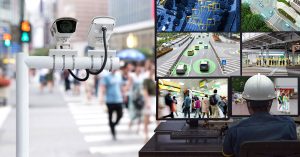
Technologyhas revolutionized commuting, making it an integral part of the sustainable urban living narrative. Smart transportation systems stand out as a cornerstone of this transformation, offering efficient, eco-friendly alternatives to traditional modes of transport. These systems leverage real-time data, AI, and IoT to optimize routes, reduce congestion, and improve air quality, making urban commuting not just more efficient but also more enjoyable. As cities continue to grow, the adoption of smart transportation systems will be critical in ensuring that urban mobility remains fluid, accessible, and sustainable.
Enhanced Public Services Through Digital Platforms:
The revolution in urban living extends to the provision of public services, which have been significantly enhanced through the adoption of digital platforms. Smart cities embody the fusion of technology and urban living, where services such as healthcare, education, and public safety are transformed through digitalization. This not only improves the efficiency and accessibility of these services but also ensures that they can be personalized to meet the needs of each citizen. By leveraging technology, smart cities are creating a more inclusive and responsive urban environment where public services are a catalyst for improving the quality of life.
Challenges and Solutions in Smart City Implementation:
Image by : Yandex
Integrating technology seamlessly with urban living presents significant infrastructure and logistical challenges. These include the need for substantial investment, the complexity of modernizing existing infrastructure, and ensuring the privacy and security of citizens’ data. Solutions to these challenges focus on blending technology with urban living in a manner that is sustainable, scalable, and sensitive to the needs and concerns of the urban population. This requires a collaborative approach that brings together governments, technology providers, and citizens to co-create solutions that are not only technologically advanced but also socially and environmentally responsible.
The Future of Urban Living: Trends and Predictions:
As we look to the future, it is clear that technology will continue to reshape urban living, driving the development of sustainable, smart city solutions. The evolution of urban living with technology is poised to enhance connectivity, efficiency, and quality of life in unprecedented ways. From autonomous vehicles and drone deliveries to AI-powered urban planning and management, the possibilities are boundless. As cities become smarter, they not only become more livable but also more resilient, capable of facing the challenges of the 21st century with innovation and agility. The future of urban living is not just about the technology itself but about how it is harnessed to create cities that are truly designed for the well-being of their inhabitants.
Urban farming transformed the way we think about food production and sustainability in cities. As urban populations grow and land becomes scarce, innovative trends in urban farming are emerging to meet the demand for fresh, locally grown produce. From rooftop gardens and vertical farming to community-supported agriculture, urban farming is revolutionizing the way we cultivate, distribute, and consume food in urban environments. Let’s explore the latest trends shaping the future of urban farming and its impact on food security, environmental sustainability, and community resilience.
1. Vertical Farming:
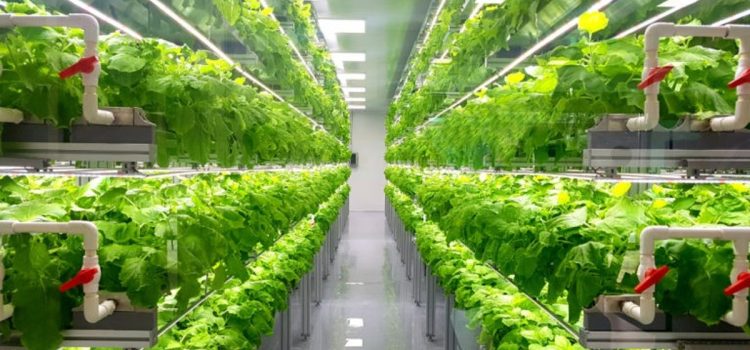
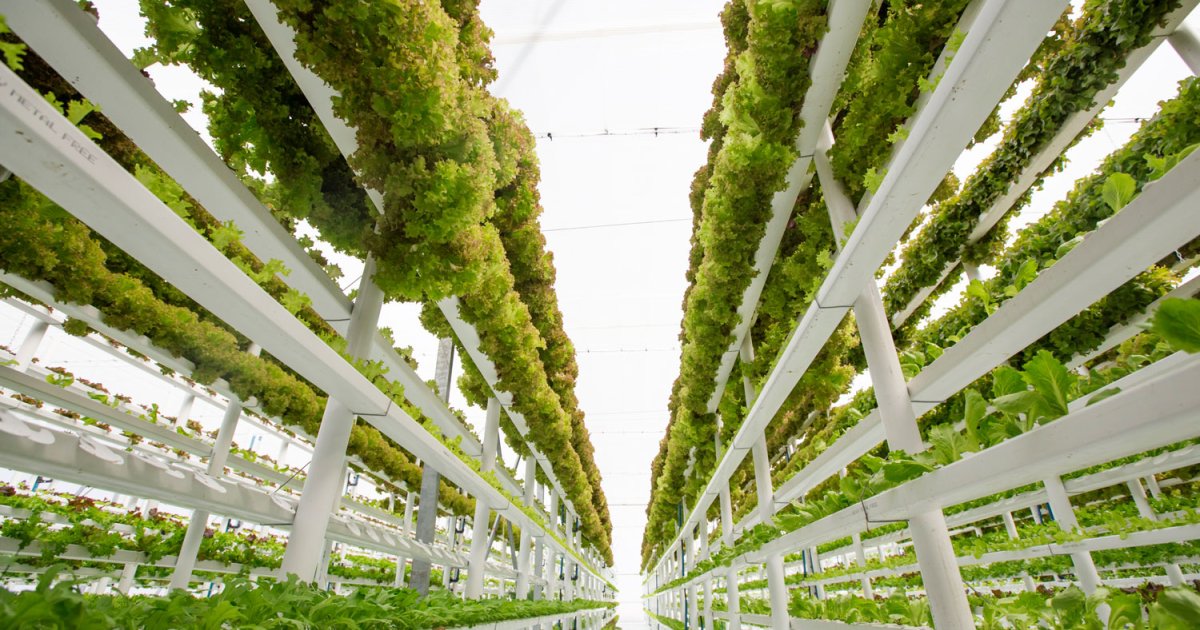
Vertical farming has gained popularity as a space-efficient and sustainablesolution for urban food production. By stacking crops in vertical layers using hydroponic or aeroponic systems, vertical farms maximize growing space while conserving water and nutrients. These indoor farms utilize artificial lighting, climate control, and automated systems to optimize plant growth and yield. Vertical farming enables urban areas to produce a variety of crops year-round, reducing food miles and carbon footprint while ensuring fresh, locally grown produce for city dwellers.
2. Rooftop Gardens:
Rooftop gardens are transforming urban landscapes by converting underutilized spaces into vibrant green oases. These elevated gardens not only beautify city skylines but also provide opportunities for urban agriculture and community engagement. Rooftop gardens utilize sustainable practices like rainwater harvesting, composting, and organic gardening to grow fruits, vegetables, and herbs in urban environments. By harnessing unused rooftop spaces, cities can promote biodiversity, reduce urban heat island effect, and increase access to fresh, nutritious produce through rooftop farming initiatives.
3. Aquaponics Systems:
Aquaponics merges aquaculture with hydroponics to create a closed-loop system for cultivating fish and plants in urban settings. In aquaponics systems, fish waste serves as a natural fertilizer for plants, while plants purify the water for the fish, creating a symbiotic relationship that mimics natural ecosystems. These eco-friendly systems are space-efficient, resource-saving, and highly productive, making them ideal for urban farming. Aquaponics systems are revolutionizing urban agriculture by providing a sustainable method for growing fish and crops in a harmonious, self-sustaining environment.
4. Community Gardens:
Community gardens play a vital role in urban farming by fostering social connections, promoting food security, and enhancing neighborhood resilience. These shared green spaces allow community members to come together to cultivate fruits, vegetables, and flowers, while sharing knowledge, resources, and harvests. Community gardens promote urban biodiversity, reduce food deserts, and empower residents to grow their own food in a collaborative and inclusive environment. Through community-supported agriculture programs and urban agricultural initiatives, cities are cultivating stronger communities and healthier, more sustainable food systems.
Image by: Yandex.com
5. Hydroponic Farming:
Hydroponic farming is a soil-less farming technique that utilizes nutrient-rich water solutions to grow plants in controlled indoor environments. By supplying plants with essential nutrients and oxygen directly to their roots, hydroponic systems promote faster growth, higher yields, and water conservation compared to traditional farming. These efficient systems are ideal for urban farming, as they require minimal space, reduce water usage, and can be tailored to grow a variety of crops year-round. Hydroponic farming is revolutionizing urban agriculture by providing a sustainable, high-yield solution for growing fresh, nutritious produce in urban areas.
6. Mobile Farms:
Mobile farms are innovative solutions that bring urban farming directly to communities, schools, and neighborhoods. These movable agricultural units are equipped with raised beds, hydroponic systems, or container gardening setups, allowing for flexible and adaptable food production in urban spaces. Mobile farms can be deployed to underserved areas, food deserts, or educational institutions to promote healthy eating, food literacy, and community engagement. By bringing farming to the people, mobile farms are empowering urban residents to grow their own food, connect with nature, and participate in the urban agriculture movement.
7. Agri-Tech Innovations:
Agri-tech innovations are revolutionizing urban farming by integrating technology, data analytics, and automation into food production systems. From sensor-based monitoring and precision farming techniques to smart irrigation systems and AI-driven crop management, agri-tech solutions offer efficient, sustainable, and data-driven approaches to urban agriculture. These technological advancements optimize resource use, increase crop yields, and enhance food quality in urban farms, contributing to a more resilient and productive urban food system. Agri-tech innovations are shaping the future of urban farming by harnessing the power of technology to address food security challenges and promote sustainable practices in cities.
8. Permaculture Design:
Permaculture design principles are guiding urban farmers in creating sustainable, regenerative, and self-sufficient food systems in urban areas. By mimicking natural ecosystems and utilizing organic gardening practices, permaculture designs incorporate elements like polycultures, food forests, and water catchment systems to promote biodiversity, soil health, and ecosystem resilience. These holistic approaches to urban farming emphasize sustainable land use, resource conservation, and community engagement, creating urban foodscapes that nourish both people and the planet. Permaculture design is a key trend in urban farming that is promoting ecological harmony, food security, and environmental stewardship in cities.
9. Indoor Farming Solutions:
Indoor farming solutions are transforming urban spaces by providing year-round access to fresh, locally grown produce regardless of climate or season. From LED grow lights and climate-controlled environments to vertical farming systems and container gardening, indoor farming offers a sustainable and space-efficient way to grow food indoors. These indoor farms can be integrated into homes, restaurants, schools, or commercial spaces, bringing urban farming closer to consumers and reducing food miles. Indoor farming solutions are revolutionizing urban agriculture by providing accessible, high-quality produce that promotes food security and sustainability in urban environments.
Image by: Yandex.com
10. Food Waste Reduction Initiatives:
Food waste reduction initiatives are an integral part of urban farming trends, as they address the issue of food waste while promoting sustainable practices in cities. By composting organic waste, redistributing surplus produce, and implementing circular food systems, urban farmers are reducing food waste and promoting resource efficiency in urban agriculture. These initiatives support a circular economy, reduce greenhouse gas emissions, and enhance soil health by returning organic matter back to the soil. Food waste reduction initiatives are key components of urban farming that are fostering sustainable food systems, community resilience, and environmental stewardship in cities.
Conclusion:
Trends in urban farming are reshaping the way we grow, distribute, and consume food in cities, promoting sustainability, community engagement, and food security. From vertical farming and rooftop gardens to aquaponics systems and community-supported agriculture, urban farming trends are revolutionizing urban landscapes by promoting access to fresh, nutritious produce, fostering social connections, and enhancing environmental resilience. By embracing innovative urban farming solutions, cities are transforming urban spaces into green, productive, and inclusive environments that support healthier, more sustainable food systems and promote a closer connection between urban residents and the sources of their food.
Beauty Products: The Latest in Skincare and Makeup
In the ever-evolving world of beauty, staying up-to-date with the latest trends and innovations is key to maintaining a fresh and vibrant look. The beauty industry is constantly introducing new products, ingredients, and technologies designed to enhance our skincare and makeup routines. This article delves into the latest in skincare and makeup, highlighting the most innovative and effective products currently available.
Pexels.com
Skincare Innovations
Retinol Alternatives
Retinol has long been hailed as a miracle ingredient for anti-aging, but it can be harsh on sensitive skin. Recent developments have introduced gentler alternatives like bakuchiol and granactive retinoid. These ingredients offer similar benefits to retinol, such as reducing fine lines and improving skin texture, without the irritation.
Probiotic Skincare
The concept of probiotics isn’t limited to gut health anymore. Probiotic skincare products aim to balance the skin’s microbiome, promoting a healthy barrier and reducing issues like acne and eczema. Brands like TULA and Aurelia are leading the charge with products infused with live bacteria and fermented ingredients.
CBD-Infused Products
Cannabidiol (CBD) has made its way into the beauty industry, celebrated for its anti-inflammatory and calming properties. CBD-infused skincare products, such as serums and moisturizers, are becoming increasingly popular for their ability to soothe irritated skin and reduce redness.
Blue Light Protection
With increased screen time from devices, blue light protection has become a crucial element in skincare. Products with ingredients like lutein, niacinamide, and seaweed extract help protect the skin from the potentially harmful effects of blue light emitted by screens.
Personalized Skincare
Advancements in technology have allowed for more personalized skincare solutions. Companies like Curology and Proven offer customized skincare regimens based on individual skin concerns, using data from quizzes and even DNA tests to tailor products to specific needs.
Makeup Trends
Clean Beauty
Clean beauty has transitioned from a trend to a standard. Consumers are now more aware of the ingredients in their makeup and are opting for products that are free from harmful chemicals. Brands like Ilia, RMS Beauty, and Kjaer Weis are at the forefront, offering high-performance makeup that is safe and sustainable.
Multifunctional Products
Busy lifestyles have driven the demand for multifunctional makeup products. Items like tinted moisturizers with SPF, lip and cheek tints, and eyeshadow sticks that double as liners are gaining popularity for their convenience and efficiency.
Sustainable Packaging
Sustainability is a significant concern in the beauty industry. Brands are adopting eco-friendly packaging solutions, such as refillable containers, biodegradable materials, and minimalistic designs to reduce waste. Companies like Axiology and Elate Beauty are setting examples with their commitment to sustainable practices.
Bold and Expressive Colors
Makeup is increasingly being used as a form of self-expression. Bold eyeshadows, vibrant lipsticks, and unique blush shades are trending, encouraging creativity and individuality. Brands like Fenty Beauty and Urban Decay are known for their extensive color ranges that cater to all skin tones.
Skinimalism
The skinimalism trend emphasizes a minimalistic approach to makeup, focusing on enhancing natural beauty rather than masking it. Lightweight foundations, sheer coverage products, and a dewy finish are preferred, promoting a healthy and radiant complexion. Brands like Glossier and Kosas are champions of this less-is-more approach.
Looking ahead, the beauty industry is poised for even more groundbreaking innovations. Emerging technologies such as artificial intelligence and augmented reality are expected to revolutionize the way consumers select and use beauty products. AI-driven skincare diagnostics and personalized virtual makeup try-ons are becoming more accessible, allowing users to find products perfectly suited to their skin type and preferences without leaving their homes. Brands are also investing in research to develop new, potent ingredients sourced sustainably and ethically, aligning with the growing consumer demand for transparency and eco-consciousness.
As consumer preferences evolve, the emphasis on holistic wellness is likely to influence beauty product development. Products that combine skincare with wellness benefits, such as mood-enhancing scents or ingredients that promote mental well-being, are gaining traction. Additionally, the beauty community’s focus on inclusivity and diversity will continue to drive the creation of products that cater to a wider range of skin tones, types, and concerns. This shift not only makes the industry more inclusive but also fosters a sense of community and empowerment among users, celebrating individuality and self-expression.
Conclusion
The beauty industry is continuously evolving, introducing innovative products that cater to the diverse needs and preferences of consumers. From skincare advancements like retinol alternatives and probiotic formulations to makeup trends emphasizing clean beauty and bold colors, there is something for everyone. As consumers become more conscious of their choices, trends like sustainability, multifunctional products, and skinimalism are set to shape the future of beauty. Whether you’re looking to enhance your skincare routine or experiment with new makeup looks, the latest offerings in the beauty industry promise to deliver both effectiveness and excitement.
Traveling is one of the most enriching experiences one can have. However, it can also come with its fair share of challenges, from managing luggage to staying connected and entertained. Fortunately, advancements in technology have brought forth a myriad of travel gadgets designed to make our journeys more enjoyable, efficient, and stress-free. In this article, we’ll explore some of the top travel gadgets that can transform your travel experience, making every trip more enjoyable.
Pexels.com
Essential Travel Gadgets
Portable Chargers and Power Banks
One of the most frustrating things during travel is running out of battery on your essential devices like smartphones, tablets, and cameras. Portable chargers and power banks are indispensable travel gadgets that ensure you stay connected and powered up at all times.
Noise-Canceling Headphones
Traveling can often be noisy, whether it’s the hum of the airplane engines, the chatter of fellow passengers, or the hustle and bustle of a busy train station. Noise-canceling headphones can provide a sanctuary of calm, allowing you to enjoy your music, podcasts, or simply some peace and quiet.
Smart Luggage
Smart luggage has revolutionized the way we travel. These high-tech bags come with features like GPS tracking, built-in scales to avoid overweight fees, and USB ports for charging devices. Some models even offer remote locking and unlocking through a smartphone app.
Portable Wi-Fi Hotspots
Staying connected while traveling abroad can be a challenge, especially with expensive roaming charges. Portable Wi-Fi hotspots provide a reliable internet connection wherever you go, allowing you to stay connected without breaking the bank.
Travel Adapters
Different countries have different plug types, and nothing is more frustrating than arriving at your destination only to realize you can’t charge your devices. A universal travel adapter is a must-have gadget that ensures your electronics are compatible with any plug type.
E-Readers
For those who love to read, carrying multiple books can be cumbersome. E-readers like the Kindle provide a lightweight and portable solution, allowing you to carry thousands of books in one compact device.
Portable Bluetooth Speakers
Whether you’re relaxing on the beach, having a picnic, or just unwinding in your hotel room, a portable Bluetooth speaker can enhance your travel experience by providing high-quality sound for your favorite music and podcasts.
Travel-Friendly Cameras
While smartphone cameras have come a long way, dedicated travel cameras still offer superior image quality, especially in challenging lighting conditions. Compact, lightweight, and often waterproof, these cameras are perfect for capturing high-quality travel memories.
Health and Hygiene Gadgets
Traveling can expose you to different environments and potential health risks. Gadgets like portable air purifiers, UV sanitizers, and personal water filters can help you stay healthy and comfortable on the go.
Smartwatches
Smartwatches have become invaluable travel companions, offering features like GPS navigation, fitness tracking, and contactless payments. They can also provide important notifications and reminders, helping you stay organized and on schedule.
Advanced Travel Gadgets for the Tech-Savvy
For those who love to stay ahead of the curve, several advanced travel gadgets offer even more convenience and efficiency. For instance, wearable translation devices like the Travis Touch or Pocketalk can translate multiple languages in real-time, breaking down language barriers and making international travel smoother. Additionally, RFID-blocking wallets and passport holders provide an extra layer of security by protecting your personal information from electronic theft.
Furthermore, smart travel organizers such as the Grid-It system help keep all your gadgets, cables, and accessories neatly arranged, preventing the frustration of tangled cords and misplaced items. With the rise of smart home technology, portable smart home devices like the Google Nest Mini or Amazon Echo Dot can also accompany you on your travels, allowing you to control smart home features remotely and enjoy familiar comforts even when you’re far from home.
Future Trends in Travel Gadgets
Looking to the future, travel gadgets are expected to become even more integrated with artificial intelligence and smart technology. AI-powered personal assistants like the Google Assistant and Amazon Alexa are likely to become more prevalent in travel devices, offering more personalized and intuitive support for travelers. Imagine a travel gadget that can not only provide real-time language translation but also suggest local attractions, book reservations, and even adjust your travel itinerary based on current conditions.
Moreover, sustainable travel gadgets are gaining popularity as eco-conscious travelers seek ways to minimize their environmental impact. Solar-powered chargers, eco-friendly travel accessories made from recycled materials, and gadgets designed to reduce waste are becoming more common. As technology continues to advance, the travel industry is sure to see even more innovative solutions that enhance the travel experience while promoting sustainability and efficiency.
Competitive Table of Travel Gadgets
Gadget
Key Features
Top Models
Price Range
Portable Chargers
High capacity, multiple USB ports, fast charging
Anker PowerCore, RavPower, Mophie
$20 – $100
Noise-Canceling Headphones
Active noise cancellation, wireless connectivity, long battery life
Bose QuietComfort, Sony WH-1000XM4, AirPods Pro
$100 – $350
Smart Luggage
GPS tracking, built-in scale, USB charging ports, remote locking
Away, Samsonite, Travelpro
$200 – $600
Portable Wi-Fi Hotspots
Global coverage, high-speed internet, SIM-free options
Skyroam, GlocalMe, Netgear Nighthawk
$100 – $300
Travel Adapters
Universal compatibility, multiple plug types, built-in USB ports
Epicka, Ceptics, Bestek
$15 – $50
E-Readers
High-resolution display, long battery life, lightweight
Kindle, Kobo, Nook
$90 – $250
Portable Bluetooth Speakers
Waterproof, long battery life, compact size
JBL Flip, Bose SoundLink, UE Boom
$50 – $200
Travel-Friendly Cameras
High image quality, waterproof, compact
GoPro Hero, Sony RX100, Canon G7X
$300 – $1,200
Health and Hygiene Gadgets
Portable air purifiers, UV sanitizers, personal water filters
Essential for all travelers, especially long trips
Noise-Canceling Headphones
Reduces ambient noise, enhances audio experience
Expensive, can be uncomfortable for long periods
Ideal for frequent flyers and public transport travelers
Smart Luggage
Adds convenience, prevents lost luggage
Expensive, potential for tech issues
Great for tech-savvy travelers and business trips
Portable Wi-Fi Hotspots
Reliable internet, avoids roaming charges
Requires data plan, can be slow in remote areas
Perfect for international travelers needing constant connectivity
Travel Adapters
Universal compatibility, multiple devices at once
Can be bulky, not all are high quality
Crucial for international travelers
E-Readers
Lightweight, thousands of books
Screen glare in bright light, needs charging
Excellent for avid readers
Portable Bluetooth Speakers
Enhances social gatherings, high-quality sound
Can be bulky, needs regular charging
Great for social and leisure travelers
Travel-Friendly Cameras
Superior image quality, compact
Expensive, another device to carry
Perfect for travel photographers and vloggers
Health and Hygiene Gadgets
Enhances personal hygiene and health
Additional items to pack, can be expensive
Ideal for health-conscious travelers
Smartwatches
Multi-functional, improves organization
Expensive, battery life can be short
Great for tech-savvy and fitness-conscious travelers
Conclusion
Travel gadgets have become indispensable in making journeys more enjoyable, efficient, and stress-free. From keeping your devices charged and connected to enhancing your entertainment and ensuring your health and hygiene, these gadgets cater to a wide range of travel needs. Whether you are a frequent flyer, an avid reader, a health-conscious traveler, or a tech enthusiast, there’s a travel gadget designed to enhance your experience. Investing in the right travel gadgets can significantly improve the quality of your trips, making each journey more enjoyable and memorable.