Boost in Infant Genetics Research Could Change Lives
In recent years, the field of genetics has experienced unprecedented growth, particularly in the area of infant genetics research. This surge in scientific inquiry and technological advancement holds the potential to revolutionize the way we understand, diagnose, and treat various genetic disorders from the earliest stages of life. By focusing on key areas such as early detection, personalized medicine, and ethical considerations, researchers are paving the way for significant improvements in healthcare outcomes for the youngest and most vulnerable among us.
Early Detection and Diagnosis
One of the most promising aspects of enhanced infant genetics research is the ability to detect and diagnose genetic disorders at an early stage. Traditionally, many genetic conditions went undetected until symptoms presented themselves, often delaying treatment and leading to poorer outcomes. However, with advances in genetic screening technologies, it is now possible to identify potential health issues before they manifest.
For instance, the use of next-generation sequencing (NGS) technologies allows for comprehensive screening of newborns to detect a wide range of genetic disorders. This early diagnosis enables healthcare providers to implement immediate interventions, improving the prognosis and quality of life for affected infants. Moreover, early detection programs are instrumental in reducing the long-term healthcare costs associated with managing chronic genetic conditions.
Personalized Medicine
Personalized medicine, tailored to the unique genetic makeup of an individual, is another area where infant genetics research is making significant strides. By understanding the specific genetic variants that contribute to various conditions, researchers and clinicians can develop targeted therapies that are more effective and have fewer side effects than conventional treatments.
For example, in the case of metabolic disorders, which are often caused by specific enzyme deficiencies, gene therapy can be employed to correct the defective genes and restore normal metabolism. This precise approach not only enhances the efficacy of the treatment but also minimizes the psychological and physical burden on the child and their family.
Picture by: Yandex.com
Ethical Considerations
As with any rapidly advancing field, infant genetics research brings with it a host of ethical considerations that must be carefully navigated. Issues such as consent, privacy, and the potential for genetic discrimination are at the forefront of ongoing debates. Ensuring that genetic information is used responsibly and ethically to benefit children without compromising their future autonomy or rights is paramount.
Ethical frameworks and guidelines are continually being developed and refined to address these concerns. For instance, the Genetic Information Nondiscrimination Act (GINA) in the United States offers protections against discrimination based on genetic information when it comes to health insurance and employment. Such legal safeguards are crucial in fostering a positive environment for the advancement of genetic research.
The Role of Big Data and AI
The integration of big data analytics and artificial intelligence (AI) in infant genetics research is transforming the landscape of this field. AI algorithms can analyze vast amounts of genetic data quickly and with high precision, identifying patterns and correlations that might elude human researchers. This capability not only accelerates the pace of research but also enhances the accuracy of genetic testing and interpretation.
Furthermore, AI-driven tools can assist in predicting the likelihood of genetic disorders and the possible responses to different treatments, thereby informing better clinical decision-making. As these technologies continue to evolve, their integration into infant genetics research will likely become more prevalent, offering new insights and improving outcomes.
Conclusion
The boost in infant genetics research is a beacon of hope for countless families affected by genetic disorders. As this field continues to evolve, it promises not only to enhance our understanding of genetics but also to transform the landscape of pediatric healthcare. By focusing on early detection, personalized medicine, and navigating ethical challenges responsibly, researchers and clinicians are working together to ensure that the benefits of these scientific advancements reach all segments of the population, changing lives for the better.
As we look to the future, continued investment in research, alongside thoughtful consideration of ethical, legal, and social implications, will be essential in realizing the full potential of infant genetics research. With the right approach, this exciting field will continue to offer innovative solutions that improve health outcomes and provide a brighter, healthier future for the next generation.
Dr. Sarah Miller has dedicated her career to integrative medicine, believing in the power of both traditional and alternative therapies to achieve optimal health. She is a board-certified physician with a passion for empowering patients to explore all avenues of well-being.
Unleash Your Body’s Potential: How Alternative Therapies Enhance Healthcare
For decades, modern medicine has relied heavily on pharmaceuticals and surgery to combat illness. While these advancements have saved countless lives, there’s a growing interest in exploring alternative avenues to healthcare. This article, written by Dr. Sarah Miller, a board-certified physician passionate about integrative medicine, dives into the world of alternative therapies and how they can complement traditional medicine for a more holistic approach to well-being.
Rethinking Healthcare: Beyond Medications
The medical landscape is evolving. Patients are increasingly seeking ways to address not just the symptoms of an illness, but also the underlying causes and their overall well-being. This is where alternative therapies come in.
What are Alternative Therapies?
Alternative therapies encompass a broad range of practices that focus on the body’s natural ability to heal itself. They often address the mind-body connection and aim to restore balance and harmony within the individual.
A World of Options: Exploring Different Therapies
The world of alternative therapies is vast and exciting. Here are just a few examples:
Acupuncture: Hair-thin needles are inserted at specific points on the body to stimulate energy flow and promote healing. Acupuncture is commonly used for pain management, anxiety, and nausea.
Massage Therapy: Manual manipulation of soft tissues promotes relaxation, improves circulation, and alleviates pain. Massage therapy can be beneficial for back pain, headaches, stress, and muscle tension.
Meditation: This mindfulness practice cultivates focus and emotional well-being. Meditation is a powerful tool for managing anxiety, depression, and insomnia.
Yoga: Combining physical postures (asanas), breathing exercises (pranayama), and meditation, yoga fosters a strong mind-body connection. Yoga is known to reduce stress, improve flexibility, and manage pain.
Picture by: Getty Images
Integration is Key: Blending Traditional and Alternative Approaches
The key to unlocking the full potential of healthcare lies in integration. Modern medicine provides powerful tools for diagnosing and treating illness, while alternative therapies offer a wealth of options for promoting overall well-being and managing chronic conditions.
Unveiling the Benefits: How Alternative Therapies Can Help
Here’s a closer look at how alternative therapies can enhance your healthcare journey:
Focus on Specific Conditions: Alternative therapies can be particularly helpful in managing a variety of chronic conditions, including:
Pain Management: Acupuncture, massage therapy, and yoga can all be effective in managing chronic pain.
Anxiety and Depression: Meditation and mindfulness practices have been shown to reduce anxiety and improve mood.
Digestive Issues: Yoga and meditation can help manage stress-related digestive problems.
Overall Well-being and Preventative Care: Alternative therapies promote relaxation, stress reduction, and a stronger mind-body connection, all of which contribute to a healthier and more fulfilling life.
Safety First: Finding Qualified Practitioners
While alternative therapies offer a wealth of benefits, it’s crucial to prioritize safety. Always consult with your doctor before starting any new therapy, and ensure you seek treatment from qualified practitioners. Look for practitioners who are certified by reputable organizations.
Empowering Your Healthcare Journey
This article is just the first step on your path to a more holistic approach to healthcare. Explore different alternative therapies, discuss options with your doctor, and discover what works best for you. By embracing the power of both traditional and alternative medicine, you can unlock your body’s full potential and embark on a journey towards a healthier, empowered you.
In recent years, the film industry has undergone significant transformation, primarily driven by technological advancements. One of the most profound changes has been the advent of digital distribution, which has revolutionized how films are consumed and distributed. This shift has had a particularly notable impact on independent films, altering everything from production to audience engagement. In this article, we will explore the multifaceted effects of digital distribution on independent films, delving into the opportunities and challenges that have emerged as a result.
The Evolution of Film Distribution
Image by: Google.com
Traditional Distribution Channels
Historically, the distribution of films followed a linear path: from production to theatrical release, followed by home video, television broadcast, and eventually, streaming services. This model was dominated by major studios, which had the resources to manage the high costs of film prints, marketing, and distribution logistics. Independent filmmakers often struggled to secure theatrical releases, limiting their reach and revenue potential.
The Rise of Digital Distribution
The digital revolution has dismantled these traditional barriers, democratizing film distribution. Digital distribution refers to the delivery of content through digital means, such as online streaming platforms, video-on-demand (VOD) services, and digital downloads. This shift has enabled independent filmmakers to bypass traditional gatekeepers and reach global audiences directly.
Opportunities Presented by Digital Distribution
Image by: Google.com
Increased Accessibility
One of the most significant benefits of digital distribution is increased accessibility. Independent films, which previously might have been confined to niche film festivals or limited theatrical runs, can now be easily accessed by audiences worldwide. Platforms like Netflix, Amazon Prime, and Hulu have created vast libraries of content, including independent films, making them readily available to subscribers.
Cost-Effective Distribution
Traditional distribution methods are often prohibitively expensive for independent filmmakers. The costs associated with film prints, shipping, and marketing can be daunting. Digital distribution, however, reduces these expenses significantly. Filmmakers can upload their work to online platforms with minimal costs, allowing them to allocate more resources to production and marketing.
Direct-to-Consumer Models
Digital distribution has enabled direct-to-consumer models, where filmmakers can sell or rent their films directly to viewers through platforms like Vimeo On Demand or their own websites. This approach allows filmmakers to retain a larger share of the revenue, as they are not required to share profits with distributors or theater owners.
Data-Driven Marketing
Digital platforms provide filmmakers with valuable data on viewer preferences and behavior. This information can be used to create targeted marketing campaigns, increasing the likelihood of reaching the right audience. Social media and online advertising have also become powerful tools for promoting independent films, allowing filmmakers to engage with potential viewers directly.
Challenges Faced by Independent Filmmakers
Image by: Google.com
Market Saturation
While digital distribution has opened doors for independent filmmakers, it has also led to market saturation. The ease of uploading content means that thousands of films are vying for attention on digital platforms. Standing out in this crowded marketplace can be challenging, requiring innovative marketing strategies and unique storytelling.
Revenue Models
Monetizing independent films through digital distribution can be complex. Subscription-based platforms like Netflix pay filmmakers a licensing fee, which may not always be substantial. On the other hand, revenue from VOD services is often dependent on the number of rentals or purchases, which can be unpredictable. Filmmakers must navigate these revenue models to ensure financial sustainability.
Piracy Concerns
Digital distribution has also increased the risk of piracy. Independent films, which may not have the robust anti-piracy measures of major studios, can be particularly vulnerable. Piracy can significantly impact revenue and undermine the efforts of filmmakers. Addressing this issue requires a combination of technological solutions and legal measures.
Case Studies of Successful Independent Films
Image by: Google.com
Image by: Google.com
“The Babadook” (2014)
“The Babadook,” a psychological horror film directed by Jennifer Kent, is a prime example of an independent film that benefited from digital distribution. After a limited theatrical release, the film found a wider audience through VOD platforms. Its success on digital platforms contributed to its cult status and financial success.
“Moonlight” (2016)
“Moonlight,” directed by Barry Jenkins, is another notable example. While the film received critical acclaim and won several awards, its digital distribution on platforms like Amazon Prime and iTunes played a crucial role in reaching a broader audience. The film’s success demonstrates how digital distribution can complement traditional release strategies.
The Future of Independent Films in the Digital Age
Image by: Google.com
Emerging Technologies
The future of digital distribution for independent films is likely to be shaped by emerging technologies such as virtual reality (VR) and augmented reality (AR). These technologies offer new storytelling possibilities and immersive experiences, potentially attracting new audiences. Independent filmmakers who embrace these innovations may find unique opportunities for creative expression and distribution.
Global Reach
Digital distribution has already expanded the global reach of independent films, and this trend is expected to continue. As internet access improves in developing regions, filmmakers will have the opportunity to connect with diverse audiences worldwide. This global reach can lead to cross-cultural collaborations and the sharing of unique perspectives.
Sustainability and Ethical Considerations
As digital distribution evolves, there will be increased focus on sustainability and ethical considerations. Filmmakers and platforms will need to address issues such as fair compensation for creators, environmental impact of digital infrastructure, and the ethical use of data. These considerations will shape the future landscape of digital distribution.
Conclusion
Digital distribution has undeniably transformed the independent film industry, offering new opportunities for accessibility, cost-effective distribution, and direct-to-consumer models. However, it also presents challenges such as market saturation, complex revenue models, and piracy concerns. By navigating these challenges and embracing emerging technologies, independent filmmakers can continue to thrive in the digital age.
The impact of digital distribution on independent films is a testament to the power of technology in democratizing creative expression. As the industry continues to evolve, independent filmmakers will play a crucial role in shaping the future of cinema, bringing diverse stories and perspectives to audiences around the world.
Access to quality education plays a crucial role in equalizing economic opportunities. It serves as a powerful tool to level the playing field, enabling individuals from diverse backgrounds to compete on an equal footing. By providing quality education, we can ensure that everyone, regardless of their socio-economic status, has the chance to succeed and contribute to the economy. This access helps bridge the gap between the rich and the poor, thereby reducing income disparity.
Moreover, education is instrumental in skill development and higher wages. A well-rounded education equips individuals with the necessary skills and knowledge to excel in their chosen fields. This, in turn, translates to better job opportunities and higher earning potential. When individuals are better educated, they are more likely to secure well-paying jobs, which contributes to a more equitable distribution of income.
Skill Development and Training
Education plays a pivotal role in enhancing vocational skills for better jobs. Vocational training programs, often integrated into educational curricula, provide students with practical skills that are in high demand in the job market. These programs are designed to equip individuals with the expertise needed to perform specific tasks efficiently, making them more employable and capable of earning higher wages.
Additionally, education provides training for high-demand industries. As the economy evolves, certain industries experience rapid growth and require a skilled workforce to sustain their expansion. Education systems that adapt to these changes by offering relevant training programs ensure that individuals are prepared to meet the demands of these burgeoning sectors. This alignment between education and industry needs not only boosts individual earning potential but also supports overall economic growth.
Higher Earning Potential
Higher earning potential is one of the most significant benefits of education. Through education, individuals gain the knowledge and skills necessary to pursue lucrative careers. Advanced degrees and specialized training often lead to higher-paying positions, thereby increasing an individual’s earning potential. This, in turn, helps to reduce income disparity by enabling more people to achieve financial stability and prosperity.
Furthermore, education plays a crucial role in increasing lifetime earnings potential. Studies have consistently shown that individuals with higher levels of education tend to earn more over their lifetimes compared to those with lower levels of education. This long-term financial benefit underscores the importance of investing in education as a means of promoting economic equality and reducing income disparity.
Economic Mobility
Image by : Yandex
Education significantly enhances job opportunities, which is a key factor in promoting economic mobility. By providing individuals with the skills and qualifications needed to access better job prospects, education enables them to climb the economic ladder. This upward mobility is essential for reducing income disparity, as it allows individuals from lower socio-economic backgrounds to improve their financial standing and achieve greater economic stability.
In addition, education fosters skill development, which is crucial for economic mobility. As individuals acquire new skills and knowledge through education, they become more adaptable and capable of navigating the ever-changing job market. This adaptability is vital for securing better job opportunities and achieving long-term economic success, thereby contributing to a more equitable distribution of income.
Reduction of Social Inequality
Education plays a vital role in enhancing economic mobility, which is essential for reducing social inequality. By providing individuals with the tools and resources needed to improve their economic standing, education helps to bridge the gap between different socio-economic groups. This increased mobility fosters a more inclusive society where everyone has the opportunity to succeed, regardless of their background.
Moreover, education provides equal opportunities for all, which is crucial for reducing social inequality. By ensuring that everyone has access to quality education, we can create a more level playing field where individuals from all walks of life have the chance to achieve their full potential. This equal access to education is a fundamental step towards creating a more just and equitable society.
Promotion of Lifelong Learning
Education plays a significant role in skill enhancement and economicmobility. Lifelong learning initiatives encourage individuals to continuously update their skills and knowledge, making them more competitive in the job market. This ongoing education is crucial for adapting to the rapidly changing economic landscape and securing better job opportunities, thereby promoting economic mobility and reducing income disparity.
Additionally, education provides equitable access to opportunities, which is essential for promoting lifelong learning. By ensuring that everyone has the chance to pursue further education and training, we can create a more inclusive society where individuals are empowered to achieve their full potential. This equitable access to education helps to reduce income disparity by enabling more people to improve their economic standing through continuous learning.
Encouragement of Entrepreneurship
Image by : Yandex
Education plays a crucial role in fostering entrepreneurial skills. By providing individuals with the knowledge and resources needed to start and run their own businesses, education empowers them to become successful entrepreneurs. This entrepreneurial spirit is essential for driving economic growth and creating new job opportunities, which in turn helps to reduce income disparity.
Furthermore, education provides resources for startups, which is vital for encouraging entrepreneurship. Access to educational programs that offer guidance on business planning, financial management, and market analysis can significantly increase the chances of success for new ventures. By supporting aspiring entrepreneurs through education, we can promote economic innovation and create a more dynamic and inclusive economy.
Support for Marginalized Communities
Education plays a pivotal role in empowering marginalized communities economically. By providing individuals from these communities with access to quality education, we can help them develop the skills and knowledge needed to secure better job opportunities and improve their economic standing. This empowerment is crucial for reducing income disparity and promoting a more inclusive society.
Moreover, education provides equal job opportunities, which is essential for supporting marginalized communities. By ensuring that individuals from all backgrounds have access to the same educational resources and opportunities, we can create a more level playing field where everyone has the chance to succeed. This equal access to education is a fundamental step towards reducing income disparity and fostering a more equitable society.
Cinema has always been a dynamic and evolving medium, constantly adapting to technological advancements and changing audience preferences. From the early days of silent films to the advent of sound, color, and digital projection, the film industry has continually sought new ways to captivate audiences. As we look to the future, the next frontier in the evolution of cinema appears to be experiential and immersive theaters. This article explores the transformative potential of these cutting-edge venues and how they are poised to redefine the movie-going experience.
The Evolution of Cinema
Image by: Google.com
Early Beginnings
The history of cinema dates back to the late 19th century when pioneers like Thomas Edison and the Lumière brothers introduced the world to moving pictures. These early films were short, silent, and often shown in makeshift venues. Despite their simplicity, they captivated audiences and laid the groundwork for the future of cinema.
The Golden Age
The 20th century saw the rise of Hollywood and the establishment of cinema as a major form of entertainment. The introduction of sound in the late 1920s and color in the 1930s revolutionized filmmaking and drew larger audiences to theaters. The Golden Age of Hollywood produced iconic films and stars, solidifying cinema’s place in popular culture.
The Digital Revolution
The late 20th and early 21st centuries brought about the digital revolution in cinema. Digital cameras, editing software, and projection systems transformed the industry, making filmmaking more accessible and cost-effective. The rise of streaming services further changed how audiences consumed films, leading to concerns about the future of traditional theaters.
The Rise of Experiential and Immersive Theaters
Image by: Google.com
Defining Experiential and Immersive Theaters
Experiential and immersive theaters go beyond traditional movie-watching by offering audiences a multi-sensory experience. These theaters use cutting-edge technology to create an environment where viewers feel like they are part of the film. This can include advanced audio-visual systems, interactive elements, and even physical effects like motion seats and scent.
Technological Innovations
Several technological innovations are driving the development of experiential and immersive theaters:
Virtual Reality (VR) and Augmented Reality (AR): VR and AR technologies allow audiences to step into the world of the film, providing a 360-degree view and interactive elements that enhance the storytelling experience.
4D Cinemas: These theaters incorporate motion seats, wind, water, scents, and other physical effects to create a fully immersive environment. The audience can feel every explosion, gust of wind, and splash of water, making the film experience more visceral.
High Dynamic Range (HDR) and High Frame Rate (HFR): HDR and HFR technologies enhance the visual quality of films, providing greater detail, color accuracy, and smoother motion. This results in a more lifelike and immersive viewing experience.
Advanced Sound Systems: Immersive audio technologies like Dolby Atmos and DTS:X create a three-dimensional soundscape, allowing audiences to hear sounds from all directions. This adds depth and realism to the film’s audio.
Examples of Experiential and Immersive Theaters
Several theaters around the world are leading the way in experiential and immersive cinema:
IMAX: IMAX theaters are known for their large screens, high-resolution projection systems, and powerful sound. They provide a more immersive experience compared to traditional theaters.
4DX: 4DX theaters offer a multi-sensory experience with motion seats and environmental effects like wind, rain, and scents. These theaters are designed to make audiences feel like they are part of the action.
VR Cinemas: VR cinemas use virtual reality headsets to transport audiences into the film. Viewers can look around and interact with the virtual environment, creating a fully immersive experience.
ScreenX: ScreenX theaters feature a 270-degree projection system that extends the film onto the side walls of the theater. This creates a panoramic viewing experience that surrounds the audience.
The Impact on Filmmaking
Image by: Google.com
New Storytelling Opportunities
The rise of experiential and immersive theaters is opening up new storytelling opportunities for filmmakers. Directors and writers can now create films that take full advantage of these technologies, crafting narratives that are more interactive and engaging. For example, VR films can allow viewers to choose their own path through the story, creating a personalized experience.
Challenges and Considerations
While the potential of experiential and immersive theaters is exciting, there are also challenges and considerations for filmmakers:
Technical Complexity: Creating films for these theaters requires specialized knowledge and equipment. Filmmakers need to understand how to use VR, AR, and other technologies effectively.
Cost: Producing immersive films can be expensive due to the need for advanced technology and special effects. This may limit the accessibility of these films to larger studios and established directors.
Audience Adaptation: Not all audiences may be comfortable with the level of immersion offered by these theaters. Some viewers may prefer traditional cinema experiences.
The Future of Cinema
Image by: Google.com
A New Era of Movie-Going
The future of cinema lies in creating experiences that cannot be replicated at home. Experiential and immersive theaters offer a unique value proposition by providing an environment where audiences can fully engage with the film. This has the potential to draw people back to theaters and reinvigorate the movie-going experience.
Integration with Other Forms of Entertainment
Experiential and immersive theaters also have the potential to integrate with other forms of entertainment, such as gaming and live performances. This can create hybrid experiences that appeal to a broader audience and offer new revenue streams for theaters.
The Role of Streaming Services
While experiential and immersive theatersare set to redefine the movie-going experience, streaming services will continue to play a significant role in the future of cinema. The challenge for theaters will be to offer experiences that complement, rather than compete with, the convenience of streaming.
Conclusion
The future of cinema is bright, with experiential and immersive theaters leading the way in transforming how we experience films. By leveraging cutting-edge technology and innovative storytelling techniques, these theaters are poised to create unforgettable experiences that captivate audiences. As the industry continues to evolve, the key to success will be finding the right balance between traditional and new forms of cinema, ensuring that the magic of the movies remains alive for generations to come.
Work-life balance has become a aspect of modern living, reflecting the need to harmonize career demands with personal well-being. This article explores the evolution of work-life balance in contemporary lifestyles, highlighting the challenges and opportunities faced by individuals seeking harmony between work and leisure.
1. Understanding the Concept of Work-Life Balance:
Work-life balance denotes equilibrium between professional responsibilities and personal life activities. In modern lifestyles, achieving an optimal balance is essential for mental health, productivity, and overall satisfaction.
2. Historical Perspectives on Work-Life Balance:
The concept of work-life balance has roots dating back to the industrial revolution, when labor laws aimed to restrict excessive work hours. Over time, societal shifts and technological advancements have transformed perspectives on work-life harmony.
3. Impact of Digitalization on Work-Life Balance:
The digital age has revolutionized work patterns, blurring the lines between professional duties and personal time. Remote work, flexible schedules, and constant connectivity have altered traditional work-life boundaries.
4. Work-Life Balance Strategies:
Effective work-life balance strategies include time management, setting boundaries, prioritizing self-care, and fostering open communication with employers. Adopting healthy habits and establishing clear boundaries are essential components of maintaining equilibrium.
Image by: Yandex.com
5. Work-Life Integration vs. Work-Life Balance:
While work-life balance emphasizes separation between work and personal life, work-life integration promotes a holistic approach in merging professional and personal priorities. Striking a balance between integration and separation is key for individual well-being.
6. Cultural Variances in Work-Life Balance:
Work-life balance ideals differ globally, influenced by cultural norms, societal expectations, and organizational practices. Understanding cultural nuances is crucial for tailoring work-life strategies that align with diverse lifestyles.
7. Mental Health and Work-Life Balance:
Mental well-being is closely linked to work-life balance, as prolonged work stress and poor boundaries can lead to burnout and anxiety. Prioritizing mental health through self-care practicesand seeking support when needed is paramount.
8. Work-Life Balance in the Gig Economy:
The rise of the gig economy has redefined traditional employment structures, offering flexibility and autonomy to workers. Navigating work-life balance in the gig economy requires self-discipline, time management, and adapting to fluctuating workloads.
9. Employers’ Role in Supporting Work-Life Balance:
Employers play a crucial role in fostering work-life balance among employees by promoting flexible work arrangements, encouraging boundaries, and providing resources for well-being. A supportive workplace culture enhances productivity and employee satisfaction.
10. Striving for Sustainable Work-Life Harmony:
Achieving sustainable work-life harmony involves ongoing self-reflection, adapting to changing circumstances, and prioritizing values that enhance overall quality of life. Balancing professional ambitions with personal fulfillment is a continuous journey towards well-rounded living.
Image by: Yandex.com
Conclusion: Embracing Work-Life Balance in Modern Lifestyles:
The evolution of work-life balance in modern lifestyles encapsulates a dynamic interplay of societal trends, technological advancements, and individual priorities. Nurturing work-life balance fosters a sense of fulfillment, resilience, and harmony in the midst of diverse responsibilities and aspirations. By embracing the principles of balance, integration, and self-care, individuals can navigate the complexities of modern living with grace and purpose, creating a sustainable framework for well-being and achievement.
Wireless earbuds have become essential gadgets for music lovers, fitness enthusiasts, and everyday users who appreciate convenience and superior sound quality. The market is flooded with options, making it challenging to pick the best pair. This article reviews the top wireless earbuds for 2024, highlighting their key features, pros, cons, and overall performance. Additionally, we provide a competitive table and analysis table to help you make an informed decision.
Pexels.com
Top 10 Wireless Earbuds for 2024
Sony WF-1000XM5
Description: Sony’s WF-1000XM5 offers industry-leading noise cancellation and superb sound quality, making them the top choice for audiophiles.
Key Features:
Noise cancellation
LDAC support
Up to 8 hours battery life (24 hours with case)
IPX4 water resistance
Pros:
Exceptional noise cancellation
High-resolution audio
Comfortable fit
Cons:
Expensive
Slightly bulky case
Price: $299
Apple AirPods Pro 2
Description: The second-generation AirPods Pro delivers improved sound quality and enhanced noise cancellation, perfect for Apple users.
Key Features:
Active noise cancellation
Spatial audio with dynamic head tracking
Up to 6 hours battery life (30 hours with case)
IPX4 water resistance
Pros:
Seamless integration with Apple devices
Excellent noise cancellation
Comfortable and secure fit
Cons:
Expensive
Limited customization for Android users
Price: $249
Samsung Galaxy Buds Pro 2
Description: Samsung’s Galaxy Buds Pro 2 are known for their balanced sound profile and advanced features tailored for Samsung users.
Key Features:
Active noise cancellation
360 Audio with Dolby Head Tracking
Up to 8 hours battery life (28 hours with case)
IPX7 water resistance
Pros:
Great sound quality
Advanced features for Samsung users
Comfortable fit
Cons:
Limited features for non-Samsung users
No multi-device pairing
Price: $199
Jabra Elite 85t
Description: Jabra Elite 85t offers excellent sound quality and adjustable noise cancellation, ideal for versatile use.
Key Features:
Adjustable active noise cancellation
12mm speakers for powerful sound
Up to 5.5 hours battery life (25 hours with case)
IPX4 water resistance
Pros:
Adjustable ANC
Strong bass
Comfortable for long wear
Cons:
Shorter battery life compared to competitors
Slightly bulky design
Price: $229
Bose QuietComfort Earbuds II
Description: Bose’s QuietComfort Earbuds II are renowned for their top-tier noise cancellation and comfortable fit.
Stylish design, good sound quality, competitive price
Limited advanced features, middling ANC
4.5
In-Depth Product Reviews
Sony WF-1000XM5
Sony’s WF-1000XM5 earbuds are the pinnacle of wireless audio technology, offering exceptional noise cancellation and high-resolution sound quality. The LDAC support ensures superior audio transmission, making them a top choice for audiophiles. Despite their slightly bulky case, the comfort and performance these earbuds offer are unmatched.
Apple AirPods Pro 2
Apple’s second-generation AirPods Pro provides an enhanced audio experience with improved noise cancellation and spatial audio features. These earbuds integrate seamlessly with Apple devices, making them an excellent choice for Apple users. They are comfortable for extended use, though their premium price and limited customization options for Android users might be a drawback.
Samsung Galaxy Buds Pro 2
Samsung’s Galaxy Buds Pro 2 are designed to offer a balanced sound profile and advanced features tailored for Samsung users. The 360 Audio feature with Dolby Head Tracking provides an immersive listening experience. However, some features are limited to Samsung devices, and the lack of multi-device pairing might be a concern for some users.
Jabra Elite 85t
Jabra Elite 85t earbuds stand out with their adjustable noise cancellation and strong bass performance. These earbuds are comfortable for long wear, making them suitable for versatile use. The shorter battery life compared to competitors and slightly bulky design might be drawbacks, but their overall performance makes them a solid choice.
Bose QuietComfort Earbuds II
Bose is renowned for its noise cancellation technology, and the QuietComfort Earbuds II are no exception. These earbuds offer world-class noise cancellation and a comfortable fit, making them ideal for noise-sensitive environments. However, their high price and bulky charging case might be deterrents for some.
Sennheiser Momentum True Wireless 3
Sennheiser’s Momentum True Wireless 3 earbuds provide audiophile-grade sound quality with adaptive noise cancellation. They are comfortable to wear and offer reliable connectivity, making them perfect for music enthusiasts. The limited customization of touch controls and high price are minor drawbacks.
Anker Soundcore Liberty Air 2 Pro
Anker’s Soundcore Liberty Air 2 Pro offers great value with effective noise cancellation and sound quality. These earbuds are affordable and provide a strong performance, making them an excellent budget-friendly option. However, the call quality is mediocre, and the case is somewhat bulky.
Google Pixel Buds Pro
Google Pixel Buds Pro are tailored for Google ecosystem users, offering seamless integration with Google Assistant and a comfortable fit. The sound quality is good, but the customization options are limited, and the battery life is average compared to competitors.
Beats Fit Pro
Beats Fit Pro earbuds are designed for active users, offering a secure fit and robust sound quality. These earbuds integrate well with the Apple ecosystem and are great for workouts. However, their shorter battery life and higher price might be drawbacks for some users.
OnePlus Buds Pro
OnePlus Buds Pro combines sleek design with solid sound performance and noise cancellation. These earbuds are competitively priced and stylish, making them a good choice for those seeking performance and aesthetics. However, they lack some advanced features, and the noise cancellation is middling.
Conclusion
Choosing the best wireless earbuds for 2024 depends on your specific needs, whether it’s superior noise cancellation, integration with your device ecosystem, or budget considerations. This review and the accompanying competitive and analysis tables provide a comprehensive overview to help you make an informed decision. Whether you’re an audiophile, an active user, or looking for budget-friendly options, there’s a pair of wireless earbuds on this list for you.
The beauty industry is constantly evolving, with new products hitting the shelves every month. Staying on top of the latest trends can be overwhelming, but we’ve got you covered. Here’s a detailed look at the top 10 beauty products you should try this month, including a competitive table and an analysis table to help you make the best choices for your skincare and beauty routine.
Pexels.com
Glow Recipe Watermelon Glow Niacinamide Dew Drops
Description: This lightweight, oil-free serum instantly brightens the skin, providing a natural glow while hydrating and reducing the appearance of hyperpigmentation.
Pat McGrath Labs Skin Fetish: Sublime Perfection Foundation
Natural, Radiant Finish
Medium coverage, radiant finish
Expensive
3.5
Biossance Squalane + Vitamin C Rose Oil
Brightening, Firming
Luxurious, brightening, firming
High price point
4
Laneige Lip Sleeping Mask
Lip Hydration
Intense hydration, smooths, plumps
Slightly sticky
4.5
Olaplex No. 3 Hair Perfector
Hair Repair
Strengthens, repairs, reduces breakage
Requires consistent use
4.8
In-Depth Product Reviews
Glow Recipe Watermelon Glow Niacinamide Dew Drops
This serum is perfect for those looking to brighten their complexion and tackle hyperpigmentation. The combination of niacinamide and watermelon extract works wonders for hydration and glow, making it a must-have for your skincare routine. Users rave about its lightweight texture and instant brightening effect.
Charlotte Tilbury Airbrush Flawless Foundation
Known for its impeccable full coverage, this foundation is a go-to for anyone needing a long-lasting and sweat-proof makeup base. It seamlessly covers imperfections while providing a smooth, airbrushed finish. However, it may feel a bit heavy for those preferring lighter coverage.
Tatcha The Dewy Skin Cream
This luxurious cream draws inspiration from Japanese beauty rituals to provide deep hydration and a dewy glow. It’s packed with nourishing ingredients that make it ideal for dry or aging skin. While on the pricier side, its results are often worth the investment.
Fenty Beauty Gloss Bomb Universal Lip Luminizer
Fenty Beauty’s lip gloss has become a cult favorite thanks to its high shine and non-sticky formula. It’s designed to flatter all skin tones and provides a beautiful glossy finish that’s perfect for any occasion. Reapplication might be necessary, but the shine and comfort are hard to beat.
The Ordinary AHA 30% + BHA 2% Peeling Solution
This powerful exfoliating solution is known for improving skin texture and brightness. It’s incredibly effective but should be used with caution, especially for those with sensitive skin. Given its low price point and high efficacy, it’s an excellent value for money.
Drunk Elephant C-Firma Fresh Day Serum
This serum is a powerhouse of antioxidants, helping to brighten and firm the skin while combating signs of aging. Its high concentration of vitamin C delivers noticeable results, but the product’s tendency to oxidize quickly means it must be used up promptly after opening.
Pat McGrath Labs Skin Fetish: Sublime Perfection Foundation
A medium-coverage foundation that gives a natural, radiant finish, this product is perfect for those wanting a luxurious feel and flawless look. While it performs exceptionally well, its high price may be a deterrent for some.
Biossance Squalane + Vitamin C Rose Oil
This facial oil is a blend of brightening and firming ingredients, providing a luxurious skincare experience. It’s particularly beneficial for those seeking to even out their skin tone and add a radiant glow. Its high price is justified by its effectiveness and the quality of its ingredients.
Laneige Lip Sleeping Mask
An overnight treatment that deeply hydrates and plumps the lips, this mask is a savior for dry or chapped lips. It’s slightly sticky, but the results in the morning are worth it. It’s a great addition to any nighttime skincare routine.
Olaplex No. 3 Hair Perfector
Olaplex is renowned for its ability to repair and strengthen damaged hair. This treatment reduces breakage and improves hair texture with consistent use. It’s a staple for anyone dealing with hair damage and is praised for its effectiveness.
Conclusion
These top 10 beauty products offer a range of benefits, from skincare and makeup to haircare. Whether you’re looking to enhance your glow, perfect your makeup, or repair your hair, there’s something on this list for everyone. The competitive and analysis tables provide a clear overview of what each product offers, helping you make informed decisions. Try these products this month and experience the latest advancements in beauty.
In recent years, smartwatches have evolved from niche gadgets into essential accessories for modern life. As of 2024, the smartwatch market is brimming with innovative features designed to enhance productivity, health, and connectivity. This article reviews the latest smartwatches available, highlighting their features and providing insights to help you choose the best model for your needs.
Pexels.com
Apple Watch Series 9
The Apple Watch Series 9 continues to set the benchmark for smartwatches with its advanced technology and seamless integration with the Apple ecosystem.
Key Features:
Display: Always-On Retina Display with up to 2000 nits brightness
Best display, comprehensive health tracking, seamless Apple integration
High price, limited battery life
Users heavily invested in the Apple ecosystem seeking advanced health and fitness features
Samsung Galaxy Watch 6
Vibrant display, advanced health metrics, strong smart features
Expensive, limited battery life compared to some competitors
Android users needing a feature-rich smartwatch with extensive health monitoring
Garmin Fenix 8
Rugged design, extensive outdoor features, long battery life
Expensive, overkill for casual users
Outdoor enthusiasts and athletes needing a durable watch with advanced tracking capabilities
Fitbit Sense 2
Strong wellness focus, user-friendly interface, long battery life
Limited smart features, less advanced display
Users prioritizing wellness and stress management with extended battery life
Huawei Watch GT 4
Elegant design, good battery life, rich fitness tracking
Limited third-party app support, less refined software
Style-conscious users needing a balance of fitness tracking and long battery life
Conclusion
The latest smartwatches of 2024 offer a variety of features catering to different needs and preferences. From the cutting-edge Apple Watch Series 9 with its high-resolution display and deep integration with the Apple ecosystem to the Garmin Fenix 8, which excels in durability and outdoor features, there’s a smartwatch for everyone. The Samsung Galaxy Watch 6 stands out for Android users, while the Fitbit Sense 2 and Huawei Watch GT 4 offer a focus on wellness and battery life, respectively.
When selecting a smartwatch, consider what features are most important to you—whether it’s advanced health tracking, integration with other devices, or simply a stylish design. With this guide, you can make an informed choice and find the smartwatch that best enhances your lifestyle and meets your needs.
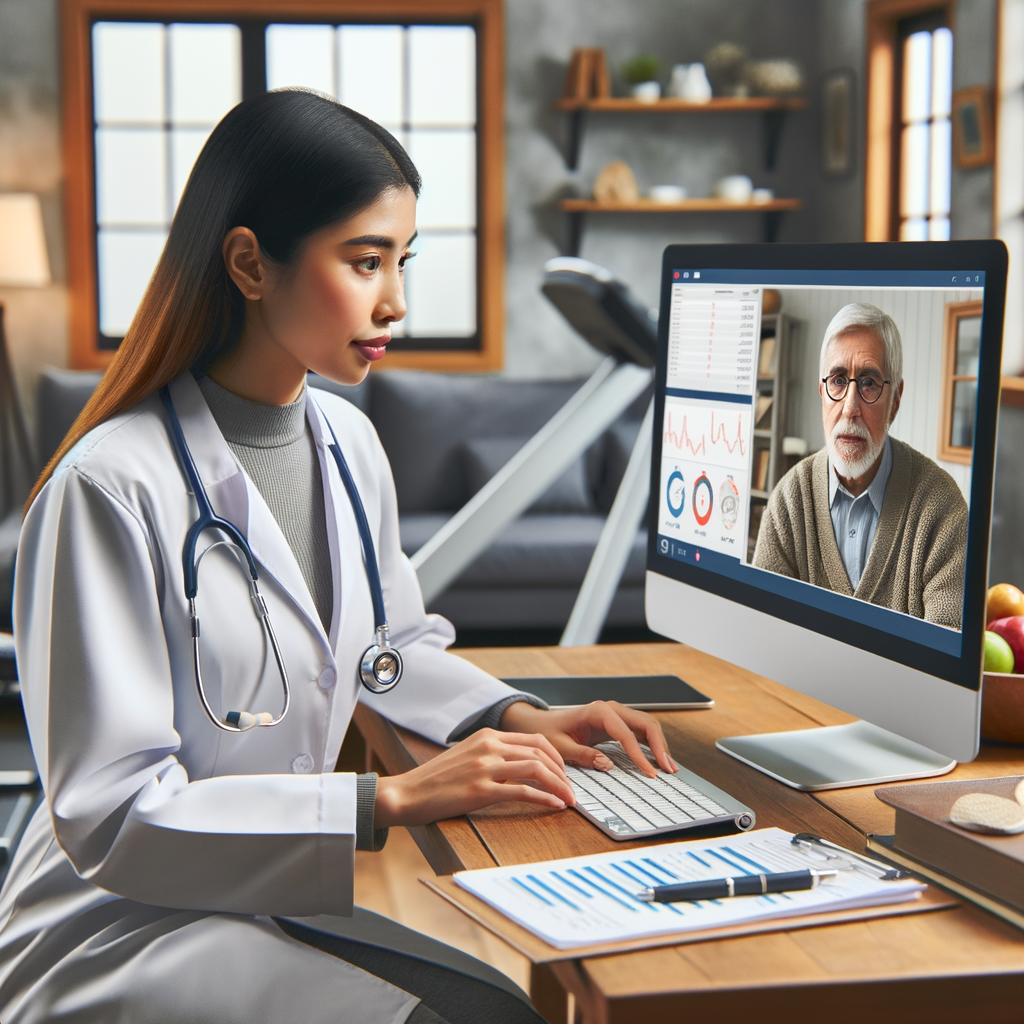
Telemedicine plays a crucial role in improving patient-doctor communication through various channels. From video conferencing to mobile apps, texting, and email, telemedicine offers a range of tools that enhance communication and streamline the healthcare process for both patients and healthcare providers.
Video conferencing is one of the key ways telemedicine enhances doctor-patient communication. Through virtual consultations, patients can connect with their healthcare providers from the comfort of their own homes, saving time and eliminating the need for travel. This not only improves accessibility for patients in remote areas but also offers convenience and time-saving benefits for all individuals involved.
Mobile apps have also revolutionized the way patients access their medical records and information. With just a few taps on their smartphones, patients can securely view their health data, test results, and treatment plans, empowering them to take an active role in their healthcare journey. This easy access to information fosters transparency and trust between patients and doctors.
Texting and email have become efficient communication tools in the realm of telemedicine. Patients can easily reach out to their healthcare providers with questions, concerns, or updates, receiving timely responses that help them stay informed and engaged in their care. These channels of communication streamline the healthcare process, ensuring that important information is shared in a timely manner.
Virtual consultations offer convenience and time-saving benefits for patients, allowing them to receive medical advice and treatment without the need to visit a physical clinic. This not only saves patients time and money but also reduces the burden on healthcare facilities, making it easier for patients to access the care they need.
Enhanced patient education through telemedicine platforms
Telemedicine platforms play a crucial role in enhancing patient education and engagement. Virtual consultations provide patients with easy access to healthcare providers, regardless of their location. This is particularly beneficial for individuals in remote areas who may have limited access to medical services.
Through video conferencing and mobile apps, patients can receive personalized education about their conditions, treatment options, and preventive care measures. This interactive approach to healthcare empowers patients to make informed decisions about their health and well-being, leading to better outcomes and improved quality of life.
Efficiency in communication is another key benefit of telemedicine platforms. With the ability to text or email their healthcare providers, patients can quickly and easily share information, ask questions, or request appointments. This streamlined communication process ensures that patients receive the care they need in a timely manner, improving overall satisfaction and engagement.
Telemedicine platforms provide convenience for both patients and doctors, allowing for flexible scheduling, easy access to medical records, and efficient communication. By leveraging these tools, healthcare providers can deliver high-quality care that is tailored to the individual needs and preferences of each patient, leading to better health outcomes and improved patient satisfaction.
Picture by: Dalle
Utilizing telemedicine for chronic disease management
Telemedicine plays a crucial role in chronic disease management, offering virtual consultations with healthcare providers that can help patients better manage their conditions. Through mobile apps, patients can easily access their medical records, track their symptoms, and communicate with their healthcare team, leading to improved outcomes and quality of life.
Video conferencing enhances communication between patients and doctors, allowing for real-time interactions that can help healthcare providers monitor patients’ progress, adjust treatment plans, and provide ongoing support. This personalized approach to care ensures that patients receive the attention and guidance they need to effectively manage their chronic conditions.
Texting and email provide additional benefits for patients with chronic diseases, allowing for efficient communication that can help patients stay on track with their treatment plans, medications, and lifestyle modifications. By leveraging these communication channels, healthcare providers can offer ongoing support and guidance that empowers patients to take control of their health and well-being.
Overall, telemedicine offers a comprehensive approach to chronic disease management that combines virtual consultations, mobile apps, video conferencing, and messaging tools to improve patient outcomes and enhance the patient experience.
Remote consultations for mental health services
Telemedicine has revolutionized the delivery of mental health services, offering remote consultations that provide convenience and accessibility for patients. Through virtual consultations, patients can connect with mental health professionals from the comfort of their own homes, eliminating barriers to care and ensuring that individuals receive the support they need.
Video conferencing enhances communication between patients and mental health providers, allowing for real-time interactions that can help providers assess patients’ mental health status, provide counseling and therapy, and monitor progress over time. This personalized approach to care ensures that patients receive the support and guidance they need to improve their mental well-being.
Mobile apps provide easy access to medical records and information, allowing patients to track their symptoms, monitor their progress, and access resources and tools that can support their mental health journey. By leveraging these digital tools, patients can take an active role in their treatment and recovery, leading to better outcomes and improved quality of life.
Texting and email offer additional benefits for patients seeking mental health services, providing efficient communication channels that can help patients stay connected with their providers, share updates, and access support in times of need. These communication tools streamline the delivery of care, ensuring that patients receive timely and effective support for their mental health concerns.
Overall, telemedicine offers a comprehensive approach to mental health services that combines remote consultations, video conferencing, mobile apps, and messaging tools to improve patient outcomes and enhance the patient experience.
Picture by: Dalle
Telemedicine as a tool for preventive care
Telemedicine plays a crucial role in preventive care, offering virtual consultations with healthcare providers that can help patients stay healthy and proactive about their well-being. Through mobile apps, patients can easily access their medical records, track their preventive screenings, and communicate with their healthcare team, leading to improved health outcomes and early detection of potential health issues.
Video conferencing enhances patient-doctor communication for preventive care, allowing for real-time interactions that can help healthcare providers assess patients’ risk factors, provide personalized recommendations, and monitor progress over time. This personalized approach to care ensures that patients receive the guidance and support they need to stay healthy and prevent future health problems.
Texting and email options increase efficiency and convenience for patients seeking preventive care, providing easy communication channels that can help patients stay on track with their preventive screenings, vaccinations, and lifestyle modifications. By leveraging these digital tools, healthcare providers can offer ongoing support and guidance that empowers patients to take control of their health and well-being.
Overall, telemedicine offers a comprehensive approach to preventive care that combines virtual consultations, mobile apps, video conferencing, and messaging tools to improve patient outcomes and promote a proactive approach to health and wellness.
Improved communication between healthcare providers and patients
Telemedicine enhances communication between healthcare providers and patients, offering virtual consultations that can help patients access care and support in a timely manner. Through mobile apps, patients can easily access their medical records, communicate with their healthcare team, and stay informed about their treatment plans, leading to improved outcomes and patient satisfaction.
Video conferencing provides efficient and convenient patient-doctor interactions, allowing for real-time communication that can help healthcare providers assess patients’ needs, provide guidance and support, and monitor progress over time. This personalized approach to care ensures that patients receive the attention and care they need to stay healthy and engaged in their treatment.
Texting and email options improve accessibility and communication between appointments, providing patients with easy channels to reach out to their healthcare providers, ask questions, or share updates. By leveraging these communication tools, healthcare providers can offer ongoing support and guidance that empowers patients to take an active role in their care and well-being.
Overall, telemedicine offers a comprehensive approach to communication between healthcare providers and patients that combines virtual consultations, mobile apps, video conferencing, and messaging tools to improve patient outcomes and enhance the patient experience.
Conclusion
In conclusion, telemedicine plays a crucial role in improving patient-doctor communication through virtual consultations, mobile apps, video conferencing, and messaging tools. By leveraging these digital tools, healthcare providers can offer personalized care, improve accessibility to medical records, streamline communication, and enhance the overall patient experience. Telemedicine has the potential to revolutionize the way healthcare is delivered, offering convenience, efficiency, and improved outcomes for patients and healthcare providers alike.