Welcome to the world of AI-powered Bing searches! Gone are the days when search engines would simply deliver generic results based on a handful of keywords. Today, with advanced machine learning algorithms and natural language processing techniques, Bing is transforming searches into personalized experiences that cater specifically to your interests and preferences. In this blog post, we’ll explore how AI is revolutionizing the way we look for information online and what it means for businesses and individuals alike. So buckle up and get ready to discover a whole new level of relevance in your search results!

AI and Bing Searches

Bing is one of the most popular search engines on the internet and it’s used by millions of people every day. It’s also constantly evolving, improving its algorithms to give you more relevant results.

One way that Bing is continually improving its search results is by using artificial intelligence (AI). AI helps Bing understand what you’re looking for and provides you with recommendations based on that information. This means that your searches are more personalized and relevant to your needs.

Here are a few examples of how AI is being used in Bing searches:

1. When you’re searching for something specific, like a movie title or an artist, AI will recommend related topics and content. This ensures that your search results are always up-to-date and relevant.

2. If you’re looking for a particular restaurant or store, AI will help you find reviews and ratings related to that business. This way, you can easily make informed decisions about where to go next.

3. Finally, if you’re trying to find something specific online but don’t know how to start, AI can help guide you through the process step-by-step. This makes finding what you’re looking for much easier!

The Advantages of AI-Enabled Bing Searches

From the days of typed search terms into a Windows computer’s search bar, Bing has always pushed the envelope in how users can find what they’re looking for on the internet. However, recent advancements in artificial intelligence (AI) have allowed Bing to take its search capabilities one step further by personalizing results for each individual.

The benefits of AI-enabled searches are myriad. Not only does it provide more relevant results, but it also eliminates the need to manually enter information from webpages. This means you can quickly and easily access the information you need without having to waste time copying and pasting URLs. Additionally, personalized search results help you avoid spending time hunting through irrelevant pages.

Not only is AI-enabled Bing searching beneficial for individuals, but businesses too can take advantage of these advances. By tracking user preferences and activity, businesses can tailor their website content and advertisements to better match those interests. Additionally, by using AI-enabled filters, businesses can block inappropriate or offensive content while still providing users with relevant options.

How to Use AI in Your Bing Searches

How to Use AI in Your Bing Searches

The use of artificial intelligence (AI) has transformed the way we search for information. With AI, you can get relevant results more quickly and easily than ever before. Here are four ways to take advantage of AI in your Bing searches:

1. Use cognitive computing technologies to personalize your search results.
2. Try searching with a question or topic that interests you.
3. Look for related keywords in your search terms and phrases to boost your results.
4. Use the Advanced Search tool to explore specific information needs.

Conclusion

Bing search has always been a great way to get quick answers to your questions, but it’s not just about providing the right information. With AI, Bing is able to personalize your search results based on what you have previously searched for and liked. This gives you access to the information that you want and need, without having to wade through pages of results. It’s an excellent way to make sure that your searches are as relevant as possible, no matter what topic you’re looking into.
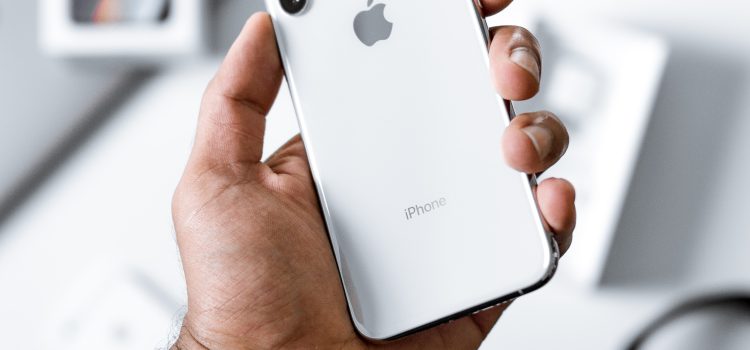

Are you tired of hoarding your old iPhones in your drawer or throwing them away? Well, here’s some good news: recycling them with Apple and carriers can actually bring you a range of benefits beyond just decluttering. From reducing e-waste to earning cashback offers, this responsible approach towards disposing of your old devices has multiple advantages. So why not take the first step towards sustainability and learn more about the hidden benefits of recycling your old iPhone with Apple and carriers?

What is recycling?

The recycling process begins by sorting the materials into three categories: ferrous, non-ferrous and plastics. Ferrous metals are steel, iron, copper and other alloys. Non-ferrous metals include aluminum, brass and other materials that can be easily recycled. plastics are divided into two categories: polyethylene and polypropylene.

After the materials have been sorted, they are brought to a recycling plant where they are melted down and reformed into new products. The most common uses for recycled metals are in new cars and appliances, while plastic is often used in new products or as packaging material. Recycling not only saves resources but also helps reduce pollution from landfills.

What happens to your old iPhone when you recycle it with Apple and your carrier?

The recycling process of an old iPhone begins by first removing the old battery, SIM card and any other removable components. Apple then sends the device to their certified recycler where it is inspected for quality and repaired as needed. The refurbished device is then returned to Apple and the carrier who will give you a new battery, SIM card or other accessory depending on what was removed from the original phone. Overall, recycling your old iPhone with Apple and your carrier can save you money in the long run as a refurbished device typically costs less than buying a new one.

How to recycle your old iPhone with Apple

If you’re thinking of recycling your old iPhone, there are some important things to keep in mind.

First, make sure to get an estimate from a local recycler before you start. This will help ensure that your old phone gets the best possible treatment and is recycled in a responsible way.

Second, remember that Apple and carriers take a cut of the proceeds from recycling old iPhones. Depending on the region, this can range from around 12% to 35%. So if you’re looking to make money off of your old phone, be prepared to pay up.

But despite these potential costs, recycling an old iPhone can be very rewarding. For one thing, it helps reduce waste and pollution. And second, it can earn you some cash – even if you don’t sell your old phone outright.

So if you’re planning on getting rid of an old iPhone soon – or just want to know more about the benefits of recycling – read on for tips and advice.

How to recycle your old iPhone with your carrier

If you have an old iPhone that is no longer usable or you are ready to recycle it, there are a few things you need to do in order to make the recycling process as smooth as possible. First, check with your carrier to see if they offer a recycling program for old iPhones. Many carriers will take back and recycle old iPhones for a small fee, and some even offer a discount on new iPhone purchases for people who recycle their old one. Next, head over to Apple’s website and sign up for its recycling program. Once you sign up, Apple will send you instructions on how to safely dispose of your old iPhone. Finally, make sure to take all the necessary precautions when recycling your old iPhone so that everything goes smoothly and there are no accidents. By following these simple steps, you can ensure that your old iPhone gets recycled successfully and that you get some redeeming value out of it in the process!

The hidden benefits of recycling your old iPhone

There are many hidden benefits to recycling your old iPhone. Here are a few:

1. Your old iPhone is helping to reduce the amount of waste going into landfills.
2. Apple and carriers often give a discount on new iPhones when you recycle your old one. This can be as much as $200 off the price of a new iPhone.
3. By recycling your old iPhone, you’re helping to create jobs in the recycling industry.
4. You may be able to get your money back if your old iPhone is broken or no longer works properly.

Do you ever feel like your phone is constantly ringing with unwanted calls from robocallers and telemarketers? It’s not just you. The rise of technology has made it easier for scammers to bombard us with spam calls, leaving many of us feeling frustrated and annoyed. But fear not! There are ways to protect yourself and scam-proof your phone. In this ultimate guide, we’ll go over the best techniques to block those pesky calls and keep your phone safe from potential scams. So sit back, relax, and get ready to take control of your phone once and for all!

What is a Robocall?

What is a Robocall?

A robocall is a telemarketing call that uses automated dialing technology to make large numbers of calls in a short period of time. Robocalls are often intrusive and can be annoying, so it’s important to know how to scam-proof your phone to avoid them.

How do Robocalls Work?

Robocalls use an automated dialing system to make many calls in quick succession. This technique is used to exploit people who have low levels of resistance to persuasion or who are otherwise busy. If you get a lot of robocalls, there’s a good chance they’re from telemarketers.

How Can I Avoid Getting Robocalled?

There isn’t a single answer to this question since different people respond differently to robocalls. However, some tips for avoiding them include: never giving out personal information like your address or phone number, setting up caller ID blocking on your phone so you don’t have to listen to voicemails from unknown numbers, and installing anti-spam software on your computer and phone.

How to Block Robocalls

If you’re like most people, you’ve received countless robocalls and telemarketing calls over the years. And while they may seem harmless at first, those pesky calls can quickly become a nuisance.

Fortunately, there are a few simple steps you can take to help protect yourself from these unwanted calls. In this guide, we’ll outline how to block robocalls on your phone and stop them from disrupting your life.

How to Block Robocalls on Your Phone: Step One

The first step is to identify which type of robocall you’re receiving. There are three main types of robocalls: commercial, political, and telemarketing.

Commercial robocalls are usually from companies that you’ve never heard of before. They might offer you a free product or try to sell you something related to your interests. Political robocalls are calls from candidates or political parties trying to get your vote. Lastly, telemarketing robocalls are made by businesses that want to sell you something (usually something unrelated to your own interests).

Once you’ve identified the type of call, the next step is to block it. To do this, open up the settings menu on your phone and scroll down until you see “Blocking / Unblocking Numbers.” Click on it and then select “Block Calls From This Number.” You can also manually add numbers that you don’t want to receive calls from into this list.

How to

How Telemarketers Track Your Phone Calls

Telemarketers track your phone calls in order to sell you products or services. They use caller ID information, including the number that was called, to identify who you are and how to reach you. You can help protect yourself by using call blocker tools and setting up call screening rules.

Call blocker tools allow you to screen out unwanted calls before they reach your phone. You can also set up a rule that automatically blocks calls from telemarketers. You can find call blocker tools and installation instructions on the websites of popular phone companies, such as Verizon and AT&T.

To prevent telemarketers from using caller ID information to track your whereabouts, you should never give out your full name or address when making a telephone call. If a telemarketer is persistent in trying to contact you, tell them that you will not answer their calls until they provide you with proper identification, such as an ID card or business card.

The Top 5 Scams Telemarketers Use to Contact You

The top 5 scams telemarketers use to contact you include:

1. The unexpected call. A telemarketer might call you out of the blue, asking for your immediate attention. Don’t be fooled! This is a common tactic used by telemarketers to catch you off guard and make it more difficult for you to say no. If it seems too good to be true, it probably is.

2. The phony survey. A telemarketer might tell you that they need your input on a survey or that they have some new information about a product that would benefit you. But be very careful about surveys – often they are designed to get your contact information so the telemarketer can sell you more products or services later on.

3. The high pressure sale. Telemarketers know that when they bombard you with sales pitches, it’s more likely that you’ll buy something from them. They might start by telling you how important it is that you take their offer right away, but be careful – if something sounds too good to be true, it probably is!

4. The door-to-door salesman. This type of scammer usually starts by calling your house pretending to be somebody else – like the police or a utility company representative – and then tries to sell you something without your permission. Be sure to ask for identification before agreeing to anything, and never let anyone into your home who isn’t

How to Protect Yourself from Scams

There are various ways you can protect yourself from scams, which we’ll outline below. However, be sure to also read our blog post on how to avoid getting scammed in the first place.

1) Use a strong password: Make sure your password is at least eight charters long and contains a combination of letters, numbers, and symbols. Don’t use easily guessed words like “password” or the name of your pet!

2) Enable two-factor authentication: This adds an extra layer of security to your account by requiring you to enter not only your password but also a code sent to your phone via text or an app.

3) Don’t give out personal information: If someone asks for your bank account number, social security number, or other sensitive information, don’t offer it up! Scammers will often use this information to steal your money.

4) Be suspicious of unsolicited emails and calls: If you don’t know somebody and somebody contacts you out of the blue offering free services or products, be careful about clicking on links in their emails or giving them access to your personal information. Many scammers target unsuspecting people with these types of messages.

5) Report scam attempts: If you ever receive a call that seems strange or if someone tries to get access to your financial information through email or social media, please report the incident to our team here at Lifehacker

Are you one of those people who just can’t resist scrolling through social media, watching videos, or playing games on your phone before hitting the sack? You’re not alone. However, did you know that using your phone before bed is doing more than just exposing you to blue light? It’s actually ruining the quality of your sleep and affecting your overall health. In this blog post, we’ll uncover why using your phone at bedtime is a bad idea and explore some simple solutions to help break this habit for good. So put down that device and read on!

What is blue light and how does it affect the body?

Light emitted from electronic screens and other devices at night before bed can disrupt the body’s natural sleep rhythms and induce fatigue the next day. This is because blue light has a short wavelength that stimulates the brain to produce cortisol, which is a stress hormone. Excessive cortisol release can lead to disrupted sleep, increased anxiety levels, difficulty concentrating, and weight gain.

To combat these negative effects, avoid using electronics before bedtime by turning off all screens at least an hour before bedtime. If you must use a screen device, try to limit your exposure to blue light by using a red or yellow light filter or using an app that blocks blue light hours before bedtime.

The Effects of Blue Light on the Body

The short answer to this question is that blue light from screens can mess with your circadian rhythm, which can lead to disrupted sleep. In fact, research has shown that using electronic devices before bedtime negatively affects your sleep quality and quantity.

Experts say that because blue light is especially damaging to the human eye, it’s important to avoid using screens in dark environments before bedtime. Instead, try reading a book or using an app that doesn’t emit blue light. Additionally, make sure you’re using your phone in moderation and only for necessary tasks.

How to Reduce Exposure to Blue Light at Night

The blue light emitted from electronic devices is known to disrupt sleep, according to a new study. Researchers at the University of Missouri found that people who use personal electronics before bed are more likely to have disrupted sleep. The study found that when people use screens before bed, their levels of melatonin, a hormone that helps regulate circadian rhythm and sleeping patterns, were significantly reduced. Melatonin is produced in the dark and regulated by sunlight exposure. When people use screens late at night or in the early morning hours, their levels of melatonin are significantly lowered because they’re not getting enough exposure to sunlight. In addition to disrupting sleep, using personal electronics before bed also increases the risk for developing chronic diseases such as obesity and Type 2 diabetes.

If you find yourself struggling to get quality sleep due to your addiction to your phone, there are several things you can do in order to reduce your exposure to blue light:

1) Use an alarm clock with a timer instead of an automatic setting. This way you can set a time limit for screen time and stick to it no matter what.

2) Set your device’s brightness level lower during evening hours. This will help reduce the amount of blue light entering your eyes.

3) Stick to using devices exclusively for entertainment purposes in designated areas of your home such as your living room or bedroom only . Do not put them in other areas where they may be used for work or checking emails. Doing so will help reduce distractions from other

Conclusion

We all know that using our phones before bed is bad for our sleep, but why? According to recent studies, exposure to blue light before bed is one of the major factors behind why we are getting less rest. Blue light has been shown to suppress Melatonin production, which can lead to decreased energy levels and disrupted sleep patterns. If you’re struggling with poor sleep due to your phone use, there are a few simple tweaks you can make in order to improve your slumbering habits.

Are you tired of hearing about the negative effects of screens on children? So was I. As a writer, it felt like every pitch or article idea had to involve some kind of cautionary tale about kids and technology. But after years of limiting myself to this topic, I decided it was time for a shift. In this blog post, I’ll share my journey from writing solely about the dangers of screens to empowering parents with practical tips and insights for navigating our increasingly digital world. It’s time to move away from fear-mongering and towards a more balanced approach that acknowledges both the benefits and challenges of raising kids in today’s tech-savvy society.

Background

When I started blogging eight years ago, one of my goals was to share my knowledge and help other parents raise better kids. But as I’ve grown older, I’ve realized that parenting is more than just policing what our kids do on screens.

Sure, I still want them to avoid screens for as long as possible, but the reality is that they’re going to use screens at some point in their lives – whether it’s for homework, playing games, or checking Facebook.

So instead of writing about how to limit screen time and teaching our kids not to be addicted to technology, I’ve decided to shift my focus away from screens and towards empowering them. Here are five reasons why I believe this approach is more effective:

1) It lets our kids learn from their mistakes. When weLimit screen time, we’re setting an arbitrary limit without giving our kids a chance to learn from their mistakes. By empowers children by giving them freedom (within limits), they can learn from their own mistakes and become better problem-solvers.

2) They become more independent. When we give our kids freedom within limits, they’re likely to become more independent in both personal and professional life domains. In fact, a study published in The Journal Of Experimental Child Psychology found that children who have greater autonomy are less likely to engage in problematic behaviors like alcohol and drug abuse or run away from home. [1]

3) They have fun AND learn! With freedom

What Prompted the Change

For years, I have been a prolific writer about how kids and screens are damaging our society and how we need to limit screen time for our children. I was motivated to write this way because I felt like I had experienced first-hand how screens were harming my daughter.

But over the past few years, I’ve been evolving in my thinking about screens and kids. I’ve come to believe that screens can be empowering for kids, if used appropriately. Here’s why:

1. Screens Can Teach Responsibility

The most obvious benefit of screens is that they teach responsibility. Kids learn how to manage their time by using screens as tools. They learn how to set boundaries and limits, and how to be productive when they’re on their devices. This can be especially important when it comes to getting good grades in school, since many students today are struggling with academic stress due to inadequate sleep and too much screen time (according to The Atlantic).

2. Screens Can Help Kids Build Skills

Another advantage of screens is that they can help kids build skills. Many young people today lack basic life skills, such as cooking or cleaning up after themselves. But by using screens, kids can develop important skills such as critical thinking, problem solving, communication, relaxation techniques, and more (according to the website MomsTeam). For example, my daughter learned how to make a cake from scratch using an online recipe platform – something she would never have been able to do if

The Benefits of Refocusing My Writing

When I first started writing about kids and screens, I was very focused on limiting their exposure to screens. I believed that if we could just get them off devices, they would be better off. But as I learned more about the research and studies on screen use, I realized that this wasn’t true. In fact, limiting screen time actually has negative consequences for children.

One of the biggest benefits of refocusing my writing is that I’ve been able to change the conversation around screen time. Instead of talking about how much screen time kids should have, I’m now focused on how to best use screens in a positive way. This has led to more discussions with parents and kids about what’s appropriate and what’s not.

Another benefit is that my readership has grown exponentially since I shifted my focus away from kid and screens. Instead of only seeing articles about how to limit screen time, now people are reading about how to best use screens for learning and growing. This isn’t just beneficial for me as an author; it’s also beneficial for kids who are getting the education they need without being bogged down by screens

How to Shift from a Limiting Perspective to an Empowering One

So how did I go from writing about kids and screens to being someone who is more empowered by their use? It started with recognizing my own limitations.

When I started writing about kids and screens, I had a lot of opinions and was very judgmental. For example, I would say that all kids are addicted to screens and that they’re ruining their lives. But as I looked at my own life, I realized that wasn’t really true. In fact, I was using screens myself!

So instead of trying to tell people what to do or how to live their lives, I decided to listen to them and learn what made them happy. And surprisingly enough, it turns out that a lot of the things we used to think were bad for kids were actually good for them! For example, spending time outdoors—even if it’s just for a little while—can help kids build muscle memory and improve their vision. Plus, spending time with family is important no matter what age you are.

After learning these things, it became easier for me to see the benefits of using screens in moderation. Sure, there are some downsides (like screen time interfering with sleep), but overall I feel more connected to my kids and am less frustrated with their screen use now than when I was writing about it earlier in my career.

Conclusion

Writing about kids and screens has been a mainstay in my career for over a decade. I’ve written countless articles, blog posts, and tweets extolling the virtues of screen time for children and parents alike. But after spending more time with my own children and realizing just how damaging screens can be, I shifted gears dramatically last year and began writing about limiting screen time instead. In the process of rewriting my entire body of work on this topic, I came to realize that what had formerly seemed like commonsense advice was actually quite limited. By focusing only on restricting screen time, we run the risk of creating generations of kids who are deprived (and therefore resentful) of important emotional & cognitive development opportunities. So instead of preaching abstinence, which is largely ineffective & potentially harmful, I’m advocating for a more nuanced approach to limiting screen time – one that takes into account each child’s unique strengths & weaknesses.

Are you tired of scrolling through your Instagram feed and seeing endless ads for weight-loss supplements, teas, and programs? While these products may promise quick results and the perfect body, there’s a dark side to this type of advertising that often goes overlooked. In this blog post, we’ll dive into the shady tactics used by some weight-loss companies on Instagram and what you need to know before falling for their claims. Get ready to uncover the truth behind the flashy before-and-after photos and learn how to protect both your wallet and your health from deceptive marketing practices.

The Problem with Weight-Loss Advertising on Instagram

Weight-loss advertising on Instagram can be a very tempting way to lose weight. However, there are a few things you need to know before you start using this platform to try and lose weight.

First of all, Instagram does not officially endorse or support weight loss through their platform. In fact, they have made it clear that they do not want any part of promoting an unhealthy lifestyle or body image.

Secondly, studies have shown that weight-loss ads on Instagram lead people to eat more junk food and calories overall. This is because the ads make them feel like they need to achieve the goal of losing weight fast, which makes them more likely to diet in a way that’s harmful to their health.

Last but not least, Instagram users are sensitive about how they look and feel. Ads that promote calorie counting or extreme exercise routines can actually cause people to give up on their goals much faster than they might have otherwise. Instead of focusing on healthy foods and exercise habits, these people may end up turning to unhealthy methods in order to try and lose weight quickly.

What to Do if You’re Affected by Weight-Loss Advertising on Instagram

If you’re experiencing negative feelings or behaviors as a result of weight-loss advertisements on Instagram, there are some steps you can take to address the situation.

First, it’s important to understand that the advertising on Instagram is not personal. The images and messages displayed aren’t meant to be interpreted as harassment or bullying, but as marketing tools meant to promote healthy lifestyles.

If you feel like you’re being targeted unfairly by ads for weight loss products, there are a few things you can do:

1. Speak with the advertiser. If you have an issue with their ad, reach out to them and let them know. Explain why the ad is making you uncomfortable and ask for changes or removal of the ad.

2. Report the ad to Instagram. If you believe that an ad is harmful or offensive, report it to Instagram through their reporting tool. This will help ensure that such ads are removed from the platform and that other users don’t experience similar harm.

3. Hang up your phone and social media altogether. If all else fails and you find yourself feeling overwhelmed by weight-loss advertisements on Instagram, consider taking a break from the platform altogether until things calm down.

Conclusion

If you’re looking to shed a few pounds, Instagram can be a great place to start. But be aware of the dark side of weight-loss advertising on Instagram – ads that are designed to trick you into thinking that weight loss is simple and easy. If you’re considering trying weight loss through Instagram, make sure you understand the warning signs first so that you don’t end up losing more than you bargained for.

Are you feeling tired, achy or experiencing unexplainable bruises? Did you know that these could be signs of a Vitamin K deficiency? This often-overlooked vitamin plays an important role in blood clotting and bone health. But how can you tell if you’re not getting enough? In this blog post, we’ll take a closer look at the signs and symptoms of a Vitamin K deficiency, so you can get back to feeling your best self.

What is Vitamin K?

Vitamin K is a water soluble vitamin required for blood clotting. It is also needed for the body to make some proteins. In the United States, it is mostly found in leafy green vegetables and fruits. There are two types of vitamin K, phylloquinone (vitamin K1) and menaquinones (vitamin K2).

Vitamin K deficiency can cause problems with blood clotting, including strokes and heart attacks. It can also lead to problems with bone health, including a lack of calcium in the bones and an increased risk of fractures. The most common symptoms of a vitamin K deficiency are bleeding problems, including nosebleeds and excessive menstrual bleeding, and pain when you stand up from sitting or lying down.

What are the Signs and Symptoms of Vitamin K Deficiency?

Vitamin K is a water soluble vitamin and is found in leafy green vegetables, as well as legumes. It helps the body to form blood clots and aids in the absorption of other nutrients. Vitamin K deficiency can lead to serious health problems including bleeding disorders, birth defects, and osteoporosis. The most common symptoms of vitamin K deficiency are irregular bleeding, fatigue, headaches, nausea, and vomiting. If you are experiencing any of these symptoms, it is important to speak with your doctor about your condition.

How to Cure Vitamin K Deficiency?

If you are deficient in vitamin K, you may experience pain during childbirth, bone fractures, and other serious health problems. Here’s how to get your levels back up:

Eat a variety of vegetables and fruits that are high in vitamin K. These include kale, Swiss chard, spinach, grapefruit, oranges, and figs.

drink milk or yogurt fortified with vitamin K.

Take a supplement containing vitamin K.

Conclusion

Vitamin K is important for blood clotting, bone health, and preventing diseases like osteoporosis. If you are deficient in vitamin K, you might experience symptoms such as pain and bruising, difficulty walking or climbing stairs, prolonged bleeding after injuries, and a decrease in your platelet count. If you are unsure if you are deficient in vitamin K or have any of the signs and symptoms listed above, speak to your doctor.

Are you curious about donating blood but unsure of what to expect? Donating blood is a selfless act that can potentially save lives, but it’s understandable if you have questions or concerns. To help ease your worries and prepare you for the process, we’ve compiled a list of the top questions you’ll likely be asked when donating blood. So grab a seat and read on to learn everything you need to know about becoming a blood donor!

What is the difference between blood and plasma?

Blood is made up of red and white blood cells, plasma, and platelets. Plasma helps to carry oxygen and nutrients to the cells, collects waste products, and fights infection. Platelets play a role in healing by helping to stop bleeding.

The main difference between blood and plasma is that blood is made up of whole red blood cells while plasma contains only some of the cells (red blood cells, white blood cells, and platelets). In fact, only about 3% of the volume of blood is composed of plasma.

Some people choose to donate whole blood instead of plasma because they believe it has more medicinal value. Whole blood contains all the elements (blood cells, platelets, proteins) that are necessary for proper health. Some people also believe that whole blood offers greater potential for healing than plasma does.

On the other hand, some people choose to donate plasma because they believe it has more therapeutic value. Plasma contains all the elements (blood cells, proteins) that are necessary for healing but it also includes antibodies and other immune system components.

There are several reasons why someone might need antibodies or other immune system components. For example, someone who is receiving radiation therapy or fighting cancer might need high levels of antibodies in order to fight off infections. Or a person who is allergic to latex might need antibodies in order to fight off an allergic reaction.

What are the benefits of donating blood?

There are many benefits to donating blood, which can include helping others in need and making a difference in someone’s life. Here are some of the top reasons to consider giving blood:

1. You could save lives.

Every year, blood donations help patients around the world receive the lifesaving transfusions they need. In fact, according to the American Red Cross, every 1 percent increase in the number of people who donate blood results in a 1 percent decrease in patient deaths from blood clots.

2. You could make a difference for someone you know.

Donating blood is not just about helping others; it’s also about making a positive impact on the lives of those you know. Every donation helps replenish stock for hospitals nationwide, so your generosity has real-world consequences. Plus, by signing up to donate through your local Red Cross chapter, you can get involved in exciting volunteer opportunities or receive valuable donor recognition (like gift cards and trophies).

3. You could feel good about yourself.

Giving back doesn’t have to be something that feels uncomfortable or obligatory; it can be fun! That’s why donatingblood.org offers plenty of ways for donors to connect with other donors and feel pride in their work – whether they give one time or multiple times throughout their lifetime as part of their ongoing commitment to society and humanity as a whole.

How often should I donate blood?

FAQ about donating blood

1. How often should I donate blood?

You can donate plasma, platelets or whole blood every two weeks. Red cells are collected once a month.

What are the risks of donating blood?

When you donate blood, there are a few things to keep in mind. Here’s what you need to know about the risks:

1. Most donors have no symptoms or problems after donating. However, about 1 in 5,000 donors develop a serious complication such as life-threatening anemia.

2. If you’re pregnant, breastfeeding, have any kind of medical condition or take medications that can interfere with your blood’s ability to clot, talk to your doctor before you donate.

3. If you develop a fever or chills within 24 hours of donation, call your doctor immediately. Donors who develop these symptoms should also stop donating and see their doctor.

4. Finally, always follow the instructions of your health care provider when it comes to blood donations (e.g., avoid eating heavy meals an hour before giving).

How much does it cost to donate blood?

Donating blood is a simple and easy way to help others in need. The average donation takes about an hour and can save up to three lives. Here are some of the top questions you’ll likely be asked when donating blood:

When should I donate?

Most people are best suited to donate between 1 and 2 p.m. However, if you have any medical conditions or allergies, please speak with your doctor before making a donation.

How many donations do I need?

The American Red Cross recommends that you make at least four donations over a lifetime. However, the most optimal number of donations may vary depending on your own health and the needs of those in need. Talk to your doctor or donate center about what’s best for you.

What should I wear when donating blood?

If you’re thinking about donating blood, here are some tips to help you prepare:

-Arrive with a list of questions you want to ask the staff. This will make the process more smoothly for both you and the staff.

-Wear comfortable clothes that you can move around in, and be prepared for a long wait. Donating blood takes time, so be patient!

-Tell your friends and family what you’re doing so they don’t feel left out if they’re unable to come along. They can still send donations in your name.

What should I do if I get sick before or after donating blood?

If you are sick before or after donating blood, here are some tips to help make your donation go as smoothly as possible:

– Let the blood center know as soon as possible if you feel ill. They will take steps to minimize your risk of being contagious while you donate and may recommend that you not donate.

– If you have a fever, chills, or a headache, let the blood center know. This can affect how well your blood is processed and may mean that your donation won’t be accepted.

– Avoid eating or drinking anything for two hours before donating. This will help ensure that your blood is processed safely and quickly.

– Arrive at the donation center feeling well-rested and hydrated. Don’t drink alcohol or caffeine within two hours of giving blood. These substances can increase stress levels and make it more difficult for your body to process donations properly.

Conclusion

If you’re curious about donating blood, but aren’t sure if it’s something you could do, this article is for you. We’ve answered some of the most commonly asked questions about donating blood and given tips on how to prepare for your donation so that it goes as smoothly as possible. Whether or not you decide to donate blood, we hope that our article has helped make your decision a little easier.

Have you ever heard of Ramsay Hunt Syndrome? This rare condition may not be a household name, but its symptoms can be incredibly debilitating. From hearing loss to facial paralysis, the effects of this syndrome can have a significant impact on daily life. In this blog post, we’ll take a closer look at what Ramsay Hunt Syndrome is and the various ways it manifests in those who experience it. So grab your reading glasses and get ready to learn about this fascinating – albeit challenging – medical condition!

What is Ramsay Hunt Syndrome?

Ramsay Hunt Syndrome (RHS) is a rare neurologic disorder caused by a lack of the enzyme Huntingtin. It affects the brain and spinal cord, leading to problems with movement, speech, and facial paralysis.

There is no known cure for RHS, but treatment includes medications and surgery. In most cases, people with RHS will require lifelong care.

Symptoms of Ramsay Hunt Syndrome

Ramsay Hunt Syndrome is an inherited condition that causes problems with the nerves that control the muscles in your face and neck. Symptoms can vary depending on where the damage occurs, but they usually include hearing loss, facial paralysis, and difficulty speaking or swallowing. The syndrome is caused by a mutation in one of the genes that helps produce nerve cells. It’s not always easy to diagnosis, because symptoms can also be caused by other conditions. If you’re worried about your symptoms, talk to your doctor.

How to Diagnose Ramsay Hunt Syndrome

Ramsay Hunt syndrome is a rare disorder that affects the nervous system. It can cause problems with hearing, vision, speech, and movement. Ramsay Hunt syndrome is often difficult to diagnose because it has many symptoms and there is no single test that can confirm it.

To diagnose Ramsay Hunt syndrome, your doctor will exam you for signs and symptoms of the disorder. These may include problems with hearing, vision, speech, or movement. Your doctor may also do tests to see if you have damage to your nerves. If you are diagnosed with Ramsay Hunt syndrome, your doctor may recommend treatments to help improve your symptoms.

Treatment for Ramsay Hunt Syndrome

There is no cure for Ramsay Hunt Syndrome (RHS), but there are treatments available that can help reduce the symptoms. Treatment options may include speech and language therapy, occupational therapy, physical therapy, and medication. Some people with RHS also require assistance from a personal assistant or caretaker.

Ramsay Hunt syndrome is a disorder caused by a lack of coordination between the brain and the body. The disease causes problems with hearing, vision, movement, swallowing, breathing, and speech. Symptoms can vary from person to person, but common features include difficulty hearing or speaking, difficulty seeing in one or both eyes, trouble moving your arms and legs, difficulty swallowing or breathing, and difficulty making coordinated movements.

There is no known cause of RHS. It is believed to be an inherited condition caused by a problem with the central nervous system. There is currently no cure for RHS and it is considered to be a lifelong condition. However, there are treatments available that can help reduce the symptoms. Treatment options may include speech and language therapy, occupational therapy, physical therapy, and medication. Some people with RHS also require assistance from a personal assistant or caretaker.

Prevention of Ramsay Hunt Syndrome

Ramsay Hunt Syndrome is a neurological disorder that can cause deafness, facial paralysis, and other symptoms. It’s caused by a problem with the way the brain sends signals to the body. Ramsay Hunt Syndrome is rare, but it’s possible for it to happen to anyone. If you think you might have Ramsay Hunt Syndrome, see your doctor. Early diagnosis and treatment can help improve your health.

Are you afraid of needles? How about being trapped in your own mind for what feels like an eternity? That’s exactly what happened to me during my ketamine treatment. It was a nightmare come to life, but I survived it and came out the other side with a newfound appreciation for life. Join me as I share my story and the lessons I learned from one of the most terrifying experiences of my life.

What is Ketamine?

Ketamine is a general anesthetic that has been used in veterinary and human medicine for more than 50 years. It was developed as an alternative to barbiturates and currently enjoys widespread use across the globe. Ketamine is also used recreationally, particularly in the form of “Special K” (ketamine hydrochloride).

When used therapeutically, ketamine produces a near-weightless state that allows for extensive surgery. When abused, however, ketamine can produce a wide array of negative side effects, including:

tics (irregular movements)

nausea and vomiting

anxiety and confusion

delirium and hallucinations

How Does Ketamine Affect the Brain?

Ketamine is a drug that can be used as an anesthetic during surgery. It has also been used in research to study how the brain works and to treat conditions such as depression, anxiety, and cluster headaches. Ketamine is a Schedule III controlled substance in the United States and has a low potential for abuse.

When ketamine is administered intravenously, it binds to receptors in the brain called NMDA receptors. These receptors are responsible for transmitting signals between different parts of the brain. When ketamine binds to these receptors, it causes neurons to fire abnormally fast. This process creates a feeling of euphoria and dissociation similar to what people feel when they are under anesthesia.

The effects of ketamine last about 60 minutes and can last up to three hours when injected intravenously or subcutaneously. The most common side effects of ketamine include dizziness, hallucinations, and amnesia. Serious side effects include kidney problems, respiratory failure, and death.

What to Expect During Treatment with Ketamine

The treatment itself is relatively short, typically lasting around an hour. However, the experience can be a very intense one as ketamine is known to produce dissociative effects. Dissociation occurs when the parts of the brain that are responsible for thinking, feeling and experiencing reality become disconnected. This can lead to feelings of being out of body or feeling like you are in a dream. During treatment with ketamine, it is common to experience hallucination and delusions which can be extremely unsettling and frightening. It is important to remember that these effects will last only a short time and will eventually subside.

Although ketamine typically produces intense hallucinations and delusions during treatment, it is also reported to have a number of benefits including reducing pain levels and improving moods. This makes it an appealing option for people who are seeking relief from symptoms such as anxiety, depression, chronic pain or PTSD. It is important to keep in mind that although ketamine may be helpful in some cases, it should not be used as a replacement for professional counseling or therapy.

My Nightmare with Ketamine

I had the worst experience with ketamine ever. I was given the drug by a doctor to help me deal with anxiety, but it turned into a nightmare.

The first time I took ketamine, I felt like I was going to wake up from the dream. The second time was even worse. My mind was all jumbled up and I couldn’t focus on anything. That’s when the scary hallucinations started.

First, I saw people walking around in circles and then they started changing into animals. Then things got really bad and I started seeing faces that weren’t there AT ALL! It was like someone had pulled all the curtains closed in my head, leaving me completely alone with my fears.

It took days for me to get over that one and thankfully, the hallucinations haven’t come back since then. But what I Learned From My Nightmare With Ketamine is that you have to be very careful when taking this drug – it can be incrediblydangerous if not used correctly!

The Aftermath of My Treatment with Ketamine

I vividly remember the day I decided to go see a specialist about my depression. I was in a pretty dark place, and had been for years. But something told me that going to see a doctor might be the thing that finally got me out of this rut.

The specialist I saw was a psychiatrist who specialized in treating psychiatric conditions with ketamine. She recommended that I try out the treatment, and after doing some research on my own, I decided it would be a good idea for me.

I went ahead and booked an appointment with the clinic, and anxiously awaited my treatment. As soon as I walked into the clinic, I could feel my heart racing. This is it, I thought to myself. This is going to fix everything.

My ketamine treatment lasted for about two hours, and during that time I felt like I was floating through the sky. It was one of the most surreal experiences of my life, and it completely changed how I felt about my depression.

Since then, I’ve done more research on ketamine treatments and discovered that they’re not just used to treat psychiatric conditions like mine – they’re also used as an addiction therapy for people struggling with opioid abuse or drug addiction in general. And while there are risks associated with using ketamine as an addiction therapy (like hallucinations), overall it seems to be a very effective treatment option when it comes to helping people quit their addictions.

Conclusion

This article is about my experience with ketamine, and how it has changed my life for the better. I hope that by sharing my story, other people will be able to find the courage to seek help if they are struggling with a mental health issue. Mental illness can be extremely frightening and isolating, but with proper treatment and support, it is possible to overcome any obstacle. Thank you for reading!