Building a Healthy Plate In the hustle and bustle of modern life, maintaining a healthy diet often takes a backseat. However, the significance of what we eat cannot be overstated when it comes to our overall wellness. Building a healthy plate isn’t just about counting calories; it’s about nourishing our bodies with the right balance of nutrients to thrive. In this comprehensive guide, we delve into the intricacies of creating a well-rounded diet that promotes lifelong wellness. Explore More About Health Issues and Their Solutions (How To Improve You Health in 30 Days)

Understanding the Basics of Nutrition 🥦

Before we delve into the specifics of Building a Healthy Plate, it’s essential to understand the basics of nutrition. Our bodies require a variety of nutrients to function optimally, including carbohydrates, proteins, fats, vitamins, and minerals. Each nutrient plays a unique role in supporting various bodily functions, from providing energy to supporting immune function and tissue repair.

Carbohydrates: The Body’s Primary Energy Source 🥖

Carbohydrates serve as the primary source of energy for our bodies. They are broken down into glucose, which fuels our cells and powers essential functions. Opt for complex carbohydrates such as whole grains, fruits, and vegetables, which provide sustained energy and essential nutrients.

Proteins: Building Blocks of Life 🍗

Proteins are crucial for Building a Healthy Plate and repairing tissues, as well as supporting immune function and hormone production. Incorporate a variety of protein sources into your diet, including lean meats, poultry, fish, legumes, nuts, and seeds. Aim for a balanced intake to ensure you’re meeting your body’s needs for essential amino acids.

Fats: Essential for Health 🥑

While fats have earned a bad reputation in the past, they are essential for overall health. Healthy fats, such as those found in avocados, nuts, seeds, and olive oil, support brain function, hormone production, and nutrient absorption. Limit saturated and trans fats found in processed and fried foods, as they can increase the risk of heart disease and other health issues.

Vitamins and Minerals: Micronutrients for Vitality 🥕

Vitamins and minerals are micronutrients that play a crucial role in numerous physiological processes. They support everything from bone health to immune function and energy production. Ensure you’re consuming a diverse array of fruits, vegetables, whole grains, and lean proteins to obtain a spectrum of essential vitamins and minerals.

Building a Healthy Plate
Image by: yendex.com

Building Your Plate: The Power of Balance ⚖️

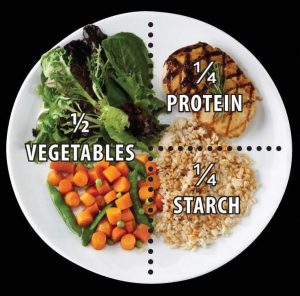
Now that we’ve covered the fundamentals of nutrition, let’s explore how to construct a healthy plate that encompasses all essential nutrients. The key lies in balance and variety, as well as mindful portion control.

Fill Half Your Plate with Fruits and Vegetables 🍎

Fruits and vegetables are nutritional powerhouses, packed with vitamins, minerals, and antioxidants. Aim to fill at least half of your plate with a colorful array of fruits and vegetables, incorporating a mix of leafy greens, cruciferous vegetables, berries, citrus fruits, and more. Not only do they provide essential nutrients, but they also add flavor, texture, and visual appeal to your meals.

Include Lean Proteins 🥩

Proteins are essential for muscle repair, satiety, and overall health. Incorporate lean protein sources such as skinless poultry, fish, tofu, tempeh, legumes, and low-fat dairy products into your meals. Opt for grilled, baked, or steamed preparations to minimize added fats and calories.

Choose Whole Grains 🌾

Whole grains are rich in fiber, vitamins, and minerals, making them an essential component of a healthy diet. Choose whole grains such as brown rice, quinoa, barley, oats, and whole wheat bread over refined grains, which have been stripped of their nutritional content. Aim to make at least half of your grain choices whole grains for optimal health benefits.
Building a Healthy Plate
Image by: yendex.com

Don’t Forget Healthy Fats 🥜

Healthy fats play a crucial role in supporting heart health, brain function, and overall well-being. Incorporate sources of healthy fats such as avocado, nuts, seeds, olive oil, and fatty fish into your meals. Use them in moderation to add flavor and richness to your dishes while reaping their nutritional benefits.

Reduce Sugar 🍭

Limit your intake of added sugars found in processed foods, sugary beverages, and sweets. Excess sugar consumption can contribute to weight gain, inflammation, and various health issues. Opt for naturally sweet foods such as fruits to satisfy your sweet tooth while providing essential nutrients and fiber.

Stay Hydrated 💧

Hydration is essential for overall health and well-being. Aim to drink plenty of water throughout the day to stay hydrated and support bodily functions. Limit sugary beverages such as soda and fruit juice, opting instead for water, herbal tea, or infused water for added flavor.

Eat from Smaller Plates 🍽️

Choosing smaller plates and bowls can help control portion sizes and prevent overeating. Research suggests that using smaller dinnerware may lead to reduced food intake without feeling deprived. Practice mindful eating and listen to your body’s hunger and fullness cues to determine when you’ve had enough.

Eat Less Red and Processed Meat 🥩

While meat can be a valuable source of protein and essential nutrients, it’s essential to consume it in moderation, particularly red and processed meats. High intake of red and processed meats has been linked to an increased risk of heart disease, cancer, and other health issues. Opt for leaner cuts of meat, and incorporate plant-based protein sources such as beans, lentils, and tofu into your diet for variety and balance.

Building a Healthy Plate
Image by: yendex.com

Additional Tips for Success ✨

In addition to building a healthy plate, there are several other strategies you can implement to support lifelong wellness through diet.

Practice Mindful Eating 🧘‍♂️

Mindful eating with Building a Healthy Plate involves paying attention to the sensory experience of eating, including taste, texture, and aroma. Slow down and savor each bite, chewing thoroughly and enjoying the flavors of your food. This can help prevent overeating and promote greater satisfaction with meals.

Limit Processed Foods 🚫

Processed foods are often high in added sugars, unhealthy fats, and sodium, making them less nutritious choices for overall health and Building a Healthy Plate. Limit your intake of processed and packaged foods, opting instead for whole, minimally processed options whenever possible.

Seek Professional Guidance 📋

If you’re unsure about how to create a balanced and nutritious diet, consider seeking guidance from a registered dietitian or nutritionist. These experts can provide personalized recommendations based on your individual needs, preferences, and health goals.


Mindful Eating Habits: Enhancing Your Relationship with Food 🍽️

In the realm of nutrition and wellness, the concept of mindful eating habits has gained significant traction. It’s more than just a trend; it’s a holistic approach to nourishing the body and cultivating a healthier relationship with food and Building a Healthy Plate. By incorporating mindfulness into your meals, you can develop a deeper awareness of your body’s hunger and fullness cues, as well as the sensory experience of eating. Here’s a breakdown of mindful eating habits, peppered with delightful emojis to guide you on your journey:

Present Moment Awareness 🧘‍♂️

Mindful eating and Building a Healthy Plate involves being fully present in the moment while consuming food. Instead of mindlessly devouring your meal, take the time to savor each bite, noticing the flavors, textures, and aromas that tantalize your senses. By bringing your attention to the present moment, you can enhance your enjoyment of food and prevent overeating.

Engage Your Senses 👀👃👅

Engaging all your senses is a fundamental aspect of mindful eating. Take a moment to appreciate the visual appeal of your food, noting its colors, shapes, and presentation. Then, inhale deeply to savor the aroma, allowing it to whet your appetite. As you take your first bite, pay attention to the taste and texture, allowing yourself to fully experience the sensations.

Listen to Your Body 🕰️👂

One of the key principles of mindful eating is tuning into your body’s hunger and fullness cues. Before reaching for seconds or indulging in a snack, pause and check in with yourself. Are you truly hungry, or are you eating out of habit or emotion? Eat slowly and mindfully, stopping when you feel satisfied rather than stuffed. This practice can help prevent overeating and promote a healthier relationship with food.

Practice Gratitude 🙏

Cultivating an attitude of gratitude can enhance your mindful eating experience. Take a moment to express gratitude for the food on your plate, acknowledging the effort and resources that went into its production. By approaching meals with gratitude, you can foster a deeper appreciation for the nourishment they provide and develop a more positive relationship with food.

Minimize Distractions 🚫📱📺

In today’s fast-paced world, it’s easy to multitask while eating, whether it’s scrolling through your phone or watching television. However, distractions can detract from the mindful eating experience, leading to overeating and decreased satisfaction. Instead, create a calm and peaceful environment for meals, free from distractions, allowing yourself to fully focus on the act of eating.

Practice Moderation ⚖️🍪

Mindful eating and Building a Healthy Plate is not about deprivation or strict rules; it’s about finding balance and moderation. Allow yourself to enjoy your favorite foods in moderation, savoring each indulgence without guilt or judgment. By honoring your cravings and practicing moderation, you can maintain a healthy and sustainable approach to eating.

Aspect Healthy Plate Unhealthy Plate
Fruits and Vegetables Half of the plate consists of colorful fruits and vegetables, providing essential vitamins, minerals, and antioxidants. Minimal or no fruits and vegetables, lacking important nutrients and fiber.
Proteins Lean protein sources such as fish, poultry, tofu, or legumes are included in moderate portions. High-fat and processed meats dominate the plate, contributing excess saturated fats and sodium.
Grains Whole grains such as brown rice, quinoa, or whole wheat bread provide fiber, vitamins, and minerals. Refined grains like white rice or white bread offer little nutritional value and may spike blood sugar levels.
Fats Healthy fats from sources like avocado, nuts, and olive oil are incorporated in moderation. Unhealthy fats from fried foods, processed snacks, and fatty meats are prevalent, contributing to heart disease risk.
Sugar Limited added sugars, with sweetness coming from natural sources like fruits. High levels of added sugars from sugary beverages, desserts, and processed foods contribute to weight gain and health issues.
Portion Size Portions are controlled and balanced, promoting satiety without overeating. Portions are often oversized, leading to excess calorie intake and weight gain.

Final Thoughts🌟

Building a Healthy Plate is the cornerstone of lifelong wellness. By incorporating a variety of nutrient-dense foods into your meals and practicing portion control, you can nourish your body, support optimal health, and thrive at every stage of life. Remember to focus on balance, variety, and moderation, and prioritize whole, minimally processed foods for maximum nutritional benefit.

FAQS

  1. Why is it important to fill half of my plate with fruits and vegetables?
    • Fruits and vegetables are packed with essential vitamins, minerals, and antioxidants that support overall health and well-being. By incorporating a variety of colorful produce into your meals Building a Healthy Plate, you can ensure you’re getting a wide range of nutrients to support optimal health.
  2. What are some examples of lean protein sources?
    • Lean protein sources include skinless poultry, fish, tofu, tempeh, legumes, and low-fat dairy products. These foods provide essential amino acids for muscle repair, satiety, and overall health without excess saturated fat and calories.
  3. Why should I choose whole grains over refined grains?
    • Whole grains are rich in fiber, vitamins, and minerals, whereas refined grains have been stripped of their nutritional content during processing. Choosing whole grains such as brown rice, quinoa, and whole wheat bread can help support digestive health, regulate blood sugar levels, and provide sustained energy.
  4. What are healthy fats, and why are they important?
    • Healthy fats, such as those found in avocados, nuts, seeds, and olive oil, play a crucial role in supporting heart health, brain function, and nutrient absorption. These fats provide essential fatty acids that the body cannot produce on its own and should be included as part of a balanced diet.
  5. How can I reduce my sugar intake?
    • Limiting your intake of added sugars found in processed foods, sugary beverages, and sweets can help reduce your overall sugar consumption. Opt for naturally sweet foods such as fruits to satisfy your sweet tooth while providing essential nutrients and fiber.
  6. What are some tips for staying hydrated?
    • Drinking plenty of water throughout the day is essential for staying hydrated and supporting bodily functions. Limit sugary beverages such as soda and fruit juice, and opt instead for water, herbal tea, or infused water for added flavor.
  7. Why should I eat from smaller plates?
    • Eating from smaller plates can help control portion sizes and prevent overeating. Research suggests that using smaller dinnerware may lead to reduced food intake without feeling deprived, making it a simple yet effective strategy for managing portion sizes.
  8. Why is it important to limit red and processed meat intake?
    • High intake of red and processed meats has been linked to an increased risk of heart disease, cancer, and other health issues. Opting for leaner cuts of meat and incorporating plant-based protein sources into your diet can help reduce your risk and promote overall health.
  9. What is mindful eating, and how can it benefit me?
    • Mindful eating and Building a Healthy Plate involves paying attention to the sensory experience of eating, including taste, texture, and aroma. By slowing down and savoring each bite, you can prevent overeating, enhance satisfaction with meals, and develop a healthier relationship with food.
  10. When should I seek professional guidance for my diet?
    • If you’re unsure about how to create a balanced and nutritious diet, consider seeking guidance from a registered dietitian or nutritionist. These experts can provide personalized recommendations based on your individual needs, preferences, and health goals.

Understanding Stress Management Techniques for Busy Lives

In the whirlwind of today’s fast-paced world, stress seems to be an ever-present companion. Whether it’s the pressure of meeting deadlines, balancing personal and professional commitments, or navigating unexpected challenges, stress can quickly take its toll on our well-being. However, amidst the chaos, there are powerful techniques that can help us regain control and find peace. In this guide, we’ll explore unique and effective Stress Management Techniques for Busy Lives . Explore More About Health Issues And Their Solutions (Overcomig Thumb-Sucking)

The Nature of Stress 🌪️

Stress Management Techniques for Busy Lives  is a natural response to the demands and pressures we encounter in our daily lives. While some stress can be beneficial, chronic or excessive stress can have detrimental effects on our physical and mental health. Understanding the nature of Stress Management Techniques for Busy Lives is the first step towards effectively managing it.

  • Stress is a natural response to demands.
  • Chronic stress can harm physical and mental health.
Stress Management Techniques for Busy Lives
Image by: yendex.com

Embracing Mindfulness 🧘

In a world filled with distractions and constant stimuli, practicing mindfulness can be a powerful antidote to stress. Mindfulness involves being fully present in the moment, without judgment or attachment to thoughts or emotions. Techniques such as meditation, mindful breathing, and body scans can help us cultivate a greater sense of awareness and inner peace.

  • Mindfulness promotes being present without judgment.
  • Meditation, breathing exercises, and body scans aid in cultivating mindfulness.

Harnessing the Power of Gratitude 🙏

Stress Management Techniques for Busy Lives  In times of stress, it can be easy to focus on what’s going wrong or what we lack. However, cultivating a mindset of gratitude can shift our perspective and help us find joy and contentment in the present moment. Take time each day to reflect on the things you’re grateful for, whether it’s a supportive friend, a beautiful sunset, or a moment of laughter.

  • Gratitude shifts perspective from lack to abundance.
  • Daily reflection on blessings fosters gratitude.
Stress Management Techniques for Busy Lives
Image by: yendex.com

Finding Balance Through Movement 🏃‍♂️

Physical activity is not only essential for our physical health but also plays a crucial role in Stress Management Techniques for Busy Lives . Engaging in regular exercise releases endorphins, the body’s natural mood lifters, and helps to reduce the levels of stress hormones such as cortisol. Whether it’s a brisk walk, a yoga class, or a dance session in your living room, find ways to move your body that bring you joy and relaxation.

  • Exercise releases endorphins, improving mood.
  • Various forms of physical activity contribute to stress reduction.

Cultivating Connection 💬

Stress Management Techniques for Busy Lives Humans are social beings, and strong social connections are essential for our well-being. Reach out to friends, family members, or colleagues for support and connection, whether it’s through a phone call, a coffee date, or a shared activity. Building a network of supportive relationships can provide a buffer against stress and help us feel more resilient in the face of challenges.

  • Social connections provide support and resilience.
  • Regular interaction with loved ones fosters emotional well-being.
Stress Management Techniques for Busy Lives
Image by: yendex.com

Nourishing Your Body and Mind 🌱

Fueling your body with nutritious food and prioritizing self-care are essential components of stress management. Make time for activities that replenish your energy and bring you joy, whether it’s reading a book, taking a hot bath, or indulging in a hobby you love. Remember to listen to your body’s signals and give yourself permission to rest and recharge when needed.

  • Nutrition and self-care support overall well-being.
  • Activities that bring joy and relaxation are crucial for stress relief.

Mindfulness Exercises for Relaxation

Mindfulness exercises for relaxation are powerful tools to calm the mind and soothe the body amidst the hustle and bustle of daily life. These exercises involve bringing your full attention to the present moment, without judgment or distraction. One effective mindfulness exercise for relaxation is deep breathing. Take slow, deep breaths, focusing on the sensation of the air entering and leaving your body.

Another technique is progressive muscle relaxation, where you systematically tense and then release each muscle group in your body. By practicing mindfulness exercises for relaxation regularly, you can reduce stress and anxiety, improve sleep quality, and enhance overall well-being. Incorporating these exercises into your daily routine can help you cultivate a greater sense of calm and inner peace.

Whether you’re sitting quietly at home or taking a short break at work, mindfulness exercises for relaxation can provide a moment of respite from the demands of the day. So take a few moments each day to engage in these simple yet powerful practices, and experience the profound benefits of mindfulness for relaxation firsthand.

Stress Management Techniques for Busy Lives
Image by: yendex.com
Technique Description
Mindfulness Being fully present in the moment without judgment.
Gratitude Shifting perspective to focus on blessings.
Physical Activity Engaging in exercise to release endorphins.
Social Connection Building supportive relationships with others.
Self-Care Nurturing the body and mind through healthy habits.

Final Thoughts🌈

In the midst of life’s chaos, it’s easy to feel overwhelmed and lost. However, by incorporating these unique and effective stress management techniques into your daily routine, you can reclaim a sense of balance and tranquility. Embrace mindfulness, cultivate gratitude, prioritize movement and connection, and nourish your body and mind. With practice and persistence, you can navigate life’s challenges with grace and resilience.

Understanding the Importance of Wellness

In today’s fast-paced world, prioritizing our health often takes a backseat amidst the hustle and bustle of daily life. However, investing time and effort into our well-being is essential for leading a fulfilling and balanced life. This comprehensive guide will provide you with actionable steps to kickstart your journey towards Improve Your Health in 30 Days. Explore More About Other Health Issues And Their Solutions

Setting SMART Goals for Wellness

🎯 Defining Specific Goals

The first step towards achieving optimal health is setting clear and specific goals. Rather than vague aspirations, define concrete objectives that are measurable and attainable. For example, instead of saying “I want to be healthier,” specify goals such as “I aim to incorporate at least 30 minutes of physical activity into my daily routine.”

📊 Measuring Progress with Measurable Indicators

To track your progress effectively, establish measurable indicators that allow you to gauge your success. Whether it’s monitoring your daily water intake, tracking the number of steps taken, or recording your meal choices, having tangible metrics ensures accountability and motivation.

 Improve Your Health in 30 Days
Image by: yendex.com

Nourishing Your Body with Nutrient-Rich Foods

🥦 Embracing a Balanced Diet

Nutrition plays a pivotal role in overall wellness. Focus on consuming a diverse range of nutrient-rich foods that nourish your body and fuel your energy levels. Incorporate ample fruits, vegetables, whole grains, lean proteins, and healthy fats into your meals to ensure you’re obtaining essential vitamins and minerals.

💧 Hydrating Adequately

Proper hydration is key to maintaining optimal bodily functions and promoting overall health. Aim to drink at least eight glasses of water daily to prevent dehydration and support vital bodily processes. Additionally, opt for herbal teas and infused water to add variety and flavor to your hydration routine.

improve your health in 30 days
Image by: yendex.com

Prioritizing Physical Activity and Improve Your Health in 30 Days

🏃 Incorporating Daily Movement

Regular physical activity is crucial for improving cardiovascular health, enhancing mood, and boosting overall well-being. Find activities that you enjoy, whether it’s brisk walking, cycling, yoga, or dancing, and aim to incorporate at least 30 minutes of moderate exercise into your daily routine.

🏋️ Creating a Sustainable Exercise Plan for Improve Your Health in 30 Days

To ensure long-term success, develop a sustainable exercise plan that aligns with your interests and lifestyle. Whether you prefer solo workouts at home, group fitness classes, or outdoor activities, choose activities that you find enjoyable and fulfilling.

 Improve Your Health in 30 Days
Image by: yendex.com

Cultivating Mental Well-Being and Improve Your Health in 30 Days

🧘 Practicing Mindfulness and Meditation

Incorporating mindfulness and meditation into your daily routine can significantly improve mental clarity Improve Your Health in 30 Days, reduce stress levels, and enhance overall well-being. Dedicate time each day to engage in mindfulness practices such as deep breathing exercises, guided meditation sessions, or reflective journaling.

😴 Prioritizing Quality Sleep for Improve Your Health in 30 Days

Quality sleep is essential for optimal physical and mental health Improve Your Health in 30 Days. Aim for seven to nine hours of uninterrupted sleep each night to allow your body to rest, repair, and rejuvenate. Establish a relaxing bedtime routine, limit screen time before bed, and create a comfortable sleep environment to promote restful sleep.

 Improve Your Health in 30 Days
Image by: yendex.com

Supportive Relationships and Social Connections

🤝 Nurturing Meaningful Connections

Strong social connections are vital for emotional well-being and resilience. Make time to nurture relationships with friends, family members, and loved ones by scheduling regular catch-ups, expressing gratitude, and offering support during challenging times.

📞 Seeking Professional Support When Needed and Improve Your Health in 30 Days

If you’re struggling with mental health challenges or facing obstacles on your wellness journey, don’t hesitate to seek professional support. Whether it’s consulting a therapist, nutritionist, or fitness coach, reaching out for guidance and assistance can empower you to overcome obstacles and thrive.

30 Day Health Challenge Ideas

  1. Water Challenge: As part of the “30 Day Health Challenge Ideas,” commit to drinking at least 8 glasses or 2 liters of water daily. Hydration is essential for overall health and well-being.
  2. Exercise Challenge: Incorporate a daily workout routine into your life, whether it’s cardio, strength training, yoga, or a combination of activities. The “30 Day Health Challenge Ideas” prioritize regular physical activity for a stronger, fitter you.
  3. Healthy Eating Challenge: Focus on consuming whole foods, fruits, vegetables, and lean proteins while avoiding processed foods and sugary snacks. The “30 Day Health Challenge Ideas” emphasize the importance of nourishing your body with nutritious foods.
  4. Sleep Challenge: Aim for 7-8 hours of quality sleep each night by establishing a consistent bedtime routine. The “30 Day Health Challenge Ideas” recognize the crucial role of sleep in promoting overall health and well-being.
  5. Mindfulness Challenge: Practice mindfulness and meditation daily to reduce stress and improve mental well-being. The “30 Day Health Challenge Ideas” encourage incorporating mindfulness into your daily routine for a calmer, more centered mindset.
Physical Activity Description Benefits Considerations
Walking Low-impact exercise that can be done anywhere Improves cardiovascular health, boosts mood May require appropriate footwear and weather conditions
Running High-impact aerobic exercise involving running or jogging Burns calories, strengthens muscles and bones Requires proper form and may increase risk of injury
Cycling Low-impact cardiovascular exercise using a bicycle Improves leg strength, enhances joint mobility Requires access to a bicycle and safe cycling routes
Swimming Full-body workout performed in a pool Builds endurance, tones muscles Access to a swimming pool and swimming skills required
Yoga Mind-body practice combining physical postures, breathing, and meditation Improves flexibility, reduces stress May require guidance from a qualified instructor
Strength Training Resistance-based exercises using weights or bodyweight Builds muscle strength and mass, enhances metabolism Proper form and technique crucial to prevent injuries
Pilates Low-impact exercise focusing on core strength and flexibility Improves posture, enhances muscle tone and endurance May require specialized equipment or classes

Conclusion ( Improve Your Health in 30 Days)

In conclusion, achieving optimal Improve Your Health in 30 Days requires a holistic approach that encompasses physical, mental, and emotional well-being. By setting SMART goals, nourishing your body with nutrient-rich foods, prioritizing physical activity, cultivating mental and emotional well-being, and fostering supportive relationships, you can embark on a transformative journey towards improved health in just 30 days.

Small changes can lead to significant results over time. Commit to prioritizing your health each day, and celebrate your progress along the way. With dedication, perseverance, and a positive mindset, you can achieve lasting wellness and vitality.

  1. What are the benefits of prioritizing wellness?
    • Prioritizing wellness can lead to numerous benefits, including improved physical health, enhanced mental well-being, increased energy levels, and greater overall quality of life.
  2. How can I set realistic health goals?
    • Setting realistic health goals involves identifying specific, measurable objectives that are attainable within a reasonable timeframe. It’s essential to consider your current health status, lifestyle, and resources when setting goals.
  3. What role does nutrition play in overall wellness?
    • Nutrition plays a crucial role in supporting overall wellness by providing essential nutrients that fuel our bodies, support vital functions, and promote optimal health. A balanced diet rich in fruits, vegetables, whole grains, lean proteins, and healthy fats is key to maintaining wellness.
  4. How much exercise do I need to improve my health?
    • The amount of exercise needed to improve health varies depending on individual factors such as age, fitness level, and health goals. However, most health organizations recommend at least 150 minutes of moderate-intensity exercise or 75 minutes of vigorous-intensity exercise per week, along with muscle-strengthening activities on two or more days per week.
  5. What are some simple ways to incorporate more physical activity into my daily routine?
    • Incorporating more physical activity into your daily routine can be as simple as taking the stairs instead of the elevator, going for a brisk walk during your lunch break, or doing bodyweight exercises while watching TV. Finding activities you enjoy and making them a regular part of your day can help increase overall activity levels.
  6. How can I manage stress and improve my mental well-being?
    • Managing stress and improving mental well-being can be achieved through various techniques, including mindfulness meditation, deep breathing exercises, regular physical activity, spending time in nature, maintaining a healthy work-life balance, and seeking support from friends, family, or mental health professionals when needed.
  7. What are the benefits of getting enough sleep?
    • Getting enough sleep is essential for overall health and well-being. Adequate sleep supports cognitive function, mood regulation, immune function, and physical recovery. It also plays a crucial role in maintaining healthy metabolism and hormone regulation.
  8. How can I stay motivated to maintain healthy habits?
    • Staying motivated to maintain healthy habits involves setting clear goals, tracking your progress, celebrating small victories, finding activities you enjoy, surrounding yourself with supportive individuals, and regularly reassessing your motivations and priorities.
  9. What are some tips for staying hydrated throughout the day?
    • Staying hydrated is essential for optimal health and well-being. Some tips for staying hydrated include carrying a reusable water bottle with you, setting reminders to drink water regularly, consuming hydrating foods such as fruits and vegetables, and monitoring your urine color to gauge hydration levels.
  10. When should I seek professional help for health and wellness concerns?
    • It’s important to seek professional help for Improve Your Health in 30 Days concerns if you experience persistent or severe symptoms, have difficulty managing stress or mental health issues on your own, or require guidance on nutrition, exercise, or lifestyle changes. Consulting with a healthcare provider, nutritionist, therapist, or fitness professional can provide valuable support and resources tailored to your specific needs.

FASDs: An In-Depth Exploration

Fetal alcohol spectrum disorders (FASDs) comprise a diverse range of conditions that manifest in individuals exposed to alcohol before birth, leading to a complex interplay of physical, behavioral, and learning challenges.

Alcohol Affects Babies
Image by|: yendex.com

Cause and Prevention

Understanding the roots of FASDs involves recognizing how alcohol, coursing through the mother’s bloodstream, permeates the developing fetus via the umbilical cord. It is imperative to acknowledge that there exists no safe amount or time for alcohol consumption during pregnancy. The harmful impact extends across all alcoholic beverages, emphasizing the critical need for awareness before pregnancy confirmation.

Comparative Table

Aspect FASDs Prevention
Exposure Before birth
Safe Amount None
Safe Time to Drink During pregnancy
Types of Alcohol Equally harmful (wine, beer included)
Pregnancy Awareness Up to 4 to 6 weeks for confirmation
Alcohol Affects Babies
Image by|: yendex.com

Signs and Symptoms: A Detailed Overview

The symptoms of FASDs vary widely, encompassing a spectrum from mild to severe. Each affected individual may exhibit a unique combination of challenges, but some common manifestations include:

Fetal Alcohol Syndrome (FAS)

  • Central Nervous System (CNS) Problems: Present
  • Facial Features: Minor features
  • Growth Problems: Present
  • Learning & Memory Issues: Common
  • Behavioral Problems: Common
  • Intellectual Disabilities: Common

Alcohol-Related Neurodevelopmental Disorder (ARND)

  • Central Nervous System (CNS) Problems: Present
  • Facial Features: Normal
  • Growth Problems: Present
  • Learning & Memory Issues: Common
  • Behavioral Problems: Common
  • Intellectual Disabilities: Common
Alcohol Affects Babies
Image by|: yendex.com

Alcohol-Related Birth Defects (ARBD)

  • Central Nervous System (CNS) Problems: Absent
  • Facial Features: Abnormal
  • Growth Problems: Present
  • Learning & Memory Issues: Uncommon
  • Behavioral Problems: Common
  • Intellectual Disabilities: Common

Neurobehavioral Disorder Associated with Prenatal Alcohol Exposure (ND-PAE)

  • Central Nervous System (CNS) Problems: Present
  • Facial Features: Absent
  • Growth Problems: Absent
  • Learning & Memory Issues: Common
  • Behavioral Problems: Severe
  • Intellectual Disabilities: Present

FASD Diagnoses: A Closer Look

Understanding FASD involves distinguishing between various diagnoses, each representing a unique set of symptoms. The key diagnoses include:

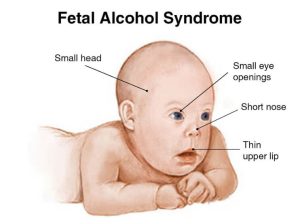
  • Fetal Alcohol Syndrome (FAS): Marked by CNS problems, minor facial features, and growth issues. Individuals may experience difficulties in learning, memory, attention, communication, vision, or hearing.
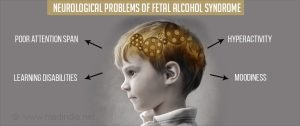
  • Alcohol-Related Neurodevelopmental Disorder (ARND): Characterized by intellectual disabilities and challenges in behavior and learning. Affected individuals may struggle with school, math, memory, attention, judgment, and impulse control.
  • Alcohol-Related Birth Defects (ARBD): Manifestations may include heart, kidney, or bone problems, along with hearing difficulties.
  • Neurobehavioral Disorder Associated with Prenatal Alcohol Exposure (ND-PAE): Recognized by cognitive, behavioral, and life skills challenges. Diagnosis necessitates a mother’s consumption of more than minimal alcohol levels during pregnancy.

Areas Evaluated for FASD Diagnoses

The complexity of diagnosing FASDs arises from the absence of a definitive medical test. Physicians rely on a comprehensive evaluation considering factors like prenatal alcohol exposure, CNS problems, abnormal facial features, and growth indicators.

Alcohol Affects Babies
Image by|: yendex.com

Treatment Options: A Lifelong Journey

Acceptance of the lifelong nature of FASDs prompts the exploration of early intervention treatment services. While there is no cure, research suggests that tailored treatment plans can positively influence a child’s development. Treatment options include medication, behavioral and educational therapies, parent training, and alternative approaches. The emphasis lies in close monitoring, periodic follow-ups, and adaptability to the child’s evolving needs.

Protective Factors

Identifying protective factors becomes paramount in reducing the effects of FASDs and aiding affected individuals in reaching their full potential. These factors include early diagnosis before six years of age, a loving and stable home environment during school years, absence of violence, and active involvement in special education and social services.

In unraveling the intricate tapestry of Fetal Alcohol Spectrum Disorders, a holistic approach that combines awareness, early intervention, and support is fundamental for individuals navigating the challenges posed by these conditions.

Introduction

Thumb-sucking, a prevalent self-soothing behavior in infants, can become a source of concern for parents as children grow older. In this comprehensive guide, Dr. Scott H. Chandler provides a thorough exploration of the normalcy of thumb-sucking, the challenges it presents as children age, and an extensive treatment plan outlined in easy-to-follow points.

Most Infants Self-Pacify

  1. Normal and Useful Behavior: Thumb-sucking is deemed appropriate and beneficial for very young children, allowing them to comfort and entertain themselves.
  2. Commonality in Infancy: Over three-quarters of infants engage in thumb-sucking or finger-sucking during their first year of life.
  3. Emotional Well-being: Thumb-sucking is often a response to boredom, tiredness, or distress, accompanied by other soothing behaviors like twirling hair or holding onto objects.
Thumb-Sucking
Image by: yendex.com

Reaching a Merciless Age

  1. Diminishing Prevalence: As children transition from toddlerhood to preschool, the prevalence of thumb-sucking decreases.
  2. Social and Dental Concerns: Beyond the age of 5, thumb-sucking can lead to social difficulties and dental problems, including abnormal bites and speech issues.
  3. Teasing and Avoidance: The “merciless age” marks a time when teasing begins, and children may avoid those who continue to suck their thumbs.

Support, Guidance Key

  1. Thoughtful Approach: Addressing thumb-sucking in children older than 5 or 6 requires a thoughtful and observant approach.
  2. Observation before Action: Understanding the depth and frequency of the behavior is crucial before insisting on cessation.
  3. Avoid Power Struggles: Support and guidance are essential; avoid nagging or reprimanding to prevent power struggles.
  4. Child Participation: Engage the child in the process by actively participating in a behavioral approach.

Simple Treatment Plan in Points

  1. One-Month Moratorium:
    • Temporarily refrain from discussing thumb-sucking.
    • Allow a break from potential power struggles.
  2. Progress Chart and Stickers:
    • Create a chart to track progress.
    • Use stickers as rewards at the end of each week.
    • Involve the child in decision-making, such as determining slip-up allowances.
  3. Bitter-Tasting Liquid and Nighttime Measures:
    • Apply a bitter-tasting liquid on the nail.
    • Consider mittens, gloves, or a finger-splint at night to discourage thumb-sucking.
  4. Praise and Support:
    • Provide abundant praise and support during the treatment period.
    • Recognize and reward efforts with extra cuddles, special outings, or new activities.
Thumb-Sucking
Image by: yendex.com

Dentists Can Help, Too

  1. Consulting a Dentist:
    • If behavioral strategies are not yielding results, consult with a dentist.
    • Dentists may recommend oral appliances like “palatal bar” or “crib” to prevent thumb-sucking.
  2. Persistent Issues and Mental Health:
    • Persistent thumb-sucking issues may indicate deeper problems.
    • Consult with a mental health professional for additional support if needed.

This comprehensive guide equips parents with a holistic approach to understanding and overcoming thumb-sucking in children. By following these points and strategies, parents can navigate this common childhood behavior with patience, confidence, and success.

Thumb-Sucking
Image by: yendex.com

Conclusion

In conclusion, breaking the thumb-sucking habit in children is a nuanced journey that requires a blend of understanding, support, and strategic intervention. Acknowledging the normalcy of this behavior in infancy and recognizing the challenges it poses as children grow older is crucial. The key lies in a thoughtful and observant approach, avoiding power struggles, and actively involving the child in the treatment plan. The one-month moratorium, progress chart with stickers, and nighttime measures create a comprehensive strategy. Seeking guidance from dentists adds an additional layer of support. By navigating this process with patience and collaboration, parents can empower their children to overcome thumb-sucking, promoting not only dental health but also fostering emotional well-being.

Introduction

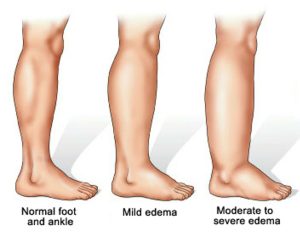
Edema, colloquially known as swelling, is a prevalent medical condition that warrants a closer examination. In this in-depth article, we embark on a journey to understand the various facets of edema, including its types, underlying causes, symptoms, and the nuanced approaches to treatment.

Types of Edema

1. Peripheral Edema

Peripheral edema manifests primarily in the legs, feet, and ankles, often signaling potential issues within the circulatory system, lymph nodes, or kidneys. Understanding the root cause is crucial for effective management.

2. Pedal Edema

Characterized by fluid accumulation in the feet and lower legs, pedal edema is more prevalent in older individuals or during pregnancy. The impact on mobility necessitates a closer examination of contributing factors.

3. Lymphedema

Affecting the arms and legs, lymphedema is frequently a consequence of damage to lymph nodes, typically induced by cancer treatments. This highlights the intricate relationship between medical interventions and potential side effects.

Edema
Image by: yendex.com

4. Pulmonary Edema

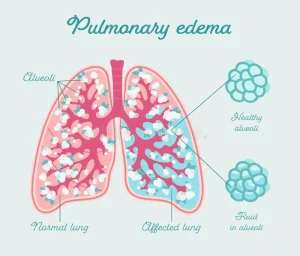
A critical condition where fluid collects in the air sacs of the lungs, resulting in breathing difficulties. Swift medical attention is imperative, with symptoms including a rapid heartbeat, difficulty breathing, and coughing up foamy spittle.

Cerebral Edema
Image by: yendex.com

5. Cerebral Edema

An alarming situation involving fluid accumulation in the brain, often triggered by head trauma, vascular issues, tumors, or allergic reactions. Recognizing the severity of cerebral edema is crucial for timely intervention.

Cerebral Edema
Image by: yendex.com

6. Macular Edema

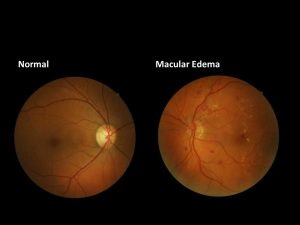
Involving fluid buildup in the macula of the eye, macular edema can impair vision and is frequently associated with damaged blood vessels. Understanding the ocular implications adds another layer to the diverse manifestations of edema.

Macular Edema
Image by: yendex.com

Causes of Edema

Edema can arise from a myriad of factors, ranging from common injuries to underlying medical conditions. Key contributors include:

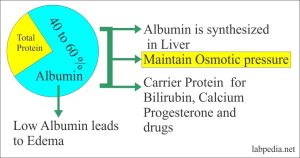
  • Low levels of albumin, impacting fluid retention
  • Allergic reactions, leading to vascular leakage
  • Obstruction of fluid drainage, causing backup and swelling
  • Critical illnesses, prompting widespread fluid leakage
  • Congestive heart failure, resulting in leg edema or fluid in the lungs
  • Liver disease, causing fluid retention in the abdomen
  • Kidney disease, contributing to severe leg edema or generalized swelling
  • Pregnancy-related edema, with complications like deep vein thrombosis and preeclampsia
  • Medications, including NSAIDs, (Lasix) calcium channel blockers, and corticosteroids, which may induce mild leg edema

Refer to the comparative table for an in-depth exploration of edema causes, aiding in a comprehensive understanding.

Edema
Image by: yendex.com

Symptoms of Edema

Symptoms of edema are diverse, dependent on the extent and location of swelling. Examples include:

  • Localized swelling with minimal or no accompanying symptoms
  • Painful swelling in the case of allergic reactions
  • Tongue or throat edema, presenting life-threatening implications in food or medicine allergies
  • Heavy legs and impaired mobility in cases of leg edema, impacting daily activities
  • Shortness of breath and potential low oxygen levels in pulmonary edema, often accompanied by a persistent cough

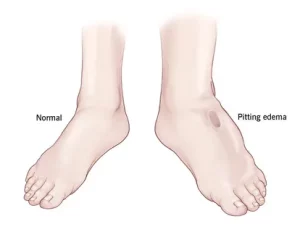
The distinction between pitting and non-pitting edema provides valuable diagnostic insights for healthcare professionals, aiding in the identification of underlying causes.

Symptoms of Edema
Image by: yendex.com

Treatment of Edema

Effectively managing edema necessitates a tailored approach that addresses the root cause. Treatment modalities include:

  • Allergy medications to alleviate swelling in response to allergic reactions
  • Blood thinners for clot-related edema, restoring normal fluid drainage
  • Surgical interventions, chemotherapy, or radiation for tumor-induced edema
  • Diuretics and sodium restriction for managing edema associated with heart failure or liver disease

A comprehensive understanding of the underlying cause is paramount for devising an effective treatment plan tailored to the individual’s needs.

Conclusion

In conclusion, navigating the complexities of edema provides a comprehensive understanding of this prevalent medical condition. From its various types affecting different parts of the body to the diverse causes stemming from injuries, medical conditions, and medications, edema requires careful consideration for effective management.

Recognizing the symptoms, whether localized or systemic, aids in early detection and prompt intervention. The distinction between pitting and non-pitting edema serves as a valuable diagnostic tool for healthcare professionals, guiding them in pinpointing the underlying causes.

Treatment strategies are diverse and tailored to address the root cause of edema. Whether it’s utilizing allergy medications for allergic reactions, administering blood thinners for clot-related edema, or considering surgical interventions for tumor-induced swelling, a personalized approach is crucial.

Individuals experiencing persistent swelling are encouraged to seek consultation with healthcare professionals. A comprehensive evaluation will help determine the appropriate treatment plan, ensuring optimal outcomes and improved quality of life. Stay informed about edema, stay proactive about your health.

Introduction

In the realm of sports and recreational activities, head injuries often lurk as underestimated threats. This in-depth exploration seeks to unravel the multifaceted aspects of head injuries, shedding light on various dimensions, from types and causes to symptoms, treatment options, and proactive prevention measures. Knowledge is power, especially when it comes to safeguarding against the potential risks posed by head injuries.

Head Injuries
Image by: yendex.com

Types of Head Injuries

  1. Concussion:
    • Nature: A prevalent form of traumatic brain injury (TBI).
    • Insight: Can occur without a direct impact to the head.
  2. Contusion:
    • Nature: A bruise on the brain leading to bleeding.
    • Complications: Potential for swelling and various complications.
  3. Intracranial Hematoma (ICH):
    • Nature: Bleeding beneath the skull forming a clot.
    • Severity: Categorized based on location and degree.
  4. Skull Fracture:
    • Nature: Breakage of the skull bone affecting the brain.
    • Complications: May cause additional injuries and complications.
Head Injuries
Image by: newsnetwork.mayoclinic.org

Causes

A nuanced understanding of the root causes of head injuries is paramount:

  • Car Accidents: A leading cause with varying severities.
  • Falls: Particularly significant in older adults and children.
  • Child Abuse: A distressing contributor to severe head trauma.
  • Acts of Violence: Can result in profound and lasting head injuries.
  • Sports-Related Activities: High-risk sports include cycling, football, basketball, and more.
Head Injuries
Image by: premierneurologycenter.com

Signs and Symptoms

Recognizing the signs and symptoms of a head injury is pivotal for prompt and effective intervention:

  • Common Signs: Confusion, depression, dizziness.
  • Physical Symptoms: Headache, memory loss, nausea.
  • Emergency Signs: Convulsions, impaired senses, loss of consciousness.

Treatment

Navigating the treatment landscape involves a comprehensive approach and immediate action:

  1. Prevent Further Injury:
    • Cease activity and seek medical assistance promptly.
    • Emphasize the reporting of potential injuries in sports for timely intervention.
  2. Medical Attention:
    • Critical for moderate to severe traumatic brain injuries (TBIs).
    • Rigorous monitoring of symptoms, diagnostic tests, and imaging procedures.
    • Severe cases may necessitate surgical intervention to relieve pressure and mitigate complications.
  3. Rehabilitation:
    • In-depth physical and occupational therapy tailored to individual needs.
    • Medication, psychological counseling, and robust social support.
    • Acknowledging the varied recovery timelines; rehabilitation often extends over a prolonged period.
Head Injuries
Image by: eruc.riverview.org

Risk/Prevention

Proactive steps to mitigate the risk of head injuries encompass various facets:

  1. Protective Head Gear:
    • Utilize gear approved by ASTM for specific activities.
    • Highlight the significance of proper fit and usage for enhanced effectiveness.
  2. Q-Collar Device:
    • An FDA-approved noninvasive device offering a potential breakthrough.
    • Reduces brain movement, presenting a promising avenue for preventing head injuries.
  3. Additional Safety Measures:
    • Incorporate light-reflecting clothing for nighttime activities.
    • Adhere strictly to safety rules at water parks and swimming pools.

    • Vigilant supervision and education on proper sports equipment use, particularly for children.

Conclusion

This extensive exploration delves deep into the multifaceted realm of head injuries, aiming to empower individuals with comprehensive knowledge. By prioritizing safety, incorporating protective gear, and recognizing emergency signs, individuals can navigate various activities with heightened awareness and reduced risk. Stay informed, stay vigilant, and prioritize your safety in the intricate landscape of head injuries.
Introduction:

Back pain, a ubiquitous concern impacting individuals worldwide, is a primary driver for seeking medical assistance and a frequent cause of work-related absenteeism. It stands as a significant contributor to global disability, affecting people of all ages. This comprehensive guide aims to shed light on the various facets of back pain, offering insights into prevention, home treatments, and when to seek medical attention.

Managing Back Pain
Image by: yendex.com

Prevention and Relief Strategies:

1. For Individuals Under 60:

Back pain prevention is a key focus, particularly for those under the age of 60. Discover effective measures that can mitigate the occurrence of back pain episodes, emphasizing lifestyle adjustments and proactive practices.

2. Home Treatment and Body Practices:

In cases where prevention falls short, delve into simple home treatments and correct body practices that often facilitate recovery within a few weeks. Explore non-invasive alternatives before considering surgical intervention.

Managing Back Pain
Image by: /timesofindia.indiatimes.com

3. “Back and Neck Health” Book:

Unlock a wealth of knowledge with resources like the “Back and Neck Health” book. This comprehensive guide provides valuable insights and practical guidance for maintaining a healthy spine.

Symptoms:

Understanding the symptoms associated with back pain is crucial for effective management. Here are the diverse manifestations one might experience:

  • Muscle aching
  • Shooting, burning, or stabbing sensations
  • Radiating pain down one or both legs
  • Aggravation with bending, twisting, lifting, standing, or walking
Back Pain
Image by: healthgrades.com/

When to Seek Medical Attention:

1. Gradual Improvement with Home Treatment:

Most instances of back pain exhibit gradual improvement with home treatment and self-care within a few weeks. However, certain scenarios warrant consultation with a healthcare professional:

2. Specific Red Flags:

Recognize specific red flags indicating a need for medical attention:

  • Duration: Lasting longer than a few weeks
  • Severity: Severe and unresponsive to rest
  • Radiation of Pain: Down one or both legs, especially below the knee
  • Neurological Symptoms: Weakness, numbness, or tingling in one or both legs
  • Additional Concerns: Unexplained weight loss
Managing Back Pain
This image is taken from google .com

Red Flags for Immediate Medical Attention:

In rare cases, back pain may signal a serious medical problem requiring immediate care. Look out for these red flags:

  • Bowel or Bladder Problems: New onset
  • Fever Accompanying Pain: Indicates a potential systemic issue
  • Following a Significant Injury: Such as a fall or blow to the back

Comparative Table:

Aspect Home Treatment Medical Consultation Immediate Medical Attention
Duration of Pain Usually improves in a few weeks Lasts longer than a few weeks Accompanied by new bowel/bladder problems
Severity and Improvement Mild to moderate Severe and doesn’t improve with rest Accompanied by fever
Radiation of Pain Localized or diffused Down one or both legs, below the knee Follows a fall, blow to the back, or injury
Neurological Symptoms None Weakness, numbness, or tingling
Additional Concerns Unexplained weight loss

Conclusion:

Navigating the complexities of back pain involves understanding its symptoms, adopting preventive measures, and recognizing when medical attention is necessary. By incorporating these insights, individuals can enhance their ability to manage and overcome back pain episodes with improved outcomes.

Introduction

Angina, recognized as angina pectoris, is a prevalent chest pain linked to diminished blood flow to the heart, typically signaling coronary artery disease. This comprehensive guide aims to provide an in-depth understanding of angina, covering its types, symptoms, causes, and effective prevention measures.

Types of Angina

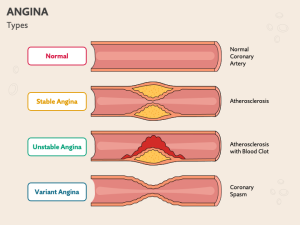
1. Stable Angina

Stable angina, the most common form, occurs during activity and subsides with rest or angina medication. Its predictability and brief duration distinguish it from other types.

2. Unstable Angina (Medical Emergency)

Unpredictable and occurring at rest or with minimal effort, unstable angina demands immediate attention. Its severity, prolonged duration, and resistance to rest or usual medications make it a medical emergency.

3. Variant Angina (Prinzmetal Angina)

Variant angina, not linked to coronary artery disease, results from spasms in the heart’s arteries. This unique form involves cyclic, severe chest pain at rest, often relieved by specific angina medications.

4. Refractory Angina

Despite medication and lifestyle adjustments, refractory angina persists with frequent episodes, posing a challenging scenario for effective management.

Types of Angina
Image by: supersfmk.life

Symptoms

  • Chest pain
  • Burning
  • Fullness
  • Pressure
  • Squeezing
  • Arm pain
  • Neck pain
  • Jaw pain
  • Shoulder pain
  • Back pain
  • Dizziness
  • Fatigue
  • Nausea
  • Shortness of breath
  • Sweating

Angina in Women

Women may experience distinct angina symptoms, potentially leading to delayed treatment seeking. Beyond chest pain, symptoms may include discomfort in the neck, jaw, teeth, back, nausea, shortness of breath, or stomach pain. Heightened awareness of these nuances is essential for timely diagnosis and management.

Types of Angina
Image by: www.hopkinsmedicine.org

When to See a Doctor

Persistent chest pain, especially if unresponsive to rest or medication, could indicate a heart attack. Immediate medical attention is crucial. Additionally, any new or worsening angina symptoms warrant prompt evaluation to determine the appropriate course of action.

Causes

  • Reduced blood flow to the heart muscle (Ischemia)
  • Coronary artery disease (CAD)
  • Fatty deposits narrowing heart arteries (Atherosclerosis)
  • Plaques in blood vessels
  • Rupture or formation of blood clots

Risk Factors

  • Increasing age
  • Family history of heart disease
  • Tobacco use (smoking, chewing, secondhand smoke)
  • Diabetes
  • High blood pressure
  • High cholesterol or triglycerides
  • Lack of exercise
  • Obesity
  • Emotional stress
  • Certain medications
  • Drug misuse
  • Exposure to cold temperatures
Types of Angina
Image by: www.forbes.com

Complications

  • Chest pain limiting daily activities
  • Heart attack
  • Fainting
  • Impending sense of doom
  • Increasing episodes of chest pain
  • Nausea and vomiting
  • Continued pain in the upper belly area (abdomen)
  • Shortness of breath
  • Sweating

Prevention

  • Quit smoking
  • Adopt a healthy diet
  • Limit alcohol consumption
  • Engage in regular exercise
  • Maintain a healthy weight
  • Manage related health conditions
  • Control stress
  • Obtain recommended vaccines for heart-related complications
Types of Angina
Image by: www.drugs.com

Conclusion

In conclusion, a comprehensive understanding of angina empowers individuals to proactively manage their heart health. Recognizing the nuances of different types, being vigilant about symptoms, understanding causes, and adopting preventive strategies contribute significantly to effective angina management. Early intervention remains the cornerstone of mitigating the impact of this prevalent cardiovascular condition.

Introduction:

As the looming specter of cold and flu season approaches, it becomes paramount to fortify your defenses against these common viral adversaries. This comprehensive guide provides a detailed roadmap to not only prepare for the inevitable sniffles and coughs but also to proactively prevent the onset of illnesses within your household.

Stock Up on Supplies

To face the challenges of the upcoming season, take a proactive stance by stocking up on essential supplies. Load your medicine cabinet with an array of items, including tissues, hand soap, hand sanitizer, and masks known for their efficacy in preventing the spread of viruses. Additionally, consider adding distractions such as puzzles, coloring books, or DVDs to your arsenal, ensuring your family stays entertained during potential sick days.

colds and the flu
Image by: yandex.com

Check Your Medicine Cabinet

Delve into the heart of your medicine cabinet, ensuring it is a well-prepared arsenal against cold and flu symptoms. Review and organize pain relievers, fever reducers, decongestants, and cough syrups. Verify correct doses based on age and weight, and check for any potential medication interactions. A well-maintained thermometer and a clean humidifier further enhance your medical readiness.

Be Strict About Handwashing

In the battle against germs, proper handwashing stands as the first line of defense. Instill a strict routine for your family, emphasizing thorough handwashing with soap for a minimum of 20 seconds. Engage children by turning it into a fun activity, encouraging them to wash for the duration of singing “Happy Birthday” twice.

Cleaning Tips for Cold
Photo by: www.pexels.com

Plan for Sick Days

Anticipate the potential need for time off due to illness, either for yourself or to care for sick family members. Familiarize yourself with your office’s sick leave policy and devise a contingency plan for childcare. This forward-thinking approach ensures a smoother recovery process and minimizes disruptions.

Line Up Support

Recognize the value of external support during challenging times. Reach out to family members or neighbors who can assist with childcare or daily activities if you or your children are unwell. Establishing a robust support system enhances your resilience in the face of health challenges.

 Cold and Flu Season
Image by: yandex.com

Disinfect Heavily Touched Items

While an exhaustive cleaning spree is unnecessary, focusing on disinfecting frequently touched items can significantly reduce the risk of virus transmission. Pay attention to doorknobs, remote controls, and phones, implementing a targeted approach for maximum effectiveness.

Switch to Paper Goods

In the pursuit of minimizing germ exchange within your household, consider a simple yet effective switch to paper goods. Swap hand towels for disposable paper towels in the bathroom, use paper cups instead of regular ones, and discard them after a single use. This minor adjustment can contribute significantly to preventing the spread of germs.

 Cold and Flu Season
Image by: yandex.com

Fill the Fridge and Pantry

Prepare for potential sick days by ensuring your kitchen is stocked with easy-to-make meals, drinks, and snacks. From quick lunches to comforting favorites like chicken soup and PB&J, having a well-stocked pantry ensures your family is nourished during recovery periods.

The Healing Power of Ample Sleep

Regardless of whether you’re aiming to recover from a cold or flu or prevent their onset, prioritizing sufficient sleep is crucial. Establish a consistent bedtime routine for yourself and your children to ensure everyone gets the rest needed for optimal health.

 Cold and Flu Season
Photo by: www.pexels.com

Get Your Flu Shot

Safeguard your family against the flu by prioritizing flu shots for every member. This proactive measure is one of the most effective ways to create a shield against influenza, ensuring a healthier and more resilient household.

Conclusion:

By adopting the comprehensive strategies outlined in this guide, you empower your family to navigate the cold and flu season with resilience. Stay proactive, maintain excellent hygiene practices, and prioritize your family’s health for a season marked by wellness and vitality.