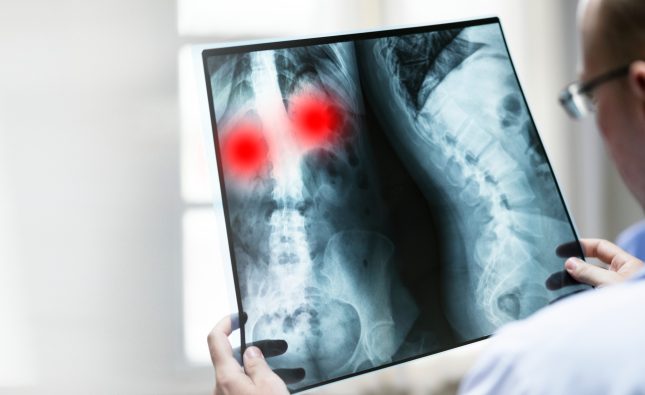
Subhead: How regular screenings can detect health issues early and improve long-term health outcomes
Preventative care is key to protecting our future health and well-being. Regular health screenings can help detect potential health issues before they become serious problems, allowing for earlier intervention and better long-term health outcomes. In this article, we’ll explore the role of regular screenings in disease prevention and how they can help protect our future health.
Regular health screenings are a critical component of preventative care. Screenings are tests or exams that look for diseases or conditions before symptoms appear, and they can help detect health issues early when they are most treatable. For example, mammograms are used to detect breast cancer in women, while colonoscopies can detect colorectal cancer in both men and women.
Screenings can also help identify risk factors for certain diseases or conditions. For example, a blood pressure screening can identify individuals who are at risk for hypertension, a condition that can lead to heart disease or stroke. By identifying risk factors early, individuals can take steps to manage their health and reduce their risk of developing serious health problems.
Regular screenings are particularly important for individuals with a family history of certain diseases or conditions, as they may be at higher risk. For example, individuals with a family history of breast cancer may need to start mammograms at an earlier age or have them more frequently.
Despite the importance of regular screenings, many people put them off due to fear or inconvenience. However, screenings are often covered by insurance plans and may be available at no cost to the patient. In addition, healthcare providers may offer flexible scheduling or extended hours to accommodate busy schedules.
In conclusion, regular health screenings are a crucial part of disease prevention and protecting our future health. By detecting health issues early and identifying risk factors, we can take steps to manage our health and reduce our risk of developing serious health problems. So, make your health a priority and talk to your healthcare provider about scheduling regular screenings today.