Introduction
The automotive landscape is undergoing a profound transformation, driven by the rapid evolution of technology that is making vehicles smarter and more connected than ever before.
This global surge in intelligent vehicles is reshaping how we perceive driving, offering unprecedented levels of safety, efficiency, and convenience.
From advanced driver assistance systems to fully autonomous capabilities, these AI integrated machines represent the future of transportation.
Understanding Intelligent Vehicles and How They Work
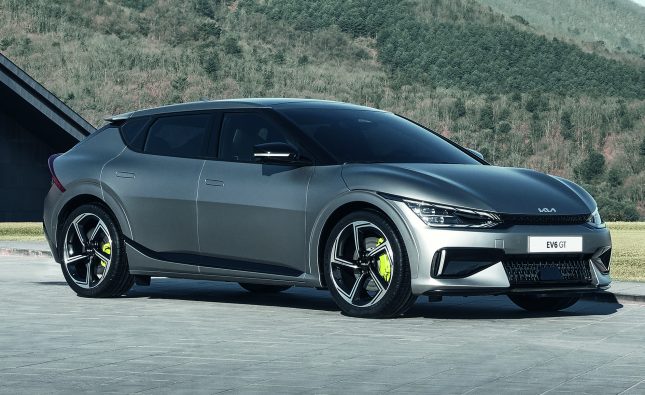
Intelligent vehicles are cars enhanced with advanced artificial intelligence, high-tech sensors, and strong data processing systems. These features allow the car to sense its environment, make decisions, and assist or even take over certain driving tasks. Depending on the level of automation, intelligent vehicles can handle tasks like lane keeping, adaptive cruise control, parking, or even more complex driving situations.
By combining traditional automotive engineering with smart technology, these vehicles are no longer just a means of getting from one place to another. They become dynamic, responsive partners that can improve safety, convenience, and overall driving experience. The term intelligent vehicles captures this powerful combination of cars and cutting-edge technology, highlighting the future of mobility where machines can understand and interact with their surroundings in real time.
Global Growth of Intelligent Vehicles and What Is Driving It
The adoption of intelligent vehicles is growing rapidly around the world. Governments, consumers, and manufacturers are all seeing the transformative potential of this technology, moving it from a niche innovation to a mainstream solution.
1. Government Policies and Smart Mobility Investments
Many countries, including the UAE, are promoting smart mobility initiatives. Governments are investing in intelligent transport infrastructure, creating supportive regulations, and running pilot projects for autonomous vehicles. These efforts aim to reduce traffic congestion, improve urban planning, and make cities safer and more efficient.
2. Safety Benefits and Reduced Traffic Risks
A major reason for the rise of intelligent vehicles is safety. Advanced Driver Assistance Systems (ADAS), like lane assist, adaptive cruise control, and collision warnings, help prevent accidents by reducing human error. These features make roads safer and save lives.
3. Performance Improvements Through Continuous Learning
Intelligent vehicles get smarter over time. They collect data from their surroundings and improve their algorithms to adapt to new situations. This continuous learning enhances performance, improves navigation, and creates a more intuitive driving experience for users.
Intelligent Vehicles in the UAE and Their Role in Future Mobility
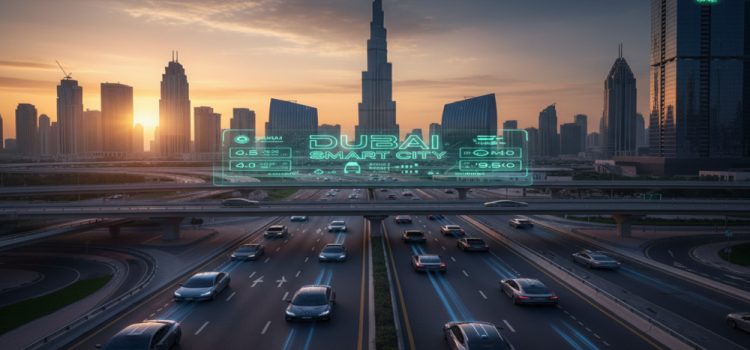
The UAE, especially Dubai and Abu Dhabi, is leading the way in adopting intelligent vehicle technology. With big plans for smart cities and sustainable transport, the country is actively integrating AI-powered cars and autonomous systems into its future mobility projects.
UAE Infrastructure and Smart Road Development
The UAE is investing heavily in smart infrastructure to support intelligent vehicles. This includes smart intersections, traffic sensors, and digital mapping systems that help cars communicate with their surroundings. These improvements are creating the foundation for a fully connected and efficient transport network.
Why UAE Drivers Are Adopting Tech Enhanced Cars Faster
UAE drivers are showing a significant inclination towards adopting tech enhanced cars, driven by factors such as long commutes, a strong awareness of safety, and a lifestyle that values comfort and convenience.
The integration of advanced features like AI in transportation aligns perfectly with the region’s progressive outlook and demand for cutting-edge technology.
The UAE is moving toward a future where AI guided transport solutions will support safer and smarter commuting. This shift aligns with growing global interest in Driverless Cars which represent a major step in automated mobility.
Key Advantages of Intelligent Vehicles for Daily Drivers
For the average daily driver, the shift towards intelligent vehicles brings a host of tangible benefits, transforming the mundane task of commuting into a safer, more efficient, and enjoyable experience.
These advantages extend beyond mere novelty, offering practical solutions to everyday driving challenges.
1. Improved Road Safety and Accident Reduction
Intelligent vehicles significantly improve road safety by augmenting human capabilities and reducing human error.
Smart features such as automatic emergency braking, blind spot monitoring, and lane keeping assist provide crucial support, leading to smoother driving and a substantial reduction in accident rates. This is a cornerstone of automotive innovation.
2. Better Fuel Efficiency and Eco Friendly Performance
Through optimised speed control, predictive braking, and intelligent route selection, smart automotive systems contribute to better fuel efficiency.
These AI powered cars minimise sudden accelerations and decelerations, leading to smoother traffic flow and a more eco-friendly performance, which is essential for sustainable urban mobility solutions.
3. More Comfortable and Predictable Driving Experience
Intelligent vehicles offer a more comfortable and predictable driving experience. Reduced stress comes from adaptive cruise control, automatic adjustments to traffic conditions, and predictive navigation. This allows drivers to relax more, making long journeys and daily commutes considerably more pleasant.
The Future of Intelligent Vehicles and What to Expect
The trajectory of intelligent vehicles points towards an exciting future, one where our relationship with transportation will be fundamentally reshaped.
Anticipate a landscape dominated by increasingly autonomous capabilities and seamless integration within smarter urban environments.
1. Fully Autonomous Cars and Smarter City Integration
The long-term vision for intelligent vehicles includes fully autonomous cars that can navigate without human intervention.
This future also envisions smarter city integration, where traffic AI networks, connected roads, and intelligent vehicles communicate to optimise urban mobility solutions, reducing congestion and pollution.
2. Expected Changes for UAE Drivers
For UAE drivers, these advancements promise a future of significantly enhanced convenience.
Benefits for long drives, streamlined tourism experiences, and an even greater emphasis on luxury vehicles with cutting-edge tech are expected. City travel will become smoother, safer, and more efficient, further cementing the UAE’s role in future of driving.
Conclusion
In conclusion, the global rise of intelligent vehicles represents a major shift in transportation. Thanks to advances in AI, sensors, and connectivity, these vehicles offer new levels of safety, efficiency, and comfort.
The UAE, with its forward-thinking smart mobility plans, is well-positioned to lead this change. While challenges like cost, cybersecurity, and regulations still exist, the benefits of intelligent vehicles are clear. They are set to transform daily commutes and help create smarter, more sustainable cities around the world.
Readers should keep an eye on this technology, as it continues to grow and become a bigger part of our everyday lives.