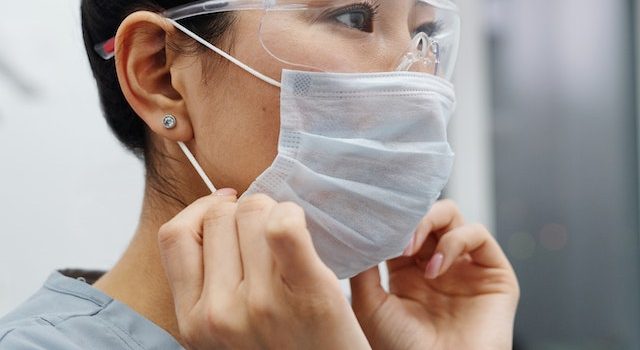
Introduction: As Canadian wildfires continue to ravage the landscape, experts are strongly recommending the use of masks as a crucial form of protection against the harmful effects of wildfire smoke. In this article, we will delve into why experts advocate for wearing masks during Canadian wildfires, shedding light on the scientific rationale and emphasizing the importance of this preventive measure.
Understanding the Hazards of Wildfire Smoke: Wildfire smoke consists of a complex mixture of gases and fine particles, including PM2.5, which are small enough to be inhaled deep into the lungs. These particles can lead to a range of health problems, including respiratory irritation, exacerbation of existing conditions, and even cardiovascular issues. Protecting oneself from these hazards is of utmost importance during Canadian wildfires.
Filtration Efficiency of Masks: Masks act as a physical barrier that filters out airborne particles and contaminants, thereby reducing exposure to harmful substances present in wildfire smoke. Here are the key aspects of masks that contribute to their effectiveness:
- Particle Filtration: Masks, particularly N95 or P100 respirators, are designed to filter out a significant portion of fine particles, including PM2.5. N95 respirators can filter at least 95% of airborne particles, while P100 respirators offer an even higher filtration efficiency of up to 99.97%.
- Respiratory Protection: By wearing masks, individuals can prevent the inhalation of fine particles that can irritate the respiratory system and compromise lung health. Masks serve as a critical tool in reducing the amount of harmful substances reaching the airways.
Expert Recommendations for Mask Usage: Experts widely recommend the use of masks during Canadian wildfires to mitigate the health risks associated with smoke inhalation. Here are the key reasons behind their recommendations:
- Protection for Vulnerable Populations: Masks provide vital protection, especially for vulnerable individuals such as children, the elderly, pregnant women, and those with pre-existing respiratory or cardiovascular conditions. These groups are particularly susceptible to the adverse effects of wildfire smoke and stand to benefit greatly from wearing masks.
- Community Health: Wearing masks not only protects individuals but also contributes to the overall health and well-being of the community. By reducing the release of harmful particles through mask filtration, the spread of pollutants is minimized, benefiting everyone in the vicinity.
- Public Health Guidelines: Health authorities and experts consistently emphasize the importance of mask usage during periods of high wildfire smoke. Following their recommendations helps ensure the adoption of proven preventive measures and promotes public health during these challenging times.
Choosing the Right Mask and Proper Usage: To maximize the effectiveness of masks during Canadian wildfires, consider the following guidelines:
- Certified Masks: Select masks that have been certified by reputable organizations such as the National Institute for Occupational Safety and Health (NIOSH). Look for N95 or P100 respirators that meet the required filtration standards.
- Fit and Seal: Ensure that the mask fits snugly over your nose, mouth, and chin, creating a proper seal to prevent the entry of smoke particles. A well-fitted mask reduces the risk of leakage and enhances protection.
- Duration of Use: Wear the mask consistently when exposed to wildfire smoke, and replace it when it becomes dirty, damaged, or difficult to breathe through. Adhere to manufacturer guidelines regarding the lifespan and maintenance of the mask.
Conclusion: As Canadian wildfires continue to produce thick smoke, experts strongly recommend wearing masks as a crucial preventive measure. Masks offer effective filtration of fine particles and provide respiratory protection against the hazards of wildfire smoke. By choosing the right mask, ensuring a proper fit, and following expert recommendations, individuals can significantly reduce their exposure to harmful substances and safeguard their health. Let us heed the smoke signals and prioritize mask usage as a vital defense against the ongoing Canadian wildfires.