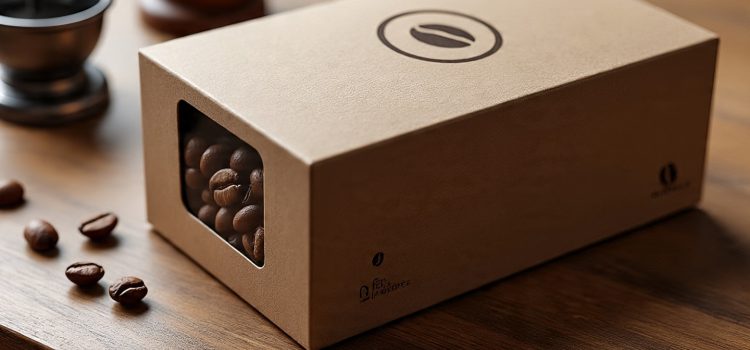
In today’s saturated coffee market, great taste alone isn’t enough. The first thing a customer experiences isn’t your roast—it’s your packaging. As a packaging professional with years of experience helping brands create memorable retail experiences, I’ve seen how the right coffee packaging can turn casual browsers into loyal buyers.
The packaging isn’t just a wrapper—it’s a sales tool, freshness protector, and brand ambassador. So, what exactly are consumers looking for when they reach for a bag of coffee? Let’s break it down.
Visual Appeal and Brand Story
First impressions count. A consumer often glances at dozens of coffee options before choosing one. A clean layout, striking color palette, and clear logo build instant brand recognition. Packaging design that mirrors the roast level—warm browns for dark roasts or soft beiges for lighter blends—helps shoppers find what they want. Beyond color, imagery and typography tell a story. Hand-drawn art can signal small-batch care, while sleek fonts hint at modern, tech-driven roasting. When a package feels aligned with a consumer’s taste and aesthetic, it forges a stronger connection. Brands that invest in cohesive visuals show respect for both the product and the buyer.
Freshness Preservation Features
After drawing attention, packaging must protect quality. Coffee starts losing flavor as soon as it meets air. Smart packaging includes one-way valves that let carbon dioxide escape without allowing oxygen in. Resealable zippers or clamps help the bag stay airtight after opening. Some companies use foil-lined pouches to block light and moisture. In simple terms, consumers look for clear mention of freshness features on the label. A note like “first-crack roast, valve-sealed bag” reassures buyers that their coffee will taste as intended. Packaging that preserves beans or grounds not only boosts satisfaction but also reduces waste, since stale coffee often ends up discarded.
Clear and Honest Labeling
Buyers crave information. They want to know origin, roast date, grind size, and tasting notes. Labels that list the country or farm, altitude, and harvest date create trust. Simple flavor descriptions—such as caramel, cherry, or dark chocolate—help set expectations. For ground coffee, indicating grind size ensures compatibility with drip machines or espresso makers. Overall, labels should avoid jargon and be easy to read. When shoppers see transparent, detailed packaging, they feel confident about their choice. Brands that hide roast dates or use vague terms can face returns and poor reviews. Honest labeling builds lasting loyalty.
Sustainable Packaging Matters
Today’s consumers care about the planet. Many coffee drinkers seek brands that use eco-friendly materials. Packaging made from recycled paper, compostable films, or plant-based plastics sends a strong green signal. Clear messaging like “100% compostable bag” or “recyclable pouch” meets buyer expectations. Some companies go further by using soy-based inks and minimal packaging to cut waste. Even the smallest coffee sachet can impact perceptions. Brands that highlight sustainability on their packaging earn goodwill, especially among younger shoppers. Sustainable packaging does more than reduce environmental harm—it becomes a key selling point.
Convenience and Functional Design
Coffee lovers value ease. A flat-bottom bag that stands upright in the pantry saves space. Easy-to-open tear notches or zip locks speed daily routines. Single-serve pods or sachets offer on-the-go convenience for busy consumers. Some brands include built-in measuring scoops or fold-over caps to simplify storage. When packaging design blends form and function, it adds real value. Buyers quickly learn which brands make their mornings smoother. Packaging that feels intuitive and reliable earns repeat business and positive word-of-mouth.
Emotional Connection and Storytelling
Beyond facts and features, coffee packaging can spark emotion. A short brand story about the farmer or a family tradition creates a personal bond. Phrases like “hand-picked at dawn” or “roasted in small batches” transport consumers to the farm or roastery. Photos or illustrations of the landscape, cup, or founder add authenticity. This narrative layer transforms a basic product into a meaningful experience. When buyers feel connected, they are more likely to become loyal fans and share the story with friends. Effective packaging weaves facts and feelings into a seamless tale.
1. Freshness is Non-Negotiable
Coffee drinkers—especially specialty coffee fans—care deeply about freshness. Packaging must keep beans or grounds oxygen-free, moisture-free, and light-proof. That’s why many high-end roasters opt for:
- Foil-lined bags with one-way degassing valves
- Heat-sealed tops
- Barrier materials (PE, PET, or kraft with liners)
Consumers may not understand every technical detail, but they do look for clues—sealed packaging, valves, and roast dates all send signals that freshness is taken seriously.
2. A Design That Reflects Brand Identity
Whether it’s bold and modern or artisanal and earthy, custom product packaging design speaks volumes. For many shoppers, especially younger ones, the design is what pulls them in. They’re looking for:
- Clean typography and easy-to-read information
- Colors and patterns that match the brand’s vibe
- Premium finishes like matte textures or foil stamping
- Artwork or storytelling that connects emotionally
In short, your bag needs shelf presence—something that makes it pop next to dozens of competitors.
3. Clear, Transparent Information
Today’s coffee buyers want to know what they’re drinking and where it came from. Packaging that includes details like:
- Origin (country, region, or farm)
- Roast level and tasting notes
- Grind type (whole bean, coarse, espresso grind)
- Certifications (organic, fair trade, Rainforest Alliance)
Builds consumer trust and brand transparency. The more precise and honest the details, the more confident the purchase.
4. Convenience and Functionality
Resealable features like zipper locks or tin ties are highly valued, especially for larger bags. Consumers want to be able to:
- Keep the coffee fresh between uses
- Easily open and close the package
- Store it upright in their pantry or cabinet
No one wants to fumble with scissors every morning—functional design adds value.
5. Sustainability and Eco-Friendliness
Eco-conscious buyers are influencing the entire coffee supply chain—including how it’s packaged. Many now actively seek:
- Compostable coffee bags made with PLA or kraft paper
- Recyclable pouches with minimal plastic
- Minimalistic designs that avoid excess packaging
- Brands that promote take-back or refill programs
Even if your product isn’t 100% sustainable yet, showing progress (and being honest about it) matters to today’s consumers.
6. Size Variety and Portability
Single-serve packs, travel sachets, and bulk bags all have their place. Your coffee packaging should match your target audience’s lifestyle:
- Busy professionals may love portable pouches
- Families or offices may prefer larger, resealable bags
- Coffee aficionados may want sample-sized packs to try new blends
Offering different sizes can broaden your customer base and allow for more flexible merchandising.
7. Unboxing and Shelf Appeal
In both e-commerce and retail, the packaging must feel intentional and premium. Even if you’re selling online, customers still judge quality based on:
- The feel of the material
- The ease of unboxing
- The print clarity and colors
- Whether the packaging aligns with the product price point
Think of your coffee packaging as an extension of customer experience—it should surprise, delight, and confirm value.
Final Thoughts
Consumers today expect a lot from coffee packaging—and rightfully so. From freshness and information clarity to design and eco-conscious choices, the packaging is no longer an afterthought. It’s a vital piece of your product’s story.
Whether you’re a local roaster or an emerging brand looking to scale, investing in the right coffee packaging isn’t just smart—it’s essential. Need help designing or sourcing functional, stylish, and cost-effective coffee bags? I’d be glad to help you find the solution that fits your audience and your brand.