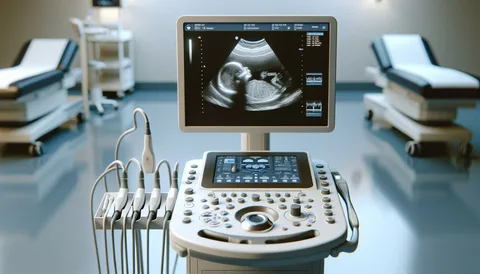
Ultrasound, also known as USG (Ultrasonography), is one of the most commonly used diagnostic imaging tests in modern healthcare. It is safe, painless, non-invasive, and widely recommended for examining internal organs, monitoring pregnancy, and diagnosing a variety of medical conditions.
Because it does not use radiation, ultrasound is suitable for people of all ages, including pregnant women and children. As awareness about early diagnosis grows, more patients today want clear information about the USG test price and how to find an ultrasound near me for quick and reliable testing. In this detailed guide, we will explain what a USG test is, how it works, its types, cost factors, preparation tips, and benefits, so you can make an informed decision.

What Is a USG Test?
A USG test uses high-frequency sound waves to create real-time images of the inside of the body. These sound waves are transmitted through a handheld device called a transducer, which is gently moved over the skin. The echoes produced by sound waves bouncing off organs are converted into images on a monitor.
Doctors rely on ultrasound imaging to examine soft tissues that may not be clearly visible on X-rays. It helps in diagnosing conditions related to the abdomen, pelvis, heart, blood vessels, muscles, and reproductive organs.
How Does an Ultrasound Test Work?
During a USG test, a clear gel is applied to the area being examined. This gel helps the transducer move smoothly and allows sound waves to pass effectively into the body. The transducer sends sound waves that reflect off internal structures.
These reflections are processed by a computer to create detailed images. The entire procedure is usually completed within 15 to 45 minutes, depending on the type of scan. It is painless, although slight pressure may be felt during the examination.
Common Types of USG Tests
Ultrasound is used for a wide range of diagnostic purposes. Some of the most common types include:
Abdominal Ultrasound
Used to examine organs such as the liver, kidneys, gallbladder, pancreas, and spleen. It helps detect stones, infections, tumors, and fluid accumulation.
Pelvic Ultrasound
Commonly recommended for evaluating the uterus, ovaries, prostate, and bladder. It helps diagnose reproductive and urinary issues.
Pregnancy Ultrasound
Used to monitor fetal growth, check the baby’s heartbeat, estimate due dates, and detect abnormalities during pregnancy.
Doppler Ultrasound
Evaluates blood flow in arteries and veins. It is useful in detecting blood clots, blockages, and circulation problems.
Breast and Thyroid Ultrasound
Helps in examining lumps, nodules, or abnormal growths in soft tissues.
USG Test Price: What Is the Cost in India?
The USG test price in Delhi can vary based on several factors, such as the type of ultrasound, the body part being examined, the location, and the technology used. On average, ultrasound test prices may range from:
- Ultrasound test price range: ₹1200 to ₹10,000, depending on the type of scan.
These prices are approximate and may differ depending on the city and diagnostic center.
Factors Affecting Ultrasound Test Cost
Several factors influence the final cost of a USG test:
Type of Ultrasound
Advanced scans like Doppler or level II pregnancy ultrasounds cost more than basic scans.
Body Part Examined
Ultrasounds covering multiple organs or specialized areas usually have higher charges.
Location
Metro cities may have slightly higher prices compared to smaller towns.
Equipment Quality
Advanced machines with high-resolution imaging may increase the test cost.
How to Find Ultrasound Near Me?
Searching for an ultrasound near me has become easier with online tools and diagnostic service platforms. When choosing a center, consider the following points:
- Availability of modern ultrasound machines
- Experienced radiologists and technicians
- Transparent pricing
- Quick appointment scheduling
- Clean and patient-friendly environment
Always choose a center that follows proper safety and hygiene standards for accurate results.
Preparation Tips for USG Test
Preparation depends on the type of ultrasound you are undergoing:
- Abdominal ultrasound: You may be asked to fast for 6–8 hours before the scan.
- Pelvic ultrasound: A full bladder may be required, so drinking water beforehand is advised.
- Pregnancy ultrasound: Usually requires minimal preparation.
- Doppler ultrasound: Follow the specific instructions given by your doctor.
Wearing comfortable clothing and carrying previous reports can also help streamline the process.
Benefits of Ultrasound Imaging
Ultrasound offers several advantages over other imaging tests:
- No radiation exposure
- Safe for repeated use
- Real-time imaging
- Painless and non-invasive
- Suitable for pregnant women
- Quick and widely available
Because of these benefits, ultrasound is often the first diagnostic test recommended by doctors.
When Should You Get a USG Test?
A USG test may be advised if you experience symptoms such as abdominal pain, swelling, irregular menstrual cycles, pregnancy-related concerns, or blood flow issues. Doctors also recommend it for routine pregnancy monitoring and preventive health checkups.
Conclusion
Ultrasound imaging plays a vital role in early diagnosis and ongoing health monitoring. It is safe, affordable, and accessible, making it one of the most trusted diagnostic tools today.
Understanding the USG test price helps you plan your healthcare expenses better, while knowing how to search for an ultrasound near me ensures timely testing and accurate results. By choosing the right diagnostic center and following proper preparation guidelines, you can get reliable ultrasound results that support better medical decisions and long-term health.