Introduction: Diet Coke has become a popular beverage choice for those seeking a low-calorie alternative to regular soda. However, the true cost of consuming Diet Coke goes beyond its apparent benefits. In this article, we will debunk common myths surrounding Diet Coke and delve into the risks associated with its consumption. By shedding light on the realities, we aim to provide a comprehensive understanding of the potential drawbacks of drinking Diet Coke.
- Myth: Diet Coke Aids in Weight Loss Contrary to popular belief, drinking Diet Coke does not guarantee weight loss. The artificial sweeteners in Diet Coke can trigger cravings and disrupt the body’s natural ability to regulate calorie intake. This can lead to overeating, sabotaging weight management efforts.
- Myth: Diet Coke is Harmless to Dental Health While Diet Coke doesn’t contain sugar, it still poses risks to dental health. The high acidity of the beverage can erode tooth enamel, increasing the likelihood of tooth decay, cavities, and tooth sensitivity over time.
- Risk: Increased Risk of Metabolic Syndrome Research suggests that frequent consumption of diet sodas like Diet Coke may be associated with an increased risk of metabolic syndrome. This cluster of conditions, including obesity, high blood pressure, and insulin resistance, can raise the risk of heart disease and type 2 diabetes.
- Risk: Adverse Effects on Gut Health The artificial sweeteners and additives in Diet Coke can disrupt the delicate balance of gut bacteria. This imbalance may lead to digestive issues, such as bloating, gas, and an increased risk of developing conditions like irritable bowel syndrome (IBS).
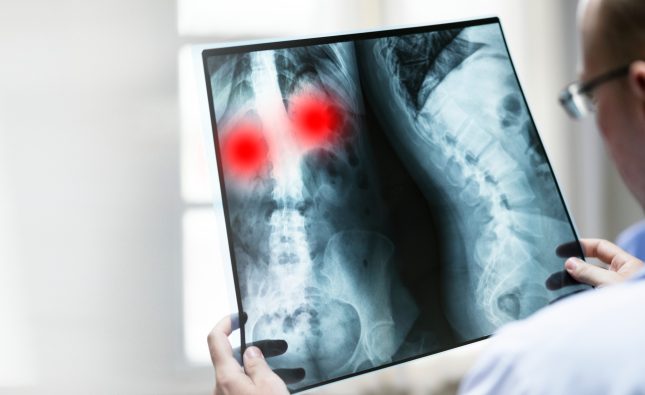
- Risk: Negative Impact on Bone Health Regular consumption of Diet Coke may have detrimental effects on bone health. The phosphoric acid in the beverage can interfere with calcium absorption, potentially leading to reduced bone mineral density and an increased risk of osteoporosis.
- Risk: Potential for Addiction and Dependency The combination of artificial sweeteners and caffeine in Diet Coke can create an addictive cycle. The pleasurable sensations triggered by the beverage’s components may lead to cravings and dependency, making it difficult to reduce or eliminate consumption.
Conclusion: Drinking Diet Coke comes with a real cost that extends beyond the initial appeal of a low-calorie option. Debunking myths surrounding Diet Coke reveals that it may not be a helpful aid for weight loss, and it poses risks to dental health, metabolic health, gut health, bone health, and may foster dependency. By understanding these risks, individuals can make informed choices about their beverage consumption and opt for alternatives that support their long-term health and well-being. Remember, moderation and a balanced approach to beverage choices are key to maintaining a healthy lifestyle.