In recent years, Neuro-Linguistic Programming (NLP) has gained remarkable popularity in Pakistan as individuals seek powerful tools for self-development, emotional intelligence, communication mastery, and professional success. Whether you’re a coach, educator, entrepreneur, therapist, or simply passionate about helping others, becoming a certified NLP practitioner in Pakistan can open up incredible new possibilities.

This guide explains how you can become a certified NLP practitioner, the benefits of certification, and why Neural Nexus by Manahil Hafeez is one of the top NLP training institutes in Pakistan.

What Is NLP and Why Does It Matter?

NLP stands for Neuro-Linguistic Programming—a methodology that explores the connection between the neurological system (neuro), language (linguistic), and behavioral patterns (programming) learned through experience. Developed in the 1970s, NLP has evolved into a globally recognized field used in:

  • Therapy and coaching
  • Leadership and business development
  • Personal growth and emotional healing
  • Communication and relationship enhancement
  • Public speaking and performance improvement

By learning how thoughts, language, and emotions are linked, NLP practitioners help people break free from limiting beliefs, overcome emotional blockages, and develop new strategies for success.

Steps to Become a Certified NLP Practitioner in Pakistan

  1. Understand the Prerequisites

Before enrolling in a course, ensure you meet the basic criteria:

  • Interest in psychology, personal development, or coaching
  • No formal degree required, but a growth mindset is essential
  • Commitment to learning and applying new concepts
  1. Choose an Accredited NLP Training Institute

This is the most critical decision in your NLP journey. You want a program that:

  • Is accredited by a recognized international board (e.g., American Board of NLP)
  • Offers both theoretical and hands-on practical training
  • Provides certification upon successful completion
  • Has experienced, certified trainers

One of the top-rated and internationally certified institutes in Pakistan is Neural Nexus by Manahil Hafeez, a licensed NLP Trainer and Time Line Therapy® Practitioner.

  1. Enroll in an NLP Practitioner Course

Most NLP practitioner certification courses in Pakistan span 4 to 6 days (intensive format) or can be taken in modular formats online or in-person. Core areas covered include:

  • NLP Presuppositions
  • Representational Systems
  • Anchoring Techniques
  • Rapport Building
  • Reframing and Meta Models
  • Strategies for Motivation and Change
  • Time Line Therapy® Basics
  • Techniques to Eliminate Limiting Beliefs

At Neural Nexus, all these modules are taught with real-world applications, case studies, and practical exercises.

  1. Complete the Training and Assessment

During the course, you’ll:

  • Participate in interactive exercises
  • Practice interventions with fellow participants
  • Receive individual feedback from your trainer
  • Undergo a final evaluation or demo to ensure skill application
  1. Get Certified

Upon successful completion, you will receive:

  • An internationally recognized NLP Practitioner Certificate
  • Eligibility to pursue Master Practitioner or Trainer-Level Certifications
  • The ability to offer NLP coaching sessions or integrate NLP into your profession

Why Become an NLP Practitioner in Pakistan?

With mental health awareness and coaching industries growing fast, becoming a certified NLP practitioner offers:

Professional Edge – Stand out in the fields of education, HR, therapy, life coaching, and public speaking.

Income Opportunity – Start your coaching business, offer 1:1 sessions, or conduct NLP workshops.

Personal Empowerment – Learn to regulate emotions, eliminate negative patterns, and build confidence.

Community and Impact – Join a growing community of empowered individuals transforming lives across Pakistan.

Why Choose Neural Nexus (neuralnexus.com.pk)?

If you’re serious about getting certified, there’s no better choice than neuralnexus.com.pk. Here’s why:

✔️ International Accreditation

Neural Nexus is certified by the American Board of NLP and offers globally recognized certifications.

✔️ Expert Trainer

Led by Manahil Hafeez, one of the few certified NLP trainers and licensed Time Line Therapy® practitioners in Pakistan, with a passion for transforming lives.

✔️ Practical, Hands-On Learning

Each session includes immersive activities, group practice, and real-life simulations to ensure learning that sticks.

✔️ Exceptional Participant Feedback

Graduates consistently report life-changing experiences, emotional breakthroughs, and confidence in using NLP professionally.

✔️ Flexible Training Options

Join online or in-person sessions from major cities in Pakistan including Islamabad, Lahore, Karachi, and beyond.

Real Voices from Past Participants

“The NLP training at Neural Nexus was a turning point in my life. It helped me overcome deep-rooted fears and find clarity in both personal and professional spaces.” — Huma Anwar

“Manahil’s teaching style is exceptional. Her sessions are interactive, empowering, and deeply transformational. Highly recommended!” — Sultan Maqsood

“The 4-day Neural Linguistics program was a truly transformative experience. It delved deep into the fascinating intersection of language, neuroscience, and human behavior. The instructor was highly knowledgeable and passionate, creating a dynamic learning environment.I particularly appreciate the practical exercises and real-world applications, which allowed me to immediately apply what I learned. I learned valuable techniques for building rapport, understanding nonverbal cues, and crafting persuasive messages. I’m confident that these skills will serve me well in both my personal and professional life. Overall, I highly recommend the Neural Linguistics program to anyone seeking to deepen their understanding of human communication and enhance their ability to connect with others. It’s an investment in yourself that will pay dividends for years to come.” — Rahat Salman

Ready to Start Your NLP Journey?

If you’re ready to become a certified NLP practitioner in Pakistan, take the first step with confidence.

Visit neuralnexus.com.pk to explore upcoming training dates, program details, and register for your free consultation.

Your breakthrough awaits. Empower yourself—and others—with the transformational power of NLP.
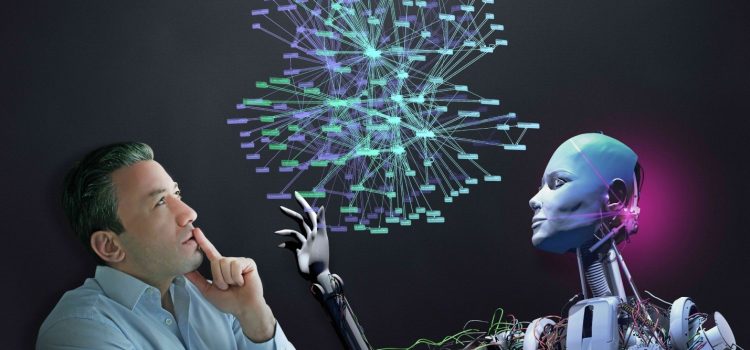
The advent of Artificial Intelligence (AI) has revolutionized numerous sectors, from finance to transportation. One of the most promising and impactful applications of AI lies in the realm of health behavior modification. By leveraging advanced algorithms, machine learning, and data analytics, AI is transforming how individuals manage their health behaviors, leading to improved outcomes and enhanced quality of life.

Understanding Health Behavior Modification

Health behavior modification refers to the process of altering habits and behaviors to improve health outcomes. This can include quitting smoking, adopting a healthier diet, increasing physical activity, and managing chronic conditions such as diabetes or hypertension. Traditionally, health behavior modification has relied on human intervention, including counseling, education, and support groups. However, these methods often face challenges such as limited accessibility, high costs, and inconsistent follow-through.

AI in Health Behavior Modification: Transforming Health Outcomes
Picture by: Yandex.com

The Integration of AI in Health Behavior Modification

AI offers a transformative approach to health behavior modification by addressing these challenges through personalized, scalable, and cost-effective solutions. Below are several key areas where AI is making a significant impact:

Personalized Health Interventions

AI algorithms can analyze vast amounts of data to identify individual health patterns and predict future behaviors. By leveraging data from wearable devices, electronic health records, and mobile applications, AI can provide personalized recommendations and interventions. For example, an AI-driven app can monitor a user’s physical activity and dietary habits, offering tailored suggestions to improve their lifestyle. This personalized approach increases the likelihood of sustained behavior change compared to generic advice.

Predictive Analytics

Predictive analytics is a powerful tool in AI that can forecast potential health risks and outcomes based on historical data. In health behavior modification, predictive analytics can identify individuals at high risk of developing chronic conditions or experiencing adverse health events. By predicting these risks, AI can prompt timely interventions, such as reminders for medication adherence or alerts for increased physical activity. This proactive approach helps in preventing health issues before they escalate.

Behavioral Nudging

Behavioral nudging involves subtle prompts and cues that encourage individuals to make healthier choices. AI can enhance this technique by delivering timely and context-specific nudges. For instance, an AI-powered app can send reminders to drink water, take short walks, or practice mindfulness based on the user’s daily routine and preferences. These nudges can be customized to align with the individual’s goals and motivations, making them more effective in promoting behavior change.

Virtual Health Coaches

Virtual health coaches powered by AI are becoming increasingly popular in supporting health behavior modification. These digital coaches can provide continuous guidance, motivation, and feedback. They can simulate human interactions and offer empathetic support, making the user feel understood and encouraged. Virtual health coaches can also adapt their strategies based on the user’s progress, ensuring that the interventions remain relevant and effective over time.

Gamification

Gamification leverages game design elements to motivate and engage individuals in health behavior modification. AI can enhance gamification by creating personalized challenges, rewards, and progress tracking. For example, an AI-driven fitness app can design custom workout plans, set achievable milestones, and reward users with virtual badges or points. By making health behavior modification enjoyable and rewarding, AI-driven gamification can increase adherence and long-term success.

Natural Language Processing (NLP)

NLP, a subset of AI, enables machines to understand and respond to human language. In health behavior modification, NLP can facilitate communication between users and AI systems. Chatbots powered by NLP can provide real-time support, answer health-related queries, and offer evidence-based advice. This instant access to information and support can empower individuals to make informed decisions about their health behaviors.

AI in Health Behavior Modification: Transforming Health Outcomes
Picture by: Yandex.com

Challenges and Ethical Considerations

While AI holds immense potential in health behavior modification, it is essential to address the associated challenges and ethical considerations. One of the primary concerns is data privacy and security. The collection and analysis of personal health data require stringent measures to protect user confidentiality and prevent unauthorized access.

Another challenge is the potential for algorithmic bias. AI systems are trained on historical data, which may contain biases that can lead to unequal treatment or recommendations. Ensuring fairness and equity in AI-driven health interventions is crucial to avoid exacerbating health disparities.

Moreover, the reliance on AI should not undermine the importance of human interaction and empathy in healthcare. While AI can provide valuable support, the role of healthcare professionals in offering personalized care and emotional support remains irreplaceable.

Future Directions

The future of AI in health behavior modification is promising, with ongoing advancements in technology and research. Integrating AI with other emerging technologies, such as the Internet of Things (IoT) and blockchain, can further enhance the effectiveness and security of health interventions. Additionally, the development of explainable AI can increase transparency and trust, allowing users to understand how AI-driven recommendations are generated.

Collaboration between technology developers, healthcare providers, and policymakers is essential to create a supportive ecosystem for AI-driven health behavior modification. By fostering innovation, ensuring ethical practices, and prioritizing user-centric design, AI can continue to play a pivotal role in improving health behaviors and outcomes.

Conclusion

AI is redefining the landscape of health behavior modification by offering personalized, predictive, and engaging solutions. Through personalized health interventions, predictive analytics, behavioral nudging, virtual health coaches, gamification, and NLP, AI empowers individuals to take control of their health and make sustainable behavior changes. However, addressing challenges related to data privacy, algorithmic bias, and the need for human interaction is crucial to fully harness the potential of AI in this field. As technology continues to evolve, AI will undoubtedly play an increasingly vital role in shaping the future of health behavior modification.