



Introduction

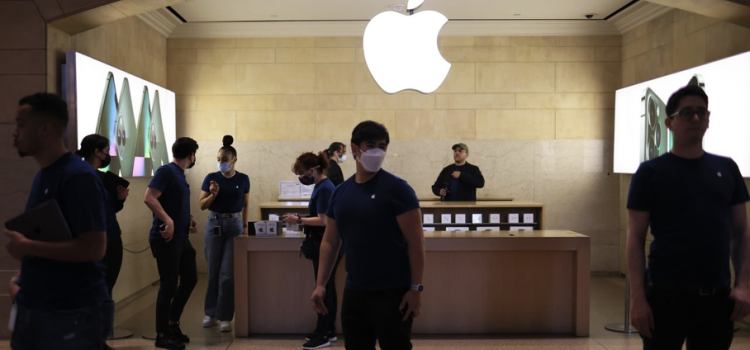
Every holiday season, Apple Store employees work extra hours to meet soaring customer demand. They open early for Black Friday, stay late for product launches, and staff stores on holidays when most people celebrate at home. Despite the long shifts and high stress, many workers say their compensation doesn’t match the extra effort. Now, unionized staff at the Towson, Maryland Apple Store are pushing for better holiday pay and tipping options to reward outstanding service. This article explores why these demands matter, what the employees are asking for, how Apple has responded, and what this fight could mean for the future of retail work.

A New Chapter in Apple Retail Labor

For years, Apple retail workers lacked collective bargaining power. In May 2022, the Towson store broke ground by unionizing under the International Association of Machinists & Aerospace Workers (IAM) . This move signaled that even corporate giants are not immune to labor organizing. Since then, other U.S. Apple Stores have attempted to unionize, though success has varied. The Towson union has used this platform to propose concrete changes, most notably around compensation during the busiest time of the year.

Why Higher Holiday Pay Matters

Intense Workload During Peak Season

The period between Thanksgiving and New Year’s is the busiest time in retail. Apple Stores often:

  • Open at dawn for special product launches.
  • Staff extra support booths for gift setups.
  • Handle high volumes of returns, repairs, and walk-in questions.

These duties require extra energy and patience. Staff juggle technical repairs in “Genius Bars,” manage long checkout lines, and guide customers through gift decisions—all while dealing with holiday crowds.

Current Holiday Pay Policy

Under Apple’s existing policy, only a limited set of federal holidays qualify for premium pay—typically 1.5 times the normal rate. Employees say this fails to recognize days like Black Friday and Christmas Eve, when traffic peaks.

The Union’s Proposal

Towson’s union has formally asked for:

  1. Expanded Holiday List: Include Black Friday, Christmas Eve, and other high-traffic days in the premium-pay schedule.
  2. Higher Premium Rates: Move from 1.5Ă— to 2Ă— or even 2.5Ă— normal pay for holidays during peak season.
  3. Guaranteed Time Off: Ensure each employee can take at least one major holiday fully off with pay, based on seniority.

They argue that these changes would reflect the real demands and sacrifices made during the holiday rush.

Introducing Tipping at Apple Stores

Why Tips?

Tipping is uncommon in electronics retail but is standard in services where personal interaction matters. The union contends that:

  • Reward for Excellence: Customers can directly thank team members who go above and beyond—fixing a stubborn device or offering expert gift advice.
  • Supplemental Income: Tips add to base wages and bonuses, especially important in expensive urban areas.
  • Customer Choice: Shoppers who appreciate service can show it instantly at checkout.

Proposed Tipping Model

The Towson union’s plan outlines:

  1. Tip Prompt at Checkout: Card readers would offer preset tip amounts (e.g., $1, $3, or 5–10%) or a custom entry.
  2. Tip Pooling: Collected tips would be pooled daily and divided evenly among hourly staff at the end of each pay period.
  3. Optional & Transparent: Tipping remains voluntary; clear signage explains that all tips go back to the team.

This model ensures fairness and avoids an environment where some employees earn far more than others.

Apple’s Official Stance

Apple has emphasized its competitive base pay and broad benefits package, which includes:

  • Performance Bonuses: Yearly bonuses tied to store performance metrics.
  • Health and Wellness: Medical, dental, vision, and mental health coverage.
  • Parental Leave and Adoption Assistance: Paid leave for new parents and adoption support.
  • Employee Discounts: Discounts on Apple products, services, and partner programs.

A company spokesperson stated that Apple continues “to listen to our employees” and is “in active dialogue” with the IAM union. However, they have not publicly committed to specific changes on holiday pay or tipping.

Potential Impacts on Retail Work

Changing Industry Norms

If Apple implements tipping, it could prompt other high-end electronics and appliance retailers to follow suit. This shift may normalize tipping outside traditional service sectors.

Customer Experience Considerations

  • Checkout Flow: Adding a tip prompt could lengthen the payment process, requiring clear signage and staff training.
  • Public Perception: Some shoppers may welcome tipping as a way to reward service, while others might resist what they see as added pressure during gift shopping.

Effects on Employees

  • Financial Upside: Enhanced holiday pay and tips boost take-home income.
  • Morale and Retention: Better compensation can reduce turnover and burnout, critical in high-stress periods.
  • Team Cohesion: Pooled tipping promotes unity, ensuring all staff share in extra earnings.

Lessons from Other Retail Sectors

Hospitality and Service Industries

Restaurants, bars, and salons rely heavily on tips. Studies show that clear tipping policies increase employee motivation and customer satisfaction. However, these sectors also face challenges like tip theft and wage disparities. Apple’s model seeks to avoid those pitfalls through pooling and transparency.

Ride-Share and Delivery Apps

Companies like Uber and DoorDash introduced in-app tipping. Drivers report higher incomes and improved service levels. Yet some critics argue that tipping has masked low base pay. Apple’s robust base salaries and bonuses could mitigate this concern.

The Broader Unionization Movement

Apple’s Towson store is at the forefront of a larger trend in retail and tech. Workers at companies like Starbucks, Amazon, and REI have also sought union representation for better pay, safety, and scheduling. Key takeaways include:

  • Collective Bargaining Power: Unionized stores can bring structured proposals and secure legally binding contracts.
  • Visibility and Support: High-profile efforts draw public attention and can pressure companies to negotiate.
  • Tailored Agreements: Each store’s context matters—urban vs. rural, sales volume, and cost of living all shape demands.

Apple’s holiday pay and tipping fight may inspire similar campaigns across the retail sector.

Negotiation Timeline and Next Steps

Key milestones in the Towson negotiations include:

  • Proposal Submission: The union formally presented its holiday pay and tipping package in early October.
  • Management Response: Apple must respond within 30 days, either accepting, modifying, or rejecting proposals.
  • Member Vote: Any tentative agreement will go to a worker vote. A majority yes is required to ratify changes.
  • Implementation Deadline: Both sides aim to finalize terms before Thanksgiving to ensure new policies apply during the peak season.

Observers will watch closely to see if Apple can adapt its premium-brand model to accommodate tipping and higher holiday wages.

Conclusion

As Apple Store employees push for enhanced holiday pay and tipping options, they challenge long-standing retail norms and test the power of organized labor. Their proposals—expanding premium holidays, raising pay rates, and enabling customer tips—reflect the intense demands of the busiest season. Apple’s response will signal whether one of the world’s most valuable companies can evolve its polished, tip-free model to meet worker expectations. For employees, customers, and the broader retail industry, this negotiation offers a glimpse into the future of service, compensation, and collective bargaining in a changing labor landscape.

Introduction

Every holiday season, Apple Store teams work long hours to help customers find the perfect gift. Yet many employees say their pay doesn’t match the extra effort. Now, unionized staff at Apple’s Towson Town Center store are pushing for higher holiday pay and a chance to accept tips. Their demands have sparked debate about fair wages, workplace culture, and whether tipping belongs in Apple’s famously polished retail experience. In this article, we’ll explore why Apple Store employees are negotiating for better holiday pay and tipping options, what they’re asking for, Apple’s response, and what it all means for the future of retail work.

A Brief History of Apple Store Unionization

Until recently, Apple retail workers had little collective bargaining power. In May 2022, employees at the Towson, Maryland, Apple Store made headlines as the first U.S. location to unionize under the International Association of Machinists & Aerospace Workers (IAM). Their goals included better pay, safer working conditions, and a stronger voice in store policies.

Since then, union drives have popped up in other U.S. stores, though not all efforts succeeded. The Towson store remains the flagship for Apple’s growing labor movement. Its workers use their union to bring formal proposals to management—most recently, a package aimed at boosting holiday compensation and adding tips.

Why Holiday Pay Matters

Extra Hours, Extra Stress

The weeks around Black Friday and Christmas are the busiest of the year. Apple Store employees often work:

  • 12-hour shifts to cover early openings and late-night launches
  • Weekend and holiday hours when most others are off
  • Small teams juggling huge crowds and high customer expectations

All of this can lead to fatigue and burnout. Yet, under Apple’s current policy, qualifying for holiday pay is limited. Employees say holiday pay should reflect the true cost—both physical and emotional—of working through the season.

The Union’s Proposal

In contract talks, the Towson store union has asked for:

  1. Higher Holiday Premiums: Pay at 1.5Ă— or 2Ă— the normal rate for all hours worked on federal holidays, including the day after Thanksgiving (Black Friday).
  2. Expanded Holiday List: Include more company-observed holidays—such as Martin Luther King Jr. Day and Juneteenth—in the premium-pay schedule.
  3. Guaranteed Time Off: A set number of paid holidays off based on seniority, so that employees get an actual break, not just extra pay.

By securing these changes, workers hope to make the holiday season less punishing and more sustainable year after year.

The Case for Tipping at Apple

Why Tips?

Tipping is rare in electronics retail, but the union argues it could:

  • Reward Excellent Service: Let customers directly thank employees who go above and beyond.
  • Boost Take-Home Pay: Provide extra income that isn’t subject to corporate performance bonuses or profit margins.
  • Level the Playing Field: Ensure that gift buyers in a holiday rush can reward staff the same way they would with baristas or bellhops.

How It Would Work

Under the union’s proposal, Apple would:

  1. Enable a “Tip” Prompt at Checkout: When customers pay by card, the terminal would offer preset tip amounts (e.g., 3%, 5%, 10%) or a custom option.
  2. Pool and Distribute Tips: Tips collected daily would be pooled and divided evenly among hourly retail staff at the end of each pay period.
  3. Maintain Voluntary Nature: Customers would not be pressured; tipping would remain optional.

This system mirrors models in restaurants and ride-share apps, but applying it to tech retail is a bold shift for a brand known for its “no tip” culture.

Other Key Contract Demands

While holiday pay and tips grab headlines, the Towson store union is negotiating a comprehensive benefits package. Their full wishlist includes:

  • 10% Across-the-Board Raises: To keep pace with rising living costs.
  • More Vacation and Sick Leave: Vacation time that grows with each year of service and paid sick days without caps.
  • Extended Bereavement Leave: Up to 45 days per year for family, close friends, and even pets.
  • Overtime Pay Adjustments: Time-and-a-half pay for hours beyond 40 per week and double-time for weekend and holiday hours.
  • Professional Development Stipends: Funds for certifications, first-aid training, and skills workshops.
  • Severance Pay: Two weeks per year of service if layoffs occur, up to a generous cap.

By packaging these demands together, workers aim to address both everyday fairness and the extreme demands of the holiday rush.

Apple’s Response So Far

Apple has not publicly committed to specific changes yet. Company representatives have emphasized:

  • Competitive Pay: Apple believes its base wages and bonus structures already rank among the industry’s best.
  • Generous Benefits: The company highlights paid parental leave, medical coverage, employee stock purchase plans, and performance-based bonuses.
  • Open Dialogue: Apple says it values feedback from all employees and is engaged in ongoing negotiations with the IAM.

However, some workers say Apple’s official statements do not match their lived experience during peak season. They point to long lines, understaffed floors, and high customer anxiety as evidence that more support is needed.

What This Means for Retail Work

A Broader Tipping Debate

If Apple allows tips, other retailers may follow. This could reshape how customers interact with high-end retail:

  • Consumer Behavior: Shoppers might choose stores with tipping options to reward better service.
  • Industry Standards: Electronics, furniture, and appliance stores could adopt similar models.
  • Wage Structures: A shift toward lower base pay and reliance on tips could emerge—raising questions about wage stability.

The Power of Organized Labor

Apple’s negotiations show that a unionized store can influence policies at a trillion-dollar company. Success here may inspire other retail workers—from Target to Starbucks—to push for holiday premiums, tipping, and stronger benefits.

Customer Experience

For customers, tipping could add complexity at checkout. Clear communication will be key to ensure shoppers feel comfortable and understand where gratuities go.

Expert Perspectives

  • Labor Economists note that tip models work best in industries where service quality varies widely. In a highly standardized environment like Apple’s retail stores, the impact on performance may be minimal.
  • Retail Strategists believe holiday pay increases are more straightforward. Premium holiday rates are common in hospitality and logistics and pose little risk to customer experience.
  • Consumer Advocates warn against “tip fatigue.” If every retailer asks for tips, shoppers may feel overwhelmed and reduce discretionary spending.

Balancing these views will be crucial as Apple and the IAM hammer out an agreement.

Looking Ahead

Contract talks will continue through the fall. Key dates include:

  • Mid-November Negotiations: Final proposals and counteroffers ahead of Thanksgiving.
  • Union Vote: Members must approve any tentative agreement.
  • Implementation in Time for Holidays: Both sides aim to settle before the Black Friday rush.

A deal could set a precedent for other unionized and non-unionized Apple Stores. Observers across retail and tech will watch closely to see if Apple adapts its polished, tip-free model to changing worker expectations.

Conclusion (90 words)

As Apple Store employees push for higher holiday pay and a tipping option, they’re reshaping a retail model long defined by polished service and fixed salaries. Their demands—ranging from premium holiday wages to pooled customer tips—seek to reward extra effort during the busiest season of the year. Apple’s response will signal whether one of the world’s most valuable companies can adapt to rising calls for fair pay and worker-driven benefits. For employees, customers, and the broader labor movement, this negotiation is more than policy—it’s a test of how retail work evolves to meet modern needs.