Buy now, pay later (BNPL) has become an increasingly popular payment option among consumers in recent years. The concept is simple: instead of paying for a purchase upfront, customers can split the cost into smaller, interest-free installments, usually paid over a few weeks or months.

The rise of BNPL can be attributed to a number of factors, including the growing popularity of online shopping, the convenience of not having to pay upfront, and the ease of use provided by mobile apps and websites. But while BNPL may seem like a win-win situation for both consumers and merchants, there are pros and cons to consider.

Pros:

  1. Affordability: BNPL can be a more affordable option for consumers who don’t have the cash on hand to make a large purchase upfront. By spreading the cost over several payments, customers can better manage their finances and avoid accumulating debt.
  2. Convenience: BNPL is a convenient option for consumers who want to make a purchase quickly and easily, without having to go through the hassle of applying for a credit card or loan.
  3. No interest: Unlike credit cards, most BNPL plans offer interest-free payments, which can save consumers money in the long run.

Cons:

  1. Late fees: If a consumer misses a payment, they may be subject to late fees, which can quickly add up and make the purchase more expensive than if they had paid upfront.
  2. Temptation to overspend: BNPL can make it easier for consumers to overspend, as they may not feel the immediate impact of the purchase on their finances.
  3. Limited consumer protection: Unlike credit cards, BNPL plans may not offer the same level of consumer protection, such as dispute resolution and fraud protection.

In conclusion, while BNPL can offer affordability and convenience for consumers, it’s important to consider the potential downsides, such as late fees and the temptation to overspend. As with any financial decision, it’s important for consumers to weigh the pros and cons and make an informed choice based on their individual circumstances.

As we move towards a more diverse and inclusive society, the beauty industry is also evolving to cater to people of all races, genders, ages, and abilities. In 2023, the focus is shifting towards creating an inclusive approach to beauty that celebrates individuality and empowers everyone to feel confident in their own skin.

One of the key changes we are seeing in the industry is a move towards more diverse representation in advertising and branding. Brands are beginning to feature models of different ages, races, and body types to better reflect their customer base and show that beauty comes in all shapes and sizes. This trend is not only reflective of the growing demand for more representation but also indicative of the industry’s efforts to break away from unrealistic beauty standards that have long been perpetuated.

Another significant change is the growing emphasis on clean and sustainable beauty, which prioritizes the use of natural and non-toxic ingredients that are safe for all skin types. This shift towards a more eco-conscious approach is not only beneficial for the environment but also for people with sensitive skin and allergies.

Moreover, the inclusivity movement has also led to an increase in gender-neutral products, such as makeup and skincare. Brands are now offering unisex products that are formulated to cater to different skin types and needs without being gender-specific. This approach caters to individuals who may not conform to traditional gender roles and allows them to feel comfortable and confident in their choices.

In conclusion, the beauty industry is rapidly changing, and the focus is shifting towards inclusivity and individuality. As more consumers demand products that cater to their unique needs, we can expect to see an increase in diversity and representation, eco-conscious practices, and gender-neutral products. The beauty for all approach is a step towards breaking down barriers and making beauty accessible to everyone, regardless of their race, gender, age, or ability.

The world of skincare is constantly evolving, with new ingredients and technologies being developed all the time. As a journalist, it’s important to stay on top of these trends and to report on the latest breakthroughs in the industry.

One area where there has been a lot of excitement in recent years is the use of natural ingredients in skincare products. Many consumers are looking for products that are free from harmful chemicals and that harness the power of nature to improve their skin. Some of the most promising natural ingredients include plant extracts like green tea, chamomile, and aloe vera, as well as oils like argan and jojoba.

Another area of innovation in the skincare industry is the use of advanced technologies like artificial intelligence (AI) and 3D printing. AI can be used to analyze skin data and create personalized skincare routines for individual consumers, while 3D printing allows for the creation of customized skincare products that are tailored to each person’s unique needs.

In addition to reporting on these exciting new developments in the skincare industry, it’s also important to examine the ethical implications of these trends. For example, some companies are using biotechnology to produce ingredients like collagen and hyaluronic acid in a lab, rather than sourcing them from animal products. While this approach has the potential to be more sustainable and ethical, it also raises questions about the safety and efficacy of these lab-produced ingredients.

As a journalist, it’s important to use a range of research techniques to verify information and uncover sources. This might involve conducting interviews with industry experts, reviewing scientific studies, and analyzing market data to get a sense of which trends are most popular with consumers.

In conclusion, the future of skincare looks bright, with new breakthrough ingredients and technologies being developed all the time. As a journalist, it’s important to stay on top of these trends and to report on them accurately and ethically. By doing so, journalists can help consumers make informed choices about their skincare routines and inspire positive change in the industry.

In recent years, consumers have become increasingly aware of the impact that their beauty products have on the environment. From plastic packaging to harmful ingredients, the cosmetics industry has traditionally been a major contributor to pollution and waste. However, a growing number of brands are now embracing sustainability and leading a green beauty revolution.

One of the key ways that brands are promoting sustainability is through their packaging. Many companies are opting for eco-friendly materials such as glass, metal, and paper, which can be recycled or biodegraded. Some brands are even taking it a step further by offering refillable packaging or innovative packaging solutions that reduce waste.

In addition to packaging, ingredients are also a major focus for sustainable beauty. Many brands are sourcing natural and organic ingredients that are grown without harmful chemicals and pesticides, reducing their impact on the environment. Some brands are even working directly with farmers and communities to promote ethical sourcing and fair trade practices.

But sustainability in the cosmetics industry is not just about the ingredients in the products themselves. It’s also about the manufacturing process and the impact that it has on the environment. Brands are increasingly adopting sustainable practices such as using renewable energy sources, reducing water consumption, and minimizing waste during production.

Consumer demand for sustainable beauty products is also driving the industry’s shift towards sustainability. A recent survey found that 85% of consumers consider sustainability when making a purchase, and that number is only expected to grow. Brands that don’t prioritize sustainability risk losing market share to those that do.

However, there are still challenges facing the cosmetics industry as it moves towards sustainability. One of the biggest is the lack of regulation around sustainable beauty claims, which can make it difficult for consumers to determine whether a product is truly eco-friendly or just greenwashed. In addition, there is also a need for greater transparency and accountability from brands when it comes to their sustainability practices.

Despite these challenges, the green beauty revolution shows no signs of slowing down. As consumers become more aware of the impact that their beauty products have on the environment, brands are stepping up to meet their demands and promote sustainability. By embracing innovative packaging solutions, natural ingredients, and sustainable manufacturing practices, the cosmetics industry can continue to evolve and lead the way in creating a more sustainable future.

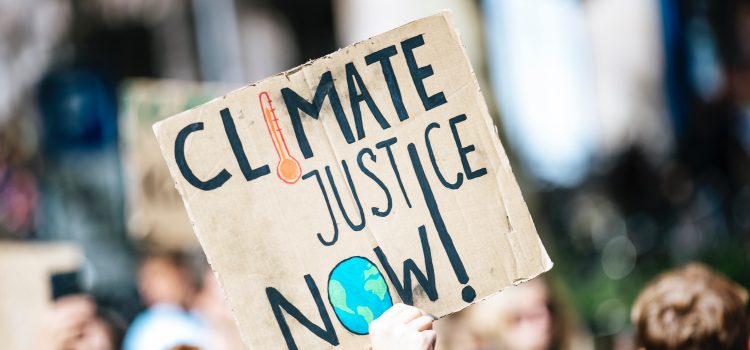
One industry that has been particularly affected by climate change is agriculture. Farmers are facing challenges such as droughts, floods, and extreme weather events, which can damage crops and reduce yields. To adapt, some farmers are turning to more sustainable farming practices, such as conservation tillage, cover crops, and crop rotation, which can help to conserve water, improve soil health, and increase resilience to extreme weather.

Another industry that is being affected by climate change is insurance. Insurers are facing an increasing number of claims related to climate-related events, such as floods, wildfires, and hurricanes, which are becoming more frequent and severe. To adapt, some insurers are using new technologies, such as satellite imagery and machine learning, to better assess risk and manage claims.

The energy industry is also being affected by climate change, as rising temperatures and extreme weather events can impact energy production and distribution. To adapt, some utilities are investing in renewable energy sources, such as solar and wind power, which are less vulnerable to climate-related disruptions. They are also exploring new technologies, such as battery storage and microgrids, to improve the resilience of the energy grid.

Despite these efforts, there are still challenges to be faced in adapting to climate change. For example, many industries are still heavily dependent on fossil fuels, which contribute to climate change. Additionally, there may be conflicts between economic growth and environmental sustainability, as businesses may be reluctant to invest in more expensive sustainable practices.

However, the adaptation efforts that are underway across industries demonstrate a commitment to addressing the challenges of climate change. Through innovation and investment, businesses are finding ways to adapt to the changing climate, and to reduce their impact on the environment. As a journalist, I will continue to monitor these efforts, and report on the latest developments in climate adaptation across US industries.

The real estate industry is undergoing significant changes, driven by advancements in technology, shifting demographics, and changing consumer behaviors. In 2023 and beyond, we can expect to see continued evolution in the real estate market, with new trends and challenges emerging.

One of the biggest trends we can expect to see is the rise of smart homes and home automation. As we discussed earlier, home automation is becoming more accessible and affordable, and it is likely to become a standard feature in homes in the near future. This will not only impact the way we live but also the way we buy and sell homes.

Another trend we can expect to see is the growing importance of sustainability and energy efficiency. With climate change and environmental concerns at the forefront of public discourse, more homebuyers are seeking out homes that are energy-efficient and eco-friendly. In response, real estate developers and builders are incorporating green building practices and sustainable materials into their projects.

Furthermore, we can expect to see an increase in virtual and augmented reality technologies in the real estate industry. These technologies allow buyers to explore properties in 3D and make informed decisions without the need for in-person visits. This is especially useful for international buyers or those who cannot physically visit properties due to time or distance constraints.

As the real estate market continues to evolve, there will also be challenges to navigate. One challenge is the increasing demand for affordable housing in urban areas. This is a global issue, as more and more people move to cities, and affordable housing becomes scarce. Governments and real estate developers will need to work together to find solutions to this issue.

Another challenge is the potential for a housing market crash or economic downturn. Real estate markets are cyclical, and periods of growth are often followed by periods of decline. It’s important for buyers, sellers, and investors to be aware of these cycles and make informed decisions based on economic indicators and trends.

Overall, the future of real estate is bright, but it will require adaptation and innovation to keep up with the changing landscape.

Feature Story: The Future of Real Estate: How Technology is Changing the Industry

The real estate industry is no stranger to technology, but in recent years, advancements have been accelerating at a rapid pace. From virtual reality tours to blockchain-based transactions, technology is transforming the way we buy and sell homes.

One of the most significant changes we are seeing is the rise of smart homes and home automation. Homebuyers are increasingly seeking out properties with smart home features, such as automated thermostats and security systems. In response, real estate developers are incorporating these features into new construction projects, and existing homeowners are retrofitting their homes to make them “smart.”

Another way technology is changing the real estate industry is through virtual and augmented reality technologies. These technologies allow buyers to explore properties in 3D and get a sense of the space without the need for in-person visits. This is especially useful for international buyers or those who cannot physically visit properties due to time or distance constraints.

Blockchain technology is also making waves in the real estate industry, as it provides a secure and transparent way to conduct transactions. Smart contracts, which are self-executing contracts with the terms of the agreement written into code, can streamline the buying and selling process and reduce the need for intermediaries.

While these technologies are exciting and have the potential to revolutionize the real estate industry, there are also challenges to navigate. Privacy and security concerns are a significant challenge for smart homes and home automation, as the more devices that are connected, the greater the risk of cyber-attacks and data breaches. Additionally, the use of virtual and augmented reality technologies can be costly and may not fully capture the experience of physically visiting a property.


The world of smart homes and Internet of Things (IoT) is rapidly growing, with more and more households adopting connected devices to automate and simplify their daily routines. From smart thermostats to security cameras and voice assistants, there is a wide range of IoT devices available to consumers, promising to make life easier and more convenient.

But as with any new technology, there are concerns about security and privacy. With so many devices connected to the internet, there is the potential for hackers to gain access to sensitive data or even control devices remotely. As a journalist, it’s important to explore both the benefits and risks of the connected home and provide readers with accurate and balanced reporting.

One of the main benefits of IoT devices in the home is increased efficiency and convenience. For example, a smart thermostat can learn your daily routine and automatically adjust the temperature to your preferred settings, saving energy and reducing utility costs. Smart lighting can be controlled remotely, allowing you to turn lights on and off from anywhere using your smartphone or voice commands.

IoT devices can also enhance home security, with cameras and sensors that can detect motion and send alerts to your phone. Smart locks can be controlled remotely, allowing you to grant access to visitors or service providers without the need for physical keys.

However, there are also risks associated with IoT devices, particularly when it comes to privacy and security. Hackers could potentially gain access to personal data or even control devices remotely, creating serious safety concerns for homeowners.

As a journalist, it’s important to research and verify information from reliable sources, such as security experts and consumer advocacy groups, to provide readers with accurate and trustworthy reporting. It’s also important to adhere to journalistic ethics, such as avoiding sensationalism and providing balanced reporting that includes both the benefits and risks of the connected home.

In conclusion, the connected home and IoT devices offer many benefits to consumers, but there are also risks that need to be considered. As this technology continues to evolve and become more widespread, it’s essential for journalists to stay informed and provide accurate reporting that helps readers make informed decisions about their own homes and safety.

Title: Financial Planning for Freelancers and Independent Contractors: A Guide to Building a Secure Financial Future

As a freelancer or independent contractor, managing your finances can be challenging. You don’t have the luxury of a steady paycheck, and you have to account for expenses like taxes and business expenses that traditional employees don’t have to worry about. However, with some careful planning and diligence, you can build a secure financial future for yourself.

Here are some key steps to take to get started:

  1. Create a budget The first step in financial planning is to create a budget. This means tracking your income and expenses and figuring out where your money is going. Once you know how much you’re making and how much you’re spending, you can identify areas where you can cut back and save money.
  2. Set financial goals Once you have a budget in place, it’s important to set financial goals. Do you want to save for a down payment on a house, pay off debt, or save for retirement? Whatever your goals are, make them specific, measurable, and achievable.
  3. Start saving for retirement As a freelancer or independent contractor, you don’t have the luxury of an employer-sponsored retirement plan. However, there are still ways to save for retirement. One option is to open an Individual Retirement Account (IRA) and contribute to it regularly. You can also consider investing in a SEP IRA or a Solo 401(k).
  4. Keep track of your taxes When you’re self-employed, you’re responsible for paying your own taxes. Make sure you keep track of your income and expenses throughout the year, so you’re prepared when it’s time to file your taxes. Consider hiring a tax professional to help you navigate the complexities of self-employment taxes.
  5. Build an emergency fund As a freelancer or independent contractor, your income may be unpredictable. That’s why it’s important to have an emergency fund in place. Aim to save at least three to six months’ worth of living expenses, so you’re prepared for any unexpected expenses or income dips.

In conclusion, financial planning is essential for freelancers and independent contractors. By creating a budget, setting financial goals, saving for retirement, keeping track of your taxes, and building an emergency fund, you can build a secure financial future for yourself. Remember, financial planning is an ongoing process, so make sure you regularly review and adjust your plan as needed.

I. Introduction

  • Explanation of what commodities are and why they are important for investment portfolios
  • Brief overview of the article’s main focus: investing in gold, oil, and other commodities

II. Investing in Gold

  • Historical significance of gold as a store of value
  • Reasons to invest in gold, including its low correlation to other assets and ability to act as a hedge against inflation and geopolitical uncertainty
  • Different ways to invest in gold, such as physical gold, gold ETFs, and gold mining stocks
  • Pros and cons of each investment method
  • Possible risks and considerations when investing in gold

III. Investing in Oil

  • Overview of the oil market and its importance in the global economy
  • Reasons to invest in oil, including its high demand and limited supply
  • Different ways to invest in oil, such as futures contracts, ETFs, and oil company stocks
  • Pros and cons of each investment method
  • Possible risks and considerations when investing in oil

IV. Other Commodities to Consider

  • Overview of other popular commodities, such as silver, copper, and agricultural products
  • Reasons to invest in these commodities
  • Different ways to invest in these commodities
  • Pros and cons of each investment method
  • Possible risks and considerations when investing in these commodities

V. Conclusion

  • Recap of the main points covered in the article
  • Summary of the risks and rewards of investing in commodities
  • Final thoughts on the potential benefits of adding commodities to an investment portfolio

As we delve into each section, we can provide expert insights from investors and analysts, data on market trends and performance, and tips for readers looking to get started with investing in commodities. We will also ensure that all information is factually accurate and adhere to journalistic ethics throughout the article

As the new infrastructure bill makes its way through Congress, its potential economic impact is a topic of great interest to policymakers, economists, and everyday Americans alike. The bill, which aims to invest heavily in improving the nation’s roads, bridges, broadband networks, and other critical infrastructure, has the potential to create jobs, spur economic growth, and improve the quality of life for millions of people.

According to estimates from the Biden administration, the bill could create up to 2 million new jobs per year over the next decade, primarily in industries related to construction, transportation, and clean energy. The bill also includes provisions to support the growth of small businesses, invest in research and development, and strengthen supply chains, all of which could have positive economic impacts.

However, some economists and lawmakers have raised concerns about the bill’s potential costs. The current version of the bill includes $1.2 trillion in spending over eight years, funded in part by tax increases on corporations and high-income earners. While some argue that these tax increases are necessary to fund much-needed infrastructure improvements, others worry that they could stifle economic growth and lead to job losses.

Another potential economic impact of the bill is its focus on clean energy and sustainability. The bill includes significant investments in electric vehicle infrastructure, renewable energy, and efforts to reduce carbon emissions. While these investments could help combat climate change and promote sustainability, some have expressed concern that they could come at the expense of traditional energy industries and lead to job losses in those sectors.

Overall, the economic impact of the infrastructure bill is likely to be complex and multifaceted, with both positive and negative effects. As the bill makes its way through Congress and potential amendments are considered, it will be important for policymakers to carefully consider the potential economic impacts of each provision and ensure that the bill ultimately supports a strong, sustainable, and equitable economy for all Americans.