Are you tired of applying concealer only to have it look cakey or crease throughout the day? Or maybe you’re new to the world of makeup and unsure where to start with this magical product. Fear not, because we have created The Ultimate Guide to Applying Concealer: 5 Simple Steps. From choosing the right shade to avoiding common mistakes, we’ve got you covered. So grab your favorite concealer and let’s get started!

What is Concealer?

Concealer is a makeup product designed to hide imperfections on the skin, such as dark circles, blemishes, and redness. It comes in different forms including liquid, cream, stick or powder.

The purpose of concealer is not to change the color of your skin but rather blend it with other products like foundation for a flawless finish.

Concealers have varying coverage levels from light to heavy depending on their formula and texture. Lighter concealers are good for everyday use while heavier ones are suitable when you need more coverage.

It’s important to choose a concealer that matches your skin tone or one shade lighter if you want to brighten up certain areas of your face like under eyes.

Some concealers also contain skincare ingredients which can help reduce puffiness, fine lines and wrinkles over time.

Concealer is an essential tool in every beauty kit that camouflages various unwanted marks making our complexion look spotless!

The Different Types of Concealer

When it comes to choosing the right concealer, there are several types available in the market. Knowing which type is best suited for your skin type and concern can make all the difference.

Firstly, there’s liquid concealer which is perfect for those with dry or mature skin as it provides a hydrating effect while also offering coverage. It’s easy to blend and buildable, making it an ideal choice for those who require medium to full coverage.

Next up is cream concealer that offers thicker and more pigmented coverage compared to liquid concealers. Best suited for oily or combination skin types, cream concealers tend to be long-lasting and offer a matte finish.

For those dealing with dark circles or puffiness under their eyes, color corrector concealers come in handy. With different colors like pink, peach and orange targeting specific discolorations on the face – they help neutralize them before applying regular concealer.

Then we have stick concealers that work efficiently in covering blemishes or spots because of its thick consistency. The product comes in an easy-to-use twist-up tube that makes application quick and convenient.

Powder concealers are perfect if you’re looking for a light finish over your foundation as they set makeup without adding any extra heaviness. They’re also great at absorbing excess oil on oily or acne-prone areas of your face such as forehead, nose & chin.

When selecting which type of concealer works best for you consider factors such as; Skin Type (Dry/Oily), Skin Concerns (Dark Circles/ Blemishes) & Coverage Requirement (Light/Medium/Full).

How to Choose the Right Shade of Concealer

Choosing the right shade of concealer can be a daunting task, especially since there are so many options available in the market. A lot of people tend to make the mistake of picking a shade that is either too light or too dark for their skin tone. This not only looks unnatural but also draws attention to areas you’re trying to conceal.

The first step in choosing the right shade of concealer is identifying your skin undertone – whether it’s warm, cool or neutral. Warm undertones have yellow, peachy or golden hues while cool undertones have pink, red or blue hues. Neutral undertones usually have a combination of both.

Once you’ve identified your skin undertone, look for concealers that match it closely. If you’re unsure about which shade would work best for you, try swatching them on your jawline and see how well they blend into your natural skin tone under different lighting conditions.

It’s important to note that concealer shades may differ based on where they will be applied – under eyes, blemishes or scars. For instance, if you’re using concealer under eyes opt for shades that are one-to-two shades lighter than your natural skin tone as this area tends to be darker.

In summary, finding the perfect shade of concealer involves understanding your skin tone and testing out different colors before making a purchase decision.

How to Apply Concealer

Applying concealer may seem like a daunting task, but it’s actually quite simple with the right technique. Here are five easy steps to help you apply concealer flawlessly:

Step 1: Prep your skin
Before starting your makeup routine, it’s important to prep your skin by cleansing and moisturizing. This will ensure that your concealer goes on smoothly and doesn’t settle into any fine lines or dry patches.

Step 2: Choose the right shade and formula
Choosing the right shade of concealer is crucial for achieving a natural-looking finish. You want to choose a shade that matches your skin tone or is one shade lighter for under-eye circles. Additionally, choosing the correct formula such as cream, liquid or powder depends on what works best for you and what type of coverage you need.

Step 3: Apply dots of concealer
Using either a brush or applicator wand, apply small dots of concealer in areas that need coverage such as under-eye circles, blemishes or dark spots.

Step 4: Blend with fingertips
Using clean fingertips, blend out the dots in circular motions until it seamlessly blends into your skin creating an even complexion.

Step 5: Set with powder (optional)
If desired use setting powder to lock-in the application so that it lasts all day without smudging off

With these tips in mind, applying concealer can be easily incorporated into any makeup routine!

Common Concealer Mistakes

Applying concealer might seem like a simple task, but it’s easy to make mistakes that can ruin your entire makeup look. Here are some common mistakes to avoid when applying concealer:

Firstly, using too much product is one of the most common mistakes people make when applying concealer. It not only looks cakey and unnatural, but it also draws attention to the areas you’re trying to conceal.

Another mistake is choosing a shade that is too light or too dark for your skin tone. The purpose of concealer is to blend in with your natural skin tone and cover up imperfections, not highlight them.

Using the wrong type of concealer for your skin type can also be problematic. For example, if you have dry skin and use a matte formula, it will accentuate any dry patches on your face.

Not blending properly is another common mistake people make. Harsh lines between foundation and concealer are never a good look – always remember to blend!

Forgetting about setting powder can cause creasing and smudging throughout the day – so don’t skip this step!

By avoiding these common mistakes when applying concealer, you’ll achieve a flawless finish every time!

Conclusion

Mastering the art of applying concealer is a game-changer for your makeup routine. With these simple steps and tips, you can achieve flawless coverage and enhance your natural beauty effortlessly.

Remember to choose the right type and shade of concealer that suits your skin tone and needs. Always blend it well with a brush or sponge, starting from the inner corner of your eye and moving outwards.

Avoid common mistakes such as using too much product or applying it in an unflattering way. Instead, focus on creating a smooth canvas that enhances your features while hiding imperfections.

With practice and patience, you’ll soon become an expert at applying concealer like a pro. So go ahead, experiment with different techniques and products until you find what works best for you. Your flawless complexion awaits!


Are you tired of dealing with dry, frizzy hair that’s difficult to manage? Look no further than leave-in conditioner! This magical product can revitalize your locks and give you the soft, smooth, and manageable hair you’ve always wanted. But with so many options on the market, how do you know which one is right for your specific hair type? In this guide, we’ll explore the best leave-in conditioners available and help you choose the perfect one to achieve healthy-looking hair. Say goodbye to bad hair days forever!

Your Guide to the Best Leave-In Conditioners on the Market

When it comes to leave-in conditioners, there’s no shortage of options. But not all products are created equal. To help you navigate the crowded market, we’ve compiled a list of the best leave-in conditioners available.

First and foremost, consider your hair type when selecting a product. If you have fine or thin hair, opt for a lightweight formula that won’t weigh down your strands. On the other hand, if you have thick or curly hair, choose a more moisturizing option to combat frizz and add definition.

Another factor to consider is your specific hair needs. Do you need extra hydration? A detangling spray? Damage repair? Look for products with ingredients like coconut oil, shea butter, and keratin depending on what your hair requires.

Some popular options include It’s A 10 Miracle Leave-In Product for its versatility and ability to address multiple concerns; Olaplex No. 6 Bond Smoother which helps strengthen damaged locks; and Bumble & Bumble Hairdresser’s Invisible Oil Primer which provides excellent heat protection while adding moisture.

Ultimately, finding the right leave-in conditioner is about trial-and-error until you find one that works for your unique needs.

How to Choose the Right Leave-In Conditioner for Your Hair Type

Before choosing a leave-in conditioner, it’s essential to know your hair type. Different hair types have different needs and require unique formulations to get the best results from a leave-in conditioner.

For those with fine or thin hair, look for lightweight formulas that won’t weigh down your locks. Avoid heavy oils and creams that can make your hair look greasy and flat.

If you have curly or coily hair, choose products that provide intense moisture and hydration to define curls and control frizz. Look for ingredients such as shea butter, coconut oil, and glycerin.

If you have damaged or color-treated hair, consider using a leave-in conditioner specifically formulated for these concerns. These products typically contain keratin protein to repair damage while preventing further breakage.

Those with oily or greasy scalps should opt for lightweight sprays or mists that won’t add extra weight to their strands while still providing necessary moisture.

If you’re unsure about which leave-in conditioner is right for you, consult with a trusted hairstylist who can recommend the best product based on your specific needs.

The Top 5 Leave-In Conditioners for Every Hair Type

Finding the perfect leave-in conditioner can be a daunting task, especially with so many different hair types and textures out there. Luckily, we’ve rounded up the top 5 leave-in conditioners that work for every hair type.

First up is the Maui Moisture Curl Quench + Coconut Oil Leave-In Conditioner. This product is perfect for those with curly or wavy hair as it helps to define and enhance curls while also providing intense hydration.

For those with fine or thinning hair, try the Living Proof Full Thickening Cream. This lightweight formula not only detangles but also adds volume and thickness without weighing down your locks.

If you have dry or damaged hair, consider trying the Olaplex No. 6 Bond Smoother. Formulated with patented technology, this leave-in conditioner repairs broken bonds in your strands and leaves them feeling soft and silky.

Next on our list is the SheaMoisture Manuka Honey & Yogurt Hydrate + Repair Multi-Action Leave-In Conditioner. Ideal for those with color-treated or heat-damaged hair, this product nourishes and restores while also protecting against future damage.

And finally, for all our naturalistas out there, we recommend trying the Camille Rose Naturals Curl Love Moisture Milk. Made from all-natural ingredients like almond oil and coconut milk, this leave-in conditioner provides moisture while defining curls without any harsh chemicals.

No matter what your hair type may be, one of these top-rated leave-in conditioners is sure to give you luscious locks that are healthy, hydrated and oh-so-gorgeous!

How to Use Leave-In Conditioner for the Best Results

Using leave-in conditioner can be a game-changer for those looking to revitalize their locks. However, many people may not know the proper way to use it for the best results.

First and foremost, it’s important to apply the leave-in conditioner on damp hair after washing and towel-drying. This will allow the product to penetrate your strands more effectively.

Next, start with a small amount of product and work your way up if needed. Too much leave-in conditioner can weigh down your hair and make it look greasy.

Apply the product evenly throughout your hair, focusing on the ends where damage is most common. Be sure to avoid applying too much near your roots as this can also lead to grease buildup.

Once you’ve applied the leave-in conditioner, gently comb through your hair with a wide-tooth comb or detangling brush. This will help distribute the product even further while also preventing any tangles or knots in your hair.

Let your hair air dry or use a diffuser attachment on low heat if blow-drying. And don’t forget – less is often more when it comes to using leave-in conditioner!

The Bottom Line: Which Leave-In Conditioner is Right for You?

After exploring the different types of leave-in conditioners and their benefits for various hair types, you may be wondering which product is right for you. Remember to consider factors such as your hair type, texture, and any specific concerns or needs you have.

If you have dry or damaged hair, a creamy leave-in conditioner may be ideal to provide deep hydration and repair. If you have fine or thin hair, a lightweight spray formula can help add volume without weighing down your locks. For curly or coily textures, a moisturizing cream with natural oils can enhance definition and minimize frizz.

Ultimately, finding the best leave-in conditioner for your individual needs may take some trial and error. Experiment with different products until you find one that gives your locks the nourishment they need while also enhancing their natural beauty.

By incorporating a high-quality leave-in conditioner into your regular hair care routine, you can revitalize even the most lackluster strands and achieve healthy-looking tresses that are sure to turn heads wherever life takes you!

As we age, it’s important to focus on maintaining our health and wellbeing. Aging gracefully is about more than just looking good – it’s about feeling good too. Fortunately, there are plenty of simple steps you can take to keep yourself healthy, happy and fulfilled as you grow older. In this blog post, we’ll be sharing 10 easy tips for aging gracefully and staying healthy throughout your life. Whether you’re in your 30s or your 60s, these tips are sure to help you feel your best every day!

Eat a healthy diet

Eating a healthy diet is essential for maintaining your health and wellbeing as you age. As we get older, our bodies become less efficient at processing certain nutrients, which means it’s important to pay close attention to what we eat.

One of the most important things you can do is focus on eating plenty of fruits and vegetables. These foods are packed with vitamins, minerals and antioxidants that can help keep your body functioning at its best. Aim for five servings of fruits and vegetables per day – this could be as simple as adding a side salad to your lunch or snacking on carrot sticks instead of chips.

It’s also important to choose whole grains over refined carbohydrates whenever possible. Whole grains are rich in fiber, which helps regulate digestion and keeps you feeling full for longer periods of time. Look for whole grain breads, pastas and cereals when shopping at the grocery store.

In addition to these basic guidelines, there are plenty of other ways you can improve your diet as you age. For example, try cutting back on processed foods high in sugar or salt – these items can contribute to inflammation and other health issues over time. Instead, focus on cooking meals from scratch using fresh ingredients whenever possible.

By making small changes like these over time, you’ll be well on your way towards aging gracefully while maintaining optimal health!

Manage stress

Managing stress is an essential part of aging gracefully and maintaining good health. Stress can take a toll on our physical and mental well-being, leading to chronic diseases like hypertension, diabetes, anxiety, depression and more.

One effective way to manage stress is by practicing relaxation techniques such as deep breathing exercises or meditation. These techniques help calm the mind and reduce muscle tension.

Another way to manage stress is by engaging in regular exercise. Exercise triggers the release of endorphins – feel-good hormones – that can alleviate symptoms of stress while improving overall health.

It’s also important to identify sources of stress in our lives and find ways to either eliminate or cope with them better. This could mean delegating tasks at work or setting boundaries with family members who may be causing undue strain.

Seeking support from friends, family members or a therapist can provide valuable emotional support during stressful times. Remember that managing stress isn’t just about feeling better mentally; it’s crucial for maintaining optimal physical health too!

See your doctor regularly

Seeing your doctor regularly is an essential part of maintaining good health and aging gracefully. Regular check-ups with your physician can help to identify potential health problems early on, allowing for prompt treatment and prevention of more serious conditions.

During a routine visit, your doctor will typically perform a physical exam, review any changes in your medical history or medications, and may recommend various screenings based on your age, gender, and family history.

It’s important to be honest with your doctor about any symptoms or concerns you may have, as well as any lifestyle habits that could impact your health. Your doctor can provide guidance on making healthy choices regarding diet, exercise, sleep hygiene and stress management.

In addition to scheduling regular appointments with a primary care physician or specialist when necessary (e.g., dermatologist), it’s also crucial to keep up-to-date on recommended immunizations such as the flu shot or shingles vaccine.

Remember that prevention is key when it comes to maintaining good health throughout life! By staying proactive about regular check-ups with healthcare providers, you are taking an active role in promoting longevity and wellbeing.

Stay socially active and engaged in hobbies and activities you enjoy

Staying socially active and engaged in hobbies and activities you enjoy is essential for aging gracefully. As we get older, it’s easy to become isolated and disconnected from the world around us. This can lead to feelings of loneliness, depression, and anxiety.

One way to combat these negative emotions is by staying connected with friends and family. Socializing regularly can help boost your mood and keep your mind sharp. Joining clubs or groups that share your interests can also be a great way to meet new people who have similar passions.

In addition to socialization, participating in hobbies or activities that you enjoy can bring a sense of fulfillment into your life. Whether it’s painting, gardening, playing an instrument or even taking up a new sport- doing something you love will give you a sense of purpose.

Not only do hobbies make us happy but they also provide mental stimulation which is crucial for maintaining cognitive function as we age. So make sure to find time for yourself each week where you can engage in something that brings joy into your life!

Make sure to have a positive outlook on life!

Aging gracefully and maintaining good health is a journey that requires effort and commitment. By following the simple tips outlined in this article, you can ensure that you age gracefully while staying healthy physically, mentally, and socially. Remember to eat well-balanced meals, keep active both physically and mentally, see your doctor regularly for check-ups and follow through on their advice. And most importantly of all, make sure to maintain a positive outlook on life! With these tips in mind, you should be able to enjoy your golden years with grace and vitality.

Introduction

Are you tired of waiting months or even years for your hair to grow out? If so, you’re not alone. Many people crave longer, stronger, and healthier locks. Luckily, there are expert-backed tips that can help speed up the process! From nutrition to topical treatments and mind-body techniques, we’ve got all the secrets to unlocking your hair growth potential. Get ready to say goodbye to bad hair days forever with these seven tips for growing your best mane yet!

The Science of Hair Growth

Understanding the science of hair growth is essential for anyone looking to grow stronger, healthier hair quickly. Hair grows in three stages: anagen (growth phase), catagen (transition phase), and telogen (resting phase). The anagen phase can last anywhere from two to seven years, while the catagen and telogen phases typically only last a few weeks or months.

During the anagen phase, new hairs are formed at the base of each follicle and push out old hairs. This continuous cycle of hair growth and shedding is necessary for healthy hair growth. However, various factors such as genetics, age, hormones, medications etc., can disrupt this cycle leading to hair loss.

To promote healthy hair growth it’s important to nourish your body with a balanced diet rich in vitamins A, B6, C & E along with biotin and zinc that help improve blood circulation around the scalp area promoting nutrient flow into your follicles. Topical treatments such as minoxidil can also stimulate hair growth by increasing blood flow.

Scalp massage helps increase blood circulation while reducing stress levels which cause tension on our scalps that impairs normal blood supply required for proper follicular functionings hence affecting our overall head health.

In conclusion understanding how our bodies work together with certain habits will lead not just towards healthier lifestyle choices but also promote better stronger healthier heads full of bouncy locks!

Nutrition for Healthy Hair Growth

Proper nutrition is key to healthy hair growth. Your hair needs a variety of vitamins and minerals to grow strong and healthy, so it’s important to make sure you’re eating a balanced diet.

One nutrient that’s especially important for hair growth is protein. Hair is made up of keratin, which is a type of protein, so getting enough protein in your diet can help promote healthy hair growth.

Iron is another essential nutrient for healthy hair growth. Iron helps carry oxygen to the cells in your body, including the cells that support hair growth. If you don’t get enough iron in your diet, it could lead to thinning or shedding hair.

Vitamin C also plays an important role in maintaining healthy hair. It helps produce collagen, which is essential for strong and flexible strands of hair.

Other nutrients that are important for healthy hair include biotin, zinc, vitamin A, and omega-3 fatty acids.

To ensure you’re getting all these essential nutrients for optimal health benefits try incorporating foods such as eggs (protein), spinach (iron), citrus fruits (vitamin C), salmon (omega-3 fatty acids) into your regular meals or consider taking supplements if needed after consulting with a medical professional beforehand.

Topical Treatments to Stimulate Hair Growth

One of the most effective ways to stimulate hair growth is through topical treatments. These treatments are applied directly to the scalp and can help nourish and strengthen hair follicles.

One popular topical treatment for hair growth is minoxidil, which is available over-the-counter in various strengths. This medication works by increasing blood flow to the scalp, which can promote healthier hair growth.

Another natural option for stimulating hair growth is using essential oils such as rosemary or peppermint oil. These oils have been shown to improve circulation and reduce inflammation on the scalp, leading to stronger and healthier hair.

In addition, there are many shampoos and conditioners that contain ingredients such as biotin, keratin, and caffeine that claim to promote healthy hair growth. However, it’s important to do your research before investing in these products as some may be more effective than others.

Platelet-rich plasma (PRP) therapy has gained popularity in recent years as a way to stimulate hair regrowth. This treatment involves injecting concentrated platelets into the scalp which can help trigger natural healing processes in the body for improved follicle health.

There are many options when it comes to topical treatments for promoting healthy hair growth. It’s important to consult with a healthcare professional before trying any new products or treatments on your own.

Scalp Massage for Hair Growth

Scalp massage is a technique used to stimulate hair growth by increasing blood flow and circulation in the scalp. It also helps to relax the muscles surrounding the hair follicles, allowing for better absorption of nutrients from topical treatments and increased oxygen flow.

To perform a scalp massage, begin at the temples and use your fingertips to apply gentle pressure in circular motions all over your scalp. You can do this while shampooing or conditioning your hair, or even on dry hair using oils or serums.

One popular oil for scalp massages is coconut oil because it is rich in fatty acids that help nourish the hair follicles. Simply warm up some coconut oil in your hands before massaging it into your scalp.

Another option is to use a specialized scalp massager tool that can provide added benefits such as exfoliation and deeper stimulation of the hair follicles.

Regularly incorporating scalp massages into your hair care routine can improve overall health and promote stronger, healthier hair growth over time. So why not give yourself a relaxing head rub next time you wash your locks?

Mind-Body Techniques for Healthy Hair Growth

Healthy hair growth can be achieved through various mind-body techniques. One of the most effective methods is meditation, which is known to reduce stress levels that could affect hair growth negatively. Stress hormones like cortisol are known to impede healthy hair growth, so reducing stress levels through meditation could help improve overall hair health.

Another technique that works well for some people is visualization. Visualizing yourself with long and healthy locks can help manifest positive energy and encourage healthier strands. This technique may not work for everyone, but it’s worth trying if you’re struggling with motivation or need an extra boost.

Yoga is also a great way to enhance circulation in the scalp area, which promotes faster and healthier hair growth. Certain poses like downward dog, headstand or shoulder stand increase blood flow towards the scalp region leading to enriched follicles and improved hair quality over time.

Deep breathing techniques such as pranayama helps regulate oxygen intake in your body leading to better distribution of nutrients across all parts including your scalp thus promoting a conducive environment for optimal Hair Growth.

These mind-body techniques used consistently have been backed by experts as ways to promote longer stronger locks naturally without resorting to harsh chemicals or procedures that may damage our natural tresses permanently!

Conclusion

Growing strong and healthy hair is a journey that requires patience, dedication, and consistent effort. While there are no shortcuts to achieving the luscious locks of your dreams, incorporating these expert-backed tips into your hair care routine can help you achieve healthier and stronger hair quickly.

Remember that proper nutrition, topical treatments, scalp massage techniques, and mind-body practices all play an essential role in promoting healthy hair growth. By making small changes to your daily habits like eating a balanced diet rich in vitamins and minerals or adding essential oils to your shampoo or conditioner regimen can have a significant impact on the health of your hair.

So take the time to care for yourself from the inside out with these top tips for growing stronger and healthier hair. With consistency and persistence in implementing these habits into your daily routine along with patience over time will yield beautiful results!

Are you looking for ways to improve your mental health? Regular exercise may be the answer! While we all know that exercise is good for our physical health, it’s also a powerful tool for boosting our mental wellbeing. In fact, there are many surprising ways in which regular exercise can benefit our minds. From improving brain power and memory to reducing stress and providing social interaction, the benefits of exercise go far beyond just getting in shape. So if you’re ready to boost your mental health through fitness, keep reading to learn 10 surprising ways that regular exercise can help!

Exercise increases brain power

Exercise isn’t just good for your physical health, it can also give your brain a boost! When you exercise, your body releases chemicals called endorphins that can elevate mood and increase cognitive function. These endorphins help to reduce stress and anxiety which are often barriers to clear thinking.

In addition to reducing stress, exercise has been shown to promote the growth of new brain cells in the hippocampus – an area of the brain responsible for learning and memory. This means that regular exercise can improve our ability to learn new things and retain information over time.

Furthermore, research has found that aerobic exercise – such as running or cycling – increases blood flow to the brain. This increased blood flow delivers essential nutrients like glucose and oxygen, which helps maintain healthy brain function.

People who regularly engage in moderate-intensity exercises have better concentration skills than those who do not exercise regularly. Exercise appears particularly beneficial for attention control because it reduces mental fatigue caused by prolonged periods of cognitive activity.

Incorporating regular exercise into your routine can help improve cognitive abilities like decision-making skills, concentration levels, focus and overall performance at work or school.

Exercise strengthens memory

One surprising way that regular exercise can boost your mental health is by strengthening your memory. Studies have shown that physical activity increases blood flow to the hippocampus, which is the part of the brain responsible for learning and memory. This increased blood flow can help improve cognitive function and protect against age-related memory decline.

In addition, exercising regularly has been linked to an increase in neuroplasticity, which refers to the brain’s ability to adapt and change over time. This means that regular physical activity can help create new neural pathways in the brain, making it easier for us to learn new things and retain information.

But how much exercise do we need to see these benefits? According to research, even just 30 minutes of moderate-intensity exercise per day can improve memory function in older adults. So whether you prefer going for a brisk walk or hitting the gym for a workout session, incorporating regular exercise into your routine could be beneficial not only for your physical health but also for your mental wellbeing.

If you want to keep your mind sharp and enhance your cognitive abilities, adding some form of physical activity into your daily routine might just be what you need!

Exercise improves mental health

Regular exercise can have a significant impact on your mental health. In fact, studies show that people who exercise regularly are less likely to experience symptoms of depression and anxiety.

When you engage in physical activity, your body releases endorphins, which are natural chemicals that help to reduce stress and improve mood. This means that even just a short workout can leave you feeling happier and more relaxed.

Additionally, exercise has been shown to increase the production of new brain cells in the hippocampus, which is the part of our brains responsible for memory and learning. By strengthening this part of our brain through regular physical activity, we may be able to improve cognitive function as we age.

Exercise also provides an opportunity for us to take time out from our busy lives and focus solely on ourselves. Whether it’s going for a run or practicing yoga, engaging in physical activity allows us to disconnect from technology and other distractions while giving us a sense of accomplishment when we finish.

There’s no denying that regular exercise can significantly benefit our mental health by reducing stress levels, improving mood and cognition while providing an outlet for self-care.

Exercise reduces stress

One of the most common benefits of exercise is its ability to reduce stress levels. When you engage in physical activity, your body releases endorphins which are known as natural painkillers. These endorphins interact with receptors in the brain and trigger a positive feeling in the body.

Aside from endorphins, regular exercise also reduces the production of cortisol which is commonly known as the stress hormone. This hormone is produced by the adrenal glands when you’re under pressure or stressed out. An excessive amount of cortisol can lead to anxiety, depression, and other mental health disorders.

Moreover, exercise provides an outlet for pent-up emotions and frustrations that may be causing stress. Whether it’s running on a treadmill or lifting weights at home, engaging in physical activity allows us to release these feelings in a healthy way.

Additionally, exercising regularly can improve our sleep quality which plays a significant role in reducing overall stress levels. Lack of sleep has been linked to increased irritability and mood swings – both factors that contribute significantly to high-stress levels.

Exercise provides us with an opportunity for quiet reflection away from daily stresses such as work deadlines or family responsibilities. It gives us time alone without distractions where we can focus solely on ourselves and our wellbeing.

Incorporating regular exercise into your daily routine can help reduce stress levels significantly while providing numerous other mental health benefits too!

Exercise provides social interaction

Regular exercise doesn’t only benefit your physical health, but it can also provide social interaction that boosts your mental and emotional well-being. Whether you’re going for a jog with a friend or joining a fitness class at the gym, exercising with others allows you to connect with people who share similar interests and goals.

Working out in groups gives you the opportunity to meet new people and build friendships outside of your usual circle. Being around others who are motivated to stay active can inspire you to push yourself harder during workouts and achieve better results.

In addition, exercising together creates a sense of accountability where each person supports one another towards achieving their fitness goals. This support system helps promote feelings of belongingness which positively impacts mental health by reducing symptoms of depression and anxiety.

Furthermore, being part of a group exercise program provides an avenue for learning from others’ experiences as they share tips on how to overcome obstacles in their own journey towards living healthier lifestyles. Exercising in groups is also an excellent way to have fun while staying fit – this makes working out more enjoyable which promotes consistency in sticking to fitness routines.

Regular exercise brings both physical benefits as well as providing social interaction that enhances our mental wellness through relationships built with like-minded individuals striving towards common goals.

Conclusion

Regular exercise is not only beneficial for physical health but also has numerous benefits for mental health. From boosting brain power and memory to reducing stress and providing social interaction, there are countless ways in which exercise can positively impact our mental wellbeing.

By incorporating physical activity into our daily routines, we can improve our mood, reduce anxiety and depression symptoms, and even enhance cognitive function. It doesn’t have to be a strenuous workout either – simple activities such as walking or yoga can still provide significant mental health benefits.

So next time you’re feeling stressed or overwhelmed with life’s challenges, consider going for a walk or hitting the gym. Your mind will thank you!

Spring is here, and it’s time to ditch those heavy layers of clothing and embrace the warmer weather! But wait, are you feeling self-conscious about showing off your underarms? Don’t worry; we’ve got you covered with these five must-try tips for smooth and fresh underarms this spring. From exfoliating to checking your diet, we’ll help you achieve that confident glow that will have everyone asking for your secret! So let’s dive in and get started on our journey to beautiful underarms.

Exfoliate

Exfoliation is the key to achieving smooth and fresh underarms this spring. It helps remove dead skin cells, unclog pores, and prevent ingrown hairs. But how often should you exfoliate? The answer depends on your skin type – if you have sensitive skin, once a week might be enough, while those with oily or normal skin can benefit from twice-weekly exfoliation.

When it comes to choosing an exfoliant for your underarms, go for something gentle that won’t irritate the delicate area. Avoid using harsh scrubs or loofahs as they can cause micro-tears in the skin and lead to inflammation.

Alternatively, try making your own natural exfoliant using ingredients found in your kitchen pantry! Mix some sugar with coconut oil or honey for a DIY scrub that will leave your underarms feeling silky smooth.

Remember always to moisturize after exfoliating to keep your underarms hydrated and healthy-looking. Say goodbye to rough patches and hello to beautiful underarms this spring!

Use an Antiperspirant

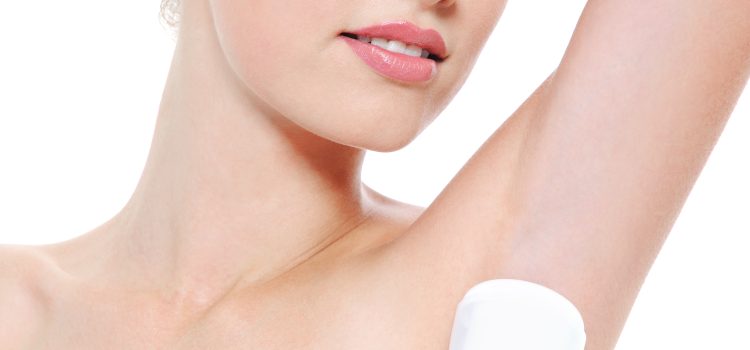
Using an antiperspirant is an essential step in achieving smooth and fresh underarms this spring. Antiperspirants work by blocking sweat glands, reducing the amount of sweat produced, and therefore preventing odor-causing bacteria from thriving.

When choosing an antiperspirant, look for one that contains aluminum chloride, as it’s highly effective in reducing sweat production. You may also opt for natural options such as tea tree oil or witch hazel if you prefer to avoid chemicals.

It’s important to apply your antiperspirant correctly to ensure maximum effectiveness. Apply it on clean and dry armpits before going to bed at night when your body temperature is lower, allowing the active ingredients to penetrate better. Reapply in the morning after showering for all-day freshness.

If you have sensitive skin or experience irritation from using antiperspirants, try switching to a hypoallergenic option or applying a thin layer of petroleum jelly before application.

Remember that using deodorants alone won’t prevent sweating nor eliminate odor-causing bacteria. Therefore, always choose a good quality antiperspirant with lasting protection against sweat and foul smell for smooth and fresh underarms all day long.

Moisturize

Now that we’ve talked about exfoliating and using an antiperspirant, let’s move on to the next step in achieving smooth and fresh underarms this spring: moisturizing.

Moisturizing is key to keeping your underarms healthy and hydrated. The skin in this area can easily become dry and irritated due to shaving or using harsh products, so it’s important to replenish its moisture regularly.

When choosing a moisturizer for your underarms, look for one that is specifically formulated for sensitive skin. Avoid products with added fragrances or alcohol as these can cause irritation. Instead, opt for gentle formulas with natural ingredients like shea butter or coconut oil.

After showering or bathing, pat your underarms dry with a clean towel before applying moisturizer. Gently massage the product into your skin until fully absorbed. Don’t forget to reapply throughout the day if necessary.

In addition to keeping your skin soft and supple, moisturizing can also help prevent ingrown hairs by reducing friction between the hair follicles and surrounding skin.

By incorporating regular moisturizing into your underarm care routine, you’ll be well on your way to achieving smooth and fresh pits all season long!

Wear Breathable Clothes

When it comes to keeping your underarms fresh and smooth this spring, wearing breathable clothes is a must-try tip. Your choice of clothing can either help or hinder the health of your underarms.

Firstly, opt for loose-fitting tops made from natural fabrics such as cotton or linen. These materials allow air to circulate freely around your body and prevent sweat from getting trapped on the skin’s surface.

Additionally, avoid materials like polyester and nylon that are known for trapping heat and moisture against the skin. These synthetic fabrics can also contribute to bacteria growth which leads to unpleasant odors.

It’s not just about the fabric type though; sleeveless or tank tops may seem like an ideal option during warmer weather but they can actually cause friction between your arms and torso resulting in chafing and irritation. Opt for short-sleeved shirts instead.

Make sure that you’re washing your clothes regularly – sweaty garments left unwashed will give off an unpleasant odor over time. Always follow care instructions when washing delicate items like silk blouses or wool sweaters so they maintain their quality without causing any damage to them in the process.

By choosing breathable clothing options, you’ll be taking a step towards achieving fresh underarms this spring – something everyone desires!

Check Your Diet

By following the above tips, you can say goodbye to rough and unappealing underarms this spring. But there is one more tip that most people tend to ignore – checking your diet.

Certain foods like spicy meals, caffeine, and alcohol can trigger excessive sweating which leads to body odor. On the other hand, consuming fruits and vegetables high in antioxidants such as blueberries, strawberries, spinach, and kale not only enhance your overall health but also help reduce body odor.

Incorporating a balanced diet into your daily routine will not only benefit your underarms but also boost your overall wellbeing.

So go ahead and try these 5 must-try tips for smooth and fresh underarms this spring. You’ll be surprised at how easy it is to achieve healthy-looking underarms with just a few simple changes in your daily routine!

Do you ever feel like your voice isn’t being heard in the healthcare system? Do you have trouble understanding your medical diagnosis, treatment plan or insurance coverage? You’re not alone. Many people struggle to navigate the complex world of healthcare on their own. That’s where patient advocacy comes in. By having a knowledgeable and supportive advocate by your side, you can take charge of your health and ensure that your needs are met. In this blog post, we’ll explore what patient advocacy is, its benefits, how to find an advocate and what you can do as one yourself!

What is Patient Advocacy?

Patient advocacy is the practice of guiding and supporting patients through their healthcare journey. This can include helping them understand medical jargon, communicating with healthcare providers, navigating insurance policies or even making decisions about treatment plans.

At its core, patient advocacy aims to ensure that patients have access to high-quality care that meets their unique needs. Advocates work tirelessly on behalf of their clients to help them achieve the best possible outcomes.

A patient advocate can be anyone from a family member or friend to a professional advocate hired specifically for this purpose. Regardless of who they are, these advocates play an essential role in empowering patients and giving them a voice in the often-overwhelming world of healthcare.

By having someone by your side who understands your medical situation and can assist you with any obstacles you may encounter along the way, you’ll feel more confident taking charge of your health. With a strong support network in place via patient advocacy services, you’ll be better equipped to make informed decisions about your care and improve overall health outcomes.

The Benefits of Having a Patient Advocate

Having a patient advocate can provide many benefits for individuals taking charge of their health. One key benefit is having someone to help navigate the healthcare system and communicate with doctors and nurses on behalf of the patient. This can be particularly helpful when dealing with complex medical issues or when facing language barriers.

Another advantage is that an advocate can help ensure that patients receive appropriate care by monitoring their treatment plans, medications, and test results. Advocates may also assist in coordinating appointments and transportation to/from medical facilities.

In addition to practical assistance, advocates offer emotional support throughout the treatment process. They are often experienced listeners who can provide comfort during difficult times, serve as a sounding board for concerns or questions, and offer guidance on coping mechanisms.

Advocates may also play a role in educating patients about their diagnoses and available treatments. By providing information about options for care, potential side effects of medication or procedures, alternative therapies and other related topics – they enable patients to make informed decisions regarding their own health.

Having an advocate offers numerous benefits including better communication with healthcare providers; increased access to appropriate care; emotional support; education on diagnosis/treatment options- all helping patients feel more empowered throughout their healthcare journey.

How to Find a Patient Advocate

Finding a patient advocate may seem like a daunting task, but there are many resources available to help you find the right fit. First, consider reaching out to your healthcare provider or hospital for recommendations. They may have social workers or patient advocates on staff who can assist you.

You can also search online for patient advocacy organizations that specialize in your specific condition or illness. These groups often provide educational resources and connect patients with volunteer advocates who understand their unique needs.

Another option is to reach out to friends and family members who have experience navigating the healthcare system. They may be able to offer guidance and support as you seek out an advocate.

It’s important to remember that finding a patient advocate is a personal decision, so take the time to research different options and ask questions before making a final choice. Consider what qualities are important in an advocate – such as good communication skills, empathy, and knowledge of medical terminology – and look for someone who meets those criteria.

Don’t be afraid to ask for help when it comes to finding a patient advocate. The support they provide can make all the difference in taking charge of your health journey.

What You Can Do as a Patient Advocate

As a patient advocate, there are several things you can do to ensure that the person you’re advocating for receives the best possible care. One of the most important things is to be informed about their medical condition and treatment options. This means doing research, asking questions and being prepared to speak up if something doesn’t seem right.

Another key role of a patient advocate is to act as a liaison between the patient, their family and healthcare providers. This involves communicating any concerns or issues on behalf of the patient and making sure they understand what’s happening at every stage of their care.

In addition, it’s important for advocates to help patients navigate complex healthcare systems by providing guidance on insurance coverage, finding specialist doctors or scheduling appointments.

Advocates should also encourage patients to take an active role in their own care by asking questions during appointments and following through with recommended treatments or lifestyle changes.

Advocates must always respect the wishes and rights of the person they’re advocating for while ensuring they receive compassionate care that meets their individual needs.

Conclusion

Patient advocacy is a crucial aspect of taking charge of your health. It can help you navigate the complex healthcare system, communicate effectively with your medical team, and make informed decisions about your care. Having someone by your side who understands your needs and concerns can provide invaluable support during challenging times.

If you are looking for a patient advocate, consider reaching out to nonprofit organizations or hiring professional advocates. You can also ask friends or family members if they are willing to take on this role for you.

Remember that as a patient, you have the right to be heard and respected. Don’t be afraid to speak up and ask questions about your care. By being proactive and seeking out resources like patient advocates, you can take control of your health journey and achieve better outcomes.

So whether it’s advocating for yourself or supporting someone else in their healthcare journey, remember the power of patient advocacy in improving overall health outcomes – both physical and mental!

Welcome to the future of healthcare! In this age of technology, it’s no surprise that telemedicine has taken the lead in transforming the medical industry. With just a few clicks on your phone or computer, you can now access quality healthcare from anywhere in the world. Gone are the days when you had to wait for hours at a doctor’s office or hospital. Telemedicine is changing everything we know about healthcare and making it easier than ever before to get medical attention whenever you need it. So sit tight as we explore how telemedicine is shaping our health care system today and what lies ahead for this innovative approach to medicine.

What is telemedicine?

Telemedicine is the use of technology to provide healthcare services remotely. With telemedicine, patients can receive medical consultations and treatment from anywhere in the world. This includes video conferencing, phone calls, messaging apps, and other technologies that allow doctors to diagnose and treat patients without them having to be physically present.

Telemedicine has become more popular in recent years due to advancements in technology and the need for greater access to healthcare services. It provides a convenient way for patients who live in remote areas or cannot travel easily to see a doctor.

Telemedicine can also help reduce healthcare costs by eliminating the need for expensive hospital visits or long stays at medical facilities. Patients can receive treatment from home, cutting down on transportation costs as well as time off work.

Telemedicine is changing how we approach healthcare by enabling doctors and patients to connect more easily than ever before. It’s an exciting development that promises even greater benefits as technology continues to evolve.

The advantages of telemedicine

Telemedicine has been gaining popularity in recent years, and it’s not hard to see why. There are numerous advantages to this method of healthcare delivery that make it an attractive option for patients, providers, and insurers alike.

One major advantage is convenience. Telemedicine allows patients to access care from the comfort of their own homes or workplaces, eliminating the need for travel and reducing wait times. This can be especially helpful for individuals with mobility issues or those who live in rural areas without easy access to medical facilities.

Another benefit is cost savings. Telemedicine visits are often less expensive than traditional office visits since they don’t require as much overhead on the part of providers. Additionally, telemedicine can help reduce overall healthcare costs by catching potential problems early on before they become more serious and costly to treat.

Telemedicine also offers increased access to specialists who may be located far away from a patient’s primary care provider. This means that patients can receive expert consultations without having to travel long distances or wait weeks for an appointment.

Telemedicine has proven effective at improving patient outcomes by increasing adherence to treatment plans through ongoing monitoring and follow-up appointments. It also provides more frequent touchpoints between providers and patients which helps build stronger relationships that ultimately improve health outcomes over time.

There are many reasons why telemedicine is becoming increasingly popular as a form of healthcare delivery – from its convenience and cost savings potential all the way down to improved patient outcomes – making it a promising solution for our evolving healthcare needs today and into the future.

The disadvantages of telemedicine

While telemedicine has many advantages, there are also a few disadvantages to consider. One major drawback is the lack of physical interaction between patients and healthcare providers. In-person visits allow doctors to physically examine patients and get a better understanding of their overall health. With telemedicine, this aspect can be lost.

Another disadvantage is the potential for technical difficulties or malfunctions during virtual consultations. Poor internet connection or glitches in software may lead to miscommunication or cause important information to be missed. Additionally, some patients may not have access to the necessary technology for telemedicine appointments.

There is also concern that over-reliance on telemedicine could lead to decreased quality of care as well as medical errors due to misinterpretation of symptoms or lack of proper diagnosis from limited assessments.

Privacy concerns arise with sharing personal medical information over digital platforms that could potentially be breached by hackers or unauthorized parties.

While there are certainly benefits to utilizing telemedicine services, it’s important for both healthcare providers and patients alike weigh its limitations against traditional in-person visits before deciding which option is best suited for their needs.

How telemedicine is changing healthcare

Telemedicine is revolutionizing healthcare by providing patients with access to medical care from the comfort of their own homes. This innovation is particularly beneficial for those who live in remote areas, cannot travel easily or have limited mobility. Telemedicine also addresses the issue of long wait times at clinics and hospitals, which can be especially frustrating for patients feeling unwell.

Telemedicine has expanded beyond traditional video consultations to include remote monitoring devices that transmit patient data directly to doctors. These tools help physicians monitor chronic conditions such as heart disease, diabetes and hypertension more efficiently and effectively.

Furthermore, telemedicine provides a unique opportunity for healthcare providers to reach underserved populations such as low-income families and minorities who may face barriers accessing quality healthcare due to social determinants of health like transportation issues or language barriers.

In addition, telemedicine has proven invaluable during public health crises like the COVID-19 pandemic when social distancing measures were necessary. Providers were able to continue offering medical services without risking exposure of either themselves or their patients.

Telemedicine is changing the face of healthcare by increasing accessibility while maintaining high-quality patient-centered care.

Conclusion

Telemedicine is quickly becoming the future of healthcare, providing patients with easier access to medical professionals and improving the overall quality of care. The advantages of telemedicine are numerous: from convenience and cost savings for patients to increased efficiency and productivity for doctors.

However, there are also some potential drawbacks that need to be considered, such as issues related to privacy and security or limited physical exams. Despite these challenges, telemedicine is changing healthcare in profound ways by allowing more people than ever before to receive medical attention whenever they need it.

As technology continues to evolve at an unprecedented pace, we can expect telemedicine to become even more prevalent in our lives. This means that both patients and healthcare providers will continue reaping its benefits while addressing any concerns along the way.

The adoption of telemedicine has already revolutionized how we approach healthcare delivery today. It provides opportunities for better health outcomes by bringing convenient access closer while reducing costs significantly. Telehealth has come a long way since its inception as a simple phone call between parties; now it’s an essential tool for improving patient care across all sectors of medicine!

Are you ready to show off some skin? Low-rise jeans are back and making a statement! These daring denim pants sit below the waistline, revealing just enough midriff for a sexy, rebellious look. With celebrities like Jennifer Lopez and Bella Hadid rocking low-rise jeans on the red carpet, it’s no wonder this trend is taking over once again. Whether you’re looking to channel your inner fashionista or simply update your wardrobe, keep reading to learn all about the comeback of low-rise jeans.

What are low-rise jeans?

Low-rise jeans are a type of denim pants that sit below the natural waistline, typically three inches or more. This style of jeans has been around since the 1960s but gained popularity in the early 2000s as a fashion statement.

Unlike high-waisted styles that cover your belly button and accentuate your curves, low-rise jeans expose some skin on your hips and lower abdomen. They give off an edgy vibe while still being comfortable to wear.

Low-rise jeans come in various cuts from skinny to flared and straight-leg, making them versatile for any occasion. You can dress them up with heels or keep it casual with sneakers – either way, you’re sure to turn heads.

However, not everyone is a fan of low-rise jeans. Some people find them uncomfortable due to their fit or lack of coverage. It’s important to find a pair that fits properly without constantly slipping down or causing discomfort.

Low-rise jeans are a trendy fashion staple that adds some excitement to your wardrobe.

How did low-rise jeans become popular?

Low-rise jeans became popular in the late 1990s and early 2000s. This style of jeans sits on or below the hips, exposing a significant portion of the wearer’s waistline. The popularity of low-rise jeans can be attributed to several factors.

Firstly, celebrities like Britney Spears and Christina Aguilera were frequently seen wearing low-rise jeans during this time period. Their influence on pop culture played a significant role in making low-rise jeans fashionable.

In addition, fashion designers began incorporating this style into their collections and runway shows. The trend caught on quickly with young adults who sought to emulate these high-end looks at more affordable prices.

Low-rise jeans also gained traction due to their versatility – they could be dressed up for a night out or dressed down for casual wear. And finally, this style was seen as rebellious and provocative by some individuals, adding an element of edge to one’s wardrobe choices.

The combination of celebrity influence, designer adoption, versatility and edginess all contributed to making low-rise jeans popular during that era.

Some low-rise jeans styles

Low-rise jeans are available in various styles, giving you multiple options to choose from. One of the most popular styles is the skinny low-rise jean. This style fits snugly on your legs and accentuates your curves. The bootcut low-rise jeans, on the other hand, flare out at the bottom and create a slimming effect for those with curvier hips.

For a more relaxed look, consider trying out boyfriend low-rise jeans that have plenty of room around your thighs and knees but still fit snuggly around your waistline. Another great option is cropped low-rise jeans that cut off just above your ankles – perfect for flaunting ankle boots or strappy sandals during warmer months.

Low-rise flared denim pants are also becoming increasingly trendy again; they provide comfort while keeping it stylish with a retro flair. Additionally, there are distressed low rise jeans which give off an edgier vibe than their traditional counterparts.

No matter what style you choose when shopping for low rise trousers, opt for ones that fit well with no gaps at the back to avoid any fashion faux pas!

The pros and cons of low-rise jeans

Low-rise jeans are a popular style in the fashion industry, but with every trend comes pros and cons.

One of the advantages of low-rise jeans is that they create an illusion of longer legs. They also provide a modern and stylish look to any outfit. These jeans can flatter those with a toned waistline by showing off their curves.

On the other hand, one major disadvantage is that low-rise jeans may not be suitable for all body types. Those who have wider hips or love handles might feel uncomfortable wearing them. This can cause discomfort when sitting, bending over or moving around.

Another con is that low-rise jeans require extra attention to ensure you don’t reveal too much skin while sitting down or bending over. This requires finding the right fit and sizing to avoid any mishaps.

While there are pros and cons to wearing low-rise jeans, it ultimately depends on personal preference and body type. With careful consideration and proper styling techniques, anyone can rock this trendy style!

How to wear low-rise jeans

Wearing low-rise jeans can be tricky, but with the right styling tips, you can rock this trend with confidence. First, choose a pair of low-rise jeans that fit comfortably around your hips and leave enough room for movement. Pair them with a fitted top or crop top to balance out the proportion. Avoid wearing long tops as they tend to bunch up at the waistline.

Low-rise jeans look great when paired with ankle boots or sneakers. If you prefer heels, go for strappy sandals or pumps that elongate your legs. Keep accessories simple and minimalistic as too many layers can add bulk to your outfit.

To create an edgy look, try layering a denim jacket over a graphic tee and pairing it with distressed low-rise jeans. For an effortless casual look, throw on a loose-fitting sweater over skinny low-rise jeans.

Remember that confidence is key when wearing any style of clothing! Experiment with different styles until you find what works best for you and don’t be afraid to step outside of your comfort zone.

Where to buy low-rise jeans

When it comes to buying low-rise jeans, there are plenty of options available for shoppers. Many popular clothing retailers carry this style of jeans in a variety of brands and sizes.

One great option is to check out online stores such as Amazon or ASOS, which offer a wide selection of low-rise jean styles from various brands. Shopping online also allows you to easily compare prices and find the best deals.

Another option is to visit your local mall or department store. Retailers such as Forever 21, H&M, Zara, Levi’s and American Eagle Outfitters often have extensive collections featuring low-rise jeans in different washes and fits.

If you’re on a budget or looking for second-hand options, thrift stores can be an excellent way to score some unique finds. Places like Goodwill or Buffalo Exchange may have gently used designer labels at affordable prices.

Don’t forget about specialty boutiques that cater specifically to denim lovers. These shops usually carry premium denim brands with high-quality materials that can last longer than cheaper alternatives.

No matter where you choose to shop for low-rise jeans, always make sure to try them on before purchasing them so you know they fit comfortably and flatter your body shape.

Conclusion

As fashion trends come and go, it seems that low-rise jeans have made a comeback. They offer a unique style that can be dressed up or down, making them versatile for any occasion. While they may not be suitable for everyone’s body type or personal taste, there are ways to make them work.

If you’re willing to give low-rise jeans a try, experiment with different styles such as bootcut or skinny to see what looks best on you. Pair them with crop tops or tucked-in shirts to show off their unique waistline.

When shopping for low-rise jeans, check out popular retailers like Levi’s and American Eagle or browse vintage shops for classic styles.

Low-rise jeans are here to stay – at least for now – so why not embrace the trend and make your own fashion statement?

Are you ready to make a statement with your fashion choices? Look no further than the big bow trend that’s taking over runways and streets alike. From silly to sassy, these oversized accessories are adding an extra dose of flair to outfits everywhere. But where did this trend come from, and how can you incorporate it into your own wardrobe? In this blog post, we’ll explore the history of big bows, how they became fashionable, different ways to wear them, where to find them, and even how to make your very own. Get ready for some serious style inspiration – let’s dive in!

The History of Big Bows

The history of big bows can be traced back to medieval times when they were worn on the front of dresses and shirts as a symbol of wealth and status. They also became popular in the Victorian era, where women wore them on their hats, dresses, and even in their hair.

Fast-forward to the 1980s when big bows experienced a resurgence thanks to pop icons like Madonna who incorporated them into her outfits for music videos and performances. The oversized accessory quickly became synonymous with this era’s fashion.

In recent years, designers like Gucci have brought back the trend once again with bold and colorful bow designs that add an extra layer of drama to any outfit. And it’s not just for women – men are also embracing this trend by wearing large bow ties with suits or blazers.

So whether you’re looking to make a statement or simply want to add some fun detail to your wardrobe, there’s no denying that big bows have come a long way since their medieval roots.

How Big Bows Became Fashionable

In the past, big bows were often associated with childish and silly fashion. However, as fashion evolves and changes, big bows have become a stylish statement piece that can elevate any outfit.

One reason why big bows became fashionable is because of their versatility. They can be worn in many different ways, from hair accessories to belt accents. Big bows also come in various materials such as silk or velvet which adds texture and dimension to an outfit.

Celebrities and influencers have also played a significant role in making big bows trendy again. We’ve seen them styled on red carpets by celebrities like Lady Gaga and Zendaya who showcased how bold they could look on formal attire.

Fashion designers have incorporated large bows into their collections, further cementing the trend’s popularity. These runway shows influence street style trends which then trickle down to everyday outfits.

It’s clear that big bows are no longer just for little girls’ dresses or gift wrapping decorations but rather a chic accessory choice for people of all ages. The evolution of fashion has transformed these once-cutesy adornments into sassy pieces that add personality to any ensemble.

Different Ways to Wear Big Bows

Big bows have been a popular fashion accessory for decades, but recently they have undergone a transformation. No longer just for little girls’ dresses and gift wrapping, big bows are now being worn in more daring and fashionable ways than ever before.

One way to wear big bows is as an oversized hair accessory. A large bow tied at the crown of the head can add a touch of drama to any hairstyle. For those who want something even more attention-grabbing, try placing two or three smaller bows throughout your locks.

Another option is to incorporate big bows into your clothing choices. From statement-making bow blouses to bold bow belts, there are endless possibilities when it comes to incorporating this trend into your wardrobe. Wearing a dress with a large bow at the waistline can create an instant hourglass figure.

For those wanting to be more subtle with their nod towards this trend, why not try accessorizing with small statement pieces like earrings or brooches? These delicate touches will still allow you to embrace the big bow movement without overwhelming your look.

Regardless of how you choose to wear them, one thing is certain: Big Bows are here and show no sign of slowing down anytime soon!

Where to Find Big Bows

If you’re looking to add some big bows to your wardrobe, there are plenty of places where you can find them.

Firstly, try checking out high-end fashion boutiques. They often feature statement pieces with large bows as a focal point. Keep in mind that these items may come with a higher price tag.

If you’re on a budget, fast-fashion retailers such as H&M or Zara often have more affordable options. These stores frequently update their collections, so keep an eye out for new arrivals featuring oversized bows.

Another option is online shopping. Websites like Etsy and Amazon offer a vast selection of handmade and pre-made big bow accessories at varying prices. You can also compare styles and prices before making your purchase.

Don’t forget about thrift stores either! Many vintage items from the 80s and 90s featured bold embellishments such as large bows, so you might find a unique piece that nobody else has.

Whether it’s through high-end boutiques or thrifty second-hand shops, there are plenty of ways to incorporate big bows into your wardrobe without breaking the bank.

How to Make Your Own Big Bow

Making your own big bow is easier than you might think! First, gather your materials. You’ll need a spool of ribbon (preferably wired), scissors, and some floral wire or twist ties.

Start by cutting off a length of ribbon – the longer the length, the bigger the bow will be. Fold it in half to find the center point and then fold each end back towards that center point so that they overlap slightly.

Next, pinch together all layers of ribbon at the center point and secure with a piece of wire or twist tie. This will create your basic bow shape.

Now comes the fun part – fluffing up your bow! Begin by pulling out one loop at a time from alternating sides until you’ve created full loops on both sides of the center knot. Repeat this process for each layer until you have achieved desired fullness.

Trim any excess ribbon ends to match each other before attaching it to whatever item you desire such as hair clips or gift boxes!

With these simple steps, making your own big bows can become an enjoyable hobby!

Conclusion

So there you have it, big bows are back and better than ever. From their origins in the 18th century to becoming a statement piece on the runway today, big bows have truly stood the test of time. Whether you want to make your own or purchase one from a designer brand, there are endless ways to incorporate this trend into your wardrobe.

Not only do big bows add an element of fun and playfulness to any outfit, but they also give off a sense of confidence and boldness. So go ahead and embrace this fashion-forward trend with open arms – after all, life is too short for boring accessories!