
Summer is here and it’s time to step out in style! Whether you’re hitting the beach, attending a garden party or just enjoying a stroll through the park, having the perfect outfit can make all the difference. But with so many fashion choices available, it can be overwhelming to figure out what works best for you. Don’t worry, we’ve got you covered! In this blog post, we’ll share 9 outfit formulas that will help you look your best and feel confident all summer long. From classic Little Black Dresses to bold Statement Pieces, get ready to turn heads and make a statement wherever you go!

The Little Black Dress

The Little Black Dress, or LBD for short, is a timeless classic in any woman’s wardrobe. It’s versatile and can be dressed up or down depending on the occasion. A simple LBD can be transformed into an elegant evening outfit with the right accessories.

When selecting an LBD, it’s important to consider your body type and personal style. Look for a dress that flatters your figure and makes you feel confident. A fitted silhouette works best for hourglass figures while shift dresses are perfect for apple-shaped bodies.

To add some personality to your LBD, experiment with different textures like lace or velvet. You could also play around with hemlines and necklines to find what suits you best.

For a chic daytime look, pair your little black dress with sneakers or sandals and a denim jacket. Add some bold statement jewelry to create contrast against the black fabric.

In summary, The Little Black Dress is a fashion staple that every woman should have in her closet. With endless styling possibilities, it can take you from day-to-night effortlessly!

The Pop of Color

When it comes to summer fashion, adding a pop of color can take your outfit from bland to bold. It’s all about finding the right balance and incorporating just the right amount of color into your look.

One way to add a pop of color is by choosing one statement piece like a bright blazer or a pair of neon heels. This will draw attention to that specific area and make it stand out.

Another option is mixing different shades within the same family for a monochromatic look with depth. For example, pairing different shades of pink together creates interest while still maintaining a cohesive look.

If you’re feeling daring, try experimenting with contrasting colors for an eye-catching effect. Think red and green or blue and orange – just be sure not to go overboard with too many clashing hues.

Accessories are also an easy way to incorporate pops of color without going too far out of your comfort zone. A colorful scarf or purse can elevate even the most basic outfit into something special.

Remember, adding some brightness doesn’t mean you have to abandon neutrals altogether! In fact, combining neutral pieces with bold accents can create an effortlessly chic aesthetic that is perfect for any occasion.

The Maxi Dress

Maxi dresses have been around for decades and will never go out of style. They are the perfect choice for summer days, beach vacations, or even special occasions. The maxi dress is a versatile piece that can be dressed up or down depending on the occasion.

Maxi dresses come in different styles, from flowy bohemian to sleek and sophisticated. You can choose from various materials such as cotton, silk or chiffon that make them airy and comfortable to wear during hot weather.

A great thing about maxi dresses is that they flatter all body types; their elongated silhouette gives an illusion of height while still being comfortable to move around in. You can also play with accessories by wearing statement pieces like earrings or necklaces to complement your look.

When it comes to footwear options, you can pair your maxi dress with sandals for a casual look, wedges for a more elegant vibe or heels if you want to take it up another notch.

A maxi dress is a wardrobe staple every woman should have in her closet because it’s versatile for any event – whether it’s attending weddings, going on dates or simply running errands!

The Floral Dress

The floral dress is a must-have for any summer wardrobe. Whether you prefer small, delicate prints or bold and colorful blooms, there’s a floral dress out there that will suit your style perfectly.

One of the great things about a floral dress is its versatility. Dress it up with heels and statement jewelry for an evening out, or keep it casual with sandals and a denim jacket for a daytime look.

When choosing a floral dress, consider the cut and silhouette as well as the print. A fitted sheath style can be sophisticated and chic, while an A-line or maxi length can be breezy and feminine.

Don’t be afraid to mix patterns either; try pairing your floral dress with stripes or polka dots for an unexpected twist on classic summer style.

The options are endless when it comes to styling a floral dress. Embrace this timeless trend and step into summer feeling confident and stylish!

The Casual Chic

When it comes to summer fashion, being comfortable is just as important as looking stylish. That’s where the casual chic outfit formula comes in! This look combines relaxed and effortless pieces with sophisticated touches that elevate your overall style.

Start with a pair of denim shorts or distressed jeans for a laid-back vibe. Combine them with a simple white t-shirt or tank top, and then add some statement accessories like oversized sunglasses or chunky jewelry.

To keep this look chic, opt for sleek sneakers or sandals instead of flip flops. You can also experiment with adding layers like lightweight cardigans or denim jackets for cooler evenings.

Another way to dress up this casual look is by choosing high-quality fabrics such as linen or silk. These materials drape beautifully on the body and instantly give your outfit an elevated feel.

The casual chic outfit formula is perfect for those lazy days when you want to be comfy without sacrificing style. So go ahead and embrace this effortless yet fashionable trend this summer season!

The Statement Piece

The Statement Piece is the perfect way to add personality and flair to any outfit. Whether it’s a bold necklace, statement earrings or an eye-catching clutch, this fashion element can take your look from basic to extraordinary in seconds.

When incorporating a statement piece into your outfit, be sure to keep the rest of your ensemble simple so that the focus stays on your chosen accessory. Opt for neutral colors such as black or white and let your statement piece do all the talking.

If you’re feeling daring, mix prints and patterns with your statement piece for added interest. Don’t be afraid to experiment with different textures too – a chunky knit paired with a delicate necklace can create an unexpected contrast that will make heads turn.

Remember that confidence is key when rocking a statement piece. Wear it proudly and own your unique style!

The Monochromatic Look

One trend that never goes out of style is the monochromatic look. This fashion-forward outfit formula involves wearing different shades of one color for a cohesive and polished ensemble.

To start, choose a color that complements your skin tone and personal style. It could be anything from bold red to soft blush pink. Once you’ve selected your base color, experiment with different tones and textures within the same shade range.

For example, if you’ve chosen navy blue as your base color, pair a dark denim jacket with light wash jeans or add texture with suede ankle boots. Accessorize with minimalistic jewelry or a statement bag in the same hue for added impact.

One benefit of this trend is its versatility – it can be dressed up or down depending on the occasion. For an office-ready look, opt for tailored separates like a blazer and pants in matching shades. On weekends, try pairing distressed denim shorts with an oversized sweater in a similar tone for effortless chic.

Mastering the monochromatic look requires some experimentation but once done correctly it’s sure to turn heads!

The Pattern Mixer

The Pattern Mixer is for the daring fashionista who loves to stand out from the crowd. This trend involves mixing different patterns in one outfit, creating a playful and unique look.

To achieve this style, it’s important to keep a few things in mind. First, choose patterns that complement each other rather than clash. Stripes and florals or polka dots and plaid can work well together if done correctly.

Secondly, stick with a similar color scheme when mixing patterns. For example, pairing a black and white striped shirt with black and white checkered pants creates cohesion in the outfit.

Accessorizing is also key when pattern mixing. Keep accessories minimal so they don’t compete with the boldness of your outfit.

The Pattern Mixer is not for the faint of heart but can result in an eye-catching ensemble if executed properly. Don’t be afraid to experiment with different combinations until you find what works best for you!

Conclusion

Summer is the perfect time to experiment with fashion and embrace your personal style. By trying out different outfit formulas, you can step into summer with confidence and make a statement wherever you go.

From the classic Little Black Dress to the bold Pattern Mixer, these nine outfit ideas are sure to inspire your wardrobe choices this season. Remember, it’s all about having fun and feeling good in what you wear.

So why not take a chance on something new? Whether you’re dressing up for a night out or keeping it casual during the day, these outfits will have maximum impact while making sure you stay comfortable in the heat.

We hope this guide has given you some inspiration for stepping into summer with both style and confidence. Happy shopping!

The traditional 9 to 5 workday is becoming a thing of the past. With the rise of technology and the internet, workplace culture has undergone a major transformation in recent years. Employers are now offering more flexibility than ever before, allowing employees to work from home or choose their own hours. But how did we get here? In this blog post, we’ll take a look at the history of workplace culture and explore how the internet has revolutionized it. We’ll also examine the pros and cons of this shift towards flexibility and speculate on what lies ahead for our work lives in the future. So sit back, relax, and let’s dive into this exciting topic!

The History of Workplace Culture

Workplace culture has evolved significantly over the years, with different eras bringing their own unique ideals and expectations. In the early 20th century, work was seen as a means to an end – employees were expected to put in long hours without complaint in exchange for a paycheck.

During World War II, many women entered the workforce while men were away at war. This marked a significant shift towards greater gender equality in the workplace. The post-war era saw more focus on employee benefits such as healthcare and retirement plans, as well as a rise in unionization.

In the 1980s and 1990s, there was increased emphasis on productivity and efficiency. Companies began using metrics like “time management” to evaluate employee performance. However, this led to burnout and stress among workers.

Today’s workplace culture is focused on flexibility and work-life balance. With technology allowing employees to work from anywhere at any time, companies are offering more options for remote work or flexible schedules to promote happier employees who can better manage their lives outside of work

The Internet’s Impact on Workplace Culture

The Internet has drastically transformed the way we work and communicate with our colleagues. With a simple click of a button, employees can now access important documents, attend virtual meetings, and collaborate with team members from anywhere in the world.

One major impact of the Internet on workplace culture is the rise of remote work. Remote workers are able to complete their tasks from home or any other location outside of the traditional office setting. This change provides more flexibility for employees, allowing them to better balance their personal lives with their professional responsibilities.

Moreover, thanks to online communication tools like email and instant messaging platforms such as Slack or Microsoft Teams, it’s easier than ever before for co-workers to stay connected throughout the day. In-person meetings have been replaced by video conferencing software such as Zoom or Google Meet which allows teams spread across different locations to meet effortlessly in real-time without needing much preparation.

The downsides include potential isolation among remote workers who may feel disconnected from company culture; blurred boundaries between work and personal time; distractions caused by social media and other websites that can detract from productivity; and less face-to-face interaction could lead towards miscommunication among team members.

While there are pros and cons associated with this new era of workplace culture brought on by technology advancements over recent years – one thing is clear: The internet has revolutionized how we approach work life today.

The Pros and Cons of a More Flexible Workplace Culture

The rise of the internet has revolutionized the way we work, giving birth to a more flexible workplace culture. While this new trend has its benefits, it also comes with its own set of drawbacks.

One major advantage is that employees can now achieve better work-life balance. With remote work and flexible hours becoming more common, workers have greater control over their schedules and can attend to personal responsibilities without sacrificing their professional obligations.

Another benefit is increased productivity. Flexibility allows individuals to tailor their working hours around their peak performance times, leading to higher efficiency and output.

However, there are also downsides to a more flexible workplace culture. One issue is employee isolation resulting from less face-to-face interaction with colleagues. This could lead to reduced collaboration and teamwork among coworkers which would ultimately affect overall productivity.

Moreover, maintaining focus while working remotely may prove challenging for some people leading them towards procrastination or other non-work-related activities instead of focusing on the job at hand.

While a more flexible workplace culture certainly offers advantages such as improved work-life balance and increased productivity; it’s important for companies to carefully consider both the pros and cons before implementing changes in order not only get the best out of their employees but also ensure everyone works together effectively towards shared goals irrespective of physical presence at office premises or otherwise

What the Future Holds for Workplace Culture

The future of workplace culture is set to be even more flexible, dynamic and remote. With the advancement of technology, employees are able to work from anywhere in the world without having to be physically present in an office. This has opened up a whole new way of working that offers exciting opportunities for both employers and employees.

One trend we can expect to see is an increasing number of companies adopting remote work policies as a full-time option for their employees. This will enable more people to have access to job opportunities regardless of where they live or what their lifestyle is like.

Another trend that’s already gaining momentum is the gig economy, which allows workers to take on short-term contracts with multiple clients rather than being tied down by one employer. This type of flexibility appeals especially to younger generations who prefer autonomy over traditional nine-to-five jobs.

As virtual reality technologies continue developing at lightning speed, it’s highly likely that we’ll see more companies leveraging this tool for online meetings or training sessions. It will also provide workers with immersive experiences from home, making them feel like they’re part of a real-life team environment.

The future looks bright for those who embrace change and innovation when it comes to workplace culture. As more businesses shift towards digitalization and automation processes, there will be countless opportunities for growth and collaboration across different industries worldwide.

Conclusion

The internet has drastically changed workplace culture as we know it. Its impact has brought about both positive and negative changes in how companies operate and employees work. With the rise of remote work and flexible schedules, there is no doubt that technology will continue to revolutionize workplace culture in the future.

As businesses adapt to these changes, they must prioritize creating a balance between flexibility and structure to ensure productivity and employee satisfaction are not compromised. Ultimately, with continued advancements in technology, it is essential for organizations to embrace change while also making sure they remain mindful of their workforce’s needs. The key is finding a happy medium that allows for both progress and well-being within the workplace.

Are you looking for ways to boost your workout performance and get the most out of your exercise routine? Well, look no further than your pre- and post-workout snacks! What you eat before and after a workout can have a huge impact on your energy levels, endurance, and recovery time. In this blog post, we’ll share some power-packed snack ideas that will help take your workouts to the next level. So grab a pen and paper (or screenshot away) because these recipes are ones you won’t want to miss!

Pre-Workout Snacks

Pre-workout snacks are essential to fuel your body with the right nutrients and energy before a workout. Aim for snacks that combine carbohydrates, protein, and healthy fats to provide sustained energy throughout your exercise routine.

One great pre-workout snack idea is a banana with almond butter. Bananas are an excellent source of carbohydrates while almond butter provides protein and healthy fats. Another option is Greek yogurt with berries and granola, which offers high-quality protein, fiber-rich carbs, and antioxidants.

If you’re short on time or need something portable for on-the-go workouts, try a homemade energy ball made from oats, dates, nuts/seeds, and honey/maple syrup. These bites pack in all the necessary macronutrients plus fiber and natural sugars to keep you feeling energized.

Remember to eat your pre-workout snack at least 30 minutes before exercising so it has time to digest properly without causing discomfort during your workout session.

Post-Workout Snacks

Post-Workout Snacks are an essential part of any fitness routine as they help in replenishing the body’s energy levels and aid muscle recovery. These snacks should be consumed within 30 minutes to an hour after exercising.

A great option for post-workout snacking is a protein shake or smoothie, which can provide vital nutrients to the muscles. Another snack that is easy to make and delicious is Greek yogurt with berries or sliced banana.

For those who prefer savory snacks, a turkey sandwich on whole wheat bread or a hard-boiled egg with avocado toast could be ideal options. These snacks contain both protein and complex carbohydrates, making them perfect for post-workout fueling.

Trail mix made with nuts, seeds, dried fruits, and dark chocolate chips also makes for a healthy yet satisfying snack after working out. It provides fiber and antioxidants while being low in sugar content.

Post-workout snacks play an important role in providing the necessary fuel to recover from exercise efficiently. Choosing nutritious options like protein shakes or smoothies, Greek yogurt with fruit toppings, sandwiches on whole grain breads or trail mixes ensures optimal nutrition intake without overloading on calories!

Recipes

Recipes:

Preparing power-packed snacks at home is a great way to ensure that you are fueling your body with the right nutrients. Here are some easy and delicious recipes for both pre and post-workout snacks.

Pre-Workout Snack:
A banana smoothie bowl topped with granola, nuts, and seeds is a perfect pre-workout snack. Blend together one banana, half cup of almond milk or Greek yogurt, and one tablespoon of honey until it’s smooth. Pour the mixture into a bowl and add your favorite toppings such as chia seeds, almonds, or berries.

Post-Workout Snack:
For an easy post-workout snack option, try making protein balls using peanut butter, oats, protein powder (of your choice), and dark chocolate chips. Mix all ingredients in a bowl until well combined then roll into small balls before refrigerating for 30 minutes.

Another idea is to make avocado toast topped with boiled eggs; this provides healthy fats from the avocado plus protein from the egg.

Incorporating these simple yet nutritious recipes can help boost your performance during workouts while also satisfying your taste buds!

Conclusion

Incorporating the right pre and post-workout snacks into your fitness routine can make a significant difference in your overall performance. These snacks not only provide you with energy but also help in muscle recovery and growth.

By including protein, carbohydrates, and healthy fats in your pre-workout snack, you can fuel up for an intense workout session. Similarly, consuming protein-rich foods after exercising helps repair muscles and promotes their growth.

Remember to keep it simple yet nutritious when choosing your snack options. It’s always better to prepare homemade snacks that are free from added sugars and preservatives.

So next time before hitting the gym or starting any exercise routine, don’t forget to munch on these power-packed pre-workout snacks to boost your performance! And after finishing up an intense workout session, treat yourself with these delicious post-workout snacks for quick recovery! Stay fit and healthy!

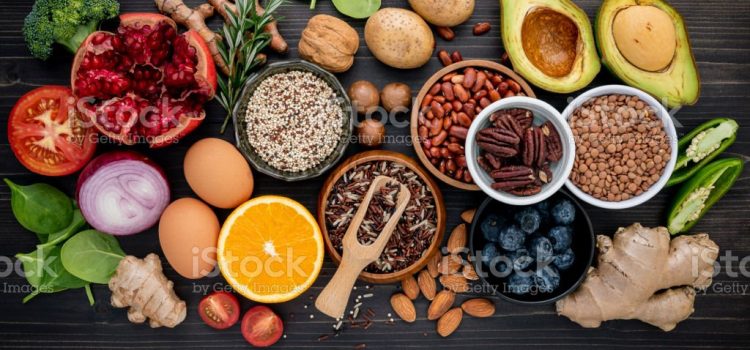
Are you looking for ways to boost your brainpower and improve your cognitive function? If so, you may want to consider changing up your diet! A healthy diet not only benefits our physical health but also has a significant impact on our mental well-being. In this blog post, we’ll explore the different types of food that have been proven to enhance cognition, and provide some tips on how to incorporate them into your daily routine. From greens to grains, get ready to discover the best foods for improving brain function!

The Benefits of a Healthy Diet

Eating a healthy and balanced diet is crucial for our overall well-being. It’s not just about maintaining a healthy weight or keeping diseases at bay, but also improving our cognitive function. A nutritious diet rich in vitamins, minerals, antioxidants, and other essential nutrients can help protect brain cells from damage caused by free radicals.

Studies have shown that people who consume more fruits and vegetables have better cognitive function than those who don’t. These foods are rich in antioxidants that protect the brain against oxidative stress which can lead to age-related cognitive decline.

In addition to fruits and vegetables, omega-3 fatty acids found in fish like salmon or supplements like flaxseed oil has been linked to improved memory retention and mood regulation. Lean proteins such as chicken, turkey or tofu provide amino acids required for neurotransmitter production that promotes clear thinking.

Furthermore, whole grains such as brown rice or quinoa contain fiber that helps regulate blood sugar levels leading to sustained energy throughout the day. This prevents spikes of low blood sugar levels which can negatively impact your ability to focus on tasks.

Incorporating wholesome foods into your daily routine will improve both physical health along with mental acuity!

The Different Types of Food That Improve Cognition

When it comes to improving cognitive function, there are a variety of foods that can help. One type of food that is particularly beneficial for brain health is leafy greens. These include spinach, kale, and collard greens which are rich in vitamins and minerals such as folate and iron.

Another group of foods that can enhance cognition are whole grains. Whole grains contain fiber which helps regulate blood sugar levels, providing a steady supply of energy to the brain throughout the day. Brown rice, quinoa, and oats are all examples of nutrient-dense whole grains.

Fatty fish like salmon and tuna also play an important role in boosting cognitive function due to their high omega-3 fatty acid content. Omega-3s have been linked to improved memory retention and overall brain health.

Nuts and seeds such as almonds, walnuts, chia seeds, and flaxseeds provide valuable nutrients like vitamin E which has been shown to improve cognitive performance in aging adults.

Berries such as blueberries or strawberries contain antioxidants called flavonoids which protect cells from oxidative stress while also promoting healthy blood flow to the brain.

Incorporating these different types of foods into your diet can benefit not only your physical health but also your mental well-being.

How to Incorporate These Foods Into Your Diet

Incorporating foods that enhance cognitive function into your diet is easier than you may think. Firstly, it’s important to remember that moderation is key. You don’t need to eat huge amounts of these foods in order to reap the benefits.

One way to incorporate these foods into your diet is through meal planning and preparation. By preparing meals at home, you have control over what ingredients go into your dishes and can ensure that you’re getting a variety of brain-boosting foods.

Another way to add these foods into your daily routine is by incorporating them as snacks throughout the day. For example, carrot sticks with hummus or a handful of nuts are both quick and easy options that pack a punch when it comes to cognitive function.

You can also experiment with adding different herbs and spices to your meals for an added boost. Turmeric, ginger, rosemary, and sage have all been shown to improve memory retention and overall brain health.

Consider swapping out less nutritious options for healthier alternatives when cooking or snacking. For example, swap white rice for brown rice or quinoa for added fiber and nutrients.

Incorporating these brain-boosting foods doesn’t have to be complicated – start small by making simple swaps or additions to your current eating habits!

Recipes

Recipes are a great way to incorporate foods that enhance cognitive function into your diet. Here are some easy and delicious recipes to try:

1. Blueberry Oatmeal: Cook 1 cup of oats with almond milk, cinnamon, and vanilla extract. Top with fresh blueberries and sliced almonds for added crunch.

2. Sweet Potato Toast: Slice sweet potatoes thinly and toast in the oven until crispy. Top with avocado, smoked salmon, or almond butter for a tasty snack.

3. Chickpea Salad: Mix chickpeas, diced cucumber, cherry tomatoes, red onion, parsley and lemon juice together for a refreshing salad.

4. Turmeric Roasted Vegetables: Toss chopped carrots, cauliflower and broccoli florets in olive oil and turmeric powder before roasting them in the oven until tender.

5. Salmon Quinoa Bowl: Cook quinoa according to instructions then add flaked cooked salmon along with roasted vegetables like bell peppers or zucchini.

By incorporating these simple yet nutritious recipes into your meal plan you can easily boost your cognitive functioning while enjoying delicious meals!

Conclusion

Incorporating the right foods into your diet not only benefits your physical health but also has a positive impact on cognitive function. By eating a variety of greens, grains, and healthy fats, you can improve memory retention, increase focus and concentration levels as well as boost overall brain health.

Remember to incorporate leafy greens such as spinach and kale, whole grains like quinoa and brown rice, nuts such as almonds and walnuts along with healthy oils like olive oil in your daily meals. These foods are easily accessible at most grocery stores so there is no reason why we cannot include them in our diets.

By making small changes to our daily dietary habits we can significantly improve cognitive function which ultimately leads to better productivity levels. So start incorporating these superfoods today for optimal brain performance!

Communication is an integral part of our lives, and the internet has changed it forever. From snail mail to instant messaging, we have come a long way in how we interact with each other. The world has become more connected than ever before, and the internet plays a significant role in that. In this blog post, we will explore the pros and cons of internet-based communication and how it has revolutionized the way we communicate with each other. So sit back, relax, and let’s delve into this fascinating topic!

The way we communicate has drastically changed since the internet was created

The internet has transformed the way we communicate, and it’s hard to imagine life without it. Before the advent of the internet, communication was limited to letters, telephones, and face-to-face conversations. Snail mail took days or even weeks to deliver messages across countries or continents. Long-distance phone calls were expensive and reserved for special occasions.

But with the rise of instant messaging apps like WhatsApp and social media platforms like Facebook and Twitter, communication has become more accessible than ever before. We can now connect with people from all corners of the world in real-time.

However, this convenience comes at a cost. Internet-based communication is often impersonal and lacks emotional depth compared to face-to-face interactions. Miscommunication is also common since tone and body language are lost in text-based messages.

Despite its drawbacks, there’s no denying that the internet has revolutionized how we interact with each other. With just a few clicks or taps on our devices, we can stay connected with friends and family who live far away or collaborate effortlessly with colleagues on different continents. Technology continues to change how we communicate every day!

Pros of the internet-based communication

The internet has revolutionized the way we communicate, and it has brought a lot of benefits to our lives. Here are some pros of internet-based communication:

Firstly, the internet allows us to connect with people from all over the world instantly. This means that we can stay in touch with friends and family no matter where they are located. It also enables us to meet new people who share similar interests or business goals.

Secondly, internet-based communication provides an efficient method for businesses to interact with their clients or customers. Companies can use email, social media platforms or messaging apps to quickly respond to inquiries and complaints.

Thirdly, online communication is cost-effective compared to traditional forms of communication like snail mail or phone calls. With just a device connected to the internet, you can send messages across different time zones without incurring extra costs.

The Internet offers various channels for sharing information such as videos and images which makes it easier for individuals and organizations alike  to spread awareness about events or products globally.

There are many benefits associated with using the Internet for communicating purposes. It’s convenient, fast-paced yet still personal enough that one feels connected even if miles apart from each other!

Cons of the internet-based communication

While the internet-based communication has brought a plethora of benefits, there are certainly some downsides that cannot be ignored. One of the significant cons is that it can often lead to misunderstandings due to its lack of context and nonverbal cues.

When communicating online, we rely solely on written words or emojis, which may not always express our true intentions or emotions accurately. This problem is exacerbated when people from different cultures with varying communication styles interact online.

Moreover, excessive use of electronic devices for communication purposes can lead to addiction and social isolation. The convenience of being able to communicate anytime and anywhere has resulted in people spending more time on their screens than interacting face-to-face with others.

Another con of internet-based communication is privacy concerns. With so much personal information available online, there is always a risk of data breaches or identity thefts by hackers who try to gain access to sensitive information shared during electronic communications.

The impersonal nature of digital interactions often leads to a decline in empathy towards others’ feelings and perspectives. It becomes easy for us to forget about basic etiquettes such as politeness and respect while communicating online since we do not have any emotional connection with them.

While internet-based communication has made our lives easier in many ways; however, it’s crucial not only to acknowledge but also address its negative impacts on our well-being as individuals and society at large.

The internet has made long-distance communication easier

Long gone are the days of waiting for weeks or even months to receive a letter from a loved one who lives far away. Thanks to the internet, long-distance communication has become easier and faster than ever before.

Nowadays, we can communicate with anyone anywhere in the world through various channels like email, social media platforms, video calls and messaging apps. With just a click of a button or tap on our smartphones, we can instantly connect with people across borders.

The internet has also made it possible for businesses to conduct meetings and collaborations remotely. This not only saves time but also reduces travel expenses and increases productivity.

Furthermore, online education has given students access to study materials from prestigious institutions worldwide without having to physically attend classes on campus. Long-distance relationships have been made more manageable as well since couples can stay connected through virtual dates despite living miles apart.

In summary, the internet has greatly improved long-distance communication by providing us with quick and convenient ways of staying connected regardless of distance.

The internet has made face-to-face communication more difficult

The internet has revolutionized the way we communicate with one another, but it has also changed how we interact face-to-face. While social media platforms and messaging apps have made it easier to stay in touch with friends and family who are far away, they have also created a distance between people who are physically close.

One of the biggest drawbacks of online communication is that it lacks the nuance of in-person conversations. Nonverbal cues like body language, tone of voice, and facial expressions can all be lost in digital messages. This can lead to misunderstandings or misinterpretations that wouldn’t occur during a face-to-face conversation.

Furthermore, excessive use of technology has resulted in some people becoming addicted to their devices. It’s not uncommon for individuals to spend more time staring at screens than interacting with those around them. This behavior can cause relationships to suffer as people become disconnected from each other emotionally.

Another downside is that personal connections aren’t always possible through virtual communication channels such as video conferencing software or social networks. Sometimes there’s no substitute for being present with someone physically and sharing an experience together.

While the internet has made long-distance communication easier than ever before, it’s important not to neglect face-to-face interactions entirely. Personal connections cannot be replaced by technology – at least not yet!

Conclusion

The internet has undoubtedly revolutionized communication. It has made it easier to connect with people from all over the world and has introduced us to new forms of communication like instant messaging and video calls. However, it’s important to recognize that there are downsides as well. The prevalence of social media can cause distractions, anxiety, and even loneliness.

As we continue to rely on technology for our daily interactions, it’s crucial that we strike a balance between online and offline communication. We should not forget the importance of face-to-face conversations or writing letters – things that may seem outdated in this fast-paced digital age but still hold value.

The internet is constantly evolving, and so is our way of communicating through it. As long as we use technology mindfully and intentionally, it will surely enrich our lives in countless ways both now and in the future.

Summer is here, and it’s time to step up your style game with the perfect pair of sandals! Whether you’re hitting the beach, running errands or attending a social gathering, there’s no better way to complete your outfit than with a stylish pair of sandals. From classic designs to trendy styles, we’ve got you covered with the top 5 summer sandal trends that will take your fashion game to new heights. So get ready to slip into something comfortable and chic as we explore the hottest sandal styles of the season!

Gladiator Sandals

Gladiator sandals have been around for centuries, and they are still going strong as a popular summer sandal trend. These sandals are inspired by ancient Roman footwear and feature multiple straps that crisscross up the leg, creating a bold and eye-catching look.

One of the best things about gladiator sandals is their versatility. They can be dressed up or down depending on the occasion, making them perfect for everything from casual outings to formal events. Pair them with shorts or a sundress for a laid-back daytime look, or wear them with a flowy maxi dress for an evening out.

Gladiator sandals come in various styles such as ankle-high, knee-high and even thigh-high! The colors range from classic brown leather to bright neon hues giving you endless options to choose from that will match your personal style.

When it comes to styling gladiator sandals, less is often more. Let these statement-making shoes take center stage by pairing them with simple pieces like denim cutoffs or a white t-shirt dress. With their fierce yet feminine design, gladiator sandals are sure to elevate any outfit this summer season!

Slip-On Sandals

Slip-On Sandals are the ultimate choice for those who want to effortlessly slip into their shoes and go out. These sandals come in a variety of styles that are comfortable, versatile, and stylish.

One notable feature of these sandals is their ease-of-use. You don’t have to spend time struggling with straps or buckles as you would with other types of sandals. Simply slide your foot in, adjust it if necessary and you’re ready to go.

Another great thing about slip-on sandals is that they work well with any outfit. They can be worn casually with shorts, jeans or skirts; dressed up with dresses or jumpsuits; or even paired with business casual attire.

These sandals also come in several materials like leather and fabric options which make them perfect for different occasions. Leather ones are ideal for more formal events while fabric ones can add flair to an otherwise simple outfit.

Slip-On Sandals offer both style and convenience making them a must-have addition to your summer shoe collection!

Wedge Sandals

Wedge sandals are a summer staple that never goes out of style. They come in various heights and styles, making them versatile for any occasion. The great thing about wedge sandals is they offer height without sacrificing comfort.

One popular style of wedge sandal is the espadrille. Espadrilles have a braided rope sole and often feature a canvas or cotton upper. These types of wedges are perfect for pairing with sundresses and denim shorts.

Another popular style of wedge sandal is the cork heel. Cork heels have been around for decades and continue to be a favorite among fashionistas worldwide due to their unique texture and durability. Pairing these shoes with wide-leg pants can create an effortless yet trendy look.

For those who prefer something more elegant, there’s always the option of wearing platform wedges adorned with jewels or metallic embellishments, best paired with maxi dresses or jumpsuits for an instant boost in sophistication.

Wedge sandals are also available in different colors from classic neutrals like black, tan, and white to bright shades like coral pink or turquoise blue which easily add color pops to your outfit while keeping it simple at the same time.

Mule Sandals

One of the most popular sandal trends for summer is the mule style. Mules have been around for centuries, but they’ve recently made a comeback in the fashion scene. These sandals come in a variety of materials such as leather, suede and even velvet.

What makes mules unique is their open-back design that allows your feet to breathe during hot days while still providing coverage on the front. This feature also makes them easy to slip on and off, which is perfect when you’re running out the door or need to quickly change into something more comfortable.

Mule sandals can be dressed up or down depending on your outfit choice. You can pair them with denim shorts and a t-shirt for a casual look or wear them with a dress for an evening event.

One thing to keep in mind when wearing mules is to ensure they fit properly so that your foot doesn’t slide out of the back when walking. Some styles also come with ankle straps that provide additional support and prevent slipping.

Mule sandals are versatile and stylish footwear options that every woman should have in her wardrobe this summer season.

Platform Sandals

Platform sandals have been a staple in summer footwear for years. They are perfect for adding height and style to any outfit, while still being comfortable enough to wear all day long. This season, platform sandals come in various designs and colors that can make you feel confident and fashionable.

One trend is the flatform design which has a flat base that gives you the same height without sacrificing your comfort. These shoes will give you an edgy look and add some personality to your outfit. Another popular trend this year is platform espadrilles with wedges made of woven rope or jute, making them versatile enough for casual outings or more formal events.

Platform sandals also come in different materials such as leather, suede, cork or even plastic! The strappy versions provide extra support while showing off your pedicure at the same time!

Whether dressed up or down – from shorts to dresses – platform sandals elevate any ensemble giving it a chic finish; so why not try out this trend today?

How to style summer sandals

Summer sandals are the perfect accessory to complete your summer look. Here are some tips on how to style them:

Firstly, gladiator sandals can be paired with a simple sundress or denim shorts and a tank top for a casual bohemian vibe. Slip-on sandals can be worn with almost anything from maxi dresses to jeans and t-shirts. They’re perfect for days when you want to keep things comfortable but still stylish.

Wedge sandals add height and lengthen legs, making them ideal for flowy midi skirts or wide-leg pants. Mule sandals give off an effortless chic look that pairs well with crop tops and high-waisted shorts.

Platform sandals have made a comeback this season and look great with flared jeans or culottes. When it comes to color coordination, stick with neutrals like black, beige or white; they’re versatile colors that go well with any outfit.

There is no right or wrong way to style summer sandals – just wear what makes you feel confident and comfortable!

Conclusion

Summer is the perfect season to experiment with different sandal styles and elevate your fashion game. From gladiators to wedges, slip-ons to platforms, there’s a sandal trend for everyone.

When styling your summer sandals, keep in mind the occasion and outfit you’ll be wearing. Gladiator sandals are perfect for casual outings or festivals while mule sandals work great for dressier occasions.

Don’t forget about comfort when choosing your summer footwear. Look for padded soles or adjustable straps that will provide support throughout the day.

By incorporating these 5 summer sandal trends into your wardrobe and pairing them with the right outfits, you’re sure to turn heads this season. So step up your style game and get ready to rock those trendy sandals all summer long!

Are you a fan of the classic pound cake? Do you struggle to achieve that perfect texture and flavor every time you bake one? Well, we have a secret for you – freeze it! Yes, freezing your pound cake can be the key to achieving that perfectly moist and delicious cake. In this blog post, we’ll reveal the secret to perfect pound cake and show you how to freeze it like a pro. Get ready to take your baking game up a notch!

What is pound cake?

Pound cake is a classic dessert that has been enjoyed for centuries. It’s named after the traditional recipe, which calls for a pound each of flour, sugar, eggs, and butter. This simple recipe results in a dense and rich cake with a fine crumb.

The texture of pound cake can vary depending on the amount of mixing or beating it receives during preparation. Over-beating can result in tough cake while under-mixing may cause it to be too dry.

Pound cakes are versatile and can be flavored with additions like vanilla extract or lemon zest to enhance their taste. They’re often served plain but can also be topped with fresh fruit or whipped cream.

In recent years, bakers have experimented with variations of this iconic dessert by adding different flavors like chocolate chips or almond extract. Some even substitute some ingredients such as swapping out regular flour for coconut flour or using brown sugar instead of white sugar.

Whether you prefer your pound cake classic or modernized, freezing it remains the secret to achieving that perfect texture every time!

The secret to perfect pound cake: freezing it!

The secret to achieving a perfect pound cake lies in an unexpected place – the freezer! Freezing your freshly baked pound cake is a trick that will take your dessert game to the next level. Not only does it extend its shelf life, but it also enhances its flavor and texture.

When you freeze a pound cake, it allows the flavors to meld together over time. This results in a moist and tender crumb with a dense texture that’s packed with rich buttery goodness. Plus, freezing can help prevent any dryness or staleness from setting in.

To freeze your pound cake properly, ensure that it is fully cooled before wrapping tightly with plastic wrap and placing it inside an airtight container or freezer bag. When you’re ready to serve, simply remove from the freezer and let thaw at room temperature for several hours before slicing into delicious portions.

Don’t be afraid to experiment with freezing techniques when baking cakes as this simple method could elevate any plain Jane recipe into something special!

How to freeze pound cake

Freezing pound cake is a great way to extend its shelf life and ensure that it stays fresh for longer. However, there are a few things to keep in mind when freezing this beloved dessert.

First off, make sure your pound cake has completely cooled before attempting to freeze it. Once the cake has cooled, wrap it tightly in plastic wrap or aluminum foil. This will help prevent freezer burn and keep any unwanted odors from seeping into the cake.

Next, place the wrapped pound cake into a freezer-safe container or bag. Make sure to label the container with the date so you know how long it’s been frozen for.

When you’re ready to enjoy your frozen pound cake, simply remove it from the freezer and let it thaw at room temperature for several hours. Avoid microwaving or heating up frozen pound cakes as this can cause them to become dry and lose their texture.

By following these simple steps, you’ll be able to enjoy perfect pound cakes anytime you like – even weeks after they were originally baked!

Other tips for perfect pound cake

Aside from freezing your pound cake, there are a few other tips that can help you achieve the perfect texture and flavor every time.

Firstly, make sure all of your ingredients are at room temperature before mixing. This includes butter, eggs, and milk. Room temperature ingredients will mix together more easily and create a smoother batter.

Secondly, be gentle when mixing the batter. Over-mixing can cause the cake to become tough and dry. Only mix until everything is just combined.

Thirdly, don’t overfill your baking pan. A full pan can cause the edges to burn or cook too quickly while leaving an undercooked center.

Let your pound cake cool completely before slicing into it. Cutting into a warm cake can cause it to crumble or fall apart.

By following these additional tips along with freezing your pound cake after baking, you’ll have perfectly moist and delicious results every time!

Conclusion

The secret to perfect pound cake lies in freezing it. By following the simple steps outlined above, you can ensure that your pound cake turns out moist and delicious every time. Remember to wrap it tightly in plastic wrap or aluminum foil before freezing, and let it thaw at room temperature for a few hours before serving.

Additionally, don’t forget to use quality ingredients like butter and cream cheese, measure accurately, and mix thoroughly. These tips will also help guarantee a perfect pound cake.

So next time you bake a pound cake, try freezing it and see the difference for yourself. It may just become your go-to method for achieving perfection!

Back pain is a common ailment that affects millions of people worldwide. It can be caused by a variety of factors, including poor posture, muscle strain, and degenerative diseases. However, there are also lesser-known culprits that may be contributing to your back pain. In this article, we will explore five surprising causes of back pain that you may have never considered.

  1. Your Sleeping Position

Do you wake up with a sore back in the morning? Your sleeping position may be to blame. Sleeping on your stomach can put undue pressure on your spine and cause strain in your neck and back muscles. Similarly, sleeping on a sagging mattress can cause your spine to be misaligned, leading to back pain. To alleviate this, try sleeping on your side or back with a supportive pillow and mattress.

  1. Your Shoes

Believe it or not, your footwear can have a significant impact on your back health. High heels, for instance, can throw off your body’s alignment and put added stress on your lower back. Similarly, flat shoes with little to no arch support can cause your feet to overpronate, which can lead to back pain. Opt for shoes with a low to moderate heel and good arch support to minimize back pain.

  1. Your Diet

Your diet may be contributing to your back pain more than you think. Eating a diet high in processed foods, sugar, and saturated fats can contribute to inflammation, which can exacerbate back pain. Conversely, a diet rich in anti-inflammatory foods such as fruits, vegetables, and whole grains can help reduce inflammation and alleviate back pain.

  1. Your Emotional State

Stress, anxiety, and depression can have physical effects on your body, including back pain. This is because stress and negative emotions can cause tension in your muscles and lead to inflammation. Mind-body practices such as yoga, meditation, and deep breathing can help reduce stress and alleviate back pain.

  1. Your Purse or Backpack

Carrying a heavy purse or backpack on one shoulder can cause your spine to become misaligned and lead to back pain. This is because the weight of the bag is not evenly distributed across your body. To prevent this, opt for a backpack with two shoulder straps or a purse with a cross-body strap. Additionally, try to lighten the load by only carrying essentials.

In conclusion, back pain can be caused by a variety of factors, some of which may surprise you. Your sleeping position, shoes, diet, emotional state, and the way you carry your bag can all contribute to back pain. By making simple lifestyle changes such as adjusting your sleeping position, choosing supportive shoes, eating an anti-inflammatory diet, reducing stress, and using a backpack with two shoulder straps, you can alleviate back pain and improve your overall health. Remember, prevention is key when it comes to back pain, so make sure to take care of your spine and pay attention to the little things that can make a big difference.

Gone are the days of long lines, limited options, and exhausting shopping trips. Thanks to the internet, convenience is now just a few clicks away. From groceries to electronics, clothes to furniture—almost anything can be purchased online from the comfort of your own home (or even on-the-go!). But how did we get here? How has shopping transformed over time thanks to technology? And what does the future hold for this ever-evolving industry? Let’s dive in and explore how the internet has revolutionized shopping as we know it.

The History of Shopping

Shopping has been a part of human culture for thousands of years. In ancient times, people bartered goods and services in markets or bazaars. As civilizations grew and trade routes expanded, shopping became more sophisticated.

During the Industrial Revolution, mass production made products cheaper and more available to the masses. This led to the rise of department stores in the 19th century which allowed consumers to browse a variety of items under one roof.

The mid-20th century saw the emergence of shopping malls as we know them today. These indoor complexes featured multiple shops and restaurants all connected by walkways.

Throughout history, technology has played a role in shaping how we shop. From catalogs mailed directly to homes to televisions selling products through infomercials—shopping has always adapted with advances in communication technology.

Today’s internet-enabled world allows us to effortlessly buy almost anything from anywhere at any time with just a few clicks on our smartphones or computers. The future looks bright for shoppers who value convenience above all else!

How the Internet Has Changed Shopping

The internet has completely revolutionized the way we shop. Before, shopping meant physically going to a store and picking out items that you wanted. However, with the advent of online marketplaces and e-commerce websites, shopping has become more accessible and convenient than ever before.

One of the biggest ways in which the internet has changed shopping is by making it more convenient. With just a few clicks on your computer or smartphone, you can easily browse through thousands of products from different brands and retailers without ever leaving your home.

Another benefit of online shopping is that it’s easier to compare prices between different brands and retailers. You can quickly check out various websites to find deals and discounts so you can get the most bang for your buck.

Furthermore, online reviews have made it easier for customers to make informed decisions about their purchases. By reading other people’s experiences with a product or brand, shoppers can feel confident about their purchase before they even hit “buy”.

Of course, there are also some downsides to shopping online such as not being able to touch or see items in person before purchasing them. Additionally, there is always a risk when giving personal information over the internet.

It’s clear that the internet has transformed shopping into something much more streamlined and accessible than what it used to be.

The Pros and Cons of Shopping Online

The rise of online shopping has definitely changed the way consumers shop. It offers a lot of convenience and flexibility, but there are also some downsides to it.

One of the biggest advantages is that you can easily compare prices from different retailers without leaving your home. You can also find a wider variety of products available online compared to physical stores.

Online shopping saves time and effort, as you don’t have to travel or wait in long queues at checkout counters. Shopping online also allows you to buy products at any time, even during off-hours when most physical stores are closed.

On the other hand, one downside is that you cannot physically inspect or try on items before purchasing them. This can lead to wrong sizes or colors being ordered which may require returns or exchanges – adding up more costs for shipping and handling fees.

Another disadvantage is that online shopping leaves room for scams and frauds from fake websites trying to steal sensitive information like credit card details. Therefore always ensure secure payment gateways before proceeding with an order.

While online shopping might not be perfect – it certainly does make our lives easier than ever before!

The Future of Shopping

The future of shopping is exciting and unpredictable. With the ever-changing landscape of technology, we can expect many new advancements and changes in the way we shop. One significant change that has already begun to emerge is the use of augmented reality (AR) in retail.

Retailers are beginning to incorporate AR technology into their apps, allowing shoppers to virtually try on clothes or see how furniture would look in their homes before making a purchase. This not only enhances the overall shopping experience but also reduces return rates.

Another trend that will continue to grow is same-day delivery options. Consumers want their purchases as quickly as possible, and companies like Amazon have set a standard for speedy deliveries. As other retailers adapt to this customer need, same-day delivery will become more common across all industries.

Personalization will be key in shaping the future of shopping. Retailers will gather data on consumer preferences and use it to tailor recommendations and promotions specifically for each individual shopper. By providing personalized experiences, retailers can build stronger relationships with customers and drive sales.

There’s no doubt that technology will play a significant role in shaping the future of shopping. It’ll be interesting to see what new innovations arise over time!

Conclusion

As we have seen, the convenience of shopping has come a long way since ancient times. The internet has revolutionized how people shop and made it easier than ever before. With just a few clicks, shoppers can buy almost anything from anywhere in the world.

While there are some downsides to online shopping such as scams and shipping delays, the benefits far outweigh them. Shopping online saves time, money, and provides more options for consumers.

As technology continues to advance rapidly, we can only imagine what other conveniences will be available at our fingertips in the future. One thing is certain: Shopping will always remain an essential part of our lives.

So whether you prefer to brave crowded malls or enjoy browsing through online shops from your couch, one thing remains unchanged—shopping is here to stay!

There’s something magical about the kitchen. The sizzle of onions hitting a hot pan, the aroma of garlic wafting through the air, and the satisfying clink of utensils as you stir your dish to perfection. Cooking is more than just making food; it’s an experience that engages all our senses and brings us joy like nothing else can. And did you know that learning new culinary skills can make cooking even more enjoyable? In this blog post, we’ll explore how expanding your repertoire in the kitchen can bring happiness and fulfillment into your life. So put on your apron, grab a cutting board, and let’s start cooking up some happiness!

The Pleasure of Cooking

Cooking is more than just a chore or another item on our to-do list. It’s an activity that can bring immense pleasure and satisfaction into our lives. There’s something deeply fulfilling about creating a delicious meal from scratch, using fresh ingredients and your own creativity.

For many people, cooking is a form of self-expression; a way to experiment with flavors and textures and create something truly unique. And when you share that creation with others, it becomes even more special – there’s nothing quite like the feeling of watching someone enjoy a dish you’ve made.

But cooking can also be therapeutic in its own right. When we’re stressed or anxious, immersing ourselves in the process of preparing food can be incredibly calming. Chopping vegetables or kneading dough gives us an opportunity to focus our minds on something tangible and soothing.

There’s no denying the simple joy of sitting down to enjoy a home-cooked meal with loved ones. Whether it’s around the dinner table or at a picnic in the park, sharing good food creates memories that last long after the plates have been cleared away.

The Social Aspect of Cooking

Cooking is not just a solitary activity, it can also be a social one. Sharing meals with others is an age-old tradition that brings people together and creates bonds that last long after the meal is finished.

Cooking for friends and family allows you to show your love and care through the food you prepare. It’s a way of expressing yourself without words, sharing your culture, traditions or simply giving joy to those around you.

But cooking can also bring strangers together! Joining culinary classes or workshops provide opportunities to meet new people with similar interests while learning how to cook something new. Furthermore, hosting dinner parties or potlucks allow everyone to bring their favorite dishes and share them in a communal setting where stories are shared over delicious foods.

The social aspect of cooking provides more than just good company; studies have found that eating meals with others has positive effects on our mental health as well. One study even linked regular family dinners with lower rates of depression among teenagers!

Cooking holds great potential for facilitating meaningful connections between individuals from all walks of life.

The Health Benefits of Cooking

Cooking is not only a creative outlet and an enjoyable activity, but it also offers numerous health benefits. First of all, cooking at home allows you to have control over the ingredients you use in your meals. This means that you can choose healthier options such as fresh produce, lean meats, and whole grains.

Another benefit of cooking is that it can help reduce stress levels. Cooking has been shown to be a form of therapy for some people, helping them relax and unwind after a long day. Additionally, many people find joy in the act of preparing food for their loved ones or themselves which can lead to feelings of fulfillment and contentment.

Cooking can also promote mindful eating habits since preparing food requires focus and attention to detail. This awareness often carries over into mealtime and encourages individuals to savor each bite while being more aware of when they are full.

By cooking at home instead of eating out or ordering takeout regularly, you may save money on your grocery bills while simultaneously reducing your overall calorie intake.

There are countless physical and mental health benefits associated with learning new culinary skills – yet another reason why we should all spend more time in the kitchen!

Conclusion

Cooking is more than just a necessity. It’s an activity that can bring joy, fulfillment, and even social connection into our lives. By learning new culinary skills, we open ourselves up to a world of possibilities in the kitchen.

From trying out different recipes to experimenting with new ingredients or techniques, there are plenty of ways to keep things interesting and exciting when it comes to preparing meals. And with all the health benefits that come along with cooking for ourselves at home – including improved nutrition and reduced stress levels – it’s clear that this is an activity worth investing time and energy into.

So whether you’re looking for a way to unwind after a long day or simply wanting to broaden your horizons in the kitchen, don’t hesitate to start exploring all the wonderful things that cooking has to offer. Who knows? You might just discover a newfound passion for creating delicious dishes and experiencing all the happiness that comes along with it!