Food is not just a source of sustenance, it’s also an emotional comfort for many people. But what happens when our relationship with food turns into an addiction? Food addiction can be a real struggle and often goes hand in hand with mental health issues such as anxiety and depression. In this blog post, we’ll explore the link between mental health and food addiction, how to identify different types of food addictions, the role of sugar in fueling these addictions, and most importantly – practical steps you can take to heal both your relationship with food and your mental wellbeing. So grab a healthy snack (or maybe just some water), sit back, and let’s dive into the world of food addiction.

What is food addiction?

Food addiction is a behavioral disorder that affects many people around the world. This condition involves an unhealthy relationship with food, where individuals experience intense cravings for certain foods and feel powerless to resist them.

Food addiction can manifest in different ways, including binge eating, emotional eating, and compulsive snacking. Some common signs of food addiction include feeling guilty or ashamed after eating, hiding your eating habits from others, and experiencing withdrawal symptoms when you try to cut back on certain types of food.

While it’s normal to enjoy our favorite foods from time to time, those who suffer from food addiction struggle with controlling their consumption. This condition can take a significant toll on physical health as well as mental wellbeing – leading to obesity, diabetes and other chronic diseases.

Understanding what triggers your cravings is key in identifying if you have this type of addiction. Seeking professional help may be necessary if these addictions are disrupting one’s personal life or causing harm.

The role of sugar in food addiction

Sugar is a commonly used ingredient in many food products, and its addictive properties have been widely studied. When we consume sugar, it triggers the release of dopamine, which creates feelings of pleasure and reward. This rush of dopamine can lead to a desire for more sugar and ultimately contribute to the development of food addiction.

The problem with consuming too much sugar is that it can cause a spike in blood glucose levels followed by a crash, leaving us feeling tired, irritable or even anxious. These negative feelings may trigger cravings for more sugary foods or drinks as our bodies seek another dose of dopamine to feel better.

Moreover, studies suggest that high levels of sugar consumption may also impact brain function over time. Chronic overconsumption has been linked with reduced activity in areas associated with memory and learning while increasing craving-related regions’ activity.

It’s worth noting that not all sugars are equal when it comes to addiction potential; refined sugars found in processed foods have stronger addictive properties than those found naturally in fruits or vegetables. Nevertheless, it’s essential to be mindful about how much added sugars you’re consuming daily and whether they’re impacting your overall health and well-being.

What are the different types of food addictions?

Food addiction can come in many different forms, and it’s important to understand the various types if you suspect that you or someone you know may be struggling with this issue. One type of food addiction is binge eating disorder, which involves consuming large amounts of food in a short period of time and feeling out of control while doing so.

Another type is emotional eating, where individuals eat not because they are hungry, but rather to cope with negative emotions like stress or sadness. This kind of behavior can be especially difficult to break since it’s often deeply rooted in psychological issues.

Some people may also struggle with specific types of foods as their addictive triggers. For example, some individuals report being unable to resist sugary snacks like cookies or candy bars. Others might crave salty or fatty foods like chips or pizza.

Regardless of the type of food addiction one experiences, seeking help from a professional therapist who specializes in treating these kinds of disorders can make all the difference in overcoming them.

How to heal food addiction

Healing food addiction is a process that requires patience, self-awareness and a willingness to change. Here are some practical tips that can help you overcome your food addiction:

1. Identify the trigger foods: Make a list of the foods that make you lose control and avoid them at all costs. This may include sugary snacks, salty chips or fast food.

2. Create a meal plan: Plan your meals ahead of time to avoid impulsive eating decisions. Focus on incorporating healthy, nutritious foods into your diet such as fruits, vegetables and lean proteins.

3. Practice mindfulness: Pay attention to the sensations in your body before, during and after eating. This will help you identify emotional triggers that lead to overeating.

4. Seek professional help: Consider working with a therapist or registered dietitian who specializes in treating food addiction.

Remember that healing from food addiction is not an overnight process but rather a journey towards better health and well-being. Stay committed to making positive changes in your life one step at a time!

The link between mental health and food addiction

As we’ve explored, the link between mental health and food addiction is strong. But the good news is that by addressing one, you can positively impact the other. By adopting a nutritious diet, practicing mindfulness and stress-management techniques, seeking therapy or support groups, and finding healthy ways to cope with emotions – such as exercise or creative outlets – individuals struggling with food addiction can begin to heal their relationship with food.

It’s important to remember that healing takes time and patience. Be kind to yourself along the way and celebrate small victories. With dedication and perseverance, it is possible to overcome both food addiction and improve mental health for a happier, healthier life.


Are you considering starting a freelance career but don’t know where to begin? Well, look no further! One of the most important tools in your arsenal is an online portfolio. It’s like having a virtual resume that showcases your skills and experience to potential clients. In this blog post, we’ll discuss why having an online portfolio is crucial for getting hired as a freelancer, the different types of portfolios available, tips for building an effective one, and what to include in it. So let’s get started on your journey from zero to hired!

Why an Online Portfolio is Important

In today’s digital age, having an online portfolio is essential for any freelancer looking to get hired. Gone are the days of physically mailing your resume and work samples to potential clients. An online portfolio allows you to showcase your skills and experience in a professional and easily accessible manner.

Firstly, it gives you an edge over other candidates who may not have one. It shows that you take your profession seriously and are willing to go above and beyond to market yourself effectively. Secondly, it provides a platform for potential clients to view your work samples without having to request them separately – saving both parties time.

Furthermore, an online portfolio allows you more control over how you present yourself compared to a traditional resume or CV format. You can choose the layout, design elements, the order in which you present your work samples etc.

In sum, an online portfolio is important because it showcases your professionalism while providing easy access for potential clients. With so much competition out there in the freelance world,it’s important that every tool at our disposal be used effectively – including our virtual resumes!

The Different Types of Online Portfolios

When it comes to building an online portfolio, there are several types you can choose from depending on your needs and goals. The most popular ones include:

1. Traditional Portfolio:
This type of portfolio includes physical materials such as printed copies of your work samples, resumes, recommendations letters and other important documents that showcase your skills.

2. PDF/e-Portfolio:
A PDF or electronic portfolio is a digital version of the traditional one where all the materials are compiled into a single file for easy access and sharing.

3. Video Portfolio:
In this type of portfolio, video clips showcasing your skills and projects take center stage rather than written descriptions.

4. Social Media Portfolio:
Social media platforms like Instagram or Behance can serve as online portfolios for creatives looking to showcase their visual works in progress or finished products.

5. Website/Blog Portfolio:
This type offers more flexibility in terms of design and layout since you have complete control over how you present yourself to potential clients or employers.

It’s important to note that each type has its advantages and disadvantages; therefore researching which option suits you best will ensure you make an informed decision when creating an online presence that aligns with your career aspirations!

The Importance of a Well-Structured Online Portfolio

A well-structured online portfolio is essential for showcasing your skills and talents as a freelancer. It’s not just about having an impressive body of work; it’s also about presenting that work in a way that is easy to navigate, visually appealing, and compelling.

One of the main benefits of a well-structured online portfolio is that it allows clients to quickly assess whether you are a good fit for their project. If they can easily find examples of work that matches what they’re looking for, they are more likely to contact you.

Another important aspect of a well-structured online portfolio is organization. You want your work samples to be arranged in a logical order so that visitors can easily follow your progression as an artist or professional. Be sure to categorize your projects by type, such as graphic design, writing or photography.

Clear and concise descriptions accompanying each piece will give context on why this particular project was created and how it solved the client’s problem if applicable. This will help potential clients understand the value you bring while showcasing your style and expertise all at once!

Tips for Building an Effective Online Portfolio

Building an online portfolio can be a daunting task, but with these tips, you can create an effective one that showcases your skills and talents.

Firstly, it’s essential to keep your portfolio simple and easy to navigate. Use a clean and consistent layout throughout the website to make sure potential clients aren’t distracted by unnecessary elements.

Secondly, choose your best work carefully. Your portfolio should showcase only the projects that highlight your skills in the best way possible. Don’t include every project you’ve ever worked on; instead, select those which demonstrate versatility and creativity.

Thirdly, make sure you’re telling a story through your portfolio. Clients want to see how you approach problems creatively and what experiences led you there. Adding context or explaining why a particular piece was created will help clients understand what makes you unique.

Fourthly, don’t forget about branding! It’s important to brand yourself consistently across all platforms such as business cards or email signatures so people recognize who they are dealing with when they come across any of your online profiles.

Finally (but certainly not least), always ask for feedback from peers or other professionals in the industry before publishing it live for everyone else’s eyes. Incorporating constructive criticism is vital towards making an effective online presence with long-term benefits in mind

How to Format Your Online Portfolio

Formatting your online portfolio is crucial in making it look professional and polished. While there are many different ways to format your portfolio, one important thing to keep in mind is that it should be easy to navigate for potential clients.

Start by choosing a clean and simple design that highlights your work instead of distracting from it. Avoid using too many colors or fonts, as this can make the portfolio appear cluttered and unprofessional.

It’s also important to organize your work in a logical way, such as by category or date. This will make it easier for clients to find what they’re looking for and get a sense of your skills and experience.

Don’t forget about the details – make sure all images are high-quality and properly sized, links are working correctly, and any text is free from spelling or grammatical errors. A well-formatted online portfolio can help you stand out among other freelancers and land more clients.

What to Include in Your Online Portfolio

In summary, having an online portfolio is crucial for starting your freelance career. It’s a way to showcase your skills and work experience to potential clients, and it can increase your chances of getting hired.

When building an effective online portfolio, keep in mind the different types available (such as website portfolios or social media profiles), the importance of structure and formatting, and the key elements that should be included (like a bio/about section, samples of previous work, and client testimonials).

By taking these tips into consideration and putting effort into creating a standout online portfolio, you’ll be on your way from zero to hired in no time!

Cockroaches are one of the most resilient creatures on earth. They can survive in almost any condition and have been around for millions of years, outliving even the dinosaurs. However, their bizarre and fascinating world just got a little bit stranger with new mutations discovered in their already unusual reproductive habits. In this blog post, we will dive into the strange world of cockroach reproduction and explore what these new discoveries mean for these creepy crawly survivors. Get ready to be amazed!

What Are Cockroaches?

Cockroaches are a group of insects that belong to the Blattodea order. There are about 4,600 species of cockroaches in the world, but only a few species have adapted well to human habitats.

These creepy crawly creatures can range from just a few millimeters in length to over three inches long. They have flat and oval-shaped bodies with six legs and two antennae. Additionally, they possess wings, which help them glide short distances when necessary.

Cockroaches thrive in warm environments, which is why you often find them near kitchens or other areas where food is stored or prepared. They feed on almost anything – including paper products, glue, soap residue and even dead skin cells!

While many people view cockroaches as pests and try to get rid of them as soon as possible for their unsanitary habits; others consider these insects fascinating creatures due to their impressive ability to adapt and survive in various conditions.

How Cockroaches Reproduce

Cockroaches are infamous for their ability to reproduce quickly and in large numbers. The reproductive process of cockroaches is quite peculiar and different from other insects. Cockroaches have sexual reproduction, meaning that they require a mate to reproduce.

During the mating process, male cockroaches produce sperm that they transfer to the female through a specialized organ called an aedeagus. Once the sperm is transferred, it travels to the female’s ovaries where fertilization occurs.

One interesting fact about cockroach reproduction is that females can store sperm in their bodies for extended periods, which means they can continue fertilizing eggs without needing additional mating sessions with males. This unique adaptation allows them to increase their chances of survival by having more offspring.

Unlike other species of insects, such as bees or ants, there is no specific hierarchy within the colony regarding who gets to mate with whom among cockroach populations. Any male has access to any female at any time during his lifetime.

Cockroach nymphs hatch from eggs laid by females after fertilization takes place. These young ones grow rapidly over time and molt multiple times before reaching adulthood.

While not particularly pleasant or glamorous subject matter – understanding how these creatures reproduce helps us understand why we must be vigilant about keeping them out of our homes!

What New Mutations Were Discovered in Cockroach Reproduction

Researchers have recently discovered some bizarre mutations in cockroach reproduction. These findings are pretty alarming, especially for those who are already terrified of these creepy crawlies.

One mutation that was found is asexual reproduction. Yes, you read that right! Some female cockroaches can now reproduce without the help of males. This means they can lay eggs even if they haven’t mated with a male.

Another mutation involves parthenogenesis – the ability to produce offspring without fertilization. In this case, females are able to produce viable offspring from unfertilized eggs.

On top of that, researchers also found out that some male cockroaches have developed wings on their abdominal segments instead of their thoracic segment as usual! This is yet another strange mutation and raises questions about how it will impact the species’ survival in the future.

All these new mutations discovered in cockroach reproduction might sound like something straight out of a science fiction movie, but they’re very real and pose serious concerns for pest control experts and homeowners alike.

What This Means for Cockroach Survival

As we’ve learned, the world of cockroach reproduction is truly bizarre and fascinating. The recent discovery of new mutations in their reproductive behavior has shed even more light on how these creatures have been able to survive and thrive for millions of years.

However, while these discoveries may be intriguing from a scientific standpoint, they also serve as a reminder that cockroaches are incredibly resilient creatures that are constantly adapting to their environment. This means that controlling infestations can be challenging, especially if they are left unchecked.

Therefore, it’s important to take steps to prevent cockroach infestations in the first place by keeping your home clean and eliminating potential food sources. If you do find yourself dealing with an infestation, it’s best to seek professional help rather than attempting DIY solutions.

While it may seem like an uphill battle when it comes to controlling these pests, understanding their behaviors and biology is crucial for our own survival as we continue to coexist with them in this strange and fascinating world.

Are you looking for ways to boost your work performance? Did you know that what you eat can have a significant impact on your productivity and focus? Meal planning is an essential part of optimizing your diet for maximum work performance. By ensuring that you’re getting enough protein, carbs, and nutrients, as well as staying hydrated throughout the day, you can improve your energy levels and enhance cognitive function. In this blog post, we’ll dive deeper into meal planning strategies that will set you up for success in the workplace!

Eat Enough Protein

Protein is an essential macronutrient that plays a critical role in building and repairing muscle tissue, as well as maintaining healthy bones, skin, and hair. When it comes to work performance, getting enough protein can also help regulate your blood sugar levels, which will keep you energized throughout the day.

But how much protein do you actually need? The recommended daily intake for the average person is about 0.8 grams per kilogram of body weight. However, if you’re active or trying to build muscle mass, you may need more than this.

Luckily there are many sources of protein available! Chicken breast, fish fillet and tofu are excellent choices for high-quality proteins with minimal fat content. Greek yogurt and cottage cheese have plenty of casein – a slow-digesting protein that keeps hunger at bay by regulating insulin spikes over prolonged periods.

When planning your meals try incorporating different types of proteins – variety helps ensure adequate amino acid profile since each type has its unique composition. Remember though that consuming excessive amounts could lead to unwanted health issues like dehydration due to kidneys having to process excess ammonia from breaking down excess dietary proteins

Eat Enough Carbs

Carbohydrates are an essential macronutrient that should not be overlooked when meal planning for optimal work performance. Carbs can provide a quick source of energy and help maintain blood sugar levels throughout the day.

Not all carbs are created equal, however. It’s important to focus on complex carbohydrates like whole grains, fruits, and vegetables instead of simple sugars found in processed foods. Complex carbs take longer to break down and digest, providing sustained energy throughout the day.

When it comes to portion sizes, it’s important to eat enough carbs without overdoing it. A good rule of thumb is to aim for 45-65% of your daily caloric intake from carbohydrates.

If you’re looking for quick carb options during busy workdays, consider packing snack bags with sliced fruit or raw veggies along with whole grain crackers or bread. This easy-to-grab option provides both complex carbs and fiber which helps maintain fullness between meals.

In summary, don’t overlook carbohydrates when meal planning for maximum work performance! Instead focus on complex carbohydrate sources such as fruits, vegetables and whole grains while maintaining appropriate portion sizes based on your daily caloric needs.

Make Sure Your Macronutrient Ratio is Correct

To optimize your diet for maximum work performance, you need to ensure that your macronutrient ratio is correct. Macronutrients are the nutrients that our bodies require in large amounts – protein, carbs, and fat.

Protein is important as it helps build and repair muscle tissues. If you’re someone who exercises frequently or has a physically demanding job, eating enough protein becomes even more crucial. Aim to consume about 1 gram of protein per pound of body weight each day.

Carbohydrates provide energy for our bodies to function properly throughout the day. The amount of carbohydrates we need depends on factors such as age, gender, activity level, and metabolic rate. Generally speaking, aim to have around 45-65% of your daily calorie intake come from carbohydrates.

Fat is an essential nutrient that helps with hormone production and absorption of vitamins A,D,E,K. It’s recommended that you get around 20-35% of your daily caloric intake from healthy fats such as avocados or nuts.

It’s important to remember that everyone’s macronutrient needs will differ depending on their individual lifestyle habits and goals. Consulting with a registered dietician can help determine what works best for you.

Make Sure to Drink Plenty of Fluids

Staying hydrated is essential for optimal work performance. Dehydration can lead to fatigue, headaches, and decreased cognitive function. That’s why it’s crucial to drink plenty of fluids throughout the day.

Water is the best choice when it comes to hydration as it contains no calories or sugar. Aim to drink at least eight glasses of water a day. If you find plain water boring, try adding some fruit slices or herbs like mint or basil for some flavor.

If you’re someone who sweats a lot due to physical activity or high temperatures, consider adding an electrolyte-rich sports drink into your routine. This will help replace lost salts and minerals in your body.

Coffee and tea also count towards your fluid intake but be cautious with these beverages as they contain caffeine that may cause dehydration if consumed in large amounts.

Remember that staying hydrated isn’t just about drinking enough fluids during mealtime; focus on drinking small sips frequently throughout the day – this will ensure steady hydration levels and keep you feeling energized!

Take Vitamins and Minerals to Support Nutritional Needs

In addition to consuming enough protein and carbohydrates, it’s important to ensure that our bodies are receiving the necessary vitamins and minerals. These micronutrients play a crucial role in supporting our overall health, including our immune system and cognitive function.

One key vitamin for brain function is B12, which can be found in animal products such as fish, meat, and dairy. For those following a vegetarian or vegan diet, B12 supplements may be necessary.

Iron is another mineral vital for energy levels and oxygen transport within the body. Good sources of iron include red meat, leafy greens like spinach, and fortified grains.

Vitamin D is also essential for overall health as it aids in calcium absorption and bone health. Sunlight exposure is one way to obtain Vitamin D naturally but supplementing with this nutrient may also be beneficial.

Incorporating a variety of colorful fruits and vegetables into your meals will provide an array of nutrients such as Vitamin C (found in citrus fruits) which helps support the immune system while antioxidants like beta-carotene (found in orange veggies like sweet potatoes) help support healthy aging.

By taking care of our nutritional needs through proper vitamin supplementation we can ensure that we’re giving ourselves every opportunity to perform at peak levels throughout the workday!

Have a Variety of Food Options at Mealtime

Having a variety of food options at mealtime is essential to maintain a healthy and balanced diet. Eating the same foods day in and day out can lead to boredom, which may cause you to abandon your healthy eating habits altogether.

Therefore, it’s important to mix things up by experimenting with different recipes and trying new ingredients. This will not only keep things interesting but also ensure that you get all the nutrients your body needs.

By following the tips mentioned above, you can optimize your diet for maximum work performance. Remember that eating well is not just about fueling your body; it’s also about feeding your mind so that you can perform at your best every single day. So start planning those meals today and see how much better you feel!

Cubs, also known as young bears, are one of the most captivating and mysterious animals on the planet. With their fuzzy coats, playful nature, and powerful build, they have captured the hearts of people around the world. But how much do we really know about these incredible creatures? In this article, we will explore the wonders of cubs, their behavior, habitat, and the importance of conservation efforts to protect these majestic animals.

Behavior Cubs are born in the winter and are completely dependent on their mother for survival. They stay with their mother for at least a year, learning important survival skills such as hunting and foraging. Cubs are curious and playful, often seen wrestling and playing with each other. Cubs are also known to be very vocal, communicating with each other and their mother through a series of grunts, growls, and moans.

Habitat Cubs can be found in a variety of habitats, including forests, mountains, and tundras. They are adaptable creatures and can survive in a wide range of environments. However, their habitats are under threat due to human encroachment, deforestation, and climate change. Conservation efforts are critical to protecting the habitats of cubs and other bear species.

Conservation Efforts Conservation organizations around the world are working to protect cubs and their habitats. One such organization is the World Wildlife Fund (WWF), which has a dedicated program for bear conservation. The program focuses on reducing human-bear conflicts, protecting bear habitats, and monitoring bear populations. Additionally, education and outreach programs are critical in raising awareness about the importance of conservation efforts.

Conclusion Cubs are fascinating creatures, full of wonder and mystery. Their behavior and habitats are complex and worthy of further study. However, it is important to remember that cubs and other bear species are under threat due to human activities. Conservation efforts are crucial in protecting these animals and their habitats for future generations to enjoy. Let us all do our part in preserving the wonders of cubs and other wildlife around the world.

As we age, our bodies and nutritional needs change. Eating a healthy diet becomes more important than ever to maintain optimal health and prevent chronic illnesses. However, eating nutritious foods on a budget can be challenging for many seniors. But fear not, because there are affordable ways to incorporate wholesome foods into your diet! In this blog post, we will explore the world of healthy aging and provide you with tips on choosing the right foods as well as preparing delicious meals without breaking the bank. So let’s dive in!

What is Healthy Aging?

Healthy aging refers to the process of growing older while maintaining good physical and mental health. It’s all about making smart lifestyle choices that promote well-being, such as exercising regularly, getting enough sleep, managing stress levels, and eating a nutritious diet.

As we age, our bodies undergo changes that can affect our nutritional needs. For example, our metabolism slows down and we may require fewer calories than when we were younger. Additionally, certain nutrients become more important for maintaining optimal health.

Eating a healthy diet is essential for healthy aging because it provides the necessary vitamins and minerals needed to support bodily functions. A balanced diet should include plenty of fruits and vegetables, lean proteins such as fish or chicken breast without skin on them), whole grains like brown rice or quinoa (rather than white bread or pasta), nuts/seeds/legumes if possible since they are high in fiber which helps lower cholesterol levels by binding bile acids within your intestines so they don’t get reabsorbed into circulation where they could contribute to plaque build-up in arteries over time.

Healthy aging involves taking care of yourself both physically and mentally. By making smart choices about what you eat and how you live your life every day – you can enjoy many years of vitality!

The Anatomy of a Food Group

A food group is a collection of foods that share similar nutritional properties. The five main food groups are fruits, vegetables, grains, protein foods, and dairy products. Each food group plays an essential role in maintaining good health.

Fruits and vegetables provide vitamins, minerals, and fiber that help prevent chronic diseases such as heart disease and cancer. Whole grains such as brown rice and quinoa also offer fiber along with carbohydrates for energy.

Protein-rich foods like meat or beans supply amino acids which build muscle tissue while contributing to the growth of healthy hair and nails. Dairy products like milk or yogurt contain calcium that strengthens bones.

It’s important to include a variety of different types within each food group to ensure you’re getting all the necessary nutrients your body needs. For example, within the vegetable group choose dark leafy greens like spinach or cruciferous veggies like broccoli alongside starchy options such as potatoes for balance.

Incorporating these various food groups into your diet can be easy by following meal-planning guides from reputable sources such as MyPlate.gov which suggests filling half your plate with fruits & veggies followed by whole-grains then lean proteins paired with low-fat dairy choices when possible.

How to Choose the Right Foods for Healthy Aging

As we age, it becomes more important to pay attention to the types of foods we consume. Choosing the right foods can help us maintain a healthy weight, improve our immune system, and reduce our risk of chronic diseases.

To start, prioritize whole foods over processed ones. Vegetables and fruits should make up the bulk of your meals since they are packed with essential vitamins and minerals. Opt for colorful produce as different colors indicate different nutrients.

Include lean protein sources such as fish, poultry, beans, lentils or tofu in your diet since protein helps maintain muscle mass which declines with age. Whole grains like brown rice or quinoa are also beneficial due to their fiber content that reduces cholesterol levels.

When choosing fats go for monounsaturated and polyunsaturated varieties found in nuts seeds avocados olive oil fatty fish etc) rather than saturated (found in red meat butter cream cheese).

Finally aim for variety – incorporating plenty of different food groups on a regular basis will ensure you’re getting all the nutrients you need for optimal health as well as keep things interesting at meal times!

Tips for Preparing Nutritious Meals on a Budget

Eating healthily doesn’t have to be expensive. By following these tips, you can prepare nutritious meals on a budget.

Firstly, plan your meals in advance. This way you can make a list of exactly what ingredients you need and avoid buying unnecessary items. Look for recipes that use similar ingredients so that you can buy them in bulk and save money.

Another great tip is to buy frozen fruits and vegetables which are just as nutritious as fresh ones but often cheaper. You could also try buying canned or dried versions of beans, lentils and chickpeas which are a good source of protein and much cheaper than meat.

When shopping for groceries, it’s important to compare prices across different brands and stores to find the best deals. Consider buying generic or store-brand products instead of name brands as they are usually cheaper but still offer the same nutritional value.

Get creative with leftovers! Instead of throwing away food that’s about to expire or has been cooked already, repurpose it into new dishes such as soups, stews or stir-fries. This will not only save money but also reduce food waste.

By implementing these simple tips into your grocery shopping routine, eating healthily on a budget is totally achievable!

Conclusion

By incorporating nutritious foods into your diet, you can help promote healthy aging on a budget. With these tips, you can make smart choices when selecting foods and preparing meals while staying within your budget. Remember to choose fresh fruits and vegetables, lean proteins, whole grains, and low-fat dairy products. Don’t be afraid to try new recipes or experiment with different ingredients to keep things interesting.

As we age, our bodies require more nutrients to stay healthy and strong. By making small changes in your eating habits and lifestyle choices today, you can help ensure a healthier tomorrow. So start by taking control of your nutrition now so that you can enjoy the benefits of healthy aging for years to come!

The California Condor, one of the world’s most endangered birds, is facing yet another threat – an outbreak of bird flu in Arizona. As conservationists and scientists work to contain the spread of this deadly virus, it is critical to understand how it spreads and what can be done to prevent further devastation. In this blog post, we will explore the bird flu outbreak affecting these magnificent creatures and discuss ways we can help protect them from extinction.

What is the bird flu?

Bird flu, also known as avian influenza, is a highly contagious viral infection that affects birds. The virus can spread quickly and easily from bird to bird through contact with infected feces, saliva or nasal secretions. In some cases, the virus can also spread from birds to humans.

The severity of symptoms varies depending on the strain of the virus and the species affected. Some strains of bird flu cause mild symptoms like coughing and sneezing in birds while others can be deadly within hours.

Bird flu outbreaks often occur in areas where there are large populations of domesticated poultry like chickens or ducks. However, wild birds such as waterfowl can carry the virus without showing any signs of illness which makes it difficult to detect and control outbreaks.

While rare, human infections with bird flu have occurred most commonly after close contact with live infected poultry or surfaces contaminated by their droppings. It is important to handle all potentially infected materials properly and practice good hygiene habits when working around sick animals or visiting farms during an outbreak.

How is the bird flu spreading?

The bird flu, also known as avian influenza, is a highly contagious disease that can spread rapidly among birds. The virus can be carried by migratory birds and poultry, making it difficult to contain once it begins to spread.

One way the bird flu spreads is through direct contact between infected birds and healthy ones. This can occur when they come into contact with each other’s saliva, feces or nasal secretions.

Another way the virus spreads is through indirect contact with contaminated objects such as equipment or clothing that have been in contact with infected birds. Humans who handle contaminated items are at risk of becoming carriers of the virus themselves.

The movement of live birds from one area to another also contributes to the spread of avian influenza. Domesticated poultry such as chickens and ducks may carry the virus without showing any symptoms and infect other flocks when they are moved around for commercial purposes.

In addition, wild bird migrations contribute significantly to spreading the disease across vast areas since these species travel over long distances carrying potentially harmful bacteria or viruses on their feathers or bodies.

Preventing further outbreaks requires strict regulations regarding quarantine procedures for both domesticated and wild populations while maintaining surveillance programs dedicated solely towards monitoring potential cases amongst vulnerable species like California Condors in affected regions.

What are the symptoms of the bird flu?

The bird flu, also known as avian influenza, is a highly contagious viral infection that primarily affects birds. However, humans who come into close contact with infected birds can also contract the virus. Symptoms of the bird flu in humans vary depending on the severity of the infection.

Mild symptoms include fever, coughing, sore throat and muscle ache. More severe cases can develop into pneumonia or acute respiratory distress syndrome (ARDS), which could lead to death. Those with weakened immune systems or chronic medical conditions are most susceptible to developing severe complications from the virus.

It’s important to note that not everyone who contracts the bird flu will display symptoms – some people may be asymptomatic carriers of the virus without even realizing it. This makes it difficult to track and contain outbreaks.

If you have been in close contact with infected birds or people exhibiting symptoms of avian influenza, seek medical attention immediately for diagnosis and treatment options. Early detection and treatment are crucial for preventing serious health complications from this potentially deadly virus.

What are the consequences of the bird flu?

The consequences of the bird flu outbreak can be severe, especially for endangered species like the California Condor. The virus is highly contagious and can spread rapidly among birds, resulting in widespread sickness and death. In addition to its impact on wildlife populations, bird flu can also have a significant economic impact.

The loss of large numbers of birds due to bird flu outbreaks can affect local ecosystems and disrupt food chains. This disruption could cause further harm to already vulnerable animal populations, leading to long-term ecological consequences.

In terms of human health, some strains of bird flu have been known to infect humans with serious respiratory illnesses that require hospitalization. While these cases are relatively rare so far, there is always the risk that a new strain will emerge that could pose even greater risks.

There’s the financial cost associated with controlling an outbreak. Governments often spend millions of dollars culling infected flocks and compensating farmers who lose their birds as a result of an outbreak.

The consequences of bird flu outbreaks go beyond just wildlife populations – they impact entire ecosystems as well as human health and economies alike.

What can be done to prevent the spread of the bird flu?

Preventing the spread of bird flu is crucial to protecting both humans and animals. Here are some measures that can be taken to prevent further outbreaks:

1. Vaccination: Vaccinating birds against avian influenza can significantly reduce the risk of transmission.

2. Biosecurity Measures: Implementing strict biosecurity measures, such as proper hygiene practices, disinfection protocols, and restricted access to farms or areas with infected birds, can help prevent the spread of bird flu.

3. Surveillance: Early detection is key in preventing an outbreak from spreading out of control. Regular surveillance and testing programs should be put in place for both wild and domesticated birds.

4. Public Awareness Campaigns: Educating people about bird flu risks, symptoms, prevention methods and reporting systems can help increase public awareness and encourage early reporting if there are any suspected cases.

5. International Cooperation: Since avian influenza knows no boundaries; international cooperation among countries on issues related to disease prevention/control will go a long way in curbing its spread across borders.

By implementing these preventive measures we can protect endangered species like California Condors from falling victim to future outbreaks while also protecting human health worldwide from deadly strains of the virus.

The California Condor

The California Condor is a remarkable bird that holds great significance in American culture. It’s also one of the rarest birds in North America, with only around 500 individuals remaining in the wild. The species almost went extinct due to habitat loss and hunting, but conservation efforts have helped increase their numbers over time.

These large scavengers are known for their striking black feathers and bald red heads. They can weigh up to 25 pounds and have a wingspan of more than nine feet! These majestic creatures play an important role in maintaining the balance of ecosystems by consuming dead animals that would otherwise attract disease-carrying insects.

Despite being protected under the Endangered Species Act, California Condors face numerous threats. One such threat is lead poisoning from ingesting bullets left behind by hunters in animal carcasses they consume. Another threat has emerged recently: a bird flu outbreak that hit Arizona earlier this year resulted in several condor deaths.

Conservationists are working hard to save these magnificent birds from extinction through breeding programs and other protective measures. It’s crucial that we continue supporting these efforts if we want future generations to be able to encounter these incredible creatures out in the wild.

Conclusion

The recent bird flu outbreak in Arizona has had a devastating impact on the already endangered California Condor population. While efforts are being made to contain and prevent further spread of the virus, it is crucial for individuals and organizations to take necessary measures in preventing such outbreaks in the future.

It is important to note that wildlife conservation plays a significant role in protecting species like the California Condor from threats like these. By raising awareness about endangered species and supporting conservation efforts, we can work towards preserving our natural world for generations to come. Through collective action and individual responsibility, we can help keep our planet healthy and thriving.

Are you tired of the same old dog breeds? Want to discover a unique and fascinating canine species that’s unlike any other? Look no further than the raccoon dog! Despite their name, these adorable creatures aren’t actually related to raccoons or dogs. They’re a distinct species in their own right, with a range of interesting characteristics that make them stand out from the pack. From their natural habitat to their dietary needs, this ultimate guide will take you on a journey through the wonderful world of raccoon dogs. Get ready to be intrigued and amazed by these captivating creatures!

What are Raccoon dogs?

Raccoon dogs, also known as tanukis, are a small to medium-sized canine species native to East Asia. Despite their name and appearance, they’re not actually related to raccoons at all. In fact, they belong to the canid family along with wolves and foxes.

These fascinating creatures have a distinctive appearance that sets them apart from other dog breeds. They have short legs and round ears like a bear but sport sharp claws more akin to those of a raccoon. Their fur is thick and fluffy, usually brown or grey in color with distinctive black markings on their faces.

One of the most interesting things about raccoon dogs is their behavior. Unlike most domesticated dogs that crave human attention, raccoon dogs are solitary animals by nature. They prefer living alone in dens or burrows rather than being part of a pack.

Although they’re not commonly kept as pets outside of Japan where they’ve been domesticated for centuries, some people do keep them as exotic pets due to their unique features and docile temperament when raised from birth under human care. However, it’s important to note that keeping wild animals as pets can be dangerous both for humans and the animal itself if proper care isn’t taken into consideration.

How do they differ from other types of dogs?

Raccoon dogs, also known as Tanukis, may look like dogs but they are not actually part of the dog family. They belong to the Canidae family along with wolves and foxes. Despite their resemblance to raccoons in terms of appearance, these animals are closer to domesticated canines than they are to other furry creatures.

One of the distinct differences between Raccoon dogs and other types of dogs is their physical characteristics. Unlike common breeds such as Labrador Retrievers or Chihuahuas, Tanukis have a stockier build with short legs and rounded ears that give them an adorable teddy bear-like appearance.

Another significant difference is their behavior. While most domesticated canines thrive on socializing with humans and other animals, Raccoon dogs tend to be more solitary creatures. They do not typically show much interest in playing fetch or engaging in typical canine activities.

Furthermore, unlike most dog species which were bred for specific tasks such as hunting or herding livestock, raccoon dogs do not have any particular purpose when it comes to human interaction aside from being kept as pets in some parts of the world.

While raccoon dogs may share some similarities with traditional household pets like cats and dogs, there are several unique features that set them apart from their counterparts within the animal kingdom.

What is their natural habitat?

Raccoon dogs, also known as Tanukis, are native to East Asia and can be found in a variety of habitats. Their natural environment includes forests, woodlands, and wetlands. These adaptable creatures have also been spotted in urban areas such as parks and gardens.

In the wild, raccoon dogs often make their dens under tree roots or within hollow logs. They are nocturnal animals that prefer to hunt at night when they feel more secure. During the day, they usually rest inside their dens or hidden among vegetation.

Raccoon dogs live in pairs or small groups known as bands. They are social animals that communicate through a range of sounds including barks and whines.

Their habitat plays an important role in shaping their physical characteristics too. Raccoon dogs have thick fur coats which help them survive cold winters and humid summers in their natural environment.

However, due to habitat loss caused by deforestation and urbanization, raccoon dog populations have declined significantly over recent years. In some areas where they were once abundant, they have become rare sightings if not extinct altogether.

What are their dietary needs?

Raccoon dogs are opportunistic omnivores that consume a wide variety of foods. They have a diverse diet, which includes everything from insects and rodents to fruits and vegetables.

In the wild, their primary sources of food are small mammals such as voles, mice and rabbits. Additionally, they eat amphibians, reptiles, fish and birds.

Fruits also make up a significant portion of their diet during late summer and fall when they need to fatten up for winter hibernation. In captivity or as pets, raccoon dogs can be fed commercial dog food containing high-quality protein sources such as chicken or beef along with vegetables like carrots or sweet potatoes.

It’s essential to ensure your raccoon dog gets adequate nutrition by providing them with fresh water at all times. Their dietary requirements may vary depending on age, activity levels and overall health conditions.

As owners or caretakers of these animals, it’s crucial to understand the importance of feeding them an appropriate diet that meets their needs. A balanced diet will help keep your Raccoon Dog healthy throughout his life expectancy.

How do you train a Raccoon Dog?

Training a Raccoon Dog can be a challenging task as they are not like other dogs. They have an independent nature and may not respond well to traditional obedience training methods.

The first step in training your Raccoon Dog is to establish yourself as the pack leader. This means setting rules and boundaries for your dog and enforcing them consistently.

Positive reinforcement techniques such as treats, praise, and playtime can be effective in training Raccoon Dogs. However, it is important to avoid punishment-based training methods that can harm the relationship between you and your pet.

Raccoon Dogs have a strong prey drive so it’s essential to provide them with plenty of physical exercise and mental stimulation on a daily basis. Play fetch or take your dog for long walks in wooded areas where they can explore their natural instincts safely.

Consistency is key when it comes to training Raccoon Dogs. Keep training sessions short but frequent to reinforce good behavior over time. With patience, persistence, and positive reinforcement techniques, you’ll be able to train your Raccoon Dog successfully!

Conclusion

The Raccoon Dog is a fascinating creature that deserves our attention and appreciation. They may not be as popular or common as other types of dogs, but their unique characteristics make them truly interesting to learn about and care for.

If you’re considering getting a Raccoon Dog as a pet, it’s important to do your research beforehand and ensure that you have the necessary resources to provide for their needs. With proper care and training, however, these animals can make wonderful companions.

Discovering the world of Raccoon Dogs is an adventure worth taking. From their physical appearance to their behaviors in the wild and in captivity, there’s always something new and exciting to learn about these captivating creatures.

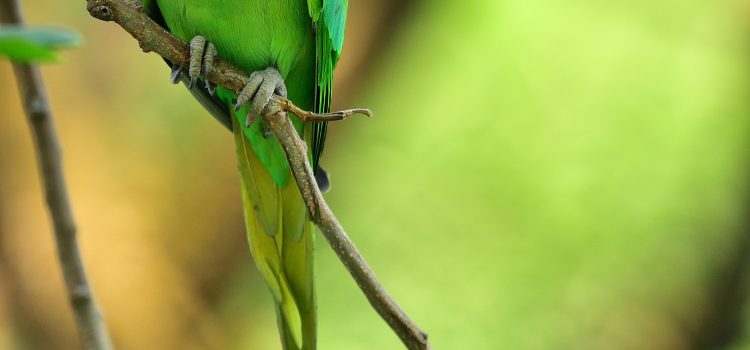
Parrots are known for their beauty, intelligence, and incredible ability to mimic human speech. These remarkable birds come in a wide variety of colors, sizes, and personalities, and have captured the hearts of bird enthusiasts all over the world.

As a bird enthusiast myself, I have spent many years studying and learning about these fascinating creatures. In this article, I will share some insights into the world of parrots and what makes them such incredible creatures.

  1. Parrots are incredibly intelligent Parrots are often considered one of the most intelligent bird species, and for good reason. They have a remarkable ability to learn and mimic speech, as well as solve complex problems. Some species of parrots, such as the African Grey, have been shown to have cognitive abilities similar to those of a young child.
  2. Parrots are social creatures In the wild, parrots are highly social creatures that live in large flocks. They communicate with one another through a wide range of vocalizations, and use body language to convey messages as well. In captivity, parrots need social interaction to stay healthy and happy.
  3. Parrots can live a long time Many parrot species can live for decades in captivity, with some living up to 80 years or more. This is something to keep in mind if you are considering getting a pet parrot, as they require a long-term commitment.
  4. Parrots come in a wide variety of species and colors From the small and colorful Budgerigar to the majestic Macaw, there are over 350 species of parrots in the world. Each species has its unique personality, colors, and vocalizations, making them all special in their way.
  5. Parrots can be challenging pets While parrots are beautiful and fascinating creatures, they can also be challenging pets. They require a lot of attention, social interaction, and mental stimulation to thrive. Many species of parrots are also very vocal and can be noisy, which can be an issue in some living situations.

In conclusion, parrots are truly remarkable creatures that have captured the hearts of people all over the world. From their incredible intelligence and social nature to their vibrant colors and personalities, there is no denying the appeal of these birds. However, it’s important to keep in mind that they are a long-term commitment and can be challenging pets, so careful consideration should be given before bringing one into your home.

Japan’s space technology company, Ispace, suffered a significant drop in its share price following the failure of its lunar lander mission. Ispace is one of the few companies that are focused on lunar exploration and has been developing its lunar lander and rover technology for several years.

The company’s lunar lander, known as the Hakuto-R, was launched on April 28th from the Tanegashima Space Center in southwestern Japan. The Hakuto-R mission was intended to test the performance of the lunar lander and its ability to travel on the moon’s surface. However, the mission ended in failure as the lander crashed onto the moon’s surface, causing a significant setback for Ispace’s lunar exploration plans.

Following the news of the failed mission, Ispace’s shares tumbled by more than 40% in a single day, with the company’s market value dropping by approximately $130 million. The sharp decline in Ispace’s share price highlights the risks and challenges associated with the space exploration industry, where the cost of developing and launching space technology is high, and the risks of failure are significant.

Ispace was founded in 2010 and has been developing lunar exploration technology, including its lunar lander and rover, as part of its long-term strategy to explore and utilize resources on the moon. The company has raised significant funds from investors, including Japan Airlines, Tokyo Broadcasting System Holdings, and Suzuki Motor.

The Hakuto-R lunar lander was developed with the support of the Japanese government, which is also keen on promoting lunar exploration as part of its space policy. The Japanese government has set a goal to send a Japanese astronaut to the moon by the mid-2030s and is investing in space technology companies like Ispace to achieve this goal.

Despite the setback, Ispace is determined to continue its lunar exploration plans and is already working on its next lunar mission, which is scheduled for launch in 2022. The company aims to launch its first commercial lunar mission in 2023, which involves the delivery of payloads to the moon’s surface for customers such as NASA and JAXA.

Ispace’s failed lunar mission serves as a reminder of the risks and challenges associated with space exploration, particularly for companies that are relatively new to the industry. However, it also highlights the importance of continued investment in space technology and exploration as it can lead to significant scientific and economic benefits, including the development of new technologies, the discovery of new resources, and the advancement of space-based industries.

As companies like Ispace continue to push the boundaries of space exploration, it is crucial for investors and policymakers to recognize the inherent risks and uncertainties associated with the industry and continue to support the development of space technology and exploration in a responsible and sustainable manner.