The jackal is a fascinating and enigmatic animal that is found in various parts of the world. Known for their cunning and adaptability, jackals have a unique place in the animal kingdom. In this article, we will take an in-depth look at the fascinating life of the jackal.

Jackals are members of the canine family, which includes wolves, dogs, and foxes. There are three species of jackals: the golden jackal, the side-striped jackal, and the black-backed jackal. They are found in a variety of habitats, including forests, grasslands, and deserts.

One of the most interesting things about jackals is their social structure. Jackals are highly social animals and live in groups called packs. These packs can range in size from just a few individuals to as many as 30 or more. In each pack, there is a dominant breeding pair, which is responsible for producing most of the offspring. Other members of the pack help to raise and care for the young.

Jackals are opportunistic hunters and will eat almost anything they can catch, including small mammals, birds, reptiles, and even insects. They are also scavengers and will eat carrion, as well as stealing food from other animals. One of the most interesting hunting strategies used by jackals is their ability to work together to catch prey. They will often coordinate their attacks, with some members of the pack flushing out the prey while others wait in ambush.

In addition to their hunting and scavenging habits, jackals are known for their vocalizations. They use a wide range of sounds to communicate with each other, including barks, growls, howls, and yelps. These vocalizations are used to establish and maintain social bonds, as well as to warn other pack members of potential dangers.

Despite their adaptability and resourcefulness, jackals are facing a number of threats in the wild. Habitat loss and fragmentation, hunting, and disease are all contributing to declining populations in some areas. Conservation efforts are underway to protect these fascinating animals and ensure their survival for generations to come.

In conclusion, the jackal is a remarkable and complex animal that has fascinated humans for centuries. Their unique social structure, hunting strategies, and vocalizations make them a truly fascinating subject for study. As we continue to learn more about these animals, we can better understand their role in the ecosystem and work to protect them from the threats they face.

Are you tired of eating bland, lifeless food? Do you want to add more depth and complexity to your dishes? Look no further than browning! Browning is a cooking process that enhances the flavor and texture of meats, vegetables, and even desserts. It’s not just about turning up the heat and letting things cook; there are specific techniques to master for optimal results. In this blog post, we’ll explore six tips for browning your food like a pro so that every bite is bursting with flavor. Get ready to take your culinary skills up a notch!

Understand the Difference Between Caramelization and Browning

Browning and caramelization are two cooking processes that often get confused. While they may sound similar, they are distinct methods of enhancing the flavor and texture of food.

Browning occurs when proteins in meat or vegetables react with heat to form a crispy, golden-brown crust. This process is essential for creating flavorful dishes like pan-seared steak or roasted chicken.

Caramelization, on the other hand, happens when sugars break down under high heat to create a rich brown color and nutty flavor. It’s responsible for delicious desserts like crème brûlée or caramelized apples.

While both browning and caramelization involve applying heat to food, they occur at different temperatures and produce unique results. Understanding these differences will help you become a better cook by knowing which technique to use for each dish.

In summary, browning creates savory flavors while caramelization produces sweet ones. Mastering both techniques will take your cooking skills to new heights!

Tips for Getting Started with Browning

Browning is a cooking technique that involves heating food at high temperatures until it turns golden brown. This process enhances the flavor and texture of your dishes, making them more delicious than ever before. But if you’re new to browning, here are some tips to help you get started.

Firstly, make sure your pan is hot enough before adding any ingredients. You can test this by sprinkling water onto the surface – if it sizzles immediately, then you’re good to go.

Next, use oil with a high smoke point such as vegetable or peanut oil to prevent burning and ensure even browning. It’s also important not to overcrowd the pan as this will cause the temperature to drop and result in steaming instead of browning.

When it comes to seasoning your food for browning, keep it simple with salt and pepper or add other complementary spices like cumin or paprika for extra flavor. For meat specifically, patting dry with paper towels beforehand will help achieve an even sear.

Don’t be afraid of trying different techniques when browning – from sautéing vegetables in garlic butter to roasting meats under a broiler. Browning takes practice but once mastered can elevate any dish from ordinary to extraordinary!

How to Prevent Your Food from Burning

Burning your food is one of the biggest fears when it comes to browning, but with a few tips and tricks, you can easily prevent this from happening. The first step is to ensure that your pan or pot isn’t too hot. If it starts smoking, then it’s too hot and you should remove it from heat.

Another way to prevent burning is by using oil or butter in moderation. Too much oil can cause flare-ups and increase the risk of burning. Instead, use just enough oil or butter to coat the bottom of the pan/pot.

Next, always keep an eye on your food while cooking. Don’t walk away for long periods as things can change quickly depending on what you’re cooking.

If you notice that your food is starting to burn despite all efforts so far, try reducing the heat slightly or adding some liquid (e.g., broth) into the mix. This will help cool down everything and create a more even cook.

Consider investing in high-quality cookware that distributes heat evenly across its surface area – this will make a big difference in preventing burning altogether!

How to Safely Roast a Turkey or Chicken

Roasting a turkey or chicken is a classic way to bring out the best flavors of poultry. However, it can also be intimidating for many home cooks who worry about undercooked meat or dryness. Here are some tips to safely roast poultry and achieve juicy, flavorful results.

Start by preparing your bird properly. Rinse it thoroughly inside and out with cold water and then pat it completely dry with paper towels. Rub the skin with oil or butter and season generously with salt, pepper, herbs, garlic, lemon zest or any other spices you prefer.

Next, decide whether you’ll stuff your bird before roasting it or not. If you choose to stuff it, make sure that the stuffing is cooked separately first before packing it into the cavity of your turkey or chicken.

Before roasting your bird in the oven at 325 degrees Fahrenheit (165°C), place a meat thermometer into its thickest part without touching bone for an accurate reading on doneness later on.

Baste your bird every 30 minutes with pan juices mixed with melted butter or extra-virgin olive oil until fully cooked – typically around 15 minutes per pound – until its internal temperature reaches at least 165°F (74°C).

Let your turkey rest covered in foil for about 20-30 minutes after removing from the oven to lock in moisture before carving and serving!

Tips for Making Perfect Braised Beef or Pork

Braising is a cooking method that involves slow-cooking meat in liquid until it becomes tender and flavorful. Perfectly braised beef or pork can be a delicious addition to any meal, but it requires some skill and patience to get right. Here are some tips for making your braised meats turn out perfectly every time.

Firstly, choose the right cut of meat. Tough cuts like chuck roast or pork shoulder are perfect for braising because they contain lots of connective tissue that breaks down during the slow cooking process resulting in tender meat.

Secondly, sear the meat before braising it. Searing creates a crust on the surface of the meat that adds flavor and texture to your dish.

Thirdly, don’t overcrowd your pot when braising. The pieces of meat should have enough space between them so they can cook evenly without touching one another.

Fourthly, use aromatics such as onions, garlic and herbs to add extra flavor to your braise. These ingredients infuse into the liquid and create an incredibly rich sauce.

Fifthly, ensure you maintain a low simmer throughout cooking by adjusting heat accordingly; this will prevent evaporation whilst also ensuring consistent temperature control throughout which leads us onto our final tip…

Lastly keep checking-in occasionally! You’ll want to check on your dish periodically–every 30 minutes or so–to make sure everything is going smoothly since different cuts require different lengths of time for optimal results

How to Make Crispy Fried Foods

With these six tips for browning your food, you’re sure to add more flavor and texture to every dish. Whether you’re roasting a turkey or frying up some chicken, understanding the principles of caramelization and browning can take your cooking skills to the next level.

When it comes to making crispy fried foods, there are a few additional steps that you should keep in mind. First off, make sure your oil is hot enough before adding any ingredients. This will help prevent sticking and ensure that everything gets cooked evenly.

Next, be sure to dry off any excess moisture from your ingredients before frying them up – this will also help prevent sticking and promote even cooking. And finally, don’t overcrowd the pan – this can cause the temperature of the oil to drop too quickly, resulting in soggy or unevenly cooked food.

By following these simple tips for browning and frying your food, you’ll be able to create delicious dishes with amazing textures and flavors. So why wait? Start experimenting with different techniques today!

Hares, those elusive and fascinating creatures, are found all over the world. With their distinctive long ears and powerful hind legs, hares are often associated with speed and agility. But what do we really know about their behavior and communication?

Researchers have been studying hare behavior and communication for decades, and their findings have shed new light on these fascinating animals. Here are some key insights from recent studies:

  1. Hares have complex social structures: Hares are often thought of as solitary creatures, but in fact they have complex social structures. Females form social groups, or warrens, that can include up to 20 individuals. Males, on the other hand, tend to be more solitary and territorial.
  2. Hares communicate through body language: Hares use a variety of body postures and movements to communicate with one another. For example, a hare might stand up on its hind legs to signal aggression, or flatten itself to the ground to show submission.
  3. Hares also use vocalizations: Hares are known for their distinctive vocalizations, which range from grunts and growls to high-pitched squeals. These vocalizations are thought to play a role in both social communication and territorial defense.
  4. Hares are highly adaptable: Hares are found in a wide variety of habitats, from deserts to tundra to rainforests. They are highly adaptable animals, able to adjust their behavior and physiology to survive in different environments.
  5. Hares play important ecological roles: Hares play important ecological roles as both predators and prey. As predators, they help to control the populations of smaller animals such as rodents. As prey, they provide a vital food source for predators such as foxes and eagles.
  6. Hares are sensitive to environmental changes: Hares are highly sensitive to changes in their environment, such as changes in temperature or precipitation. They are often used as indicator species to monitor the health of ecosystems.
  7. Hares are important in folklore and culture: Hares have played a significant role in folklore and culture around the world. In some Native American cultures, for example, the hare is seen as a trickster figure, while in European folklore it is associated with fertility and rebirth.

Studying hare behavior and communication can teach us a great deal about these fascinating animals, and help us to better understand their place in the natural world. Whether we are scientists, wildlife enthusiasts, or simply curious observers, there is much to be gained from observing and learning about these elusive and remarkable creatures.

The 2023 NFL Draft is rapidly approaching, and all eyes are on the top prospects who will be selected by NFL teams to start their professional careers. But how exactly do teams go about selecting their picks?

The draft process is a complex and intricate one, with teams conducting extensive research and analysis to identify the players they believe will best fit their needs. This process involves a variety of techniques, including scouting, analytics, and interviews.

Scouting is perhaps the most traditional method of evaluating prospects. Teams will send scouts to games, practices, and even the players’ homes to gather information about their performance, behavior, and character. Scouts will also look at game film to study a player’s technique and skills, looking for strengths and weaknesses.

Analytics, on the other hand, involves using statistical analysis to evaluate a player’s performance. This includes metrics such as speed, agility, strength, and accuracy. Teams will also use advanced analytics to look at a player’s performance in specific situations, such as third-down conversions or red-zone efficiency.

Interviews are another critical part of the evaluation process. Teams will sit down with prospects to get a better sense of their personality, work ethic, and character. These interviews can be conducted in person, over the phone, or even via video conferencing.

Once a team has identified its top prospects, the draft itself involves a series of selections made by each team in order of their record in the previous season, with the worst-performing team selecting first. Teams can also trade picks with each other to move up or down in the draft order.

But the selection process doesn’t end with the draft. Teams will continue to evaluate their picks throughout the offseason and into training camp, looking for the best way to utilize each player’s unique talents.

Of course, the draft isn’t always a sure thing. Highly-touted prospects can fail to live up to expectations, while lesser-known players can go on to become stars. It’s an unpredictable process, and one that is often subject to second-guessing and criticism.

But for the players who hear their names called on draft day, it’s the culmination of years of hard work and dedication. And for the teams that make the right picks, it can be the start of a successful run toward the ultimate goal: a Super Bowl championship.

In the world of culinary arts, trends come and go faster than you can say “bon appétit”. From molecular gastronomy to veganism, chefs are always on the lookout for the next big thing. But what happens when something old becomes new again? That’s exactly what’s happening in today’s food scene as top chefs are ditching fancy ingredients in favor of comfort foods that remind us of childhood memories and simpler times. In this blog post, we’ll explore this exciting new trend from foie gras to fried chicken, and how it is changing the landscape of fine dining. So sit back, relax, and get ready for a mouth-watering journey!

Foie Gras

Foie gras, a luxurious French delicacy made from the liver of a duck or goose, has long been associated with fine dining and high-end restaurants. But in recent years, some chefs have decided to remove it from their menus due to concerns over animal welfare and ethical considerations.

Despite this controversy, foie gras continues to be a favorite among many foodies who appreciate its rich flavor and buttery texture. It can be served in various ways such as seared, pâté-style or even incorporated into desserts.

One thing is for sure: preparing foie gras requires skill and precision. Chefs must know how to handle the delicate organ without damaging it while also ensuring that it reaches the perfect temperature for optimal taste.

For those who are curious about trying foie gras but don’t want to support unethical practices, there are now some farms that produce “ethical” foie gras using alternative methods such as feeding ducks with corn instead of force-feeding them through tubes.

Love it or hate it, there’s no denying that foie gras remains one of the most iconic ingredients in French cuisine today.

Fried Chicken

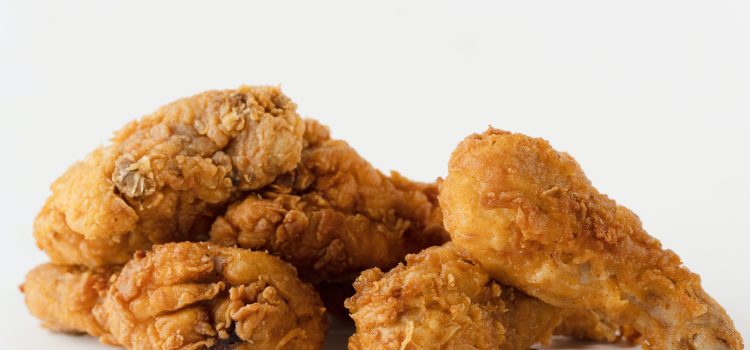
Fried chicken is the classic comfort food that most of us crave for. From fast-food chains to fine dining restaurants, fried chicken has become a staple dish in many menus worldwide. But did you know that top chefs are now taking this humble dish to new heights?

The trend among top chefs nowadays is elevating fried chicken into something more than just greasy and crispy goodness. They are experimenting with different spices, batters, and cooking techniques to create unique flavors.

Some chefs even add their own twists by incorporating exotic ingredients such as truffle oil or foie gras butter into their recipe.

Fried chicken is no longer just a cheap and easy meal option but rather a gourmet experience that can be enjoyed both casually and formally.

So if you’re looking for some finger-licking good fried chicken, don’t settle for the ordinary. Look out for those creative culinary masters who take this simple dish to the next level!

Lobster

Lobster has always been considered a luxurious and decadent ingredient in the culinary world. It’s no surprise that top chefs are now incorporating this delectable crustacean into their dishes to add a touch of sophistication.

One popular way to prepare lobster is by grilling it with garlic butter, which brings out its sweet and succulent flavor. Another way is by poaching it in a tangy tomato sauce for an Italian twist.

Lobster can also be used as a main component in salads, sandwiches or even macaroni and cheese. Its delicate taste pairs well with fresh greens, crispy bacon bits and creamy cheeses.

Aside from being delicious, lobster is also packed with nutrition such as protein, vitamin B12 and selenium. Plus, it’s low in fat making it perfect for those watching their diet.

Adding lobster to your menu not only elevates your dish but also adds nutritional value without compromising on taste.

Crab Cake

Crab cake is a beloved dish that has been around for centuries. It originated in the Chesapeake Bay region of the United States and has since become popular all over the world. The dish consists of crab meat, breadcrumbs, eggs, and spices formed into patties and then fried or baked to perfection.

There are many variations of crab cakes depending on where you are in the world. In Maryland, they use Old Bay seasoning which gives it a distinctive flavor. In Louisiana, they add cajun seasonings to spice things up. Some chefs even mix different types of seafood like shrimp or lobster into their crab cakes for added texture.

One thing that all good crab cakes have in common is quality ingredients such as fresh lump crabmeat which makes them taste incredible! Chefs are now experimenting with different sauces served alongside their crispy yet moist Crab Cakes; everything from tartar sauce to remoulade sauce can be found on restaurant menus nowadays.

Some people prefer their Crab Cakes pan-fried while others opt for oven-baked versions; each method offers its unique charm but both create an equally delicious meal nonetheless!

Whether you’re enjoying your Crab Cake with a cold beer at your local pub or savoring every bite at an upscale restaurant – this timeless classic will always remain one of America’s favorite seafood dishes!

Caviar

Caviar, the delicacy that has been associated with luxury and prestige for centuries. This luxurious treat is made from the eggs of sturgeon fish and is known for its unique taste and texture. Caviar comes in different varieties, each one with a distinct flavor profile.

Beluga caviar, the most expensive type of caviar, is characterized by its large size and buttery flavor. Osetra caviar has a nutty taste while Sevruga caviar has a more intense salty flavor.

Caviar can be served in various ways; it can be enjoyed on its own or paired with other foods such as blinis or toast points. It’s often accompanied by champagne or vodka to enhance the flavors of both.

Top chefs are now experimenting with incorporating caviar into their dishes in new and innovative ways. From topping off sushi rolls to adding it to deviled eggs, chefs are finding creative ways to elevate this classic ingredient.

Whether you enjoy it on its own or as an added element to your favorite dish, there’s no denying that caviar remains a luxurious food item favored by top chefs around the world.

Sushi

Sushi has been a staple of Japanese cuisine for centuries, but it’s only in recent years that this dish has gained worldwide popularity. Top chefs around the world are embracing sushi and incorporating it into their menus in innovative ways.

Sushi is not just about raw fish; there are many different types of sushi rolls to choose from, each with its unique flavor profile. From classic tuna and salmon rolls to more adventurous options like eel and octopus, there is something for everyone.

What sets sushi apart from other dishes is its presentation. Sushi chefs take great care in crafting beautiful and intricate rolls that are almost too pretty to eat. But don’t be fooled by their appearance; these little bites pack a flavorful punch.

One trend among top chefs is fusion sushi – combining traditional Japanese ingredients with flavors from other cuisines such as Mexican or Italian. This results in some truly unique creations that are both delicious and visually stunning.

If you’re new to sushi, don’t be intimidated! Start with something simple like a California roll or shrimp tempura roll before working your way up to more adventurous options. And if you’re already a fan of this iconic dish, try branching out and exploring some of the exciting new takes on sushi being offered at restaurants around the world.

Conclusion

The culinary world is always evolving and changing. While foie gras, lobster, crab cake, caviar, and sushi will always be considered luxurious delicacies in their own right, it’s exciting to see top chefs embracing comfort foods like fried chicken.

It just goes to show that no matter how fancy or high-end a restaurant may be, everyone craves a little bit of down-home cooking every once in a while.

So the next time you’re dining at a Michelin-starred eatery and spot something as humble as fried chicken on the menu – don’t hesitate to order it! You never know what delicious surprise might await you.

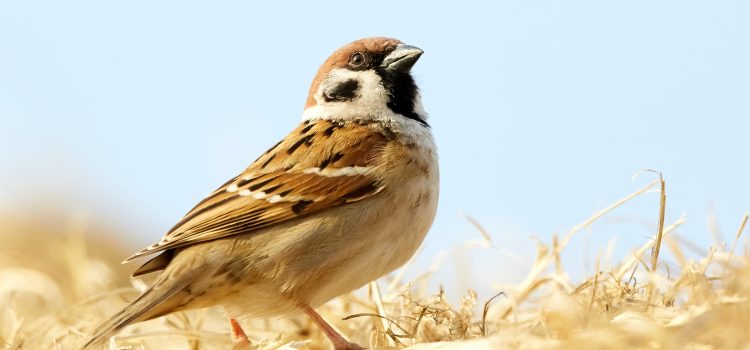
Sparrows may be small, but they have a big impact on the world around us. These little birds can be found in almost every corner of the globe, from cities to rural areas, and they have adapted to a variety of environments. Despite their commonality, sparrows are a fascinating and diverse group of birds that are worthy of our attention.

To start, sparrows belong to the family Passeridae, which includes more than 40 genera and over 400 species. This family is incredibly diverse, with sparrows ranging in size from the tiny African pygmy sparrow to the larger house sparrow. Despite this diversity, sparrows are generally small, plump birds with short, stout bills and brown or gray plumage. However, many species have distinctive markings that set them apart from one another.

One of the most fascinating things about sparrows is their adaptability. These birds can be found in a variety of habitats, including deserts, grasslands, forests, and even urban areas. For example, the house sparrow, which is native to Europe and Asia, has been introduced to cities all over the world and is now one of the most common birds in urban areas. Meanwhile, the rufous-crowned sparrow is found in arid regions of the southwestern United States and Mexico, where it survives on a diet of seeds and insects.

Sparrows are also highly social birds. Many species live in flocks, which can range in size from just a few birds to hundreds. These flocks provide safety in numbers, allowing sparrows to better defend themselves against predators. Sparrows also communicate with one another through a variety of vocalizations, including songs, calls, and chatters.

While sparrows may seem unremarkable at first glance, they play important roles in ecosystems all over the world. These birds are seed-eaters, and they help to disperse seeds across their habitats. They also eat insects, which helps to control pest populations. Additionally, sparrows are important prey for a variety of predators, including hawks, snakes, and domestic cats.

Unfortunately, many species of sparrows are facing threats to their survival. Habitat loss and fragmentation, pesticide use, and climate change are all putting pressure on these birds. For example, the once-common house sparrow has experienced significant declines in many parts of its range, likely due to changes in urban environments.

In conclusion, while sparrows may seem small and unremarkable, they are actually fascinating and important birds. Their adaptability, social behavior, and ecological roles make them worthy of our attention and protection. As we continue to learn more about these birds, we can better appreciate their place in the world around us.

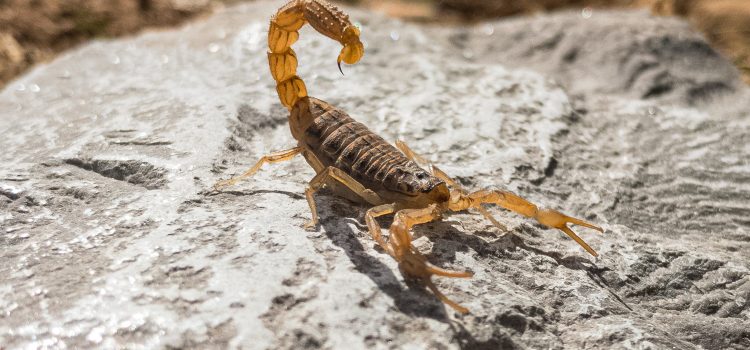
Scorpions are fascinating creatures that have gained popularity as pets among some people. However, keeping them as pets can be controversial, as many people consider them to be dangerous and potentially deadly. In this article, we will explore the pros and cons of keeping scorpions as pets.

Pros of Keeping Scorpions as Pets:

  1. They are low-maintenance pets: Scorpions are relatively low-maintenance pets, requiring only a clean and dry enclosure with hiding places, and a regular supply of food and water. They do not require daily exercise or interaction like dogs or cats.
  2. They are fascinating creatures: Scorpions are fascinating creatures with unique behaviors and adaptations that make them interesting to watch and learn about. They have a long lifespan compared to other invertebrates, with some species living up to 25 years.
  3. They can help control pests: Some species of scorpions prey on insects and other pests, making them a natural pest control option for homes and gardens.
  4. They have medicinal value: Scorpion venom contains compounds that have been used in medical research to develop treatments for a range of ailments, including cancer, arthritis, and multiple sclerosis.

Cons of Keeping Scorpions as Pets:

  1. They can be dangerous: Scorpions have venomous stingers that can cause painful and potentially life-threatening reactions in humans. Even if a scorpion is not venomous, their stingers can still cause pain and irritation.
  2. They require specialized care: Scorpions have specific environmental and dietary needs that must be met to keep them healthy. This includes maintaining a specific temperature and humidity range, providing hiding places, and feeding them live prey.
  3. They may not be legal to keep as pets: In some areas, it is illegal to keep scorpions as pets, and owning them can result in fines or legal trouble.
  4. They may not be suitable for all households: Scorpions are not suitable pets for households with children or pets that may try to interact with them, as this can result in injury to both the scorpion and the other animal.

Conclusion:

Keeping scorpions as pets can be a rewarding experience for those who are fascinated by these creatures and willing to provide them with the specialized care they require. However, it is important to consider the potential risks and drawbacks before making the decision to keep a scorpion as a pet. It is also crucial to research the specific needs of the species you are interested in keeping and to ensure that it is legal to keep them in your area.

As a small business owner, it’s easy to get caught up in the day-to-day operations of your company. But one thing that can have a significant impact on your success is confidence – or lack thereof. When you lose confidence in your business, it can set off a chain reaction that affects everything from how investors view you to whether you qualify for loans. In this blog post, we’ll explore the domino effect of loss of confidence on small business financing and what you can do to regain trust in yourself and your company.

The Domino Effect of Loss of Confidence on Small Business Financing

When a small business loses confidence, it can have a ripple effect that impacts every aspect of the company’s financial health. The first domino to fall is often investor interest – if you don’t believe in your own product or service, why should they?

As investors pull back, potential lenders may also become wary. After all, if others aren’t willing to put their money into your business, why should they take on that risk? This can make it much harder for small businesses to secure loans or lines of credit.

But the effects go deeper than just external financing sources. A loss of confidence within the company can lead to poor decision-making and lackluster performance from employees who are unsure about the future of their jobs. When this happens, productivity suffers and revenue may start to decline as well.

All too often, this negative cycle becomes self-reinforcing: lowered profits further erode confidence in the business model and its leadership. It takes a concerted effort for small businesses to break free from this downward spiral once it starts gaining momentum.

In short: losing confidence isn’t just an emotional setback; it has real-world implications on your ability to access financing and grow your business over time.

How Confidence Affects Financing

When it comes to small business financing, confidence is key. A confident business owner inspires trust in lenders and investors, making them more likely to provide the necessary capital for growth and expansion.

First of all, a lack of confidence can lead to poor financial decisions. When a small business owner lacks faith in their abilities or the potential success of their company, they may make risky or irrational choices that could harm their finances in the long run.

Furthermore, loss of confidence may also affect relationships with lenders and investors. If a business owner appears uncertain or hesitant during negotiations or pitches, it can be difficult to convince others to invest in their vision.

On the other hand, when a small business owner exudes confidence and self-assurance, lenders and investors are more likely to see them as capable and trustworthy partners. This can lead to better terms on loans or investments as well as increased opportunities for collaboration.

Confidence plays an integral role in securing financing for small businesses. By maintaining belief in themselves and their companies’ potential for success, entrepreneurs increase their chances of securing necessary funding for growth and development.

Factors That Cause Small Businesses to Lose Confidence

Small businesses face a variety of challenges that can lead to the loss of confidence in their financing abilities. One significant factor is economic uncertainty, which can occur due to shifts in market conditions or changes in government regulations. These factors can make it difficult for small business owners to predict revenue and plan accordingly.

Another factor that causes small businesses to lose confidence is lack of access to capital. Without sufficient funding, businesses may struggle with cash flow issues or be unable to invest in growth opportunities, leading them to feel stuck and helpless.

Furthermore, external factors such as competition from larger companies also contribute significantly to a loss of confidence among small business owners. The perception that they cannot compete on price or quality undermines their ability to grow and succeed.

In addition, internal factors such as mismanagement or poor decision-making by leadership can erode trust within an organization and negatively impact morale. When employees do not have faith in their leaders’ decisions, it creates a ripple effect throughout the company.

There are numerous factors that contribute towards the loss of confidence among small businesses. Addressing these issues requires proactive steps such as seeking out alternative financing options, improving internal communication and management practices while adapting efficiently during challenging times while remembering every challenge presents an opportunity for growth!

Solutions to Restore Confidence in a Small Business

When a small business loses confidence, it can be challenging to regain that trust. However, there are solutions that can help restore the confidence and get the financing needed.

One solution is to create a solid business plan that outlines specific goals and objectives for the future. The plan should also detail how these goals will be achieved and what resources will be required.

Another solution is to seek out new partnerships or collaborations with other businesses in similar industries. These relationships can help build credibility for your small business while giving you access to additional resources.

Offering incentives such as discounts or rewards programs for loyal customers may also help restore lost confidence. This shows dedication towards customer satisfaction which boosts brand reputation in their eyes.

Seeking guidance from experienced mentors or advisors who have successfully navigated similar challenges could provide valuable insight into effective strategies on restoring trust within investors and clients alike.

Conclusion

The loss of confidence in small businesses can have a domino effect on their financing. It can lead to difficulties in securing loans and investments, which ultimately affects their growth and success. The factors that cause this loss of confidence can vary from economic instability to poor management decisions.

However, there are solutions that small business owners can use to restore confidence in their enterprise. Being transparent with stakeholders, improving communication channels, seeking professional advice and guidance, and taking calculated risks are all steps that can help rebuild trust in a business.

Ultimately, as a small business owner or entrepreneur looking for financing options, it is important to recognize the impact that confidence has on your ability to secure funding. By understanding the causes of lost confidence and implementing strategies for restoring it, you will be better equipped to navigate the challenges of running a successful small business in today’s competitive market.

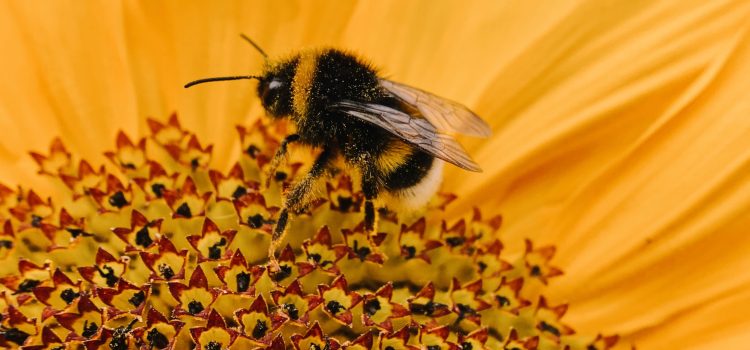
Bees are one of the most important insects in the world, responsible for pollinating over 75% of the world’s food crops. But have you ever wondered how honeybees make honey and what their journey looks like from pollination to production?

It all starts with pollination. Honeybees visit flowers to collect nectar and pollen, which they use to make honey and feed their young. As they move from flower to flower, they transfer pollen between plants, allowing for cross-pollination and fertilization. This is critical for the production of fruits, vegetables, and seeds.

Once the honeybees have collected enough nectar, they return to the hive and pass it to other worker bees. The bees then store the nectar in wax cells and use their wings to fan the nectar, which helps evaporate the excess water and thicken the nectar into honey.

During this process, the bees add enzymes to the nectar that break down the sugars and create gluconic acid and hydrogen peroxide, which give honey its antibacterial properties. The bees also add trace amounts of pollen, propolis, and beeswax, which contribute to the unique flavor and color of the honey.

Once the honey is ready, the bees seal the wax cells with more wax and store the honey for winter when there is less nectar available. In a healthy hive, honey production is a continuous process, with bees collecting nectar and making honey throughout the spring, summer, and fall.

However, honeybees face many threats, including habitat loss, disease, and pesticides. These threats can weaken the bees’ immune system and make them more susceptible to colony collapse disorder (CCD), a phenomenon where the majority of worker bees disappear, leaving behind the queen and a few nurse bees.

To help protect honeybees, there are several things that individuals can do. Planting native flowers and avoiding pesticides can provide bees with a safe place to forage and feed. Supporting local beekeepers by purchasing honey and other bee products can also help to maintain the health and vitality of local bee populations.

In conclusion, the journey of a honeybee from pollination to honey production is a remarkable feat that plays a crucial role in the ecosystem and the world’s food supply. However, the threats to bee populations are real, and it is important for individuals and communities to take action to protect these amazing creatures.

Get ready for a unique fusion of sports, table games, and geopolitics in Venezuela’s Fútbol World Cup! This exciting event brings together the best teams from across the country to compete for victory and national pride. But it’s not just about soccer – this tournament is an opportunity for Venezuelans to come together and celebrate their shared love of sport while also discussing important political issues facing their nation. From the history of Venezuelan soccer to the stakes for each team, join us as we explore all there is to know about this one-of-a-kind event!

What is the Venezuela Fútbol World Cup?

The Venezuela Fútbol World Cup is an annual soccer tournament that brings together teams from across the country to compete for the title of national champions. The competition is highly anticipated by both players and fans, as it showcases some of the best talent in Venezuelan soccer.

One unique aspect of this event is that it also incorporates table games such as dominoes and chess, providing a diverse range of activities for participants and spectators alike. This fusion of sports and games adds a fun twist to the traditional soccer tournament format.

The Fútbol World Cup has become increasingly popular over the years, drawing large crowds from all corners of Venezuela who come together to cheer on their favorite teams. It’s not just about winning – this tournament represents an opportunity for Venezuelans to bond over their shared passion for sport while also engaging in important discussions about politics and social issues facing their nation.

The Venezuela Fútbol World Cup is more than just a sporting event; it’s a cultural celebration that reflects the spirit and diversity of this vibrant South American nation.

How did it come to be?

The Venezuela Fútbol World Cup is a unique event that brings together sports, table games and geopolitics. But how did this tournament come to be?

The idea for the tournament originated in 2016 when the Venezuelan government was looking for ways to increase tourism and promote the country’s image internationally. The organizers decided that hosting an international soccer tournament would be a great way to achieve these goals.

They reached out to various countries and invited them to participate in what they called “the most unique soccer experience in the world.” The response was overwhelmingly positive, with many countries eager to take part in this one-of-a-kind event.

Over time, more teams were added, and the format of the tournament evolved. In addition to traditional soccer matches, there are also table game competitions between teams representing different countries.

Now entering its fourth year, the Venezuela Fútbol World Cup has become a highly anticipated event on both the sporting and political calendars. It provides an opportunity for people from all over the world to come together and enjoy friendly competition while celebrating their shared love of sport.

The History of Venezuelan Soccer

Venezuela may not be a traditional powerhouse in soccer, but the country has a rich history in the sport. Soccer was first introduced to Venezuela by British workers building railroads and ports during the 19th century.

After its introduction, soccer grew rapidly in popularity throughout Venezuela. The Venezuelan Professional Football League was founded in 1957, which helped organize and promote professional soccer within the country.

Despite making significant strides over the years, Venezuela struggled to compete at an international level until relatively recently. In fact, it wasn’t until 2007 that Venezuela qualified for their first Copa America tournament.

Since then, however, Venezuelan soccer has been on an upward trajectory. The national team consistently competes in major tournaments such as Copa America and World Cup Qualifiers. Additionally, several players from Venezuela have found success playing professionally abroad.

While Venezuelan soccer may not have as deep of a history as other countries like Brazil or Argentina; its recent success proves that it is quickly becoming a force to be reckoned with on the international stage.

The Teams competing in the World Cup

The Venezuela Fútbol World Cup is a unique event that brings together teams from all over the world to compete in a fusion of sports, table games and geopolitics. The tournament features 32 teams that have been selected based on their performance in previous international competitions.

These teams come from all different regions of the world, including Europe, Africa, Asia, North America and South America. Some of the most notable teams competing in this year’s tournament include Brazil, Germany, Argentina and Spain.

Each team has its own strengths and weaknesses that will ultimately determine their success in the tournament. For example, Brazil boasts some of the best players in the world such as Neymar Jr., while Germany has a reputation for playing strong defense.

Other notable teams include France with its young talent like Kylian Mbappe and Antoine Griezmann; Portugal led by superstar Cristiano Ronaldo; Belgium with its “golden generation” including Kevin De Bruyne and Romelu Lukaku; England hoping to end decades-long drought since winning a major trophy; Mexico eager to finally get past round-of-16 after being eliminated at this stage for seven consecutive times since 1994.

These 32 teams bring an exciting mix of skillsets and strategies to the tournament which makes it difficult to predict who will come out on top. Each game promises intense competition between nations vying for glory on one hand but also geopolitical influence among other countries watching closely from afar.

What are the odds for each team?

As the Venezuela Fútbol World Cup approaches, fans and experts alike are eagerly speculating on which team will come out on top. Each participating country has its own unique strengths and weaknesses, making it difficult to predict who will ultimately win.

Some of the frontrunners for the tournament include Brazil, Argentina, and Uruguay. Brazil has won five FIFA World Cups in the past and is currently ranked third in the world by FIFA. Meanwhile, Argentina boasts some of the best players worldwide like Lionel Messi while Uruguay has a strong history in soccer with two previous World Cup wins.

However, other teams such as Colombia, Chile or Paraguay can also be considered dark horses that have shown great potential during their qualifying rounds leading up to this event.

It’s worth noting that surprises can happen at any moment during a tournament like this; underdogs could rise to fame while favorites may falter unexpectedly. This unpredictability adds an extra level of excitement to watching each match unfold.

As we get closer to kickoff day, fans continue debating and analyzing each team’s chances. While there are undoubtedly favorites among them all but only time will tell who comes out victorious in this thrilling championship set against Venezuela’s beautiful backdrop!

What are the stakes for each team?

In any major sports tournament, the stakes are high for every team involved. The Venezuela Fútbol World Cup is no exception. Each team has a lot to gain and even more to lose in this competition.

For the smaller teams with lower rankings, such as Trinidad and Tobago or Guyana, this tournament could be an opportunity to make a name for themselves on the global stage. A strong showing could garner attention from bigger clubs and potentially lead to better opportunities for their players in terms of playing professionally overseas.

On the other hand, for powerhouse teams like Brazil or Argentina, anything less than winning it all would be considered a failure. These countries have long histories of success in soccer and come into every international competition with high expectations.

Additionally, there’s also national pride at stake for each team participating in this tournament. Representing your country on an international level is always an honor and winning can bring joy not just to players but entire nations alike.

The stakes are especially high for Venezuela itself since they’re hosting the event. Winning on home soil would give them bragging rights while losing could result in disappointment among fans who had been eagerly anticipating this event.

Each team has something big riding on their performance during the Venezuela Fútbol World Cup whether it’s financial gain or national pride – only time will tell who comes out victorious.

What is the atmosphere like in Venezuela during the World Cup?

The atmosphere in Venezuela during the World Cup is electric. The streets are buzzing with excitement and anticipation for each match. Fans gather together, dressed in their team’s colors, to watch the games on big screens set up in public areas.

The passion for soccer runs deep in Venezuela, and this event is no exception. It brings people from all walks of life together to cheer on their favorite teams. The energy is contagious as everyone joins in singing chants and waving flags to show support.

During game days, businesses close early so that employees can enjoy the matches with their families and friends. Restaurants offer special menus featuring traditional Venezuelan dishes such as arepas, cachapas, and empanadas.

In addition to watching the games themselves, there are other events held throughout the country during the World Cup. Street parties called “fogones” feature live music performances and food stalls selling local delicacies.

The atmosphere during the World Cup in Venezuela is one of unity and celebration. It showcases just how much sports can bring a nation together despite political or social differences.

How will this tournament impact Venezuelan politics?

It’s clear that the Venezuela Fútbol World Cup holds immense significance for not only soccer fans but also for those interested in geopolitics. The tournament has brought together nations from different parts of the world, competing against one another to win the title.

But more than just a game, this event has highlighted Venezuela’s current political and economic situation. It has served as an opportunity for international media attention to focus on what is happening within the country, and how sport can act as a unifying force amidst social unrest.

The government sees this competition as an opportunity to showcase progress despite crippling economic sanctions by Western countries. For opposition leaders, however, it serves as evidence that something is fundamentally wrong in Venezuela.

This tournament will undoubtedly have lasting impacts on Venezuelan politics and society at large. Whether it will ultimately be positive or negative remains to be seen, but one thing is certain: The eyes of both sports enthusiasts and political analysts alike are fixed firmly on Venezuela during this unique event.