
Are you tired of your apple slices turning brown and losing their crispness before you can even enjoy them? Don’t worry, we’ve got you covered! Keeping your apple slices fresh and tasty is easier than you think. With a few simple storage techniques and creative usage ideas, you’ll be able to savor the delicious flavor of apples anytime, anywhere. In this guide, we’ll share with you some practical tips on how to keep your apple slices fresh for longer periods and give you some exciting ways to use them in snacks or meals. So grab an apple (or two) and let’s get started!

How to Store Apple Slices

Proper storage is key to keeping your apple slices fresh and tasty. Follow these simple guidelines on how to store your cut-up apples:

First off, make sure that you’re using a sharp knife or an apple slicer when cutting the fruit. A dull blade can damage the cells of the apple, causing it to brown faster.

Once you’ve sliced your apples, immediately sprinkle them with lemon juice or another acidic liquid like orange juice or vinegar. This will help prevent oxidation and browning.

Next, place the slices in an airtight container. You can also wrap them tightly in plastic wrap if needed. Make sure there is no air inside as this can cause browning too.

Store your apple slices in the refrigerator at 40°F (4°C) or below for up to five days. Avoid placing them near other fruits like bananas because they release ethylene gas which speeds up ripening and spoilage.

If you want longer storage time for your sliced apples, consider freezing them instead! Simply spread out the slices on a baking sheet lined with parchment paper and freeze until solid before transferring them into resealable freezer bags.

Tips for Using Apple Slices

When it comes to using apple slices, there are several tips you can follow to make the most out of this versatile fruit. One great tip is to add them to your salads for a sweet crunch. You can also use them as a healthy topping on your morning oats or yogurt bowls.

Another way to use apple slices is by pairing them with cheese and crackers for a delicious snack that’s perfect for entertaining guests. They also make a great addition to charcuterie boards.

If you’re looking for something more indulgent, try dipping apple slices in melted chocolate or caramel sauce. This makes for an easy yet impressive dessert that will satisfy any sweet tooth.

Apple slices can also be used in savory dishes such as stir-fries or roasted alongside vegetables like carrots and sweet potatoes. The natural sweetness of apples adds depth of flavor and complexity to these dishes.

If you have extra apple slices that you won’t be able to finish right away, freeze them! Frozen apples are perfect for making smoothies or adding into oatmeal later on. By following these tips, you’ll never run out of creative ways to use your fresh and tasty apple slices!

Ways to Use Apple Slices

Apple slices are a versatile and healthy snack that can be used in many ways. Here are some creative ideas for how to use apple slices:

1. Dip them in peanut butter, almond butter, or another nut spread for a protein-packed snack.

2. Add them to your breakfast oatmeal or yogurt bowl for extra texture and sweetness.

3. Make an apple sandwich by placing thin apple slices between two pieces of bread with your favorite filling.

4. Use them as a topping for salads or pizza, adding crunch and natural sweetness to savory dishes.

5. Mix chopped apples into pancake batter or muffin mix for a delicious twist on classic breakfast foods.

6. Create a cheese board with sliced apples, different cheeses and crackers – perfect for entertaining guests!

7. Freeze apple slices overnight then blend it with some yogurt or milk the next day to create an easy smoothie recipe that is packed full of flavor!

By incorporating apple slices into various meals throughout the day, you can enjoy their naturally sweet taste while also reaping the nutritional benefits they offer!

Conclusion

Apples are a delicious and healthy snack that can be enjoyed in many ways. By following the tips for storing apple slices properly, you can ensure they stay fresh and tasty for longer periods of time. Remember to keep them away from air and moisture by using an airtight container or plastic wrap.

Using apple slices is also easy and versatile – add them to salads, smoothies, oatmeal bowls or enjoy them on their own with peanut butter or cheese. With so many ways to use apple slices, there’s no excuse not to include this nutritious fruit in your diet regularly.

By incorporating these simple techniques into your routine, you’ll never have to waste uneaten apple slices again! Keep those apples crisp and juicy for all your snacking needs.
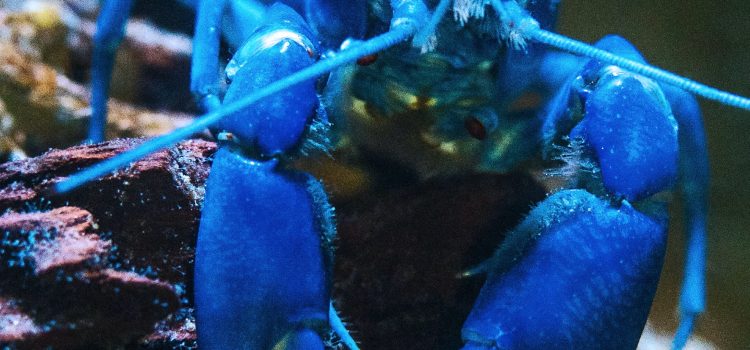

Lobster is a delicious and luxurious seafood that has been enjoyed by people for centuries. But despite its popularity, many people are still unfamiliar with the different types of lobster, how to properly cook and eat it, and the sustainability concerns surrounding this seafood.

Types of Lobster There are two main types of lobster: the American lobster and the European lobster. American lobsters are found along the Atlantic coast of North America, from Canada to North Carolina, and are known for their large claws and meaty tails. European lobsters are found in the eastern Atlantic Ocean, from Norway to the Mediterranean Sea, and have smaller claws and a slightly different flavor.

Cooking and Eating Lobster Lobster can be prepared in a variety of ways, including boiled, steamed, grilled, and baked. When preparing lobster, it’s important to cook it properly to avoid overcooking and toughening the meat. Lobster can be eaten hot or cold, and is often served with melted butter or a variety of sauces.

To eat a whole lobster, start by breaking off the claws and cracking them open with a nutcracker or lobster cracker. Use a fork or pick to remove the meat from the claws and knuckles. Next, twist the tail off of the body and remove the meat from the shell. The meat in the tail can be easily removed by gently pulling it out with a fork or pick. Lobster also has small legs that can be cracked open and eaten for additional meat.

Sustainability Concerns While lobster is a popular seafood, there are concerns about its sustainability. Overfishing and habitat loss have had a significant impact on lobster populations, particularly in certain areas. To ensure the sustainability of lobster, it’s important to only purchase from reputable sources that practice sustainable fishing methods and avoid buying undersized lobsters.

In addition, the fishing industry has recently faced challenges related to the COVID-19 pandemic, including decreased demand and disruptions to the supply chain. This has had a significant impact on lobster fishermen and their communities.

Final Thoughts Lobster is a delicious and popular seafood that can be enjoyed in a variety of ways. However, it’s important to understand the different types of lobster, how to properly cook and eat it, and the sustainability concerns surrounding this seafood. By supporting sustainable fishing practices and being mindful of the impact of our seafood choices, we can continue to enjoy lobster for years to come.

Raising and caring for domesticated buffaloes, also known as bison, can be a rewarding and lucrative venture for those interested in agriculture and ranching. But before jumping into buffalo ranching, it’s important to understand the basics of raising and caring for these animals.

Housing and Fencing First and foremost, domesticated buffaloes require a safe and secure enclosure. The enclosure should be spacious enough to allow the animals to move around comfortably and have access to shelter. Fencing is also crucial, as buffaloes are strong and can easily break through weak or poorly constructed fences. A sturdy, high-tensile fence is recommended.

Nutrition and Feeding Buffaloes are grazers and require a diet that is high in fiber. They are typically fed hay or grass, and in some cases, commercial feed supplements. It’s important to ensure that the feed is free of mold and other contaminants, as buffalo can be susceptible to digestive issues if they consume contaminated feed.

Health and Disease Management Like all livestock, domesticated buffaloes require regular veterinary care and attention. They should be vaccinated against common diseases, such as brucellosis and tuberculosis. It’s also important to monitor their health and look out for signs of illness or injury. Parasite control is also important, as buffalo can be vulnerable to a variety of internal and external parasites.

Breeding and Calving Breeding and calving are important aspects of buffalo ranching. It’s important to select high-quality breeding stock to ensure healthy offspring. Buffalo cows typically give birth to a single calf each year, and calving usually occurs in the spring. It’s important to monitor the cows closely during calving to ensure that the process goes smoothly and to provide any necessary assistance.

Marketing and Sales There is a growing demand for buffalo meat, which is lean and high in protein. In addition to meat, there is also a market for buffalo hides and other by-products. When marketing and selling buffalo products, it’s important to ensure that all products meet federal and state regulations, including those related to food safety and animal welfare.

Challenges and Considerations Buffalo ranching can be a challenging endeavor, and it’s important to carefully consider all aspects of the business before getting started. For example, buffaloes can be difficult to handle and may require specialized handling equipment. In addition, there may be challenges related to marketing and sales, as the market for buffalo products is still relatively small compared to other types of livestock.

In conclusion, buffalo ranching can be a rewarding and profitable venture for those interested in agriculture and livestock management. However, it’s important to carefully consider all aspects of the business, including housing and fencing, nutrition and feeding, health and disease management, breeding and calving, and marketing and sales. With proper care and attention, domesticated buffaloes can thrive and provide a valuable source of meat and other by-products.

Introduction

The post-pandemic world is rife with serious risks. From the looming threat of climate change to the potential for future pandemics, it’s crucial that we understand and prepare for these dangers. However, our ability to accurately perceive and assess risk is hindered by cognitive biases – those pesky mental shortcuts that lead us astray without us even realizing it! In this blog post, we’ll explore three common cognitive biases and how they’re affecting our understanding of serious risks in the post-pandemic world. So buckle up and get ready to challenge your thinking!

Cognitive Biases

Cognitive biases are mental shortcuts that our brain takes to make quick judgments and decisions. These biases can influence our perception, judgment, and decision-making abilities in both positive and negative ways. Although they help us process information quickly, the downside is that these cognitive biases can also lead to errors in judgment.

One such cognitive bias is the overconfidence effect. This bias leads individuals to believe they have more knowledge or control than they actually do in a given situation. For example, during a pandemic, people may underestimate the risks associated with their actions because of their belief in their ability to control the outcome.

Another common cognitive bias is known as the illusion of control. This refers to our tendency to overestimate how much control we have over situations where we really have no influence at all. In terms of risk perception during a pandemic, this could manifest as an individual believing that they won’t get sick simply because they take precautions like wearing masks or washing hands frequently.

There’s the endowment effect which describes how individuals place greater value on things just because they own them. As it relates to risk perception during pandemics, people who feel ownership of certain beliefs or behaviors (such as not wearing masks) may resist changing those behaviors even when presented with evidence showing it would be safer for themselves and others around them.

These examples demonstrate how important it is for us to recognize potential cognitive biases affecting our understanding of serious risks like pandemics. By acknowledging these biases and actively working against them through education and self-reflection, we can better protect ourselves and those around us from harm.

1 The Overconfidence Effect

The Overconfidence Effect is a cognitive bias that causes individuals to overestimate their abilities and the accuracy of their beliefs. This can lead to risky decision-making and an underestimation of potential risks.

Research has shown that people tend to be more confident in their predictions than they should be, especially when it comes to complex issues such as the outbreak of a serious disease. For example, during the early stages of COVID-19, many experts were overconfident in their ability to contain the virus and underestimated its severity.

This bias can also manifest itself on an individual level. People may believe they are less susceptible to contracting a serious illness or may overestimate their own knowledge about prevention measures.

The Overconfidence Effect can have serious consequences in situations where accurate risk assessment is vital. It’s important for individuals and organizations alike to recognize this bias and take steps to mitigate its impact through careful consideration of all available information before making decisions.

2 The Illusion of Control

The Illusion of Control is a cognitive bias that refers to the tendency of individuals to believe they have control over events when in fact they do not. This bias stems from our innate desire for certainty and predictability, which can lead us to overestimate our ability to influence outcomes.

For example, during the COVID-19 pandemic, some people may have believed that by following strict hygiene measures or wearing masks, they could completely avoid contracting the virus. However, this belief ignores external factors such as exposure through social contact or environmental contamination.

The Illusion of Control can also manifest in investment decisions where investors may think that their actions can directly impact market trends and returns. In reality, there are many external factors beyond an individual’s control that can affect financial markets.

This type of bias is particularly dangerous because it leads people to make decisions based on false assumptions about their level of influence and ultimately increases vulnerability to risk. It is important for individuals and organizations alike to recognize this bias and make conscious efforts to objectively evaluate risks based on available data rather than relying on perceived levels of control.

3 The Endowment Effect

The endowment effect is a cognitive bias that occurs when people give more value to things they own compared to those they don’t. It’s the reason why we tend to overvalue our possessions, even if their actual worth may be less than what we think.

This bias can have significant implications in risk perception and decision-making. For instance, during the pandemic, people who owned stocks or invested in certain industries may have been less likely to perceive the risks associated with those sectors because of their attachment to them.

Similarly, this bias could also affect policy decisions related to public health measures such as vaccine distribution or lockdowns. People may become attached to certain freedoms and resist any changes that might impact their perceived ownership of them.

Recognizing the endowment effect is essential for making rational decisions based on objective information rather than subjective attachments. By understanding this phenomenon and acknowledging its potential influence on our behavior, we can better evaluate risks and make more informed choices.

Risk Perception and the Outbreak of a Serious Disease

The current pandemic has brought to light the issue of how cognitive biases can affect our understanding of serious risks. When it comes to diseases, people tend to perceive risks differently based on various factors such as their personal experience, media coverage, and cultural beliefs.

The availability heuristic is one example of a cognitive bias that affects risk perception. This bias leads individuals to rely on readily available information when making judgments about probability. In the case of the pandemic, news reports and social media have been flooded with updates and statistics which may lead people to overestimate the likelihood of contracting the virus.

Another factor that influences risk perception is optimism bias. This tendency leads people to believe they are less likely than others to experience negative events. For example, some individuals may believe that they will not get sick because they exercise regularly or eat a healthy diet.

Additionally, cultural differences also play a role in how people perceive risk during an outbreak. Cultural beliefs can influence attitudes towards vaccination programs or preventative measures such as mask-wearing.

To combat these biases and improve risk perception during pandemics like COVID-19, public health officials must provide accurate information tailored for different populations while acknowledging cultural differences in perceptions and behaviors related to health risks.

Conclusion

The post-pandemic world is full of serious risks that demand our attention. However, our cognitive biases can hinder our understanding and perception of these risks. The overconfidence effect, illusion of control, and endowment effect are just a few examples of how cognitive biases can influence our decision-making.

To overcome these biases and better understand the risks we face in the post-pandemic world, it is important to remain vigilant and open-minded. We must be willing to challenge our assumptions and seek out diverse perspectives. By doing so, we can make more informed decisions that help us navigate an uncertain future with greater clarity and confidence.

In recent years, Huawei, the Chinese technology giant, has faced challenges due to its involvement in trade disputes and being placed on the U.S. government’s blacklist, limiting its access to key technology suppliers. As a result, Huawei has been forced to find workarounds to maintain its business operations and profits.

Despite its efforts, Huawei’s latest earnings report showed a significant decline in profits for the first quarter of 2021. The company reported a 16.5% decrease in revenue compared to the same period in the previous year. Huawei has attributed this decline to the impact of U.S. sanctions and the ongoing pandemic.

Huawei’s struggles have been particularly pronounced in its smartphone business, which has been hit hard by the U.S. ban on access to Google’s Android operating system and other key technologies. The company’s global smartphone market share has dropped significantly, and it has struggled to gain a foothold in the European market.

However, Huawei has been exploring alternative solutions to maintain its business. The company has invested heavily in developing its own technologies, including its HarmonyOS operating system and a range of self-designed chips, as well as strengthening its presence in the Chinese market. Huawei has also been seeking partnerships with other companies to expand its reach in key sectors, such as 5G infrastructure.

Despite these efforts, Huawei’s future remains uncertain, particularly as the U.S. government continues to maintain its hardline stance against the company. Huawei’s ongoing legal battles and the potential for further sanctions have created a challenging environment for the company to operate in.

Moreover, the recent decline in profits is likely to be a cause for concern for investors and shareholders. Huawei will need to find ways to address these challenges and regain the confidence of the market. The company will need to demonstrate its ability to continue innovating and finding new solutions to maintain its competitiveness in the tech industry.

In conclusion, Huawei’s struggles with the U.S. blacklist and the impact of the pandemic have taken a toll on its profits. The company’s future remains uncertain, and it will need to continue finding workarounds and developing new technologies to maintain its position in the market. As the technology industry continues to evolve, Huawei will need to navigate these challenges and adapt to changing circumstances to stay ahead of the curve.

The snow bear, also known as the polar bear, is an iconic symbol of the Arctic and an important part of the ecosystem. Unfortunately, due to climate change and habitat destruction, this majestic creature is now listed as a threatened species. Here are some reasons why we need to protect the endangered species of snow bears.

First, the snow bear is a keystone species in the Arctic ecosystem. It is at the top of the food chain and plays an important role in regulating the populations of its prey, such as seals and walruses. If the snow bear were to become extinct, it could have a significant impact on the entire Arctic food chain, leading to imbalances and potential ecosystem collapse.

Second, the snow bear is an indicator species, meaning its presence or absence can indicate the health of the entire Arctic ecosystem. Its decline in population is a clear sign that the Arctic environment is changing rapidly and in ways that could have significant consequences for the entire planet. As the Arctic warms, sea ice melts, and habitat disappears, snow bears are being forced to travel longer distances in search of food, leading to decreased reproductive rates and reduced survival.

Third, the snow bear is an important cultural symbol for many Arctic communities. It has been a source of inspiration and reverence for generations, and its loss would be deeply felt by these communities. In addition, the loss of the snow bear would have economic consequences, as tourism and other industries that depend on the bear for their livelihoods would suffer.

Finally, protecting the snow bear is not only important for its own sake, but also for the sake of future generations. As a flagship species for climate change, the snow bear is a powerful symbol of the urgent need to take action to address the impacts of climate change and protect the natural world for future generations.

In conclusion, the endangered status of the snow bear is a serious concern that requires immediate attention and action. Protecting the snow bear and its habitat is not only essential for the survival of this iconic species but also for the health of the Arctic ecosystem and the planet as a whole. We must work together to take action to address the impacts of climate change and protect the natural world before it is too late.

Have you ever wondered how community gardens are transforming neighborhoods and bringing people together? Community gardening is a growing trend that fosters social connections, promotes healthy living, and improves the quality of life. The benefits of community gardening go beyond just growing fresh produce; it’s about cultivating relationships, building a sense of belonging, and creating thriving communities. In this blog post, we’ll explore how community gardens can improve your life and the world around you. So grab your gardening gloves, let’s dig in!

What are community gardens?

Community gardens are shared spaces where people come together to grow fruits, vegetables, flowers or herbs. These gardens can be found in urban or suburban areas and are often created on vacant lots or public lands that have been repurposed for community use.

Gardening has always been a communal activity; it’s an opportunity to share knowledge, skills and resources. Community gardens provide a platform for people of all ages and backgrounds to come together around a common interest: growing food.

These gardens offer many benefits beyond just providing fresh produce. They help to beautify the neighborhood, reduce waste by composting organic matter, and increase biodiversity by attracting pollinators like bees and butterflies.

Community gardening also promotes physical exercise as gardeners tend to their plots which is excellent for health. Accessible gardening beds allow those with mobility challenges the ability to participate in gardening activities too.

Community gardens offer so much more than just fresh food. These green spaces provide opportunities for individuals from diverse backgrounds to connect with one another while nurturing the environment at the same time!

How community gardens foster social connections and improve quality of life

Community gardens are not just about growing fruits and vegetables, but also fostering social connections and improving quality of life. These gardens bring together people from different backgrounds with a common goal of creating a sustainable environment that benefits everyone involved.

Working in the garden allows individuals to connect on a personal level, sharing their knowledge, skills, and experiences. It encourages communication among neighbors who may have never had the opportunity to interact before. Community gardening provides an excellent platform for individuals to get involved in their local community while developing new friendships along the way.

In addition to building stronger relationships between individuals, community gardens promote teamwork as well. Participants work collaboratively towards achieving shared objectives such as planting seasonal crops or maintaining garden beds throughout the year. This sense of camaraderie helps build trust among members who share resources and responsibilities alike.

Apart from strengthening social bonds within neighborhoods, community gardens provide countless benefits for participants’ mental health too. Gardening has been shown to reduce stress levels by providing an outlet for relaxation and creativity while promoting physical activity at the same time.

Community gardening is much more than simply cultivating plants; it’s about cultivating meaningful relationships with others while simultaneously nurturing our natural world around us. It promotes sustainability practices that can be passed down through generations ensuring that we continue living harmoniously within our communities long into the future.

The benefits of community gardening

Community gardening is not only a fun and healthy activity but can also offer numerous benefits to individuals, communities, and the environment. Here are some of the advantages of community gardening:

Firstly, community gardens provide an opportunity for people to grow fresh fruits and vegetables that are free from harmful pesticides or chemicals. This means that participants get access to organic produce while reducing their carbon footprint by eating locally sourced food.

Secondly, community gardening provides physical exercise which contributes significantly to good health. The act of planting, watering, weeding, and tending plants in a garden helps improve flexibility and coordination as well as reduce stress levels.

Thirdly, community gardens have been known to foster social connections among neighbors who often come together to work on common goals such as beautification projects or organizing events like potlucks or picnics.

Moreover, Community gardens help in creating green spaces in urban areas where there may be limited outdoor space available for residents. These green spaces enhance the aesthetic value of neighborhoods while providing habitats for beneficial insects like bees.

Lastly but not least important is that Community gardening teaches valuable skills such as teamwork; creative thinking; problem-solving; planning; communication; leadership among others. These skills go beyond just growing vegetables but can be applied across various aspects of life including work environments thus improving overall quality of life.

It’s clear that participating in Community Gardening has both individual benefits as well societal ones making it one fantastic way people can come together while taking care themselves and their surrounding environment at large.

How to get involved in a community garden

Getting involved in a community garden can be an enriching experience for people of all ages and backgrounds. If you’re interested in joining a community garden, there are several ways to do so.

Firstly, search online for community gardens in your area. You can also check with local gardening clubs or city parks and recreation departments for information on nearby gardens. Once you have identified potential gardens, visit them and ask about membership requirements.

Many community gardens require members to pay an annual fee or volunteer time maintaining the garden. Some may also require attendance at meetings or workshops. Be sure to clarify expectations before committing to join.

If there are no existing community gardens in your area, consider starting one yourself! Gather like-minded individuals who share your passion for gardening and work together to find land, secure funding, and establish guidelines for membership and upkeep.

Community gardening is not only beneficial for personal well-being but also fosters social connections within neighborhoods. Joining or starting a community garden can be a rewarding way to give back to your local community while enjoying the benefits of fresh produce and outdoor activity.

Conclusion

Community gardens are an excellent way to foster social connections and improve the quality of life for individuals within a neighborhood or community. By coming together to cultivate and care for a shared space, people can develop meaningful relationships with their neighbors, share knowledge and skills related to gardening and sustainable living practices, and enjoy the many benefits that come from spending time in nature.

Whether you’re already an experienced gardener or simply interested in learning more about this rewarding hobby, there are many ways to get involved in local community gardens. From volunteering your time as a garden caretaker to attending educational workshops on topics like composting, water conservation, or seed saving techniques – there’s something for everyone when it comes to community gardening.

So why not consider joining or starting a community garden today? Not only will you be contributing to the health of your local environment by growing fresh produce sustainably; you’ll also be creating valuable connections with other members of your community while improving your own well-being.

Horses are known for their beauty, strength, and grace. But have you ever stopped to consider the fascinating journey a female horse, or mare, goes through from birth to adulthood? From learning to stand on wobbly legs to becoming a valuable member of a breeding program, mares experience many stages of development. Let’s take a closer look at these stages and what they entail.

Birth: As with all horses, mares are born after an 11-month gestation period. Foals are born with a soft, curly coat and wobbly legs that take a few hours to become steady. They nurse from their dam, or mother, and start to develop their personalities.

Weaning: At about four to six months of age, foals are weaned from their dam and begin to eat solid food. They may be separated from their mothers and introduced to other young horses to socialize.

Yearling: At one year of age, a female horse is considered a yearling. At this stage, she is still growing and developing her musculature, and her teeth are starting to erupt. She may be introduced to training and groundwork exercises to prepare her for future riding.

Two-Year-Old: At two years of age, a female horse is referred to as a two-year-old. Her musculature and height will continue to develop, and she may be trained under saddle. Many horses begin racing at this age, although it is important to note that some breeds mature more slowly and may not be ready for this kind of training until they are older.

Maturity: At around four years of age, mares reach maturity and can begin to breed. They may be retired from racing or continue to compete in various disciplines. As they age, they may require different types of feed and care to maintain their health and well-being.

Retirement: As mares age, they may be retired from breeding and competition. They may be used as companion animals or retire to pasture to enjoy their golden years. It’s important to provide senior horses with specialized feed and care to ensure they stay healthy and comfortable.

In conclusion, the journey from foal to mare is a fascinating one. Mares experience many stages of development, from wobbly-legged newborns to valuable members of breeding programs. Understanding these stages can help us provide the best care for our equine companions and appreciate the beauty of their growth and development.

Are you looking for a way to bring your family together and create lasting memories? Look no further than your own backyard! By transforming your home garden into a yard oasis, you can provide a space for connection, growth, and relaxation. Whether it’s hosting barbeques with friends or enjoying quality time with loved ones under the stars, there are countless benefits to creating an outdoor haven right at home. In this blog post, we’ll explore how you can plan and design the perfect yard oasis that will make your neighbors green with envy. So grab some sunscreen and let’s get started!

What are the benefits of having a yard oasis?

A yard oasis can provide numerous benefits for both your mental and physical health. Firstly, spending time outdoors is known to reduce stress levels and promote relaxation. Having a beautiful garden to retreat to after a long day at work or on the weekends can help you unwind and recharge.

Additionally, having an outdoor space that is well-designed and inviting can encourage more social interaction with friends and family. A yard oasis provides the perfect setting for hosting barbeques, garden parties, or simply enjoying meals in the fresh air.

Moreover, gardening itself has been shown to have therapeutic effects such as reducing anxiety symptoms and improving mood. Whether it’s planting flowers or growing your own vegetables, tending to your garden allows you to connect with nature while also feeling a sense of accomplishment from nurturing something from seedling to maturity.

Creating an outdoor living space can also increase the value of your home should you ever decide to sell in the future. By investing in landscaping features such as patios or decking areas along with carefully chosen plants that require little maintenance but provide plenty of visual appeal will make sure that you get great returns down the line!

Planning your yard oasis

Creating a yard oasis is an exciting project that can be both fun and rewarding. However, before you start digging up your garden, it’s important to plan out your yard oasis carefully.

Firstly, consider the size of your garden and how much space you have available for creating an outdoor living area. You should also think about what kind of activities you want to do in your yard oasis, whether it’s relaxing with a book or hosting barbecues with friends.

Next, research different plants that will thrive in your climate and soil type. Consider adding trees and shrubs for shade and privacy as well as colorful flowers for visual appeal.

Another important factor to consider is the layout of your garden furniture. Think about how you want to arrange seating areas, dining tables or any other features like water fountains or fire pits.

Don’t forget lighting! Adding some outdoor lighting can make all the difference when it comes to enjoying your home garden at night-time.

By taking these considerations into account during planning stages will ensure you create a beautiful yard oasis that meets all of your needs while also being functional and enjoyable year-round!

Creating an oasis in your home garden

When creating an oasis in your home garden, it’s important to consider the space you have available and what kind of atmosphere you want to create. Start by identifying a focal point for your garden, whether it be a water feature, seating area or sculpture. This will help give direction to the rest of your design choices.

When selecting plants for your garden oasis, choose ones that are well-suited to your climate and maintenance level. Make sure to incorporate a variety of textures and colors for visual interest.

Incorporating comfortable seating options into your garden can make it more inviting for guests and family members alike. Consider adding benches or outdoor sofas with cozy cushions.

Don’t forget about lighting! Adding outdoor lights can help set the mood while also providing necessary illumination at night.

Remember that small details can make all the difference when creating an oasis in your home garden. Decorative elements like wind chimes or birdbaths add personality and charm to any outdoor space.

Tips for creating a successful yard oasis

When creating a yard oasis, there are some tips that can help make it successful. First, consider the purpose of your space – is it for relaxation, entertainment or both? This will determine what features you should include and how to arrange them.

Next, think about the plants you want to incorporate into your oasis. Choose ones that are easy to care for and fit with the overall aesthetic you’re going for. Additionally, adding lighting can create a cozy ambiance in the evenings.

When selecting furniture and decor items, aim for comfort and durability. Outdoor pieces should be able to withstand different weather conditions while still being comfortable enough for lounging or entertaining guests.

To further enhance your yard oasis, add personal touches such as artwork or family photos. These elements can bring character and warmth to the space.

Don’t forget about maintenance – regular upkeep will ensure that your oasis remains beautiful and functional year-round. With these tips in mind, creating a successful yard oasis is within reach!

Conclusion

In summary, creating a yard oasis can greatly enhance the quality of life for you and your loved ones. By planning ahead, utilizing design principles, adding features such as comfortable seating areas or water elements, and incorporating technology when appropriate, your home garden can become an inviting space to connect with nature and each other. Remember to keep maintenance in mind when designing your oasis to ensure that it remains a relaxing getaway rather than a source of stress.

With a little effort and creativity, you can transform your outdoor space into an extension of your home that promotes growth, relaxation, and connection. So what are you waiting for? Start planning today!

In the world of social media, even the smallest things can spark a massive firestorm. Case in point: olive oil. Yes, you read that right! Olive oil became an unlikely battleground on social media that ignited a heated debate among foodies and health enthusiasts alike. But why did this happen? How did such a seemingly innocuous topic turn into a full-blown online drama? In this blog post, we’ll take a closer look at how social media drama over olive oil unfolded and explore what it tells us about our relationship with technology and each other. So grab some popcorn (or maybe some bread for dipping) and let’s dive in!

Background of Olive Oil

Olive oil, also known as “liquid gold,” has a rich history that dates back to ancient times. It has been used for cooking, medicinal purposes, and even skincare for centuries. Made from pressing the fruit of the olive tree, it is a staple in Mediterranean cuisine and has become increasingly popular around the world due to its numerous health benefits.

The production of olive oil involves several stages such as harvesting, cleaning, grinding and pressing. The olives need to be thoroughly washed before they are ground into a paste which is then pressed to extract the oil. Extra-virgin olive oil (EVOO) is considered the highest quality type of olive oil because it is made purely by mechanical means without any chemical processing.

Not only does EVOO taste delicious with its fruity and slightly bitter flavor profile but it’s also loaded with antioxidants that can help reduce inflammation in your body. Additionally, studies have shown that consuming EVOO regularly may lower your risk of heart disease and stroke.

Despite all these benefits though, there are various types of olive oils available on the market today – some better than others – which contributes to confusion among consumers when choosing their preferred type of Olive Oil.

How Olive Oil Became a Battleground on Social Media

Olive oil, a staple in many kitchens around the world, has recently become the center of attention on social media. It all started when a popular food blogger claimed that certain brands of olive oil were fake and not pure as advertised. This sparked outrage among consumers who felt cheated and misled by these companies.

What followed was a heated debate on social media with people taking sides and defending their preferred brands. Some even went so far as to conduct taste tests and post videos online to prove their point.

As the battle raged on, more allegations were made about other food products being counterfeit or adulterated. The controversy also brought to light issues regarding labeling regulations for olive oil.

The stakes were high for both sides as sales and reputations hung in the balance. Companies had to defend themselves against accusations while consumers had to navigate through conflicting information online.

In the end, it became apparent that this was not just about olive oil but rather an issue of transparency and trust between businesses and their customers. The lesson here is that social media can amplify even the smallest disputes into major battles with real-world consequences.

Results of the Social Media Battle

The social media battle over olive oil may seem like a small and insignificant issue, but its impact is far-reaching. It has shown how quickly things can escalate online and how important it is to approach disagreements with civility.

One of the main results of this battle was the polarization of opinions. People began to take sides and defend their beliefs fiercely. This led to a lot of name-calling, insults, and even threats. The internet gave people the anonymity they needed to say whatever they wanted without fear of repercussion.

Another result was the spread of misinformation. As people shared articles, memes, and posts about olive oil, many false claims were made that had no scientific basis. Some claimed that certain brands were superior while others said that olive oil was unhealthy altogether.

The final result was the erosion of trust in both individuals and institutions. People became skeptical about what they read online as fake news sites proliferated during the battle. They also lost faith in major organizations such as food companies or government agencies who failed to address these issues head-on.

While it may be easy to view these battles as trivial matters on social media platforms, there are real-world consequences for our actions online – especially when we allow conflicts such as these to spiral out of control unchecked by reason or respect.

Conclusion

Social media has become an integral part of our lives. It allows us to connect with others and share experiences, but it also has the power to create drama and conflict. The olive oil controversy is just one example of how seemingly small issues can escalate into full-blown battles on social media.

However, we can learn from this experience and use it as a reminder that online discussions should be approached with caution and respect for differing opinions. We should strive to engage in meaningful conversations rather than resorting to name-calling or attacking others.

At the end of the day, social media drama may seem tiny in comparison to larger global issues, but its impact on individuals’ mental health and overall well-being cannot be ignored. Let’s all do our part in promoting positivity and productive dialogue online.