
In today’s digital age, the line between protection and invasion of privacy has become increasingly blurred. Online surveillance has become a controversial topic in America with arguments on both sides. While some argue that it is necessary for national security, others claim it infringes on individual rights. So where exactly does the ethical boundary lie? Join us as we delve into the history of online surveillance in America and explore the compelling arguments for and against this practice. Buckle up and get ready to question your perspective!

History of Online Surveillance in America

The history of online surveillance in America dates back to the early 20th century, when telegraph communications were monitored by the government. This practice continued through World War II and was later replaced by wiretapping as a means of gathering intelligence.

The rise of the internet brought about new methods for monitoring citizens’ communication channels, leading to controversies over privacy rights. The most notable case was Edward Snowden’s revelations regarding the National Security Agency’s (NSA) mass surveillance program in 2013.

Following these events, debates arose concerning the legality and ethical implications of widespread online surveillance. Proponents argued that it is crucial for national security purposes and crime prevention, while opponents claimed it violates fundamental human rights.

Despite ongoing discussions on this issue, online surveillance continues to be an essential tool used by governmental agencies such as the NSA and Federal Bureau of Investigation (FBI). However, recent developments have shown increased efforts towards protecting citizens’ privacy rights while still maintaining necessary levels of security.

The Argument for Online Surveillance

Online surveillance has been a topic of debate for years, with proponents arguing that it is necessary for national security and protection against terrorism. One argument for online surveillance is that it helps law enforcement agencies track down criminals who use the internet to commit crimes such as drug trafficking, child pornography, and cyber attacks.

Proponents also argue that online surveillance can help prevent terrorist attacks by monitoring suspicious activity on the internet. By tracking communications between suspected terrorists or identifying patterns in their behavior online, authorities may be able to thwart potential attacks before they happen.

Another argument in favor of online surveillance is the need to protect intellectual property rights. Piracy and copyright infringement are major issues facing companies today, and without proper measures in place to monitor these activities, businesses could suffer significant financial losses.

Some supporters of online surveillance argue that if you have nothing to hide then there should be no issue with being monitored. They believe that privacy concerns are overblown and that increased scrutiny will ultimately lead to a safer society.

While there are certainly valid arguments for increased online surveillance from a security perspective, critics worry about breaches of individual privacy rights along with an increase in government control over citizens’ lives.

The Argument Against Online Surveillance

The argument against online surveillance is a complex and multi-faceted issue that has been debated for years. The primary concern of those opposed to online surveillance is the potential invasion of privacy that it presents. Online surveillance can be used to monitor everything from web browsing history to email communications, which many people feel is an unacceptable breach of their personal space.

Another argument against online surveillance is the potential misuse of this information by those in power. With access to vast amounts of data on individuals, there are concerns about how this information could be used or abused by government agencies or private companies alike. The possibility for discrimination based on race, religion or political affiliations also raises alarm bells for opponents of online surveillance.

Furthermore, some argue that the use of online surveillance creates a chilling effect on free speech and expression as people may self-censor themselves due to fear of being monitored or targeted.

There are issues around transparency and accountability with regards to who is carrying out these practices and why they are doing so. Some argue that without proper oversight, monitoring citizens without their knowledge can lead down a slippery slope towards authoritarianism.

While proponents argue that online surveillance helps keep us safe from threats like terrorism and cybercrime; opponents believe it undermines our civil liberties by violating our right to privacy enshrined in the Constitution – ultimately creating more harm than good in society.

Conclusion

It’s clear that online surveillance is a complex issue with ethical implications. On one hand, it can help protect against potential threats and keep people safe. However, on the other hand, it also raises concerns about privacy invasion and government overreach.

As technology continues to advance and become more prevalent in our lives, the need for clear guidelines regarding online surveillance becomes increasingly important. It’s up to policymakers to strike a balance between protection and invasion, ensuring that citizens’ rights are respected while still allowing for effective measures to safeguard against harm.

Ultimately, we must remember that our digital footprint is not just data – it represents who we are as individuals. We should all be vigilant in protecting our own privacy while advocating for responsible use of digital information by those in positions of power.

The future of online surveillance remains uncertain but by fostering open communication and collaboration between lawmakers and the public at large could lead us towards finding common ground on this contentious issue.
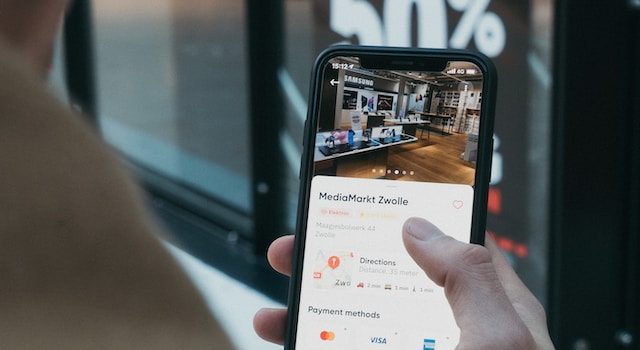

The COVID-19 pandemic has brought about unprecedented changes in the way we live our lives, including how we shop. As more people turn to online shopping for their daily needs and wants, e-commerce businesses have experienced a surge in demand like never before. But what does this mean for the future of online retail? In this blog post, we will explore the impact of COVID-19 on the e-commerce industry and discuss trends and projections for the post-pandemic era. Join us as we dive into this exciting topic!

What is COVID-19?

COVID-19, also known as the coronavirus disease, is a highly infectious illness caused by the SARS-CoV-2 virus. The virus was first identified in Wuhan, China in December 2019 and has since spread globally.

COVID-19 primarily spreads through respiratory droplets when an infected person coughs or sneezes. It can also be transmitted through touching contaminated surfaces and then touching your face.

Symptoms of COVID-19 range from mild to severe and include fever, coughing, fatigue, loss of taste or smell, sore throat, shortness of breath and body aches. While some people may only experience mild symptoms or no symptoms at all, others can become seriously ill and require hospitalization.

To prevent the spread of COVID-19, it is important to practice good hygiene such as washing your hands frequently for at least 20 seconds with soap and water or using hand sanitizer containing at least 60% alcohol. Wearing masks in public spaces where social distancing is not possible has also been recommended by health experts as an effective measure against transmission.

How Does COVID-19 Affect Online Retail?

The COVID-19 pandemic has caused a significant shift in consumer behavior, affecting various industries worldwide. One industry that experienced both negative and positive impacts is the online retail market.

On one hand, many businesses had to face supply chain disruptions due to factory closures and shipping delays caused by lockdowns and restricted movements. This led to stock shortages for some products, which negatively affected retailers’ sales performance.

On the other hand, as people were forced to stay indoors due to social distancing measures, there was a sudden surge in online shopping activities. Consumers turned towards e-commerce platforms as their primary source of purchasing goods ranging from groceries and household items to electronics and clothing.

This sudden increase in demand allowed some businesses to thrive while others struggled with fulfilling orders on time while maintaining safe working conditions for employees amidst the pandemic. Additionally, it pushed retailers to explore new technologies such as contactless delivery options and virtual customer service experiences.

COVID-19’s impact on online retail has been complex with varying effects based on factors such as product type or geographical location. Nevertheless, it highlighted the importance of flexibility and adaptability for businesses operating within this sector during unprecedented times like these.

The Impact of COVID-19 on the E-Commerce Industry

The COVID-19 pandemic has caused a significant impact on the e-commerce industry. As people worldwide practice social distancing and stay-at-home measures, more consumers have turned to online shopping for their daily needs.

Online retailers experienced a surge in demand for essential goods such as groceries, medical supplies, and personal protective equipment. This shift in consumer behavior resulted in many traditional brick-and-mortar stores shifting towards e-commerce platforms to remain competitive.

Moreover, the pandemic has also accelerated the adoption of innovative technologies that enhance customer experience such as virtual try-on applications and augmented reality features.

However, there are also challenges faced by the e-commerce industry during these times. The sudden increase in demand led to supply chain disruptions and shipping delays which negatively impacted customer satisfaction levels.

Furthermore, small businesses without an online presence were left struggling due to closures while larger corporations with established e-commerce infrastructures saw tremendous growth opportunities during this period.

It is undeniable that COVID-19 has significantly transformed the landscape of the e-commerce industry. It remains uncertain how long-lasting these changes will be but one thing is certain – adapting to this new normal is imperative for businesses seeking survival amidst uncertainty.

Conclusion

As we have seen throughout this article, COVID-19 has had a significant impact on the online retail industry. The pandemic has accelerated the growth of e-commerce and forced retailers to adapt quickly in order to meet changing consumer needs.

Looking ahead, it is clear that these changes are likely to continue into the post-pandemic era. The rise of online shopping is not a temporary trend but rather a shift towards new ways of doing business. As such, businesses must focus on adapting their strategies for long-term success in an increasingly digital world.

By embracing innovation and staying up-to-date with emerging trends, retailers can position themselves for success both now and in the future. Whether it’s through offering more personalized experiences or investing in new technology, there are countless opportunities available for those who are willing to take risks and stay nimble.

Ultimately, while COVID-19 has presented many challenges for the retail industry as a whole, it has also opened up exciting possibilities for growth and transformation. By staying vigilant and remaining focused on meeting customer needs, businesses can thrive even amidst uncertainty – paving the way forward towards a brighter future for all involved.

In today’s digital age, social media has become a powerful tool for American activism. From hashtags to viral videos, we have seen how social media can ignite change and spur movements that make an impact on society. But where did it all start? How has social media transformed the way we approach activism? And what are the long-term effects of this new wave of online advocacy? In this blog post, we will delve into the history, role and impact of social media in American activism. So sit back, grab your phone or laptop and let’s explore the power of hashtag activism!

The History of Social Media and American Activism

The roots of social media activism can be traced back to the early days of online forums, blogs and message boards. These platforms provided a space for individuals to connect and share ideas with like-minded people from all over the world.

However, it wasn’t until 2004 that Facebook was launched, followed by Twitter in 2006, that social media began to explode as a tool for American activism. Suddenly, millions of people had access to instant communication with one another across vast distances.

The Arab Spring uprisings in 2011 marked a turning point for social media as an instrument of change. Protestors used Twitter and Facebook to organize demonstrations and spread their message throughout the region.

In America, #BlackLivesMatter emerged after the death of Trayvon Martin in Florida in February 2012 – sparking protests all around the nation. Social media became instrumental in organizing such demonstrations which would have been nearly impossible prior to these platforms’ existence.

Nowadays, we see social media continuing its role as a force for change with movements such as #MeToo and #NeverAgain demanding action on issues from sexual assault to gun control.

As long-established forms of mass communication continue losing popularity due largely thanks to new technologies providing alternative ways for groups or organizations (including activist ones) exert political pressure or mobilize supporters quickly – it’s hard not foreseeing this trend only growing stronger over time!

The Role of Social Media in American Activism

Social media has played a crucial role in the development of American activism. It is a platform that allows individuals to share their voices and connect with like-minded people around the world. With social media, activists can raise awareness, organize events, and mobilize people to take action.

One of the main ways social media has impacted American activism is by giving marginalized communities a voice. The Black Lives Matter movement, for example, was able to gain traction and spread its message through hashtags on Twitter and Instagram. Social media allowed for videos documenting police brutality against black Americans to be shared widely and quickly.

Another way social media has facilitated American activism is by making it easier for activists to connect with each other. Platforms like Facebook allow groups of people who are passionate about specific issues to come together and organize protests or campaigns.

Moreover, social media provides an opportunity for citizen journalism where individuals can document what is happening on the ground without relying on mainstream news sources. During protests or political rallies, smartphones become tools not only for communication but also documentation.

Social media plays a powerful role in shaping modern-day activism in America by amplifying voices that were often silenced before its advent; providing platforms to build solidarity among various groups; enabling democracy’s transparency while facilitating accountability among all stakeholders involved – government officials included- through citizen journalism efforts

The Impact of Social Media on American Activism

Social media has had a significant impact on American activism in recent years. It has given individuals and groups the ability to reach a wider audience than ever before, providing a platform for advocacy and change.

One of the most significant impacts of social media on American activism is that it has allowed marginalized voices to be heard. In the past, these voices were often silenced by traditional media outlets or ignored altogether. Now, anyone with an internet connection can share their story and mobilize others around their cause.

In addition, social media has made it easier for activists to organize events and rallies. Platforms like Facebook allow users to create event pages where they can invite others to attend protests or meetings. Twitter hashtags have also become a powerful tool for organizing online movements that spill over into real-world action.

Perhaps one of the most notable examples of this was the Women’s March in 2017, which was organized largely through social media channels. Millions of people across America took part in what became one of the largest single-day protests in U.

S history.

Social media has also changed how news spreads during times of crisis or unrest. During natural disasters or instances of police brutality, videos shared on platforms like Twitter have provided crucial evidence that may not have been captured otherwise.

While there are certainly challenges associated with using social media as an activist tool – such as dealing with trolls or misinformation – its impact on American activism cannot be denied.

Conclusion

Social media has become an incredibly powerful tool for American activism. It has allowed individuals to connect with others who share their beliefs and passions, as well as amplify their voices on a global scale. From the Arab Spring to Black Lives Matter, social media has played a pivotal role in some of the most significant activist movements of our time.

While there are certainly drawbacks to social media such as the spread of misinformation or toxic discourse, it is clear that its potential for positive change cannot be ignored. By using hashtags and other digital tools strategically, activists can create real-world impact and drive progress on issues they care about deeply.

As we move forward into an increasingly digital age, it is likely that social media will continue to play a major role in activism both within America and around the world. It will be fascinating to see how new technologies evolve over time and how they will shape future movements for social justice and equality.

In today’s digital age, political campaigns have shifted from traditional methods to online platforms. With the vast reach of social media, politicians can easily spread their message and influence the masses with just a click of a button. However, this convenience comes with an ethical dilemma – how far should political advertisements go? Online ads can be hard to regulate and even harder to discern as false or misleading. In this blog post, we’ll dive into the world of online political advertising and explore its impact on democracy. Join us in examining whether these ads are promoting transparency or deception in our government system.

Political Advertising Online

Political advertising has always played a crucial role in shaping public opinion and inspiring voters to take action. With the rise of social media, online political ads have become an essential tool for politicians and their campaigns. These ads can be targeted at specific demographics based on data analysis, making them more effective than traditional methods.

Online political advertising is also cheaper than conventional forms of campaigning, allowing smaller or newer candidates to compete with established ones. Candidates can use various platforms like Facebook, Twitter, Instagram or YouTube to reach potential voters directly.

However, this convenience comes with its own set of problems – these ads are not regulated as strictly as traditional forms of political communication. Online adverts don’t require any disclosure about who paid for them or where they came from. This lack of transparency makes it easier for malicious actors to spread fake news and propaganda under the guise of legitimate information.

Moreover, online political advertising raises questions about privacy since personal data is often used without explicit consent by users. The ethical concerns surrounding these practices have led many countries worldwide such as Canada and France to introduce new laws requiring greater transparency in digital electioneering.

While there are advantages and drawbacks associated with online political advertising; it’s important that we continue exploring how best to regulate this growing industry so that our democracy remains intact even in the digital age.

The Ethics of Political Ads

Political advertising has always been a controversial topic, especially in the digital age where social media platforms have become major players in election campaigns. The ethics of political ads have come into question due to their potential to manipulate public opinion and spread false information.

One ethical issue with political ads is transparency. Many online political ads are not labeled as such, making it difficult for viewers to distinguish between authentic content and paid advertisements. This lack of transparency can be seen as dishonest and manipulative.

Another ethical dilemma surrounding political ads is the use of fear tactics. Some politicians use scare tactics to incite emotions that may sway voters towards their campaign. However, this method can also be seen as unethical since it exaggerates or fabricates threats without providing factual evidence.

The nature of negative campaigning raises another ethical concern about online political advertising. Negative campaigning uses attack ads that focus on discrediting opponents instead of promoting policies or ideas. While some argue that negative campaigning is an effective strategy, others believe it undermines democracy by discouraging voter participation.

In summary, there are numerous ethical issues surrounding online political advertising including transparency, fear-mongering tactics, and negative campaigning strategies. These concerns highlight the need for accountability measures regarding ad labeling requirements and fact-checking regulations to ensure candidates remain honest during elections while still having freedom in expressing their views on various topics concerning society today

The Problem with Political Ads

Political advertisements are a common sight in the world of politics. They allow political candidates to get their message across to a wider audience, and they can be an effective tool for mobilizing voters. However, there are several problems with political ads that cannot be ignored.

One issue is that political ads often rely on exaggeration or distortion of facts. Candidates may make claims about their opponents or policies that are not entirely accurate, leading to confusion among voters. This can erode trust in the electoral process and lead to disillusionment.

Another problem is the sheer volume of political ads. In some countries during election season, it seems as though every other advertisement on television or online is for a politician or party. The constant barrage of messages can overwhelm viewers and lead them to tune out altogether.

Political advertising also tends to favor those with deep pockets. Wealthy candidates and parties have more resources at their disposal, which allows them to flood the airwaves with advertisements while less well-funded campaigns struggle to get noticed.

Many people feel that political advertising has become too negative in recent years. Attack ads that focus on tearing down opponents rather than promoting one’s own platform seem increasingly common, leaving voters feeling cynical about politics as a whole.

While political advertising is certainly an important aspect of modern campaigning, it comes with its fair share of problems and drawbacks as well.

Online Political Ads and Democracy

Online political ads have become an integral part of election campaigns worldwide, with candidates and political parties leveraging the power of social media platforms to reach millions of voters. However, these online ads are not without their ethical dilemmas.

The digital nature of online political ads makes it easier for them to target specific demographics with tailored messages that may or may not be true. This can create a situation where people see only what they want to see, leading to echo chambers and a distorted view of reality.

Another issue is the lack of transparency surrounding online political ads. It is often difficult to determine who is funding these ads, which raises questions about the motives behind them. The anonymity afforded by the internet means that individuals or organizations can promote their agendas without being held accountable.

Moreover, some argue that online political ads give an unfair advantage to candidates who can afford better ad campaigns. In this sense, money plays a crucial role in shaping public opinion and swaying elections.

All these factors combined have raised concerns about how online political advertising impacts democracy itself. If people are not exposed to diverse viewpoints and instead receive information based on algorithms designed by tech companies seeking profit rather than accuracy or fairness in reporting news during election times then something has gone wrong along the way – especially when you consider how important free speech is as one cornerstone principle for democratic societies.

While there are undoubtedly benefits associated with using targeted advertising techniques during election cycles – such as reaching new audiences quickly – we must think carefully about its impact on democracy if we’re going down this road too far too fast before considering all unintended consequences carefully enough beforehand!

Conclusion

After examining the ethics and impact of online political advertising, it’s clear that there are complex issues at play. While these ads may seem like a necessary part of modern campaigning, they also have the potential to undermine democracy by spreading misinformation and manipulating voters.

It’s up to us as consumers and citizens to be aware of the ethical dilemmas surrounding political advertising online. We must question what we see, fact-check claims made in ads, and demand greater transparency from politicians and tech companies alike.

Ultimately, we need more robust regulations around political advertising on digital platforms. This includes rules around ad targeting, disclosure requirements for who is behind an ad, restrictions on false or misleading statements in ads.

Only then can we hope to strike a balance between free speech rights of politicians and safeguarding our democracy against dangerous deceptive practices. By taking action now, we can help ensure that online political advertising serves its intended purpose: informing voters about important issues rather than exploiting them for personal gain.

The 21st century has witnessed a massive shift in the way we live, work and interact with each other. From self-driving cars to artificial intelligence, technology is rapidly changing the world around us. One area that has seen significant changes in recent years is democracy. With traditional methods of voting becoming increasingly outdated, online voting could be just what America needs to bring its election process into the modern era. In this blog post, we’ll explore what online voting is, why it’s important and how it works. Join us as we dive into the future of American democracy!

What is Online Voting?

Online voting is a method of casting ballots using the internet. In simple terms, it allows voters to participate in elections from the comfort of their homes or any location with an internet connection. Online voting systems are designed to be user-friendly and secure, ensuring that each vote cast is accurate and reliable.

One of the main advantages of online voting is convenience. With traditional methods of voting, citizens must travel to polling stations which can be time-consuming and inconvenient for some people. Online voting eliminates this problem as all you need is an internet-enabled device such as a computer or smartphone.

Another advantage of online voting is accessibility. It makes it easier for people with disabilities or those who reside in remote areas to vote without difficulty. Furthermore, online voting could increase voter turnout by making it more accessible and convenient for citizens.

However, there are also potential risks associated with online voting such as hacking attempts or technical glitches that could compromise election results. Therefore, implementing strict security measures would be required to ensure data protection and prevent fraudulent activities during the process.

While there are benefits and challenges associated with adopting online voting in America’s democratic process; its growing use across other countries shows that it might hold significance for future American elections too!

Why Is It Important?

The importance of online voting cannot be overstated. For one, it can greatly increase voter turnout in elections by providing greater accessibility and convenience for voters who may otherwise have difficulty physically making it to the polls. Online voting would also help eliminate long lines and wait times on Election Day, making the process smoother and less stressful for everyone involved.

Furthermore, online voting can also lead to more accurate vote counting and reduce the risk of human error or tampering with physical ballots. With digitized records, audits could be conducted much more easily and efficiently than with traditional paper methods.

Online voting has the potential to make our democracy more inclusive by allowing citizens abroad or those with disabilities that prevent them from leaving their homes to participate in elections. It is a step towards creating a truly equitable election system that prioritizes accessibility for all Americans.

However, it’s important to note that implementing secure online voting systems requires significant investment in technology infrastructure and cybersecurity measures. As such, any efforts towards introducing this new method of casting votes must prioritize security to ensure its integrity as an electoral system.

How Does Online Voting Work?

Online voting is a relatively new concept that has been made possible by advances in technology. It utilizes the internet to allow eligible voters to cast their ballots using an electronic system. So, how exactly does it work?

The process of online voting can vary depending on the platform used, but generally, voters are required to create an account and log in securely. They are then presented with a ballot paper which they can complete electronically.

Once they have completed their ballot, the voter submits it electronically through the secure system. This submission triggers a verification process that checks whether or not the voter is registered and eligible to vote.

If everything checks out, the vote is recorded anonymously and added to the final tally for each candidate or issue being voted on.

Online voting has some clear advantages over traditional methods such as speed and convenience. However, there are also risks involved with this approach – these will be discussed later in this article.

Online voting could represent a significant step forward for democracy if implemented correctly; making it easier for people to participate in elections could help drive up turnout rates and ensure more voices are heard during important decision-making processes.

What Are the Risks of Online Voting?

While online voting may seem like a convenient and efficient way to cast your ballot, it also comes with its own set of risks. One major concern is the potential for cyberattacks on the voting system. Hackers could potentially manipulate votes or compromise the security of personal information.

Another risk is that not everyone has equal access to technology, which could result in marginalized communities being left out of the voting process. Additionally, there are concerns about voter privacy and whether online voting systems can truly guarantee anonymity.

Furthermore, unlike traditional paper ballots that leave a physical trail, electronic data can be easily altered without leaving any evidence behind. This raises questions about how recounts would work in an online election and how we could ensure the accuracy of results.

While there are certainly benefits to exploring online voting as an option for democracy in America, it’s important to carefully consider these risks before implementing such a system on a large scale basis.

Conclusion

After examining the potential advantages and risks of online voting, it is clear that this technology could greatly impact democracy in America. The convenience and accessibility of online voting could increase voter turnout rates, especially among younger generations. This could lead to a more engaged electorate and a stronger democratic system.

However, there are also significant risks associated with online voting such as cyber threats and technical malfunctions. It is important for any implementation of online voting to prioritize security measures and ensure transparency in the process.

While there are both benefits and challenges when it comes to online voting, it is undeniable that technology will continue to play an increasingly important role in our democratic processes. It will be up to policymakers, election officials, and citizens alike to weigh these factors carefully when considering whether or not to implement online voting systems in their communities.

We’ve all been there – scrolling through endless pages of reviews to find the perfect restaurant for date night or the best vacuum cleaner for our home. In today’s digital age, online reviews have become an integral part of consumerism in America. People trust other people’s opinions more than ever before, which is why online reviews are changing the game for businesses big and small. From influencing purchasing decisions to shaping brand reputations, the power of the people has never been stronger. In this blog post, we’ll explore how online reviews are transforming consumer behavior and what it means for businesses in America.

Background

The concept of online reviews is not new. For years, people have been sharing their experiences and opinions about products and services on the internet. However, the rise of social media platforms and review websites has made it easier for consumers to share their feedback with a wider audience.

According to a survey by BrightLocal, 91% of Americans read online reviews before making a purchasing decision. This means that businesses can no longer afford to ignore or underestimate the power of these reviews.

Online reviews have become an important source of information for consumers. They provide valuable insights into the quality, price, and customer service offered by businesses. In fact, many consumers trust online reviews as much as personal recommendations from friends or family members.

However, not all online reviews are created equal. Some may be fake or biased while others may be genuine but outdated. It’s important for consumers to use caution when reading online reviews and consider multiple sources before making a final decision.

The background behind the rise of online reviews shows how they’ve become an integral part of consumerism in America today – influencing everything from where we eat to what we buy.

The Power of Online Reviews

Online reviews have become a powerful tool for consumers to share their experiences with products and services. With the rise of e-commerce, online reviews have become an essential aspect of shopping for many Americans. According to a survey conducted by BrightLocal, 97% of consumers read online reviews before making a purchase.

The power of online reviews lies in the fact that they offer social proof. Consumers trust the opinions and experiences of other consumers more than traditional advertising or marketing messages. Positive reviews can help build brand loyalty while negative ones can damage reputation.

Online platforms such as Yelp, Google Reviews, and Amazon are some examples where people share their thoughts about businesses they interact with daily. Not only do these platforms allow customers to leave feedback but also connect them directly with brands that care enough to respond back.

Moreover, businesses who don’t pay attention to their online reputation risk losing out on potential customers as well as current ones who take time to write honest feedbacks-they should always listen keenly! It’s clear that online reviews hold immense power in shaping consumer behavior and ultimately impacting bottom lines for businesses – which is why it’s important for companies to be aware and responsive!

How Online Reviews are Changing Consumer Behavior

Online reviews are changing the way consumers make purchasing decisions. Before making a purchase, most people will look at online reviews to see what others have experienced with a particular product or service. This has become even more prevalent in recent years as social media and review platforms like Yelp and TripAdvisor have gained widespread use.

Consumers are now able to access information about products and services that they may not have been able to before. They can read about how a product works, its pros and cons, and whether or not it is worth buying. Online reviews allow customers to make informed decisions based on the experiences of others.

The opinions of strangers found in these online reviews hold immense power over consumer behavior. A study by BrightLocal showed that 91% of consumers between the ages of 18-34 trust online reviews just as much as personal recommendations from friends or family members.

Negative reviews also carry significant weight for businesses – one bad review could potentially scare away several potential customers. On the flip side, positive reviews can lead to increased sales and customer loyalty.

As such, companies are shifting their focus towards improving their online reputation through encouraging satisfied customers to leave positive feedback on review sites. Businesses must take care not only in providing quality products/services but also in cultivating an excellent relationship with their customers so that they feel empowered enough to leave glowing comments regarding their experience.

It is clear that online reviewing holds great sway over American consumerism today – businesses who acknowledge this will benefit from creating genuine relationships with their clients while ensuring high-quality offerings; consumers who seek reliable input before committing financially will find themselves increasingly dependent upon them!

Conclusion

In today’s digital age, online reviews have become a crucial aspect of consumerism. Not only do they provide valuable insights for businesses to improve their products and services, but they also empower consumers by giving them a voice to share their experiences.

With the power of the people at our fingertips, it is essential for businesses to take note of the impact that online reviews can have on their reputation and success. By actively engaging with customers through review platforms and addressing any concerns or criticisms, companies can build trust and loyalty among their audience.

Moreover, as consumers continue to prioritize transparency and authenticity in their purchasing decisions, online reviews will remain an influential factor in shaping consumer behavior.

So whether you’re a business owner looking to enhance your brand reputation or a consumer seeking guidance on your next purchase decision – always remember the power of the people lies within online reviews.

Online gaming has become one of the most popular forms of entertainment worldwide. With its easy access and endless possibilities, it’s no surprise that millions of people indulge in online games every day. However, while playing video games can be a great way to unwind and escape from reality for a little while, it can quickly turn into an addiction that negatively affects an individual’s mental health and relationships. In this blog post, we will explore how online gaming addiction is affecting mental health and relationships in the US. Let’s dive in!

What is Online Gaming Addiction?

Online gaming addiction is a behavioral disorder that can be defined as an excessive and uncontrollable urge to play video games online. It is characterized by a person’s inability to control their gaming habits, which negatively affects other areas of their life.

Symptoms of online gaming addiction may include neglecting responsibilities, such as work or school; losing interest in social activities; withdrawal from family and friends; and using the game as an escape mechanism for problems or negative emotions. Individuals with this type of addiction often become irritable when not playing the game and experience feelings of anxiety or depression.

Online gaming addiction has become more prevalent due to easy access to high-speed internet connections, advanced technology, and sophisticated graphics. With the rise in popularity of online multiplayer games like World of Warcraft and Fortnite, it has become increasingly challenging for individuals to manage their time spent on these games.

Online gaming addiction can have severe consequences on one’s mental health and personal relationships if left unaddressed.

The Different Types of Online Gaming Addiction

Online gaming addiction is a serious issue that affects millions of gamers worldwide. While the condition may manifest in different ways depending on the gamer’s experience, certain types of online gaming addictions tend to be more common than others.

One type of online gaming addiction is called “massively multiplayer online role-playing game” (MMORPG) addiction. This form of addiction can be particularly concerning because it involves prolonged exposure to sophisticated and elaborate virtual worlds where players are encouraged to create their avatars and explore various quests and missions.

Another type of addiction that’s common among gamers is social media gaming addiction. Social games such as FarmVille, Candy Crush Saga or Words with Friends have become incredibly popular due to their addictive nature which prompts players to keep playing for longer periods.

There’s also sports gaming addiction, where individuals obsess over sports video games like FIFA or NBA 2K21. This particular type of online gaming disorder can lead to compulsive gambling behaviors when paired with betting sites available within these games.

There’s mobile phone game-addiction caused by addictive app-based mobile games like Angry Birds or Temple Run leading users down a slippery slope towards obsessive behavior patterns

Understanding the different types of online gaming addictions helps us recognize warning signs in ourselves or our loved ones who may be struggling with this problem. It’s essential for everyone involved in this situation – parents, friends, family members – to remain aware so they can help eradicate its grip from our society once and for all!

How Online Gaming Addiction Affects Mental Health

Online gaming addiction has become a growing concern for mental health professionals worldwide. Gaming can provide temporary relief from stress, anxiety and depression, but excessive play can lead to serious psychological problems such as addiction, insomnia, social isolation and declining academic performance.

Studies have shown that online gaming addiction affects the brain in a similar way to substance abuse disorders. The prolonged stimulation of certain areas of the brain associated with pleasure and reward leads to changes in behavior and mood regulation. As a result, gamers may experience intense cravings for gaming sessions or withdrawal symptoms when they try to reduce their playing time.

Online gaming addiction also impacts cognitive function by affecting attention span, memory retention and decision-making ability. Gamers who spend hours on end playing games often struggle with concentration or problem-solving tasks outside of virtual environments.

Furthermore, online gaming addiction is linked to an increased risk of developing other mental health conditions like anxiety disorders and depression. The constant immersion in digital worlds can exacerbate feelings of loneliness, despair or hopelessness that are characteristic of these illnesses.

It’s essential for anyone experiencing symptoms related to online gaming addiction to seek professional help immediately. Early intervention can prevent long-term damage to both mental health and personal relationships.

How Online Gaming Addiction Affects Relationships

Online gaming addiction not only affects mental health but also has a significant impact on relationships. Spending hours playing games online can lead to neglecting responsibilities and spending less time with loved ones.

Addicted gamers may become irritable, agitated, or restless when asked to stop playing. They may even lie about how much time they spend gaming or hide their behavior from family and friends. This dishonesty can cause rifts in relationships, leading to mistrust and resentment.

Furthermore, online gaming addiction can disrupt communication between partners or family members. When someone is constantly immersed in the game world, they may forget to check in with their loved ones and fail to address important issues that arise within the relationship.

The addiction can also be financially straining as addicted gamers often purchase expensive equipment or subscriptions without considering other financial obligations like bills or debts. This lack of responsibility towards finances leads to arguments between couples causing more tension within the relationship.

It’s essential for an addicted gamer who values their relationships to seek help before it’s too late. By doing so, they will not only be able to get back control over their life but also strengthen bonds with loved ones by giving them undivided attention and care that everyone deserves.

Conclusion

To conclude, online gaming addiction has become a significant problem in the US, affecting mental health and relationships. It’s essential to understand that not all forms of gaming are harmful, but it’s crucial to recognize when playing games becomes an addiction.

Gamers and their loved ones need to be aware of the signs of addiction so they can seek support if needed. This includes seeking professional help from therapists or counselors who specialize in treating individuals with gaming addiction. It’s also important for gamers to set limits on their gameplay time and take breaks regularly.

In summary, while online gaming can provide entertainment and enjoyment, it is vital to balance this activity with other aspects of life such as socializing, exercise, work/study commitments and self-care activities. By doing so we can ensure that we maintain healthy relationships with ourselves and those around us.

In today’s digital age, online communities have become a significant force in shaping our society. From social media platforms to forums and discussion groups, people are connecting with others who share their interests and beliefs like never before. These virtual spaces provide an opportunity for individuals to come together, build relationships, and influence change on a grand scale. In this blog post, we’ll explore the growing power of online communities in the US, how they’re being used to foster connections, and the challenges that arise when engaging with these communities. So sit back and get ready to dive into the world of online connection!

What are online communities?

Online communities are spaces created through the internet where individuals can come together and connect with others who share similar interests or goals. These communities take many different forms, including social media platforms like Facebook and Twitter, discussion forums such as Reddit or Quora, and chat rooms for gamers or hobbyists.

One of the most significant benefits of online communities is that they allow people to connect with others from all around the world without ever leaving their homes. This has led to a democratization of communication, enabling individuals to share their thoughts and ideas freely regardless of their location.

Online communities also provide a sense of belonging for those who may feel isolated in their day-to-day lives. By connecting with others who share common experiences or interests, individuals can find support networks that help them navigate life’s challenges.

Online communities have become a powerful tool for activism and social change. From political campaigns to grassroots movements advocating for human rights, these virtual spaces enable like-minded individuals to organize and influence public opinion on critical issues.

The impact of online communities on US society

Online communities have had a significant impact on US society. With the rise of social media platforms and forums, people are able to connect with others who share their interests from all over the world. This has led to the formation of tight-knit online communities that provide support, information, and resources for individuals.

These communities have played a key role in empowering marginalized groups. For instance, LGBTQ+ individuals who may not be accepted in their local community can find acceptance and support in online spaces where they can freely express themselves without fear of judgment or discrimination.

In addition to this, online communities have also been instrumental in shaping public opinion on various issues such as politics and social justice. Users can engage in discussions about current events and share news articles and videos that challenge mainstream narratives.

However, there are also negative implications associated with online communities. Cyberbullying is rampant on many platforms which can lead to mental health issues among users. Additionally, echo chambers within these spaces can lead to polarization and extremism.

It’s clear that online communities have become an integral part of US society by providing channels for expression and connection that were previously impossible.

How online communities are used to build relationships

Online communities are not only about sharing common interests or hobbies, but they also provide a platform to build relationships with like-minded individuals. These platforms allow people who may have never met in person to connect and form meaningful bonds.

One way online communities facilitate relationship building is through creating a sense of belonging. When people feel that they belong to a group, it fosters feelings of acceptance and validation which can help build trust and closeness between members.

Another way these communities promote relationship-building is by encouraging communication. Members can interact through forums, chat rooms or private messaging which allows them to engage in conversations about shared interests or concerns.

Online communities also often hold events such as virtual meetups, webinars or even live streams where members can participate in real-time interactions. This further strengthens the relationships built within the community by providing opportunities for face-to-face interaction and deeper engagement.

It’s important to note that while online communities offer many benefits for relationship building, it’s still crucial to exercise caution when interacting with others online. Always prioritize personal safety and be mindful of potential risks associated with meeting strangers from the internet in person.

The challenges and opportunities of online community engagement

Engaging with online communities can be both challenging and rewarding. One of the biggest challenges is maintaining a positive brand reputation while engaging with community members. Negative comments or interactions can quickly spread, leading to a damaged reputation.

Another challenge is keeping up with the constantly evolving trends and preferences within these communities. What works today may not work tomorrow, so it’s important to stay current and adaptable.

However, there are also many opportunities that come with online community engagement. Building genuine relationships with customers can lead to increased loyalty and positive word-of-mouth marketing. It also allows for valuable feedback on products or services, as well as the chance to address customer concerns in real-time.

One key opportunity is the ability to reach new audiences through partnerships or collaborations within these communities. By working alongside influencers or other businesses within a particular niche, brands can expand their reach and tap into previously untapped markets.

While there are certainly challenges involved in online community engagement, the potential rewards make it well worth pursuing for any business looking to build strong connections with its audience.

Conclusion

Online communities have become powerful tools for building connections and influencing US society. They provide individuals with a platform to engage with like-minded people, share information, and collaborate on issues that matter to them.

The growth of social media platforms has made it easier than ever for people to form online communities around shared interests, regardless of geographical location or other barriers. These virtual spaces offer opportunities for individuals to connect with others who they may not have met otherwise.

However, there are also challenges associated with engaging in online communities. It’s important for users to be aware of the potential risks such as cyberbullying and misinformation campaigns that can spread quickly through these channels.

The power of connection facilitated by online communities cannot be ignored. The impact they have on shaping opinions and driving change in society is significant. As we continue to navigate an increasingly digital world, understanding how these networks operate will likely become even more crucial both personally and professionally.

The stock market has been experiencing a rollercoaster ride lately, with one of the most significant drops being in tech stocks. And while this may not have affected most people, it has had a considerable impact on hedge funds that invested heavily in these companies. With billions lost overnight, many are wondering what this means for future investments and how they can protect their financial interests. In this blog post, we’ll explore what happened to cause such massive losses and what investors should keep in mind when considering their next steps in the market.

What Hedge Funds Bought in Tech Stocks

Hedge funds have been investing heavily in tech stocks for years, with some of the biggest names in the industry being Apple, Amazon, and Facebook. These companies have seen massive growth over the past decade, making them attractive investments for those seeking high returns.

Hedge funds also invested in emerging tech companies that showed promise but were not yet profitable. Companies like Tesla and Uber were popular among hedge fund managers due to their disruptive business models and potential for future success.

In addition to individual stock purchases, hedge funds often invest in exchange-traded funds (ETFs) focused on technology companies. This allows them to diversify their portfolios while still gaining exposure to the booming tech sector.

Hedge funds had a significant portion of their assets allocated towards technology stocks before they experienced losses.

What hedge funds did not invest in tech stocks

While it’s true that many hedge funds invested heavily in tech stocks, there were some who opted to stay away from this trend. These hedge funds chose to invest their money in other industries or assets, such as healthcare, energy, real estate, and commodities.

One reason for this could be that these hedge funds wanted to diversify their portfolio and reduce their exposure to the highly volatile tech industry. By investing in different sectors and assets, they can minimize the risk of losses due to market fluctuations.

Additionally, some hedge fund managers may have been cautious about investing in tech stocks because of concerns about regulation or antitrust issues. They may have believed that increased scrutiny on big tech companies could lead to potential legal challenges or fines that would negatively impact the stock prices.

Ultimately, while many hedge funds did choose to invest heavily in tech stocks, others made a calculated decision not to follow this trend. By diversifying their portfolios and avoiding potential regulatory risks associated with tech investments, these funds aimed at achieving more stable long-term returns for their investors.

What hedge funds do with their investments

Hedge funds are notorious for their investment strategies, which often involve high-risk and high-reward bets in the stock market. But what do hedge funds actually do with their investments?

Firstly, it’s important to note that hedge funds operate differently from traditional mutual funds or index funds. Hedge fund managers have more flexibility when it comes to buying and selling stocks, and they typically use a wide range of investment vehicles beyond just stocks.

Hedge fund managers will carefully analyze potential investments before making any decisions. This includes examining financial statements, industry trends, and other relevant data points. They may also seek advice from analysts or experts in the field before investing.

Once they’ve made an investment, hedge fund managers will closely monitor its performance over time. If an investment is underperforming or no longer aligns with the overall strategy of the hedge fund, managers may sell off those positions to free up capital for new opportunities.

Hedge funds take an active approach to investing that involves constant analysis and adaptation to changing market conditions. While this can lead to significant gains if successful investments pay off, it also means there’s always risk involved in these types of investments.

How Hedge Funds Lost Money on Tech Stocks

Hedge funds lost a significant amount of money on tech stocks due to several reasons. Firstly, many hedge funds invested in overvalued tech companies without conducting proper research, analysis and due diligence. This led to them buying stocks at inflated prices, only for these prices to plummet when the market corrected itself.

Secondly, some hedge funds engaged in risky trading strategies such as shorting or leveraging their investments. These high-risk tactics can lead to big losses if the market goes against them.

Thirdly, there were external factors that impacted tech stock prices, including trade tensions between countries and regulatory crackdowns on privacy and data security issues. Many hedge funds failed to anticipate these events or did not properly manage their portfolios during periods of uncertainty.

Some hedge fund managers became complacent and relied too heavily on algorithms or computer models instead of using human expertise and intuition when making investment decisions.

It is crucial for hedge funds to conduct thorough research before investing in any sector or company. They should also avoid taking excessive risks while maintaining a balanced portfolio that accounts for potential external factors beyond their control.

What this means for future investments

As we have seen, the recent hedge fund losses in tech stocks have been significant, but not all-encompassing. While some funds lost big on their investments, others managed to come out relatively unscathed. However, this does raise concerns about the future of tech stock investments.

It is clear that investors need to be cautious when investing in individual stocks and take a more diversified approach. By spreading investments across different sectors and industries, investors can reduce risk and avoid overexposure to any one particular asset.

Additionally, it is important for investors to do their due diligence before making any investment decisions. This means researching companies thoroughly and understanding their financials and long-term prospects.

In conclusion (sorry!), while the hedge fund loss in tech stocks may be concerning for some investors, it should serve as a reminder of the importance of diversification and careful research in making smart investment decisions.


Banking industry has always been a crucial aspect of the economy. It is responsible for managing financial assets, loans and investments that move money around the world. The recent plummeting shares of First Republic have sent ripples throughout the banking industry causing concerns and questions about its future implications. As an avid follower of finance news, you must be wondering what exactly happened to First Republic’s stock price? And more importantly, how will it affect other banks in this fiercely competitive market? In this blog post, we’ll take a closer look at the fallout from First Republic’s declining shares and explore its possible impact on the banking sector as a whole.

What is First Republic?

First Republic Bank is a publicly-traded bank holding company in San Francisco, California. Founded in 1985, the bank has grown to become one of the largest banks in the United States with over $180 billion assets under management.

First Republic focuses on providing personalized banking services for high-net-worth individuals and businesses. The bank offers a variety of products ranging from personal and business loans to wealth management services.

One aspect that sets First Republic apart from other financial institutions is its focus on customer service. The bank prides itself on building strong relationships with its clients by providing exceptional service tailored to their specific needs.

Despite being primarily based in California, First Republic has expanded its operations throughout several states such as New York, Florida, Oregon and Massachusetts. With over 100 branches across the country, it has made a significant impact within the US banking industry.

First Republic’s commitment to personalized banking services and customer satisfaction have helped it establish itself as one of America’s top-rated banks.

What Happened to First Republic’s Stock Price?

First Republic is a private banking and wealth management company that has been providing exceptional services to high net worth individuals, businesses, and other clients since 1985. However, the bank’s success was recently put into question when its stock price plummeted by over 20% in early October of 2021.

The decline came after First Republic reported lower-than-expected revenue growth for the third quarter. The bank attributed this slowdown to lower interest rates and an increase in expenses related to technology investments. Additionally, concerns over inflation and potential rate hikes by the Federal Reserve have also weighed on investor sentiment towards financial stocks like First Republic.

As a result of the sharp drop in their stock price, First Republic’s market capitalization fell from $33 billion to around $26 billion. This significant loss of value is not only a blow to shareholders but also puts pressure on executives at the bank who may face increased scrutiny regarding their strategic decisions moving forward.

While it remains unclear how long this downturn will last or if it will have any lasting effects on First Republic’s business operations or reputation, one thing is clear: investors will be watching closely as events continue unfolding within this prominent player in the banking industry.

Implications for the Banking Industry

The plummeting shares of First Republic Bank have sent a ripple effect throughout the banking industry. One of the major implications is that investors are losing confidence in small banks, particularly those with high valuations.

This could lead to an increase in mergers and acquisitions as smaller banks struggle to stay afloat. In addition, it may become more difficult for these types of banks to raise funds through public offerings or debt issuances.

The knock-on effect also extends beyond just small banks. It could impact investor sentiment towards the broader financial sector as well since many companies operate within this space.

There is growing concern about whether other small banks might face similar challenges and if this trend will continue. The banking industry must be vigilant and proactive in addressing any concerns before they escalate into larger issues that could destabilize the wider economy.

Conclusion

The plummeting shares of First Republic have sent a ripple effect throughout the banking industry. It has highlighted the potential risks and instability that come with focusing too heavily on one market segment or business model. However, it also presents an opportunity for other banks to reevaluate their strategies and diversify their portfolios.

The lesson here is clear – adaptability is key in an ever-changing market. Banks must be willing to take calculated risks, innovate, and pivot when necessary. While no strategy can guarantee success in all circumstances, maintaining flexibility and being proactive can help mitigate potential losses.

Ultimately, this event serves as a reminder that even well-established institutions are not immune to economic downturns or sudden changes in consumer behavior. The banking industry must remain vigilant and adaptable if they hope to thrive amidst uncertain times.