In times of economic uncertainty, it’s easy for businesses to become overwhelmed by the complexity of their situation. But what if we told you that adopting a simple mindset could help your business thrive instead? By streamlining processes, focusing on core values and reducing unnecessary complications, simplicity can bring clarity and success in even the most challenging times. In this post, we’ll explore the benefits of a simple mindset for businesses and show you how to make the shift from complexity to clarity. Get ready to simplify your way to success!

The Importance of a Simple Mindset

A simple mindset can be defined as the ability to simplify complex situations and create a clear path forward. In today’s fast-paced business world, complexity is often seen as an asset; however, it can also lead to confusion and inefficiency.

By embracing simplicity in our businesses, we can improve decision-making processes and increase productivity. When we focus on what really matters, we are less likely to get bogged down by trivial details that slow us down.

A simple mindset allows us to identify the core values of our business and build upon them. By getting rid of distractions, we are better able to concentrate on our goals and ensure that every action taken aligns with those goals.

Additionally, simplicity promotes innovation by encouraging creative thinking. If you have too many options or ideas at your disposal, it can be difficult to choose a direction for your business. By simplifying these options into manageable choices, you’ll find that new ideas come more naturally.

In short, adopting a simple mindset is crucial for any successful business looking to thrive amidst economic uncertainty – so embrace simplicity today!

How to shift your mindset from complex to simple

Shifting your mindset from complex to simple can be a daunting task, but it is essential for businesses looking to thrive amidst economic uncertainty. Here are some tips on how to make the shift:

1. Start with the basics: Take a step back and evaluate what’s truly important for your business. Identify areas where you can simplify processes or eliminate unnecessary steps.

2. Focus on clarity: Simplifying doesn’t mean sacrificing clarity. In fact, simplicity often leads to better understanding and communication within teams and with customers.

3. Embrace minimalism: Avoid overcomplicating designs, marketing materials, or even product features. Minimalism not only looks sleek but also helps focus attention on key elements.

4. Encourage a culture of simplicity: Make sure everyone in your team understands the importance of keeping things simple and encourage them to share ideas for simplification.

5. Be patient with yourself: Changing one’s mindset takes time and effort, so don’t expect overnight results when making this shift.

By adopting a simpler mindset in your business operations, you’ll be able to streamline processes, improve communication channels, reduce costs and ultimately create more value for both stakeholders and clients alike!

The benefits of a simple mindset for businesses

Adopting a simple mindset can have numerous benefits for businesses, especially in times of economic uncertainty. Here are some of the most significant advantages:

Firstly, simplifying processes and strategies can improve efficiency within the business. By reducing unnecessary complexities and streamlining workflows, employees can focus on completing tasks effectively and efficiently.

Secondly, embracing simplicity can help businesses to communicate more clearly with their customers. When messages are clear and concise, customers are more likely to understand what products or services are being offered – ultimately leading to increased sales.

Thirdly, adopting a simple mindset allows businesses to be more agile in responding to changing market conditions. This is because streamlined processes mean that changes can be made quickly without significant disruption or delay.

By focusing on simplicity rather than complexity, businesses can save time and resources that would otherwise be spent on complicated systems or initiatives. These savings could then be reinvested elsewhere in the business – such as improving customer experience or investing in new technologies.

In summary, adopting a simple mindset has many benefits for businesses – from improved efficiency and clearer communication to greater agility and cost savings.

Case studies of businesses that have thrived with a simple mindset

Many successful businesses have adopted a simple mindset and reaped the benefits of increased productivity, improved customer satisfaction, and higher profits. One such example is Google. The company’s mission statement, “to organize the world’s information and make it universally accessible,” reflects their focus on simplicity.

Another case study is Apple Inc., which has built its brand around simplicity in design and functionality. Their products are known for their intuitive user interfaces and sleek designs that prioritize ease-of-use over unnecessary features.

In the retail industry, IKEA has embraced simplicity as a core value by offering affordable furniture with minimalist designs that are easy to assemble. This approach has enabled them to expand globally while maintaining consistent branding across different markets.

Even small businesses can benefit from adopting a simple mindset. Local coffee shops that offer a limited menu of high-quality drinks rather than trying to appeal to every taste bud have seen success in building loyal customer bases who appreciate the streamlined experience.

These examples demonstrate how embracing simplicity can lead to success for businesses of all sizes and industries. By prioritizing clarity over complexity, companies can create focused strategies that resonate with customers while streamlining internal operations for greater efficiency.

How to implement a simple mindset in your business

Implementing a simple mindset in your business can seem daunting, but it’s actually quite straightforward. The first step is to identify areas of complexity within your organization. Are there too many processes, too much bureaucracy or unnecessary layers of management? Once you’ve identified the problem areas, start simplifying them.

One effective way to simplify is to eliminate anything that doesn’t directly contribute to your business goals. This could mean reducing the number of products or services you offer, streamlining production processes or cutting back on non-essential expenses.

Another key aspect of implementing a simple mindset is communication. Encourage open and honest communication among employees and make sure everyone understands their roles and responsibilities. Simplify decision-making by delegating authority where appropriate and empowering employees to make decisions on their own.

It’s also important to focus on what really matters – the customer. Keep things simple for them by offering clear and concise information about your products or services, providing excellent customer service and keeping pricing transparent.

Don’t be afraid to experiment with new ideas or approaches that may simplify your business even further. Embrace a culture of continuous improvement by testing different strategies and measuring their impact.

In summary, implementing a simple mindset requires identifying areas of complexity within your organization, eliminating non-essential elements, encouraging open communication among employees, focusing on the customer experience and embracing continuous improvement through experimentation.

Conclusion

In today’s ever-changing economic landscape, it is more important than ever for businesses to adopt a simple mindset. By simplifying your processes, focusing on your core values, and prioritizing efficiency over complexity, you can set yourself up for success even in uncertain times.

We have seen how some of the most successful companies in the world have embraced simplicity and reaped the benefits. From Apple to Amazon, these companies understand that sometimes less is more when it comes to running a business.

By following their lead and implementing a simple mindset in your own organization, you can create a culture of clarity and focus that will enable you to weather any storm. So why not start today? Simplify your approach, streamline your operations, and watch as your business thrives amidst economic uncertainty.


Cholera is a deadly disease that continues to affect developing countries, particularly those with poor water and sanitation infrastructure. While progress has been made in reducing the incidence of cholera globally, outbreaks still occur, causing significant health and economic impacts on affected communities. In this article, we will explore innovative solutions that are being implemented to combat cholera in developing countries.

Oral Cholera Vaccines Oral cholera vaccines (OCVs) are an effective tool for preventing cholera outbreaks, particularly in high-risk populations. OCVs are given orally and provide protection against cholera for up to two years. They are being increasingly used in cholera-prone areas, and vaccination campaigns have been successful in reducing the incidence of cholera in several countries.

One notable example is the use of OCVs in Haiti following the 2010 earthquake. A mass vaccination campaign was launched, and over one million people were vaccinated against cholera. This helped to prevent the spread of the disease and reduce the number of cholera cases in the country.

Water Treatment Technologies Access to clean water is essential in preventing cholera outbreaks. However, in many developing countries, water treatment infrastructure is inadequate, and people are forced to use contaminated water sources. Innovative water treatment technologies are being developed to address this issue.

One example is the use of solar disinfection (SODIS) technology. SODIS uses sunlight to disinfect water and make it safe for drinking. The process involves filling a clear plastic bottle with water and leaving it in the sun for several hours. This simple and low-cost technology has been successful in reducing the incidence of waterborne diseases, including cholera, in several countries.

Another example is the use of ceramic water filters. These filters are made from locally available materials and are designed to remove bacteria and other contaminants from water. They are low-cost and easy to use, making them an effective solution for communities with limited resources.

Improving Sanitation Infrastructure Improving sanitation infrastructure is essential in preventing cholera outbreaks. In many developing countries, open defecation is still a widespread practice, leading to the contamination of water sources and the spread of cholera. Innovative solutions are being developed to address this issue.

One example is the use of ecological sanitation (ecosan) systems. These systems are designed to treat human waste and produce a safe and nutrient-rich fertilizer. They can be used in areas where traditional sanitation infrastructure is not feasible, and they provide a sustainable solution to the problem of open defecation.

Another example is the use of community-led total sanitation (CLTS) programs. These programs encourage communities to take ownership of their sanitation needs and work together to improve sanitation infrastructure. They have been successful in reducing the incidence of cholera and other waterborne diseases in several countries.

Conclusion Innovative solutions are being developed to combat cholera in developing countries. Oral cholera vaccines, water treatment technologies, and improvements in sanitation infrastructure are all essential in preventing cholera outbreaks. By investing in these solutions and working together to address the underlying causes of cholera, we can create a world where cholera is no longer a threat to public health.

In the world of electric vehicles, Tesla has been the undisputed leader for years. But now, a new challenger has emerged: the Porsche Taycan. This sleek and stylish electric sports car boasts impressive performance numbers, advanced technology, and the kind of driving experience that only a Porsche can provide.

The Taycan made its debut in 2019, and since then, it has been turning heads and winning over fans. It’s available in several different models, including the Taycan 4S, Taycan Turbo, Taycan Turbo S, and the new Taycan Cross Turismo. Each model has its own unique features and performance specifications, but they all share a few key traits: quick acceleration, responsive handling, and an impressive range.

One of the most notable things about the Taycan is its acceleration. The Turbo S model can go from 0 to 60 miles per hour in just 2.6 seconds, making it one of the fastest cars on the market. Even the base model Taycan 4S can go from 0 to 60 in a brisk 3.8 seconds. And unlike some other electric vehicles that can only provide quick bursts of acceleration before needing to recharge, the Taycan can sustain high speeds and quick acceleration for extended periods.

But the Taycan isn’t just about speed. It also has advanced technology that makes it a pleasure to drive. One of the standout features is the Porsche Communication Management (PCM) system, which provides a user-friendly interface for controlling various functions of the car, including the infotainment system, climate control, and driving modes. The system also integrates with the Porsche Connect app, which allows drivers to remotely control certain features of the car, such as locking and unlocking the doors or checking the battery charge level.

In addition to its technology, the Taycan is also known for its handling. The car’s low center of gravity and balanced weight distribution give it a nimble and responsive feel, even at high speeds. And despite its sporty nature, the Taycan is also comfortable and spacious enough to be used as a daily driver.

Of course, all this performance and technology comes at a price. The base model Taycan 4S starts at around $80,000, while the top-of-the-line Turbo S can cost upwards of $200,000. But for those who are willing to pay the price, the Taycan offers a level of performance and luxury that is hard to match.

So, can the Porsche Taycan really take on Tesla? It’s still too early to say for sure. Tesla has a strong hold on the electric vehicle market, and its cars have a proven track record of reliability and customer satisfaction. But with its impressive performance, advanced technology, and classic Porsche style, the Taycan is certainly a strong contender. And as more and more drivers switch to electric vehicles, the competition between Porsche and Tesla (and other automakers) is only going to get fiercer.

If you’re looking for a flavorful and adventurous meal, look no further than pork and peanut dragon noodles. This recipe is a fusion of Chinese and Thai cuisine, combining the bold flavors of Sichuan peppercorns and chili oil with the creamy richness of peanut butter.

What are pork and peanut dragon noodles?

Pork and peanut dragon noodles are a variation of the popular Chinese dish known as “hot oil noodles” or “dragon noodles.” In this recipe, thinly sliced pork is added for extra flavor and protein, while peanut butter is used to give the dish a rich, creamy texture. Thai-inspired ingredients such as fish sauce, lime juice, and cilantro are also added to enhance the flavor.

Ingredients:

  • 8 oz of noodles (such as udon or lo mein)
  • 1/2 lb of thinly sliced pork
  • 2 tbsp of vegetable oil
  • 3 tbsp of chili oil
  • 2 tbsp of soy sauce
  • 1 tbsp of Sichuan peppercorns
  • 3 cloves of garlic, minced
  • 1 tsp of grated ginger
  • 2 tbsp of creamy peanut butter
  • 1 tbsp of fish sauce
  • 1 tbsp of lime juice
  • 2 tbsp of chopped cilantro
  • 2 scallions, thinly sliced

Instructions:

  1. Cook the noodles according to the package directions until they are al dente. Drain and set aside.
  2. In a small skillet, toast the Sichuan peppercorns over medium heat until fragrant, about 1-2 minutes. Crush them with a mortar and pestle or a spice grinder and set aside.
  3. In a large skillet or wok, heat the vegetable oil over medium-high heat. Add the pork and cook until browned on both sides, about 3-4 minutes. Remove from the skillet and set aside.
  4. In the same skillet, add the garlic and ginger and cook until fragrant, about 1 minute.
  5. Add the chili oil, soy sauce, peanut butter, fish sauce, and lime juice to the skillet and stir to combine. Cook for 1-2 minutes, stirring frequently.
  6. Add the cooked noodles and pork to the skillet and toss to coat with the sauce. Cook for 1-2 minutes, stirring frequently.
  7. Add the crushed Sichuan peppercorns to the skillet and toss to combine.
  8. Garnish with chopped cilantro and sliced scallions and serve hot.

Tips for making pork and peanut dragon noodles:

  • Use high-quality ingredients, especially the chili oil and peanut butter, to get the best flavor.
  • Adjust the amount of chili oil to your desired level of spiciness.
  • If you can’t find Sichuan peppercorns, you can substitute with black peppercorns.
  • If you’re not a fan of pork, you can substitute with chicken, beef, or tofu.
  • For a vegetarian version, omit the pork and use vegetable broth instead of chicken broth.

In conclusion, pork and peanut dragon noodles are a flavorful and adventurous meal that’s easy to make at home. With a few simple ingredients and some basic cooking skills, you can enjoy the bold flavors of Chinese and Thai cuisine in one delicious dish. So why not give it a try and add some excitement to your dinner table?

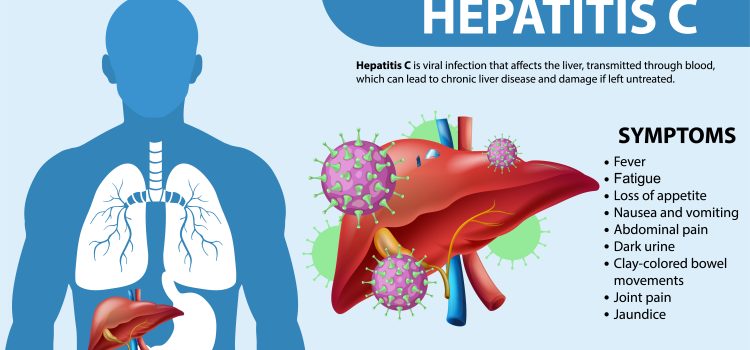
Hepatitis is a viral infection that affects the liver, and can have serious health consequences if left untreated. Here’s how hepatitis impacts your liver health, and what you can do to protect your liver.

Types of Hepatitis

There are several types of hepatitis, including hepatitis A, B, C, D, and E. Each type is caused by a different virus, and is transmitted differently. Hepatitis B and C are the most common types of hepatitis that can cause long-term liver damage.

Impact on Liver Health

When the hepatitis virus enters the liver, it can cause inflammation and damage to liver cells. Over time, this can lead to scarring of the liver, which is known as cirrhosis. Cirrhosis can cause the liver to become hardened and less able to function properly, which can lead to serious health consequences.

In some cases, hepatitis B or C can lead to liver cancer, which can be life-threatening. The risk of liver cancer is higher in people with cirrhosis, as well as in people who have had hepatitis B or C for a long time.

Symptoms

In the early stages of hepatitis, there may be no symptoms. However, as the infection progresses, symptoms may develop, including:

  • Fatigue
  • Nausea or vomiting
  • Abdominal pain
  • Loss of appetite
  • Jaundice (yellowing of the skin and eyes)

If you experience any of these symptoms, it’s important to see a healthcare provider for evaluation and testing.

Treatment

Treatment for hepatitis will depend on the type of hepatitis and the severity of the infection. In some cases, antiviral medications may be used to help control the virus and reduce inflammation in the liver. In other cases, close monitoring may be recommended to ensure that the virus does not cause any complications.

If cirrhosis has developed, treatment may focus on managing the symptoms and preventing further damage to the liver. In some cases, a liver transplant may be necessary.

Prevention

Preventing hepatitis is key to protecting your liver health. Here are some steps you can take to reduce your risk of contracting hepatitis:

  • Get vaccinated for hepatitis A and B.
  • Practice safe sex to reduce the risk of contracting hepatitis B or C.
  • Avoid sharing needles or other injection equipment.
  • Practice good hygiene, such as washing your hands regularly and avoiding contact with other people’s bodily fluids.

If you have hepatitis B or C, there are steps you can take to protect your liver health, including:

  • Avoiding alcohol and drugs, as these can worsen liver damage.
  • Eating a healthy diet and getting regular exercise to support liver function.
  • Getting regular check-ups with a healthcare provider to monitor liver function and detect any complications early.

In Conclusion

Hepatitis can have a significant impact on liver health, and can lead to serious complications if left untreated. It’s important to get tested for hepatitis if you are at risk, and to take steps to prevent transmission of the virus. If you have hepatitis, work closely with your healthcare provider to develop a treatment plan that’s right for you, and take steps to protect your liver health. With proper care and treatment, it’s possible to manage hepatitis and protect your liver from further damage.

Ford Motor Company is a renowned American automobile manufacturer and one of the largest carmakers in the world. In recent years, Ford has been making significant investments in electric vehicle technology, with plans to electrify most of its vehicles by 2030. In this article, we will take a closer look at how Ford is using electric cars to power its future and what it means for the automobile industry.

The shift towards electric cars:

The automobile industry is undergoing a significant shift towards electric vehicles. As concerns about the environment and global warming grow, more and more people are looking for sustainable alternatives to traditional gas-powered cars. In response to this trend, Ford has been investing heavily in electric vehicle technology, with a particular focus on battery-powered cars.

Ford’s electric vehicle lineup:

Ford has several electric vehicles on the market, including the Ford Mustang Mach-E, the Ford F-150 Lightning, and the Ford E-Transit. The Mustang Mach-E is a crossover SUV that has received critical acclaim for its sleek design and impressive range. The F-150 Lightning is an all-electric version of Ford’s popular F-150 pickup truck, which is set to go on sale in 2022. The E-Transit is an electric version of Ford’s popular Transit cargo van.

Investing in battery technology:

One of the key challenges in the development of electric vehicles is the battery technology that powers them. Batteries need to be able to store enough energy to provide a reasonable range while being small enough to fit in the car. They also need to be durable and safe, able to withstand the rigors of daily use. To address these challenges, Ford is investing heavily in battery technology, including a joint venture with SK Innovation, a South Korean battery manufacturer.

The SK Innovation partnership:

The partnership with SK Innovation will help Ford secure a stable supply of battery cells for its electric vehicles. SK Innovation will build a new factory in Georgia, which will supply battery cells for Ford’s electric vehicles. The factory is set to open in 2022 and will have an initial production capacity of 10 GWh, enough to power 100,000 electric vehicles a year.

The impact of electric cars on the automobile industry:

The shift towards electric vehicles is having a significant impact on the automobile industry. Traditional car manufacturers like Ford are facing stiff competition from new entrants like Tesla, which have a head start in the development of electric vehicle technology. However, Ford’s significant investments in electric vehicle technology mean that it is well-positioned to compete in this rapidly changing market.

Conclusion:

In conclusion, Ford is using electric cars to power its future, with plans to electrify most of its vehicles by 2030. The shift towards electric vehicles is a significant trend in the automobile industry, and Ford is making significant investments in battery technology to address the challenges of developing electric vehicles. With the partnership with SK Innovation, Ford is well-positioned to compete in this rapidly changing market and to meet the growing demand for sustainable alternatives to traditional gas-powered cars.

Fruits are not only nutritious but also incredibly versatile when it comes to cooking. Whether you’re looking for a quick breakfast or a healthy dessert, incorporating fruits into your diet can be a tasty way to stay healthy. Here are some simple and delicious recipes to help you get your daily fruit fix.

  1. Overnight Oats with Mixed Berries

Overnight oats are a healthy and easy breakfast option that can be customized to your liking. In a mason jar or container, mix rolled oats, almond milk, and a tablespoon of honey. Add a handful of mixed berries such as blueberries, strawberries, and raspberries. Stir well and refrigerate overnight. In the morning, give it a quick stir and enjoy your fruity breakfast on the go.

  1. Grilled Peach Salad

Grilling peaches brings out their natural sweetness and adds a delicious smoky flavor to any dish. Cut peaches in half, brush them with a little bit of olive oil, and grill them for a few minutes on each side until they are tender. In a bowl, toss some arugula, goat cheese, and sliced almonds. Add the grilled peaches on top and drizzle with balsamic glaze for a tasty and healthy salad.

  1. Mango Salsa

Mango salsa is a refreshing and flavorful side dish that goes well with grilled chicken or fish. Dice a ripe mango and mix it with chopped red onion, diced jalapeno, cilantro, and lime juice. Season with salt and pepper to taste. Serve it chilled and enjoy the sweet and spicy flavors.

  1. Strawberry Yogurt Bark

Yogurt bark is a healthy and easy snack that you can make in advance and keep in the freezer for a quick and satisfying treat. Mix Greek yogurt with a tablespoon of honey and spread it onto a baking sheet lined with parchment paper. Add sliced strawberries on top and freeze for a few hours until it’s firm. Break it into pieces and enjoy the sweet and tangy flavors.

  1. Apple Cinnamon Smoothie

Apples are not only delicious but also high in fiber, making them an excellent choice for a healthy smoothie. Blend a medium-sized apple with Greek yogurt, almond milk, a teaspoon of cinnamon, and a tablespoon of honey. Add a handful of ice cubes and blend until smooth. Pour it into a glass and enjoy the sweet and spicy flavors.

In conclusion, incorporating fruits into your diet can be a tasty way to stay healthy. These simple and delicious recipes are a great way to get your daily fruit fix and satisfy your cravings for something sweet. So, next time you’re in the mood for a snack or a meal, try incorporating some fruits into your recipes and enjoy the health benefits they offer.

Have you ever found yourself at the grocery store with a full cart and an empty wallet? Or maybe you’ve been eyeing that new kitchen gadget, but can’t afford it right now. That’s where Buy Now, Pay Later comes in – a payment option that allows you to make purchases and pay them off over time. But is this option really helpful for your grocery budget or could it be hurting your finances? In this blog post, we’ll explore both sides of the coin and dive into insights from The Big Take Podcast to help you make an informed decision about using Buy Now, Pay Later when shopping for groceries.

What is buy now, pay later?

Buy Now, Pay Later is a payment option that allows shoppers to purchase items and pay for them over time, rather than all at once. This type of financing has become increasingly popular in recent years, particularly among younger consumers who may not have as much disposable income.

The way Buy Now, Pay Later works varies depending on the retailer or service provider. Some companies offer their own financing programs while others partner with third-party financial institutions to provide payments plans.

Generally speaking, Buy Now, Pay Later options allow customers to buy goods upfront and then spread out the cost over a set period of time. Payments are typically made in installments or monthly increments until the full balance is paid off.

While Buy Now, Pay Later can be an attractive option for those looking to make big purchases without breaking the bank all at once, it’s important to understand how it works and what you’re getting into before signing up. Some programs come with high interest rates or hidden fees that can add up quickly if you’re not careful.

How can buy now, pay later help your grocery budget?

Buy now, pay later can help your grocery budget in a few different ways. First and foremost, it can allow you to make purchases that you might not otherwise be able to afford at the moment. For example, if you’re running low on groceries but don’t get paid for another week, buy now, pay later may give you the flexibility to purchase what you need without having to wait.

Additionally, some buy now, pay later services offer rewards or cash back incentives for using their platform. This means that if you use one of these services to purchase your groceries and then promptly pay off the balance when it’s due, you could earn money back or other rewards.

Another potential benefit is that buy now, pay later services often offer interest-free financing for a set period of time. So if there’s a particularly expensive item on your grocery list (like a new appliance or kitchen gadget), using one of these services could allow you to spread out payments over several months without accruing any interest charges.

While there are certainly risks associated with using buy now,pay later services (which we’ll discuss more below), they can also be a helpful tool for managing your finances in certain situations. Just be sure to read all terms and conditions carefully before signing up!

How can buy now, pay later hurt your grocery budget?

While buy now, pay later options may seem like a great way to stretch your grocery budget, they can also have negative consequences. One major way in which this payment method can hurt your budget is by encouraging overspending.

When you’re able to defer payments for items you purchase today, it’s easy to get caught up in the moment and add more items to your cart than you normally would. This can quickly lead to an inflated grocery bill that becomes difficult to manage over time.

Another potential downside of buy now, pay later options is that they often come with high interest rates or fees if payments are not made on time. This means that if you miss a payment or are unable to make the full payment at the end of the deferred period, you could be hit with additional charges that further strain your budget.

Using buy now, pay later options too frequently can create a cycle of debt that’s hard to break free from. If you find yourself relying on these payment methods every time you go shopping, it may be time to reevaluate your spending habits and make changes that will help improve your financial health in the long run.

Insights from the Big Take Podcast

The Big Take Podcast is a fantastic resource for gaining insights into the world of personal finance, including the topic of buy now, pay later. In one particular episode, the hosts discuss how this financial tool can both help and hurt your grocery budget.

One key insight from the podcast is that buy now, pay later options can be helpful in certain situations. For example, if you’re short on cash but need groceries immediately, these options allow you to make purchases without having to wait until payday. Additionally, many buy now, pay later plans offer interest-free periods or low-interest rates compared to credit cards.

However, it’s important to be cautious when using these tools. Another insight shared on the podcast is that buy now, pay later plans can lead to overspending and accumulation of debt if not used responsibly. It’s easy to get carried away with making purchases when there are no immediate consequences or payments due right away.

Listening to podcasts like The Big Take can provide valuable insights and information about personal finance topics like buy now, pay later. By staying informed and being mindful of our spending habits and financial goals we can make responsible decisions that benefit our long-term financial health.

Conclusion

In today’s world, convenience is king, and buy now, pay later options are becoming increasingly popular. These options can be a great way to manage your grocery budget if used responsibly. By allowing you to make purchases without immediate payment and breaking down payments over time, these programs can offer some flexibility in managing expenses.

However, it’s important to remember that they come with risks as well. Late or missed payments can lead to fees and damage your credit score. It’s essential always to read the terms and conditions of any buy now, pay later program before signing up.

The Big Take Podcast offered insightful perspectives on this topic from industry experts who provided advice for using these services wisely. Remembering their advice will help you avoid pitfalls that could lead to financial stress.

When used responsibly – buy now pay later can provide much-needed flexibility in managing grocery budgets while still giving you access to what you need when you need it most!


Dominique Ansel is a world-renowned pastry chef who has created some of the most innovative and delicious desserts in the world. Among his many creations are the delicate and delicious mini madeleines, which have become a favorite treat for many people. In this article, we will explore Dominique Ansel’s recipe for mini madeleines and discover how you can make these delectable treats in the comfort of your own home.

The first step in making Dominique Ansel’s mini madeleines is to gather all of the necessary ingredients. You will need all-purpose flour, granulated sugar, baking powder, salt, unsalted butter, eggs, vanilla extract, and lemon zest. These ingredients can be found in most grocery stores and are relatively easy to find.

Next, you will need to prepare the batter. Start by creaming the butter and sugar together until they are light and fluffy. Add the eggs, one at a time, and mix well after each addition. In a separate bowl, sift together the flour, baking powder, and salt, then add to the butter mixture, mixing until just combined. Finally, add the vanilla extract and lemon zest and mix until fully incorporated.

Once the batter is ready, it’s time to fill the madeleine molds. Ansel suggests using a piping bag or a plastic bag with a small corner cut off to fill the molds. The molds should be greased with butter or cooking spray to prevent the madeleines from sticking.

After the molds are filled, they should be chilled in the refrigerator for at least 30 minutes. Chilling the batter is essential to achieving the perfect texture and flavor in the finished madeleines.

When the batter is chilled, it’s time to bake the madeleines. Preheat the oven to 375°F (190°C) and place the molds on a baking sheet. Bake the madeleines for 10-12 minutes, or until they are lightly golden brown around the edges and spring back when touched. Be sure to watch the madeleines closely as they bake, as they can overcook quickly.

Once the madeleines are finished baking, remove them from the oven and allow them to cool in the molds for a few minutes. Then, remove them from the molds and allow them to cool completely on a wire rack. Once the madeleines have cooled, dust them with powdered sugar or dip them in melted chocolate for an extra special touch.

In conclusion, making Dominique Ansel’s mini madeleines is a relatively simple process that requires only a few basic ingredients and a little bit of patience. By following this recipe closely and paying attention to the details, you can create delicate and delicious mini madeleines that are sure to impress your friends and family. So why not treat yourself to a batch of these delectable treats and discover why Dominique Ansel’s mini madeleines are so beloved by pastry chefs and dessert lovers around the world?

The automotive industry is currently experiencing a major shift as automakers race to become leaders in the electric vehicle (EV) market. With the increasing demand for more sustainable forms of transportation, traditional automakers are being forced to pivot their focus towards EVs in order to stay relevant and competitive. But with so many players in the market, who will emerge as the king of EVs?

One of the biggest contenders in the race is Tesla. The company has been a pioneer in the EV space, producing high-performance vehicles that offer long ranges and innovative features. Their sleek designs and advanced technology have earned them a cult-like following among EV enthusiasts, and their CEO Elon Musk has become a household name.

However, Tesla is no longer the only player in the game. Established automakers like Ford, General Motors, and Volkswagen have all made significant investments in EVs and are working to catch up to Tesla’s early lead. Ford recently released its all-electric Mustang Mach-E, while General Motors is investing heavily in its Ultium battery technology and plans to release 30 new EVs globally by 2025. Volkswagen has also announced ambitious plans to produce 26 million EVs by 2029.

But it’s not just traditional automakers that are vying for a spot at the top of the EV market. Tech companies like Apple and Amazon have also expressed interest in developing EVs, and startups like Lucid Motors and Rivian are generating buzz with their sleek designs and advanced features.

So, what does it take to be the king of EVs? For starters, a strong focus on innovation and technology is key. Automakers that are able to produce EVs with longer ranges, faster charging times, and advanced features will likely have an edge over their competitors. Additionally, a strong marketing strategy and brand identity will be crucial in winning over consumers and building brand loyalty.

Another important factor is the ability to produce EVs at scale. As the demand for EVs continues to rise, automakers that are able to produce high-quality vehicles at a low cost will be in a better position to succeed. This will require significant investments in production facilities, battery technology, and supply chain management.

Ultimately, the automaker that is able to combine innovative technology with a strong brand identity and efficient production processes will be the one to come out on top. While Tesla may have had an early lead in the race for supremacy, it remains to be seen whether they will be able to maintain their position as the market becomes increasingly crowded with competitors. Only time will tell which automaker will emerge as the king of EVs.