Living with fatty liver disease can be a challenging journey, but it doesn’t have to mean giving up on a healthy and fulfilling life. Whether you’ve been diagnosed with non-alcoholic fatty liver disease or alcoholic fatty liver disease, there are strategies you can adopt to manage your condition and improve your overall wellbeing. In this blog post, we’ll explore the different types of fatty liver disease, the symptoms to watch out for, and most importantly – practical tips for living with this condition while maintaining a healthier lifestyle!

What is Fatty Liver?

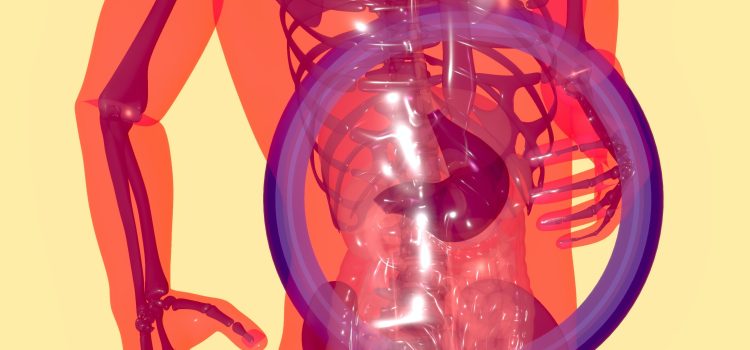
Fatty liver, also known as hepatic steatosis or fatty liver disease, is a condition where excess fat builds up in the liver. The presence of some fat in the liver is normal, but when it exceeds 5-10% of the organ’s weight, it can lead to inflammation and damage over time.

There are two main types of fatty liver disease – alcoholic and non-alcoholic. Alcoholic fatty liver disease occurs due to excessive alcohol consumption which leads to fat accumulation in the liver cells. Non-alcoholic fatty liver disease (NAFLD), on the other hand, is caused by factors such as obesity, insulin resistance and high blood sugar levels.

While NAFLD is generally considered less serious than alcoholic fatty liver disease, it can progress into more severe conditions like non-alcoholic steatohepatitis (NASH) or cirrhosis if left untreated.

If you suspect that you may have fatty liver disease or are experiencing any symptoms associated with this condition such as fatigue or abdominal discomfort. It’s essential to speak with your healthcare provider for proper diagnosis and treatment recommendations.

The Different Types of Fatty Liver

Fatty liver is a condition where excess fat builds up in the liver cells. There are two main types of fatty liver: alcoholic fatty liver disease and non-alcoholic fatty liver disease (NAFLD).

Alcoholic fatty liver disease occurs due to excessive alcohol consumption. When the liver breaks down alcohol, it produces toxic by-products that can damage the liver cells, leading to inflammation and scarring.

On the other hand, NAFLD occurs when there is an accumulation of fat in the liver cells without any significant alcohol consumption. This type of fatty liver can be caused by factors such as obesity, insulin resistance, high blood sugar levels or high levels of fats in the blood.

NAFLD can progress to a more serious form known as nonalcoholic steatohepatitis (NASH), which involves inflammation and damage to the liver tissue. NASH can further lead to cirrhosis or permanent scarring of the liver.

Understanding these different types of fatty livers is crucial for proper diagnosis and treatment. It’s important for individuals who have been diagnosed with a fatty-liver related condition to seek medical advice on how best to manage their health.

Causes of Fatty Liver

Fatty liver is a condition where excess fat accumulates in liver cells. This can be caused by a variety of factors, including alcohol consumption, obesity, and certain medical conditions.

Alcohol consumption is one of the most common causes of fatty liver disease. When you consume too much alcohol, your liver has to work harder to process it. Over time, this can lead to an accumulation of fat in the liver cells.

Obesity is another common cause of fatty liver disease. People who are overweight or obese are more likely to develop this condition because their bodies produce more insulin than necessary. This leads to an increase in the amount of fat stored in the body’s tissues, including the liver.

Certain medical conditions can also contribute to the development of fatty liver disease. These include diabetes and high levels of triglycerides in the blood. In some cases, medications such as steroids or chemotherapy drugs may also contribute to this condition.

There are many different factors that can lead to fatty liver disease. By making lifestyle changes such as reducing alcohol consumption and maintaining a healthy weight, it may be possible to prevent or even reverse this condition over time.

Symptoms of Fatty Liver

Fatty liver disease can be asymptomatic or present with mild to severe symptoms. The early stages of fatty liver might not show any noticeable symptoms, making it difficult to diagnose the condition. However, as the disease progresses and causes inflammation in the liver, you may experience several signs that indicate a need for medical attention.

One of these symptoms is fatigue, which is one of the most common complaints among individuals with fatty liver disease. You may feel tired and sluggish even after getting enough sleep or rest.

Another sign of fatty liver is abdominal discomfort such as pain or bloating in your belly area. This could be due to an enlarged liver pressing against other organs in your abdomen.

Jaundice is also a symptom that may occur when there’s significant damage to your liver cells. Jaundice causes yellowing of eyes and skin due to high levels of bilirubin in your blood.

Other signs include loss of appetite, weight loss without trying, weakness, confusion or memory problems as well as swelling in legs and ankles caused by fluid retention.

It’s essential to note that not all people with non-alcoholic fatty liver disease experience symptoms. Hence it’s advisable that if you have risk factors for developing this condition like obesity or diabetes talk to your doctor about screening tests regularly done even if you don’t exhibit any symptoms yet.

Coping Strategies for Living with Fatty Liver

Coping with fatty liver can be a challenge, but there are strategies you can implement to manage the condition and lead a healthier life. One of the most important things to do is maintain a healthy weight through regular exercise and a balanced diet that is low in fat.

Reducing your alcohol intake or abstaining altogether is also crucial for managing fatty liver. Alcohol consumption can exacerbate the condition and cause further damage to your liver. You should aim to drink no more than one alcoholic beverage per day if you choose to consume alcohol at all.

In addition, it’s important to monitor any medications or supplements you take as some may have adverse effects on your liver function. Always consult with your doctor before taking new medications or supplements.

Stress management techniques like meditation, deep breathing exercises, and yoga may also be beneficial in coping with fatty liver. Chronic stress has been linked to numerous health issues including inflammation which can worsen fatty liver disease.

Make sure you attend regular check-ups with your healthcare provider so they can monitor the progression of the disease and make any necessary adjustments to your treatment plan. With consistent effort towards managing this condition, it’s possible for individuals living with Fatty Liver Disease live fulfilling lives without complications!

Conclusion

Living with fatty liver can be challenging, but it’s important to remember that there are coping strategies and lifestyle changes you can make to improve your overall health. By understanding the different types of fatty liver, the causes and symptoms, you can take proactive steps towards a healthier life.

If you have been diagnosed with fatty liver disease or suspect that you may have it, make an appointment with your doctor as soon as possible. This is especially important if you experience any symptoms such as fatigue or abdominal pain.

From there, focus on making healthy lifestyle choices like exercising regularly and eating a balanced diet low in saturated fat and sugar. Avoid consuming alcohol or smoking cigarettes which further damages the liver.

It is also essential to maintain regular check-ups with your doctor so they can monitor your condition closely and determine whether additional treatment options are necessary.

Living with fatty liver may seem daunting at first, but by taking care of yourself both physically and mentally through proper nutrition, exercise routines & stress management techniques – one day at a time – we guarantee that this will become just another part of who we are!


The Super Bowl is just around the corner, and that means it’s time to start planning your party menu. Whether you’re hosting a big bash or a small gathering, the food is an essential part of any Super Bowl party. If you’re looking for ideas that will impress your guests and satisfy their hunger, look no further. We’ve got you covered with these Super Bowl party food ideas.

First up, let’s talk about appetizers. When it comes to Super Bowl party food, appetizers are a must-have. Start off with some classic game day snacks like chips and dip, veggies and dip, or a meat and cheese board. For a twist on these classics, consider serving a buffalo chicken dip or a homemade spinach and artichoke dip.

Another great appetizer idea is mini sliders. These small burgers are easy to eat and can be customized to your guests’ liking. Serve them with a variety of toppings like bacon, cheese, lettuce, tomato, and condiments like ketchup and mustard. You can also make them with vegetarian patties for any non-meat eaters in the group.

Next, let’s talk about the main course. The Super Bowl is a great excuse to indulge in some hearty and filling food. Consider making a big pot of chili or a tray of loaded nachos. These dishes are easy to make and can be customized to your guests’ taste preferences. You can also make a big batch of wings, either spicy or sweet, for a classic game day snack.

For something a little more unique, try making a taco bar. Set up a station with a variety of toppings like shredded cheese, lettuce, salsa, and sour cream, and let your guests build their own tacos. You can also include different types of meat like ground beef, shredded chicken, or pulled pork, as well as vegetarian options like black beans and roasted vegetables.

Finally, let’s talk about dessert. No Super Bowl party is complete without something sweet to end the meal. Consider making football-shaped sugar cookies or cupcakes with football-themed decorations. You can also make a big batch of brownies or blondies and cut them into bite-sized pieces for easy snacking.

When it comes to drinks, be sure to have a variety of options available for your guests. Beer is a classic Super Bowl drink, but consider also offering wine, soda, and water. You can also make a big batch of punch or a signature cocktail to serve alongside the food.

In addition to the food, consider setting up a snack station with popcorn, chips, and other finger foods that guests can munch on throughout the game. And don’t forget to decorate! Use football-themed plates, cups, and napkins to add a festive touch to your party.

In conclusion, the key to a successful Super Bowl party is to have plenty of delicious food and drinks for your guests. With these Super Bowl party food ideas, you’re sure to impress your guests and keep them satisfied throughout the game. So get ready to wow your guests with your culinary skills and enjoy the big game!

As the famous saying goes, “Life begins at the end of your comfort zone.” And for performers, this statement couldn’t be truer. Whether it’s in theater, dance, music, or any other form of performing arts, pushing boundaries and taking risks is essential for growth and success.

But what does it mean to push boundaries and take risks on stage? For many performers, it’s about exploring new techniques, trying out different styles, and challenging oneself to do better. It’s about stepping out of one’s comfort zone and taking on new challenges that may seem daunting at first.

To gain insight into what it takes to be a fearless performer, we spoke to several professionals in the performing arts industry. From actors and dancers to musicians and comedians, they all shared stories of their journey to success and the risks they took to get there.

One of the performers we spoke to was Sarah, a theater actress who recently landed a lead role in a major production. Sarah told us that she had to push herself to audition for the role, as she had never played such a complex character before. “I was nervous and scared, but I knew I had to take the risk if I wanted to grow as an actor,” she said.

Similarly, John, a musician, shared his experience of performing in front of a live audience for the first time. “I was terrified,” he admitted. “But I knew that if I didn’t take the risk, I would always wonder ‘what if’.” John’s performance was a success, and he went on to play in several more concerts, each time pushing himself to do better.

For many performers, pushing boundaries and taking risks is not just about personal growth, but also about making a statement. Comedian Lily shared with us how she uses her platform to address social issues and push boundaries. “Comedy is a powerful tool to bring attention to issues that people may not want to talk about,” she said. “But I know that I have to take risks to make a difference.”

Taking risks on stage can also have its downside, as we learned from dancer Alex, who suffered a major injury while attempting a difficult move during a performance. “It was a setback, but I didn’t let it discourage me,” he said. “Instead, I took the opportunity to learn from it and push myself even harder.”

In conclusion, pushing boundaries and taking risks on stage is an essential part of the performing arts. It’s about stepping out of one’s comfort zone, exploring new techniques, and challenging oneself to do better. But it’s also about making a statement, addressing social issues, and learning from setbacks. For fearless performers, the reward of taking risks far outweighs the fear of failure.

The news cycle is always evolving, and today’s headlines reflect the latest events that have captured the world’s attention. From politics to sports and entertainment, there’s always something happening that is worth reporting on.

In today’s edition of Trending Today, we take a closer look at three stories that have dominated the news cycle in recent days: Tucker Carlson’s Messages, Twitter’s Fees, and Messi’s Suspension.

Tucker Carlson’s Texts

Fox News host Tucker Carlson has found himself in the center of controversy once again, after a batch of text messages between him and a former top writer for the network were leaked to the media. The messages, which date back to 2018 and 2019, reveal a more controversial side of Carlson, with him using racist and homophobic language in some instances.

The texts were published by left-wing media watchdog group Media Matters for America, who obtained them from the former Fox News writer, who was fired last year for posting racist comments on an online forum. In the messages, Carlson and the writer discussed a range of topics, including immigration, gender, and race.

While Carlson has yet to publicly comment on the leaked messages, the controversy has sparked outrage among many viewers and critics of the conservative news network. Some have called for Carlson to be fired, while others have defended him, arguing that the messages were taken out of context or were simply private conversations.

Twitter’s Fees

Social media platform Twitter has announced a new policy that will see the introduction of fees for certain types of transactions on its platform. The new policy, which will come into effect in the coming weeks, will apply to transactions involving digital goods and services, such as access to exclusive content or subscription services.

The move has sparked frustration among many Twitter users, who argue that the platform already makes enough money through advertising revenue and that the new fees will be an unnecessary burden on content creators and small businesses. Some have also raised concerns about the potential for fraud and abuse, with the fees providing an incentive for scammers to target unsuspecting users.

Twitter has defended the move, saying that the fees will help to support creators and provide a more sustainable revenue stream for the platform. The company has also said that it will be providing tools and resources to help users navigate the new policy and avoid any potential scams.

Messi’s Suspension

In the world of sports, soccer star Lionel Messi has found himself in hot water after receiving a red card in a recent match against Athletic Bilbao. The red card, which came in the final minutes of the game, was handed down after Messi appeared to strike an opponent in the face during a scuffle on the pitch.

The incident has sparked controversy among soccer fans and pundits, with many arguing that the punishment was too harsh or that Messi was provoked by his opponent. Some have also pointed out that Messi has a reputation for being a clean player and that this is his first red card in over a decade.

The suspension means that Messi will miss Barcelona’s next two games, including a crucial match against Real Madrid. The team has already appealed the decision, but it remains to be seen whether the appeal will be successful.

In conclusion, today’s headlines reflect a wide range of issues, from controversies surrounding public figures to debates about the policies of major tech companies. As journalists, it is our duty to report on these stories with accuracy, integrity, and respect for the truth, ensuring that our readers are informed and engaged with the world around them.

Kidney stones can be an excruciatingly painful experience. They form when calcium, oxalate, and other substances in the urine crystalize and stick together. And while anyone can develop these small, hard deposits in their kidneys or bladder, some factors like dehydration increase the likelihood of developing them. That’s why hydration plays such a crucial role in treating and preventing kidney stones. In this blog post, we’ll explore how staying hydrated can help you avoid kidney stones altogether or reduce your risk of getting them again if you’ve already suffered from one. So grab a glass of water (or your preferred beverage) and let’s dive into the world of hydration and kidney health!

What are kidney stones?

Kidney stones are hard, crystalline deposits that form in the kidneys or bladder. They can range in size from a grain of sand to larger than a golf ball. Kidney stones can be incredibly painful as they travel through the urinary tract and out of the body.

There are four main types of kidney stones: calcium oxalate, uric acid, struvite, and cystine. Calcium oxalate is by far the most common type and forms when urine contains too much calcium and not enough water.

Kidney stone symptoms can vary depending on their size and location within the urinary tract. The most common signs include severe pain in your side or back, nausea or vomiting, blood in your urine, frequent urination, or a foul-smelling odor from your urine.

If you suspect you have kidney stones based on these symptoms, it’s important to see a healthcare provider for an accurate diagnosis and treatment plan.

What causes kidney stones?

Kidney stones are solid masses that form in the kidneys when certain chemicals and minerals in the urine crystallize. These stones can range from pebble-sized to as large as a golf ball, causing intense pain when they pass through the urinary tract.

One of the most common causes of kidney stones is dehydration. When there isn’t enough fluid in the body to dilute urine, it becomes concentrated with minerals that can lead to stone formation. Other risk factors include a family history of kidney stones, diets high in sodium or animal protein, obesity, digestive diseases like Crohn’s or ulcerative colitis, and certain medications.

Certain medical conditions such as hyperparathyroidism or renal tubular acidosis may also increase your risk of developing kidney stones. In addition, people who have had gastric bypass surgery or other weight loss surgeries are at an increased risk due to changes in their digestive system.

Regardless of what caused your kidney stone(s), staying hydrated is critical for preventing future ones from forming. By drinking plenty of water throughout the day and avoiding sugary drinks and caffeinated beverages you can help flush out any excess minerals that could contribute to stone formation.

How can hydration help treat and prevent kidney stones?

Hydration is key when it comes to treating and preventing kidney stones. Drinking enough water can help flush out any excess minerals or salts in the urine that may lead to stone formation. When we don’t drink enough fluids, our urine becomes more concentrated, which increases the likelihood of kidney stones.

It’s recommended to aim for at least 8-10 glasses of water per day, but this may vary depending on individual needs and activity levels. It’s also important to note that not all fluids are created equal – sugary drinks like soda and energy drinks can actually increase your risk of developing kidney stones.

Aside from drinking plenty of water, incorporating foods high in water content such as cucumbers, melons, and citrus fruits can also be beneficial. These foods not only provide hydration but also contain vitamins and minerals that support overall kidney health.

In addition to helping prevent kidney stone formation, staying hydrated can also aid in passing small stones more easily by diluting the urine and reducing discomfort during urination. So make sure you’re sipping on H2O throughout the day for happy kidneys!

The best drinks for preventing kidney stones

When it comes to preventing kidney stones, staying hydrated is essential. Drinking plenty of fluids can help flush out toxins and prevent minerals from crystallizing in the kidneys. But not all drinks are created equal when it comes to kidney stone prevention.

Water is hands down the best drink for preventing kidney stones as it helps dilute urine and flush away mineral deposits before they have a chance to form into stones. Aim to drink at least 8-10 glasses of water per day, more if you’re physically active or live in a hot climate.

Citrus juices like lemonade and orange juice are also great choices as they contain citrate which can help prevent calcium oxalate stones from forming. However, be mindful of added sugars in store-bought versions that could do more harm than good.

Herbal teas such as nettle leaf tea, dandelion root tea and green tea may also be beneficial due to their diuretic properties that promote urine production while providing antioxidants that fight against inflammation.

On the other hand, avoid sugary drinks such as soda and fruit juices high in fructose which may increase your risk for developing kidney stones by contributing to obesity and insulin resistance.

Remember that hydration plays a critical role in preventing kidney stones so make sure you’re drinking enough fluids throughout the day – preferably water!

The best foods for preventing kidney stones

Eating a healthy and balanced diet is crucial in preventing the formation of kidney stones. Here are some of the best foods that can help prevent kidney stones:

1. Citrus fruits – These include oranges, lemons, limes, and grapefruits. They contain citric acid which helps to break down calcium oxalate stones.

2. Leafy greens – Spinach, kale, and other leafy greens are rich in calcium but low in oxalates. This makes them an excellent choice for preventing the formation of kidney stones.

3. Whole grains – Foods like brown rice, whole wheat bread and pasta can help reduce your risk of developing kidney stones due to their high fiber content.

4. Berries – Blueberries, strawberries, raspberries, and blackberries have been shown to have a protective effect against urinary tract infections (UTIs) which are often linked with the development of kidney stones.

5. Low-fat dairy products – Milk, cheese and yoghurt contain both calcium and vitamin D which promote bone health as well as reducing the risk of developing kidney stones.

By incorporating these foods into your daily diet along with drinking plenty of water or fluids such as tea or coffee you can significantly lower your risk for painful kidney stone attacks!

When to see a doctor about kidney stones

It is crucial to seek medical attention if you suspect that you have kidney stones. While some small stones can pass without treatment, larger ones may require intervention from a doctor. Here are some signs that it’s time to visit a healthcare professional.

One of the most common symptoms of kidney stones is intense pain in your back or side that can radiate down your groin area. The pain may come and go and vary in severity, but it should not be ignored.

Another sign that you might have kidney stones is blood in your urine, which can appear pink, red or brown. This happens when the stone scrapes against the urinary tract walls as it moves through your system.

If you experience fever and chills along with nausea and vomiting, this could indicate an infection caused by a lodged stone. Seek immediate medical attention if these symptoms occur.

If over-the-counter pain relievers do not alleviate discomfort or if you cannot urinate normally for several hours despite ample fluid intake, see a doctor right away. Remember: early diagnosis leads to better outcomes!

Conclusion

Maintaining proper hydration is crucial in preventing and treating kidney stones. Dehydration can lead to the formation of kidney stones, while adequate hydration can help flush out existing ones. Drinking plenty of water, along with other recommended beverages such as lemonade and herbal teas, can reduce the risk of developing new kidney stones.

In addition to staying hydrated, eating a balanced diet that includes foods rich in calcium, magnesium, and potassium can also help prevent kidney stone formation. However, if you experience symptoms such as severe pain or blood in your urine, it’s important to seek medical attention right away.

By understanding the role of hydration in preventing and treating kidney stones and making smart lifestyle choices when it comes to diet and fluid intake, you can significantly lower your risk of experiencing this painful condition. Remember: prevention is key!

As a journalist, I’m excited to report on the importance of listening to employees in driving growth and innovation in a company. The idea of involving employees in the decision-making process is not new, but it has gained significant traction in recent years as businesses seek to remain competitive in a rapidly changing global economy.

According to a recent survey, 83% of employees believe that their ideas are not being heard by their employers. This lack of recognition can lead to disengagement and reduced productivity, which can have a significant impact on a company’s bottom line.

However, companies that actively seek out and listen to their employees’ ideas can reap significant benefits. By harnessing the collective knowledge and creativity of their workforce, they can identify new opportunities, streamline processes, and develop innovative solutions that drive growth.

One example of this is the software company Atlassian. They implemented an innovation program that encourages employees to submit their ideas for improving the company’s products and processes. This program has led to several successful initiatives, including a new product feature that has generated millions in revenue.

Another example is the retail giant Walmart, which introduced a program called “Spark” that allows employees to submit their ideas for improving the company’s operations. The program has generated thousands of innovative ideas, including a new app that helps customers navigate the store and locate products.

However, simply listening to employees is not enough. Companies also need to create a culture that encourages and rewards innovation. This means giving employees the time and resources they need to develop their ideas, as well as recognizing and rewarding their contributions.

In conclusion, listening to employees is a crucial component of driving growth and innovation in a company. By creating a culture of innovation and empowering employees to share their ideas, businesses can unlock new opportunities, streamline processes, and develop innovative solutions that drive success.

The Super Bowl is one of the biggest sporting events of the year, and it’s also a time for friends and family to come together and enjoy some delicious food. But instead of sticking to the same old chips and dip, why not add some flair to your Super Bowl spread with some unconventional and delicious dishes?

Here are some ideas to help you spice up your game day menu:

  1. Korean BBQ wings: Instead of traditional buffalo wings, try making Korean BBQ wings. Marinate the wings in a mixture of soy sauce, brown sugar, garlic, ginger, and sesame oil, then grill or bake them until crispy. Top them with chopped scallions and sesame seeds for added flavor and texture.
  2. Loaded sweet potato skins: Sweet potatoes are a great alternative to regular potatoes, and they make the perfect vessel for all sorts of toppings. Scoop out the flesh of the sweet potatoes and fill the skins with a mixture of black beans, corn, diced tomatoes, and shredded cheese. Bake them until the cheese is melted and bubbly, then top them with sliced avocado and sour cream.
  3. Mediterranean dip platter: Instead of the usual veggie platter, try putting together a Mediterranean-inspired dip platter. Include dips like hummus, tzatziki, and baba ganoush, along with pita bread, sliced cucumbers, cherry tomatoes, and olives. Your guests will love the variety of flavors and textures.
  4. Loaded nacho fries: Take your nachos to the next level by using fries as the base instead of chips. Bake a tray of frozen french fries until crispy, then top them with seasoned ground beef, shredded cheese, diced tomatoes, and jalapeños. Serve them with a dollop of sour cream and some chopped cilantro.
  5. BBQ pulled pork sliders: Sliders are always a hit at parties, and these BBQ pulled pork sliders are sure to be a crowd-pleaser. Slow-cook a pork shoulder with your favorite BBQ sauce until it’s tender and falling apart. Serve the pork on mini slider buns with coleslaw and a pickle slice on top.

These unconventional dishes are sure to add some flair to your Super Bowl spread and impress your guests. Don’t be afraid to get creative and try new things – after all, half the fun of hosting a party is experimenting with new recipes and flavors.

And if you’re short on time or don’t feel like cooking, don’t be afraid to order in from your favorite local restaurants. Many places offer catering options for big events like the Super Bowl, so you can still enjoy delicious food without all the work.

In the end, the most important thing is to have fun and enjoy the game with your friends and family. So whether you’re serving up traditional snacks or trying out some new and unconventional dishes, make sure to kick back and enjoy the festivities.

As a leader, you hold immense power in shaping the mental health of your team. Your actions, words and attitude can have a significant impact on how your employees feel and perform at work. In fact, studies show that good leadership is linked with better employee mental health and overall job satisfaction. But what does it mean to be a mentally healthy workplace? And how can you as a leader create an environment where your employees thrive both professionally and personally? Keep reading to find out!

The connection between leadership and employee mental health

Leadership and employee mental health are intricately linked. A leader’s behavior, attitude and communication style can significantly impact the mental well-being of their employees.

For instance, a boss who is constantly critical or dismissive can lead to feelings of anxiety, low self-esteem and even depression in their team members. On the other hand, leaders who demonstrate empathy, understanding and support create a positive work environment that fosters good mental health.

Research suggests that employees who feel supported by leadership are less likely to experience burnout or stress-related illnesses. In contrast, those working under unsupportive bosses have been found to be at greater risk for developing conditions such as anxiety disorders, substance abuse problems and cardiovascular disease.

It is crucial for leaders to recognize the power they hold in shaping the mental health of their team members. By prioritizing employee well-being through supportive policies and practices, organizations can foster an engaged workforce where everyone thrives both professionally and personally.

How your actions as a leader can impact employee mental health

As a leader, your actions can have a significant impact on the mental health of your employees. The way you treat and interact with them can either create a positive or negative work environment.

For instance, if you are constantly micromanaging and criticizing your team members’ every move, this could lead to feelings of stress and anxiety amongst them. On the other hand, if you empower them by giving them autonomy in their roles and providing constructive feedback to help improve their skills, it could boost morale and increase productivity.

Moreover, as a leader, it’s important to be mindful of any biases or discrimination towards certain employees that may affect their mental well-being. Treating all employees fairly creates an inclusive environment where everyone feels valued and respected.

Additionally, being transparent about company goals and changes can help prevent feelings of uncertainty or fear among staff members. When they feel informed and included in decision-making processes, they’re more likely to feel invested in their jobs.

Taking steps to prioritize employee mental health starts with recognizing the impact that leadership behaviors have on those around us. By fostering healthy relationships with our teams through clear communication, trust-building techniques such as active listening sessions provide a safe space for staff members seeking support from management when needed will ultimately promote workplace wellness for all involved parties

The importance of setting the tone for your team

As a leader, it is important to set the tone for your team when it comes to employee mental health. Your attitude and behavior towards mental health in the workplace can have a significant impact on how your employees perceive and prioritize their own well-being.

One way to set the tone is by openly discussing mental health with your team. Encourage them to speak up about any struggles they may be facing and let them know that seeking help is not only acceptable but also encouraged.

It’s also essential to lead by example. Take care of your own mental health, take breaks when needed, and encourage others to do the same. This will signal that prioritizing one’s well-being isn’t just lip service – you’re actually practicing what you preach.

Another way of setting the right tone is by providing proper resources such as access to an employee assistance program or counseling services if necessary. Make sure all employees are aware of these resources so they feel comfortable seeking help if needed.

Remember, creating a mentally healthy work environment starts with leadership. By setting a positive tone from the top down, you can promote open communication, prioritize employee well-being and create a culture where everyone feels supported in taking care of their mental health needs.

Creating a mentally healthy work environment

Creating a mentally healthy work environment starts with understanding that your employees’ mental health is just as important as their physical health. It’s essential to cultivate an atmosphere of trust, openness and respect where employees feel comfortable sharing any concerns or challenges they may be facing.

One way to create a mentally healthy workplace is by encouraging regular breaks during the workday. Whether it means going for a quick walk outside or taking 10 minutes to meditate, encouraging your team to take small breaks throughout the day can help reduce stress levels and improve overall productivity.

Another crucial aspect of creating a mentally healthy work environment is promoting work-life balance. Encourage your team members not to overwork themselves and prioritize self-care activities such as exercising, spending time with family or pursuing hobbies outside of work.

As a leader, it’s also important to provide resources and support for employee mental health needs. This includes offering access to counseling services or providing educational materials on topics such as mindfulness practices and managing stress in the workplace.

Ultimately, creating a mentally healthy work environment requires active effort from leadership at all levels within an organization. By prioritizing employee well-being both inside and outside of the office, you can help foster healthier minds among your team members while also boosting overall job satisfaction and performance.

Signs that your employees are struggling with their mental health

As an employer, it’s important to recognize the signs that your employees might be struggling with their mental health. This not only helps you support them but also allows you to create a work environment that fosters better mental health.

One sign of poor mental health is when employees become disengaged or apathetic towards their work. They may seem uninterested in projects and tasks they used to enjoy, or they may struggle to complete even simple assignments.

Another symptom could be increased absenteeism or tardiness. When an employee’s mental health is suffering, they may find it difficult to get out of bed in the morning or feel too overwhelmed by daily life to make it into the office on time.

Changes in behavior can also indicate declining mental wellness. For example, if an outgoing team member suddenly becomes withdrawn and quiet, there might be something deeper going on under the surface.

Physical symptoms such as headaches or fatigue can sometimes signal underlying anxiety or depression issues that need attention from a professional.

Paying attention to these warning signs can help you address potential problems early before they have serious consequences for both your employees’ well-being and productivity at work.

What to do if you’re an employer who is struggling with their own mental health

As an employer, it can be challenging to maintain a healthy work environment for your team if you’re struggling with your own mental health. However, acknowledging that you need help is the first step in finding solutions.

Start by talking to someone you trust about how you’re feeling. This could be a friend, family member or counselor. It’s important to address any underlying issues before they become overwhelming and affect your job performance.

Consider taking time off work to prioritize your mental health and seek professional treatment if necessary. Many workplaces offer employee assistance programs (EAPs) that provide confidential counseling services at no cost to employees.

It’s also essential to communicate with your team about what’s going on without oversharing personal details. Let them know that you may need some extra support during this time and ask for their understanding as you navigate through it.

Create a plan for managing stress and self-care practices such as getting enough sleep, exercise regularly and eating well-balanced meals. Prioritizing these activities will not only improve your mental health but also set an example for your employees on the importance of self-care in maintaining good mental health.

Remember that seeking help isn’t a sign of weakness; it takes courage to recognize when we need support from others. By prioritizing our own mental wellness as employers, we can create healthier workplace cultures that benefit everyone involved.

Conclusion

As a leader, you have the power to positively impact your employees’ mental health. By setting the tone for a supportive and mentally healthy work environment and being aware of signs that your team members may be struggling with their own mental health, you can create an atmosphere in which everyone feels valued and supported.

Remember that taking care of your own mental health is just as important as supporting your team members’. Don’t hesitate to seek help if you need it. Consider offering employee assistance programs or other resources to support your staff’s well-being.

By prioritizing employee mental health in the workplace, not only will you see increased productivity and job satisfaction among workers, but you’ll also contribute to creating a healthier overall culture within your organization. So take action today – lead with empathy and compassion for yourself and others.

When “Serial” first debuted as a podcast in 2014, it quickly became a cultural phenomenon. The true-crime series, which investigated the 1999 murder of Baltimore high school student Hae Min Lee and the conviction of her ex-boyfriend Adnan Syed, captured the imagination of millions of listeners around the world. Now, nearly a decade later, “Serial” is making the leap from podcast to screen in a new HBO series. But can the TV adaptation capture the magic of the original podcast?

At first glance, the answer would seem to be yes. The trailer for the “Serial” TV series promises a visually stunning and emotionally gripping adaptation of the podcast. The show is executive produced by Sarah Koenig, the host and co-creator of the original podcast, and directed by acclaimed documentarian Amy Berg. The cast includes talented actors like Michael Cera and Kaitlyn Dever, who are sure to bring depth and nuance to their roles.

But the transition from podcast to screen is never an easy one. Podcasts are an intimate medium, allowing listeners to create their own mental images of the story being told. In contrast, TV is a visual medium, with its own set of conventions and expectations. The challenge for the “Serial” TV series will be to capture the essence of the podcast while also creating a visually compelling narrative.

One potential pitfall is that the TV series could stray too far from the original podcast. “Serial” was groundbreaking in its use of long-form storytelling and its willingness to explore the gray areas of a complicated case. The TV adaptation could be tempted to simplify the story, making it more black-and-white in order to fit into the standard TV crime drama mold. If this happens, the show risks losing the nuance and complexity that made the podcast so compelling.

Another potential issue is that the TV series could simply retread the same ground as the podcast, without adding anything new. While there is certainly an appetite among fans for a faithful adaptation of “Serial,” it’s important that the TV series brings something fresh to the table. Whether it’s new interviews, new evidence, or a new perspective on the case, the TV series needs to offer something that the podcast didn’t.

Overall, I’m cautiously optimistic about the “Serial” TV series. The talent involved is certainly impressive, and there’s no denying the power of the original podcast. But adapting a podcast to screen is a tricky business, and there are many ways that the TV series could go wrong. Ultimately, it will come down to whether the show can capture the spirit of the podcast while also offering something new and compelling to viewers.

In the end, whether or not the “Serial” TV series succeeds, it’s clear that the podcast has left an indelible mark on the world of true-crime storytelling. It opened the door for countless other true-crime podcasts and inspired a generation of listeners to become amateur detectives. As we eagerly await the release of the TV adaptation, it’s worth reflecting on the impact that “Serial” has had on the world of podcasting and beyond.

Twitter Inc. recently made a payment of $809.2 million, which covers Elon Musk’s debt for the company’s failed attempt to buy his electric vehicle maker, Tesla Inc., in 2016. However, the question remains: will Musk accept the payment?

The situation dates back to 2016 when Twitter attempted to buy Tesla for $26 billion, which would have been its biggest acquisition ever. However, the deal fell apart due to a variety of reasons, including concerns over Twitter’s ability to finance the deal and a lack of support from Tesla’s board of directors.

As part of the failed deal, Twitter agreed to pay Musk $1.26 billion in the event that it was acquired by another company within a year of the failed acquisition attempt. Twitter was eventually acquired by Japanese company SoftBank in December 2017, triggering the payment to Musk.

Musk, who is known for his outspoken and often controversial tweets, has not publicly commented on whether he will accept the payment. However, there are a few factors to consider when trying to predict his response.

On one hand, Musk has publicly criticized Twitter in the past for not taking enough action against trolls and fake accounts. In July 2021, he even went as far as to say that he has deleted his own Twitter account “many times” due to the platform’s lack of moderation.

Additionally, Musk has a history of taking legal action against those he believes have wronged him or his companies. In 2018, he sued a former Tesla employee for allegedly sabotaging the company, and in 2020, he sued Alameda County in California over its coronavirus-related restrictions on Tesla’s operations.

On the other hand, Musk has also shown a willingness to forgive past grievances in the interest of moving forward. In 2018, he reached a settlement with the Securities and Exchange Commission (SEC) over tweets he made about taking Tesla private, which resulted in a $20 million fine and Musk stepping down as Tesla’s chairman. Musk has since said that the experience was “worth it” and that he has “no regrets.”

Ultimately, only time will tell whether Musk will accept Twitter’s payment or take legal action against the company for failing to acquire Tesla in 2016. Regardless of his decision, the situation serves as a reminder of the complexities of corporate acquisitions and the potential financial implications that can result from them.