Introduction:

Food is more than sustenance; it is a powerful expression of culture, tradition, and identity. In this captivating review, we delve into the cultural connections of food, exploring how it transcends taste to encompass history, heritage, and social dynamics. From the rituals of mealtime to the significance of ingredients, we embark on a journey that highlights the profound influence of food on our lives and communities.

  1. Cuisine as a Reflection of Culture:

Cuisine serves as a mirror of culture, reflecting the values, customs, and history of a particular group of people. Whether it’s the intricate spices of Indian cuisine, the delicate artistry of Japanese dishes, or the bold flavors of Mediterranean fare, each culinary tradition tells a story. From the choice of ingredients to the cooking techniques employed, food embodies the essence of a culture and provides a gateway to understanding its people.

  1. Traditional Recipes: Preserving Heritage:

Traditional recipes are a treasure trove of cultural heritage, passed down through generations. They act as a bridge connecting the present to the past, preserving the customs and flavors that define a community. Whether it’s a family recipe handed down through the years or a regional specialty guarded with pride, these dishes carry the weight of tradition, evoking nostalgia and a sense of belonging.

  1. Rituals and Festivals: Celebrating Identity:

Food plays a central role in rituals and festivals, serving as a conduit for cultural expression and celebration. From the lavish feasts of religious holidays to the symbolic dishes served during significant life events, these culinary traditions reinforce social bonds, strengthen community ties, and celebrate shared values. They provide an opportunity for people to come together, honor their heritage, and create lasting memories.

  1. Culinary Diversity: Embracing Global Flavors:

In our increasingly interconnected world, culinary diversity has become more accessible than ever. Migration, travel, and globalization have brought a rich tapestry of flavors to our tables. Exploring international cuisine allows us to expand our culinary horizons, appreciate different traditions, and foster a sense of inclusivity. It is through this exchange of flavors and techniques that we discover the beauty of cultural fusion.

  1. Food as Social Capital:

Food has the power to foster social connections and build bridges across communities. Whether it’s a potluck dinner, a shared meal with neighbors, or a gathering at a local food market, food acts as a catalyst for social interaction. It brings people together, encourages dialogue, and creates a sense of belonging. Food can break down barriers, promoting understanding and empathy between diverse groups.

  1. Food as a Cultural Ambassador:

Food serves as a cultural ambassador, allowing us to explore different cultures without leaving our own communities. Through restaurants, food festivals, and culinary events, we can embark on a culinary journey, immersing ourselves in the traditions and flavors of distant lands. By embracing these cultural experiences, we promote cultural appreciation, foster tolerance, and cultivate a sense of global citizenship.

  1. Sustainable and Ethical Food Choices:

In recent years, there has been a growing awareness of the environmental and ethical impact of our food choices. Many individuals and communities are embracing sustainable and ethical practices, considering the origins of their food, supporting local farmers, and minimizing waste. This shift in mindset not only promotes a healthier planet but also reflects a deeper understanding of the interconnectedness between food, culture, and sustainability.

Conclusion:

Food transcends mere sustenance; it is a cultural artifact that connects us to our past, shapes our present, and paves the way for our future. From traditional recipes that embody heritage to culinary rituals that celebrate identity, food is a powerful medium through which we express our culture, values, and social bonds. By appreciating the cultural connections of food, we gain a deeper understanding of ourselves and others, fostering empathy, respect, and a sense of shared humanity. So, let us embark on this captivating journey, savoring the flavors and unraveling the stories that make food a captivating reflection of our diverse world.

In today’s fast-paced world, productivity and creativity are highly valued skills. However, with the constant demands of work and daily life, it can be challenging to maintain focus and inspiration. Fortunately, there are simple and effective ways to enhance productivity and creativity, such as incorporating indoor plants and Feng Shui techniques into your workspace.

Indoor plants have been shown to have numerous benefits for mental and physical health, including reducing stress, improving air quality, and increasing productivity. Studies have found that having plants in the workplace can increase productivity by up to 15%. Plants also have a calming effect, which can help reduce anxiety and improve focus.

When it comes to Feng Shui, the ancient Chinese practice of arranging objects to create a harmonious environment, there are specific techniques that can help boost productivity and creativity. One of the most important principles of Feng Shui is the placement of objects in the workspace. For example, placing your desk in the “command position,” which is facing the door but not directly in line with it, can help you feel more in control and focused.

Another Feng Shui technique is to incorporate the five elements of nature into your workspace. These elements are wood, fire, earth, metal, and water, and each one represents different qualities and energies. For example, wood represents growth and creativity, while metal represents clarity and precision. By incorporating these elements into your workspace through colors, shapes, and materials, you can create a more balanced and harmonious environment.

Combining indoor plants and Feng Shui techniques can have a powerful impact on productivity and creativity. Here are some tips for incorporating these elements into your workspace:

1. Choose plants that are easy to care for and thrive in indoor environments, such as snake plants, pothos, and succulents.

2. Place plants in areas where you spend the most time, such as your desk or near a window.

3. Use Feng Shui principles to arrange your workspace, such as placing your desk in the command position and incorporating the five elements of nature.

4. Consider adding a water feature, such as a small fountain or aquarium, to bring the calming energy of water into your workspace.

5. Use natural materials, such as wood and stone, to create a more grounded and balanced environment.

In conclusion, incorporating indoor plants and Feng Shui techniques into your workspace can have a significant impact on productivity and creativity. By creating a harmonious and balanced environment, you can reduce stress, improve focus, and enhance your overall well-being. So why not give it a try and see how it can transform your workspace and your life?

Introduction: Oral health and overall wellness are deeply interconnected, with scientific research shedding light on the significant impact oral health can have on our general well-being. Through oral health assessments, the intricate relationship between oral health and overall wellness becomes apparent, emphasizing the importance of maintaining good oral hygiene for our holistic health. In this article, we will delve into the link between oral health and overall wellness, exploring how oral health assessments provide insights into this connection.

  1. Oral Health as a Reflection of Systemic Health: The mouth acts as a window to the body, with oral health often mirroring the state of our overall health. During oral health assessments, dental professionals can identify oral manifestations and signs that may indicate underlying systemic conditions. For example, gum disease has been linked to conditions like diabetes and cardiovascular disease. By examining the oral cavity, dentists can gain insights into potential systemic health issues and collaborate with healthcare providers to promote overall wellness.
  2. Inflammation and the Oral-Systemic Connection: Inflammation plays a central role in the relationship between oral health and overall wellness. Poor oral hygiene and untreated dental conditions can lead to chronic inflammation in the mouth, which may spread to other parts of the body. This systemic inflammation has been associated with an increased risk of various health problems, including heart disease, stroke, respiratory infections, and adverse pregnancy outcomes. Oral health assessments help identify and manage oral inflammation, reducing the potential impact on overall wellness.
  3. Oral Microbiome and Systemic Health: The oral cavity harbors a complex community of microorganisms, collectively known as the oral microbiome. Research has shown that imbalances in the oral microbiome can contribute to both oral and systemic health issues. Oral health assessments help identify conditions like dental caries (cavities) and gum disease, which are influenced by the oral microbiome. By addressing these conditions, individuals can maintain a balanced oral microbiome, promoting overall wellness.
  4. Nutritional Impact and Oral Health: Good nutrition plays a crucial role in both oral health and overall wellness. Oral health assessments provide an opportunity for dental professionals to assess the impact of nutrition on oral health. Deficiencies in certain nutrients can compromise oral health, while a balanced diet rich in vitamins and minerals supports strong teeth and gums. By incorporating dietary assessments into oral health evaluations, dentists can offer guidance on nutrition, promoting both oral health and overall wellness.
  5. Mental Health and Oral Health: The connection between mental health and oral health is a growing area of research. Oral health assessments can uncover signs of stress, anxiety, and oral habits like teeth grinding, which may be related to mental health conditions. Conversely, poor oral health can impact self-esteem and quality of life, contributing to mental health challenges. By addressing oral health concerns, providing support, and collaborating with mental health professionals, dental teams can contribute to overall wellness.
  6. Collaborative Care and the Patient Experience: Oral health assessments facilitate collaborative care between dental professionals and other healthcare providers. By sharing information and insights gained during assessments, dentists can contribute to comprehensive patient care plans that address both oral health and overall wellness. This multidisciplinary approach enhances the patient experience, promoting holistic well-being and improving health outcomes.

Conclusion: The link between oral health and overall wellness is undeniable, and oral health assessments serve as a vital tool in understanding and addressing this connection. By examining oral health, identifying systemic manifestations, and promoting preventive care, dental professionals can contribute to the holistic well-being of individuals. Understanding the profound impact of oral health on overall wellness empowers individuals to prioritize their oral health through regular assessments and adopt comprehensive healthcare approaches for a healthier, happier life.

Feng Shui is an ancient Chinese practice that aims to harmonize individuals with their environment. It is believed that the arrangement of objects in a space can affect the flow of energy, or “chi,” and impact one’s well-being. One way to enhance the energy in your home is by incorporating plants. Plants not only add beauty to a space, but they also have the power to transform the energy in your home.

Plants are living organisms that have a natural ability to purify the air. They absorb carbon dioxide and release oxygen, which can improve the air quality in your home. This can have a positive impact on your health and well-being. In addition, plants can also absorb toxins from the air, such as formaldehyde and benzene, which are commonly found in household products.

When it comes to Feng Shui, plants are believed to bring positive energy into a space. They are associated with growth, vitality, and abundance. Plants can also help to balance the five elements of Feng Shui: wood, fire, earth, metal, and water. Each element is associated with different qualities, and by incorporating plants that represent each element, you can create a harmonious balance in your home.

Here are some tips for incorporating plants into your home’s Feng Shui:

1. Choose plants that are healthy and vibrant. Avoid plants that are wilted or dying, as they can bring negative energy into your home.

2. Place plants in areas where you want to enhance the energy. For example, if you want to improve the energy in your career area, place a plant in that space.

3. Use plants to balance the five elements of Feng Shui. For example, a bamboo plant represents the wood element, while a cactus represents the fire element.

4. Consider the placement of plants in relation to furniture and other objects in the space. Avoid placing plants in areas where they may block the flow of energy.

5. Keep plants well-maintained and watered. Dead or dying plants can bring negative energy into your home.

In conclusion, plants have the power to transform the energy in your home. By incorporating plants into your space, you can improve the air quality, balance the five elements of Feng Shui, and bring positive energy into your life. So, go ahead and add some greenery to your home and experience the power of plants for yourself!

Title: Why Ignoring Diabetes is not an Option: The Consequences for Individuals and Communities

Word count: 600

Introduction: Diabetes, a chronic condition affecting millions worldwide, is often underestimated or overlooked. However, ignoring the growing diabetes epidemic comes with severe consequences, not only for individuals living with the condition but also for communities at large. In this article, we delve into the ramifications of neglecting diabetes, highlighting the urgent need for awareness, prevention, and effective management.

Individual Health Complications: Ignoring diabetes can have detrimental effects on individuals’ health. Uncontrolled high blood sugar levels can lead to a range of complications, including cardiovascular disease, kidney damage, nerve damage, and eye problems. Left untreated, these complications can significantly reduce the quality of life, increase disability, and even lead to premature death. Prioritizing early diagnosis and implementing effective management strategies are critical to mitigating the individual health consequences of diabetes.

Economic Burden: The economic burden of diabetes is substantial and cannot be ignored. The cost of treating diabetes and its related complications places a heavy strain on healthcare systems and individuals alike. The expenses associated with medication, regular check-ups, and specialized care can be financially burdensome for individuals and families. Moreover, the indirect costs stemming from reduced productivity, absenteeism, and disability due to diabetes-related complications further compound the economic impact on both individuals and communities.

Impact on Healthcare Systems: Neglecting diabetes has far-reaching implications for healthcare systems. The increasing prevalence of diabetes adds to the burden on already stretched resources, including hospitals, clinics, and healthcare professionals. The demand for specialized diabetes care, such as regular monitoring, medication, and diabetes education, places additional strain on the system. Investing in preventive measures, early detection, and comprehensive diabetes management can help alleviate the pressure on healthcare systems and improve overall healthcare outcomes.

Social and Emotional Consequences: Diabetes can have significant social and emotional consequences for individuals and their communities. Living with a chronic condition like diabetes often requires lifestyle modifications, strict dietary control, and ongoing medical management. This can lead to feelings of isolation, frustration, and psychological distress. Ignoring the emotional well-being of individuals living with diabetes can contribute to mental health issues, adversely affecting their overall quality of life. Building supportive communities, offering counseling services, and creating safe spaces for individuals to share their experiences are crucial in addressing the social and emotional consequences of diabetes.

Community Health Implications: Ignoring diabetes at a community level can have dire public health implications. Diabetes has a ripple effect that extends beyond individuals. The increasing prevalence of diabetes within a community puts a strain on public health resources, increases healthcare costs, and affects overall community well-being. Neglecting diabetes prevention and management initiatives can perpetuate the cycle of the disease, leading to a greater burden on future generations. Prioritizing community-wide prevention efforts, promoting healthy lifestyles, and improving access to healthcare are key in mitigating the long-term public health consequences of diabetes.

Prevention and Management Strategies: The consequences of ignoring diabetes can be mitigated through proactive prevention and effective management strategies. Education, awareness campaigns, and routine screening programs are essential in identifying at-risk individuals, promoting early intervention, and preventing the onset of diabetes. Additionally, investing in research, fostering collaboration among healthcare providers and policymakers, and creating supportive environments that prioritize healthy living can contribute to effective diabetes management.

Conclusion: Ignoring diabetes is not an option, as the consequences for individuals and communities are far-reaching. The health complications, economic burden, strain on healthcare systems, social and emotional ramifications, and public health implications highlight the urgent need for proactive measures. By prioritizing awareness, prevention, early detection, and comprehensive management, we can minimize the impact of diabetes and improve the well-being of individuals and communities. The time to address this growing epidemic is now, for the sake of individual health, healthcare systems, and the overall prosperity of society.

Introduction:

Mexican cuisine is renowned worldwide for its vibrant flavors, bold spices, and rich culinary traditions. Among the many iconic dishes that showcase the depth and diversity of Mexican fare, Tok Seel stands out as a shining example of the country’s culinary heritage. In this article, we delve into the origins, ingredients, and cultural significance of Tok Seel, inviting you to savor the essence of Mexico through this beloved dish.

  1. A Brief History:

Tok Seel, also known as Tok-Sel-Lim or Tok-Sel-Lip, has its roots in the Yucatan Peninsula of Mexico. This traditional Mayan dish has been passed down through generations, carrying with it the flavors and techniques that have defined Mexican cuisine for centuries. The name “Tok Seel” translates to “hot soup” in the Mayan language, alluding to the dish’s characteristic spiciness.

  1. Ingredients that Tell a Story:

At the heart of Tok Seel are the ingredients that create a symphony of flavors. The dish typically features marinated pork or chicken, cooked with a blend of aromatic spices such as cumin, coriander, and oregano. What truly sets Tok Seel apart is the use of habanero peppers, which infuse the dish with a fiery kick. Other common ingredients include onions, tomatoes, garlic, and citrus juices, which contribute to the complexity and balance of flavors.

  1. The Art of Preparation:

Preparing Tok Seel is an art form that requires time, patience, and attention to detail. The meat is marinated to infuse it with the flavors of the spices, and then slow-cooked to achieve tender and succulent results. The habanero peppers are carefully added to provide the signature heat, while the other ingredients are meticulously layered to create a harmonious blend of flavors. The traditional preparation methods ensure that every bite of Tok Seel is a celebration of Mexican culinary heritage.

  1. Regional Variations:

Like many traditional dishes, Tok Seel exhibits regional variations across Mexico. Different regions incorporate their own unique twists and ingredients, adding to the tapestry of flavors that define Mexican cuisine. Some versions of Tok Seel include annatto seeds for a vibrant red color, while others may feature additional spices or herbs. Exploring these regional variations allows us to appreciate the diverse culinary landscape of Mexico.

  1. A Cultural Celebration:

Tok Seel is not just a dish; it is a cultural celebration. It reflects the fusion of Mayan, Spanish, and indigenous influences that have shaped Mexican cuisine over centuries. The dish is often served during special occasions, festivals, and family gatherings, where it becomes a centerpiece of communal feasts. Sharing Tok Seel with loved ones creates a sense of togetherness and an opportunity to honor the country’s culinary traditions.

  1. Embracing the Flavors:

Embracing the flavors of Tok Seel means embracing the essence of Mexican cuisine. The fiery heat of the dish is balanced by the careful combination of spices, herbs, and other ingredients, creating a harmonious flavor profile that is both bold and nuanced. The vibrant colors and aromas that emanate from Tok Seel awaken the senses and invite us to indulge in the true essence of Mexico’s culinary heritage.

  1. A Culinary Journey:

Exploring Tok Seel is embarking on a culinary journey through Mexico’s diverse regions and cultural tapestry. It invites us to appreciate the craftsmanship, passion, and dedication that goes into creating this beloved dish. Whether enjoyed in a traditional Mexican eatery or prepared in your own kitchen, Tok Seel allows us to connect with the vibrant soul of Mexico through every mouthwatering bite.

Conclusion:

Tok Seel shines as a testament to the culinary heritage of Mexico. Its bold flavors, rich history, and cultural significance make it a beloved dish that embodies the essence of Mexican cuisine. From the aromatic spices to the fiery kick of habanero peppers, Tok Seel invites us to savor the flavors and stories embedded within them. So, the next time you crave a taste of Mexico, indulge in the vibrant and tantalizing experience of Tok Seel and let it transport you to the heart of this culinary-rich country.

Aromatherapy has been used for centuries to promote relaxation, reduce stress, and improve overall well-being. The practice involves using essential oils derived from plants to create fragrances that can be inhaled or applied topically. While there are many essential oils available, some plants are particularly well-suited for aromatherapy due to their unique fragrances and therapeutic properties. In this article, we’ll explore some of the top fragrant plants for aromatherapy, from lavender to eucalyptus.

Lavender

Lavender is one of the most popular plants used in aromatherapy. Its sweet, floral scent is known for its calming and relaxing properties, making it a great choice for reducing stress and promoting restful sleep. Lavender essential oil can also be used to soothe headaches and muscle tension.

To use lavender for aromatherapy, add a few drops of lavender essential oil to a diffuser or mix it with a carrier oil and apply it to your skin.

Peppermint

Peppermint is another popular plant used in aromatherapy. Its refreshing, minty scent is known for its ability to improve focus and concentration, as well as relieve headaches and nausea. Peppermint essential oil can also be used to soothe sore muscles and reduce inflammation.

To use peppermint for aromatherapy, add a few drops of peppermint essential oil to a diffuser or mix it with a carrier oil and apply it to your skin.

Eucalyptus

Eucalyptus is a powerful plant with a refreshing, invigorating scent. Its therapeutic properties include the ability to clear sinuses and improve respiratory function, making it a great choice for those with allergies or respiratory issues. Eucalyptus essential oil can also be used to soothe sore muscles and reduce inflammation.

To use eucalyptus for aromatherapy, add a few drops of eucalyptus essential oil to a diffuser or mix it with a carrier oil and apply it to your skin.

Rosemary

Rosemary is a fragrant herb with a woody, herbal scent. Its therapeutic properties include the ability to improve memory and concentration, as well as reduce stress and anxiety. Rosemary essential oil can also be used to soothe sore muscles and improve circulation.

To use rosemary for aromatherapy, add a few drops of rosemary essential oil to a diffuser or mix it with a carrier oil and apply it to your skin.

Chamomile

Chamomile is a gentle herb with a sweet, floral scent. Its therapeutic properties include the ability to promote relaxation and reduce stress, making it a great choice for promoting restful sleep. Chamomile essential oil can also be used to soothe skin irritation and reduce inflammation.

To use chamomile for aromatherapy, add a few drops of chamomile essential oil to a diffuser or mix it with a carrier oil and apply it to your skin.

In conclusion, aromatherapy can be a powerful tool for promoting relaxation, reducing stress, and improving overall well-being. By using essential oils derived from fragrant plants like lavender, peppermint, eucalyptus, rosemary, and chamomile, you can create a personalized aromatherapy experience that meets your unique needs and preferences. So why not give it a try and discover the benefits of these top fragrant plants for aromatherapy?

As the highly anticipated 2023 24 Hours of Le Mans race approaches, the world of motorsport is abuzz with excitement and speculation. In this prestigious endurance race, where teams and drivers push the limits of human and machine, one rivalry stands out—Ferrari versus Toyota. With both manufacturers vying for supremacy on the legendary Circuit de la Sarthe, Ferrari has made a bold declaration: Toyota is the team to beat.

Ferrari, known for their rich history and iconic racing heritage, enters the Le Mans battle with hopes of reclaiming their former glory. The Italian manufacturer has had a mixed track record in recent years, facing formidable challenges from their competitors. However, they are not deterred by the obstacles that lie ahead. Instead, they have openly acknowledged Toyota’s dominance and embraced the role of the underdog, fueling their determination to emerge victorious.

Toyota, on the other hand, arrives at Le Mans with an aura of confidence and a string of past victories under their belt. The Japanese automaker has emerged as a force to be reckoned with, showcasing exceptional engineering prowess and strategic brilliance. Their hybrid-powered race cars have demonstrated both speed and reliability, setting the benchmark for performance in endurance racing.

The rivalry between Ferrari and Toyota adds an extra layer of intrigue to the race, capturing the attention of motorsport enthusiasts worldwide. The battle on the track transcends mere competition—it represents the clash of automotive titans, each seeking to outdo the other in their pursuit of victory.

Ferrari’s acknowledgment of Toyota’s dominance is a testament to the level of respect they hold for their competitor. It also reflects the spirit of sportsmanship that drives motorsport. In a sport where victories are hard-earned and rivalries are born, recognizing the strengths of one’s adversaries adds depth and authenticity to the competition.

The Le Mans challenge extends beyond individual teams—it is a test of endurance, strategy, and teamwork. Success at Le Mans requires more than just raw speed; it demands flawless execution, meticulous planning, and split-second decision-making. The teams must navigate the complexities of driver rotations, pit stop strategies, and the ever-changing dynamics of the race itself.

For Ferrari, the Le Mans challenge represents an opportunity to showcase their resilience, adaptability, and unwavering commitment to excellence. It is a chance to push the boundaries of their race car technology, leverage their rich racing heritage, and unite as a team in pursuit of a shared goal. While Toyota may be the team to beat, Ferrari is determined to seize the moment and prove that they are still a force to be reckoned with.

The Le Mans battle goes beyond the two manufacturers; it is a celebration of the spirit of endurance racing and the camaraderie among competitors. The event attracts top-tier teams, skilled drivers, and passionate fans who converge on the Circuit de la Sarthe to witness history in the making. The race becomes a platform for innovation, showcasing the cutting-edge technology and engineering prowess of the automotive industry.

In the weeks leading up to the race, both Ferrari and Toyota will fine-tune their strategies, optimize their race cars, and prepare their drivers for the grueling 24-hour challenge that lies ahead. The Le Mans battle will test not only the speed and performance of the machines but also the mental and physical fortitude of the drivers.

As the world watches the Le Mans battle unfold, the anticipation and excitement reach a fever pitch. The clash between Ferrari and Toyota symbolizes the essence of motorsport—a relentless pursuit of excellence, a test of skill and determination, and a showcase of the boundless possibilities of human and machine.

For children with deafness communication disorder, early intervention can be a transformative journey that unlocks their full potential. By providing timely support, access to specialized resources, and a nurturing environment, we can empower these young minds to thrive and navigate the world of communication with confidence. In this article, we delve into the profound impact of early intervention on children with deafness communication disorder, highlighting the importance of early identification and comprehensive support.

Early intervention, when applied to children with deafness, refers to the range of services and strategies implemented during the critical early years of development. From infancy through preschool, this period is crucial for language acquisition, cognitive growth, and social-emotional development. By identifying and addressing communication challenges at an early stage, we can mitigate potential setbacks and maximize the child’s abilities.

One of the fundamental pillars of early intervention is early identification. Through newborn hearing screening programs, infants are tested for hearing loss shortly after birth. Prompt identification allows for timely interventions, ensuring that children with deafness can access specialized services and support early on. Early identification also provides an opportunity for families to connect with a network of professionals, including audiologists, speech-language pathologists, and educators, who work collaboratively to create tailored intervention plans.

Language development is a key area of focus in early intervention. For children with deafness, sign language plays a vital role in fostering communication skills. Exposure to sign language from an early age lays a strong foundation for language acquisition, enabling children to express their needs, thoughts, and emotions. Simultaneously, early intervention programs often incorporate speech therapy and auditory training, aiming to maximize the child’s access to spoken language and optimize their potential for oral communication.

The impact of early intervention extends beyond language development. It encompasses various domains, including cognitive skills, social-emotional well-being, and overall educational success. Early intervention programs provide a nurturing environment where children can explore their strengths, develop self-esteem, and interact with peers. This social interaction is invaluable, fostering important social skills and a sense of belonging.

Research consistently highlights the positive outcomes of early intervention for children with deafness. Studies have shown that children who receive comprehensive support from an early age demonstrate improved language skills, academic performance, and overall cognitive abilities. Early intervention also reduces the likelihood of developmental delays and behavioral challenges, ensuring that children can reach their full potential and thrive in their educational and personal journeys.

Furthermore, early intervention not only benefits the child but also supports families in navigating the unique challenges associated with deafness communication disorder. Parental involvement and guidance are essential components of early intervention programs, empowering families to understand their child’s needs, develop effective communication strategies, and access support networks. This holistic approach acknowledges the significant role that families play in the child’s development and promotes a collaborative partnership between professionals and parents.

As journalists, it is our responsibility to accurately report on the impact of early intervention for children with deafness communication disorder. Thorough research, fact-checking, and interviews with experts in the field ensure that the information we provide is reliable and up-to-date. Additionally, featuring personal stories and experiences can highlight the transformative power of early intervention, inspiring others and fostering greater understanding and support.

In conclusion, early intervention holds the key to unlocking the potential of children with deafness communication disorder. By identifying challenges early on and providing comprehensive support, we empower these young minds to thrive and reach their full potential. Through early intervention, we create a nurturing environment where children can develop language skills, cognitive abilities, and social-emotional well-being. Let us recognize the profound impact of early intervention and advocate for increased access to specialized resources, ensuring that every child with deafness has the opportunity to flourish.

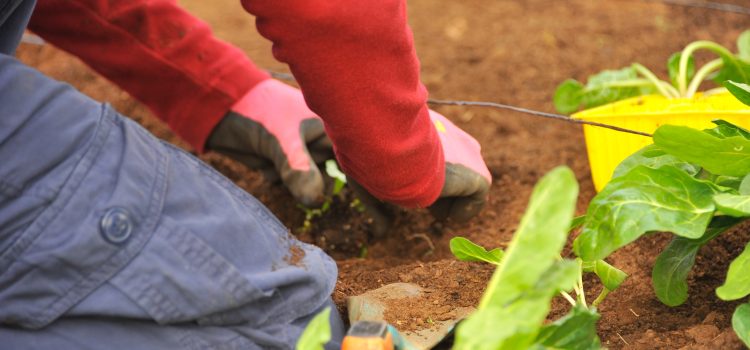
Heirloom gardening is a practice that has been gaining popularity in recent years. It involves growing plants from seeds that have been passed down through generations of gardeners. These seeds are often open-pollinated, meaning they are not genetically modified, and have been carefully selected for their desirable traits. Heirloom gardening has numerous benefits for both your health and the environment.

Health Benefits

One of the primary benefits of heirloom gardening is the health benefits it provides. Growing your own fruits and vegetables allows you to have access to fresh, nutrient-rich produce that is free from harmful pesticides and chemicals. Heirloom varieties are often more flavorful and nutritious than their hybrid counterparts, making them a great addition to any diet.

In addition to the nutritional benefits, gardening itself has been shown to have numerous health benefits. Gardening is a low-impact form of exercise that can help reduce stress, improve mood, and increase overall physical fitness. It has also been shown to have therapeutic benefits for individuals with mental health conditions such as depression and anxiety.

Environmental Benefits

Heirloom gardening also has numerous environmental benefits. By growing your own produce, you are reducing your carbon footprint by eliminating the need for transportation and packaging. Heirloom varieties are often more resilient and adaptable to local growing conditions, reducing the need for fertilizers and pesticides.

In addition, heirloom gardening helps preserve biodiversity by promoting the growth of rare and endangered plant species. Many heirloom varieties have been lost due to the rise of industrial agriculture and the use of hybrid seeds. By growing heirloom varieties, you are helping to preserve these unique and valuable plant species for future generations.

Getting Started with Heirloom Gardening

Getting started with heirloom gardening is easy and can be done in a variety of settings. Whether you have a large backyard or a small balcony, there are heirloom varieties that can be grown in any space. Some popular heirloom varieties include tomatoes, peppers, beans, and squash.

When selecting seeds, it is important to choose varieties that are well-suited to your local growing conditions. Many seed companies specialize in heirloom varieties and can provide guidance on which varieties are best for your area.

In conclusion, heirloom gardening is a rewarding and beneficial practice that can have a positive impact on both your health and the environment. By growing your own produce, you can enjoy fresh, nutrient-rich food while reducing your carbon footprint and promoting biodiversity. So why not give heirloom gardening a try and see the benefits for yourself?