1. Why Pollinator Gardens are Important

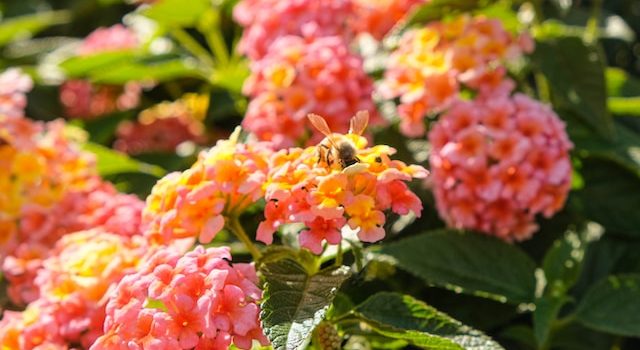
Pollinator gardens are essential for the survival of many species of plants and animals. Pollinators, such as bees, butterflies, and hummingbirds, play a crucial role in the reproduction of plants by transferring pollen from one flower to another. Without pollinators, many plants would not be able to produce fruits and seeds, which would have a significant impact on the food chain.

In recent years, there has been a decline in pollinator populations due to habitat loss, pesticide use, and climate change. By creating a pollinator garden, you can help provide a safe haven for these important creatures and contribute to the health of the ecosystem.

2. Factors to Consider When Choosing Flowers for a Pollinator Garden

When choosing flowers for a pollinator garden, there are several factors to consider. First, it’s important to choose flowers that bloom at different times throughout the growing season to provide a continuous source of nectar and pollen. Second, choose flowers that are native to your region, as they are better adapted to the local climate and soil conditions. Finally, choose a variety of flower shapes and colors to attract a diverse range of pollinators.

3. The Top 8 Essential Flowers for a Thriving Pollinator Garden

a. Coneflowers (Echinacea spp.): Coneflowers are native to North America and are a favorite of bees and butterflies. They bloom from mid-summer to fall and come in a variety of colors, including pink, purple, and white.

b. Black-eyed Susan (Rudbeckia hirta): Black-eyed Susan is a hardy perennial that blooms from mid-summer to fall. It is native to North America and attracts bees, butterflies, and birds.

c. Milkweed (Asclepias spp.): Milkweed is essential for the survival of monarch butterflies, as it is the only plant that monarch caterpillars will eat. It blooms from mid-summer to fall and attracts a variety of pollinators.

d. Bee balm (Monarda spp.): Bee balm is a native plant that blooms from mid-summer to fall. It attracts bees, butterflies, and hummingbirds with its bright red, pink, or purple flowers.

e. Goldenrod (Solidago spp.): Goldenrod is a native plant that blooms in late summer and fall. It attracts a variety of pollinators, including bees, butterflies, and moths.

f. Sunflowers (Helianthus spp.): Sunflowers are a favorite of bees and butterflies and come in a variety of sizes and colors. They bloom from mid-summer to fall and are easy to grow.

g. Liatris (Liatris spp.): Liatris, also known as blazing star, is a native plant that blooms in late summer and fall. It attracts bees and butterflies with its tall spikes of purple or white flowers.

h. Wild Bergamot (Monarda fistulosa): Wild Bergamot is a native plant that blooms in mid-summer to early fall. It attracts bees, butterflies, and hummingbirds with its pink or lavender flowers.

4. Tips for Maintaining a Healthy Pollinator Garden

To maintain a healthy pollinator garden, it’s important to provide a variety of flowers that bloom at different times throughout the growing season. It’s also important to avoid using pesticides and herbicides, as they can be harmful to pollinators. Instead, use natural methods to control pests and weeds, such as companion planting and hand weeding.

In addition, provide a source of water for pollinators, such as a shallow dish with rocks for them to land on. Finally, consider adding nesting sites for bees and butterflies, such as a bee house or butterfly box.

By following these tips and planting the top 8 essential flowers for a thriving pollinator garden, you can help support the health of the ecosystem and contribute to the survival of many species of plants and animals.


Introduction: In a world where screens dominate our daily lives, it’s important to take intentional breaks and explore screen-free relaxation techniques. By disconnecting from technology, we can reduce stress, promote well-being, and find inner peace. In this article, we will explore seven screen-free relaxation techniques that can help you relieve stress and rejuvenate your mind and body. Let’s embark on a journey of screen-free stress relief and discover the power of these relaxation techniques.

  1. Deep Breathing Exercises: Engage in deep breathing exercises to activate your body’s relaxation response. Find a quiet and comfortable space, inhale deeply through your nose, and exhale slowly through your mouth. Focus on the sensation of your breath and let go of tension with each exhale. Deep breathing can calm your nervous system and promote a sense of calm and tranquility.
  2. Progressive Muscle Relaxation: Practice progressive muscle relaxation to release tension from your body. Start by tensing and then relaxing different muscle groups, moving from your toes to your head. Pay attention to each muscle group and consciously release any tightness or stress. This technique helps promote physical and mental relaxation.
  3. Mindfulness Meditation: Engage in mindfulness meditation to cultivate a sense of present-moment awareness and calm. Find a comfortable position, focus your attention on your breath or a chosen anchor point, and observe your thoughts without judgment. Mindfulness meditation can help you detach from stressors, increase self-awareness, and foster a peaceful state of mind.
  4. Nature Walks or Forest Bathing: Spend time in nature by taking leisurely walks or practicing forest bathing. Immerse yourself in the beauty of natural surroundings, noticing the sights, sounds, and sensations. Allow nature to awaken your senses and provide a respite from the demands of daily life. Connecting with nature can reduce stress, increase mental clarity, and enhance well-being.
  5. Engage in Creative Expression: Explore creative outlets to express yourself and find relaxation. Engage in activities like painting, drawing, writing, or playing a musical instrument. These forms of creative expression can be therapeutic and provide a channel for self-discovery, relaxation, and stress relief.
  6. Practice Yoga or Tai Chi: Embark on a journey of movement and mindfulness by practicing yoga or tai chi. These practices combine gentle movements, breath control, and focused awareness. They promote physical flexibility, mental clarity, and a sense of calm. Find local classes or follow along with online tutorials to explore these ancient practices.
  7. Soothing Bath or Self-Care Rituals: Create a soothing bath or engage in self-care rituals to relax and rejuvenate. Fill your bath with warm water, add essential oils, and immerse yourself in the calming atmosphere. Alternatively, engage in self-care activities like taking a soothing shower, practicing skincare routines, or enjoying a cup of herbal tea. These rituals can help you unwind, pamper yourself, and promote relaxation.

Conclusion: In a screen-dominated world, it’s essential to explore screen-free relaxation techniques to reduce stress and find inner peace. By incorporating deep breathing exercises, progressive muscle relaxation, mindfulness meditation, nature walks or forest bathing, creative expression, yoga or tai chi, and soothing baths or self-care rituals, you can embark on a journey of screen-free stress relief. Embrace these techniques, carve out dedicated time for relaxation, and rediscover the power of being present and connected with yourself and the world around you.

As pet owners, we want to make sure that our furry friends are safe and healthy. One way to do this is by ensuring that the plants in our homes and gardens are non-toxic to our pets. Here are seven plants that are safe for pets:

1. Spider Plant (Chlorophytum comosum)
Spider plants are a popular choice for pet owners because they are non-toxic to both cats and dogs. They are also easy to care for and can help purify the air in your home.

2. Boston Fern (Nephrolepis exaltata)
Boston ferns are another pet-friendly plant that can help improve the air quality in your home. They are non-toxic to both cats and dogs and can add a touch of greenery to any room.

3. African Violet (Saintpaulia)
African violets are a beautiful and safe option for pet owners. They are non-toxic to both cats and dogs and come in a variety of colors, making them a great addition to any home.

4. Bamboo Palm (Chamaedorea seifrizii)
Bamboo palms are a pet-friendly plant that can help purify the air in your home. They are non-toxic to both cats and dogs and can add a tropical touch to your decor.

5. Friendship Plant (Pilea involucrata)
Friendship plants are a safe option for pet owners. They are non-toxic to both cats and dogs and have unique foliage that can add interest to any room.

6. Christmas Cactus (Schlumbergera)
Christmas cacti are a festive and safe option for pet owners. They are non-toxic to both cats and dogs and can add a pop of color to your home during the holiday season.

7. Areca Palm (Dypsis lutescens)
Areca palms are a pet-friendly plant that can help purify the air in your home. They are non-toxic to both cats and dogs and can add a tropical touch to your decor.

In conclusion, there are many plants that are safe for pets. By choosing non-toxic plants, we can ensure that our furry friends stay healthy and happy. Remember to always do your research before bringing a new plant into your home, and if you’re unsure about a plant’s toxicity, consult with your veterinarian.

When it comes to the longevity of dogs, size does play a role, but it is not the sole determining factor. Generally, smaller dog breeds tend to have longer lifespans compared to larger dog breeds. However, there are exceptions and individual variations within each size category.

Smaller dog breeds often live longer due to several factors:

1. Metabolic Rate: Smaller dogs generally have a slower metabolic rate, which can contribute to slower aging processes and a longer lifespan.

2. Reduced Stress on Joints and Organs: Smaller dogs typically have less weight and stress on their joints and organs compared to larger dogs. This can help reduce the risk of certain health issues and contribute to a longer life.

3. Lower Incidence of Certain Diseases: Some diseases, such as certain types of cancer and heart-related conditions, tend to be more common in larger breeds. Smaller dogs may have a lower risk of developing these diseases, contributing to their longer lifespan.

However, it’s essential to note that there are exceptions to these general trends, and individual factors can significantly impact a dog’s lifespan, regardless of size:

1. Genetics: Genetic factors play a significant role in determining a dog’s lifespan. Some small breeds may have genetic predispositions to certain health issues that can affect their lifespan, while some large breeds may have genetic advantages that contribute to a longer life.

2. Individual Health and Care: The overall health, lifestyle, and quality of care provided to a dog play crucial roles in their longevity. Proper nutrition, exercise, regular veterinary check-ups, preventive care, and a loving environment all contribute to a dog’s well-being and lifespan, regardless of their size.

3. Breed-Specific Health Concerns: Different breeds, both small and large, have specific health concerns that can impact their lifespan. It’s important to be aware of breed-specific issues and take appropriate measures to manage and address them.

In summary, while smaller dog breeds tend to have longer lifespans on average, individual variations within each size category and other factors, such as genetics and overall health care, also significantly influence a dog’s longevity. Regardless of size, providing proper care, regular veterinary attention, a balanced diet, exercise, and a loving environment are crucial for maximizing a dog’s lifespan and overall well-being.

Introduction

Prepare to be delighted! Google, the tech giant known for its innovative surprises, has unveiled a playful Easter egg that will captivate your inner gamer. Hidden within the depths of Google’s search engine lies a delightful treat—a Katamari minigame that brings joy, nostalgia, and a sense of adventure to your fingertips. Join us as we dive into the enchanting world of Google’s Katamari Easter egg.

Embracing Gaming Nostalgia: The Katamari Phenomenon

Before we embark on our journey through Google’s Katamari minigame, let’s take a moment to appreciate the legacy of the Katamari series. Developed by the esteemed Japanese game studio Namco, Katamari made its debut in 2004 with “Katamari Damacy” for the PlayStation 2. With its whimsical gameplay, vibrant visuals, and catchy soundtrack, the game swiftly gained a dedicated following and left an indelible mark on the gaming landscape.

In the Katamari games, players assume the role of the Prince, rolling a magical sticky ball called the “Katamari” to gather objects and create celestial bodies. The series became renowned for its creative concept, charming aesthetics, and infectious sense of joy that transcended age and experience.

Unveiling the Easter Egg: Dive into the Katamari Minigame

To uncover this delightful Easter egg, simply fire up your Google search engine and search for “Katamari” or “Katamari Damacy.” As the search results page unfolds, a whimsical transformation takes place, unveiling a colorful and captivating Katamari-themed playground.

Once inside the minigame, you’ll encounter the lovable Prince, who will guide you through a whimsical adventure like no other. Your objective? Roll the Katamari around the screen, collecting a myriad of objects along the way to expand its size. Traverse a vibrant virtual world, encounter quirky characters, and be serenaded by an enchanting soundtrack that amplifies the joy of the experience.

A Fusion of Nostalgia and Innovation: Google’s Easter Egg Magic

Google’s inclusion of the Katamari minigame as an Easter egg within its search engine demonstrates its commitment to user engagement, creativity, and the power of shared experiences. By seamlessly blending nostalgic gaming elements with the accessibility of the search platform, Google has created a truly magical and immersive experience that resonates with gaming enthusiasts and casual players alike.

The Katamari minigame exemplifies how technology can transcend its functional purpose and ignite a sense of wonder and playfulness. It serves as a gentle reminder that even within the realm of search engines, moments of joy, surprise, and connection can be discovered.

Connecting through Playfulness: Unite with Fellow Gamers

Beyond its intrinsic entertainment value, Google’s Katamari minigame fosters a sense of community and camaraderie among players. It provides a shared experience that transcends geographical boundaries and brings together friends, family, and even strangers in a virtual playground of joy.

Engage in friendly competition as you compare scores, share strategies, and revel in the shared excitement that the Katamari minigame brings. It sparks conversations, creates lasting memories, and strengthens bonds as players connect through the universal language of gaming.

Embrace the Joy: Unleash Your Inner Gamer

The invitation awaits—embrace the joy of the Katamari minigame and unleash your inner gamer. Take a break from the ordinary and immerse yourself in a world where rolling a sticky ball becomes an exhilarating adventure. Allow Google’s Easter egg surprise to transport you to a realm where playfulness knows no limits.

The next time you embark on a search, remember to pause and indulge in the enchantment of the Katamari minigame. Let the whimsy and magic bring a smile to your face and reignite your passion for gaming.

Using essential oils in aromatherapy can be a wonderful way to enhance your well-being, but it’s crucial to prioritize safety when working with these concentrated plant extracts. Here are some important do’s and don’ts to ensure safe and effective use of essential oils in aromatherapy:

Do’s:

  1. Dilute Essential Oils: Essential oils are highly concentrated and should be diluted before use. Follow recommended dilution guidelines and use a suitable carrier oil, such as almond, jojoba, or coconut oil, to dilute the essential oil. This helps prevent skin irritation or sensitization.
  2. Perform a Patch Test: Before applying an essential oil topically, perform a patch test. Apply a small amount of diluted oil to a small area of your skin and observe for any adverse reactions. If irritation, redness, or discomfort occurs, discontinue use.
  3. Research Each Essential Oil: Different essential oils have unique properties and potential contraindications. Research each oil thoroughly before use, paying attention to safety information, recommended uses, and precautions. Some oils may be unsuitable for certain individuals, such as pregnant women, children, or those with specific health conditions.
  4. Store Essential Oils Properly: Essential oils should be stored in dark glass bottles, tightly sealed, and kept in a cool, dry place. Exposure to heat, light, and air can degrade the oils and reduce their potency over time.
  5. Use High-Quality Essential Oils: Choose high-quality, pure essential oils from reputable sources. Look for oils that are labeled as 100% pure and have undergone rigorous testing for quality and authenticity.

Don’ts:

  1. Don’t Apply Undiluted Essential Oils to the Skin: Undiluted essential oils can cause skin irritation, sensitization, or other adverse reactions. Always dilute essential oils before applying them to your skin.
  2. Don’t Ingest Essential Oils without Professional Guidance: Ingesting essential oils should only be done under the supervision of a qualified aromatherapist or healthcare professional. Many essential oils are toxic when ingested and can cause serious health complications.
  3. Don’t Use Essential Oils Near the Eyes or Mucous Membranes: Avoid direct contact of essential oils with the eyes, inner ears, nose, or other sensitive areas. If accidental contact occurs, flush the area with a carrier oil or seek medical attention if necessary.
  4. Don’t Overuse Essential Oils: More is not always better when it comes to essential oils. Follow recommended dosage guidelines and avoid excessive or prolonged use of essential oils, as this may lead to sensitization or adverse reactions.
  5. Don’t Assume Essential Oils Are Safe for Everyone: Each individual may react differently to essential oils. Factors such as age, health conditions, medications, and allergies can influence how your body responds to specific oils. Always consider individual circumstances and seek professional advice if needed.

By following these do’s and don’ts, you can enjoy the benefits of aromatherapy while ensuring the safe and responsible use of essential oils. Remember, when in doubt, consult with a qualified aromatherapist or healthcare professional for personalized guidance and recommendations based on your specific needs.

Creating a soothing sleep environment can significantly enhance your sleep quality and promote relaxation. By incorporating natural remedies, you can create a calming atmosphere that prepares your mind and body for a restful night’s sleep. Here are some tips:

  1. Use Essential Oils: Essential oils have been used for centuries to promote relaxation and improve sleep. Lavender, chamomile, and ylang-ylang are popular choices known for their calming properties. Add a few drops of your preferred essential oil to a diffuser or a cotton ball placed near your bed. Alternatively, you can mix them with a carrier oil and apply to your pulse points or use a linen spray infused with essential oils.
  2. Create a Dark Environment: Darkness signals to your body that it’s time to sleep. Ensure your sleep environment is as dark as possible by using blackout curtains or blinds to block out external light sources. If necessary, use an eye mask to further eliminate any remaining light that may disrupt your sleep.
  3. Establish a Tech-Free Zone: The blue light emitted by electronic devices can interfere with your body’s natural sleep-wake cycle. Create a tech-free zone in your bedroom by keeping phones, tablets, and laptops away from your sleeping area. Instead, engage in relaxing activities such as reading a book or practicing gentle stretching or meditation.
  4. Embrace Natural Fabrics: Choose bedding and sleepwear made from natural fabrics such as cotton or bamboo. These materials are breathable and can help regulate body temperature, keeping you comfortable throughout the night. Avoid synthetic fabrics that can trap heat and cause discomfort.
  5. Incorporate Relaxing Colors: The colors in your sleep environment can have a subtle but significant impact on your mood and relaxation. Opt for soft, calming colors such as pastels, muted blues, or earth tones for your bedroom walls, bedding, and decor. These colors create a peaceful ambiance conducive to sleep.
  6. Use Herbal Sleep Remedies: Herbal remedies such as sachets or herbal pillows can add a soothing scent to your sleep environment. Fill a small cloth bag with dried herbs like lavender, chamomile, or lemon balm, and place it near your pillow or under your bed. The natural aromas can help relax your senses and promote better sleep.
  7. Invest in a Comfortable Mattress and Pillows: Your sleep environment should be comfortable and supportive. Invest in a high-quality mattress and pillows that suit your sleep preferences and provide optimal comfort. Experiment with different pillow materials and firmness levels to find the right combination for you.
  8. Maintain a Comfortable Room Temperature: The ideal room temperature for sleep typically falls between 60 to 67 degrees Fahrenheit (15 to 19 degrees Celsius). Adjust your thermostat or use fans or blankets to achieve a temperature that promotes comfort and helps regulate your body’s natural sleep patterns.

Remember, everyone’s sleep preferences may vary, so it’s important to create an environment that works best for you. Experiment with different natural remedies and adjust your sleep environment based on your personal needs and preferences.

In addition to these natural remedies, it’s crucial to establish a consistent sleep routine, practice relaxation techniques, and prioritize good sleep hygiene. By combining these elements, you can create an environment that promotes deep relaxation and sets the stage for a restful night’s sleep.

The Red Knot, a small shorebird, is making a remarkable recovery in New Jersey, signaling a significant conservation success story. The bird’s resurgence is a testament to the collective efforts of conservationists, scientists, and local communities working together to protect and restore its habitat.

The Red Knot (Calidris canutus) is a migratory bird that depends on the beaches and marshes of New Jersey’s coastline as a crucial stopover site during its long-distance journeys. These birds undertake an arduous migration, traveling from their breeding grounds in the Arctic to their wintering grounds in South America. Along the way, they rely on the Delaware Bay’s rich resources, particularly the eggs of horseshoe crabs, to replenish their energy reserves.

For years, the Red Knot population faced numerous challenges, including habitat loss, declining horseshoe crab populations, and changing climate patterns. However, concerted conservation efforts have successfully reversed this decline and are now driving the bird’s recovery.

One key aspect of the Red Knot’s recovery has been the protection and restoration of its critical habitat. Efforts have focused on preserving and enhancing the beaches and marshes that provide vital food sources and resting areas for the birds. Conservation organizations have collaborated with government agencies and local communities to implement measures such as creating protected areas, reducing disturbances, and restoring natural habitats. These actions have helped create a more favorable environment for the Red Knots, allowing them to feed and rest in safety.

Furthermore, conservation initiatives have targeted the horseshoe crab population, recognizing its essential role in the Red Knot’s survival. Strict regulations have been implemented to manage the harvesting of horseshoe crabs, ensuring sustainable practices that do not endanger their numbers. By protecting the horseshoe crabs, which lay millions of eggs on the beaches, conservationists have secured a crucial food source for the Red Knots during their stopover period.

In addition to habitat protection and management, public awareness and education campaigns have played a vital role in the Red Knot’s recovery. Efforts to raise awareness about the bird’s plight, its ecological importance, and the need for conservation have garnered public support and engagement. This has led to increased participation in volunteer programs, citizen science initiatives, and beach cleanups, all of which contribute to the well-being of the Red Knot population and its habitat.

The successful recovery of the Red Knot in New Jersey is a cause for celebration and provides hope for other endangered species. It showcases the power of collaborative conservation efforts, where scientists, conservation organizations, policymakers, and local communities work hand in hand to protect and restore critical habitats. The Red Knot’s rebound also highlights the importance of long-term monitoring and adaptive management to ensure the continued success of conservation initiatives.

As the Red Knot population continues to grow in New Jersey, it serves as a reminder of the resilience of nature and the positive impact that conservation actions can have. By learning from this success story and applying similar strategies to other endangered species and their habitats, we can strive for a more sustainable and harmonious coexistence with the natural world.

Introduction

Excitement is building among tech enthusiasts as new evidence regarding the highly anticipated Google Pixel Watch 2 design begins to surface. The leaks and rumors surrounding the smartwatch have sparked a wave of speculations, leaving many intrigued and curious. In this article, we will dive into the latest clues and analyze the design possibilities of the Google Pixel Watch 2.

The Quest for an Enhanced Design

With the Google Pixel Watch 2, consumers are hoping for an enhanced and refined design that surpasses its predecessor. The clues we have gathered hint at potential improvements and fresh features that could set this smartwatch apart in the market. Let’s explore the possibilities.

A Display Revolution

One of the most intriguing aspects of the Google Pixel Watch 2 is its display. Recent leaks suggest that the smartwatch might sport a larger and more vibrant screen, offering an immersive viewing experience. This upgrade could make interactions with the device more engaging and enjoyable, providing ample space for notifications, apps, and other functionalities.

Design Language: Continuity or Innovation?

The Google Pixel Watch 2 is expected to maintain a design language consistent with the Google Pixel ecosystem. This approach could create a sense of familiarity for users who already own Pixel devices. However, some speculate that Google might introduce innovative elements to differentiate the Pixel Watch 2 from its predecessors and competitors. It remains to be seen whether the design will be an evolution or a revolution.

Embracing Customization

Personalization is a key aspect of wearable technology, and the Google Pixel Watch 2 might not disappoint in this regard. Clues indicate that users will have options to customize the smartwatch, including interchangeable bands, watch faces, and possibly even modular components. Such flexibility could cater to individual preferences and allow users to express their unique style.

Materials: Combining Durability and Style

The choice of materials can greatly impact the overall appeal and durability of a smartwatch. Rumors suggest that the Google Pixel Watch 2 might feature a blend of premium materials, such as stainless steel, ceramic, or even titanium, ensuring both aesthetic elegance and robustness. The use of high-quality materials could enhance the longevity of the device while adding a touch of sophistication.

Functionality Meets Fashion

The Google Pixel Watch 2 is expected to offer a wide range of features and functionalities, seamlessly integrating with the Google ecosystem. From advanced health tracking to convenient access to notifications and applications, the smartwatch aims to deliver a holistic and efficient user experience. The challenge lies in balancing these functionalities with a visually appealing and ergonomic design.

Conclusion

The Google Pixel Watch 2 has generated significant buzz with the unveiling of intriguing design clues. As we analyze the evidence, it becomes clear that the smartwatch holds the potential to impress with its enhanced display, continuity with the Pixel ecosystem, customization options, premium materials, and the fusion of functionality and fashion. With each new clue, our anticipation grows, and we eagerly await the official announcement to see how Google has combined these elements into a compelling design.

Introduction

The metaverse has become a focal point for tech giants, with Meta (formerly known as Facebook) and Apple vying for dominance in this emerging digital landscape. The recent launch of Apple’s Vision Pro, a virtual reality (VR) headset, has sparked speculation about its impact on Meta’s investment potential. In this article, we will delve into the key factors and assess Meta’s investment potential in light of Apple’s latest offering.

Meta’s Metaverse Vision

Meta, with its renewed focus on the metaverse, aims to redefine how people connect, interact, and experience the digital world. Leveraging its massive user base and expertise in augmented reality (AR) through Oculus, Meta has positioned itself as a frontrunner in shaping the metaverse’s future. Its investments in virtual reality, social platforms, and connectivity technologies demonstrate its commitment to building a connected and immersive digital ecosystem.

Apple’s Vision Pro Launch

Apple’s entry into the metaverse arena with the Vision Pro headset signifies its ambition to capture a share of this evolving market. The Vision Pro boasts impressive features such as high-resolution displays, advanced spatial audio, and seamless integration with Apple’s ecosystem. While the headset primarily targets professional users, its potential impact on Meta’s investment potential cannot be overlooked.

Assessing Meta’s Investment Potential

Market Position and Ecosystem

Meta’s existing market position and established ecosystem give it a competitive advantage over Apple. Meta’s user base and its social media platforms provide a strong foundation for expanding into the metaverse. The integration of AR products like Oculus with Meta’s platforms creates a cohesive user experience, fostering engagement and driving growth. Despite Apple’s loyal customer base, Meta’s well-established presence in the metaverse positions it favorably for future expansion.

Technological Expertise and Innovation

Both Meta and Apple possess formidable technological expertise. Meta’s investments in virtual reality, augmented reality, and connectivity technologies enable it to deliver immersive experiences and push the boundaries of the metaverse. On the other hand, Apple’s history of innovation and its ability to create seamless, user-friendly experiences could give it an edge in attracting mainstream users. The competition between Meta’s expertise in social interactions and Apple’s prowess in user experience will shape their investment potential in the metaverse.

User Engagement and Adoption

Meta’s advantage lies in its extensive user engagement and network effects. Its social media platforms provide a captive audience and opportunities for user-generated content, fostering a vibrant metaverse community. Apple, while enjoying a large customer base, may face challenges in driving metaverse adoption beyond its ecosystem. Meta’s ability to cultivate user engagement and expand its metaverse offerings could position it for sustained growth and investment potential.

Long-Term Vision and Strategy

Both Meta and Apple have demonstrated their commitment to the metaverse, but their long-term visions and strategies differ. Meta’s explicit focus on building a connected metaverse ecosystem, coupled with its investments in research, development, and partnerships, shows a dedicated approach to shaping the future of the digital realm. Apple, although entering the metaverse space with Vision Pro, may have a broader product portfolio and diverse business interests that could impact its level of metaverse-focused investment and dedication.

Conclusion

Assessing Meta’s investment potential after Apple’s Vision Pro launch requires careful consideration of various factors. Meta’s established market position, technological expertise, extensive user engagement, and long-term vision give it a strong foundation in the metaverse. While Apple’s entry into the metaverse with Vision Pro signals its intent to compete, Meta’s advantage lies in its metaverse-focused ecosystem and its ability to leverage its user base.

Investors evaluating Meta’s investment potential should closely monitor its ability to drive user adoption, expand its metaverse offerings, and sustain its position as a leading player. Apple’s foray into the metaverse adds an interesting dynamic, but Meta’s early mover advantage and metaverse-centric strategy make it a compelling investment choice. As the metaverse continues to evolve, investors should carefully assess the market landscape, industry trends, and the execution of each company’s metaverse vision before making investment decisions.

Please note that investing in emerging technologies and the metaverse carries inherent risks, and it is advisable to conduct thorough research, seek professional advice, and consider individual risk tolerance before making any investment decisions.