1. What Is a 3D Product Configurator?

A 3D product configurator is a digital tool that allows customers to interact with and customize a product in real-time using a 3D interface. Unlike static images or 2D selectors, this tool lets users rotate, zoom, and modify different parts of a product—such as color, material, size, or components—directly in the browser. The result is a fully interactive experience where users can visualize exactly what they’re purchasing before making a decision. This capability is especially useful in industries like automotive, furniture, apparel, and jewelry, where customization is critical to customer satisfaction and product personalization.


2. Why Build a 3D Product Configurator?

Building a 3D product configurator is an investment in user experience, sales efficiency, and brand innovation. It enhances customer engagement by allowing shoppers to interact with products dynamically, making the shopping process fun and memorable. Real-time customization increases buyer confidence, which translates into higher conversion rates and fewer returns. Additionally, it differentiates your brand from competitors, providing a modern and professional edge. With decreasing costs in 3D modeling and browser rendering power, it’s more feasible than ever to implement. Whether you’re targeting B2B or D2C, a configurator empowers users and can drastically streamline the sales funnel.


3. Key Components of a 3D Configurator

To successfully build a 3D product configurator, you need several technical and creative components working together. First, high-quality 3D models are essential; they must be optimized for web performance while still looking realistic. Then, you’ll need a rendering engine like Three.js or Babylon.js to display and manipulate the models. A user-friendly UI enables customers to make changes—colors, sizes, features—and the logic engine applies rules to ensure valid combinations. Optional backends can store configurations, manage pricing, and connect to your eCommerce system. Every part must work in harmony to create a smooth, real-time experience for users.


4. Define Requirements and User Journey

Before building anything, clearly define the configurator’s purpose and scope. Start by identifying which products will be configurable and to what extent—colors, components, dimensions, etc. Map out the ideal user journey: What will the user see first? How will they interact with the product? What’s the end goal—an order, a quote, or a saved design? This planning stage is also the time to gather brand guidelines, technical requirements, and user interface ideas. Creating detailed wireframes or mockups can help developers and stakeholders align on expectations and functionality before writing a single line of code or modeling.


5. Develop or Acquire 3D Models

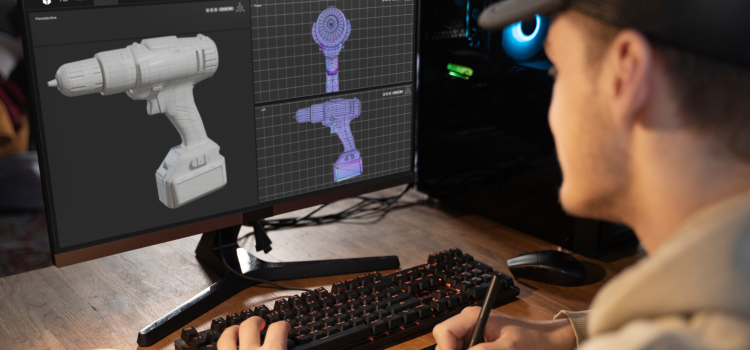
3D models form the backbone of any configurator. These must be accurate representations of your real-world products but optimized for fast web loading. You can create models using tools like Blender or Autodesk Maya, or outsource to experienced 3D artists. Ensure they’re exported in web-friendly formats like GLTF or GLB. Pay attention to polygon count—keep it low without sacrificing visual quality. You’ll also want to separate different parts of the model into components (e.g., legs, frame, cushion) to allow customization. Texture mapping, lighting, and UV unwrapping are important considerations to enhance realism while maintaining performance.


6. Choose a Rendering Engine

The rendering engine is what brings your 3D models to life in the browser. The most common choices are Three.js and Babylon.js—both JavaScript libraries capable of displaying interactive 3D content. Three.js offers extensive flexibility and community support, making it ideal for most use cases. Babylon.js includes useful out-of-the-box tools, especially for adding GUI components or physics. Alternatively, Unity WebGL is suited for ultra-realistic or game-like configurators, though it comes with heavier file sizes and longer load times. Your choice will depend on the complexity of your product, customization needs, and the skill set of your development team.


7. Build the Frontend UI

Your UI is how users interact with the configurator, so it needs to be intuitive, responsive, and visually consistent with your brand. Common frontend frameworks like React or Vue.js work well for creating dynamic interfaces. Your UI should include features like color pickers, material swatches, dropdown selectors, zoom/pan controls, and a summary of selected options. These elements communicate directly with the 3D scene to update the product in real-time. Accessibility should not be an afterthought—make sure keyboard navigation and screen readers are supported. The goal is to provide a smooth and delightful user experience across all devices.


8. Implement Business Logic

A configurator is not just about visuals—it needs to enforce logic rules that ensure valid configurations. For example, if a user selects a wooden base, only compatible cushions or finishes should appear. Business logic can also handle pricing calculations, promotions, or stock availability. This logic can be handled on the frontend for simple applications or centralized in a backend for more complex needs. You can also use rule engines or integrate with a CMS to make these rules easier to manage. Make sure to test edge cases to avoid invalid combinations that could confuse or frustrate users.


9. Optimize for Performance

Performance is crucial for both user experience and SEO. A slow-loading configurator can drive users away. Optimize 3D assets by reducing polygon count and using compressed textures. Lazy-load models so that only necessary components load initially, while others load as needed. Use Level of Detail (LOD) systems to display simpler models when the user zooms out. Implement GPU-efficient shaders and minimize JavaScript blocking code. Also, consider using Web Workers to offload computational tasks. Don’t forget to test on mobile devices, where performance constraints are more severe. A well-optimized configurator feels seamless and encourages users to explore more.


10. Add Augmented Reality (AR) or Virtual Reality (VR)

To push the experience even further, consider integrating AR or VR. With AR, users can place the configured product in their physical environment using their smartphone. For instance, a customer could see how a customized chair looks in their living room. WebAR tools like 8thWall or model viewers from Apple (USDZ) and Google (GLB) make this possible without downloading an app. VR is more immersive and suitable for showrooms or product demos, allowing users to walk around or even inside a product. These technologies not only elevate the experience but also help bridge the gap between digital and physical retail.


Introduction

Remote work has become the new norm for many teams worldwide, bringing both flexibility and new challenges. One of the biggest challenges remote teams face is staying productive and focused when working from home. With distractions, meetings, and the temptation to multitask, staying on top of tasks can feel overwhelming.

One powerful strategy to improve productivity and focus is time-blocking. Time-blocking involves setting aside specific blocks of time for different tasks or activities throughout the day. This simple but effective technique can help remote teams structure their workday, manage time more efficiently, and achieve more in less time and increased productivity.

In this article, we’ll dive into time-blocking productivity hacks that remote teams can use to stay organized, reduce distractions, and improve their work output. Whether you’re a manager leading a remote team or an employee working from home, these tips will help you stay focused and get more done each day.

What Is Time-Blocking?

Time-Blocking Productivity Hacks
Image by: Yandex.com

Time-blocking is a productivity technique where you divide your day into distinct blocks of time, each assigned to a specific task or group of tasks. Rather than working through an endless to-do list, time-blocking allows you to focus on one task at a time and ensures that you allocate enough time for the most important activities.

For remote teams, time-blocking can be especially effective. It helps prevent distractions, encourages deep work, and ensures that team members aren’t overwhelmed by tasks. By planning out the day in advance and assigning clear time slots for each task, remote workers can stay on track and be more productive.

Benefits of Time-Blocking for Remote Teams

Time-Blocking Productivity Hacks
Image by: Yandex.com

1. Increased Focus and Reduced Distractions

In a remote work environment, distractions are everywhere—from family members to household chores to social media. Time-blocking can help reduce these distractions by allowing team members to focus on one task at a time. When workers know they have a designated block of time for a specific task, they are less likely to jump between activities.

2. Better Time Management

Time-blocking allows team members to manage their time better by ensuring they dedicate the right amount of time to each task. It prevents tasks from bleeding into each other and ensures that important activities, like meetings, deep work, and breaks, are all given appropriate time slots.

3. Improved Work-Life Balance

Time-blocking can help remote workers create boundaries between work and personal life. By setting clear time blocks for both work and personal tasks, employees can avoid overworking and burnout. It ensures that there is dedicated time for breaks, exercise, and family, improving overall well-being.

4. Increased Accountability

When team members have a set schedule with clear time blocks, it’s easier to track progress. Remote workers can see exactly when they’ve completed a task and when they’re falling behind. This accountability encourages productivity and helps everyone stay on task.

Role of Time-Blocking in Team Collaboration

Time-Blocking Productivity Hacks
Image by: Yandex.com

Time-blocking does more than help individuals—it guides whole teams on how to work together. When team members share calendars with clear blocks for meetings, brainstorming, and solo work, everyone knows when it’s best to connect or stay silent. Managers can schedule check-ins at times that respect deep work windows, boosting meeting productivity. Teams can even adopt “focus hours” where no meetings are allowed, preserving large uninterrupted blocks for creative or technical tasks. By weaving shared time-blocks into workflows, remote teams create a balanced rhythm of collaboration and alone time.

Time-Blocking Productivity Hacks for Remote Teams

Time-Blocking Productivity Hacks
Image by: Yandex.com

1. Start with the Most Important Tasks

Begin your day by identifying your most important tasks—those that will have the biggest impact on your team’s success. Use the first block of time in the morning to tackle these tasks when you’re most focused and energetic. Prioritizing these tasks helps ensure that they get done before distractions set in.

2. Block Time for Deep Work

Deep work is uninterrupted, focused work that allows for high productivity and creativity. For remote teams, time-blocking can help set aside specific times during the day for deep work, free from meetings and emails. Encourage your team to schedule deep work blocks where they focus solely on important tasks without interruptions.

3. Use Time Blocks for Meetings

Remote work teams often have several meetings each day, which can disrupt productivity. Time-blocking can help manage meeting times effectively. Instead of letting meetings fill up your entire schedule, assign specific time slots for meetings. Limit meetings to set durations (e.g., 30 or 60 minutes) and avoid back-to-back scheduling to give your team members time to focus on their work between meetings.

4. Include Breaks and Downtime

Scheduling breaks is just as important as scheduling work tasks. Remote teams can easily burn out by working nonstop without proper breaks. Include time blocks for short breaks during the day (e.g., 5-10 minutes every hour) and longer breaks for lunch. This helps improve focus and refreshes your team members for the next task.

5. Set Time Blocks for Email and Communication

Email and communication tools like Slack can easily become distractions when working remotely. To avoid constant interruptions, schedule a block of time specifically for checking emails and responding to messages. This could be once in the morning, after lunch, and at the end of the day. This helps remote workers stay focused on tasks without being distracted by incoming messages.

6. Adapt Time Blocks to Your Energy Levels

Everyone has a different energy cycle throughout the day. Some people are more productive in the morning, while others may hit their stride in the afternoon or evening. Encourage team members to adapt their time-blocking schedule based on their individual energy levels. For example, if someone is a morning person, they might schedule deep work in the early hours when they feel most focused.

7. Review and Adjust Time Blocks Regularly

It’s important to regularly review and adjust time blocks to make sure they’re still working effectively. Every week, assess how well your time-blocking system is helping your team stay on track. Are there any tasks taking longer than expected? Are meetings dragging on too long? Adjust time blocks to optimize productivity and ensure the team’s workflow is smooth.

Time-Blocking Tools for Remote Teams

Time-Blocking Productivity Hacks
Image by: Yandex.com

There are several tools available to help remote teams implement time-blocking effectively. Here are some popular tools to consider:

  • Google Calendar: A simple and free tool to create color-coded time blocks for tasks, meetings, and breaks.
  • Trello: A project management tool that allows you to organize tasks into time blocks and track progress visually.
  • Clockify: A time-tracking app that helps team members log their work hours and ensures that tasks are completed within scheduled time blocks.
  • Todoist: A task management app that helps users create tasks, set due dates, and time blocks for each task.
  • Focus Booster: A productivity tool based on the Pomodoro Technique, helping users work in 25-minute intervals followed by short breaks.

Challenges of Time-Blocking Remotely

Despite its benefits, time-blocking has real hurdles for remote teams. Sticking to rigid blocks can feel too strict if urgent issues pop up. Some tasks take longer than planned, throwing off the whole day. Time-zones make finding shared blocks tricky for global teams. Over-blocking back-to-back can leave no room for quick questions or breaks, leading to burnout. And without strong calendar habits, employees may forget to update or respect others’ blocks. To overcome these issues, teams need flexible buffer time, clear guidelines on interruptions, and regular reviews of their blocking routines.

Future of Time-Blocking for Remote Teams

Time-Blocking Productivity Hacks
Image by: Yandex.com

Looking ahead, tools and habits around time-blocking will grow even smarter. Calendar apps may use AI to suggest optimal block lengths based on past work patterns and energy levels. Integrations with task managers could auto-create blocks when new to-dos are added. Teams might adopt dynamic blocks that adjust if a task runs long or a meeting gets canceled. Virtual assistants could nudge employees when it’s time to start or end a block. As technology improves and best practices spread, time-blocking will become a natural part of remote work, helping teams stay focused, flexible, and connected.

Comparative Table: Example of a Remote Team’s Time-Blocking Schedule

Time Block Task/Activity Duration Notes
8:00 AM – 9:00 AM Deep Work: Writing Reports 1 hour Focused work time for high-priority tasks
9:00 AM – 9:30 AM Check and Respond to Emails 30 minutes Limit time for email communication
9:30 AM – 10:30 AM Team Meeting 1 hour Set agenda and stick to time limits
10:30 AM – 12:00 PM Deep Work: Product Development 1.5 hours Focused work on long-term projects
12:00 PM – 1:00 PM Lunch Break 1 hour Time to relax and recharge
1:00 PM – 2:00 PM Collaborative Work (Brainstorming, Planning) 1 hour Team collaboration and idea generation
2:00 PM – 3:00 PM Meeting with Clients 1 hour Scheduled video call or conference
3:00 PM – 4:00 PM Check Slack and Respond to Messages 1 hour Limit communication to a set block of time
4:00 PM – 5:00 PM Wrap Up Work, Plan for Next Day 1 hour Finalize tasks and prepare for tomorrow

This table offers an example of how remote teams can organize their day with time-blocking to ensure productivity and maintain focus.

Conclusion: Time-Blocking for Remote Team Success

Time-blocking is an essential strategy for remote teams to stay organized, focused, and productive in 2025. By dividing the day into structured blocks for deep work, team meetings, virtual meetings, breaks, and communication, remote teams can optimize their time, reduce distractions, and improve work-life balance.

By using tools like Google Calendar or Trello, and adjusting time blocks to fit energy levels, remote teams can boost productivity and stay on top of their tasks. Regularly reviewing and adjusting the system ensures that time-blocking remains an effective tool for success in the long term.

Call to Action

Ready to improve your remote team’s productivity? Start using time-blocking today to streamline your workday and boost focus. Visit our website for more productivity tips and tools to enhance your remote work experience.

Introduction

As we continue to learn more about the food we eat and its effects on our health, the same applies to our pets. Raw food diets for pets have become increasingly popular in recent years. These diets, which include fresh, unprocessed ingredients, are thought to provide pets with natural nutrients and health benefits that processed food cannot offer.

In 2025, more pet owners are shifting towards raw food diet plans to give their pets the healthiest and most balanced meals possible. This article will explore the long term benefits of raw food diets, share tips for creating meal plans, and provide advice on how to implement this diet for your furry friends.

What Is a Raw Food Diet for Pets?

Raw Food Diet Plans for Healthy Pets 2025
Image by: Yandex.com

A raw food diet for pets typically consists of unprocessed, fresh foods, often referred to as biologically appropriate raw food (BARF). This diet is based on the idea that pets, especially dogs and cats, thrive on the same kind of food they would eat in the wild, such as raw meats, olive oil, bones, fruits, dairy products and vegetables.

Raw food diets exclude processed ingredients and focus on natural foods that are rich in essential nutrients. These meals are meant to mimic the diet of wild animals, helping to promote better digestion, improved energy, and healthier coats for pets.

The main components of a raw food diet for pets usually include:

  • Meat: High-quality, raw meat such as chicken, beef, lamb, or turkey.
  • Bones: Raw, edible bones that provide calcium and help keep teeth clean.
  • Vegetables and Fruits: Fresh vegetables like carrots and spinach, and fruits like apples and blueberries.
  • Supplements: Occasionally, specific vitamin and mineral supplements are added to ensure pets get all their necessary nutrients.

How to Create a Raw Food Diet Plan for Your Pet in 2025

Raw Food Diet Plans for Healthy Pets 2025
Image by: Yandex.com

Creating a balanced raw food diet plan for your pet involves selecting the right ingredients and ensuring they get the necessary nutrients. Here’s how to get started:

1. Choose High-Quality Proteins

The foundation of any raw food diet is protein. Opt for fresh, high-quality meats that are free from hormones and antibiotics. Some good choices include:

  • Chicken
  • Turkey
  • Beef
  • Lamb
  • Duck

Always choose meat that is safe for pets to eat raw. Avoid meats that could be harmful, such as pork, which may carry parasites.

2. Incorporate Edible Bones

Bones are an essential part of a raw food diet, as they provide important minerals, including calcium. They also promote oral health by helping clean the teeth. Make sure the bones you provide are raw and not cooked, as cooked bones can splinter and cause harm to your pet.

3. Add Vegetables and Fruits

While pets are primarily carnivores, they can also benefit from small amounts of vegetables and fruits. These provide important vitamins and fiber that aid in digestion. Some good options for vegetables include:

  • Carrots
  • Spinach
  • Kale
  • Zucchini

Fruits like apples (without seeds), blueberries, and watermelon can also be added in moderation. Be sure to avoid feeding your pet toxic foods like grapes, raisins, or onions.

4. Include Supplements for Balanced Nutrition

Depending on your pet’s age, breed, and specific health needs, you may need to add supplements to their raw food diet. Common supplements for pets on a raw food diet include:

  • Fish oil for omega-3 fatty acids.
  • Probiotics for gut health.
  • Vitamin E for skin health.
  • Calcium (if not provided by bones).

Consult a veterinarian to ensure your pet is getting the right balance of nutrients from their raw food diet.

5. Monitor Portion Sizes

Just like with any diet, it’s important to feed your pet the right portion sizes. Overfeeding or underfeeding can lead to health problems. Most pet owners feed their dogs and cats about 2-3% of their body weight per day, depending on their activity level and health.

Common Mistakes to Avoid When Feeding Your Pet a Raw Food Diet

Raw Food Diet Plans for Healthy Pets 2025
Image by: Yandex.com

Feeding your pet a raw food diet can be beneficial, but it’s important to avoid certain mistakes that can lead to health problems:

  1. Not Consulting a Veterinarian: Before starting your pet on a raw food diet, consult a veterinarian to make sure it’s the right choice for their health and well-being.
  2. Feeding Only Meat: A balanced diet for pets includes more than just meat. Be sure to add vegetables, fruits, and appropriate supplements to ensure they get all the necessary nutrients.
  3. Using Dangerous Ingredients: Some foods, like onions, garlic, and chocolate, are toxic to pets. Always check that the ingredients you choose are safe for your pet.
  4. Not Preparing Food Properly: Raw food should always be handled carefully to prevent contamination. Store raw meat properly and wash your hands and utensils after handling raw food.

Future of Raw Diets for Pets in 2025 and Beyond

Raw Food Diet Plans for Healthy Pets 2025
Image by: Yandex.com

Looking forward, raw feeding will become easier and safer thanks to innovation and research. Meal-prep services will deliver pre-measured, vet-approved raw packs, cutting down on prep time and guesswork. Smartphone apps will scan product barcodes to confirm nutritional balance and source quality. New studies will refine ideal ratios of muscle meat, organ, and bone for different breeds and life stages. As more tools and expert guidance reach the market, raw diet plans will continue to grow, giving pets a natural, health-focused path well into the future.

Comparative Table: Key Ingredients in a Raw Food Diet and their Benefits For Pets

Ingredient Benefits Examples
Meat (Protein) High-quality protein, essential for muscle growth Chicken, turkey, beef, lamb, duck
Edible Bones Provides calcium, cleans teeth Raw chicken wings, turkey necks
Vegetables Provides fiber, vitamins Carrots, spinach, kale, zucchini
Fruits Adds vitamins and antioxidants Apples (without seeds), blueberries, watermelon
Supplements Ensures balanced nutrition Fish oil, probiotics, calcium, vitamin E

Conclusion: Why Raw Food Diets Are the Future of Pet Nutrition

In 2025, the popularity of raw food diets for pets is continuing to rise. With their focus on natural ingredients, high-quality proteins, raw veganism, and ethical practices, sustainable and nutritious diets for pets are becoming a preferred choice for many pet owners. Whether it’s improved digestion, healthier coats, or stronger immune systems, the benefits of a raw food diet for pets are clear.

By making informed choices and carefully planning meals, pet owners can give their furry friends the healthiest food possible. A well-balanced raw food diet can help pets live longer, healthier lives.

Introduction

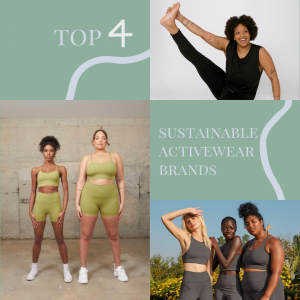
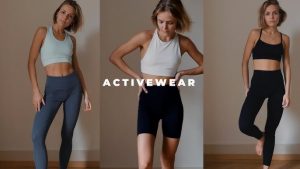
The fashion world is changing. More and more people are looking for clothing that is not only stylish but also good for the planet. Sustainable activewear is one of the biggest trends in the United States in 2025. These brands are making athletic and casual clothes using eco-friendly materials and ethical practices.

In this article, we’ll talk about how sustainable activewear brands are changing the long term fast fashion industry in 2025. We’ll also explore the materials used, why they are important, and which clothing brand are leading the way in making fashion both stylish and environmentally friendly.

What Is Sustainable Activewear?

Sustainable Activewear Brands 2025
Image by: Yandex.com

Sustainable activewear means clothes that are made in a way that is good for the planet. These clothes use eco-friendly materials, are made with care for the environment, and are produced with fair treatment for workers.

Instead of using harmful fabrics like nylon or polyester, sustainable activewear is made from natural fibers such as organic cotton, hemp, or bamboo. Some brands also use recycled materials such as plastic bottles and old fishing nets.

As people become more aware of environmental issues, many are choosing sustainable activewear for their workouts and daily wear. This choice is better for the planet and supports brands that are committed to making a positive impact.

Why Sustainable Activewear Is So Important

Sustainable Activewear Brands 2025
Image by: Yandex.com

1. Reducing Environmental Impact

The fashion industry is known to have a huge environmental impact. Many clothes are made from fabrics that take a long time to break down and are harmful to the environment. Sustainable activewear helps to reduce this impact by using recycled fabrics and natural materials that are better for the planet.

For example, clothes made from organic cotton don’t use harmful chemicals that damage the environment. By using bamboo or hemp, brands create clothes that are biodegradable, meaning they won’t sit in a landfill for hundreds of years.

2. Ethical Manufacturing

Many sustainable brands also focus on fair labor practices. This means ensuring that workers are treated well and paid fairly. Sustainable activewear brands are more transparent about where and how their clothes are made. Brands like Patagonia and Girlfriend Collective work with factories that follow fair trade principles, ensuring that workers have safe conditions and receive fair wages.

By supporting these brands, consumers are making sure their money is going to companies that care about both the environment and the people who make the clothes.

3. Consumer Demand for Eco-Friendly Products

As people become more aware of environmental issues, they are demanding more eco-friendly products. This includes clothes that are made from sustainable materials. Consumers want to know that the clothes they buy are helping the planet rather than harming it. This shift in attitude is pushing more brands to go green and make sustainable activewear.

More people are choosing to buy from brands that have a positive environmental and social impact, rather than choosing fast fashion brands that focus on cheap, disposable clothing.

Leading Sustainable Activewear Brands to Watch in 2025

Sustainable Activewear Brands 2025
Image by: Yandex.com

Here are some of the top sustainable fabrics or sustainable activewear brands that are making a difference in 2025:

1. Patagonia

Patagonia is one of the most well-known brands in the sustainable fashion industry. They use recycled polyester and organic cotton in their activewear collections. Patagonia is also a strong advocate for environmental issues, donating part of its profits to help protect the planet.

What makes them stand out:

  • They use recycled materials to make their clothes.
  • They focus on fair trade practices and care about the workers who make their clothes.
  • Patagonia encourages customers to buy used gear through their Worn Wear program.

2. Girlfriend Collective

Girlfriend Collective is a brand that makes comfortable, stylish activewear from recycled materials. They use things like recycled plastic bottles and old fishing nets to make their leggings, sports bras, and other activewear.

What makes them stand out:

  • They use sustainable materials such as recycled plastic.
  • The brand is known for being inclusive, offering a wide range of sizes.
  • They are committed to making sure their products are made in ethical factories.

3. Allbirds

Allbirds is known for their eco-friendly shoes, but they also have a growing activewear line. They use merino wool, Tencel, and other sustainable materials to create comfortable and breathable activewear.

What makes them stand out:

  • They focus on carbon neutrality, meaning they reduce and offset their carbon emissions.
  • They use renewable materials in their products.
  • Allbirds is committed to transparency and shares how their products are made.

4. Outdoor Voices

Outdoor Voices is a popular activewear brand that is committed to sustainability. They use recycled fabrics and organic cotton in their clothing. Their goal is to create activewear that is both stylish and durable, without harming the planet.

What makes them stand out:

  • Outdoor Voices uses recycled fabrics in their products.
  • They focus on making durable clothes that last.
  • The brand is known for promoting fun and active lifestyles.

Tips for Choosing Sustainable Activewear

Sustainable Activewear Brands 2025
Image by: Yandex.com

If you want to start buying sustainable activewear, here are some tips to help you make the best choices:

  1. Check the Materials: Look for clothes made from recycled fabrics like recycled polyester or organic cotton. These materials are better for the planet.
  2. Support Ethical Brands: Choose brands that are transparent about how and where their clothes are made. Look for brands that care about fair wages and safe working conditions.
  3. Look for Durability: Sustainable activewear should be made to last. Choose clothes that are high-quality and will stand up to wear and tear, so you don’t have to replace them often.
  4. Consider the Brand’s Impact: Support brands that are working to reduce their carbon footprint and use renewable energy in their production processes.

Future of Sustainable Activewear in 2025 and Beyond

Sustainable Activewear Brands 2025
Image by: Yandex.com

Looking ahead, sustainable activewear will become smarter and more circular. We can expect clothes designed for easy repair or recycling at the end of their life. New fibers made from algae or food waste may hit the market, offering fresh alternatives to plastics. Digital platforms will show each garment’s full journey from raw material to finished piece so shoppers know exactly what they buy. Brands may also offer rental or subscription services for workout gear, cutting down on single-use purchases. As these ideas take hold, activewear shoppers will enjoy a wide range of stylish, high-performance options that truly respect people and planet.

Comparative Table: Top Sustainable Activewear Brands

Brand Key Features Materials Used Sustainability Focus
Patagonia Recycled polyester, organic cotton Recycled materials, organic cotton Fair trade, climate action
Girlfriend Collective Recycled plastic, inclusive sizing Recycled plastic bottles, fishing nets Fair labor practices, recycling focus
Allbirds Carbon neutral, renewable materials Merino wool, Tencel, recycled fibers Carbon footprint reduction
Outdoor Voices Durable, everyday wear Recycled fabrics, organic cotton Ethical production, size inclusivity

Conclusion: The Future of Fashion is Sustainable

In 2025, sustainable activewear brands are leading the charge in reshaping the fashion industry. By using eco-friendly materials and ethical manufacturing processes, these brands are setting new standards for the future of fashion. As more people become aware of environmental issues, the demand for sustainable fashion will continue to grow, and brands will need to adapt to meet these needs.

By choosing sustainable activewear, you are helping the planet while also supporting ethical and fair trade practices. The future of fashion is here, and it’s green, sustainable, and stylish.

Protect your Swiss home from pesky insects without compromising on style or comfort. At Wunschmasse.ch, we offer premium, custom-made Moskitonetz (mosquito nets) designed specifically for Swiss homes. Our tailored solutions combine durability, functionality, and elegance to ensure you enjoy fresh air freely while keeping bugs out. Whether for windows or doors, our mosquito nets integrate seamlessly with your home’s aesthetic, providing effective Insektenschutz (insect protection) that you can trust.

Why Choose Wunschmasse.ch for Your Moskitonetz Needs in Switzerland?

When it comes to protecting your home from insects, the quality and fit of your mosquito netting are crucial. Here at Wunschmasse.ch, we specialize in Massanfertigung (custom-made) mosquito nets that guarantee a perfect fit for every type of window and door. Our commitment to Swiss precision craftsmanship and high-quality materials ensures long-lasting protection combined with a stylish look.

What Makes Us Stand Out?

  • Custom Tailoring (nach Mass): We measure and produce mosquito nets to perfectly fit your unique windows and doors, no matter the size or shape.

  • Durable Materials: Our Fliegengitter and Moskitonetz use premium fabrics that resist wear, tear, and weather changes, ensuring your investment lasts.

  • Ease of Installation: Designed for DIY installation, our nets come with straightforward guides, making setup hassle-free.

  • Enhanced Ventilation: Our mosquito nets allow excellent airflow, so you can enjoy fresh Swiss air without worrying about insects.

  • Stylish Designs: With options ranging from Plissee to Wabenplissee, and classic Rollo styles, we blend protection with aesthetics perfectly.

By choosing Wunschmasse.ch, you’re not just buying a mosquito net; you’re investing in comfort, style, and peace of mind for your home.

Explore Our Wide Range of Window and Door Solutions Tailored for Swiss Homes

At Wunschmasse.ch, we understand every Swiss home is unique. That’s why our product range includes a variety of options to suit different styles, windows, and doors, all customizable to your exact measurements.

Expertly Crafted Plissee and Wabenplissee for Modern Swiss Interiors

Plissee and Wabenplissee shades are among our most popular products, known for combining style, energy efficiency, and practicality.

  • Plissee: These elegant, foldable blinds are highly versatile, offering privacy and light control while complementing your home décor. Perfect for living rooms, bedrooms, and kitchens.

  • Wabenplissee: Also known as honeycomb blinds, they provide excellent insulation thanks to their cellular design, helping keep your home warm in winter and cool in summer. This feature aligns well with Swiss energy-saving standards.

Both options are available in numerous colors, patterns, and materials, providing flexibility and enhancing your living space. Plus, they integrate easily with our mosquito nets, ensuring comprehensive Insektenschutz without sacrificing natural light or ventilation.

Additional Window Coverings to Complete Your Home

Our collection also features a variety of other window and door solutions:

  • Rollo and Doppelrollo: Classic roller blinds offering simplicity and function.

  • Vorhänge and Vorhang: Elegant curtains and drapes to add warmth and style.

  • Raffrollo: Roman shades that bring a classic yet contemporary look.

  • Vertikalanlagen and Lamellenvorhang: Vertical blinds for large windows and doors, ideal for modern Swiss architecture.

  • Streifenvorhang: Strip curtains that are functional for doors and commercial spaces.

  • Flächenvorhang: Panel track blinds for wide windows or as room dividers.

  • Jalousie and Holzlamellen: Venetian blinds and wooden slats for natural aesthetics.

  • Dachfenster-Rollo: Specially designed blinds for roof windows including popular models like Velux and Fakro.

Each product is designed for Massanfertigung, guaranteeing a perfect fit nach Mass for any window or door style in Switzerland.

How Our Moskitonetz Protects Your Home While Enhancing Comfort and Style

1. Superior Insect Protection Without Compromise

Our Moskitonetz and Fliegengitter effectively keep out mosquitoes, flies, and other flying insects, allowing you to open your windows and doors without worry. This is essential in Swiss regions where outdoor living is cherished, and fresh air circulation is a priority.

2. Seamless Integration with Your Home Design

Forget bulky, unattractive insect screens. Wunschmasse.ch’s mosquito nets are designed to blend discreetly with your windows and doors, preserving your home’s clean, modern look.

3. Durable and Weather-Resistant Materials

Swiss weather can be unpredictable, from summer heat to wet autumns. Our mosquito nets withstand all these conditions without fading or damage, maintaining their protective qualities year-round.

4. Easy Cleaning and Maintenance

Our materials are simple to clean and maintain, ensuring your mosquito nets look fresh and perform effectively for years.

How to Choose the Perfect Moskitonetz for Your Swiss Home

Choosing the right mosquito net depends on several factors including window type, usage, and aesthetic preferences.

Types of Moskitonetz Available:

  • Fixed Frame Nets: Ideal for windows that are rarely opened; these nets are permanently fixed and provide a sturdy barrier.

  • Retractable Nets: Perfect for doors and windows that open frequently. They roll up neatly when not in use.

  • Magnetic Nets: Easy to attach and remove, suitable for temporary or seasonal use.

  • Sliding Nets: Designed for large doors or patio windows, allowing easy passage without compromising protection.

Considerations for Swiss Homes:

  • Compatibility with window types, including standard, Velux, or Fakro roof windows.

  • Aesthetic match with existing Vorhänge, Plissee, or Rollo.

  • Installation ease, especially for historic or uniquely designed Swiss buildings.

  • Energy efficiency benefits by pairing with Wabenplissee shades.

Step-by-Step Guide to Measuring and Installing Your Moskitonetz

Getting the right fit is critical for effective insect protection. Here’s how to measure and install your mosquito net from Wunschmasse.ch.

Measuring:

  1. Use a metal tape measure for accuracy.

  2. Measure the width of your window or door frame at the top, middle, and bottom; use the smallest measurement.

  3. Measure the height at the left, center, and right sides; again, take the smallest number.

  4. For angled or irregular windows (like skylights), measure the exact shape or request professional assistance.

Installation:

  • Our mosquito nets come with clear, step-by-step instructions.

  • Most models require minimal tools and can be installed by homeowners.

  • For more complex installations, Wunschmasse.ch provides expert support.

Why Invest in Wunschmasse.ch’s Moskitonetz Solutions?

We Are Swiss Experts in Window and Door Solutions

Serving all of Switzerland, Wunschmasse.ch has built a reputation for reliability, quality, and customer satisfaction. We understand the local climate, architecture, and lifestyle, tailoring our mosquito nets and window coverings to fit perfectly.

Trusted Quality and Service

  • Years of experience in Massanfertigung and custom window solutions.

  • Use of premium materials for durability and style.

  • Comprehensive customer support from measurement advice to after-sales service.

Competitive Pricing with Superior Value

Despite offering premium products, we strive to keep prices affordable, giving you the best value without compromising on quality.

FAQs About Moskitonetz and Window Coverings at Wunschmasse.ch

1. Can I order custom-sized mosquito nets for any window type?
Yes, we specialize in Massanfertigung and create mosquito nets perfectly sized nach Mass to fit any window or door.

2. Are your mosquito nets suitable for Velux and Fakro roof windows?
Absolutely! We offer tailored Dachfenster-Rollo and mosquito nets compatible with popular roof window brands like Velux and Fakro.

3. How do Plissee and Wabenplissee differ, and which is better for energy efficiency?
Plissee blinds fold neatly and are stylish, while Wabenplissee (honeycomb blinds) provide superior insulation, making them excellent for energy savings in Swiss homes.

4. Is installation difficult for someone without DIY experience?
Not at all. Our mosquito nets come with easy-to-follow guides, and we offer customer support to assist if needed.

5. Do you deliver and install throughout Switzerland?
Yes, Wunschmasse.ch proudly serves customers all across Switzerland, offering delivery and installation support wherever you are.

Conclusion: Protect Your Swiss Home with Wunschmasse.ch’s Premium Moskitonetz

Choosing the right mosquito net is essential to maintaining a comfortable, insect-free environment in your Swiss home. With Wunschmasse.ch, you gain access to expertly crafted, custom-sized Moskitonetz, Plissee, Wabenplissee, and other window treatments designed to blend with your home’s style while providing durable protection.

Experience fresh Swiss air without the nuisance of insects—trust Wunschmasse.ch for all your insect screen and window covering needs. Visit our website today to explore our full product range and start customizing your perfect mosquito net solution.

In a world where fashion trends move at breakneck speed and hype can sometimes overshadow substance, it’s fair to ask: is Rhude, the luxury streetwear label founded by Rhuigi Villaseñor, truly worth the attention it receives? Since launching in 2015, Rhude has gone from cult favorite to fashion powerhouse, mixing nostalgic Americana with contemporary edge and luxury craftsmanship. But beyond the celebrity co-signs and runway buzz, how does Rhude actually measure up?

This deep dive review explores the design, quality, cultural relevance, and long-term value of Rhude to help answer the big question — is Rhude worth the hype?


The Design: Where Street Meets Sophistication

At first glance, Rhude fits neatly into the luxury streetwear category. But upon closer inspection, it becomes clear that this brand is doing something more nuanced. Rhude pieces often carry a sense of tension — between polished and raw, high and low, refined and rebellious.

Founder Rhuigi Villaseñor has a knack for blending vintage Americana references (think racing flags, Western bandanas, varsity jackets) with a contemporary silhouette. His signature Traxedo pants — a fusion of track pants and tuxedo tailoring — are a perfect example of how Rhude reinterprets classic menswear into something fresh and original.

Each collection carries a clear identity. Whether it’s racing-inspired graphics, washed-out neutrals, or rugged military influences, the design language remains consistent. It feels like a brand that knows itself — a rare feat in today’s over-saturated fashion market.

Verdict: Design gets high marks for originality and narrative cohesion.


The Quality: Does It Live Up to the Price Tag?

One of the biggest differentiators between hype brands and lasting labels is quality — and this is where Rhude justifies its luxury status. Many of Rhude’s pieces are made in Italy or the USA, using high-end fabrics like Japanese twill, brushed cotton, wool blends, and premium leather.

The cuts are precise, the stitching is clean, and the materials feel substantial. There’s a noticeable weight to the garments that speaks to their craftsmanship. Items like Rhude’s graphic tees aren’t just printed — they’re often garment-dyed or washed for a vintage feel, giving them depth and texture that fast fashion knock-offs simply can’t replicate.

However, with prices often ranging from $250 for a T-shirt to $1,200+ for jackets, the bar for quality is undeniably high. The good news is, Rhude delivers. While not every item may justify the premium for every buyer, most pieces offer longevity, uniqueness, and that intangible feel of luxury.

Verdict: High-quality construction supports the premium pricing — though it’s best to buy key staples, not every trend piece.


Cultural Credibility: Beyond Celebrity Hype

Let’s be honest — celebrity endorsements can often inflate a brand’s image without guaranteeing substance. But Rhude has managed to maintain cultural credibility even as it’s expanded into the mainstream. From LeBron James to Kendrick Lamar, A$AP Rocky, and Jay-Z, the list of high-profile supporters is long and authentic.

These aren’t just paid placements. Many of these artists wear Rhude because it aligns with their own values: self-made success, cultural depth, and a rejection of traditional fashion rules.

Rhude also excels at narrative fashion. Rhuigi Villaseñor often pulls from personal themes — immigrant identity, ambition, and the blending of cultures — which adds meaning to each collection. This storytelling element makes Rhude resonate with a generation of buyers who care about the “why” behind what they wear.

Verdict: Rhude’s cultural relevance is real, and it goes beyond surface-level hype.


Fit and Wearability: Style for the Real World

Despite being seen on red carpets and fashion weeks, Rhude clothing is surprisingly wearable. The brand’s fit leans slightly oversized, with relaxed silhouettes that align with modern fashion trends. Jackets and hoodies often have a boxy, cropped fit, while pants range from tapered cargos to loose track pants.

This makes Rhude ideal for everyday wear, especially for those looking to elevate their casual style without going full runway. However, the oversized styling might not be for everyone — particularly those who prefer slim-fit or tailored silhouettes.

Another plus is versatility. A Rhude graphic tee or overshirt can work just as well with jeans and sneakers as it can layered under a tailored coat. While some of the more experimental pieces are event-specific, many of Rhude’s staples are adaptable for multiple settings.

Verdict: Modern, wearable, and versatile — though not always suited for traditional or formal style lovers.


Value Over Time: Is Rhude a Smart Buy?

Let’s talk about investment. With high price tags and limited releases, buyers often wonder whether Rhude holds its value over time. The good news? Many Rhude pieces retain — or even increase — in resale value, particularly limited-edition collabs or iconic items like the Traxedo pant or racing jackets.

Unlike fleeting trend brands, Rhude has shown longevity. Its ability to consistently evolve while staying true to its core aesthetic has kept it from becoming a one-hit wonder. The brand has matured — moving from purely streetwear into full seasonal collections with luxury-level tailoring and runway credibility.

That said, as with any fashion label, not every piece will age well. The key to value is selecting timeless, versatile pieces rather than logo-heavy or trend-driven designs.

Verdict: Rhude holds long-term value — especially if you invest in core pieces, not just the hype drops.


Final Verdict: Is Rhude Worth the Hype?

After reviewing its design sensibility, construction quality, cultural relevance, and value over time, the answer is clear: Yes, Rhude is worth the hype — for the right buyer.

If you’re someone who values luxury, storytelling, and modern cultural relevance, Rhude is a brand that delivers. It isn’t for everyone — especially those who prioritize affordability or classic tailoring — but for those who want fashion with edge, meaning, and craftsmanship, Rhude is among the best in the game.

It’s more than just another streetwear label. It’s a brand with depth, purpose, and power — and in the age of fast fashion and fleeting trends, that alone makes Rhude worth knowing and, for many, worth investing in.

Introduction: What Are Surgical Instruments and Why Are They Important?

Surgical instruments are vital tools in modern medicine, facilitating a wide range of medical procedures, from minor surgeries to complex operations. One of the most significant applications of surgical instruments is in cosmetic surgery, particularly in fat removal and injection procedures like liposuction. Among the various tools used in these procedures, the Toledo V Dissecting Fat Injection Cannula stands out for its precision and effectiveness.

In this article, we will delve deep into the Toledo V Dissecting Fat Injection Cannula, its advantages, and how it compares to other similar instruments such as the V Tip Fat Injection Cannula and Toledo V Dissector Liposuction Cannula. We will also explore the different types of cannulas, their uses in liposuction, and how the choice of surgical instruments can affect the outcome of cosmetic procedures.

By the end of this article, you will have a clear understanding of these surgical instruments and how they contribute to improving the precision, safety, and results of cosmetic surgeries.

What Is a Cannula and How Does It Work?

A cannula is a thin, flexible tube-like medical instrument used in various procedures to inject, remove, or transfer substances in the body. Cannulas are commonly used in liposuction procedures to remove fat or inject substances like fat for body contouring.

The Importance of Choosing the Right Cannula for Liposuction

In liposuction and fat transfer procedures, the choice of cannula is critical. The instrument’s design, size, and flexibility influence the surgeon’s ability to perform the procedure with precision, minimizing risks such as tissue damage or uneven results. A specialized cannula, like the Toledo V Dissecting Fat Injection Cannula, offers several advantages, including a smoother fat transfer, reduced trauma to tissues, and better overall aesthetic results.

Exploring the Toledo V Dissecting Fat Injection Cannula

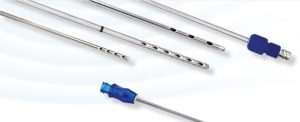
The Toledo V Dissecting Fat Injection Cannula is specifically designed for fat injection procedures. It offers precision, flexibility, and minimal trauma to the surrounding tissues, making it a popular choice among plastic surgeons. Here’s why this cannula stands out:

Key Features of the Toledo V Dissecting Fat Injection Cannula

  1. V-Shaped Tip: The V-shaped design allows for smoother fat transfer and less tissue trauma, which leads to better results and faster recovery times for patients.
  2. Flexible Shaft: Its flexible shaft ensures the cannula can be navigated through various tissue layers with ease, helping the surgeon target the precise area for fat injection.
  3. Enhanced Precision: The design and materials used ensure minimal tissue disruption, allowing for precise fat grafting and a smoother procedure.

Benefits of Using the Toledo V Dissecting Fat Injection Cannula

  1. Reduced Trauma to Tissues: Its precision allows for smoother fat transfers, which minimizes damage to surrounding tissues.
  2. Improved Aesthetic Results: The ability to transfer fat evenly leads to more natural-looking body contouring and facial rejuvenation results.
  3. Faster Recovery: Because of reduced tissue damage, patients experience less bruising and swelling, resulting in quicker recovery times.

The Toledo V Dissector Liposuction Cannula: Another Powerful Tool

While the Toledo V Dissecting Fat Injection Cannula excels in fat transfer procedures, the Toledo V Dissector Liposuction Cannula is another instrument used in liposuction to help remove fat more effectively. The Toledo V Dissector Cannula is designed to break down fatty tissue during liposuction, making it easier to remove unwanted fat with minimal invasiveness.

Differences Between the Toledo V Dissecting Fat Injection Cannula and the Toledo V Dissector Liposuction Cannula

  • Purpose: The Dissector cannula is primarily used for fat removal, while the Dissecting Fat Injection Cannula is designed for fat injection.
  • Design: The V Tip Fat Injection Cannula has a specific design for injecting fat with precision, whereas the Dissector cannula is often broader for better fat breakdown and extraction.

Benefits of Using the Toledo V Dissector Liposuction Cannula

  1. Efficient Fat Removal: Its design makes it easier to remove large volumes of fat quickly and with precision.
  2. Less Tissue Damage: Like the Dissecting Fat Injection Cannula, it minimizes damage to surrounding tissues, leading to less post-operative discomfort and faster recovery times.

V Tip Fat Injection Cannula: Another Option for Fat Transfer

The V Tip Fat Injection Cannula shares some similarities with the Toledo V Dissecting Fat Injection Cannula but has a slightly different design. The V Tip Fat Injection Cannula is specifically designed to provide finer control when injecting fat, making it ideal for delicate areas like the face.

Benefits of the V Tip Fat Injection Cannula

  1. Enhanced Precision in Small Areas: The V-tip allows for more control when injecting fat into smaller, more delicate areas, such as the face or hands.
  2. Lower Risk of Complications: It’s designed to cause minimal trauma to tissues, reducing the likelihood of complications like bruising, swelling, or fat necrosis.

Toledo V Dissecting Fat Injection Cannula

Infiltration Curved Liposuction Cannula: An Alternative

Another popular cannula design in liposuction is the Infiltration Curved Liposuction Cannula. This instrument is curved to provide better access to difficult-to-reach areas, improving the overall effectiveness of the liposuction procedure.

How the Infiltration Curved Liposuction Cannula Works

The curved design helps guide the cannula through different layers of tissue, making it easier to infiltrate and remove fat. This is especially beneficial when performing liposuction on curved or contoured areas of the body, such as the thighs, hips, and abdomen.

Pros of the Infiltration Curved Liposuction Cannula

  1. Improved Access to Challenging Areas: The curved tip allows the surgeon to reach areas that would otherwise be difficult with a straight cannula.
  2. Increased Efficiency: It allows for better fat infiltration, making the liposuction process faster and more efficient.

Pros and Cons of Surgical Cannulas

Pros of Using Surgical Cannulas in Liposuction

  • Precision: Cannulas like the Toledo V Dissecting Fat Injection Cannula and V Tip Fat Injection Cannula provide surgeons with the ability to inject or remove fat precisely, leading to better results.
  • Minimally Invasive: These instruments are designed to minimize tissue damage, making procedures less traumatic for patients.
  • Versatility: Different types of cannulas cater to various surgical needs, including fat removal, fat injection, and contouring.

Cons of Surgical Cannulas in Liposuction

  • Risk of Complications: Although rare, improper use of cannulas can lead to complications like fat embolism or uneven fat removal.
  • Learning Curve for Surgeons: Like any specialized tool, using cannulas requires training and experience to ensure optimal results and avoid complications.

Conclusion: The Role of Cannulas in Modern Cosmetic Surgery

Surgical instruments like the Toledo V Dissecting Fat Injection Cannula, Toledo V Dissector Liposuction Cannula, and V Tip Fat Injection Cannula are pivotal in the success of modern cosmetic surgeries. They help surgeons achieve more precise results, reduce recovery times, and minimize the risk of complications.

When selecting the right cannula for liposuction or fat transfer procedures, the choice largely depends on the procedure’s specifics and the areas being treated. Understanding the benefits and drawbacks of each type of cannula ensures better outcomes for patients and greater satisfaction with the overall cosmetic surgery process.

If you’re considering a cosmetic procedure involving liposuction or fat transfer, consult with a board-certified surgeon who specializes in these advanced techniques. Be sure to ask about the specific surgical instruments they use, such as the Toledo V Dissecting Fat Injection Cannula, and how they can provide the best results tailored to your needs.

Call to Action: Have Questions?

If you have any questions or thoughts about liposuction, fat transfer, or the types of cannulas discussed in this article, feel free to leave a comment below. Share this article with others who may be interested, and don’t forget to check out other resources for more information on surgical procedures.


Introduction

The fitness world is changing fast. In 2025, new gadgets and wearables are reshaping how we work out. Gone are simple step counters and heart rate bands. Today’s devices track dozens of metrics. They coach us with AI, adapt to our needs, and even use augmented reality for guidance. Whether you run, lift weights, or practice yoga, smart tech can boost your results. In this guide, we explore the key fitness gadgets and wearables that will define workouts in 2025. You will learn what they do, how they help, and tips for choosing the right gear. Let’s unlock the future of fitness together.

What Are Fitness Gadgets and Wearables?

Fitness gadgets and wearables are devices you wear or use to track exercise and health data. They include smartwatches, rings, clothes, and even shoes with built-in sensors. These tools measure steps, heart rate, calories burned, sleep quality, and more. In 2025, they go further. They monitor hydration, muscle oxygen, and stress levels. They link to apps and cloud services for deep analysis. Wearables have moved from simple trackers to full coaching systems on your wrist or finger.

Evolution Since Early Trackers

Early fitness trackers counted only steps. Simple pedometers showed how far you walked. Then came heart rate monitors and GPS watches. Now, gadgets blend multiple sensors in sleek forms. Smart fabrics measure muscle activity. AR glasses overlay workout guidance. AI coaches in your earbuds offer real-time tips. Each new wave adds more data and better insights. The result is smarter, safer, and more motivating workouts.

Why Wearable Tech Matters for Workouts in 2025

Fitness Gadgets and Wearables Shaping Workouts in 2025
Image by: Yandex.com

Smart tech brings three big benefits. It personalizes training, boosts safety, and keeps you motivated. Data helps you see progress and avoid plateaus. AI insights tailor workouts to your fitness level. Real-time alerts warn of injury risks. Gamified challenges and social sharing spur you on. Wearables also connect to health apps and coaches. You can track long-term trends and make lasting gains. In 2025, fitness tech is not a luxury but a key part of any serious training plan.

Personalized Training Plans

No two bodies are the same. Top gadgets now analyze your past workouts, sleep, and stress to craft daily plans. If you feel tired, the system reduces intensity. When you recover well, it pushes you harder. This adaptive approach beats generic programs found online.

Injury Prevention and Recovery

Overuse injuries sideline many athletes. Wearables in 2025 monitor muscle strain and joint stress. They spot unusual movement patterns that signal risk. When you exceed safe thresholds, devices prompt rest or lighter sessions. During recovery, smart clothing applies gentle compression timed to healing cycles.

Motivation and Engagement

Ever lost steam mid-program? AI coaches send encouraging voice reminders. AR glasses guide you through form fixes. Social features let you compete with friends or global communities. These feedback loops keep you engaged and accountable over months and years.

Top Fitness Gadgets Shaping Workouts in 2025

Fitness Gadgets and Wearables Shaping Workouts in 2025
Image by: Yandex.com

Here are the most exciting tech tools that will power your fitness in 2025.

Smart Rings with Health Metrics

Rings now do more than track sleep. They measure heart rate variability, body temperature, blood oxygen, and even stress markers. With a form factor as small as a wedding band, they offer 24/7 monitoring. Apps use this data to predict the best workout windows and warn of fatigue.

Smart Fabrics and Compression Gear

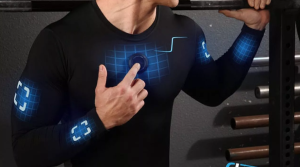
Workout shirts and shorts weave in tiny sensors. They track muscle activation, sweat rate, and lactic acid buildup. Coaches use the data to refine technique and timing. Compression gear now adjusts pressure automatically based on muscle load, boosting circulation during and after exercise.

AI-Powered Headphones and Earbuds

Earbuds no longer just play tunes. They house motion sensors and voice assistants. They monitor breathing rate, vocal strain, and head motion for boxing or yoga. AI coaches speak to you mid-session, offering cues for pace, form, and breathing. Some models cancel background noise but let coach cues pass through clearly.

Advanced Smartwatches and Wristbands

Smartwatches remain a hub for fitness data. In 2025, they sport multi-wavelength heart rate sensors, ECG capabilities, and blood pressure monitoring. They also connect to glucose sensors for real-time energy level feedback. Touchscreens guide live workouts with video clips or AR overlays.

Biomechanical Footwear Sensors

Smart insoles and sensor-built shoes measure foot pressure, gait, and balance. They detect overpronation or poor landing form. Runners and basketball players get live vibration cues to tweak stride or jump mechanics. Data syncs to apps for weekly form reports and personalized drills.

Immersive AR and VR Fitness Systems

Set up a VR headset in your living room, and you can box against AI opponents or climb virtual mountains. AR glasses show route markers during trail runs and chart your form on a nearby wall. These immersive workouts distract from effort and boost enjoyment, turning routine exercise into adventure.

Key Metrics and Insights from Wearables

Fitness Gadgets and Wearables Shaping Workouts in 2025
Image by: Yandex.com

Smart gadgets track dozens of metrics. Here are the most valuable ones for shaping workouts.

Heart Rate and Variability

Resting heart rate shows general fitness levels. Heart rate during exercise gauges effort. Heart rate variability measures stress and recovery. High variability means you are well rested and ready to train hard.

VO2 Max and Oxygen Saturation

VO2 max reveals your aerobic capacity. Higher values mean better endurance. Blood oxygen levels show how well your lungs and blood deliver oxygen. Low oxygen can signal fatigue or altitude issues.

Power Output and Pace

For cyclists and rowers, power in watts measures actual force output. Runners get pace per mile or kilometer. These metrics help set precise training zones for speed or endurance work.

Movement and Form Analysis

Sensors in clothes and shoes track movement patterns. They measure joint angles, stride length, and foot strike. Identifying bad form early prevents injuries and improves efficiency.

Sleep and Recovery Scores

Sleep trackers break down light, deep, and REM sleep. They record disturbances and total rest time. Recovery scores blend sleep, heart rate, and training load to advise on rest or push days.

Calorie Burn and Nutrition Sync

Calorie estimates combine movement, heart rate, and personal data. Smart apps link to nutrition trackers and blood sugar sensors to recommend meals and snacks for optimal performance and recovery.

Tips for Choosing the Right Fitness Gadget

Fitness Gadgets and Wearables Shaping Workouts in 2025
Image by: Yandex.com

Not every device fits every athlete. Use these tips to pick gear that matches your needs.

Define Your Goals

Are you a runner seeking pace improvement? A strength athlete tracking power? A fitness newbie wanting general health data? Choose gadgets focused on your priority metrics.

Check Battery Life and Comfort

Devices must last through workouts and sleep. Rings need weeks of charge. Watches should run days. Clothing sensors should wash easily and feel soft.

Look for App Ecosystem and Integrations

A good gadget links with popular apps and training platforms. It should export data to coaching software or fitness communities. Open APIs offer more flexibility.

Consider Budget and Value

High-end wearables cost hundreds of dollars. Basic trackers start under fifty. Balance your budget with the metrics you truly need. Sometimes a simple heart rate monitor plus a free app fits best.

Read User Reviews and Expert Tests

Look for independent tests on accuracy and durability. User forums reveal real-world issues like sensor drift or app bugs. Choose proven brands with solid update records.

Table: Comparison of Top 2025 Fitness Wearables

Device Type Key Metrics Battery Life Price Range Best For
Smart Ring (e.g. OxiRing Pro) HRV, SpO₂, sleep stages 7–14 days $150–$250 All-day and night tracking
Smart Fabric Compression Suit Muscle activation, sweat N/A (washable) $200–$400 Strength and recovery
AI Workout Earbuds (FitBeats) Breathing, coaching cues 8 hours $100–$150 Guided sessions
Multisensor Smartwatch (Pulse 6) HR, ECG, BP, VO₂ max 2–4 days $300–$500 Endurance athletes
Smart Insoles (RunSense) Gait, pressure, balance 10 hours $120–$200 Runners and jumpers
AR Fitness Glasses (VisionFit) Form overlay, route maps 5 hours $400–$600 Immersive cardio workouts

Conclusion

Fitness gadgets and wearables in 2025 offer more power and precision than ever before. From smart rings and AI earbuds to AR glasses and biometric fabrics, today’s tech can guide every step, rep, and breath. By tracking heart rate variability, muscle activation, and sleep quality, these tools help you train smarter, prevent injury, and stay motivated. To benefit, start small with your key metrics, pick reliable devices, and blend data insights with how your body feels. As tech evolves toward implantables and holograms, the future of fitness promises even deeper connection between data and performance.

Call-to-Action

Ready to power up your workouts? Explore these cutting-edge fitness gadgets today and take your training to the next level!


Introduction

Elite athletes chase every edge they can find. In 2025, data drives that edge. Performance metrics once limited to a stopwatch or a coach’s eye are now captured in real time. Wearable sensors, AI analytics, and 5G connectivity turn training grounds and stadiums into smart labs. Coaches and sports scientists use this data to train harder, avoid injury, and boost recovery. Fans even see live biometrics on their screens. This guide will explain what performance data is, why it matters, top trends in 2025, key technologies, and tips to harness data in sports. Let’s unlock the game-changing world of elite athlete performance data.

What is Performance Data?

Unlocking Elite Athlete Performance Data Trends in 2025
Image by: Yandex.com

Performance data means information about how an athlete moves and reacts. This data comes from devices and software that record speed, power, heart rate, and more. By collecting this data over time, we see patterns and progress. We can tweak training, reduce injuries, and plan game tactics.

Sources of Performance Data

Athlete performance data comes from many sources. Wearables like smart watches and chest straps track heart rate, steps, and sleep. GPS units record distance and pace on fields and roads. In-shoe sensors measure ground force and balance. Cameras with video analysis tools track motion and technique. Ingestible sensors in a pill form can scan core body temperature and pH. Blood tests reveal metabolites and nutrients. All this data feeds into systems that show athlete health and skill.

Common Metrics Tracked

Coaches track key performance metrics. Speed tells how fast an athlete runs or swims a set distance. Power measures force output on bikes or in strength exercises. Heart rate variability shows how well the body recovers from stress. VO2 max reveals how much oxygen an athlete uses at peak effort. Jump height and stride length aid in monitoring form and fatigue. Sleep quality and stress scores help gauge readiness to train. By combining metrics, teams build a full picture of athlete fitness.

Why Performance Data Matters for Elite Athletes

Unlocking Elite Athlete Performance Data Trends in 2025
Image by: Yandex.com

Data makes training smarter. It shows what works and what does not. Data reveals hidden weaknesses. It stops small issues from becoming injuries. Data also boosts mental focus. Athletes see real-time feedback and feel more connected to their progress. Here are three key reasons data matters.

Injury Prevention

Injuries can end a season or a career. Data-driven alerts can warn when an athlete overreaches. If running impact forces rise or sleep gets poor, a coach can scale back training. Labs use algorithms to spot early signs of muscle strain or tendon stress. By adjusting volume and intensity, teams keep athletes healthy and ready.

Training Optimization

Data shows which drills boost power and which waste energy. By tracking fatigue and performance curves, coaches plan sessions with optimal load. Athletes train hard on days when metrics show they are ready. On rest days, they focus on mobility or light work. This precision replaces guesswork and yields faster gains.

Recovery Monitoring

Recovery is as crucial as work. Data tracks sleep, heart rate drop overnight, and stress levels. Nutrition apps sync with blood markers to show if an athlete refuels properly. Recovery tools like cold baths, compression gear, or relaxation apps can be timed to data. Better recovery means less fatigue, fewer injuries, and more gains.

Top Performance Data Trends in 2025

Unlocking Elite Athlete Performance Data Trends in 2025
Image by: Yandex.com

The rapid push of tech means new trends arrive fast. In 2025, six trends stand out. These trends will shape how athletes train and compete.

AI and Machine Learning Analytics

AI systems now sift through mountains of sport data. They spot patterns human eyes miss. Coaches use AI to predict injury risk and performance plateaus. AI can also recommend exact training load for each athlete each day. As models learn from more data, they get more accurate. By 2025, AI will be an essential part of every elite team’s toolkit.

Real-Time On-Field Analytics

Gone are the days of waiting post-match for video review. In 2025, teams have live dashboards showing each player’s heart rate, speed, and impact load during the game. Coaches get instant alerts if a player crosses a safety threshold. They can also tweak tactics based on who is freshest. This gives a huge edge in tight contests.

Advanced Wearable Tech

Wearables now hide in fabric and accessories. Smart jerseys monitor breathing patterns. Compression shorts track muscle oxygenation. Ingestible sensors relay stomach acidity to fine-tune nutrition. Shoes have force plates to measure landing forces. All devices sync via 5G to the cloud. Athletes barely notice the tech, but it powers deep insight.

Data-Driven Nutrition Planning

Nutrition apps now sync with wearable and blood data. They know an athlete’s metabolism, gut health, and workout load. They recommend exact meals, supplements, and hydration rates. Teams use AI chefs to prep personalized menus. By fueling right, athletes optimize energy and recovery.

Mental Performance Tracking

Data once covered only physical metrics. Now it covers the mind. Wearables track sleep patterns, stress markers, and mental fatigue. Apps offer biofeedback sessions to calm nerves before big games. Team psychologists review mood scores to spot burnout. Mental data ensures athletes stay sharp and focused.

Virtual and Augmented Reality Analysis

VR allows athletes to rehearse plays in a fully controlled setting. They wear headsets and practice game scenarios while data tracks decision times and gaze patterns. AR glasses overlay tactical info during live scrimmages. This tech speeds learning and improves situational awareness.

Key Technologies Shaping Performance Data

Unlocking Elite Athlete Performance Data Trends in 2025
Image by: Yandex.com

Several core technologies drive these trends. Understanding them helps us see the future of sports science.

Cloud Computing and Edge Processing

Cloud servers store and process large data sets from many athletes. Coaches and scientists access these servers from anywhere. Edge computing brings some data processing next to the athlete on the field. This cuts delay and powers real-time feedback.

5G and 6G Connectivity

High-speed networks let wearables and cameras send data instantly to the cloud. 5G covers most stadiums now, and trials of 6G promise even less lag. Reliable connectivity means no data gaps during key plays or drills.

Biometric Sensors and Genomics

Tiny sensors measure vital signs, blood markers, and muscle signals. Genomic tests reveal athlete predispositions to power, endurance, and injury risk. Teams integrate this genetic data into training plans to unlock each athlete’s unique potential.

Advanced Imaging and Video Analytics

High-speed cameras capture motion at thousands of frames per second. AI vision models analyze form, posture, and technique. They detect even small flaws that may cause injury or inefficiency. This tech makes video review faster and more precise.

AI-Powered Coaches and Chatbots

Virtual coaching assistants use chat interfaces to guide athletes through drills and recovery routines. They answer questions about form, diet, or mindset. This 24/7 support keeps athletes on track between human coach visits.

How Teams and Coaches Use Performance Data

Data is only as good as its use. Teams that win know how to turn numbers into action. Here is how they use data in four key areas.

Planning Training Sessions

Before the season, coaches set data-driven benchmarks for fitness and skill. They use historical data to map training cycles: build, sharpen, rest. Mid-season, they adjust loads based on real-time metrics to keep athletes in top form without overtraining.

Personalizing Workouts

No two athletes respond the same. One runner may need more tempo runs, while another benefits from extra strength work. Data reveals each athlete’s response. Coaches then craft custom workouts that fit genetics, history, and current condition.

Tactical Analysis and Game Strategy

Performance data feeds into tactical planning. Teams know which players run the most at high speed and who tires early. They use this intel to plan substitutions and matchups. Video and sensor data also help refine set plays and defensive patterns.

Monitoring Recovery and Rehab

Injury rehab is now guided by data. Physical therapists track range of motion, muscle activation, and load tolerance. This ensures athletes are ready to return at the right time. Data also measures how well recovery tools—like cryotherapy or massage—work for each individual.

Tips for Implementing Performance Data in Training

Unlocking Elite Athlete Performance Data Trends in 2025
Image by: Yandex.com

If you want to bring data into your training, start smart. These tips help you build a solid data program.

Start Small with Key Metrics

Pick two or three metrics that matter most for your sport—like sprint time, vertical jump, or heart rate variability. Track these consistently before adding more. This focus avoids data overload and keeps your team engaged.

Choose Reliable Tools

Invest in proven wearables and software. Cheap gadgets may give bad data and frustrate athletes. Look for devices validated in peer-reviewed studies or used by top pro teams.

Build a Multidisciplinary Team

Data works best when coaches, sports scientists, doctors, and nutritionists collaborate. Each brings expertise to interpret metrics and craft interventions. Regular meetings help translate data into action plans.

Protect Athlete Privacy and Data Security

Performance data is personal health information. Store it securely and follow data protection laws. Get clear consent from athletes on who can access their data and how it will be used.

Educate Athletes and Staff

Hold workshops on data basics. Teach athletes how to read their own metrics and why they matter. When everyone understands the goal, they buy in and use the data correctly.

Table: Comparison of Top Performance Monitoring Devices

Device Metrics Tracked Connectivity Ideal for
Smart Chest Strap Heart rate, HRV, respiration Bluetooth, ANT+ Endurance sports
In-Shoe Sensor Pod Ground force, balance, stride length BLE Running, basketball
Smart Compression Gear Muscle oxygenation, blood flow 5G Recovery, training
Wearable ECG Patch Continuous ECG, arrhythmia detection Cellular Cardiac monitoring
Ingestible Sensor Pill Core temperature, pH levels NFC Extreme conditions
Video Analysis System Motion, posture, joint angles 5G Technique refinement

Future Outlook for Performance Data in 2025 and Beyond

Performance data keeps evolving. Here are some future pathways to watch.

AI will grow more predictive, forecasting injury risk and peak performance windows with high accuracy. Real-time data will feed augmented reality glasses that show metrics in an athlete’s field of view. Genomics and proteomics may lead to bespoke training supplements tailored to each athlete’s biology. Edge AI on wearables will let devices make split-second coaching corrections during drills. As connectivity moves to 6G, data delays will become negligible, even in remote training camps.

Conclusion

Elite athlete performance in 2025 relies on a data-driven approach. From AI analytics to advanced wearables, teams can track every aspect of fitness, skill, and recovery. Data helps prevent injuries, optimize training, and refine tactics in real time. To succeed, start with key metrics, invest in reliable tools, and build a collaborative team. Protect athlete privacy and educate everyone on data use. The future holds even more power as AI, genomics, and next-gen networks converge. Embrace these trends now to unlock peak performance on the field and beyond.

Call-to-Action

Ready to elevate your training with data? Explore trusted performance monitoring tools today and start building your data-driven edge!

Introduction

Electric SUVs are more popular than ever. Drivers love their smooth ride, instant torque, and eco-friendly appeal. Yet a common worry remains: where to charge on long trips. In 2025, charging networks have grown and improved. Fast chargers now dot highways and city streets worldwide. Apps help you plan routes with real-time station data. In this guide, you will learn about the main types of charging stations, the best networks to know, prime charging locations, and smart tips for electric SUV drivers. By the end, you will feel confident powering up your SUV anywhere.

What Are Charging Stations?

Charging stations are places where you plug in an electric vehicle to restore its battery. They range from simple home wallboxes to high-power public chargers. A public station can sit in a parking lot, on a highway rest stop, or at a shopping mall. Some use one standard connector, while others offer multiple plugs.

Most stations provide AC or DC power. AC chargers rely on your vehicle’s onboard charger and are slower. DC fast chargers feed power directly into the battery at high voltage. These are the ones that add hundreds of miles of range in under an hour. Charging station apps map availability and status. This helps you avoid dead-end trips to busy stations.

Types of Charging Stations

Top Charging Stations for Electric SUVs in 2025: Locations & Tips
Image by: Yandex.com

Charging stations differ by power level and connector type. Understanding the main kinds helps you choose the right spot to plug in.

Level 1 (120V AC)

Level 1 chargers use a standard household outlet. They deliver about 2 to 5 miles of range per hour of charging. This is best for overnight charging at home. It is too slow for most public uses. Yet every electric SUV can plug into a Level 1 outlet in an emergency.

Level 2 (240V AC)

Level 2 chargers require special equipment and a 240-volt circuit. They add 15 to 45 miles of range per hour. You find these at homes, workplaces, and public stations. Charging an electric SUV from empty to full takes four to ten hours. This level is ideal for destination charging—overnight stays or long workdays.

DC Fast Charging

DC fast chargers, also called Level 3, supply direct current at high voltage. Power ranges from 50 kW to 350 kW in 2025. At the high end, you can add 200 miles of range in 15 minutes. Most public highway chargers now offer 150 kW as a minimum. This power level suits road trips and quick top-ups.

Connector Types

In 2025, most electric SUVs use CCS (Combined Charging System) connectors in North America and Europe. Some Asian markets prefer ChaoDHMe. Tesla Superchargers use a proprietary plug, though Tesla offers adapters for CCS. Be sure your vehicle and station use the same connection ahead of time.

Top Charging Networks in 2025

Top Charging Stations for Electric SUVs in 2025: Locations & Tips
Image by: Yandex.com

Several major networks lead the way in power, coverage, and ease of use. Each has its strengths, from ultra-fast charging to broad station footprints.

Tesla Supercharger Network

Tesla’s Supercharger network remains the most extensive for electric SUVs. With over 30,000 high-power stalls worldwide, it offers speeds up to 250 kW. Superchargers sit every 70 to 100 miles on major routes. Tesla owners enjoy seamless navigation and one-tap payments through their car’s screen.

Electrify America

Electrify America, a VW Group initiative, now has more than 2,500 fast-charging sites across the U.S. Stall power goes up to 350 kW in key locations. The network supports CCS and ChaoDHMe connectors. Membership plans cut costs per kWh and offer reservation via app to avoid waiting.

ChargePoint

ChargePoint runs the largest network of Level 2 chargers and a growing number of DC fast chargers. With 200,000 spots globally, it covers workplaces, hotels, and public lots. The app provides real-time station status, pricing, and driver reviews. ChargePoint cards grant access to partner sites across multiple networks.

Ionity (Europe)

Ionity leads in Europe with 400 high-power charging hubs along major motorways. Chargers deliver up to 350 kW with CCS plugs. Ionity stations sit about every 120 km across the EU. Drivers pay via app or RFID card. Many sites blend solar power and battery storage to minimize grid strain.

Blink Charging

Blink offers Level 2 and Level 3 stations in North America. It focuses on ease of installation at hotels, apartments, and public lots. Blink app users see pricing and can start sessions with one tap. The network continues to expand in secondary markets, filling rural gaps.

Table: Comparison of Leading EV Charging Networks

Network Stall Count Max DC Power Connector Types Key Feature
Tesla Supercharger 30,000+ 250 kW Proprietary, CCS* Seamless in-car billing
Electrify America 2,500+ sites 350 kW CCS, ChaoDHMe Reservation option via app
ChargePoint 200,000+ spots 350 kW CCS, ChaoDHMe Broad Level 2 coverage
EVgo 1,200+ locations 350 kW CCS Grocery and retail partnerships
Ionity (Europe) 400 hubs 350 kW CCS EU motorway network
Blink Charging 30,000+ spots 150 kW CCS, ChaoDHMe Rural network expansion

* Tesla offers a CCS adapter for newer models.

Best Locations for Charging Electric SUVs

Top Charging Stations for Electric SUVs in 2025: Locations & Tips
Image by: Yandex.com

Knowing where chargers stand helps you plan worry-free trips. Here are prime regions with top networks and routes in 2025.

North America Cross-Country Corridors

Highway I-90 from Boston to Seattle hosts back-to-back Electrify America and EVgo stations. Interstate I-95 along the East Coast features Tesla Superchargers every 80 miles. The West Coast’s Pacific Coast Highway has scenic chargers at state parks and wineries.

Canada’s Trans-Canada Highway sees emerging networks of Flo and Tesla Superchargers. In Mexico, the Baja Coast route now includes Electrify America and local partners, letting you mow down the desert with ease.

Europe Trans-Europe Routes

The “Express Highways” linking London, Paris, and Berlin use Ionity hubs every 100 km. Spain’s Madrid-Barcelona corridor adds fast chargers from Endesa X. Italy’s Autostrada del Sole features Enel X and Tesla Superchargers. In Scandinavia, the EV-friendly route from Oslo to Stockholm mixes NOBIL-connected chargers and Tesla sites.

Conclusion

Electric SUVs are winning hearts in 2025. Their smooth performance and zero tailpipe emissions match well with growing charging networks. From Tesla Superchargers to local ChargePoint stations, you can find power on cross-country routes or in city centers. Remember to plan your route, use your network memberships, and aim for optimal charge levels. As ultra-fast chargers and wireless lanes appear, charging will become faster and more seamless. By following these tips, you can enjoy worry-free EV travel and help shape a cleaner, greener future on the road.

Call-to-Action

Ready to hit the road in your electric SUV? Map your 2025 charging route today and discover new networks for your next adventure!