China’s Preferred Trade Status has long been a topic of discussion and debate in international trade circles. Recently, there have been increasing calls in the United States to reevaluate and possibly revoke this status. This article delves into the reasons behind these calls and the potential consequences for the global economic landscape.

Understanding China’s Preferred Trade Status

China’s Preferred Trade Status refers to its designation as a beneficiary of certain trade privileges and benefits granted by the United States and other countries. These benefits encompass reduced tariffs, easier market access, and enhanced trade relations. The status was initially established with the intention of fostering economic cooperation and encouraging China’s integration into the global economy.

Photo by Julius Silver: https://www.pexels.com/photo/white-water-boat-753331

Concerns Driving the Revocation Calls

A series of concerns has fueled the calls to revoke China’s Preferred Trade Status. One of the primary concerns revolves around China’s human rights record, particularly regarding issues like the treatment of Uighur Muslims and political freedoms in Hong Kong. Critics argue that extending trade benefits to a country with such violations contradicts ethical trading practices.

Moreover, the ongoing trade practices between the US and China have raised concerns about intellectual property theft, unfair subsidies to state-owned enterprises, and currency manipulation. These practices allegedly create an uneven playing field for American businesses, prompting proponents of the revocation to demand a more balanced trade relationship.

Economic Implications and Global Trade Shifts

The potential revocation of China’s Preferred Trade Status would undoubtedly have profound economic implications. China is a pivotal player in global supply chains, and any disruption to its trade relations could ripple across industries worldwide. The increased tariffs resulting from a revoked status could lead to higher prices for consumers and supply chain bottlenecks.

This move could also trigger a reconfiguration of global trade dynamics. Other countries might follow suit and reassess their trade agreements with China, leading to a recalibration of supply chain routes and trade partnerships. This shift could open up opportunities for other emerging economies to step into China’s role as a manufacturing hub.

Navigating the Path Forward: Diplomacy and Trade Relations

As the debate around China’s Preferred Trade Status continues, finding a balanced and diplomatic solution becomes paramount. Complete revocation could escalate tensions and lead to a trade war, which would be detrimental to both nations and the global economy. Instead, exploring avenues for constructive dialogue and negotiation is crucial.

In conclusion, the calls to revoke China’s Preferred Trade Status stem from concerns over human rights, unfair trade practices, and economic imbalances. The decision, if taken, will undoubtedly reshape global trade dynamics and necessitate careful navigation by policymakers. As the world watches this development unfold, striking a balance between economic interests and ethical considerations remains a complex challenge.

In this era of interconnected economies, decisions regarding trade statuses resonate far beyond the boundaries of individual nations. The global community must strive for a collaborative approach that ensures both economic prosperity and adherence to universally accepted values.

The global financial landscape is once again witnessing a shift in sentiment as Asian equity futures decline, casting a shadow over market participants. The risk tone, which had been relatively optimistic, is now faltering, prompting investors to reevaluate their positions and strategies.

Understanding the Asian Equity Futures Decline

The decline in Asian equity futures comes as a surprise to many, given the recent positive momentum observed in these markets. Investors had been cautiously optimistic, driven by economic recovery prospects and improved corporate earnings. However, the sudden shift raises questions about the underlying factors contributing to this downward movement.

pexels-alphatradezone-5833772

Factors Contributing to the Faltering Risk Tone

Several factors are likely contributing to the decline in Asian equity futures and the broader risk-off sentiment. Geopolitical tensions, global supply chain disruptions, and concerns about the pace of economic recovery are among the leading culprits. Additionally, the uncertainty surrounding central bank policies and the trajectory of interest rates adds to the unease felt by investors.

Market Wrap: How Other Assets Are Responding

The decline in Asian equity futures is not occurring in isolation; other asset classes are also responding to the shift in market sentiment. Safe-haven assets such as gold and government bonds are witnessing increased demand as investors seek shelter from the volatility. Currencies of countries heavily reliant on exports are experiencing fluctuations, highlighting the interconnectedness of global markets.

Navigating the Uncertainty: Strategies for Traders

For traders navigating this uncertain environment, adopting a cautious yet flexible approach is key. Diversification across asset classes can help mitigate risk exposure, while staying informed about news developments is crucial. Technical analysis, coupled with a keen understanding of market fundamentals, can provide insights into potential reversal points and support levels.

In conclusion, the recent decline in Asian equity futures and the faltering risk tone underscore the inherent volatility and unpredictability of financial markets. While the precise duration and extent of this downturn remain uncertain, proactive investors and traders are well-advised to stay informed, adapt their strategies, and remain vigilant in the face of evolving market dynamics. Stay tuned for our ongoing market updates to make well-informed decisions during these challenging times.

China’s Faltering Growth and Its Impact on Commodities Markets

In recent times, China’s economic growth, which once seemed unstoppable, has encountered a series of challenges that are raising concerns not only within its borders but across the global economic landscape. This article delves into the reasons behind China’s faltering growth and how its shifting economic dynamics are poised to disrupt commodities markets worldwide.

1. China’s Economic Slowdown: Unpacking the Causes

China’s phenomenal growth over the past decades has been a driving force for the commodities markets, as the country became a voracious consumer of raw materials such as metals, energy resources, and agricultural products. However, a confluence of factors has led to a slowdown in China’s economic expansion. From internal issues like high debt levels, overcapacity in certain industries, and an aging population, to external challenges such as trade tensions and geopolitical uncertainties, China’s growth trajectory has hit a stumbling block.

unsplash.com

2. Commodities Markets in the Global Landscape

Commodities markets play a vital role in the global economy, influencing industries ranging from manufacturing and construction to technology and energy. China’s role as both a major producer and consumer of various commodities has made it a linchpin in these markets. As China’s economic growth falters, the commodities landscape is experiencing ripples of uncertainty. Prices of commodities like iron ore, copper, and crude oil are sensitive to shifts in Chinese demand, making markets more volatile.

3. The Ripple Effect: China’s Demand for Commodities

China’s insatiable appetite for commodities has been a stabilizing factor for global producers, but its slowdown is leading to a shift in this dynamic. Reduced demand from China is affecting prices and forcing producers to reassess their strategies. Countries heavily reliant on exporting commodities to China are particularly vulnerable, facing potential economic challenges as demand wanes. This shift highlights the need for diversification in markets heavily tied to China.

4. Strategies for Navigating Volatile Markets

In a landscape where China’s growth is uncertain and commodities markets are increasingly unpredictable, investors and industries must adopt adaptive strategies. Diversification of markets, exploring new trading partners, and focusing on value-added products are all steps that can help mitigate the impact of China’s faltering growth. Additionally, keeping a close watch on global economic trends and geopolitical developments is crucial for making informed decisions.

In conclusion, China’s faltering growth is sending shockwaves through commodities markets worldwide. As the global economy adjusts to China’s changing economic landscape, it’s imperative for stakeholders to anticipate and adapt to the evolving dynamics. By staying informed and implementing strategic measures, industries and investors can navigate these turbulent waters and position themselves for success in the face of uncertainty.

In recent times, the investment world has been abuzz with a remarkable phenomenon – the lithium craze. This unique frenzy has led to astounding stock gains for some, while others have faced significant losses in this rapidly evolving market. This article dives deep into the lithium market’s unprecedented surge, the roller-coaster ride of stock gains and deep losses, and the prevailing trends shaping this dynamic sector.

The Lithium Market Surge: Unveiling the Craze

The lithium market, often overshadowed by other commodities, has experienced a monumental resurgence. This revival can be attributed to the increasing demand for lithium-ion batteries, which power everything from smartphones to electric vehicles (EVs). As the world transitions towards cleaner energy solutions, lithium has emerged as a pivotal player in the sustainable revolution.

Riding the Wave: Remarkable Stock Gains Amidst Uncertainties

Investors who recognized the potential of the lithium craze early on have reaped astonishing rewards. Stock prices of lithium-related companies have soared to unprecedented heights, with some witnessing gains of over 1,100%. This remarkable upward trajectory can be linked to the soaring demand for electric vehicles and the push for renewable energy storage solutions.

HANetf Swims Into The Model Portfolio Space: What You Need To Know
Investing has never been easier—especially for those who don’t have the time or capacity to spend hours analyzing individual stocks. That’s why HANetf is here to help. With their new model portfolios, traders are able to take advantage of diversified and professionally-managed investments at a fraction of the cost of traditional financial advisors. In this article, we’ll discuss what HANetf is and how investors can benefit from the company’s offerings in the model portfolio space.
What is HANetf?
HANetf is a new entrant in the rapidly growing field of model portfolio providers. Model portfolios are investment products that seek to replicate the performance of an index or other investment strategy. Unlike traditional index funds, which simply track an index, model portfolios use active management techniques to try to outperform their benchmark.
HANetf launched its first product in December 2016, and currently offers five different model portfolios. The company is headquartered in London and is regulated by the Financial Conduct Authority (FCA).
The firm’s CEO is Hector McNeil, who co-founded ETF Securities, one of the largest issuers of exchange-traded products in Europe. McNeil has been a vocal advocate for ETFs and has been involved in the industry since its early days. He is also a founding partner of WiseAlpha, an online platform that allows investors to trade individual corporate bonds.
HANetf’s products are available to both retail and institutional investors through a variety of platforms, including Interactive Brokers, Saxo Bank, and TD Ameritrade. The company has plans to launch additional products in the future, including sector-specific portfolios and products that target specific countries or regions.
What are model portfolios?
If you’re an investor, there’s a good chance you’ve heard of model portfolios. Model portfolios are becoming increasingly popular, especially among younger investors.
A model portfolio is a grouping of investments that are selected to achieve a specific investment goal. The investments in a model portfolio are chosen by an investment professional, and the portfolio is rebalanced periodically to maintain the desired asset allocation.
Model portfolios can be used by individual investors or by financial advisors to help their clients achieve their investment goals. Somemodel portfolios are designed for specific types of investors, such as retirees or those with a high tolerance for risk. Others are more general in nature and can be suitable for a wide range of investors.
There are many benefits to using model portfolios. They can help you diversify your investments and manage your risk. They can also save you time and effort because you don’t have to research and select each individual security yourself.
If you’re thinking about using model portfolios, be sure to do your homework first. Talk to your financial advisor about whether they might be right for you. And remember, as with all investing, there are risks involved so make sure you understand the potential rewards and risks before making any decisions.
Why HANetf is swimming into the model portfolio space
HANetf is diving into the world of model portfolios with its new Model Portfolio service. This move comes as a response to the growing popularity of model portfolios among investors and advisers.
Model portfolios are investment strategies that are designed to meet the specific goals of an investor. They can be customized to an investor’s risk tolerance and time horizon.
Model portfolios have become increasingly popular in recent years as investors look for ways to simplify their investment decisions. A study by Cerulli Associates found that 43% of asset managers surveyed offer model portfolios, up from 37% in 2016.
HANetf’s Model Portfolio service will launch with six different portfolio strategies, ranging from conservative to aggressive. The portfolios will be rebalanced quarterly and will be available to investors through HANetf’s platform.
The move into the model portfolio space is a natural extension of HANetf’s business. The company already offers a wide range of ETFs and other investment products on its platform. Adding model portfolios will give advisers and investors more options to choose from when constructing their portfolios.
How HANetf’s model portfolios work
In order to provide the best possible service to our clients, HANetf has developed a sophisticated model portfolio construction and management process. This process is designed to produce portfolios that are well diversified, low cost, and have the potential to outperform their benchmarks.
The first step in our process is to develop a clear understanding of our client’s investment objectives. We then conduct a comprehensive analysis of the global investment landscape in order to identify the asset classes and strategies that are best suited to meeting those objectives. Once we have a good understanding of the opportunities available, we construct portfolios using a combination of ETFs and other index-tracking investments.
We continuously monitor the performance of our portfolios and make adjustments as necessary in order to ensure that they remain on track to meet our clients’ goals. Our team of experienced investment professionals are always on hand to provide advice and support should it be needed.
The benefits of investing in HANetf’s model portfolios
HANetf’s model portfolios offer a number of benefits for investors. For starters, they provide access to a wide range of asset classes and strategies that might otherwise be unavailable. Additionally, they offer the potential for diversification and risk mitigation, as well as the ability to tailor a portfolio to specific investment objectives.
Another key benefit of HANetf’s model portfolios is that they are professionally managed. This means that investors can rest assured that their money is in good hands and that their portfolios are being monitored and rebalanced on an ongoing basis. Finally, HANetf’s model portfolios offer transparency and flexibility, two features that are increasingly important to investors.
Conclusion
HANetf’s entrance into the model portfolio space is an exciting development. By providing a range of ETFs that are tailored to investor needs, HANetf can help investors access a highly diversified and low-cost set of investments. At the same time, it provides advisors with easy access to sophisticated strategies in order to better serve their clients. With its cost advantages and straightforward implementation process, HANetf has established itself as a leader in this burgeoning field.

However, it’s essential to note that such meteoric rises come with their fair share of risks. The volatility of the stock market, coupled with uncertainties within the lithium sector, has left many investors on edge. Rapid shifts in regulations, supply chain disruptions, and technological advancements all contribute to the intricate web of factors that influence stock prices.

Navigating the Lows: Understanding the Deep Losses

While success stories abound, the lithium craze has also left a trail of deep losses for some investors. The same market volatility that can lead to substantial gains can equally result in significant downturns. Investors who entered the market during peak periods may find themselves grappling with unexpected losses as market sentiment shifts.

It’s imperative for investors to exercise caution and conduct thorough research before jumping onto the lithium bandwagon. Understanding the underlying market dynamics, company fundamentals, and global trends is crucial for making informed investment decisions that can mitigate potential losses.

Trends and Forecasts: Sustaining Momentum in the Lithium Sector

As the lithium craze continues to unfold, several trends are shaping the sector’s future. The push for cleaner energy sources and the electrification of various industries are expected to drive sustained demand for lithium. Moreover, advancements in battery technology and increased focus on recycling will play a pivotal role in shaping the sector’s trajectory.

In conclusion, the lithium craze’s incredible stock gains and deep losses underscore the high-stakes nature of investing in emerging markets. While the potential for substantial gains exists, investors must tread carefully, armed with knowledge and a solid understanding of the market’s intricacies. By staying informed about industry trends and keeping a watchful eye on market dynamics, investors can navigate the lithium craze with greater confidence and resilience.

Australia’s Anti-Trust Laws Under Review: Implications for Productivity & Wages

Australia, a global economic player, is gearing up to review its long-standing anti-trust laws in a move that could redefine its economic landscape. These laws, designed to prevent monopolistic practices and promote healthy competition, are being evaluated for their potential to boost productivity and wage growth across various sectors.

Understanding Australia’s Anti-Trust Laws

Currently, Australia’s anti-trust laws play a crucial role in maintaining fair market competition. However, there is growing sentiment that these regulations may need to evolve to keep up with the ever-changing economic dynamics. With the rapid advancement of technology and shifts in consumer behavior, many argue that the current laws might be insufficient to ensure a level playing field for businesses of all sizes.

unsplash.com

The Need for Change: Boosting Productivity

One of the primary reasons behind the push to review anti-trust laws is to stimulate productivity. By fostering competition, these laws can drive businesses to innovate and streamline their operations. If updated effectively, they could encourage new entrants into various industries, prevent market dominance by a few major players, and ultimately contribute to a more vibrant and productive economy.

Unraveling the Wage Growth Implications

The potential impact on wage growth is another critical aspect of the anti-trust law review. As competition intensifies due to revised regulations, businesses may be compelled to enhance their offerings, leading to increased demand for skilled labor. This, in turn, could drive wages upward as companies compete for a limited pool of talented employees. However, the extent and timeline of such wage growth remain subjects of debate among economists and policymakers.

Balancing Act: Addressing Concerns

As Australia contemplates a significant overhaul of its anti-trust laws, it’s essential to address concerns that such changes could introduce unintended consequences. Critics worry that increased competition could lead to market fragmentation or even market failures in certain cases. Additionally, the potential for smaller businesses to be overshadowed by larger corporations is a valid apprehension that policymakers must carefully consider.

In conclusion, Australia’s evaluation of its anti-trust laws marks a pivotal moment in its economic trajectory. The potential to drive productivity and wage growth through enhanced competition is promising, but the process requires careful deliberation. As the nation navigates this complex landscape, stakeholders from various sectors will closely monitor developments to gauge how these changes might shape Australia’s economic future. Stay informed and engaged with the ongoing discussions surrounding Australia’s anti-trust law review.

Empty Desks: Exploring the Global Trend of Unoccupied Office Spaces

In an era characterized by bustling office environments and the daily hustle and bustle of employees, an unexpected trend has emerged—empty desks. Recent statistics have revealed that more than one-third of desks across global offices remain vacant throughout the entire workweek. This phenomenon has led to a significant shift in the way we perceive and utilize office spaces.

The Surprising Reality of Empty Desks

Gone are the days when offices were packed to the brim with employees diligently working at their desks. A growing number of workspaces are now adorned with unoccupied chairs and deserted cubicles. This trend raises a series of questions: Why are these once-occupied spaces now barren? What are the factors contributing to this trend? And what does it mean for the future of work?

Factors Contributing to Unoccupied Office Spaces

Several factors have fueled the rise of empty desks in offices worldwide. The advent of remote work and flexible scheduling, accelerated by technological advancements, has played a pivotal role. Employees now have the option to work from home or choose alternative locations, leading to a decrease in on-site presence. Additionally, companies are reevaluating their real estate needs, opting for smaller office spaces to cut costs.

Impact on Work Culture and Employee Morale

While the sight of empty desks might suggest increased efficiency, it’s not without consequences. The physical absence of colleagues can lead to a decline in interpersonal interactions and collaboration. Employees may find it challenging to connect, share ideas, and foster a sense of camaraderie. This isolation could potentially impact job satisfaction and overall morale.

Adapting to the Changing Landscape of Workspaces

To thrive in this evolving work environment, companies must adapt. Embracing a hybrid model that combines remote work with designated office days could strike a balance between flexibility and team cohesion. Redesigning office layouts to emphasize collaborative spaces over traditional desks might encourage in-person interactions. Moreover, efforts to facilitate virtual connections among remote team members can bridge the gap created by empty desks.

In conclusion, the sight of empty desks within global offices underscores a profound shift in the modern work landscape. Factors such as remote work, cost-cutting measures, and evolving preferences have contributed to this trend. While there are benefits to flexibility, it’s essential for organizations to consider the potential drawbacks, such as the impact on collaboration and morale. By embracing innovative approaches to workspace design and team interaction, companies can navigate this changing terrain while fostering a sense of unity among employees.

As we continue to navigate these uncharted waters, one thing remains clear: the future of work will be defined by adaptability, creativity, and a willingness to reshape the traditional concept of the office space.

The Shift to In-Office Work: Goldman’s Approach

Goldman Sachs has taken a firm stance by increasing its push for a five-day work week within the office environment. This move marks a notable shift in the company’s work culture and signals broader changes in how corporations are adapting to post-pandemic work dynamics.

heap of American dollars (closeup)

Pros and Cons of a Five-Day Work Week

Implementing a five-day work week in the office comes with its share of advantages and disadvantages. On one hand, it can enhance collaboration, team cohesion, and real-time decision-making. However, it might also lead to longer commutes, reduced work-life balance, and potential burnout. Striking the right balance is crucial.

Navigating Employee Preferences and Flexibility

Goldman’s push has sparked conversations about employee preferences and the role of workplace flexibility. Many workers have grown accustomed to remote or hybrid work models, valuing the flexibility they provide. Companies must now weigh the benefits of in-person interactions against the desire for continued flexibility to attract and retain top talent.

The Ongoing Remote Work Debate: Future Predictions

As the debate surrounding remote work’s future rages on, predictions abound. Some experts believe that remote work will remain a staple, enabled by advancements in technology. Others assert that a return to in-office work is inevitable to maintain organizational culture and innovation. Goldman’s stance could set a precedent for how other companies approach this issue.

As society evolves, so does the nature of work. Goldman Sachs’ determination to enforce a five-day work week in the office mirrors a broader dialogue about the future of workspaces. By understanding the pros and cons, acknowledging employee preferences, and considering the trajectory of remote work, businesses can make informed decisions that align with their goals and values.

Whether the future is anchored in the traditional office model, embraces remote flexibility, or strikes a balance between the two, the approach taken will undoubtedly shape the landscape of work for years to come.

This article sheds light on the relationship between diet and frequent headaches, offering readers insights into how certain dietary choices may contribute to headache frequency and intensity. It caters to individuals who experience frequent headaches and want to explore the potential impact of their diet on their discomfort. The article will cover common dietary triggers, nutritional deficiencies, hydration, and practical dietary adjustments to help alleviate headaches.

How Your Diet May Be Contributing to Your Frequent Headaches: Unveiling the Impact of Dietary Choices

Could your diet be fueling those frequent headaches? This article dives into the complex relationship between your dietary choices and headache frequency, offering insights into common dietary triggers, hydration, nutritional deficiencies, and practical adjustments to alleviate headaches.

Introduction: Unraveling the Dietary Puzzle Behind Frequent Headaches

Your plate matters. We introduce the intricate connection between diet and frequent headaches, urging readers to unravel the dietary puzzle and discover how their choices may be affecting their discomfort.

Culprits

Common Dietary Triggers: Identifying Culprits in Your Plate

in disguise. We expose common dietary triggers like caffeine, processed foods, artificial sweeteners, and alcohol, revealing how these items can contribute to frequent headaches. Empower yourself by learning to reduce their presence in your diet.

Hydration and Headaches: The Importance of Staying Hydrated

Hydration, a game-changer. We explore the critical link between hydration and headaches, shedding light on how dehydration can be a silent headache trigger. Discover tips for keeping yourself well-hydrated to prevent headache discomfort.

Headache
Photo by Andrea Piacquadio: https://www.pexels.com/photo/a-man-in-red-shirt-covering-his-face-3760043/

Nutritional Deficiencies and Headache Frequency: Connecting the Dots

Nutrition matters. We connect the dots between nutritional deficiencies and frequent headaches, exploring how deficits in magnesium, B vitamins, and omega-3 fatty acids can play a role. Learn how to infuse your diet with nutrient-rich foods.

Sugar and Headache Connection: The Sweet Truth

Sugar’s impact on headaches. We dive into the relationship between sugar and headache frequency, explaining how blood sugar fluctuations can trigger discomfort. Discover alternatives for reducing sugar intake and promoting steady energy levels.

Tyramine and Histamine: Understanding Their Role in Headaches

Beyond the surface. We discuss the connection between tyramine and histamine-containing foods and headaches, particularly for those prone to migraines. Equip yourself with knowledge about which foods to be mindful of.

The Power of Balanced Meals: Crafting Headache-Friendly Plates

Balance for relief. We emphasize the power of balanced meals in preventing headaches. Explore the significance of combining protein, complex carbs, healthy fats, and fiber for maintaining stable blood sugar levels and avoiding energy crashes.

Keeping a Headache Diary: Navigating Your Personal Dietary Triggers

Your guide to patterns. We guide you in maintaining a headache diary, a tool for tracking dietary choices and headache occurrences. Uncover patterns and make informed adjustments to your diet for lasting relief.

In conclusion, your diet and frequent headaches share a nuanced relationship. This guide equips you with insights into common dietary triggers, hydration’s role, nutritional deficiencies, and practical adjustments. By understanding the impact of your dietary choices, you can take charge of your well-being and enjoy relief from frequent headaches.


How Far Has BlackBerry Fallen?

BlackBerry’s fall was more striking than other smartphone makers due to its once-dominant market position. In December 2011, Statista noted that BlackBerry held a substantial 33.02% smartphone market share in the UK. Within two years, it plummeted by nearly half to 17.44%. Fast forward to December 2021, and BlackBerry’s market share in the UK had collapsed to 0%.

On the global stage, BlackBerry’s downfall was equally spectacular. Gartner’s February 2017 report indicated that only 210,000 devices with its OS were sold in Q4 2016. Even worse, Q4 2015 had seen less than 907,000 devices sold, constituting a mere 0.2% market share.

BlackBerry
Image by https://www.makeuseof.com/

Why BlackBerry Declined So Badly

The decline of BlackBerry wasn’t an abrupt occurrence; it stemmed from a culmination of years of questionable decisions.

1. Slow to Adapt

During its zenith, BlackBerry was synonymous with innovation. BlackBerry Messenger revolutionized messaging, and its devices propelled smartphones to their current status as portable mini-computers. Yet, the BlackBerry Storm’s premature introduction of touchscreen technology failed to gain widespread acceptance.

The issue persisted as BlackBerry continued to emphasize physical keyboards despite the rising demand for touchscreens. Other factors, such as Wi-Fi connectivity problems, hindered the Storm’s success. BlackBerry’s failure to adapt in areas like camera technology also played a role.

BlackBerry
Image by https://www.makeuseof.com/

2. Losing Its Core Market

BlackBerry’s emphasis on catering to businesses blinded it to the iPhone’s potential impact. The design of BlackBerry devices reflected this, offering limited capabilities compared to early iPhones, which targeted everyday consumers.

As time elapsed, consumer-oriented phones became prevalent in business settings too, offering more features than BlackBerry devices. Accessibility and convenience drove these phones’ popularity, traits desired by corporate employees as well.

BlackBerry
Image by https://www.makeuseof.com/

3. The BlackBerry Operating System

Loyalty to its OS, despite glaring flaws, contributed to BlackBerry’s decline. Early OS versions lacked the app variety available on Apple and Android devices. Although BlackBerry eventually expanded its app store, the damage was done.

User experience issues and performance glitches plagued BlackBerry devices, and even transitioning to Android failed to fully address these problems.

BlackBerry
Image by https://www.makeuseof.com/

Could BlackBerry Make a Return?

BlackBerry’s glory days in smartphones may be over, as evident from its decommissioned legacy software and phone operating systems. Nevertheless, the company’s complete demise is not a certainty.

BlackBerry
Image by https://www.makeuseof.com/

New Products and Services

Despite shrinking significantly, BlackBerry’s shift towards cybersecurity and B2B services sustained its relevance. With a focus on securing hybrid and remote work environments, BlackBerry offers AI-powered systems to counter ransomware and other threats.

The company’s revenue, though far from its peak, still remains substantial, showcasing its adaptability and resilience. Reuters reported that BlackBerry anticipates revenue ranging from $800 million to $960 million by 2026.

BlackBerry’s Failures Can Teach Smartphone Companies a Lot

BlackBerry’s decline serves as a profound lesson in business and innovation. While competitors like Apple excelled by envisioning the future of consumer smartphones and adapting to it, BlackBerry’s failures were largely self-inflicted.

BlackBerry’s pivot towards cybersecurity demonstrates a wiser approach, leveraging its strengths in B2B products and services. While BlackBerry smartphones might be history, its technological influence is far from obsolete, as its innovations continue to shape industries.

Conclusion,

BlackBerry’s dramatic downfall from smartphone dominance highlights the importance of adaptability, understanding market dynamics, and learning from mistakes. Its resurgence as a cybersecurity-focused company underscores the potential for reinvention in the ever-evolving tech landscape.

This comprehensive guide is designed for Windows 11 users who are seeking ways to optimize their system’s performance by disabling Microsoft Edge’s tab preloading feature. The audience comprises individuals who have a basic understanding of Windows operating systems and are familiar with concepts like system settings, registry editing, and third-party applications.

Introduction: Disable Microsoft Edge Tab

In the realm of Windows 11, Microsoft Edge stands as the default browser, steadfastly integrated into the operating system. However, not all users find themselves enamored by its offerings, often preferring alternatives that align more with their browsing habits. One peculiar characteristic of Microsoft Edge is its “tab preloading” feature, which, while serving Edge aficionados, can be a resource-draining nuisance for those who have chosen a different path. This article delves into the world of tab preloading and presents four distinct ways to disable it in Windows 11, offering users the power to optimize their computing experience and conserve valuable system resources.

Understanding Microsoft Edge Tab Preloading

Before we embark on our journey to disable tab preloading, let’s fathom what it entails. Tab preloading is the practice of loading the Start and New Tab pages of Microsoft Edge while signing in to your Windows 11 PC. Although a boon for Edge enthusiasts, it might amount to a superfluous drain on system resources for users who’ve opted for other browsing alternatives. The next sections elucidate methods to tame this resource-consuming behavior.

Using the Group Policy Editor to Disable Tab Preloading

For those traversing the Windows 11 landscape in Pro, Education, or Enterprise realms, the Group Policy Editor is a tool of considerable might. It bestows the ability to configure system policies and personalize the computing environment. If you’re among the fortunate wielders of this editor, the path to disabling tab preloading is relatively straightforward:

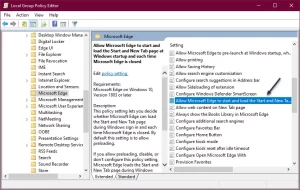
  1. Initiate a search by pressing Win + S and typing “gpedit.msc” into the text box.
  2. In the Group Policy Editor, navigate through User Configuration > Administrative Templates > Windows Components > Microsoft Edge.
  3. Locate the policy “Allow Microsoft Edge to start and load the Start and New Tab page at Windows startup and each time Microsoft Edge is closed.” Disable it by modifying the options.
  4. Apply the changes and restart your PC to witness the newfound optimization.

    Microsoft Edge
    Image by:https://techsavvy.life/

Registry Editor Method for Home Users

For those dwelling in the Home iteration of Windows 11, the path to tab preloading eradication takes a different route. The Registry Editor assumes the role of protagonist, offering a manual means of disabling this behavior:

  1. Prioritize safety by backing up your registry.
  2. Open the Run dialog by pressing Win + R and entering “regedit.”
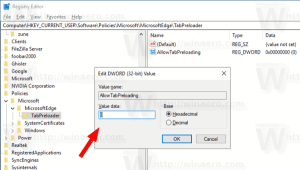
  3. Navigating through HKEY_LOCAL_MACHINE\SOFTWARE\Policies\Microsoft\MicrosoftEdge\Main, create a new DWORD (32-bit) Value named “AllowPrelaunch” and set its value data to 0.
  4. Forge a new path through HKEY_LOCAL_MACHINE\SOFTWARE\Policies\Microsoft\MicrosoftEdge and create a new key named “TabPreloader.”
  5. Within this key, create another DWORD (32-bit) Value named “AllowTabPreloading” and set its value data to 0.
  6. After applying these changes, restart your PC to bask in the realm of preloading-free browsing.

    Microsoft Edge
    Image by:https://winaero.com/

Streamlining the Process with Third-Party Apps

For those seeking a simpler solution, a third-party champion steps onto the stage: the Ultimate Windows Tweaker app. This app offers a user-friendly approach to disabling tab preloading:

  1. Begin by acquiring the Ultimate Windows Tweaker app and installing it on your PC.
  2. Launch the app, employing administrative privileges.
  3. Employ the “Search For Tweaks” option and query “edge tab.”
  4. Enable the “Disable Edge Tab Preloading” option and execute the tweaks.
  5. Bid adieu to tab preloading, and after closing the app, embark on a system restart.

    Microsoft Edge
    Image by:https://www.reflectiz.com/

Making the Right Choice for You

In this expedition, we’ve explored multiple paths to vanquish tab preloading from Windows 11. Whether you wield the power of the Group Policy Editor, take the registry route, or harness the convenience of a third-party application, the result remains the same—a resource-optimized computing experience tailored to your preferences. The choice is yours, the tools are at your disposal; now, enhance your Windows 11 voyage by disabling Microsoft Edge’s tab preloading and embracing a smoother, more efficient journey.

Conclusion

In the realm of Windows 11 customization, the ability to disable Microsoft Edge’s tab preloading unveils a world of optimization. No longer shall you endure the resource drain imposed by tab preloading if you opt for other browsers. With the Group Policy Editor, the Registry Editor, or the Ultimate Windows Tweaker app, you’re empowered to shape your computing experience. By following the paths outlined in this guide, you’ll liberate your system resources, resulting in a more streamlined, efficient, and personalized Windows 11 journey. Say goodbye to unnecessary tab preloading and embark on a browsing experience that aligns seamlessly with your preferences.