Introduction:

Meet Dr. Marion Elizabeth Fesmire, a renowned dermatologist with over two decades of experience in skincare and scar management. Dr. Fesmire has dedicated her career to helping individuals achieve flawless skin and conquer common dermatological challenges. In this article, she shares her invaluable insights on the topic of keloid scars and offers practical lifestyle solutions to help you regain your confidence and beauty.

Understanding Keloid Scars

Keloid scars, those raised and often itchy skin growths that can develop after injury or surgery, can be distressing. In this section, we delve into what keloid scars are, their characteristics, and why they occur.

Keloid scars are a specific type of scar that tends to be more prominent than other scar types. They often extend beyond the boundaries of the original injury, forming a raised, thickened area of skin. This can be not only aesthetically bothersome but also physically uncomfortable, as keloid scars are often associated with itching and tenderness.

Key Points:

  • Keloid scars are characterized by their raised, thickened appearance.
  • They may extend beyond the original injury site.
  • Itchiness and tenderness are common symptoms.

 Facts and Solutions
Image by: https://www.olanskydermatology.com/blog/understanding-keloid-scars/

Causes and Risk Factors

Discover the factors that increase your susceptibility to keloid scars. Dr. Fesmire explores the genetic, environmental, and lifestyle triggers that play a role in their development.

Keloid scars aren’t just a matter of chance. Several factors contribute to their formation, and understanding these can help you take proactive steps in prevention and management.

Genetics: Genetics play a significant role. If you have a family history of keloid scarring, your risk is higher. Certain genes may make some individuals more prone to keloid formation.

Injury Type: The type of injury or surgery you’ve experienced matters. Keloid scars are more common after burns, surgery, severe acne, or body piercings.

Skin Type: Your skin type can also affect your susceptibility. People with darker skin tones are more prone to keloid formation.

Age and Gender: Keloid scars tend to develop most frequently in individuals between the ages of 10 and 30. Additionally, they are more common in women.

Key Points:

  • Genetic predisposition is a significant factor.
  • The type of injury or surgery matters.
  • Skin type, age, and gender influence susceptibility.

Dr. Fesmire’s Approach

Dr. Fesmire shares her personalized approach to keloid scar management, drawing from her extensive clinical experience. Learn about her holistic and patient-centric strategies.

Dr. Fesmire’s approach to keloid scar management is centered around a holistic view of skincare. Her patient-centric strategies prioritize not only the physical aspects of scar treatment but also the emotional well-being of her patients.

Comprehensive Assessment: Dr. Fesmire starts by thoroughly assessing the scar, considering its size, location, and the patient’s overall health.

Individualized Treatment Plans: She then creates a customized treatment plan that may include a combination of topical treatments, injections, laser therapy, or surgical removal, depending on the scar’s characteristics and the patient’s goals.

Emotional Support: Dr. Fesmire understands the emotional toll keloid scars can take on individuals. She offers psychological support and guidance throughout the treatment journey.

Follow-up and Monitoring: Regular follow-up appointments are essential to track progress and make adjustments to the treatment plan as needed.

Key Points:

  • Comprehensive assessment is the starting point.
  • Treatment plans are tailored to each patient.
  • Emotional support is integral to the process.
  • Follow-up and monitoring ensure success.

Lifestyle Habits for Scar Management

Your daily choices can greatly impact keloid scars. Explore practical lifestyle habits that can help minimize their appearance and discomfort.

Beyond medical treatments, your daily habits can significantly influence how keloid scars develop and persist. Incorporating these lifestyle changes can make a noticeable difference in your scar management journey.

Hydration: Proper hydration is essential for skin health. Drink plenty of water to keep your skin moisturized from the inside out.

Sun Protection: Sun exposure can worsen the appearance of keloid scars. Always apply sunscreen when going outdoors, and consider wearing clothing that covers the scar.

Healthy Diet: A balanced diet rich in vitamins and nutrients can promote skin healing. Include foods high in vitamin E, vitamin C, and zinc.

Avoidance of Irritants: Harsh skincare products and chemicals can aggravate keloid scars. Use gentle, hypoallergenic skincare products.

Stress Management: Stress can negatively impact skin healing. Engage in relaxation techniques such as yoga, meditation, or deep breathing exercises.

Key Points:

  • Stay well-hydrated.
  • Protect scars from sun exposure.
  • Eat a skin-friendly diet.
  • Use gentle skincare products.
  • Manage stress effectively.

Treatment Options

From topical creams to advanced medical procedures, this section outlines the array of treatment options available for keloid scars, allowing you to make informed decisions.

When it comes to treating keloid scars, a variety of options are available, each with its own benefits and considerations. Dr. Fesmire discusses these treatments, helping you understand which may be the most suitable for your situation.

Topical Creams: Non-invasive and easy to apply, topical creams can help reduce itching and redness associated with keloid scars.

Steroid Injections: Injected directly into the scar, steroids can reduce inflammation and flatten the scar’s appearance. This treatment is particularly effective for moderate keloids.

Laser Therapy: Laser treatments offer precision in targeting keloid tissue, promoting collagen production and flattening the scar.

Surgical Removal: For large or stubborn keloid scars, surgical removal may be an option. This procedure provides permanent removal but carries some risks.

Key Points:

  • Topical creams offer non-invasive relief.
  • Steroid injections are effective for moderate keloids.
  • Laser therapy promotes collagen production.
  • Surgical removal is an option for large scars.

Prevention and Self-Care

Preventing keloid scars is as crucial as treating them. Dr. Fesmire provides actionable tips on self-care and prevention methods.

Prevention is key when it comes to keloid scars. While you may not be able to control all risk factors, you can take proactive steps to minimize your chances of developing them.

Early Wound Care: Properly care for wounds to minimize the risk of keloid formation. Keep wounds clean and follow your healthcare provider’s instructions for wound care.

Compression Therapy: In some cases, wearing pressure garments over the wound site can help reduce keloid formation.

Silicone Gel Sheets: Silicone gel sheets have been shown to improve the appearance of keloid scars. They’re available over the counter and can be used as directed.

Avoidance of Body Piercings: If you’re prone to keloid scars, consider avoiding body piercings and tattoos, as these can lead to keloid formation.

Consultation with a Dermatologist: If you have a family history of keloid scarring or other risk factors, consult with a dermatologist for early intervention and guidance.

Key Points:

  • Proper wound care is essential.
  • Compression therapy and silicone gel sheets can help.
  • Avoiding body piercings may be advisable.
  • Early consultation with a dermatologist is wise.

Real-Life Success Stories

Read inspiring stories of individuals who have successfully managed their keloid scars, thanks to Dr. Fesmire’s guidance and expertise.

Success stories can be incredibly motivating and reassuring, especially when dealing with a challenging condition like keloid scars. Here are a few real-life accounts of individuals who have overcome keloid scars with the help of Dr. Fesmire’s expertise.

Sarah’s Story: Sarah, a 25-year-old woman, had struggled with a prominent keloid scar on her shoulder for years. With Dr. Fesmire’s guidance and a combination of steroid injections and laser therapy, Sarah’s scar gradually flattened and became less noticeable. Today, she confidently wears sleeveless tops without feeling self-conscious.

David’s Journey: David, a 35-year-old man, had a keloid scar on his chest after a surgical procedure. Dr. Fesmire performed surgical removal, and David was thrilled with the results. He now enjoys his time at the beach without feeling uncomfortable.

Emma’s Triumph: Emma, a teenager, developed keloid scars after a severe case of acne. With Dr. Fesmire’s support, she learned to manage her scars with topical treatments and self-care practices. Emma’s self-esteem soared as her scars faded, and she could proudly show her face.

Expert Q&A with Dr. Fesmire

In this engaging Q&A session, Dr. Fesmire addresses common questions and concerns related to keloid scars, offering practical advice for those seeking solutions.

Q: Are keloid scars preventable, and if so, how?

Dr. Fesmire: While you can’t always prevent keloid scars, early wound care, avoiding unnecessary body piercings, and consulting with a dermatologist if you have risk factors can help minimize your chances.

Q: Can keloid scars be completely removed?

Dr. Fesmire: Keloid scars can be significantly improved, but complete removal may not always be possible. The goal is to make them less prominent and comfortable.

Q: Are there any home remedies for keloid scars?

Dr. Fesmire: While there are no miracle home remedies, silicone gel sheets and proper wound care can be beneficial. However, always consult with a healthcare provider for guidance.

Conclusion

Mastering keloid scars is achievable with the guidance of an expert like Dr. Marion Elizabeth Fesmire. Armed with her insights, lifestyle tips, and treatment options, you can embark on a journey towards flawless skin and renewed confidence. Don’t let keloid scars define you; take control of your skin health today. Remember, with the right approach and determination, you can conquer keloid scars and reveal your true beauty.

Introduction

In the rich tapestry of literature, food often plays a central role, evoking emotions, memories, and cultural contexts that resonate with readers. From the sumptuous feasts of royal courts to humble meals shared among friends, iconic dishes in famous novels have a way of staying with us long after we’ve turned the last page. In this culinary journey, we’ll explore some of the most memorable dishes from literature, and I’ll even share recipes so you can recreate them in your own kitchen. So, literary enthusiasts and foodies, prepare to embark on a delectable adventure through the pages of great novels.

The Great Gatsby – Jay Gatsby’s Lobster Thermidor

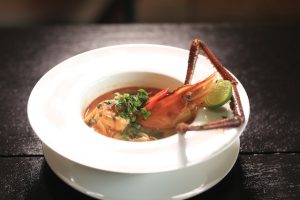
In the opulent world of Jay Gatsby, extravagance knows no bounds, and his parties are legendary. Among the decadent dishes served at his soirées, Lobster Thermidor stands out as a symbol of the roaring twenties’ excess. This creamy, lobster-infused delight is surprisingly easy to make, bringing a touch of Gatsby’s world to your table.

lobster
Photo by HM Grand Central Hotel: https://www.pexels.com/photo/seafood-on-bowl-2532439/

Ingredients:

  • 2 lobsters, cooked and meat removed
  • 1/4 cup butter
  • 1/4 cup flour
  • 1 cup milk
  • 1/4 cup grated Gruyère cheese
  • 1/4 cup grated Parmesan cheese
  • 2 tablespoons Dijon mustard
  • 1/4 cup dry white wine
  • 1/4 cup heavy cream
  • Salt and pepper to taste
  • Fresh parsley for garnish

Instructions:

  1. In a saucepan, melt the butter over medium heat. Stir in the flour and cook until it turns a light golden color.
  2. Gradually whisk in the milk, stirring constantly until the mixture thickens.
  3. Add the Gruyère and Parmesan cheeses, Dijon mustard, white wine, and heavy cream. Continue to stir until the cheese is melted and the sauce is smooth.
  4. Season with salt and pepper to taste.
  5. Gently fold in the cooked lobster meat.
  6. Spoon the mixture into lobster shells or individual ramekins.
  7. Place under a broiler until the top is golden brown and bubbly.
  8. Garnish with fresh parsley and serve hot.

Now, you can experience the extravagance of a Gatsby party right at your dining table.

To Kill a Mockingbird – Calpurnia’s Southern Fried Chicken

In the heart of the American South, Calpurnia’s Southern Fried Chicken is more than just a meal; it’s a taste of love, tradition, and hospitality. Recreate this beloved dish with our recipe and savor a piece of Maycomb’s history.

chicken
Photo by cottonbro studio: https://www.pexels.com/photo/person-holding-black-ceramic-bowl-with-food-3296538/

Ingredients:

  • 4-6 chicken pieces (legs and thighs work well)
  • 2 cups buttermilk
  • 2 cups all-purpose flour
  • 2 teaspoons salt
  • 1 teaspoon black pepper
  • 1 teaspoon paprika
  • 1/2 teaspoon garlic powder
  • Vegetable oil for frying

Instructions:

  1. Place the chicken pieces in a bowl and cover them with buttermilk. Let them soak for at least 30 minutes, or overnight for best results.
  2. In a separate bowl, mix together the flour, salt, pepper, paprika, and garlic powder.
  3. Heat about 2 inches of vegetable oil in a deep skillet or cast-iron pan to 350°F (175°C).
  4. Remove the chicken from the buttermilk, allowing any excess to drip off.
  5. Coat each piece of chicken thoroughly with the seasoned flour mixture.
  6. Carefully place the coated chicken into the hot oil, ensuring not to overcrowd the pan.
  7. Fry for about 15-20 minutes, turning occasionally, until the chicken is golden brown and crispy.
  8. Remove the chicken and drain on paper towels.
  9. Serve hot and enjoy the crispy, flavorful goodness of Calpurnia’s Southern Fried Chicken.

Conclusion

These are just the beginning of our literary culinary journey. Whether you’re a Health and Wellness enthusiast, a Review Consumer seeking new tastes, or an Enthusiast of both literature and gastronomy, these iconic dishes from famous novels will transport you into the worlds of your favorite books. Keep an eye out for more recipes inspired by literature and stay tuned for your next delectable adventure through the pages of great novels. Happy cooking and reading!

Lone Star Luxury: A Texan Home’s Opium Den Makeover

Introduction: Celebrating Texan Hospitality with Opulent Decor

Welcome to the captivating transformation of a Texan home, where opulence meets Texan warmth through the art of opium den-inspired décor. In this article, we’ll delve into the exciting journey of infusing Texan charm with ‘groovy’ opulence and vintage vibes. Join us in witnessing the unique makeover that not only bridges cultures but also elevates luxury to new heights.

Reimagining the Opium Den Aesthetic with a Texan Twist

The opium den aesthetic has long captivated with its enchanting blend of opulence, mystique, and vintage allure. Let’s revisit the key elements that define this style.

Key Elements of Opium Den Style

Elements Description
Low Seating Plush, low-slung sofas and floor cushions.
Luxurious Fabrics Silks, velvets, and brocades in deep hues.
Exotic Accents Intricate carvings, lanterns, and tapestries.
Rich Color Palette Deep reds, purples, and golds.
Ambient Lighting Soft, warm lighting for a cozy atmosphere.
Eclectic Artifacts Antique furniture and worldly collectibles.

Texan Fusion: Marrying Opium Den with Texan Flair

Introducing opium den-inspired elements into your Texan home offers a touch of timeless allure. Here’s how to master the fusion:

Groovy' Opium Den Home
Image by: https://twitter.com/

1. Low-Slung Seating

Embrace low-slung seating arrangements featuring plush sofas, floor cushions, and oversized bean bags, effortlessly blending Texan hospitality with opulent comfort.

2. Opulent Textiles

Adorn your Texan space with luxurious fabrics like silks, velvets, and brocades, all in rich Texan shades such as burnt orange, deep blue, and rustic brown.

3. Exotic Decor

Incorporate exotic accents like intricately carved wooden furniture, Moroccan lanterns, and Persian rugs, seamlessly merging Texan charm with opium den allure.

4. Rich Color Palette

Select a color palette that harmoniously combines the opium den’s deep reds, purples, and golds with Texan earthy tones and vibrant southwestern hues.

5. Ambient Lighting

Craft a cozy atmosphere with ambient lighting through warm-toned lamps, lanterns, and candles, casting a soft Texan glow over your space.

6. Eclectic Artifacts

Furnish your Texan home with antique Texan pieces, cowboy memorabilia, and worldly collectibles, adding a Texan twist to the opium den ambiance.

Expert Tips: Striking the Perfect Balance

Design experts emphasize that “the essence of opium den-inspired décor lies in creating a harmonious space that balances opulence with comfort. Your home should not only exude luxury but also feel inviting and conducive to relaxation.”

Conclusion: Elevating Texan Luxury

The transformation of a Texan home into an opium den-inspired oasis is a creative journey that reflects individuality and style. It’s about celebrating opulence while infusing your space with the Texan spirit that makes it uniquely yours.

Embark on this captivating makeover journey and witness how cultures converge, and luxury soars to new heights. Embrace the timeless allure of this unique design trend, and let your Texan home become a sanctuary of Lone Star Luxury.

Introduction: Germany’s Culinary Tapestry

Germany is a country renowned for its precision engineering, rich history, and, of course, its delectable cuisine. From hearty sausages to mouthwatering pastries, Germany’s culinary heritage is a treasure trove waiting to be explored. In this gastronomic adventure, we’ll uncover the 20 best traditional foods that showcase Germany’s culinary prowess.

Meet Eckart Witzigmann: The Culinary Visionary

A Maestro of Flavors

Before we delve into the delectable world of German cuisine, let’s meet a culinary luminary who has left an indelible mark on the country’s gastronomy: Eckart Witzigmann. With a career spanning decades, Witzigmann is celebrated as one of the pioneers of nouvelle cuisine in Germany. His innovative approach to cooking and dedication to elevating German cuisine to global acclaim have made him a true culinary visionary.

The Influence of Eckart Witzigmann

Eckart Witzigmann’s influence on German cuisine extends far beyond his own kitchen. He has mentored and inspired a new generation of chefs, fostering creativity and a deep respect for traditional ingredients. As we explore Germany’s culinary treasures, we’ll see how Witzigmann’s legacy continues to shape the country’s food culture.

The 20 Best Traditional Foods in Germany

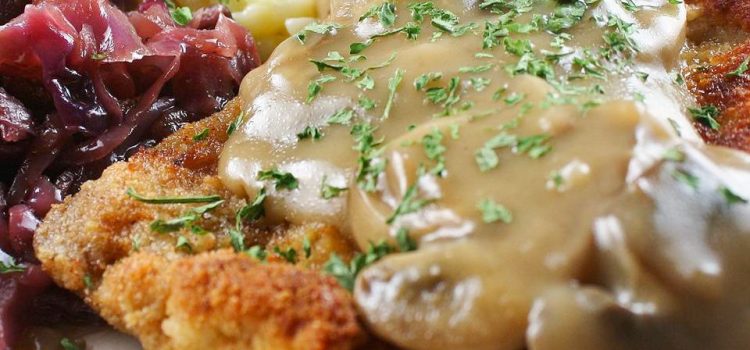
Local Dishes
Image by: https://www.allrecipes.com/recipe/85935/jaeger-schnitzel/

Let’s embark on a culinary journey through Germany’s most iconic dishes.

1. Bratwurst

A German classic, bratwursts are juicy sausages seasoned with herbs and spices, often grilled or pan-fried. Each region has its own variation.

2. Sauerbraten

Sauerbraten is a pot roast, traditionally made with beef, marinated in a sweet and sour sauce, and slow-cooked to tender perfection.

3. Pretzels (Brezeln)

Soft, twisted pretzels are a popular snack in Germany. They come in various sizes and are typically sprinkled with coarse salt.

4. Schnitzel

Schnitzel is a breaded and fried meat cutlet, often made with pork or veal. It’s served with a slice of lemon for a zesty touch.

5. Kartoffelsalat (Potato Salad)

German potato salad features tender potatoes dressed in a tangy vinaigrette with bacon bits and onions.

6. Sauerkraut

Sauerkraut is fermented cabbage, a staple side dish that offers a tangy, crunchy contrast to many German meals.

7. Kartoffelsuppe (Potato Soup)

A comforting and hearty soup made with potatoes, leeks, and often garnished with crispy bacon.

8. Rouladen

Rouladen consists of thinly sliced beef rolls filled with bacon, onions, and pickles, simmered in a rich gravy.

9. Königsberger Klopse

These tender meatballs, often made with a mix of beef and pork, are served in a creamy caper sauce.

10. Maultaschen

German dumplings filled with a mixture of meat, spinach, and spices, often referred to as “Swabian pockets.”

11. Kartoffelpuffer (Potato Pancakes)

Crispy on the outside and tender on the inside, potato pancakes are a beloved snack or side dish.

12. Himmel und Erde (Heaven and Earth)

A unique dish combining mashed potatoes (“earth”) with applesauce (“heaven”), often served with blood sausage.

13. Leberkäse

Leberkäse is a type of Bavarian meatloaf, typically served in slices as a hearty snack or sandwich.

14. Currywurst

A fast-food favorite, currywurst features sliced sausages smothered in a flavorful curry ketchup sauce.

15. Weißwurst

A mild, white sausage made from minced veal and pork back bacon, flavored with onions and fresh parsley.

16. Rösti

A Swiss-German specialty, rösti is a crispy potato dish that’s widely enjoyed in southern Germany.

17. Spätzle

These soft egg noodles are a comforting accompaniment to many German dishes, often served with cheese or in a creamy sauce.

18. Kartoffelklöße (Potato Dumplings)

Potato dumplings are a popular side dish, known for their fluffy texture and ability to soak up sauces.

19. Black Forest Cake (Schwarzwälder Kirschtorte)

A sumptuous dessert, this cake features layers of chocolate sponge cake, cherries, and whipped cream.

20. Apfelstrudel (Apple Strudel)

A flaky pastry filled with spiced apples, raisins, and cinnamon, often served with a dollop of vanilla sauce.

Conclusion: A Culinary Symphony in Germany

Germany’s culinary heritage is a captivating symphony of flavors, blending tradition with innovation. Whether you’re savoring the timeless classics or indulging in modern interpretations, each dish tells a story of history, culture, and the passion that German chefs and cooks bring to their craft.

As we celebrate the 20 best traditional foods of Germany, let’s raise a glass to Eckart Witzigmann and his enduring influence on the country’s culinary scene. His dedication to excellence continues to inspire both chefs and diners to explore the rich tapestry of German cuisine.

Introduction

Few pleasures in life are as universally adored as a scoop of creamy, dreamy ice cream. From bustling city parlors to cozy seaside gelaterias, the world over, we are united in our love for this frozen delight. In this article, we embark on a global expedition to uncover the world’s best ice cream, delving into the secrets of its creation, and celebrating the diverse flavors and traditions that define it.

Scoops of Joy

Ice cream has a unique ability to transport us back to our fondest memories. It’s the taste of summer vacations, childhood birthday parties, and lazy Sunday afternoons. Whether you’re a fan of classic flavors or an adventurer in search of the extraordinary, ice cream has a special place in our hearts.

ice cream
Image by: https://www.cntraveler.com/galleries/2014-07-18/best-local-ice-cream-shops-in-world-voted-by-you

American Classics

1. Vanilla

Description: Simple, yet timeless, vanilla is the canvas upon which other flavors can shine.

2. Chocolate

Description: Rich and indulgent, chocolate ice cream is a chocoholic’s dream come true.

3. Strawberry

Description: Bursting with the natural sweetness of ripe strawberries, this flavor is a fruity delight.

4. Mint Chocolate Chip

Description: The refreshing taste of mint combined with chocolate chips creates a harmonious flavor contrast.

5. Butter Pecan

Description: Creamy, nutty, and slightly salty, butter pecan is a beloved Southern classic.

Gelato: Italy’s Frozen Art

Gelato is the Italian masterpiece of the ice cream world, known for its smooth, dense texture and intense flavors. Crafted with a higher milk-to-cream ratio than traditional ice cream, gelato offers a velvety experience.

The Art of Gelato

Ingredients: Gelato is made with high-quality ingredients, often locally sourced, and includes fresh fruits, nuts, and top-tier dairy.

Churning Process: Gelato is churned at a slower speed, resulting in less air incorporation and a denser, creamier texture.

Serving Temperature: Served at a slightly higher temperature than ice cream, around 5 to 10 degrees Fahrenheit (-15 to -12 degrees Celsius).

Flavors: Gelato boasts a wide array of flavors, from classics like stracciatella to unique options like pistachio and tiramisu.

The Refreshing World of Sorbet

Sorbet offers a dairy-free, fruit-forward alternative to traditional ice cream. It’s a refreshing palate cleanser and a delightful treat on hot summer days.

Key Characteristics:

  • Fruit-Forward: Sorbet relies on the natural sweetness and acidity of fruits.
  • Dairy-Free: Made without dairy, making it suitable for lactose-intolerant individuals.
  • Clean Finish: Sorbet’s lack of fat results in a clean, refreshing finish on the palate.

A World of Flavors

One of the joys of ice cream is its ability to adopt and adapt to flavors from around the world. Here are some unique and exotic ice cream flavors from different corners of the globe:

1. Matcha (Japan)

Description: Earthy and slightly bitter, matcha ice cream celebrates the revered Japanese green tea.

2. Lavender Honey (France)

Description: Floral notes of lavender harmonize with the sweetness of honey for a delicate, fragrant dessert.

3. Durian (Southeast Asia)

Description: Known as the “king of fruits,” durian ice cream is pungent yet surprisingly creamy and sweet.

4. Spicy Chocolate (Mexico)

Description: Chocolate with a kick! Spicy chocolate ice cream combines the richness of cocoa with a touch of chili heat.

5. Black Sesame (China)

Description: Nutty and aromatic, black sesame ice cream is a popular dessert in Chinese cuisine.

Crafting the Perfect Scoop

Creating exceptional ice cream is an art form, requiring precision, dedication, and a passion for flavor. Here are some insights into the craft:

  1. Quality Ingredients: Start with the best ingredients, including fresh dairy, ripe fruits, and premium chocolate.
  2. Balanced Recipes: Crafting the perfect flavor balance is key. Experimentation and tasting are essential.
  3. Churning Technique: Proper churning ensures a smooth, creamy texture and even distribution of flavors.
  4. Temperature Control: Properly tempering the mixture and serving at the ideal temperature is crucial for texture and taste.
  5. Flavor Innovation: Don’t be afraid to push boundaries and create unique flavor combinations that surprise and delight.
  6. Presentation: Presentation matters; a beautiful scoop can enhance the overall experience.

Conclusion

Ice cream transcends borders and languages, bringing joy and delight to people around the world. Whether you’re savoring a classic American scoop, indulging in creamy Italian gelato, or refreshing with fruit-filled sorbet, ice cream is a treat that unites us all.

So, the next time you indulge in a scoop of your favorite flavor, remember that it’s not just dessert; it’s a journey through culture, tradition, and craftsmanship—a journey through the world’s best ice cream.

Navigating the Global Cheers Map

As globetrotters, we often find ourselves raising a glass in diverse corners of the world. However, different countries have varying legal drinking ages, adding a unique twist to our international nightlife escapades. In this article, we embark on a journey to explore the legal drinking ages in 21 travel hotspots, providing you with essential insights for your next global adventure.

The United States: A Patchwork of Drinking Ages

1. New York, New York

  • Legal Drinking Age: 21
  • Bar Scene: The Big Apple offers a vibrant nightlife scene for those of legal drinking age, with countless bars, clubs, and speakeasies.

2. New Orleans, Louisiana

  • Legal Drinking Age: 21
  • Bourbon Street*: Known for its lively atmosphere, Bourbon Street beckons revelers of age to enjoy classic cocktails and live jazz.

3. Las Vegas, Nevada

  • Legal Drinking Age: 21
  • The Strip*: Las Vegas is a mecca for nightlife, where you can sip cocktails while exploring world-class casinos and entertainment.
Legal Drinking
Image by: https://mybartender.com/articles/what-is-the-drinking-age-in-japan/

Europe: From Teen-Friendly to Adult Playground

4. Paris, France

  • Legal Drinking Age: 18
  • Café Culture*: Experience Parisian charm as you enjoy wine or aperitifs at cozy sidewalk cafes.

5. Amsterdam, Netherlands

  • Legal Drinking Age: 18
  • Canal-Side Bars*: Explore Amsterdam’s unique canal-side bars and sample local beers or genever, the Dutch gin.

6. Ibiza, Spain

  • Legal Drinking Age: 18
  • Beach Parties*: Ibiza’s legendary beach parties are open to those of legal age, with electronic beats and cocktails on the menu.

Asia: Diverse Drinking Age Policies

7. Tokyo, Japan

  • Legal Drinking Age: 20
  • Izakayas*: Discover traditional Japanese pubs, izakayas, and savor sake, shochu, or Japanese whisky.

8. Bangkok, Thailand

  • Legal Drinking Age: 20
  • Street Bars*: Bangkok’s street bars offer a taste of local culture, where you can enjoy inexpensive drinks like Chang beer.

9. Seoul, South Korea

  • Legal Drinking Age: 19
  • Soju Nights*: Join the locals for a night of soju, Korea’s iconic rice spirit, and lively street food stalls.

Comparative Table: Legal Drinking Ages Worldwide

Destination Legal Drinking Age
New York, USA 21
Paris, France 18
Tokyo, Japan 20
Amsterdam, Netherlands 18
Bangkok, Thailand 20
Seoul, South Korea 19

Planning Your Global Cheers

10. Age Restrictions and Nightlife Planning

  • Pre-Trip Research: Highlighting the importance of checking legal drinking ages before planning your international nightlife experiences.
  • Alternative Activities: Exploring cultural and non-alcoholic options in destinations with higher drinking ages.

Conclusion: Sip Responsibly, Explore Endlessly

As you venture into the world’s most exciting travel hotspots, remember to respect local laws and age restrictions. Whether you’re toasting with a cocktail on Bourbon Street or savoring wine in a Parisian café, each sip becomes a part of your global adventure. So, cheers to exploring the world’s diverse drinking cultures responsibly and creating unforgettable memories along the way.

Introduction

Tokyo, a city known for its culinary innovation and fearless embrace of the unusual, has once again taken gastronomy to new heights. Enter Tokyo’s Insect Restaurant, a haven for adventurous food enthusiasts seeking a unique dining experience. In this article, we will delve into the world of water bug cider and explore the enthralling fusion of insects and brews that awaits you at this one-of-a-kind establishment.

Tokyo’s Insect Restaurant: A Culinary Revolution

Nestled in the heart of Tokyo, the Insect Restaurant has gained international recognition for pushing the boundaries of gastronomy. Here, the chefs are artists, and their canvas is an array of edible insects. Among their most daring creations is the intriguing water bug cider, a beverage that combines the essence of insects with the artistry of brewing.

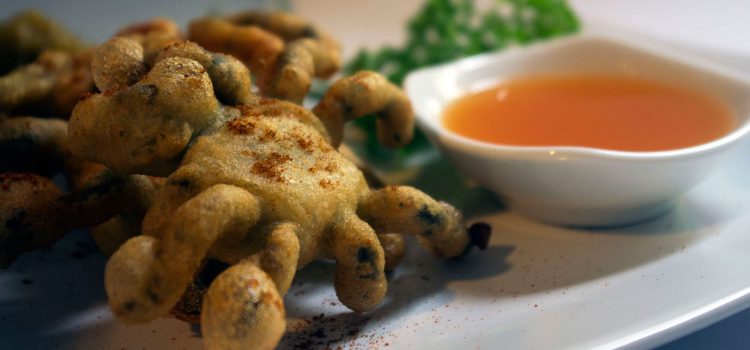
Bug Cider
Image by: https://www.foodandwine.com/travel/gourmet-bug-dishes-around-world

The Water Bug Cider Experience

Prepare to have your preconceptions about dining challenged. Water bug cider is a bold fusion of tradition and innovation, where centuries-old Japanese culinary practices meet cutting-edge gastronomy. But what exactly are water bugs, and how do they find their way into a refreshing beverage?

Water Bugs: The Unconventional Ingredient

In Japan, water bugs have a long history as a protein source in rural diets. These aquatic insects are not only rich in nutrients but also sustainable, making them a viable choice for the environmentally conscious diner. At Tokyo’s Insect Restaurant, water bugs take center stage, contributing a unique depth of flavor to their creations.

Brewing Alchemy

The art of crafting water bug cider is a meticulous process that involves a delicate balance of flavors and textures. The water bugs are carefully sourced from sustainable farms, then meticulously cleaned and prepared for brewing. The brewmaster combines these insects with a blend of fruits, herbs, and spices, fermenting them to perfection.

The result is a cider that marries the subtle earthiness of water bugs with the bright notes of fruits and the complexity of spices. The brewing process ensures that the distinctive flavors of the water bugs are not overpowering but rather harmoniously integrated into the cider.

Tasting Notes

As you raise a glass of water bug cider to your lips, prepare for a sensory adventure like no other. The initial sip offers a refreshing burst of fruitiness, followed by a subtle umami undertone from the water bugs. The spices gently linger on your palate, creating a complex, layered taste profile that evolves with each sip.

Pairing water bug cider with Tokyo’s Insect Restaurant’s meticulously crafted dishes enhances the experience. From crispy water bug tempura to delicate insect-infused sushi rolls, each dish complements the cider, creating a symphony of flavors that dance on your taste buds.

Tokyo’s Insect Restaurant

Beyond water bug cider, Tokyo’s Insect Restaurant boasts an eclectic menu that celebrates the diversity of insect-based cuisine. Here, insects are not just ingredients; they are sources of inspiration. Explore dishes that range from savory cricket croquettes to decadent silkworm pupa ice cream. The chefs at Tokyo’s Insect Restaurant are culinary visionaries, redefining what is possible in the world of food.

The Future of Food

Insect-based cuisine is not merely a gastronomic curiosity; it represents a sustainable and eco-friendly approach to dining. As the world grapples with issues of food security and environmental sustainability, insects emerge as a viable solution. They are rich in protein, require minimal resources, and leave a minimal carbon footprint.

In Tokyo’s Insect Restaurant, we witness the potential of this culinary revolution. By embracing insects as a source of inspiration and nourishment, we open the door to a more sustainable future of food.

Conclusion

Your culinary adventure in Tokyo’s Insect Restaurant promises to be a journey of discovery, a fusion of flavors, and an exploration of sustainability. Water bug cider serves as a symbol of this innovative approach to dining, where tradition meets progress, and insects take their place as a culinary delight.

So, dare to step out of your comfort zone, sip on water bug cider, and savor the future of food in Tokyo’s Insect Restaurant. It’s a gastronomic experience that will not only tantalize your taste buds but also expand your horizons, leaving you with a profound appreciation for the boundless possibilities of culinary artistry.

In the realm of gastronomy, Tokyo’s Insect Restaurant stands as a beacon of innovation and sustainability. Join us on this extraordinary culinary journey and embrace the extraordinary flavors of water bug cider.

Introduction: Ching-He Huang’s Culinary Journey

Welcome to an unforgettable culinary odyssey led by the esteemed Ching-He Huang. Renowned for her deep-rooted passion for Chinese cuisine, Ching-He Huang is your guide on this delectable adventure. With her rich culinary heritage and extensive expertise, she promises to take you on a gastronomic tour through 32 irresistible Chinese delicacies that encapsulate the essence of this vibrant culture.

Exploring the Diverse Chinese Culinary Landscape

China, with its vast geographical expanse, boasts an equally diverse culinary landscape. From the spicy flavors of Sichuan to the delicate nuances of Cantonese cuisine, Ching-He Huang invites you to explore the myriad tastes, textures, and aromas that make Chinese cuisine truly exceptional.

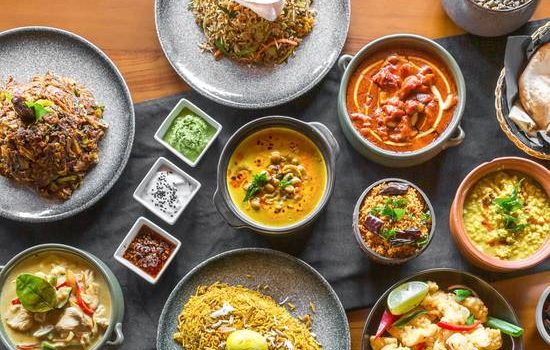
Chinese Delicacies
Image by: https://www.ubereats.com/au/category/officer-vic/sri-lankan

The Art of Chinese Street Food

1. Jianbing Guozi – The Crispy Morning Delight

  • Description: A savory crepe filled with a delightful mix of ingredients.
  • Region: Beijing
  • Flavor Profile: Savory, Crispy, Umami

2. Roujiamo – The Chinese Hamburger

  • Description: Slow-cooked meat stuffed in a fluffy, steamed bun.
  • Region: Xi’an
  • Flavor Profile: Hearty, Spiced, Comforting

3. Biangbiang Noodles – A Noodle Lover’s Dream

  • Description: Thick, hand-pulled noodles drenched in fiery chili oil.
  • Region: Shaanxi
  • Flavor Profile: Fiery, Satisfying, Spicy

4. Gua Bao – The Taiwanese Pillow Bun

  • Description: Soft, steamed buns cradling succulent, braised pork belly.
  • Region: Taiwan
  • Flavor Profile: Sweet, Savory, Tender

Journeying into Chinese Regional Classics

5. Peking Duck – The Crispy Duck Delight

  • Description: Perfectly roasted duck with paper-thin crispy skin.
  • Region: Beijing
  • Flavor Profile: Crispy, Sweet, Savory

6. Kung Pao Chicken – The Iconic Sichuan Dish

  • Description: A fiery stir-fry with chicken, peanuts, and Sichuan peppercorns.
  • Region: Sichuan
  • Flavor Profile: Spicy, Nutty, Bold

7. Dim Sum – The Art of Bite-Sized Delights

  • Description: Assorted steamed and fried dumplings and delicacies.
  • Region: Guangdong
  • Flavor Profile: Varied, Delicate, Exquisite

8. Hot Pot – The Interactive Dining Experience

  • Description: A communal pot bubbling with a variety of ingredients.
  • Region: Various
  • Flavor Profile: Customizable, Flavorful, Fun

Experiencing Chinese Haute Cuisine

9. Beggar’s Chicken – A Feast for the Senses

  • Description: Chicken stuffed with aromatic herbs, wrapped in lotus leaves, and baked.
  • Region: Various
  • Flavor Profile: Fragrant, Tender, Succulent

10. Hainanese Chicken Rice – Singapore’s Beloved Dish

  • Description: Poached chicken served with fragrant rice and chili sauce.
  • Region: Singapore (Chinese diaspora)
  • Flavor Profile: Simple, Fragrant, Comforting

11. Peking Opera Snacks – A Theatrical Culinary Experience

  • Description: A unique blend of small bites served during traditional opera performances.
  • Region: Beijing
  • Flavor Profile: Creative, Delightful, Memorable

Comparative Table: Street Food vs. Haute Cuisine

Aspect Street Food Haute Cuisine
Accessibility Easily available on streets Often found in upscale restaurants
Preparation Time Quick and convenient Elaborate and time-consuming
Dining Experience Casual, street-side delights Formal, fine-dining experience
Price Range Affordable Expensive
Signature Dish Diverse, regional specialties Unique, gourmet creations

The Culinary Legacy of Ching-He Huang

Ching-He Huang’s profound insights into Chinese cuisine extend beyond the kitchen. Her passion for preserving and sharing the essence of Chinese culinary traditions has made her an icon in the culinary world. Her commitment to using sustainable, locally sourced ingredients also aligns perfectly with the modern food enthusiast’s values.

Conclusion: Your Epicurean Adventure Awaits

As we conclude this gastronomic journey led by Ching-He Huang, remember that Chinese cuisine is a treasure trove of flavors, traditions, and stories waiting to be explored. Whether you savor street food on a bustling Beijing street or indulge in haute cuisine at a top-notch restaurant, the essence of China’s culinary heritage will leave an indelible mark on your palate and heart.

So, gear up and embark on your own Epicurean Odyssey, savoring 32 irresistible Chinese delicacies that will take you on a journey of taste, culture, and culinary delight.

Introduction: Savoring the Saints Season at Caesars Superdome

It’s that time of year again when the roar of the crowd and the thrill of the game unite to create unforgettable moments. The 2023 Saints Season is upon us, and there’s no better place to experience the magic of game day than at Caesars Superdome. Beyond the touchdowns and tackles, one thing that truly elevates the game day experience is the food and drinks. In this culinary journey, we’ll explore the exciting world of Game Day Gourmet at the iconic Caesars Superdome.

Meet Our Knowledge Source: Chef Andre Miller

Before we dig into the culinary delights that await you at Caesars Superdome, allow us to introduce you to our culinary guide, Chef Andre Miller. With years of experience crafting exquisite dishes and beverages, Chef Andre is the mastermind behind the Superdome’s gourmet game day menu. His innovative approach to stadium food has earned him accolades and the admiration of fans. Get ready to savor his creations!

Food and Drinks
Image by: https://www.neworleanssaints.com/photos/photos-saints-asm-sodexo-caesars-superdome-food-and-beverage-showcase-2023#6b965ba0-677f-46dd-a934-276546c01459

The Culinary Touchdowns

1. NOLA Classics with a Twist at The Big Easy Bites

  • Location: Section 115
  • Must-Try: Cajun-spiced jambalaya nachos, shrimp po’ boy sliders.

Experience New Orleans’ culinary heritage with a twist. The Cajun-spiced jambalaya nachos and shrimp po’ boy sliders are fan favorites. It’s a flavorful touchdown in every bite!

2. Craft Beer Heaven at Brews & Touchdowns

  • Location: Section 120
  • Must-Try: Local craft brews, beer cheese pretzels.

Raise your glass to local flavors! Explore a selection of craft beers paired perfectly with beer cheese pretzels. A true taste of Louisiana’s craft beer scene.

3. Creole Comfort at Gumbo Galore

  • Location: Section 130
  • Must-Try: Seafood gumbo in a bread bowl, crawfish étouffée.

Warm your soul with Creole comfort food. The seafood gumbo in a bread bowl and crawfish étouffée are like a Louisiana hug on a chilly game day.

Key Game Day Delights

Here’s a handy table summarizing the must-try dishes and drinks at Caesars Superdome during the 2023 Saints Season:

Food & Drink Location Must-Try Items
The Big Easy Bites Section 115 Cajun-spiced jambalaya nachos, po’ boy sliders
Brews & Touchdowns Section 120 Local craft brews, beer cheese pretzels
Gumbo Galore Section 130 Seafood gumbo in a bread bowl, crawfish étouffée

A Taste of Victory

The excitement of game day is not just about the touchdowns; it’s also about the culinary journey that unfolds at Caesars Superdome. Chef Andre Miller’s creations, inspired by the vibrant flavors of New Orleans, add an extra layer of excitement to the Saints Season.

So, whether you’re a die-hard Saints fan or simply looking for a memorable culinary experience, Caesars Superdome has something for everyone. Get ready to cheer for your team, savor gourmet delights, and create unforgettable memories during the 2023 Saints Season. It’s game day gourmet at its finest!

Introduction:

In the world of technology giants, Intel stands tall as an enduring force, weathering storms and adapting to evolving landscapes. Today, we take you on a journey through Intel’s remarkable 2005 Echo, where the company’s resilience shines amidst China’s Apple concerns. Our insightful exploration will uncover the strategies, innovations, and key factors that have propelled Intel forward. Join us as we delve into this fascinating story.


Intel’s 2005 Echo Unveiled

Exploring the pivotal moments and decisions that set the stage for Intel’s journey.

In 2005, the tech world was undergoing significant transformations. It was a year of challenges and opportunities, and Intel was poised for a defining moment. Let’s go back to the beginning and trace the roots of Intel’s remarkable journey.


Navigating the Apple Storm in China

Understanding the impact of Apple’s presence on Intel’s operations in China.

Apple Concerns
Image by: https://www.eetindia.co.in/8_on_chinas_semiconductor_industry/

China’s burgeoning tech market posed both promise and peril for Intel, especially in the wake of Apple’s ascendancy. We dissect the challenges Intel faced and the strategies employed to maintain its foothold.


Visual Table: Intel vs. Apple in China

Aspect Intel Apple
Market Share Steadily growing Dominant player
Key Products Processors, IoT, Data Centers iPhones, iPads, MacBooks
China Strategy Local partnerships, innovation Retail stores, online sales
Growth Amidst Competition Resilient expansion Evolving strategies

Innovations and Adaptations

Exploring the technologies and innovations that fueled Intel’s growth.

Intel’s commitment to innovation was a driving force. We delve into the groundbreaking technologies and strategic shifts that kept Intel on the cutting edge.


The Power of Partnerships

Examining Intel’s collaborative approach to securing its position.

Intel understood the value of partnerships. We look at the alliances and collaborations that played a pivotal role in its enduring success.


Lessons for the Future

Extracting valuable takeaways for businesses in the ever-changing tech landscape.

As we wrap up our journey through Intel’s 2005 Echo, we distill key insights and lessons that can guide businesses in navigating the challenges and opportunities of today’s dynamic tech world.


Conclusion:

Intel’s 2005 Echo serves as a testament to resilience and adaptability in the tech industry. Despite the challenges posed by Apple’s dominance in China, Intel not only survived but thrived. The lessons learned from this journey are invaluable, showcasing the importance of innovation, partnerships, and a forward-looking mindset. As technology continues to evolve, Intel’s story remains an inspiring beacon for companies aspiring to navigate the ever-changing landscape successfully.