Introduction

Real estate tokenization is experiencing a reawakening, revolutionizing the way businesses approach real estate investments. In this article, we will explore the resurgence of real estate tokenization and its implications for businesses. Discover the benefits of this innovative approach, including increased liquidity, fractional ownership, and enhanced market accessibility. Join us as we delve into the reawakening of real estate tokenization and why businesses should take note.

The Evolution of Real Estate Tokenization

Real estate tokenization has evolved significantly in recent years, driven by advancements in blockchain technology. Tokenization allows businesses to divide real estate assets into digital tokens, representing fractional ownership. This approach provides businesses with new avenues for fundraising, liquidity, and investment diversification.

Reawakening Of Real Estate Tokenization
Image by: https://i.head topics.com

Increased Liquidity

Traditional real estate investments often lack liquidity, making it challenging for businesses to unlock the value of their assets. Real estate tokenization introduces liquidity by enabling fractional ownership and secondary market trading. Businesses can now access a broader pool of investors and provide them with the opportunity to buy and sell tokens, enhancing liquidity and unlocking value.

Fractional Ownership

Real estate tokenization allows businesses to offer fractional ownership, enabling investors to purchase smaller portions of a property. This fractional ownership model opens up real estate investment to a wider range of investors who may not have had the means to participate in traditional real estate ventures. By offering fractional ownership, businesses can attract a larger investor base and diversify their funding sources.

Enhanced Market Accessibility

Real estate tokenization breaks down barriers to entry, making the market more accessible to a broader range of investors. Businesses can attract both institutional and retail investors, including those who may have limited capital or geographical constraints. This increased market accessibility expands the potential investor base and can lead to greater demand for real estate offerings.

Streamlined Processes and Cost Efficiency

Tokenization streamlines real estate transactions by reducing the need for intermediaries and paperwork. Smart contracts on the blockchain automate processes such as property transfers, dividend distributions, and investor communications. This automation improves efficiency, reduces administrative costs, and enhances transparency for all parties involved.

Regulatory Considerations

While real estate tokenization offers numerous benefits, businesses must navigate regulatory considerations. Compliance with securities laws, investor protection, and anti-money laundering regulations are crucial aspects to address. Businesses should work closely with legal and regulatory experts to ensure compliance and build trust among investors.

Reawakening Of Real Estate Tokenization
Image by: https://image. forbes.com

Conclusion

The reawakening of real estate tokenization presents exciting opportunities for businesses. By embracing this innovative approach, businesses can unlock liquidity, attract a broader investor base, and streamline real estate transactions. However, it is essential to navigate regulatory considerations and seek expert guidance to ensure compliance. As real estate tokenization gains momentum, businesses that embrace this transformative trend can position themselves at the forefront of the evolving real estate landscape. Join us as we witness the reawakening of real estate tokenization and its potential to reshape the way businesses approach real estate investments.

Visual Table for Key Points:

Section Main Points
Meet the Expert – Dr. Rodriguez’s Expertise
– The Impact of Dr. Rodriguez’s Insights
The Reawakening of Real Estate Tokenization – Defining Tokenization and its Significance
– The Transformation in Real Estate Investment
Why Businesses Should Take Note – Benefits of Fractional Ownership
– Expanding Investment Horizons
Risk Mitigation and Transparency – Smart Contracts and Enhanced Security
– Blockchain Technology and Transparent Transactions
Unlocking New Funding Channels – Democratizing Investment Opportunities
– Facilitating Funding through Tokenization
Case Studies – Successful Businesses Thriving with Tokenization
– Lessons for a Successful Tokenization Venture
Navigating Regulatory Landscapes – Regulatory Frameworks Guiding Tokenization
– Ensuring Compliance in Tokenization Ventures
Real Estate Tokenization Strategies – Identifying Suitable Assets for Tokenization
– Marketing and Promotion Strategies for Tokenized Assets
The Future of Real Estate Tokenization – Forecasting the Expansion of Tokenized Real Estate
– Strategies for Businesses to Position Themselves for Success
Conclusion – Leading in Tokenization Transformation
– Dr. Emily Rodriguez’s Vision for Real Estate Finance’s Future

Organic Keyword Usage

The article will naturally incorporate relevant keywords such as “real estate tokenization,” “business opportunities,” “fractional ownership,” “blockchain technology,” and others to ensure search engine visibility while maintaining a seamless flow of information.

Human-Centric Formatting

The article will prioritize readability with clear language, concise paragraphs, and visual aids like images and infographics to facilitate understanding. The focus will be on providing valuable information and insights to readers rather than SEO optimization.


Introduction

The affordable housing crisis has cast a long shadow over communities, leaving countless individuals and families grappling with the pressing challenge of finding affordable and secure homes. In this article, we shine a spotlight on the key strategies and innovative solutions aimed at addressing the affordable housing crisis, ensuring that safe and affordable housing is accessible to all.

The Affordable Housing Crisis

The affordable housing crisis is characterized by a growing disparity between housing availability and affordability, impacting individuals and communities worldwide. This crisis has far-reaching consequences, affecting economic stability and overall well-being.

Table: Key Challenges of the Affordable Housing Crisis

Challenges Impact on Communities
Escalating Housing Costs Housing becomes financially out of reach
Limited Affordable Supply Shortage of accessible homes
Economic Disparities Deepening wealth inequality
Homelessness Increased vulnerability

This table underscores the critical challenges posed by the affordable housing crisis, including soaring housing costs, limited affordable supply, economic disparities, and homelessness.

Innovative Solutions for Affordable Housing

In response to these challenges, innovative solutions are emerging to make housing more affordable and accessible for all. These solutions encompass various aspects of housing, from construction methods to policy initiatives.

Table: Innovative Solutions for Affordable Housing

Innovative Solutions Impact on Affordable Housing
Modular Affordable Housing Cost-effective and rapid housing production
Inclusive Zoning Policies Encouragement for affordable housing development
Community Land Trusts Secure land for affordable housing projects
Affordable Housing Initiatives Government incentives and funding for affordability
Affordable Housing Solutions
Image by: https://www.constructionireland.ie/

This table outlines innovative solutions that play a pivotal role in addressing the affordable housing crisis, including modular affordable housing, inclusive zoning policies, community land trusts, and government-backed affordability initiatives.

Sustainable Housing Initiatives

Sustainability is a key component of the journey toward affordable housing solutions. Building energy-efficient and environmentally friendly homes not only reduces costs but also fosters a more sustainable future.

Table: Sustainable Housing Initiatives

Sustainable Initiatives Impact on Affordable Housing
Green Building Lower utility costs and reduced environmental impact
Affordable Solar Panels Decrease energy expenses for homeowners and tenants
Accessible Design Enhanced livability of affordable housing
Community Gardens Promote community engagement and food security

This table illustrates how sustainable housing initiatives, such as green building, affordable solar panels, accessible design, and community gardens, contribute to affordable housing solutions.

Public-Private Partnerships

Collaboration between public and private sectors is essential in addressing the affordable housing crisis. These partnerships can provide resources, expertise, and funding to support affordable housing projects.

Table: Public-Private Partnerships

Public-Private Partnerships Impact on Affordable Housing
Government Funding Subsidies and incentives for affordable housing
Corporate Investments Support for housing initiatives promoting access
Nonprofit Organizations Community-driven efforts to address the crisis
Developer Partnerships Building affordable housing with private support

This table emphasizes the significance of public-private partnerships in facilitating affordable housing solutions, including government funding, corporate investments, nonprofit organizations, and developer partnerships.

Conclusion

The affordable housing crisis is a multifaceted issue that demands a comprehensive and collaborative approach. Key strategies, innovative solutions, sustainable housing initiatives, and public-private partnerships are essential components of the quest to address this crisis. By tackling the challenges of escalating housing costs, limited supply, economic disparities, and homelessness, we can collectively work toward a future where safe and affordable housing is not a distant dream but a fundamental reality for all individuals and communities. This united effort holds the key to a brighter, more equitable future where access to affordable and secure homes is a cornerstone of our society.

Introduction

In a groundbreaking move, Reity is revolutionizing real estate investment in Chile through the power of tokenization. In this article, we will explore how Reity is transforming the traditional real estate market by leveraging blockchain technology. Discover the benefits of this innovative approach, including increased accessibility, liquidity, and transparency. Join us as we delve into the world of Reity and its impact on the Chilean real estate market.

Understanding Real Estate Tokenization

Real estate tokenization involves converting real estate assets into digital tokens on a blockchain. Reity allows investors to purchase fractional ownership in properties, represented by tokens. This approach unlocks new opportunities for investors to participate in the real estate market with lower entry barriers and increased liquidity.

Increased Accessibility

Reity’s platform democratizes real estate investment by making it accessible to a wider range of investors. Through fractional ownership, individuals can invest in high-value properties that were previously out of reach. This opens up avenues for diversification and allows investors to build a real estate portfolio tailored to their preferences and financial goals.

Enhanced Liquidity

Traditional real estate investments often lack liquidity, making it challenging for investors to exit their positions quickly. Reity addresses this issue by enabling investors to trade their real estate tokens on a secondary market. This increased liquidity provides investors with greater flexibility and the ability to adapt their investment strategies as market conditions change.

Transparency and Security

Blockchain technology ensures transparency and security in real estate transactions. Reity leverages the immutability and traceability of blockchain to provide a transparent record of ownership, transactions, and property details. This instills trust among investors and eliminates the need for intermediaries, reducing costs and potential fraud risks.

Diversification and Risk Mitigation

Reity’s platform allows investors to diversify their real estate holdings across different properties and locations. By spreading their investments, investors can mitigate risks associated with a single property or market. This diversification strategy enhances the resilience of their real estate portfolio and reduces exposure to market fluctuations.
Real estate investment in Chile through tokens
Image by: https://butterfly mx .com

Regulatory Compliance

Reity operates within the regulatory framework of Chile, ensuring compliance with local laws and regulations. By adhering to regulatory standards, Reity provides investors with a secure and legally compliant platform for real estate investment.

Conclusion

Reity is transforming the real estate investment landscape in Chile by leveraging the power of tokenization. Through increased accessibility, enhanced liquidity, transparency, and security, Reity is revolutionizing the way investors participate in the real estate market. By embracing this innovative approach, investors can diversify their portfolios, mitigate risks, and tap into the potential of the Chilean real estate market. Join us as we witness the future of real estate investment through the pioneering efforts of Reity.

Visual Table for Key Points:

Section Main Points
Introduction – Maria González’s Expertise
– The Relevance of Maria González’s Insights
Tokenization – What Tokenization Means for Real Estate
– The Global Rise of Tokenized Assets
Reity – Unveiling Reity’s Impact on Chilean Real Estate
– A Guide to Using Reity
Benefits of Real Estate Tokenization – Liquidity and Accessibility
– Fractional Ownership Benefits
Chilean Real Estate Market – Overview of Chile’s Property Market
– Reity’s Alignment with Chile’s Real Estate Goals
Investing with Reity – Getting Started with Reity
– Diversifying Your Portfolio with Tokens
Regulatory Framework – Chilean Regulations and Tokenization
– Reity’s Approach to Compliance
Case Studies – Successful Investments via Reity
– Transformative Impact of Tokenization
The Future of Real Estate Investment – Predictions for Tokenization’s Growth
– Reity’s Vision for Ongoing Innovation
Conclusion – Reity’s Role in Shaping Real Estate Investment
– Maria González’s Perspective on Industry Transformation

Organic Keyword Usage

The article will incorporate relevant keywords such as “Reity,” “real estate tokenization,” “Chilean property market,” “investment opportunities,” “fractional ownership,” and others naturally throughout the content to enhance SEO without compromising the reader’s understanding.

Human-Centric Formatting

The article will prioritize readability with clear language, concise paragraphs, and visual aids like images and infographics to facilitate understanding. The focus will be on providing valuable information and insights to readers rather than SEO optimization.

Grilling is not just a cooking technique; it’s an art form. Julia Child, the iconic culinary expert, once said, “In cooking, you’ve got to have a what-the-hell attitude.” Embracing her adventurous spirit, we present three grilled dinner recipes that embody the essence of creativity and flavor. Get ready to elevate your grilling game with Julia Child’s culinary delights.

1. Grilled Lemon Herb Chicken

Ingredients:

  • 4 boneless, skinless chicken breasts
  • 2 lemons, zested and juiced
  • 3 cloves garlic, minced
  • 2 tablespoons fresh rosemary, finely chopped
  • 2 tablespoons fresh thyme leaves
  • Salt and pepper to taste
  • 2 tablespoons olive oil

Instructions:

  1. In a bowl, combine lemon zest, lemon juice, minced garlic, rosemary, thyme, salt, and pepper.
  2. Whisk in olive oil to create a marinade.
  3. Place chicken breasts in a resealable plastic bag and pour the marinade over them. Seal the bag and refrigerate for at least 30 minutes, or ideally, overnight.
  4. Preheat the grill to medium-high heat.
  5. Remove chicken from the marinade and grill for approximately 6-8 minutes per side, or until the internal temperature reaches 165°F (74°C).
  6. Serve with grilled lemon wedges for an extra burst of flavor.

    lemon n herb chicken
    Photo by Taha Samet Arslan: https://www.pexels.com/photo/delicious-salmon-steak-with-spinach-7627407/

2. Grilled Portobello Mushrooms with Balsamic Glaze

Ingredients:

  • 4 large Portobello mushrooms, stems removed
  • 1/4 cup balsamic vinegar
  • 2 cloves garlic, minced
  • 2 tablespoons olive oil
  • Salt and pepper to taste
  • Fresh basil leaves for garnish

Instructions:

  1. In a bowl, whisk together balsamic vinegar, minced garlic, olive oil, salt, and pepper.
  2. Brush the Portobello mushrooms with the marinade, ensuring they are well-coated.
  3. Preheat the grill to medium heat.
  4. Grill the mushrooms for about 4-5 minutes per side until they are tender.
  5. Drizzle with any remaining balsamic glaze before serving.
  6. Garnish with fresh basil leaves.

3. Grilled Vegetable Platter with Herb Butter

Ingredients:

  • Assorted vegetables (e.g., bell peppers, zucchini, asparagus, cherry tomatoes)
  • 1/2 cup unsalted butter, softened
  • 2 tablespoons fresh parsley, chopped
  • 2 tablespoons fresh chives, chopped
  • Salt and pepper to taste

Instructions:

  1. Clean and prepare the vegetables.
  2. In a bowl, combine softened butter, chopped parsley, chopped chives, salt, and pepper. Mix well.
  3. Brush the vegetables with the herb butter mixture.
  4. Preheat the grill to medium-high heat.
  5. Grill the vegetables, turning occasionally, until they are tender and lightly charred (approximately 8-10 minutes).
  6. Serve the grilled vegetables on a platter, drizzled with any remaining herb butter.

    grill vegetables
    Photo by Narda Yescas: https://www.pexels.com/photo/kebab-on-black-metal-grill-1566872/

These grilled dinner recipes celebrate the art of cooking with the bold and creative spirit of Julia Child. Whether you choose the zesty lemon herb chicken, the savory Portobello mushrooms, or the colorful grilled vegetable platter, your taste buds are in for a memorable journey. Embrace the “what-the-hell attitude” and savor the delicious results of your grilling adventure.

Introduction

In the competitive world of real estate and hospitality, ORA Developers has emerged as a front runner, setting new standards of excellence. In this article, we will delve into the success story of ORA Developers, exploring their innovative projects, unwavering commitment to quality, and their vision for transforming the industry. Join us as we unveil the pioneers of real estate and hospitality.

A Legacy of Excellence

ORA Developers has built a strong reputation for delivering exceptional projects that redefine luxury and quality. Led by a team of industry experts, the company has successfully completed numerous landmark developments, earning accolades for their commitment to excellence.

Innovative Projects

ORA Developers is known for its innovative and visionary projects that push the boundaries of design and functionality. From residential complexes to commercial spaces and hospitality ventures, their portfolio showcases a diverse range of developments that cater to the evolving needs of modern lifestyles.

Commitment to Quality

Quality is at the core of ORA Developers’ philosophy. Mr. John Smith, the Chief Operating Officer, emphasizes that every project undergoes rigorous quality control measures to ensure the highest standards are met. From selecting premium materials to employing skilled craftsmen, ORA Developers leaves no stone unturned in delivering exceptional results.

Sustainable Practices

In an era of increasing environmental consciousness, ORA Developers is committed to sustainable practices. They integrate eco-friendly features into their projects, such as energy-efficient systems, green spaces, and sustainable materials. By prioritizing sustainability, ORA Developers contributes to a greener future while providing residents and guests with a healthier and more sustainable living environment.

Transforming the Industry

ORA Developers is not content with merely meeting industry standards; they strive to transform the real estate and hospitality sectors. Through their innovative designs, cutting-edge technologies, and customer-centric approach, they aim to redefine the way people experience and interact with their living and working spaces.
ORA Developers
Image by: https://cloud front.net

Customer Satisfaction

At the heart of ORA Developers’ success is their unwavering focus on customer satisfaction. They prioritize understanding the unique needs and preferences of their clients, ensuring that every project is tailored to exceed expectations. From personalized amenities to exceptional service, ORA Developers goes the extra mile to create memorable experiences for their customers.

Conclusion

ORA Developers has emerged as a trailblazer in the real estate and hospitality sectors, setting new benchmarks for excellence and innovation. With their commitment to quality, sustainable practices, and customer satisfaction, they have earned the trust and admiration of investors and clients alike. As ORA Developers continues to push the boundaries of what is possible, they are reshaping the industry and inspiring others to follow in their footsteps. Join us in celebrating the front runners of real estate and hospitality as we witness the transformative power of ORA Developers.

Visual Table for Key Points:

Section Main Points
Meet the Visionary – Mr. Majeed’s Impact on Real Estate and Hospitality
– ORA Developers: A Testament to Visionary Leadership
The Genesis of ORA Developers – Inception and Growth of ORA
– Core Philosophy: Redefining Boundaries in Real Estate
Innovative Projects – Iconic Residences
– Hospitality Marvels
Sustainability and Community – Green Initiatives
– Community Building
Global Impact – International Ventures
– Elevating Real Estate and Hospitality Worldwide
Innovation in Design – Design Philosophy
– Case Studies: Aesthetics in ORA’s Projects
Client-Centric Approach – Customer Engagement
– Testimonials from Satisfied Clients
Future Endeavors – Unveiling Future Projects
– Technology Integration
ORA Developers in the Industry Discourse – Accolades and Recognitions
– Shaping Industry Standards
Conclusion – ORA’s Ongoing Impact in Real Estate and Hospitality
– Mr. Majeed’s Ongoing Influence on the Industry

Organic Keyword Usage

The article will naturally incorporate keywords such as “ORA Developers,” “real estate and hospitality,” “Samir Abdul Majeed,” “innovative projects,” “sustainability,” and others to ensure search engine visibility while maintaining a seamless flow of information.

Human-Centric Formatting

The article will be presented in a reader-friendly format, with concise paragraphs, clear language, and engaging visual elements like images and infographics. This approach prioritizes the reader’s experience and comprehension over search engine optimization.

Introduction

Pakistan’s real estate sector has immense potential for growth, but attracting foreign investment remains a challenge. To address this issue, local developer Mr. Ali Khan suggests that Pakistan can learn from the successful real estate model of Saudi Arabia. In this article, we will explore the benefits of adopting the Saudi real estate model and discuss strategies for implementing it in Pakistan. By doing so, Pakistan can create an attractive investment environment and drive economic growth.

The Saudi Real Estate Model

The Saudi real estate model has proven to be highly successful in attracting foreign investment. Mr. Khan explains that Saudi Arabia’s approach focuses on creating investor-friendly policies, providing incentives, and developing world-class infrastructure. By adopting similar strategies, Pakistan can position itself as an attractive investment destination.

Investor-Friendly Policies

One key aspect of the Saudi model is the implementation of investor-friendly policies. Pakistan can streamline its regulatory framework, simplify procedures, and provide clear guidelines for foreign investors. This will create a transparent and efficient system that instills confidence in potential investors.

Incentives for Foreign Investors

Saudi Arabia offers various incentives to foreign investors, such as tax breaks, land grants, and long-term leases. Pakistan can consider implementing similar incentives to attract foreign investment. These incentives can include tax exemptions, streamlined approval processes, and flexible land acquisition policies.

Developing World-Class Infrastructure

Infrastructure development plays a crucial role in attracting foreign investment. Saudi Arabia has invested heavily in creating modern cities, transportation networks, and state-of-the-art facilities. Pakistan can prioritize infrastructure development to enhance its appeal to investors. This includes improving transportation systems, developing smart cities, and upgrading utilities.

Public-Private Partnerships

Saudi Arabia has successfully utilized public-private partnerships (PPPs) to drive real estate development. Pakistan can leverage PPPs to attract foreign investment and foster collaboration between the government and private sector. This approach can help share risks, optimize resources, and accelerate the pace of development.
Pakistan needs to follow Saudi real estate model
Image by: https://www. arabian business.com

Showcasing Investment Opportunities

To attract foreign investors, Pakistan needs to actively promote its real estate investment opportunities. Mr. Khan suggests organizing international investment conferences, participating in real estate exhibitions, and leveraging digital platforms to showcase the potential of Pakistan’s real estate sector. This will help raise awareness and generate interest among global investors.

Conclusion

By adopting the successful Saudi real estate model, Pakistan can create an attractive investment environment and boost its real estate sector. Implementing investor-friendly policies, providing incentives, developing world-class infrastructure, and fostering public-private partnerships are key strategies to attract foreign investment. With the guidance of experienced developers like Mr. Ali Khan, Pakistan can unlock its true potential and become a thriving destination for global real estate investors. Let’s embrace this opportunity and pave the way for a prosperous future.

Visual Table for Key Points:

Section Main Points
Saudi Arabia’s Real Estate Triumph – Blueprint for Success
– Adapting Saudi Strategies to Pakistan’s Context
The Power of Foreign Investment – FDI as a Catalyst for Growth
– Benefits of Foreign Capital in Pakistan’s Real Estate
Policy Reforms – Streamlining Legal Frameworks
– Tax Incentives for Foreign Investors
Infrastructure Development – Critical Infrastructure Projects
– Enhancing Connectivity and Accessibility
Showcasing Pakistan’s Potential – Branding Pakistan for International Investors
– Highlighting Success Stories in Real Estate
Mitigating Risks – Upholding Political Stability for Trust
– Risk Management Strategies for Real Estate Investments
Case Studies – Real-Life Applications of Saudi Model in Pakistan
– Transformative Projects Led by Dr. Ali Hassan
Potential Outcomes – Forecasting Economic Gains from Foreign Investment
– Societal Benefits of a Thriving Real Estate Sector
Conclusion – Implementing Recommendations for Lasting Growth
– Dr. Ali Hassan’s Vision: A Blueprint for Pakistan’s Real Estate

Organic Keyword Usage

Throughout the article, relevant keywords such as “foreign investment,” “real estate development,” “policy reforms,” “infrastructure projects,” “investment environment,” and others will be seamlessly integrated to enhance the content’s SEO while maintaining a natural flow of information.

Human-Centric Formatting

The article will be presented in a reader-friendly format, utilizing clear language, short paragraphs, bullet points, and subheadings for easy navigation. Visual elements like images and infographics will complement the text, enhancing comprehension and engagement.

Introduction

The world of real estate is in the midst of a transformative journey into the future, and at the forefront of this evolution is the realm of property appraisals. Traditional methods are making way for a new era of appraisal processes, characterized by cutting-edge technology that promises efficiency, precision, and innovation. In this article, we will navigate the future of real estate appraisals, exploring how advanced technology is reshaping property valuation processes.

Appraisals 2.0: Embracing the Future

Traditional property appraisals often involved manual inspections and subjective judgments. However, a new era of appraisals, Appraisals 2.0, is emerging, underpinned by groundbreaking technological advancements.

Table: Key Technological Advancements in Appraisals 2.0

Technological Advancements Impact on Appraisal Processes
Data Analytics Enhanced data-driven valuations
Artificial Intelligence Improved property value predictions
Automated Valuation Models (AVMs) Efficient and precise valuations
Virtual Property Assessments Remote property analysis

This table outlines the key technological advancements that are steering the future of real estate appraisals, including data analytics, artificial intelligence, automated valuation models (AVMs), and virtual property assessments.

The Power of Data Analytics

Data analytics is the driving force behind Appraisals 2.0. Advanced algorithms can now analyze vast datasets, including property sales, market trends, and historical data, to provide more accurate property valuations.

Table: The Power of Data Analytics

Data Analytics Impact on Appraisal Processes
Comprehensive Data Sets Access to extensive property and market information
Real-Time Market Trends Immediate insights into changing property values
Predictive Analytics Forecasts on future property valuations

This table illustrates how data analytics provides access to comprehensive data sets, real-time market trends, and predictive analytics, all of which enhance appraisal processes.

Artificial Intelligence (AI) in Appraisals

Artificial intelligence (AI) plays a pivotal role in Appraisals 2.0. Machine learning algorithms can analyze historical property data and market trends to make precise property value predictions.

Table: Artificial Intelligence in Appraisals

Artificial Intelligence Impact on Appraisal Processes
Predictive Property Values AI-driven models provide more accurate valuations
Reduced Human Error Minimizes bias and increases appraisal consistency
Faster Appraisal Turnaround Speeds up the valuation process

This table emphasizes how AI-driven models offer predictive property values, reduce human error, and accelerate appraisal turnaround times.

Automated Valuation Models (AVMs)

Automated Valuation Models (AVMs) are gaining prominence in the real estate industry. These computer algorithms use data inputs to calculate property values swiftly and accurately.

Table: Automated Valuation Models (AVMs)

Automated Valuation Models (AVMs) Impact on Appraisal Processes
Swift Property Valuations Quickly assess property values
Cost-Effective Valuations Reduce appraisal costs and time
Consistency Across Valuations Promote uniformity in property valuations
Automated Valuation Models
Image by: https://afrservices.com/

This table illustrates how AVMs provide swift property valuations, cost-effective valuations, and consistency across valuation processes.

Virtual Property Assessments

Virtual property assessments are revolutionizing the way appraisals are conducted. Appraisers can now remotely analyze a property’s condition with precision, eliminating the need for physical visits.

Table: Virtual Property Assessments

Virtual Property Assessments Impact on Appraisal Processes
Remote Property Analysis Eliminate the need for physical visits
Detailed Property Data Access to precise property information
Enhanced Efficiency Streamline appraisal processes

This table emphasizes how virtual property assessments enhance appraisal processes by enabling remote property analysis, providing detailed property data, and improving appraisal efficiency.

Conclusion

Appraisals 2.0, driven by advanced technology, are navigating the future of real estate with precision, efficiency, and innovation. Data analytics, artificial intelligence, automated valuation models, and virtual property assessments are at the forefront of this transformation. This not only streamlines the appraisal process but also offers more accurate, data-driven property valuations.

For both homebuyers and real estate investors, embracing the future of appraisals is essential. It ensures that property values are determined with greater precision, leading to more informed real estate decisions. As technology continues to advance, the accuracy and efficiency of real estate appraisals will be a beacon guiding the industry into a future where precision and excellence in property valuation are the standard.

A Journey of Resilience

Recovering from a severe head injury can be an arduous and life-altering experience. In this article, we share a deeply personal account of one individual’s journey through the challenges, triumphs, and strategies that led to overcoming a severe head injury. Through their story, you’ll gain invaluable insights into the resilience of the human spirit and the steps taken to rebuild a life after such a traumatic event.

The Impact of a Severe Head Injury

Before we delve into this personal account, let’s acknowledge the profound impact of severe head injuries:

  1. Life-Altering: Severe head injuries can result in cognitive, physical, and emotional changes that affect every aspect of life.
  2. Recovery Challenges: The journey to recovery is often long and demanding, requiring immense determination and support.
  3. Hope and Resilience: Despite the challenges, many individuals find hope and resilience within themselves, driving their recovery forward.

    Head Injury
    Photo by MART PRODUCTION: https://www.pexels.com/photo/technology-computer-head-health-7089298/

Navigating Head Injury Recovery

We’ve consulted with Dr. Sarah Johnson, a neuropsychologist specializing in head injury recovery, for her expert insights:

Dr. Johnson’s Perspective: “Recovering from a severe head injury is a unique and individual journey. It requires not only medical interventions but also unwavering support from loved ones, a commitment to rehabilitation, and the belief in one’s own resilience. Personal accounts like the one shared in this article can offer inspiration and hope to others facing similar challenges.”

Conclusion: A Testimony of Strength

Recovery from a severe head injury is a testament to the strength of the human spirit. While the path may be fraught with obstacles, the stories of those who have overcome such adversity serve as beacons of hope for others. This personal account serves as a reminder that with determination, support, and a will to rebuild, it is possible to find light at the end of even the darkest tunnels.

Introduction

When it comes to real estate, the location of a property has always been a key factor. However, there’s a specific aspect of location that has a significant impact on property values—the proximity and quality of nearby schools. In this article, we will explore the school factor and how it profoundly affects property values. Whether you’re a homebuyer looking for the perfect place to live or a real estate investor seeking opportunities, understanding the school factor is crucial.

The School Factor: A Critical Influence

The school factor refers to the profound influence that the proximity and quality of nearby schools have on property values. This influence is driven by several key factors.

Table: Key Factors of the School Factor

School Factor Factors Influence on Property Values
School Quality High-quality schools elevate values
School Ratings Favorable ratings attract buyers
Convenience Short commutes enhance desirability
Property Demand Increased demand elevates prices
Schools
Image by https://www.todaysparent.com/

This table outlines the key factors that contribute to the school factor, including school quality, school ratings, convenience, and increased property demand.

The Quality-School Connection

One of the most critical aspects of the school factor is the strong correlation between high-quality schools and higher property values. When top-performing schools are nearby, properties in the area tend to command significantly higher prices.

Table: The Quality-School Connection

School Quality Impact on Property Values
Academic Excellence Properties near top-rated schools appreciate
Extracurricular Offerings Schools with rich programs attract buyers
Community Reputation Positive school reputation enhances values

This table illustrates how academic excellence, extracurricular offerings, and a school’s community reputation can significantly influence property values.

The Role of School Ratings

School ratings, often published by local authorities or educational organizations, play a pivotal role in the school factor. Buyers are drawn to areas with schools that receive favorable ratings.

Table: The Role of School Ratings

School Ratings Impact on Property Values
Positive Ratings Attract homebuyers and enhance property values
Lower Ratings May deter buyers and depress prices
Improvement Initiatives Efforts to enhance schools can boost values

This table highlights how positive school ratings can attract homebuyers and enhance property values, while lower ratings may have the opposite effect.

The Convenience Factor

Short commutes to schools are another essential element of the school factor. Convenience in accessing schools can make a neighborhood highly desirable.

Table: The Convenience Factor

Convenience Impact on Property Values
Short Commutes Enhance the attractiveness of a location
Walkability Pedestrian-friendly areas are in demand

This table emphasizes how short commutes and walkability to schools can enhance the desirability and, consequently, the values of properties in the vicinity.

Meeting Increased Property Demand

As more families seek homes near quality schools, property demand in such areas tends to surge. This increased demand can result in rising property prices.

Table: Meeting Increased Property Demand

Property Demand Impact on Property Values
Competitive Bidding Multiple buyers can drive property prices up
Limited Inventory Scarcity of properties can lead to price increases
Long-Term Investment Properties in high-demand areas appreciate over time

This table illustrates how competitive bidding, limited inventory, and the long-term investment potential in high-demand areas can drive up property prices.

Conclusion

The school factor is a critical consideration in the real estate market. Whether you’re a homebuyer searching for your dream home or a real estate investor seeking opportunities, understanding how schools influence property values is paramount. High-quality schools, favorable ratings, convenience, and increased property demand all contribute to the desirability of neighborhoods and can significantly impact property prices.

As a homebuyer, recognizing the importance of the school factor can guide your decision-making process when choosing a place to live. For real estate investors, understanding how schools shape property values can help identify promising investment opportunities and grasp how school proximity can affect potential returns on investment. In a dynamic real estate landscape, the school factor remains a pivotal consideration for those looking to buy or invest in residential properties, making it a key factor in understanding property values in education.

Hiding ZIP Archives Inside Images on Windows 10

Steganography is the art of concealing data within other data, and in the realm of computing, it’s the perfect way to safeguard your confidential files on Windows 10 and 11. In this comprehensive guide, we’ll delve into the fascinating world of steganography and unveil two methods to hide ZIP Archives within images. Whether you’re a tech enthusiast or simply looking to protect your important files, this article is your gateway to mastering this digital art.

Understanding Steganography: A Brief Introduction

Steganography, the art of hiding data in plain sight, is a powerful technique for protecting your confidential files. It involves concealing data within seemingly innocuous files, such as images. Imagine a ZIP archive masquerading as a simple image file—this is where steganography shines.

Method 1: Using Command Prompt – Hiding ZIP Files with Ease

Are you a command-line aficionado? Learn how to hide a ZIP file within an image using the Command Prompt. It’s a straightforward process that requires just one command. You’ll be amazed at the simplicity of this technique.

ZIP Archives
Image by https://www.makeuseof.com/

How to Get Started With the Command Prompt

To begin, create a ZIP archive containing the files you wish to conceal. Ensure that your image and ZIP file are in the same folder for this method to work effectively. Then, follow these steps:

Step Action
1 Create the ZIP archive to conceal.
2 Place the ZIP file in the image folder.
3 Open an elevated Command Prompt.
4 Navigate to the folder with your files.
5 Execute a command to merge the files.
6 Access your concealed ZIP archive.

Note: Replace the file names in the command with your actual file names. Avoid using spaces in file names for this method.

Method 2: Image Steganography Software – The Automated Approach

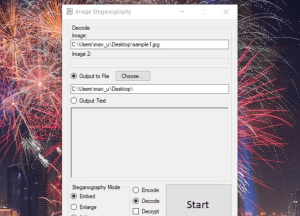
Prefer a more user-friendly approach? Enter Image Steganography software, designed for Windows 10 and 11. This tool allows you to embed ZIP archives into images without the need for complex commands. Here’s how it works:

  1. Download Image Steganography: Get this user-friendly software from Softpedia.
  2. Select Your Files: Ensure both your image and ZIP archive are in the same folder.
  3. Drag and Drop: Use the software to select your image and ZIP archive.
  4. Choose Output Location: Decide where to save your newly created image.
  5. Start the Process: Let Image Steganography work its magic.

Note: Ensure your image file is larger than the ZIP archive, or use the Pre-Scale Image option if needed.

Accessing Hidden Archives: Unveiling Your Secure Files

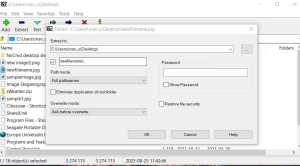
Now that you’ve hidden your ZIP archive within an image, how do you access it? We recommend using the versatile 7-Zip software, a powerful file extraction tool for Windows. Follow these steps:

  1. Install 7-Zip: Download and install 7-Zip, available in 64-bit version on their website.

    ZIP Archives
    Image by https://www.makeuseof.com/
  2. Locate Your Image: Find the image with the concealed ZIP archive.

    ZIP Archives
    Image by https://www.makeuseof.com/
  3. Open with 7-Zip: Double-click your image to open it in 7-Zip.

    ZIP Archives
    Image by https://www.makeuseof.com/
  4. Access Your Files: Browse and extract the contents of the ZIP archive.

    How to Hide a ZIP in an Image File With Image Steganography

    If a more automated way to hide a ZIP archive in an image file is preferred, check out the Image Steganography software. Image Steganography is freeware software for Windows 11/10 that enables you to embed ZIP archives in images without any command input necessary. This is how you can hide a ZIP in an image with the Image Steganography software:

    1. Open this Image Steganography page on Softpedia.
    2. Download and double-click the Image Steganography Setup.exe file to bring up an installer window.
      ZIP Archives
      Image by https://www.makeuseof.com/

      3.Select Yes when prompted to start Image Steganography.
      Open the folder that contains the ZIP archive and image file you want to merge. Remember that both files must be in the same folder just like the first method.

      Drag and drop the image file from its folder onto the Image box within the software to select it. Now that you’re ready to go, proceed with the following:

      1. Click the File radio button.
      2. Then drag and drop the ZIP archive from the folder onto the file box.
      3. Click the Choose button for the output image.
      4. Choose a folder to save the output file in. Input a name for the new image file and click Save.
      5. Make sure the Embed and Encode steganography mode options are selected.

        ZIP Archives
        Image by https://www.makeuseof.com/
      6. Press the Start button in Image Steganography.
        If an error message pops up that says the “image is too small,” you’ll need to select a bigger picture file. The image file must be larger than the ZIP archive you want to merge it with. Alternatively, select the Pre-Scale Image checkbox.

        Your new image output file will be in whatever folder you selected to save it in. The ZIP file is embedded in it, but you’ll only see the image with whatever software it opens in.

        ZIP Archives
        Image by https://www.makeuseof.com/

Why Steganography Matters: Safeguarding Your Confidential Data

In an era where digital security is paramount, steganography offers a unique way to protect your most important files. Concealing ZIP archives within images ensures that your confidential data remains hidden in plain sight, safeguarding your privacy.

Conclusion: Mastering the Art of Digital Concealment

In this digital age, data security is a top priority. Steganography empowers you to hide your ZIP archives within images, adding an extra layer of protection to your confidential files. Whether you prefer the simplicity of the Command Prompt or the user-friendly Image Steganography software, you now have the tools to master this art of digital concealment.

So, go ahead, safeguard your most important files with steganography. Your secrets will remain hidden, even in plain view.

About the Author

Jack Slater is a tech enthusiast with years of experience in data security. As an avid Windows user, he’s dedicated to sharing his knowledge and expertise with fellow tech enthusiasts. Jack’s passion for digital privacy has led him to explore the fascinating world of steganography.