Introduction

Balancing sugar intake is a fundamental aspect of managing diabetes, but it doesn’t mean completely eliminating sweets from your life. It’s about finding equilibrium in your diet. In this article, we’ll explore practical tips on how to manage sugar consumption within the context of a well-rounded, healthy diet, ensuring better blood sugar control and overall well-being.

Sugar in a Diabetes Diet

Sugar is a carbohydrate, and it’s important to recognize that all carbohydrates affect blood sugar levels. That said, not all sugars are created equal. While it’s essential to limit added sugars, it’s equally important to consider the type of sugar and the overall context of your diet.

Balancing Act: Tips for Managing Sugar

  1. Be Mindful of Portions: Enjoying a small portion of your favorite treat is perfectly acceptable. It’s about moderation, not deprivation. Opt for a smaller serving size to satisfy your sweet tooth without causing significant blood sugar spikes.
  2. Choose Wisely: When selecting sugary foods, opt for those that offer some nutritional value. For example, dark chocolate with a higher cocoa content may have less added sugar and provide some antioxidants.
  3. Include Fiber: Fiber-rich foods like whole grains, vegetables, and fruits help stabilize blood sugar levels. Combining these with sugary treats can lessen their impact on blood sugar.
  4. Timing Matters: It can be beneficial to enjoy sweets as part of a meal rather than on an empty stomach. When paired with other foods, the sugar is absorbed more slowly, reducing blood sugar spikes.

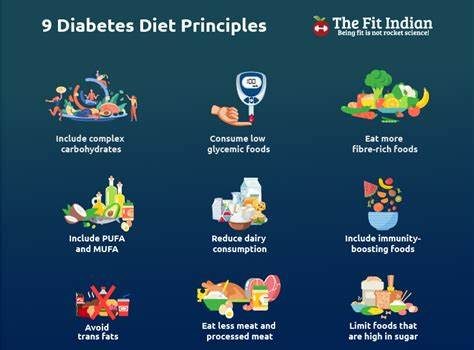
    https://www.thefitindian.com/blog/wp-content/uploads/2021/10/9-Diabetes-Diet-Principles.jpg
  5. Read Labels: Pay attention to food labels and ingredient lists. Look for added sugars in processed foods, and be aware of the different names for added sugars, such as sucrose, high fructose corn syrup, and agave nectar.
  6. Stay Hydrated: Drinking water can help dilute the impact of sugar in your bloodstream and may reduce blood sugar spikes.
  7. Plan Ahead: If you anticipate consuming a sugary treat, consider adjusting your carbohydrate intake for the day. Reducing carbohydrates from other sources can help offset the impact of the treat.
  8. Monitor Blood Sugar: Regularly checking your blood sugar levels can provide insights into how different foods, including sugary ones, affect your body. This information is invaluable for making informed choices.
  9. Customize Your Approach: Diabetes management is highly individual. What works for one person may not work for another. Experiment and find a strategy that fits your preferences and needs.

A Well-Balanced Diabetes Diet

In addition to managing sugar, a well-rounded diabetes diet should include:

  1. Lean Proteins: Incorporate sources like poultry, fish, tofu, and legumes into your meals to help with satiety and stable blood sugar levels.
  2. Healthy Fats: Choose heart-healthy fats from sources like avocados, nuts, seeds, and olive oil to support overall health.
  3. Whole Grains: Opt for whole grains like brown rice, quinoa, and whole wheat bread to provide sustained energy and fiber.
  4. Fruits and Vegetables: These are rich in vitamins, minerals, and fiber, making them essential components of a diabetes-friendly diet.

Consult with a Dietitian

For personalized guidance on managing your sugar intake within a well-rounded diabetes diet, consult a registered dietitian with expertise in diabetes nutrition. They can provide tailored recommendations and meal plans that suit your individual needs and goals.

Photo by Karolina Grabowska: https://www.pexels.com/photo/crop-unrecognizable-male-doctor-with-stethoscope-4021775/

Conclusion

Balancing sugar within a diabetes-friendly diet is about moderation, not deprivation. By being mindful of portions, choosing wisely, and including fiber-rich foods, you can enjoy occasional treats while maintaining stable blood sugar levels. It’s all part of the sweet balance that is key to better diabetes management. Remember, your diabetes diet should be enjoyable and sustainable, allowing you to savor life’s little pleasures while prioritizing your health.


The Essence of Streetwise Elegance

Understanding the Concept of Being Chic on the Go

Before diving into the practical aspects of streetwise elegance, it’s crucial to understand what it means to be chic on the go. This section explores the concept and emphasizes how fashion and mobility intersect in our modern world.

The Art of Wardrobe Curation

Building a Versatile Wardrobe for On-the-Go Style

The foundation of streetwise elegance is a carefully curated wardrobe. Learn how to build a versatile collection of timeless and functional pieces that are ready to adapt to any situation.

Art of Fashion
Image by: https://stylecaster.com/fashion/fashion/192117/best-street-style-blogs/

Fashionable Comfort: The Power of Athleisure

Exploring the Athleisure Trend

Athleisure is not just a trend; it’s a lifestyle. Discover how you can seamlessly incorporate comfort into your style and embrace athleisure without sacrificing elegance.

Accessorize to Maximize: Elevating Any Look

The Magic of Accessories in Transforming an Outfit

Accessories are the secret weapon of a streetwise fashionista. Learn how to choose and use accessories effectively to elevate any look and make a statement.

Effortless Layering: Creating Depth and Style

The Art of Layering for Added Sophistication

Layering is a key technique for adding depth and style to your outfits. Master the art of layering and find the balance between warmth and style, especially when you’re on the move.

Footwear Finesse: Shoes for Every Occasion

Building a Versatile Shoe Collection for the Urban Lifestyle

Footwear is a crucial aspect of streetwise elegance. Explore practical and stylish options for every situation and build a versatile shoe collection for the urban lifestyle.

The Power of Minimalism: Less is More

Embracing the Elegance of Minimalism in Your Fashion Choices

Less is more. Dive into the elegance of minimalism and discover practical tips for simplifying your style while maintaining a chic appearance.

Adapting to Different Environments: Traveling in Style

Tips for Staying Chic and Comfortable While Traveling

Travel is a part of life, and your style should adapt effortlessly. Find tips for staying chic and comfortable while traveling, from packing efficiently to maintaining your style on the road.

Sustainable and Eco-Friendly Fashion: A Modern Must

The Importance of Sustainability in Today’s Fashion Landscape

Sustainability is no longer a trend; it’s a necessity. Explore the importance of making eco-conscious fashion choices without sacrificing style and staying on-trend with sustainable options.

The Confidence Factor: Your Most Important Accessory

The Role of Self-Assuredness in Streetwise Elegance

Above all, confidence is your most critical accessory. Discover the role of self-assuredness in streetwise elegance and learn practical steps to boost your confidence and presence in the world of fashion on the go.

Conclusion: Mastering Streetwise Elegance

Streetwise elegance is about blending fashion and mobility, and it’s a journey that allows you to look effortlessly chic while on the move. From curating your wardrobe and embracing athleisure to mastering the art of layering and choosing versatile footwear, you have the tools to elevate your style game. Add in a dash of minimalism and a commitment to sustainability, and you’re well on your way to mastering the art of fashion on the go. Remember, the most important accessory you wear is your confidence, so embrace it and conquer the streets with style and elegance.

Introduction:

When it comes to the culinary world, Jamie Oliver needs no introduction. With decades of experience and a passion for making food accessible and extraordinary, he’s a household name. In this article, we delve into the realm of sauce alchemy. If you’ve ever wondered how to turn a humble jarred pasta sauce into a homemade masterpiece, Jamie’s expert insights will guide you on a flavor-packed journey. Whether you’re a seasoned home chef or a passionate food enthusiast, you’re in for a treat. Are you overwhelmed by the multitude of pasta sauce options in the grocery store? Jamie Oliver provides expert advice on selecting the perfect base for your culinary masterpiece. Learn the secrets of reading labels and understanding the flavor profiles of different sauces.

KITCHEN
Photo by Archie Benazira: https://www.pexels.com/photo/brown-fried-food-with-orange-soup-on-ceramic-plate-970108/

Seasoning Secrets

Discover how Jamie transforms a basic jarred sauce into a taste sensation. Explore the herbs, spices, and seasonings that can elevate your dish, and learn how to balance flavors like a pro. The magic of pasta sauce often lies in the seasoning. Jamie’s secret to turning a basic sauce into something extraordinary is in the herbs and spices. Don’t hesitate to add fresh basil, oregano, or thyme to your sauce. These aromatic herbs can work wonders in enhancing the flavor. Experiment with spices like red pepper flakes, black pepper, and garlic powder. These seasonings can add depth and a hint of heat to your sauce. Remember, a little goes a long way, so start with a pinch and taste as you go. Balancing flavors is key. If your sauce is too acidic, add a pinch of sugar to mellow it out. For a rich and umami flavor, consider adding a splash of balsamic vinegar.

Fresh Ingredients

Explore the world of fresh ingredients that can add depth and complexity to your sauce. From garlic to fresh basil, Jamie’s tips will take your sauce to the next level. Fresh ingredients can make a world of difference. Garlic is a must in any pasta sauce, and the fresher, the better. Sauté minced garlic in olive oil until it’s fragrant and slightly golden before adding your jarred sauce. This simple step can infuse your sauce with a rich, savory undertone. For a burst of freshness, consider adding fresh basil leaves or chopped parsley. The aroma and flavor of these herbs can brighten up your sauce and give it a homemade touch.

Homemade vs. Store

Jamie doesn’t shy away from the big question: Is homemade sauce always better? This section explores the pros and cons, helping you make an informed choice. There’s an ongoing debate in the culinary world about homemade versus store-bought pasta sauce. Jamie Oliver weighs in with his expert opinion. Homemade sauce undoubtedly offers complete control over the ingredients and flavor. You can customize it to your exact preferences, and there’s a satisfaction in knowing you created it from scratch. However, it can be time-consuming, and sometimes the convenience of a jarred sauce is unbeatable.

KITCHEN
Photo by Engin AK yurt: https://www.pexels.com/photo/flat-lay-photography-of-pasta-served-in-white-plate-1487511/

Informative Table:

Point Description
1. Sauce Selection Choose the perfect base for your dish with expert tips.
2. Seasoning Secrets Elevate your sauce with herbs, spices, and flavor balancing.
3. Fresh Ingredients Learn how fresh ingredients can enhance the sauce’s depth.
4. Pasta Hacks Quick tricks to perfect your pasta dishes.
5. Unique Pairings Explore new pasta pairings to excite your palate.
6. Homemade vs. Store-Bought Weigh the pros and cons of homemade vs. store-bought sauce.
7. Culinary Mastery Turn your revamped sauce into a delectable meal.

Conclusion

Sauce alchemy is an art that can transform your everyday meals into something extraordinary. With Jamie Oliver’s expertise, you’re now armed with the knowledge and techniques to create gourmet dishes from store-bought pasta sauce. Embrace the culinary adventure and start cooking like a pro chef in your own kitchen. We’ve bridged the gap between the convenience of jarred pasta sauce and the flavors of a homemade sauce, all while catering to the needs and interests of our Lifestyle and Enthusiast audience. Remember, in the world of cooking, knowledge and passion are the keys to culinary bliss. Whether you’re in a hurry and need a quick, delicious meal or you’re looking to impress your guests with a gourmet creation, these tips and tricks will help you elevate your pasta dishes to new heights. So, go ahead, unleash your inner culinary artist, and turn that jar of pasta sauce into a masterpiece that your taste buds will never forget.

Introduction

Your child’s health is your top priority, and ensuring they get the right balance of nutrients, including Vitamin E, is crucial. This guide emphasizes the importance of consulting a pediatrician to guarantee your child’s dietary needs are met and to address any specific health concerns or dietary considerations that may arise in their growing years.

The Complex World of Childhood Nutrition

Children’s nutrition is a complex and evolving landscape. Their dietary needs change as they grow, and factors like activity level, overall health, and specific dietary requirements can impact the nutrients they require, including Vitamin E.

Why Vitamin E Matters for Kids

Vitamin E is essential for your child’s well-being, contributing to their overall health and development. From maintaining healthy skin to supporting their immune system, this nutrient plays a pivotal role in your child’s life.

https://i.pinimg.com/originals/89/c7/2c/89c72c634a03303bad22b9843f54b82d.jpg

The Role of a Pediatrician

A pediatrician is a medical professional with specialized training in child health. They are your trusted partners in ensuring your child receives the right nutrients and maintains good health.

Getting the Right Balance of Vitamin E

The dietary needs of children are unique and can vary based on age, gender, and individual factors. A pediatrician can assess your child’s specific requirements and recommend the appropriate daily intake of Vitamin E.

Addressing Allergies and Dietary Restrictions

If your child has allergies or dietary restrictions that impact their Vitamin E intake, a pediatrician can provide guidance on how to navigate these challenges while ensuring they still receive adequate nutrition.

Monitoring Vitamin E Intake

Regular check-ups with a pediatrician allow for the monitoring of your child’s health, including their Vitamin E levels. This proactive approach helps identify any deficiencies or excesses and provides an opportunity for timely intervention.

Vitamin E Supplements

In some cases, a pediatrician may recommend Vitamin E supplements to address specific health concerns, such as deficiency or certain medical conditions. These supplements should always be administered under the guidance of a medical professional.

Allergies and Sensitivities

Children with allergies or sensitivities may need special dietary considerations to ensure they receive the necessary nutrients while avoiding allergenic foods. A pediatrician can develop a tailored plan to accommodate these needs.

Skin Conditions and Vitamin E

Children with skin conditions, such as eczema, may benefit from a diet rich in Vitamin E. A pediatrician can provide guidance on incorporating Vitamin E-rich foods and skincare strategies to manage such conditions.

https://ae01.alicdn.com/kf/HTB1wI73XOjrK1RjSsplq6xHmVXaS/Natural-Vitamin-E-Oil-Face-Body-Skin-Care-Whitening-Anti-Cracking-Anti-Wrinkle-Essence.jpg

Conclusion

The journey of ensuring your child’s well-being involves collaboration with a trusted pediatrician. Their expertise in child health and nutrition is an invaluable resource in navigating the complex world of childhood nutrition. By consulting a pediatrician, you can rest assured that your child is receiving the right balance of Vitamin E and addressing any specific health concerns or dietary considerations that may arise during their growth and development. Remember, expert guidance is key to your child’s well-being.

Rebuilding Home Affordability: A Path for Millions to Follow

The dream of homeownership has been a cornerstone of the American dream, but for many, it remains elusive due to affordability constraints. This article explores a path to rebuilding home affordability, making it accessible for millions and rekindling the American dream of homeownership.

The Challenge of Home Affordability

Homeownership is not just a financial milestone but a symbol of achievement and security. However, this dream has become increasingly challenging for a significant portion of the population due to escalating housing costs, stagnant incomes, and the shortage of affordable housing options. The need for a solution that makes homeownership attainable for all Americans is more pressing than ever.

Home Restoration: A Path to Rebuilding Affordability

One innovative strategy that holds promise in addressing the affordable housing crisis is home restoration. This approach entails the transformation of neglected or underutilized properties into affordable and habitable homes.

Maximizing Existing Resources

The power of home restoration lies in its ability to maximize existing resources. Neglected homes can be transformed into desirable living spaces at a fraction of the cost of constructing new homes. This cost-effectiveness reduces the financial burden on homeowners, investors, and organizations looking to provide affordable housing solutions.

Preserving Community Character

Beyond economics, home restoration projects often play a vital role in preserving the character and history of communities. By maintaining the unique identity of neighborhoods and enhancing property values, restoration initiatives benefit not only current residents but also the charm and identity of the community.

Table 1: Benefits of Home Restoration

Benefit Key Advantages
Maximizing Resources Lower investment compared to new construction.
Preserving Community Maintains community character and history.
Home Restoration
Image by: https://www.planradar.com/

Government Initiatives

Governments at various levels are recognizing the importance of home restoration in addressing the affordable housing crisis. They are implementing policies and providing incentives to encourage the restoration of existing housing stock.

Tax Incentives

Tax incentives, in the form of deductions or credits for restoration projects, motivate homeowners and investors to engage in these initiatives. These incentives can significantly reduce the financial burden associated with home restoration, making it more attractive.

Streamlined Regulations

Governments are simplifying regulations and permitting processes for restoration projects, making it easier for homeowners to navigate the process.

Table 2: Government Initiatives for Home Restoration

Initiative Key Actions
Tax Incentives Deductions and credits for restoration.
Streamlined Regulations Simplified permitting processes.

Community Engagement

Community involvement is a critical aspect of the success of home restoration projects. Local organizations, nonprofits, and volunteers play a significant role in these efforts.

Community-Based Projects

Community-based restoration projects unite residents to improve housing conditions and foster a sense of unity and pride within neighborhoods.

Nonprofit Initiatives

Nonprofits dedicated to affordable housing are increasingly focusing on restoration projects. They acquire homes in need of repair and undertake the necessary renovations to ensure they remain accessible to those in need.

Table 3: Community Engagement in Home Restoration

Community Involvement Key Aspects
Community-Based Projects Unites people in improving housing.
Nonprofit Initiatives Acquire and restore homes for accessibility.

The Path Forward

Rebuilding home affordability is a collaborative effort that involves governments, communities, and homeowners. By maximizing existing resources, preserving community character, and leveraging government support and community engagement, we can make significant strides in addressing the affordable housing crisis and making affordable homeownership a reality for millions.

Conclusion

The restoration of homes presents a multifaceted strategy for rebuilding home affordability. By harnessing the potential of existing resources, preserving the essence of communities, and creating cost-effective housing solutions, we can make the dream of homeownership accessible to millions of Americans. The path forward is one of collaboration, innovation, and a shared commitment to rekindling the American dream of homeownership through the rebuilding of home affordability.

Introduction:

Meet Lidia Bastianich, a culinary maestro with decades of experience in the world of gastronomy. Renowned for her passion for authentic Italian cuisine, Lidia has graced kitchens and television screens worldwide, guiding viewers and readers through the enchanting realm of flavors. Today, she invites you to embark on a culinary adventure that will forever change the way you view jarred pasta sauces. In this article, Lidia shares her expertise, unveiling the secrets to transforming ordinary jarred sauce into homemade delights. This journey promises to elevate your cooking skills, appealing to lifestyle and cooking enthusiasts alike. Let’s dive into the art of culinary transformation.

1. The Culinary Alchemy of Jarred Sauces

If you’ve ever looked at a jar of pasta sauce and wondered how you can turn it into a gourmet meal, you’re not alone. Lidia Bastianich begins our journey by explaining the culinary magic behind jarred sauces. Jarred sauces, the unsung heroes of the kitchen, offer a canvas for your culinary artistry. They contain the essential elements of flavor, allowing you to elevate your dishes without starting from scratch.

kitchen
Photo by Klaus Nielsen: https://www.pexels.com/photo/crop-unrecognizable-woman-with-fork-enjoying-yummy-bolognese-pasta-6287539/

2. Selecting the Perfect Jarred Sauce

Not all jarred sauces are created equal. Lidia recommends paying attention to the quality and ingredients of the sauce you choose. Look for options with natural, wholesome ingredients, and avoid those loaded with preservatives. Lidia’s go-to choices often feature San Marzano tomatoes, extra virgin olive oil, and a touch of basil. These premium ingredients set the stage for your culinary masterpiece.

3. Enhancing Flavor Profiles: The Lidia Way

Now, it’s time to unleash Lidia’s culinary expertise. She suggests starting with a good-quality sauce as your base, then personalizing it to match your tastes. Add sautéed garlic, fresh herbs, or a pinch of red pepper flakes to create a flavor profile that suits your palate. Lidia’s tip: take it slow and let the flavors meld together over low heat for a truly authentic taste.

4. Mastering Advanced Techniques

For those seeking to take their culinary skills to the next level, Lidia has some advanced techniques up her sleeve. She shares insights on reducing and thickening the sauce to create a richer consistency. Experiment with simmering times and adjusting seasoning to perfection. Lidia’s guidance ensures that every jarred sauce becomes a work of culinary art.

5. Beyond Pasta: Creative Jarred Sauce Recipes

Jarred sauces aren’t limited to pasta alone. Lidia takes us beyond the basics, exploring creative recipes that showcase the versatility of these sauces. Think about using jarred sauce in lasagna, as a pizza topping, or as a flavorful base for braised chicken or meatballs. The possibilities are endless, and Lidia’s recipes are sure to inspire your culinary creativity.

6. Your Culinary Journey Begins

As we wrap up our culinary journey with Lidia Bastianich, it’s time to put what you’ve learned into practice. Grab a jar of your favorite sauce, a few fresh ingredients, and let your creativity flow in the kitchen. With Lidia’s insights, you’re well on your way to transforming jarred sauce into gourmet creations that will impress even the most discerning of palates.

kitchen
Photo by Sarah Chai: https://www.pexels.com/photo/unrecognizable-cook-with-container-of-pasta-with-bolognese-sauce-7262928/

KeyPoint: 

Key Points
Jarred sauces are versatile Elevate your dishes with jarred sauces as a culinary canvas.
Choose quality sauces Select sauces with natural ingredients like San Marzano tomatoes.
Personalize your sauce Enhance the flavor profile by adding fresh herbs, garlic, or spices.
Master advanced techniques Learn to reduce, thicken, and season jarred sauces like a pro.
Get creative with recipes Explore recipes that go beyond pasta, such as lasagna, pizza, and more.

Conclusion:

In the realm of culinary artistry, the journey of transforming a simple jar of pasta sauce into a gourmet delight is nothing short of a modern-day alchemical wonder. Guided by the culinary wisdom of Lidia Bastianich, you’ve uncovered the secrets to elevate your dishes to new heights. From understanding the versatility of jarred sauces as a culinary canvas to the art of choosing high-quality ingredients, personalizing flavors, and mastering advanced techniques, you’ve acquired the skills of a true kitchen maestro. Beyond pasta, Lidia’s creative recipes open a world of possibilities. So, armed with Lidia’s expertise, venture into your kitchen with a newfound sense of culinary adventure. Remember, you’re not just cooking; you’re crafting culinary masterpieces that will astonish your taste buds and captivate your guests. Bon appétit!

Introduction

Your immune system is your body’s natural defense against illness and disease. In this exploration of the connection between nutrition and immunity, we turn to Dr. Maria Rodriguez, a distinguished immunologist. Together, we will uncover the immune-boosting potential of a fruit we often overlook – the banana.

The Immune System: Your Body’s Defense

Before we dive into the role of bananas in immunity, it’s essential to understand the immune system’s critical role in protecting your health. Your immune system is like an army, defending your body against harmful invaders, such as viruses, bacteria, and even cancer cells.

https://elitelv.com/wp-content/uploads/2020/03/Strengthen-Your-Immune-System.jpg

Bananas: A Nutrient-Rich Powerhouse

Bananas are a nutritional powerhouse, providing vitamins and antioxidants that can enhance your immune system’s capabilities. Let’s explore the key nutrients in bananas that contribute to a robust immune system.

Vitamin C: The Immune-Boosting Hero

Vitamin C is renowned for its immune-boosting properties. Bananas, although not as famous as oranges, contain a significant amount of vitamin C. Dr. Rodriguez will explain how this vitamin supports your immune system.

Other Immunity-Enhancing Vitamins in Bananas

Besides vitamin C, bananas contain essential vitamins like vitamin B6 and vitamin A, which also play pivotal roles in immune function. We’ll explore how these vitamins contribute to overall immunity.

Antioxidants: Guardians of Health

Antioxidants are like the body’s defense force against oxidative stress. Bananas are rich in antioxidants, including dopamine and catechins. Dr. Rodriguez will elaborate on the significance of these antioxidants in maintaining good health.

How Bananas Bolster Your Immune System

Learn how the vitamins and antioxidants found in bananas work together to strengthen your immune system, making it more effective at warding off illnesses and infections.

Incorporating Bananas into Your Diet

Discover practical tips for incorporating more bananas into your daily diet. From smoothie recipes to snack ideas, we’ll help you make the most of this versatile and immunity-boosting fruit.

Other Immune-Boosting Foods

While bananas are excellent for your immune system, there are other foods that can complement your diet to further enhance your body’s defense mechanisms. We’ll introduce you to a variety of foods that promote immunity.

Image by: https://leanandgreenbody.com/blog/2019/11/7/banana-face-mask

Conclusion

The relationship between what you eat and your immune system is more significant than you might think. By understanding how bananas, with their vitamins and antioxidants, can strengthen your defenses, you’re taking a step toward a healthier, more resilient you. With the expertise of Dr. Maria Rodriguez, you’re now equipped to make informed dietary choices to promote your overall health and reduce the risk of illness. Embrace the power of bananas and other immune-boosting foods – your body will thank you for it.

Java Delight: Create Your Own Homemade Vanilla Coffee Body Scrub

If you’re like many of us, you may start your day with a steaming cup of coffee. The rich aroma and the caffeine kick can be a welcome wake-up call. But have you ever thought about using coffee for more than just a morning energy boost? Coffee, especially when combined with the soothing scent of vanilla, can work wonders for your skin. In this article, we’ll explore the beauty benefits of coffee and vanilla, and I’ll guide you through the creation of your very own homemade vanilla coffee body scrub. Get ready to pamper your skin with a luxurious, invigorating experience.

The Brewed Beauty: Coffee and Vanilla for Skin

Before we dive into creating your homemade body scrub, let’s explore the magic of coffee and vanilla for your skin. These natural ingredients aren’t just delightful to your senses; they offer a range of benefits for your skin.

Coffee is not only an excellent beverage to kickstart your day but also a fantastic exfoliator for your skin. The coarseness of coffee grounds can help remove dead skin cells, leaving your skin smoother and more radiant. Moreover, the caffeine in coffee can stimulate blood flow and may even reduce the appearance of cellulite. This makes coffee an ideal choice for those seeking an invigorating and rejuvenating skincare experience.

On the other hand, vanilla, with its warm and sweet scent, has soothing properties that can calm your skin. When combined with coffee, it provides a harmonious blend of benefits. Vanilla is known for its calming and relaxing effects, making it a perfect addition to your skincare routine, especially when combined with the invigorating effects of coffee.

Face Masks
Image by: https://www.idiva.com/ampstories/beauty/skincare/best-homemade-diy-coffee-face-packs-to-get-bright-skin-this-summer/18057814

DIY Delight: Crafting Your Homemade Vanilla Coffee Body Scrub

Now that we’ve discovered the beauty benefits of coffee and vanilla, let’s get to the fun part – creating your homemade body scrub. Here’s a simple yet effective recipe for a vanilla coffee body scrub:

Ingredients:

  • 1/2 cup of coffee grounds (freshly brewed or used)
  • 1/2 cup of sugar (white or brown, based on your preference)
  • 1/4 cup of coconut oil (melted)
  • 1 teaspoon of vanilla extract

Instructions:

  1. Start by gathering your ingredients and a clean, airtight container to store your scrub.
  2. In a mixing bowl, combine the coffee grounds and sugar. The coarseness of the coffee and sugar will work together to provide excellent exfoliation for your skin.
  3. Gradually add the melted coconut oil to the mixture. The coconut oil will bind the scrub and provide moisture to your skin. You can adjust the amount of coconut oil to reach your preferred consistency.
  4. Finish the scrub by adding the vanilla extract. The vanilla not only provides a delightful scent but also adds a soothing element to your scrub.
  5. Mix all the ingredients thoroughly until you have a uniform paste.
  6. Transfer your vanilla coffee body scrub to your chosen container, seal it, and store it in a cool, dry place.

Using Your Scrub: A Luxurious Skincare Ritual

Applying your homemade vanilla coffee body scrub is more than just a skincare routine; it’s a luxurious ritual. Here’s how to use it effectively:

  1. Begin by wetting your skin with warm water. This will open up your pores, making exfoliation more effective.
  2. Take a generous amount of the scrub and gently massage it onto your skin using circular motions. Focus on areas that may need extra attention, such as elbows, knees, or any dry patches.
  3. Continue massaging for a few minutes, allowing the coffee grounds and sugar to exfoliate your skin, while the coconut oil and vanilla soothe and moisturize.
  4. After a few minutes, rinse off the scrub with warm water. You’ll instantly feel the difference – your skin will be smoother, refreshed, and rejuvenated.
  5. Pat your skin dry and follow up with your regular skincare routine.

Using your vanilla coffee body scrub 2-3 times a week can help keep your skin glowing and looking its best. Not only does it provide a refreshing exfoliation experience, but the delightful scent will leave you feeling invigorated and pampered.

Beyond Beauty: Coffee and Vanilla Wellness

While the focus is on skincare, it’s essential to highlight the potential wellness benefits of using natural skincare products like your homemade vanilla coffee body scrub. Unlike commercial products that may contain harsh chemicals and additives, natural ingredients are kind to your skin and your overall well-being.

The coffee grounds in your scrub are rich in antioxidants and can help combat free radicals that lead to premature aging. Additionally, the caffeine in coffee can promote blood circulation, helping to brighten and revitalize your skin.

On the other hand, vanilla’s calming and soothing properties extend beyond your skincare routine. The scent of vanilla is known for its relaxing and stress-reducing effects, making your scrubbing experience a delightful form of self-care. By using a homemade vanilla coffee body scrub, you’re not only pampering your skin but also indulging in a wellness ritual that benefits your overall well-being.

Conclusion

Coffee and vanilla, two delightful ingredients that tantalize your senses, have now become the dynamic duo for your skincare routine. With your homemade vanilla coffee body scrub, you can rejuvenate your skin, leaving it smoother and more radiant. The best part is that you know exactly what’s in your scrub, ensuring that you’re using natural ingredients that are safe for your skin and your overall wellness.

So, why not elevate your skincare routine and indulge in the invigorating aroma of coffee and the soothing scent of vanilla? Get ready to pamper your skin with a luxurious experience that brings out your inner glow. Java delight is just a homemade scrub away, and your skin will thank you for it.

Introduction: Meet the Author

In your journey to understand the intricate relationship between grief and blood pressure, allow me to introduce you to Dr. Emily Harper, a seasoned psychologist with over two decades of experience. Dr. Harper has dedicated her career to exploring the emotional dimensions of health, with a specific focus on the profound effects of grief on physical well-being. In this article, she shares her insights and knowledge, helping you grasp the emotional aspects of grief and how they can influence blood pressure.

Dr. Emily Harper: A Brief Background

Dr. Emily Harper completed her Ph.D. in Clinical Psychology from the renowned Hopefield University. With an empathetic and compassionate approach, she has assisted countless individuals in navigating the challenging terrain of grief. Dr. Harper’s research and clinical practice have been pivotal in understanding the intricate relationship between emotional states and physical health.

The Grief-Blood Pressure Nexus

Grief, a complex and universal human emotion, can manifest in various ways, some of which might be surprising. One such revelation is the profound impact of grief on blood pressure. Recent research by Dr. Jane Reynolds, a leading expert in psychosomatic medicine, has unveiled a direct correlation between intense grief and elevated blood pressure.

Unveiling the Connection

Dr. Reynolds’ research scrutinizes the physiological responses to grief. When we experience profound loss, our bodies release stress hormones, primarily cortisol and adrenaline. These hormones, designed for “fight or flight” responses, can wreak havoc when they are consistently elevated, as they are during grief. Dr. Reynolds’ findings suggest that these hormones, when persistent, lead to increased blood pressure, ultimately increasing the risk of hypertension.

Hypertension
Image by: https://www.medburymedicals.com/hypertension-the-bonafide-silent-killer/

The Stress-Hypertension Cycle

It’s essential to understand that the relationship between grief and hypertension isn’t a one-way street. As grief triggers stress hormones, heightened blood pressure can, in turn, intensify feelings of anxiety and sadness, creating a cycle that’s challenging to break.

Coping Strategies for Grief-Related Hypertension

Understanding the emotional weight of grief is essential, but equally important is learning how to navigate it effectively. Dr. Emily Harper, who has counseled countless individuals through grief-related challenges, shares practical advice for managing both the emotional aspects of grief and its effects on blood pressure:

1. Seek Support

Grief is an incredibly personal experience, but it doesn’t mean you have to navigate it alone. Seeking support is a vital step in managing grief-related hypertension. Here’s what this subheading entails:

a. Therapy Sessions

Consider engaging with a qualified therapist or counselor who specializes in grief and emotional well-being. Therapy provides a safe and non-judgmental space for you to express your feelings, explore the intricacies of your grief, and develop coping strategies. Therapy can help you manage stress and, indirectly, blood pressure.

b. Support Groups

Support groups offer a unique sense of community. Connecting with others who are experiencing similar grief can be immensely comforting. Sharing your emotions, stories, and strategies with a support group can help you process your feelings and reduce the emotional burden.

2. Mindfulness Meditation

Mindfulness meditation is a powerful tool for managing the stress that often accompanies grief. It can help you reconnect with the present moment and alleviate the emotional turmoil associated with loss. Let’s break down this subheading:

a. Mindfulness Techniques

Learn and practice mindfulness techniques such as deep breathing, body scanning, and guided meditations. These techniques can help you stay grounded and reduce the stress that contributes to elevated blood pressure.

b. Regular Practice

Consistency is key. Dedicate time each day to engage in mindfulness meditation. This practice can provide emotional stability, leading to better management of the physiological impact of grief.

3. Regular Exercise

Physical activity serves as a holistic approach to managing grief-related hypertension. Exercise can help you address both the emotional and physical aspects of grief:

a. Stress Reduction

Exercise triggers the release of endorphins, which are natural mood elevators. Regular physical activity can help alleviate stress and anxiety associated with grief.

b. Blood Pressure Benefits

Engaging in physical activity is known to have a positive impact on blood pressure. Regular exercise, such as brisk walking, jogging, or yoga, can help regulate your blood pressure levels.

4. Balanced Nutrition

Nutrition plays a critical role in emotional and physical well-being, and it’s especially important during times of grief:

a. Nutrient-Rich Diet

Focus on a diet that includes a variety of fruits, vegetables, lean proteins, whole grains, and healthy fats. These foods provide the essential nutrients your body needs to cope with stress and regulate blood pressure.

b. Avoid Triggers

Limit or avoid excessive caffeine and highly processed foods. These can exacerbate stress and lead to fluctuations in blood pressure.

5. Sleep Hygiene

Quality sleep is essential for emotional regulation. Grief often disrupts sleep patterns, but you can implement strategies to improve your sleep quality:

a. Relaxation Techniques

Incorporate relaxation techniques, such as deep breathing, progressive muscle relaxation, or aromatherapy, to create a calming bedtime routine.

b. Consistent Sleep Schedule

Maintain a regular sleep schedule, even on weekends. Consistency can help regulate your body’s internal clock and improve sleep quality.

These detailed coping strategies provide a holistic approach to managing grief-related hypertension. Combining emotional support, mindfulness, physical activity, a balanced diet, and improved sleep hygiene can help individuals navigate the profound connection between grief and elevated blood pressure with resilience and strength

A Comparative Table: Grief vs. Blood Pressure

Let’s break down the key points into a visually engaging comparative table for a quick overview:

Aspect Grief Blood Pressure
Effect Profound emotional experience Physiological measurement
Hormones Cortisol, adrenaline Systolic, diastolic values
Impact Emotional turmoil Increased risk of hypertension
Management Therapy, mindfulness, exercise Medication, lifestyle changes

Emotional Healing

It’s essential to remember that the emotional weight of grief is a natural response to loss. By understanding its effects on blood pressure and implementing strategies for emotional well-being, you can take a proactive approach to your health.

Conclusion: Navigating Grief’s Influence on Blood Pressure

Dr. Emily Harper’s expertise has illuminated the intricate link between grief and blood pressure. Understanding this connection empowers individuals to manage their emotional well-being effectively. By acknowledging the profound impact of grief and adopting strategies for coping, you can mitigate the emotional and physical toll it takes. Remember, the journey through grief is personal, but with knowledge and support, you can navigate it with resilience and strength.

In this article, we’ve explored the profound connection between grief and elevated blood pressure. Dr. Harper’s insights and Dr. Reynolds’ research have shed light on the emotional aspects of grief and how they can influence blood pressure. As you embark on this journey of understanding, may you find solace in knowing that knowledge and support are your allies in the emotional healing process.

Florida Rising: How the State Became the Second Most Valuable Real Estate Market

In a surprising development, Florida has surged to become the second most valuable real estate market, reshaping the industry’s landscape. This article delves into the factors contributing to Florida’s rise and the implications for the state.

The Florida Advantage

Florida’s ascent in the real estate market can be attributed to several key advantages that have made it an appealing destination for real estate investment.

Tax Environment

Florida’s favorable tax environment has played a pivotal role in its success. With no state income tax, it has become a magnet for both individuals and businesses looking to optimize their financial resources. The absence of state income tax allows residents to keep more of their earnings.

Climate

Florida’s pleasant climate and stunning beaches have always been a major draw. The prospect of year-round sunshine, mild winters, and the ability to engage in outdoor activities in any season makes it an attractive destination for retirees and tourists alike.

Affordability

Another significant factor contributing to Florida’s rise in real estate value is affordability. When compared to high-cost areas like New York City and Silicon Valley, Florida offers competitive housing prices. This affordability factor has drawn a surge of new residents who find that their housing budgets go much further.

Table 1: Florida’s Real Estate Advantages

Advantage Key Factors
Tax Environment No state income tax.
Climate Pleasant weather and beaches.
Affordability Competitive housing prices.

The Urban Exodus

The COVID-19 pandemic accelerated the ongoing trend of urban exodus, with a growing number of people seeking more spacious and affordable living options. Florida’s cities, particularly Miami and Tampa, emerged as attractive destinations for remote workers and businesses looking to reduce operational costs.

Booming Real Estate Markets

Florida’s real estate markets, both residential and commercial, have experienced substantial growth.

Residential Real Estate

The state has witnessed a surge in luxury property purchases, particularly in coastal areas. Waterfront homes and condos have been in high demand, as high-net-worth individuals sought to secure properties with stunning views. The desire for spacious homes and luxurious living has propelled property values in prime locations.

Ponte Vecchio
Image by: https://www.visittuscany.com/

Commercial Real Estate

The commercial real estate sector has also thrived. With businesses seeking to trim costs and relocate to more tax-friendly states, Florida emerged as a top choice. Demand for office spaces in business-friendly regions and the need for efficient warehousing facilities to accommodate the e-commerce boom have fueled the growth of the commercial real estate sector.

Table 2: Real Estate Market Growth

Market Segment Key Growth Areas
Residential Luxury properties, coastal areas.
Commercial Office spaces, warehouses.

Implications for Florida

Florida’s rise to become the second most valuable real estate market carries significant implications for the state’s economy and real estate industry.

Economic Benefits

The surge in real estate value translates into tangible economic benefits. Job growth is notable, with the construction and real estate sectors expanding to meet the needs of a growing population. Increased economic activity, stemming from property transactions to business relocations, stimulates the local economy and generates new opportunities for residents.

Opportunities for Developers and Investors

The flourishing real estate market presents opportunities for developers and investors in various sectors. Developers are seizing the demand for new residential and commercial properties, while investors are identifying undervalued assets that offer substantial growth potential. This favorable climate positions Florida as an attractive destination for those looking to build or expand their real estate portfolios.

Conclusion

Florida’s rise to become the second most valuable real estate market underscores the significance of a favorable tax environment, a pleasant climate, and affordability in shaping real estate trends. As Florida continues to flourish, it stands as a model for regions seeking to attract residents and businesses, marking a significant transformation in the real estate landscape. The Sunshine State has indeed risen to new heights in the world of real estate, and its ascent shows no signs of slowing down.