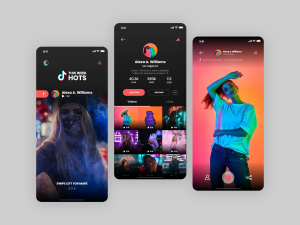
When you hear “SEO,” you might immediately think of Google. But did you know that social media platforms like Facebook, Instagram, and TikTok also use algorithms that you need to understand to reach your target audience? These popular apps have specific rules that marketers need to crack to make their content more visible. Social SEO is all about optimizing your social media pages to fit these rules, helping you gain more followers and increase engagement.
The Impact of Social SEO
In today’s digital world, 77% of businesses are using social media to connect with customers, with 41% even using it as a source of revenue. This isn’t surprising considering that 76% of users have bought at least one thing they saw on social media. Plus, on average, social media drives 16% of website traffic, just a bit less than organic search. Like Google, each social media platform has its own algorithm that determines which posts users see. So, understanding these algorithms is crucial for effective social media marketing.
Social SEO Tips for Instagram
Instagram uses its algorithm to show users the kind of content they like to engage with. Here are some tips to help you master the Instagram algorithm:
1. Find the right hashtags: Choose hashtags that are relevant and have a good balance of usage. Too popular, and you might get drowned out. Too obscure, and no one might see your post.
2. Incorporate keywords naturally: Use relevant terms in your post that signal to the algorithm what your content is about.
3. Identify the best time to post: Use Instagram’s analytics to find out when your audience is most active.
4. Post stories regularly: Daily stories tell Instagram you’re active and ready to engage with your followers.
5. Use Reels: Instagram Reels are becoming increasingly popular and have a higher reach than other types of content.
6. Use location tags: Posts with location tags receive 79% higher engagement than those without.
Benefits of Social SEO:
1. Increased visibility: Optimizing your social media content according to the platform’s algorithm increases your visibility, helping you reach a wider audience.
2. Higher engagement: When your content aligns with what your target audience wants to see, they are more likely to engage with your posts.
Social SEO Tips for Facebook, TikTok, and YouTube
Like Instagram, each social media platform has its own set of rules for content optimization. For Facebook, make sure to optimize your page description and “About” section, and use a vanity URL. For TikTok, hop on trends, use relevant hashtags, add subtitles, and post consistently. For YouTube, use keywords in your video title, description, tags, script, and more, add closed captions, divide your videos into chapters, and create eye-catching thumbnails.
Frequently Asked Questions About Social SEO
You might have some questions about social SEO, like the importance of adding alt text to images (yes, it’s important!), the factors that affect social SEO traffic and engagement, and whether AI-generated captions hurt the searchability of social media posts (they don’t, as long as they sound genuine and high-quality).
Conclusion
Mastering social SEO can seem challenging because each platform has a different algorithm. But with these tips, you’ll be well on your way to growing your social media presence. For a more efficient and timely approach, consider using a social media publishing tool like Sendible.
Benefits of Social SEO:
1. Improved brand recognition: As you optimize your social media presence, more people will recognize and engage with your brand.
2. Increased website traffic: By directing social media users to your website, you can significantly boost your website traffic.
In the dynamic world of customer relationship management (CRM), the integration artificial intelligence (AI) is not an advancement; it’s a revolution. Dubbed as AI CRM, this innovative amalgamation of AI technologies with traditional CRM platforms is redefining how businesses interact with their customers. Let dive into the transformative domain of AI CRM, highlighting how it elevates customer service and sales strategies, with insights into industry-leading solutions such as Zendesk, Zoho CRM, and HubSpot CRM.
What is AI CRM?
Artificial Intelligence Customer Relationship Management (AI CRM) leverages machine learning, natural language processing, and predictive analytics to enhance traditional CRM functionalities. By analyzing vast datasets in real-time, AI CRM provides predictive insights, automates mundane tasks, and personalizes customer interactions. By prioritizing leads intelligently, forecasting sales, and offering 24/7 chatbot support, AI CRM acts proactively, optimizing customer relationships and driving significant business growth.
How AI Empowers CRM Systems
Image by Yandex.com
AI’s integration into CRM systems marks a significant leap forward in how businesses manage and foster relationships with customers. Let’s dive into each of the key functionalities highlighted, providing a clearer understanding of how AI transforms CRM systems from passive databases to dynamic, proactive entities.
Automated Lead Scoring
One of the standout of AI-enhanced CRM systems is Automated Lead Scoring. Here, AI algorithms analyze historical data and customer interactions to score leads based on their likelihood to convert. Factors such as engagement level, demographic information, and past purchasing behaviors are taken into account. By doing so, businesses can focus their sales efforts on leads with the highest conversion potential, optimizing resources and boosting sales efficiency.
Sales Forecasting
Sales Forecasting through AI employs predictive analytics—a statistical technique that interprets patterns in historical and current data to predict future trends. In the context of CRM, this means predicting future sales volumes, helping businesses make informed strategic decisions. For instance, if AI predicts a sales dip in the next quarter, a company might ramp up its marketing efforts in response. This forecasting enables businesses to anticipate market fluctuations and adapt proactively, rather than reacting to changes as they occur.
Personalized Interactions
AI takes customer data—preferences, purchase history, interaction logs—and uses it to tailor communications. This could be in the form of personalized marketing emails, customized product recommendations, or individualized support messages. The goal is to make each customer feel understood and valued by the business, increasing engagement and loyalty. This level of personalization, at scale and in real-time, was previously unattainable without AI.
Efficiency and Accuracy
AI excels at automating routine tasks, such as data entry, lead assignment, and even initial customer inquiries through chatbots. This not only speeds up operations but also minimizes human error. The result is a more efficient CRM process, where data is more accurate, and employees can dedicate time to more strategic, value-add tasks. For example, sales reps can spend more time building relationships with high-value leads rather than entering data into a system.
Continuous Learning
Perhaps one of the most powerful aspects of AI is its ability to learn and improve over time. AI algorithms are designed to refine their predictions and decisions as they process more data. This means the more an AI-enhanced CRM system is used, the smarter it gets. Continuous learning ensures that businesses aren’t just keeping pace with market and customer behavior changes—they’re staying ahead. This ongoing improvement loop enhances system accuracy and reliability, making AI a valuable long-term asset for CRM.
But the transforming CRM systems into proactive, intelligent platforms, AI empowers businesses to better predict customer needs, prioritize their efforts more effectively, and engage with customers on a more personal level. The automation of tasks frees up valuable time, while the continuous learning aspect of AI ensures that the system grows in value over time, always enhancing its offerings based on the latest data. This comprehensive enhancement of CRM functionality not only streamlines operations but fundamentally improves the way companies interact with their most valuable asset—their customers.
The AI CRM Landscape: Key Players and Their Strengths
Zendesk Sell: AI-Driven Lead Management
Zendesk Sell leverages AI to refine lead management, setting a high standard for CRM solutions. Its AI algorithms process customer data to pinpoint and prioritize leads that show the highest potential for conversion. This system equips sales teams with advanced analytics tools, enabling a deeper understanding of sales funnels and customer behaviors. The result is a more targeted sales approach, focusing efforts where they’re most likely to pay off—thus optimizing sales strategies and improving conversion rates.
Zoho CRM: Broad AI Functionalities
Image by Yandex.com
Zoho CRM stands as a comprehensive solution, offering a wide array of AI-driven features. Sales forecasting, powered by AI, helps businesses predict future sales trends, equipping them with the insight needed for strategic planning. Email optimization and intelligent workflow automation streamline communication and operational tasks, enhancing efficiency. Zoho’s AI functionalities are designed to cover various aspects of CRM, from improving customer interactions to automating routine processes, making it a versatile tool for businesses of all sizes.
Pipedrive CRM: AI Sales Suggestions
Pipedrive CRM differentiates itself with AI-generated sales suggestions. These insights are derived from data analysis, guiding sales teams on when and how to engage potential customers effectively. The AI system assesses past interactions and outcomes to recommend actions that increase the likelihood of closing a deal. This focus on boosting sales productivity through actionable insights helps businesses tailor their sales strategies for better results.
Freshsales: AI-Powered Chatbot Tools
Freshsales excels in providing AI-powered chatbot solutions, enhancing the realm of customer support. These chatbots can engage with customers in real-time, offering instant responses to inquiries and support requests. The AI-driven nature of these tools allows for personalized interaction based on the customer’s history and preferences, drastically improving the customer service experience. This capability ensures businesses can maintain high levels of customer satisfaction, even outside standard operating hours.
HubSpot CRM: The Best Free AI CRM
HubSpot CRM is celebrated for its free access to a suite of AI features, making it a standout choice for businesses seeking cost-effective CRM solutions. With functionalities like lead scoring, email tracking, and deal forecasting, HubSpot offers a competitive range of tools that can drive sales and marketing strategies. The accessibility of these features without a premium subscription democratizes advanced CRM capabilities, allowing even small businesses to benefit from AI-driven insights and automation.
Niche Players with Distinct AI Capabilities
In addition to these leading platforms, the CRM market is rich with niche players offering specialized AI functionalities. These solutions cater to specific industry needs or operational focuses, delivering tailored AI benefits that enhance customer relationships and business processes in unique ways. Whether it’s through advanced data analysis, personalized marketing automation, or sector-specific interaction models, these niche players contribute to the diverse ecosystem of AI-enhanced CRM solutions.
The integration of AI into CRM platforms represents a significant advancement in how businesses manage and nurture customer relationships. From lead management and sales forecasting to customer support and operation automation, AI-driven CRM solutions empower businesses to operate more efficiently and connect with customers on a deeper level. As technology evolves, the potential for AI to further transform CRM practices remains vast, promising even more innovative ways to engage with customers and drive business success.
Creatio CRM: Streamlining Operations with AI
Creatio CRM is a powerful tool that focuses on streamlining sales, marketing, and service operations with its advanced process automation and AI functionalities. What sets Creatio apart is its ability to automate complex business processes, from lead to customer service inquiries, reducing manual work and potential for error. The AI component of Creatio helps in analyzing customer data to offer predictive insights, enabling businesses to anticipate customer needs and personalize interactions more effectively. This combination of process automation and AI-driven analytics makes Creatio an excellent choice for companies looking to enhance operational efficiency and create more engaging customer experiences.
Capsule CRM: Tailored for Small to Medium-Sized Businesses
Image by Yandex.com
Capsule CRM targets small to medium-sized businesses (SMBs) with an emphasis on simplicity and effectiveness. Its user-friendly interface ensures that businesses can easily manage their sales pipelines, customer relationships, and organizational tasks without a steep learning curve. Integrated AI capabilities assist in analyzing sales data, providing actionable insights that help businesses focus their efforts where they are most likely to yield results. Capsule CRM’s approachable design, combined with intelligent sales management tools, makes it an attractive option for SMBs seeking to leverage AI without requiring extensive technical expertise.
Leap: Enhancing Interactions and Efficiency with AI
Leap stands out for its AI-driven insights and automation designed to refine customer interactions and improve operational efficiency. The platform leverages machine learning to understand customer behavior and preferences, enabling businesses to engage in more meaningful and personalized ways. Additionally, Leap’s automation features streamline various business processes, from managing leads to optimizing customer service workflows. This focus on using AI to both enhance customer relationships and improve internal operations makes Leap a valuable tool for businesses looking to gain a competitive edge.
Monday CRM: Customizable AI Solutions for Diverse Needs
Monday CRM prioritizes flexibility and customization, offering a range of customizable AI solutions tailored to fit diverse business workflows and customer management requirements. The platform allows companies to build their CRM ecosystem with modular building blocks, integrating AI-driven features suited to their specific operational needs. Whether it’s automating routine tasks, generating sales forecasts, or providing personalized customer service, Monday CRM gives businesses the tools to create a bespoke CRM solution. This level of customization ensures that companies don’t have to conform to a one-size-fits-all approach, making Monday CRM especially appealing to those with unique or evolving business models.
These each of CRM platforms—Creatio, Capsule, Leap, and Monday—brings distinct advantages to the table, driven by AI and automation. Whether it’s streamlining complex operations, serving the needs of SMBs, enhancing customer interactions, or providing customizable solutions, these platforms demonstrate how AI is becoming an indispensable part of modern CRM strategies. Choosing the right platform depends on a business’s specific needs, size, and the strategic goals they aim to achieve through their customer relationship management efforts.
The Benefits of Integrating AI into CRM
Integrating AI into CRM systems brings a multitude of benefits, including but not limited to:
Enhanced Operational Efficiency: By automating routine tasks, AI frees staff to focus on strategic work.
Improved Customer Satisfaction: AI-powered chatbots and personalized interactions boost customer support quality and satisfaction.
Data-Driven Insights: Offers valuable insights into customer behavior, sales trends, and efficiency improvements.
Reduced Costs: Minimizes manual work and errors, leading to significant cost savings.
Real-World Success Stories
Einstein GPT by Salesforce: Performs over a trillion predictive analyses weekly, enhancing sales strategies and operational efficiency.
IBM Consulting with Bouygues Telecom: Implemented generative AI in call centers, achieving significant cost savings and operational improvements.
Measuring the ROI of AI in CRM
To determine AI CRM’s true value, track metrics such as customer satisfaction, operational efficiency, sales forecasting accuracy, and cost savings. Successful implementation stories, like Einstein GPT and IBM’s generative AI, demonstrate AI CRM’s potential to revolutionize customer interaction and management.
Looking to the Future: AI-Powered Customer Relationships
The integration of AI into CRM systems marks a significant shift towards more intelligent, proactive, and customized customer relationships. As technology advances, AI in CRM will continue to offer deeper insights, more personalized interactions, and enhanced efficiency, setting the stage for an era of unprecedented customer relationship management.
Embracing AI CRM not only optimizes current operations but also prepares businesses for future challenges and opportunities in the realm of customer engagement and satisfaction. As companies continue to adopt AI-driven CRM solutions, the future of customer relationships looks promising, driven by innovation, efficiency, and a deeper understanding of customer needs.
Conclusion
The integration of Artificial Intelligence (AI) into Relationship Management (CRM) systems a significant evolution in how businesses approach and manage their interactions with customers. Platforms like Creatio CRM, Capsule CRM, Leap, and Monday CRM each offer unique functionalities tailored to various business needs, from automating operational processes to providing personalized customer interactions and insights through AI-driven analytics.
Creatio CRM shines in automating sales, marketing, and service operations, allowing for a streamlined approach to managing complex business processes. Capsule CRM targets small to medium-sized businesses with a-friendly interface and effective sales management tools powered by AI, making it accessible for businesses with limited technical resources. Leap focuses on enhancing customer interactions and operational efficiency through AI-driven insights and automations, offering a competitive edge in personalizing customer experiences. Monday CRM provides customizable AI solutions, catering to diverse business workflows and customer management needs, enabling businesses to tailor the CRM system to their specific operational requirements.
The core advantage of integrating AI into CRM systems lies in their ability to transform vast amounts of data into actionable insights, automate routine tasks to increase efficiency, and personalize customer interactions at scale. This not only enhances the customer experience but also drives business growth by enabling more strategic decision-making and resource allocation.
As businesses continue to navigate an increasingly digital landscape, the importance of leveraging AI within CRM platforms becomes ever more critical. The ability to predict customer needs, streamline operations, and engage customers on a personal level will set apart successful businesses in the competitive marketplace. Therefore, choosing the right AI-powered CRM platform, aligned with specific business goals and customer management strategies, is a strategic investment towards achieving enhanced customer relationships and business outcomes.
In essence, the future of customer relationship management is deeply intertwined with AI, and embracing this technology is key to unlocking new levels of efficiency, customer satisfaction, and innovation in business strategies.
The world of culinary entertainment continues to evolve, and 2024 promises to bring a fresh wave of celebrity cooking shows that will tantalize your taste buds and inspire your inner chef. Whether you’re a seasoned cook or a kitchen novice, these shows offer something for everyone. In this article, we’ll explore the top celebrity cooking shows to keep an eye on in 2024, highlighting the unique flavors and personalities that make each program a must-watch.
The Rise of Celebrity Cooking Shows
Image by: Yandex.com
Celebrity cooking shows have transformed over the years from instructional programs to engaging entertainment. Initially, cooking shows focused purely on recipes and cooking techniques. However, in today’s world, they have expanded into reality competitions, lifestyle programs, and travel adventures. The presence of celebrities, be they renowned chefs or Hollywood stars, has added a layer of glamor, drawing a wider audience base. Cooking shows now have broad appeal, blending culinary expertise with personal stories and friendly competition.
Celebrity Cooking Shows
1. Gordon Ramsay’s Ultimate Home Cooking
Image by: Yandex.com
Gordon Ramsay is a household name in the culinary world, known for his fiery personality and exceptional cooking skills. In “Gordon Ramsay’s Ultimate Home Cooking,” Ramsay takes a step back from the high-pressure environment of professional kitchens to focus on creating delicious, easy-to-follow recipes that anyone can make at home. This show emphasizes simplicity and flavor, making it perfect for home cooks looking to elevate their everyday meals.
Key Highlights:
Simple yet flavorful recipes
Tips and tricks from a culinary master
Familyfriendly dishes
2. Chrissy Teigen’s Cravings Kitchen
Image by: Yandex.com
Model and cookbook author Chrissy Teigen brings her love for food and fun personality to “Cravings Kitchen.” This show is a delightful blend of comfort food, international flavors, and Teigen’s signature humor. Each episode features guest appearances from other celebrities and chefs, adding an extra layer of excitement and variety.
Key Highlights:
Diverse and delicious recipes
Celebrity guest appearances
Humorous and engaging presentation
3. Jamie Oliver’s Food Revolution
Image by: Yandex.com
Jamie Oliver has long been an advocate for healthy eating and food education. “Jamie Oliver’s Food Revolution” continues this mission, focusing on nutritious, accessible recipes that promote a balanced diet. Oliver’s passion for food and health shines through in every episode, making this show both informative and inspiring.
Key Highlights:
Healthy and nutritious recipes
Focus on food education
Inspirational and motivating content
4. The Pioneer Woman: Ree Drummond
Image by: Yandex.com
Ree Drummond, also known as The Pioneer Woman, brings her down-to-earth charm and love for comfort food to her cooking show. Filmed on her ranch in Oklahoma, this show offers a glimpse into Drummond’s life while showcasing hearty, family-friendly recipes that are perfect for any occasion.
Key Highlights:
Comfort food recipes
Insight into ranch life
Family-oriented cooking
5. Stanley Tucci: Searching for Italy
Image by: Yandex.com
Actor Stanley Tucci takes viewers on a culinary journey through Italy in “Searching for Italy.” This show combines travel and food, exploring the rich culinary traditions of different Italian regions. Tucci’s passion for Italian cuisine and culture is evident in every episode, making this show a feast for both the eyes and the stomach.
Key Highlights:
Exploration of Italian cuisine
Travel and cultural insights
Stunning visuals and storytelling
6. Selena + Chef
Image by: Yandex.com
Pop star Selena Gomez steps into the kitchen with “Selena + Chef,” a show that pairs her with professional chefs to learn new recipes and cooking techniques. Each episode features a different chef, bringing a variety of culinary styles and flavors to the table. The show’s casual and relatable approach makes it a hit with viewers of all ages.
Key Highlights:
Variety of guest chefs
Relatable and casual cooking
Fun and educational
7. Bobby Flay’s Barbecue Addiction
Image by: Yandex.com
Grilling enthusiasts will love “Bobby Flay’s Barbecue Addiction,” where celebrity chef Bobby Flay shares his passion for all things barbecue. From classic American BBQ to international grilling techniques, Flay covers it all, offering tips and recipes that will take your grilling game to the next level.
Key Highlights:
Extensive barbecue recipes
Grilling tips and techniques
Flay’s expertise and enthusiasm
8. Ina Garten’s Barefoot Contessa
Image by: Yandex.com
Ina Garten, the Barefoot Contessa, is known for her elegant yet approachable cooking style. Her show features a mix of classic and contemporary recipes, all presented with Garten’s signature warmth and hospitality. Whether you’re hosting a dinner party or cooking for your family, “Barefoot Contessa” offers plenty of inspiration.
Key Highlights:
Elegant and approachable recipes
Tips for entertaining
Garten’s warm and inviting presentation
9. Martha Stewart’s Cooking School
Image by: Yandex.com
Martha Stewart is a legend in the world of home cooking and entertaining. “Martha Stewart’s Cooking School” is an educational series that covers a wide range of cooking techniques and recipes. Each episode is like a masterclass, offering viewers the chance to learn from one of the best in the business.
Key Highlights:
Comprehensive cooking techniques
Educational and informative
High quality production
10. David Chang’s Ugly Delicious
Image by: Yandex.com
Chef David Chang challenges conventional notions of food and flavor in “Ugly Delicious.” This show explores the cultural and social aspects of food, highlighting dishes that may not be traditionally beautiful but are undeniably delicious. Chang’s bold approach and thought-provoking commentary make this show standout.
Key Highlights:
Exploration of unconventional dishes
Cultural and social insights
Chang’s bold and innovative approach
Why Celebrity Cooking Shows Remain Popular in 2024
Several factors contribute to the continued popularity of celebrity cooking shows in 2024:
Connection with Audiences: Many of these shows feature celebrities who are relatable, creating a personal connection with viewers. Whether it’s watching Selena Gomez fumble through a recipe or seeing Gordon Ramsay mentor budding chefs, audiences enjoy the human element behind the cooking.
Educational Yet Entertaining: These shows offer more than just entertainment; they educate viewers on cooking techniques, food cultures, and culinary history. Shows like Taste the Nation bring attention to the cultural significance of food, while others provide hands-on cooking tips for home cooks.
High Production Value: The sleek production quality of modern cooking shows complete with stunning cinematography, polished sets, and vibrant food visuals adds to their appeal. The overall presentation makes cooking visually exciting and aesthetically pleasing.
Competitiveness and Drama: Many shows include a competitive element, which keeps audiences on the edge of their seats. Shows like Beat Bobby Flay or Next Level Chef capitalize on the tension and thrill of competition, combining the excitement of reality TV with culinary expertise.
Analysis of Celebrity Cooking Shows in 2024
Show Name
Format Type
Unique Feature
Celebrity Chef/Host
Audience Appeal
Next Level Chef
Competitive
Multi-level kitchen challenges
Gordon Ramsay
Intense, High Stakes
Selena + Chef
Instructional
Virtual chef guidance
Selena Gomez
Relatable, Humorous
The Great Soul Food Cook-Off
Competitive
Soul food culinary traditions
Various chefs
Culturally Rich
Beat Bobby Flay
Competitive
Head-to-head chef competition
Bobby Flay
High-Stakes Drama
Taste the Nation
Travel & Cooking
Exploring immigrant cuisines
Padma Lakshmi
Cultural Education
Comparative Table: Celebrity Cooking Shows in 2024
Show Name
Educational Value
Entertainment Factor
Cultural Impact
Competitive Intensity
Next Level Chef
Moderate
High
Low
Very High
Selena + Chef
High
High
Low
Low
The Great Soul Food Cook-Off
High
Moderate
Very High
Moderate
Beat Bobby Flay
Moderate
Very High
Low
Very High
Taste the Nation
Very High
Moderate
Very High
Low
Conclusion
The world of Celebrity Cooking Shows is rich and diverse, offering something for every palate and cooking style. From the fiery kitchens of Gordon Ramsay to the comforting recipes of Ree Drummond, these shows provide endless inspiration and entertainment. As we look forward to 2024, these Celebrity Cooking Shows promise to bring new flavors, techniques, and personalities to our screens, making it an exciting year for food lovers everywhere.
Whether you’re looking to improve your cooking skills, discover new recipes, or simply enjoy watching talented chefs at work, these shows are sure to satisfy your cravings. So, grab your apron and remote control, and get ready to dive into the delicious world of Celebrity Cooking Shows in 2024.
In the digital era, the concept of identity extends beyond physical attributes to encompass an array of computer-identifiable characteristics. This digital identity plays a pivotal role in access management systems and cybersecurity frameworks. Let’s delve into the intricacies of digital identity, its implications for privacy, and its foundational role in shaping access control and authentication mechanisms.
What Constitutes a Digital Identity?
Image by Yandex.com
Digital identity encompasses the recorded, unique characteristics that allow a computer system to identify an external entity, which could be a person, organization, softwareprogram, or another computer. This identification is based on specific attributes such as knowledge of passwords, voice frequencies, IP addresses, or media access control (MAC) addresses. For instance, individuals may be recognized through personal identifiers like password or biometric data, while devices might be identified via network addresses.
Entities with Digital Identities
Virtually every individual interacting with the digital world has some form of digital identity, from email and social media profiles to online shopping histories and beyond. Likewise, digital identities extend to computers, mobile devices, and even organizational identities, all of which are essential for enabling secure interactions in the digital scape.
The Role of Digital Identity in Access Control
Access control, a fundamental aspect of information security, relies heavily on digital identity to dictate what information a user can access or manipulate. It employs digital identities to authenticate and authorize individuals, thereby ensuring that only the right people can access specific data or systems.
Authentication and Its Importance
Authentication serves as a crucial first step in the process of access control by ensuring that access to systems, networks, or information is granted only to those who are verified to who they claim they are. It does this by requiring one or more forms of evidence, or “factors,” proving an individual’s identity. These factors can be categorized into three main types: knowledge factors, possession factors, and inherent factors. The combination and use of these factors in systems are fundamental to enhancing security and protecting digital identities.
Knowledge Factors
Knowledge factors represent something the user knows and can provide as proof of identity. This could be a password, which is a secret set of characters known only to the user and the system, or answers to security questions that would presumably be known only by the actual user. Security questions might include personal information presumed not to be widely known, like the name of a first pet or the user’s mother’s maiden name. The critical assumption here is that this knowledge is exclusive to the user, making it a useful tool for verifying identity.
Possession Factors
Possession factors are based on something the user physically has, providing a second layer of authentication beyond what the user knows. This could be a mobile phone that can receive a uniquely generated code via text message or an app, or it could be a hardware token—a small physical device often carried on a keychain, that generates a new code at fixed intervals. Because these devices are in the user’s possession, the theory is that only the rightful user could have the device and, therefore, the code or token it produces, adding an additional layer of security.
Inherent Factors
Inherent factors refer to characteristics inherent to the individual user—something the user is. This category includes biometric verification methods like fingerprint scanning, facial recognition, and retina or iris scans. These methods are based on unique physical characteristics of the user that are extremely difficult to replicate or steal, making them strong indicators of a person’s identity.
Multi-Factor Authentication (MFA)
When these types of authentication factors are used in combination, the security of digital identities is significantly enhanced. This approach is known as Multi-Factor Authentication (MFA). MFA requires the user to provide evidence from two or more of the authentication categories (knowledge, possession, inherent) to verify their identity. By employing MFA, the risk of unauthorized access is drastically reduced because an attacker would need to compromise more than one type of evidence to gain access, which is significantly more difficult than compromising a single factor.
The Importance of Authentication
The importance of authentication in the framework of digital security cannot be overstated. It’s the bedrock upon which access control is established, ensuring that only verified individuals can access sensitive data, systems, or networks. In an age where digital identities can be targeted for theft, fraud, and unauthorized access, robust authentication methods serve as essential defenses in protecting not just individual users, but also the organizations and infrastructures they belong to. As digital threats evolve, so too must the methods of authentication, continuously adapting to safeguard digital identities against potential compromises.
Digital Identity and Privacy
Image by Yandex.com
The storage and processing of personal attributes essential for digitalidentities raise significant privacy concerns. Mishandling or unauthorized access to such data can lead to privacy breaches, highlighting the need for stringent data protection measures.
The Essence of Identity and Access Management (IAM)
IAM systems play a crucial role in managing and safeguarding digital identities and their associated access privileges. By ensuring that only authenticated and authorized users can access sensitive information or systems, IAM frameworks are instrumental in preventing data breaches and cyberattacks.
The Future of Digital Identity with Zero Trust Security
Platforms like Cloudflare Zero Trust embody the evolution of digital identity security, adopting an identity-aware, Zero Trust approach. This methodology ensures stringent verification of all users before granting access to resources, aligning with modern cybersecurity best practices.
Final Thoughts
Digital identity is a comprehensive and nuanced concept that lies at the heart of modern cybersecurity and access management strategies. As digital interactions continue to evolve, the importance of securely managing digital identities cannot be overstated. By embracing robust authentication practices and advancing technologies like IAM and Zero Trust security, organizations can safeguard their digital assets while ensuring a secure and efficient user experience.
Trends in Preventive Healthcare: Proactive Health Management
In recent years, the landscape of healthcare has been undergoing a significant transformation. The shift from reactive to proactive health management is at the forefront of this evolution. Preventive healthcare, which emphasizes the prevention of diseases and the promotion of health and well-being, has become a cornerstone of modern medical practice. This article explores the latest trends in preventive healthcare and how they are shaping the future of health management.
The Importance of Preventive Healthcare
Preventive healthcare focuses on measures taken to prevent diseases, rather than treating them once they occur. The rationale behind this approach is simple: it is more effective and cost-efficient to prevent illness than to treat it. Preventive healthcare encompasses a wide range of practices, including vaccinations, screenings, lifestyle modifications, and health education.
One of the primary benefits of preventive healthcare is the potential to improve the quality of life. By identifying and addressing risk factors early, individuals can avoid the development of chronic diseases such as diabetes, heart disease, and cancer. Additionally, preventive measures can reduce healthcare costs by minimizing the need for expensive treatments and hospitalizations.
Key Trends in Preventive Healthcare
1. Digital Health Technologies
The advent of digital health technologies has revolutionized preventive healthcare. Wearable devices, mobile health apps, and telemedicine platforms have made it easier for individuals to monitor their health and engage in proactive health management. Wearable devices, such as fitness trackers and smartwatches, can track physical activity, heart rate, sleep patterns, and other vital signs. This real-time data allows individuals to make informed decisions about their health and wellness.
Mobile health apps offer a wide range of features, from tracking nutrition and exercise to providing reminders for medication and appointments. These apps can also offer personalized health recommendations based on user data. Telemedicine platforms enable remote consultations with healthcare providers, making it easier for individuals to access preventive care services without the need for in-person visits.
2. Personalized Medicine
Personalized medicine, also known as precision medicine, is an emerging trend in preventive healthcare. This approach tailors medical treatment to the individual characteristics of each patient, including their genetic makeup, lifestyle, and environment. Advances in genomics and biotechnology have made it possible to identify genetic predispositions to certain diseases and develop targeted interventions.
For example, genetic testing can reveal an individual’s risk for conditions such as breast cancer, cardiovascular disease, and Alzheimer’s disease. Armed with this information, healthcare providers can develop personalized prevention plans that may include lifestyle modifications, regular screenings, and prophylactic treatments.
3. Population Health Management
Population health management (PHM) is a strategy that aims to improve the health outcomes of a specific population by addressing the social determinants of health and implementing preventive measures. PHM involves the use of data analytics to identify high-risk populations and develop targeted interventions to reduce health disparities.
Picture by: Yandex.com
For instance, PHM initiatives may focus on promoting healthy behaviors, such as smoking cessation and physical activity, in communities with high rates of chronic diseases. By addressing the root causes of poor health, PHM can lead to improved health outcomes and reduced healthcare costs.
4. Preventive Screenings and Early Detection
Preventive screenings and early detection are critical components of preventive healthcare. Regular screenings for conditions such as cancer, hypertension, and diabetes can lead to early diagnosis and treatment, improving the chances of successful outcomes. Advances in medical technology have made screenings more accurate and less invasive.
For example, low-dose computed tomography (LDCT) is now recommended for lung cancer screening in high-risk individuals, such as long-term smokers. Similarly, advancements in mammography and colonoscopy have improved the early detection of breast and colorectal cancers, respectively.
5. Health Education and Behavior Change
Health education plays a vital role in preventive healthcare. By educating individuals about the importance of healthy behaviors and providing them with the tools and resources to make positive changes, healthcare providers can empower individuals to take control of their health.
Behavior change interventions, such as smoking cessation programs, weight management programs, and stress reduction techniques, can help individuals adopt healthier lifestyles. These interventions often involve a combination of education, counseling, and support to facilitate long-term behavior change.
6. Immunization Programs
Immunization programs are a cornerstone of preventive healthcare. Vaccinations have been instrumental in reducing the prevalence of infectious diseases and preventing outbreaks. Recent advancements in vaccine development, such as mRNA vaccines, have shown great promise in improving the efficacy and speed of vaccine production.
The COVID-19 pandemic has highlighted the importance of immunization programs in preventing the spread of infectious diseases. Widespread vaccination efforts have been crucial in controlling the pandemic and preventing severe illness and death.
7. Workplace Wellness Programs
Workplace wellness programs are becoming increasingly popular as employers recognize the benefits of promoting employee health and well-being. These programs often include health screenings, fitness challenges, stress management workshops, and incentives for healthy behaviors.
By fostering a culture of health in the workplace, employers can improve employee productivity, reduce absenteeism, and lower healthcare costs. Additionally, workplace wellness programs can contribute to a positive work environment and enhance employee morale.
8. Mental Health and Well-being
Mental health is an integral part of preventive healthcare. The recognition of mental health as a critical component of overall health has led to increased efforts to promote mental well-being and prevent mental health disorders. Preventive measures for mental health include stress management, mindfulness practices, and access to mental health services.
Employers, schools, and communities are increasingly implementing programs to support mental health and well-being. These initiatives aim to reduce the stigma associated with mental health issues and provide individuals with the resources they need to maintain good mental health.
Conclusion
The trends in preventive healthcare reflect a growing recognition of the importance of proactive health management. By focusing on prevention, rather than treatment, individuals can improve their quality of life and reduce healthcare costs. Digital health technologies, personalized medicine, population health management, preventive screenings, health education, immunization programs, workplace wellness programs, and mental health initiatives are all contributing to the advancement of preventive healthcare.
As these trends continue to evolve, the future of healthcare will be increasingly centered on prevention and proactive health management. By embracing these trends, individuals and healthcare providers can work together to create a healthier and more sustainable future.
In recent years, a significant shift has occurred in the investment landscape. Traditional investing, primarily focused on maximizing financial returns, is increasingly being challenged by a new paradigm: impact investing. This innovative approach seeks not only financial returns but also measurable social and environmental benefits. As individuals and institutions alike recognize the importance of aligning their investments with their values, impact investing has emerged as a powerful tool for fostering positive change while generating profits.
Understanding Impact Investing
This image is taken from freepik.com
What is Impact Investing?
Impact investing refers to investments made with the intention of generating positive social and environmental impacts alongside financial returns. Unlike traditional investments, which prioritize profit maximization, impact investments focus on addressing social issues, such as poverty, education, healthcare, and climate change. Investors aim to support businesses and projects that align with their values, fostering positive change while expecting a financial return.
Key Characteristics of Impact Investing
Impact investing is distinguished by several key characteristics:
Intentionality: Investors intentionally seek to create social and environmental impact.
Measurable Outcomes: Impact investors monitor and measure the social and environmental outcomes of their investments.
Financial Returns: While financial returns are important, they are not the sole focus; investors accept varying levels of risk and return depending on the impact sought.
The Growth of Impact Investing
Historical Context
The roots of impact investing can be traced back to the socially responsible investing (SRI) movement, which gained traction in the 1960s and 1970s. Initially focused on negative screening (avoiding investments in industries like tobacco or weapons), SRI evolved to encompass more proactive strategies, including community investing and microfinance.
In the early 2000s, the term “impact investing” was popularized, and the sector began to formalize. Organizations like the Global Impact Investing Network (GIIN) and the Rockefeller Foundation played crucial roles in establishing standards and promoting awareness.
Current Market Trends
The impact investing market has experienced significant growth in recent years. According to the Global Impact Investing Network (GIIN), the global impact investing market was estimated at $715 billion in 2020, reflecting a compound annual growth rate of 26.5% since 2015. This growth has been fueled by several factors, including:
Increased Awareness: Investors, particularly millennials and Gen Z, are increasingly concerned about social and environmental issues.
Institutional Support: Major financial institutions are now incorporating impact investing into their portfolios.
Government Initiatives: Governments worldwide are recognizing the importance of impact investing in achieving Sustainable Development Goals (SDGs).
Comparative Analysis: Impact Investing vs. Traditional Investing
To understand the nuances of impact investing, it’s essential to compare it with traditional investing. The table below outlines the key differences between the two approaches:
Addressing Social Issues: Investments can directly contribute to solutions for pressing global challenges, such as poverty alleviation and climate change mitigation.
Empowering Communities: By supporting local businesses and initiatives, impact investing fosters community development and economic resilience.
Promoting Sustainability: Investors can prioritize projects that focus on renewable energy, sustainable agriculture, and responsible consumption.
Financial Performance
Contrary to the perception that impact investing may yield lower returns, evidence suggests that impact investments can perform competitively with traditional investments. A study by the GIIN found that 88% of impact investors reported meeting or exceeding their financial expectations.
Risk Diversification
Impact investing can also provide portfolio diversification. By investing in a range of sectors focused on social and environmental issues, investors may reduce their exposure to traditional market volatility.
Challenges in Impact Investing
Despite its potential, impact investing faces several challenges:
Measurement Difficulties: Assessing the impact of investments can be complex and subjective, making it challenging to quantify success accurately.
Limited Access to Capital: Many social enterprises struggle to attract funding, limiting their growth potential.
Market Maturity: The impact investing market is still developing, and investors may face obstacles in finding suitable opportunities.
Case Studies of Impact Investing Success
Case Study 1: Blue Horizon
Blue Horizon, a Swiss investment firm, focuses on sustainable food and agriculture. By investing in innovative food companies, Blue Horizon aims to create a sustainable food system while achieving financial returns. Their investments have not only supported the growth of sustainable businesses but have also contributed to healthier food options for consumers.
Case Study 2: Acumen
Acumen is a nonprofit impact investment fund that invests in businesses serving low-income communities in Africa, Asia, and Latin America. By providing patient capital, Acumen empowers entrepreneurs to build sustainable businesses that address critical social issues such as healthcare and education. Their approach has led to significant improvements in the lives of millions while generating financial returns.
Future Trends in Impact Investing
Growing Interest from Institutional Investors
As impact investing gains momentum, institutional investors are increasingly allocating capital to impact-focused strategies. Pension funds, endowments, and family offices are beginning to recognize the potential for both impact and financial returns.
Integration with ESG Investing
Impact investing is likely to become more integrated with environmental, social, and governance (ESG) investing. While ESG investingfocuses on evaluating companies based on their sustainability practices, impact investing goes a step further by intentionally seeking to create positive outcomes.
Technological Innovations
Advancements in technology are facilitating the growth of impact investing. Crowdfunding platforms and online investment platforms are making it easier for individual investors to access impact-focused opportunities, democratizing the investment landscape.
Conclusion
Impact investing represents a significant shift in how investors approach their portfolios. By aligning profits with purpose, impact investing not only generates financial returns but also drives meaningful social and environmental change. As the demand for responsible investing grows, the future of impact investing looks promising. By addressing pressing global challenges and fostering sustainable development, impact investing has the potential to create a better world for generations to come.
In recent years, social media has become an integral part of daily life for millions of people around the globe. Platforms such as Facebook, Instagram, Twitter, and TikTok have revolutionized the way we communicate, share information, and interact with one another.
While social media has facilitated unprecedented connectivity and information dissemination, its impact on health behaviors is a topic of growing interest and concern among researchers, healthcare professionals, and the general public. This article delves into the multifaceted effects of social media on health behaviors, exploring both its potential benefits and drawbacks.
The Influence of Social Media on Health Awareness and Education
One of the most significant positive impacts of social media on health behaviors is its role in health awareness and education. Social media platforms provide a space for healthcare organizations, professionals, and advocates to share valuable information about various health topics. From public health campaigns to personal health tips, social media can be a powerful tool for educating the public about important health issues.
For instance, during the COVID-19 pandemic, social media played a crucial role in disseminating information about the virus, preventive measures, and vaccination campaigns. Public health agencies utilized platforms like Twitter and Facebook to reach a wide audience quickly, providing timely updates and debunking misinformation. Similarly, social media influencers and content creators have also contributed to health education by sharing their personal experiences and promoting healthy behaviors.
The Role of Social Media in Health Promotion and Behavior Change
Beyond education, social media has the potential to promote positive health behaviors and facilitate behavior change. Health promotion campaigns on social media often leverage the power of social influence, peer support, and community engagement to encourage individuals to adopt healthier lifestyles. For example, fitness challenges, healthy eating initiatives, and mental health awareness campaigns have gained traction on platforms like Instagram and TikTok, motivating users to participate and make healthier choices.
Moreover, social media can serve as a platform for behavior change interventions. Digital health interventions that incorporate social media elements, such as online support groups or interactive health apps, have shown promise in helping individuals manage chronic conditions, quit smoking, or achieve weight loss goals. These interventions often benefit from the sense of community and accountability that social media provides, making it easier for individuals to stay motivated and committed to their health goals.
The Dark Side: Negative Impacts on Health Behaviors
Despite its potential benefits, social media also has several negative impacts on health behaviors. One of the most concerning issues is the spread of misinformation and health-related myths. The viral nature of social media content can lead to the rapid dissemination of false or misleading information, which can have serious consequences for public health. For example, misinformation about vaccines, alternative treatments, or fad diets can influence individuals to make harmful health decisions.
Another negative impact of social media on health behaviors is the promotion of unhealthy body image and lifestyle standards. Platforms like Instagram and TikTok are often criticized for perpetuating unrealistic beauty standards and promoting a culture of comparison. Exposure to idealized images and content can lead to body dissatisfaction, low self-esteem, and unhealthy behaviors such as disordered eating or excessive exercise. Studies have shown that prolonged exposure to such content is associated with an increased risk of developing eating disorders and other mental health issues.
Picture by: Yandex.com
The Impact on Mental Health
The relationship between social media use and mental health is complex and multifaceted. On one hand, social media can provide social support, foster connections, and offer a sense of belonging, which can positively impact mental well-being. Online communities and support groups can be particularly beneficial for individuals dealing with mental health challenges, providing a safe space to share experiences and seek advice.
On the other hand, excessive social media use has been linked to negative mental health outcomes, including anxiety, depression, and loneliness. The constant barrage of information, notifications, and social comparisons can contribute to feelings of stress and inadequacy. Additionally, cyberbullying and online harassment are significant concerns, particularly among adolescents and young adults. These negative experiences can have a profound impact on mental health and overall well-being.
Navigating the Influence of Social Media on Health Behaviors
Given the dual nature of social media’s impact on health behaviors, it is essential to navigate its influence thoughtfully and strategically. Here are some recommendations for individuals and healthcare professionals to harness the positive aspects of social media while mitigating its potential harms:
For Individuals:
Be Critical of Information: Evaluate the credibility of health information on social media. Rely on reputable sources such as healthcare organizations, verified accounts, and evidence-based content.
Limit Screen Time: Set boundaries for social media use to prevent excessive exposure and reduce the risk of negative mental health outcomes. Utilize features such as screen time trackers and app usage limits.
Curate Your Feed: Follow accounts that promote positive health behaviors and provide reliable information. Unfollow or mute accounts that contribute to negative self-image or spread misinformation.
Engage Positively: Use social media to connect with supportive communities, participate in health challenges, and share your own health journey in a constructive manner.
For Healthcare Professionals:
Leverage Social Media for Health Education: Utilize social media platforms to share accurate health information, promote public health campaigns, and engage with the community.
Address Misinformation: Actively counteract misinformation by providing evidence-based responses and directing individuals to credible sources.
Promote Digital Literacy: Educate patients and the public about how to critically evaluate health information on social media and recognize reliable sources.
Support Digital Health Interventions: Explore and recommend digital health interventions that incorporate social media elements to support behavior change and chronic disease management.
Conclusion
The impact of social media on health behaviors is a double-edged sword, offering both opportunities for health promotion and challenges related to misinformation and negative mental health outcomes. By approaching social media use with a critical and informed mindset, individuals can harness its potential benefits while minimizing its risks.
Healthcare professionals also play a crucial role in guiding the public towards positive health behaviors and addressing the challenges posed by social media. As social media continues to evolve, ongoing research and proactive strategies will be essential in optimizing its influence on health behaviors for the betterment of public health.
The advent of streaming services has fundamentally transformed the way we consume television content. This shift has not only impacted viewers but has also revolutionized the strategies advertisers employ to reach their target audiences. This article delves into how streaming TV ads are reshaping the advertising landscape, offering insights into the benefits, challenges, and future trends of this dynamic industry.
The Evolution of TV Advertising
Image by: Yandex.com
Traditional TV Advertising
Traditional TV advertising has long been a cornerstone of marketing strategies for brands worldwide. However, it comes with several limitations, such as broad audience targeting, high costs, and limited performance metrics. Advertisers often relied on Nielsen ratings and demographic data to gauge the effectiveness of their campaigns, which provided only a general overview of audience engagement.
The Rise of Streaming Services
The rise of streaming services like Netflix, Hulu, Amazon Prime Video, and Disney+ has disrupted the traditional TV model. These platforms offer on-demand content, allowing viewers to watch their favorite shows and movies at their convenience. This shift has led to a decline in traditional TV viewership and a corresponding rise in streaming TV ads.
The Move to Streaming Television
As services like Netflix, Hulu, Amazon Prime Video, and Disney+ gain popularity, traditional cable subscriptions are declining. More than 30% of American households have opted to cut the cord in favor of streaming, which offers flexibility and convenience. This transition means advertisers must rethink their approaches to reach their audiences effectively.
Targeted Advertising: A New Approach
One of the biggest benefits of streaming platforms is their ability to target ads specifically to individual viewers. Unlike traditional TV ads, which aim for a broad audience, streaming services use viewer data to deliver personalized advertisements. This means brands can reach the right audience with the right message, making their advertising efforts more effective.
Advantages of Streaming TV Ads
Image by: Yandex.com
Targeted Advertising
One of the most significant advantages of streaming TV ads is the ability to target specific audiences. Streaming platforms collect vast amounts of data on viewer preferences, behaviors, and demographics. This data allows advertisers to create highly targeted campaigns that reach the right audience at the right time, increasing the likelihood of engagement and conversion.
Data-Driven Insights
Streaming services provide advertisers with detailed analytics and performance metrics. These insights enable brands to measure the effectiveness of their campaigns in real-time and make data-driven decisions to optimize their strategies. Metrics such as view-through rates, click-through rates, and audience demographics offer a comprehensive understanding of campaign performance.
Cost-Effectiveness
Compared to traditional TV advertising, streaming TV ads can be more cost-effective. Advertisers can allocate their budgets more efficiently by targeting specific audiences and minimizing waste. Additionally, the ability to track and measure campaign performance allows for continuous optimization, ensuring that advertising dollars are spent wisely.
Enhanced Viewer Experience
Streaming TV ads can be less intrusive than traditional TV commercials. Platforms like Hulu and Peacock offer ad-supported tiers with limited commercial interruptions, providing a more seamless viewing experience for users. Advertisers can also create interactive and engaging ad formats that capture viewers’ attention without disrupting their content consumption.
Innovative Ad Formats
Streaming platforms are also introducing new and exciting ad formats that engage viewers in fresh ways. For instance, interactive ads allow viewers to click and engage directly with the advertisement. Additionally, the concept of binge-watch ads targets viewers during marathon sessions, creating a more immersive experience. These innovative formats can boost viewer engagement and make advertising more effective.
The Importance of Data
Data plays a crucial role in how advertising works on streaming platforms. These services gather vast amounts of information about viewer behavior, helping advertisers measure how well their campaigns are performing. This data-driven approach allows brands to adjust their strategies quickly and efficiently, ensuring they get the best return on investment.
The Rise of Ad-Supported Models
As more viewers turn to ad-supported streaming services, advertisers have new opportunities to connect with audiences. Many platforms are now offering free or lower-cost subscription options that include advertisements. This trend means that brands can reach a broader audience, as viewers who may not have subscribed to premium services can still engage with content. As a result, advertisers can explore new strategies to capture the attention of these viewers while maintaining relevance.
Challenges of Streaming TV Ads
Image by: Yandex.com
Fragmented Audience
While streaming services offer targeted advertising opportunities, the fragmented nature of the streaming landscape can pose challenges. Viewers are spread across multiple platforms, making it difficult for advertisers to reach a broad audience. Advertisers must carefully select the right platforms and develop cross-channel strategies to maximize their reach.
Ad Blockers and Subscription Models
The rise of ad blockers and subscription models poses another challenge for streaming TV ads. Many viewers opt for ad-free subscription plans to avoid interruptions, reducing the potential reach of ad-supported content. Advertisers must find creative ways to engage audiences and deliver value through their ads to overcome this hurdle.
Privacy Concerns
The use of data for targeted advertising raises privacy concerns among consumers. Streaming platforms must adhere to strict data privacy regulations and ensure transparency in their data collection practices. Advertisers must also be mindful of these concerns and prioritize user privacy to build trust with their audiences.
Future Trends in Streaming TV Ads
Image by: Yandex.com
As streaming continues to grow, the future of TV advertising looks promising but also complex. Brands need to stay flexible and adapt their advertising strategies to this evolving landscape. With advances in artificial intelligence (AI) and machine learning, advertisers will have even better targeting tools to reach specific audiences effectively.
Programmatic Advertising
Programmatic advertising is poised to play a significant role in the future of streaming TV ads. This automated approach uses algorithms and data to buy and place ads in real-time, optimizing targeting and performance. Programmatic advertising allows for greater efficiency and scalability, enabling advertisers to reach their desired audiences more effectively.
Interactive and Shoppable Ads
Interactive and shoppable ads are gaining traction in the streaming TV ad space. These ad formats encourage viewer engagement by allowing users to interact with the content, such as clicking on products to make purchases directly from the ad. This seamless integration of advertising and e-commerce enhances the viewer experience and drives conversions.
Advanced Targeting Techniques
As streaming platforms continue to collect and analyze data, advanced targeting techniques will become more sophisticated. Advertisers will be able to leverage artificial intelligence and machine learning to predict viewer preferences and deliver highly personalized ads. This level of precision targeting will increase the relevance and effectiveness of streaming TV ads.
Cross-Platform Integration
The future of streaming TV ads will likely involve greater cross-platform integration. Advertisers will need to develop cohesive strategies that span multiple streaming services and devices, ensuring consistent messaging and maximizing reach. This approach will require collaboration between streaming platforms, advertisers, and technology providers to create a seamless and unified advertising ecosystem.
Comparative Table: Traditional TV Ads vs. Streaming TV Ads
Feature
Traditional TV Ads
Streaming TV Ads
Targeting
Broad audience
Highly targeted based on data
Measurement
Limited metrics
Detailed analytics and metrics
Engagement
Passive consumption
Interactive options (e.g., clickable ads)
Flexibility
Fixed schedules
On-demand placement
Cost
Generally higher rates
Variable pricing based on targeting
Analysis Table: Key Ad Formats in Streaming
Ad Format
Description
Advantages
Interactive Ads
Ads allowing viewer interaction
Higher engagement and brand recall
Pre-Roll Ads
Ads shown before content
Captures attention before viewing
Mid-Roll Ads
Ads placed within shows
Seamless integration into viewing
Post-Roll Ads
Ads shown after content
Effective for brand reinforcement
Sponsored Content
Content created in partnership with brands
Enhanced storytelling and engagement
Conclusion
Streaming TV ads are revolutionizing the advertising landscape, offering unparalleled targeting capabilities, data-driven insights, and enhanced viewer experiences. While challenges such as audience fragmentation, ad blockers, and privacy concerns exist, the benefits of streaming TV ads far outweigh the drawbacks. As the industry continues to evolve, advertisers must stay ahead of the curve by embracing new technologies and trends to create effective and engaging campaigns. The future of TV advertising is undoubtedly digital, and streaming TV ads are at the forefront of this transformation.
In recent years, the world of esports has undergone a dramatic transformation. What was once a niche pastime has evolved into a multi-billion-dollar industry, attracting millions of viewers and participants worldwide. As the competitive landscape of esports continues to expand, so too does the demand for skilled professionals who can guide and mentor players to achieve their full potential. Enter the world of esports coaching, a profession that is rapidly gaining recognition and respect in 2024.
The Evolution of Esports Coaching
Image by: Yandex.com
The rapid growth of esports has led to the emergence of coaching as a vital component of team success. Just as traditional sports have long relied on coaches to enhance team performance and strategy, esports organizations are recognizing the value of coaching. In 2024, we see a variety of coaching roles, from game-specific strategists to mental performance coaches, each contributing to a team’s overall success.
From Casual Mentoring to Professional Coaching
The concept of coaching in esports is not entirely new. In the early days of competitive gaming, experienced players often took on the role of mentors, offering advice and strategies to their less experienced peers. However, as the stakes in esports grew higher, the need for formal coaching became apparent. Today, esports coaches are highly trained professionals who bring a wealth of knowledge and expertise to their teams.
The Role of Technology
One of the key factors driving the growth of esports coaching is the advancement of technology. High-speed internet, sophisticated gaming platforms, and powerful analytics tools have revolutionized the way coaches train and develop players. In 2024, immersive theaters and movie-watching techniques are at the forefront of this technological revolution.
The Role of Parents in Esports Coaching
As esports gain popularity, parents are increasingly becoming involved in their children’s gaming pursuits. Many parents now recognize the potential career opportunities in esports and actively support their children’s involvement. This support can include helping players find coaching services, funding training programs, or simply attending events. Parental guidance is crucial in ensuring young gamers maintain a healthy balance between gaming and other aspects of their lives, such as academics and social activities.
Immersive Theaters and Movie Watching in Esports Coaching
Image by: Yandex.com
The Concept of Immersive Theaters
Immersive theaters are specialized environments designed to provide a fully immersive experience for viewers. These theaters utilize advanced audio-visual technology, including high-definition screens, surround sound systems, and virtual reality (VR) headsets, to create a lifelike and engaging atmosphere. In the context of esports coaching, immersive theaters offer a unique and effective way to analyze gameplay and develop strategies.
The Benefits of Movie Watching Techniques
Movie watching techniques involve the use of cinematic tools and methods to enhance the training experience. By analyzing gameplay footage in a manner similar to how film directors study movies, coaches can identify strengths and weaknesses, develop new strategies, and provide targeted feedback to players. This approach allows for a deeper understanding of the game and fosters a more collaborative and creative coaching environment.
Community and Networking Opportunities
The esports community is vibrant and continuously growing. Coaches, players, and fans often come together in various forums, tournaments, and online platforms to share insights and experiences. Networking within this community can lead to valuable opportunities for both aspiring coaches and players. Building relationships with industry professionals can enhance a coach’s career prospects and provide access to resources that might otherwise be unavailable.
The Impact of Immersive Theaters and Movie Watching on Esports Coaching
Image by: Yandex.com
Enhanced Analysis and Strategy Development
One of the primary advantages of using immersive theaters and movie-watching techniques in esports coaching is the ability to conduct detailed and comprehensive analysis. Coaches can review gameplay footage in high definition, slow down or pause critical moments, and use VR technology to gain different perspectives. This level of analysis enables coaches to develop more effective strategies and provide precise feedback to players.
Improved Player Engagement and Learning
Immersive theaters create an engaging and interactive learning environment that can significantly enhance player engagement. The use of VR headsets and surround sound systems makes the experience more realistic and enjoyable, which can lead to better retention of information and improved performance. Additionally, the collaborative nature of movie-watching techniques encourages players to actively participate in the analysis process, fostering a sense of teamwork and camaraderie.
Real-Time Feedback and Adaptation
Another significant benefit of immersive theaters and movie-watching techniques is the ability to provide real-time feedback and make on-the-fly adjustments. Coaches can use these tools to conduct live reviews of matches, allowing players to immediately implement changes and see the results in real-time. This dynamic approach to coaching can lead to faster improvement and a more adaptive and resilient team.
Education and Training Programs
As esports coaching becomes more recognized, educational institutions are starting to offer dedicated programs. Universities and colleges are developing courses that cover game strategy, team management, and the psychological aspects of coaching. These programs equip aspiring coaches with essential skills and knowledge, making them more competitive in the job market. This formal education can also help elevate the profession’s credibility within the wider sports and gaming industries.
The Future of Esports Coaching
Image by: Yandex.com
Looking ahead, the future of esports coaching appears bright. With the continuous evolution of the industry, coaches will need to adapt to new trends and technologies. As esports expand globally, opportunities for coaching will likely increase, allowing for more specialization and diverse roles within the field. Coaches who stay informed and flexible will be better positioned to succeed and contribute to the growth of the esports ecosystem.
Increasing Demand for Skilled Coaches
As the esports industry continues to grow, the demand for skilled coaches is expected to rise. Organizations and teams are increasingly recognizing the value of professional coaching in achieving success and maintaining a competitive edge. In 2024, esports coaching is not just a profession but a critical component of the esports ecosystem.
Opportunities for Specialization
The field of esports coaching is also becoming more specialized. Coaches can focus on specific games, genres, or aspects of performance, such as mental conditioning, physical fitness, or strategic planning. This specialization allows coaches to develop a deeper understanding of their chosen area and provide more targeted and effective training.
The Integration of Advanced Technologies
The integration of advanced technologies, such as immersive theaters and movie-watching techniques, is likely to continue shaping the future of esports coaching. As these technologies evolve, they will offer even more sophisticated tools and methods for analyzing gameplay, developing strategies, and enhancing player performance.
Analysis Table
Aspect
Current Trends
Future Predictions
Demand for Coaching
Rapidly increasing due to industry growth
Projected to grow at a CAGR of 25% by 2030
Skills Required
Game knowledge, communication, leadership
Emphasis on data analytics and technology usage
Technology Integration
Use of analytics tools and training software
Increased use of AI and machine learning in coaching
Career Pathways
Various roles emerging (head coach, analyst, etc.)
More structured programs and certification options
Comparative Table: Traditional Sports Coaching vs. Esports Coaching
Aspect
Traditional Sports Coaching
Esports Coaching
Game Knowledge
Sport-specific rules and strategies
In-depth knowledge of game mechanics
Communication
Face-to-face and team meetings
Digital communication (voice, video)
Career Stability
Established pathways and job security
Emerging profession with variability
Performance Metrics
Physical performance stats
Data-driven analysis of gameplay
Mental Health Focus
Growing awareness, still developing
Increasing emphasis on player well-being
Conclusion
Esports coaching is a rapidly growing profession in 2024, driven by the increasing popularity of competitive gaming and the advancement of technology. The use of immersive theaters and movie-watching techniques is revolutionizing the way coaches train and develop players, offering new opportunities for analysis, engagement, and real-time feedback. As the esports industry continues to expand, the role of coaches will become even more critical, paving the way for a new era of competitive gaming excellence.
True crime shows have captivated audiences for years, offering a blend of suspense, intrigue, and real-life drama that is hard to resist. As we step into 2024, the genre continues to evolve, bringing new stories and fresh perspectives to the screen. Whether you’re a seasoned true crime aficionado or a newcomer to the genre, this guide will introduce you to the best true crime shows streaming in 2024.
True Crime’s Appeal: A Look at 2024
True crime shows tap into our deep curiosity about human behavior, crime, and justice. In 2024, the genre has grown even more popular, offering a mix of mystery, drama, and real-life intrigue. These shows allow viewers to explore the darker side of human nature while following captivating investigations and courtroom dramas. Whether it’s a famous case or a little-known mystery, true crime continues to engage audiences worldwide.
How Streaming Platforms Are Shaping the Genre
Streaming platforms like Netflix, Hulu, and Amazon Prime Video have played a huge role in the success of true crime shows. With the flexibility to create in-depth series and the ability to release entire seasons at once, streaming has turned true crime into a binge-worthy genre. These platforms have invested heavily in the production of high-quality true crime content, ensuring fans always have something new to watch.
Docuseries vs. Dramatizations: What Viewers Prefer
In 2024, true crime shows come in many forms, from documentaries to dramatizations. Docuseries, such as The Vanishing, focus on real-life interviews and evidence, making them feel more grounded in reality. Dramatizations, like American Crime Story: The Zodiac Killer, take a more creative approach, adding drama and character depth. Both formats are popular, offering different ways to experience true crime stories.
True Crime’s Global Appeal
Though many true crime shows focus on American cases, the genre’s appeal is global. Series like The Girl in the Blue Jacket showcase crimes from different parts of the world, bringing international stories to a wider audience. This expansion of content helps viewers understand cultural differences in crime and justice, further broadening the reach of the genre.
What’s Next for True Crime Fans?
Looking ahead, true crime fans have plenty to be excited about. With streaming platforms continuing to invest in new content, 2024 promises even more gripping stories, innovative formats, and diverse perspectives. As long as there are unsolved mysteries and captivating criminal cases, the true crime genre will continue to evolve, offering endless intrigue for its growing fanbase.
Best True Crime Shows
1. Murderous Minds: Inside the Criminal Psyche
Image by: Yandex.com
Overview
Murderous Minds delves into the psychological profiles of some of the most notorious criminals in history. This series combines expert analysis with dramatic reenactments to offer viewers an in-depth look at what drives individuals to commit heinous acts.
Why Watch?
The show’s blend of psychological insight and storytelling makes it a standout in the true crime genre. Each episode focuses on a different criminal, providing a fresh perspective and keeping the content engaging.
2. Cold Case Chronicles
Image by: Yandex.com
Overview
Cold Case Chronicles delves into some of the most perplexing unsolved crimes from around the world. Each episode focuses on a different case, exploring the evidence, interviewing key figures, and offering new theories.
Why Watch?
The show stands out for its meticulous research and compelling storytelling. It doesn’t just rehash old cases but brings new insights and perspectives, making it a must-watch for true crime enthusiasts.
3. Murder in the Heartland
Image by: Yandex.com
Overview
This series takes a deep dive into small-town America, where seemingly ordinary communities are rocked by extraordinary crimes. Murder in the Heartland explores the impact of these crimes on the local population and the relentless pursuit of justice.
Why Watch?
The show’s strength lies in its ability to humanize the victims and their families, providing a poignant look at the ripple effects of crime. It’s a powerful reminder that behind every headline, there are real people whose lives are forever changed.
4. Serial Killers Uncovered
Image by: Yandex.com
Overview
This chilling series profiles some of the most notorious serial killers in history. Each episode delves into the mind of a different killer, exploring their motives, methods, and the police work that eventually brought them to justice.
Why Watch?
Serial Killers Uncovered is not for the faint of heart but offers a deep psychological exploration of what drives individuals to commit such heinous acts. It’s a gripping, if unsettling, look at the darkest corners of the human psyche.
5. Unsolved Mystery: The New Files
Image by: Yandex.com
Overview
A modern take on the classic series, Unsolved Mysteries: The New Files brings fresh cases to the forefront. The show invites viewers to contribute their own theories and tips, making it a truly interactive experience.
Why Watch?
The interactive element sets this show apart, allowing viewers to feel like part of the investigation. It’s a unique blend of entertainment and real-life detective work that keeps you engaged long after the episode ends.
6. Serial Killers Unmasked
Image by: Yandex.com
Overview
Serial Killers Unmasked offers a comprehensive look at some of the most infamous serial killers in history. The series combines archival footage, interviews with law enforcement, and expert commentary to provide a chilling yet informative experience.
Why Watch?
The detailed exploration of each case and the psychological aspects make this series a must-watch for true crime enthusiasts. It’s both horrifying and fascinating to see how these killers operated and were eventually caught.
7. Forensic Files: The Next Chapter
Image by: Yandex.com
Overview
A continuation of the classic “Forensic Files,” this series updates viewers on new advancements in forensic science and how they are being used to solve crimes. Each episode features a different case, demonstrating the power of modern technology in criminal investigations.
Why Watch?
For fans of forensic science, this series is a treasure trove of information and intrigue. It shows how far technology has come and its crucial role in solving crimes.
The Role of Technology in True Crime Storytelling
In 2024, advancements in technology have revolutionized the way true crime stories are told. High-quality visuals, advanced sound design, and seamless editing have transformed these shows into immersive experiences. Some series, like The Vanishing, use cutting-edge techniques like 3D recreations of crime scenes and interactive timelines, allowing viewers to feel more involved in the investigative process.
The Impact of True Crime on Public Awareness
True crime shows do more than just entertain they also raise awareness about real-life issues. Shows like The Innocence Project highlight flaws in the justice system and shine a light on wrongful convictions. These series often lead to renewed interest in cold cases and can even push for legal reforms. In 2024, the genre’s role in driving social awareness is more powerful than ever.
Psychological Thrillers in True Crime
Psychological thrillers, such as Mindhunter: The Next Chapter, continue to be favorites in the true crime genre. These shows explore the minds of criminals and the detectives who profile them, adding layers of complexity to the traditional crime narrative. In 2024, psychological thrillers have become even more intricate, blending fact with fiction to keep viewers on the edge of their seats.
Focus on less-Known Stories
While some shows cover famous cases, others, like The Girl in the Blue Jacket, bring attention to lesser-known crimes. These shows often focus on smaller, more personal stories, offering a fresh perspective in a genre that can sometimes feel repetitive. By shedding light on overlooked cases, these series offer new angles on true crime and invite deeper reflection.
The Future of True Crime in 2024 and Beyond
True crime shows are set to remain popular well beyond 2024. As technology improves, so will the storytelling techniques used in the genre. Viewers can expect more interactive elements, immersive experiences, and even virtual reality adaptations of true crime stories. With its continued evolution, true crime will likely remain a staple of streaming platforms for years to come.
Analysis of True Crime Shows in 2024
Show Title
Platform
Genre Subtype
Unique Features
Viewer Rating (2024)
Mindhunter: The Next Chapter
Netflix
Psychological Drama
Serial killer profiles, based on real cases
9.3/10
The Vanishing
Hulu
Docuseries
Unsolved cases, real interviews, recreation
8.8/10
American Crime Story: The Zodiac Killer
FX on Hulu
Dramatization
Famous unsolved case, high production value
9.1/10
The Girl in the Blue Jacket
HBO Max
Crime Drama
Missing person case, emotional narrative
8.9/10
The Innocence Project
Amazon Prime Video
Documentary
Focus on wrongful convictions, real cases
8.7/10
Comparative Analysis Table
Feature/Aspect
Mindhunter: The Next Chapter
The Vanishing
American Crime Story
The Girl in the Blue Jacket
The Innocence Project
Format
Dramatization
Docuseries
Dramatization
Drama
Documentary
Focus
Serial killers, FBI profiling
Missing persons
Zodiac Killer
Missing teenage girl
Wrongful convictions
Viewer Engagement (Bingeability)
High
Moderate
High
Moderate
High
Real-Life Case Accuracy
Moderate
High
Moderate
Moderate
High
Emotional Depth
High
Moderate
High
Very High
Moderate
Conclusion
The true crime genre continues to thrive in 2024, offering a diverse range of shows that cater to every taste. Whether you’re interested in cold cases, wrongful convictions, or the psychology of serial killers, there’s something for everyone. These shows not only entertain but also shed light on the complexities of the human condition and the quest for justice. So, grab your popcorn and settle in for some of the best true crime shows streaming in 2024.