
As the global economy continues to fluctuate, even the most exclusive neighborhoods are not immune to a downturn. Belgravia, one of London’s most affluent areas, has seen a slump in luxury home values that’s left many homeowners scratching their heads. What could be causing this sudden decline? Join us as we delve into the factors driving this trend and explore what it means for both current and prospective residents alike.

Belgravia’s Decline in Home Values

In the last few years, home values in Belgravia have declined significantly. This is largely due to the Brexit vote and subsequent economic uncertainty in the UK. Additionally, many wealthy buyers are purchasing homes in other parts of London that are seen as more stable investments.

As a result of these factors, Belgravia has become a buyer’s market. If you’re considering purchasing a property in this area, now is a good time to do so. However, it’s important to be aware that values could continue to decline in the coming years.

Reasons for the Slump

In recent years, Belgravia has seen a sharp decline in luxury home values. This is primarily due to the following factors:

1) Brexit uncertainty: Belgravia is a popular choice for wealthy foreign buyers, many of whom have been put off by the uncertainty surrounding Brexit. This has led to a decrease in demand and prices for luxury homes in the area.

2) Economic slowdown: The UK economy has slowed down in recent months, leading to less demand for high-end properties.

3) stamp duty changes: Changes to stamp duty rules introduced in 2016 have made buying a luxury home in Belgravia more expensive. This has further reduced demand and prices in the area.

4) oversupply of luxury properties: There has been an increase in the supply of luxury homes on the market in Belgravia, as developers have built more properties than there is demand for. This has led to prices falling as buyers have more choice and can be more selective.

The Effect on Luxury Homeowners

The London borough of Belgravia has long been associated with luxury and wealth. But in recent years, there has been a decline in the values of luxury homes in the area. So what’s driving this Belgravia slump?

There are a number of factors that have contributed to the decline in Belgravia home values. Firstly, there has been a general slowdown in the London property market as a whole. This is due to a number of factors, including Brexit uncertainty and higher stamp duty rates on expensive properties.

Secondly, many of the wealthy foreign buyers who have traditionally driven up prices in Belgravia are now choosing to invest their money elsewhere. This is due to a combination of political instability in their own countries and concerns about the UK’s economic future post-Brexit.

Finally, there is an increasing supply of luxury homes on the market in Belgravia, as more owners choose to downsize or move out of the area altogether. This has led to increased competition and downward pressure on prices.

Despite these challenges, Belgravia remains one of the most desirable places to live in London. Its prime location and luxurious properties continue to attract interest from buyers both domestic and international. However, it is clear that the days of sky-high prices and rapid growth are over for now, and homeowners will need to adjust their expectations accordingly.

How Long Will the Slump Last?

It’s no secret that luxury home values have been on the decline in recent months. But just how long will this slump last?

There are a number of factors that are contributing to the Belgravia slump, including Brexit uncertainty, high stamp duty rates and a general slowdown in the London property market. While it’s difficult to say exactly how long the slump will last, we expect values to continue to fall in the short-term as these factors continue to weigh on the market.

In the longer-term, we believe that values will start to stabilise as some of these headwinds start to ease. Once Brexit is finally resolved and there is more certainty around the future of the UK economy, we expect buyers will return to the market and prices will begin to recover.

If you’re thinking of buying a luxury property in Belgravia, then it’s important to be aware of the current market conditions and factor this into your decision making. However, it’s also worth considering that luxury prices are still relatively high compared to other areas of London and so there may be some bargains to be had if you’re patient.

Conclusion

The Belgravia slump has caused a dramatic drop in luxury home values over the last few years. This is due to several factors, including reduced demand from international buyers and an overall weakening of the UK economy. With Brexit looming on the horizon, it remains to be seen how these forces will shape the London property market going forward. Until then, prospective homebuyers should keep their eyes open for potential bargains on some of London’s most luxurious homes.

Introduction

Are you ready to be inspired? Today, we’re excited to share the incredible story of an amateur jockey who made a bold investment that changed his life forever. Meet Tom, a passionate horse rider with dreams of success on the racetrack. But when he suffered a serious injury during a race, Tom realized it was time to step back and look for new opportunities. That’s when he discovered real estate investing – and after taking some big risks, his hard work paid off in ways he never could have imagined. Join us as we explore Tom’s journey from the racecourse to real estate, and discover how one man’s determination can change everything.

Early Years

Like many amateur jockeys, James began his career on the racecourse. He rode his first winner at the age of 17 and went on to enjoy success at a number of different tracks.

However, after a fall from his horse at Aintree Racecourse in Liverpool left him with serious injuries, James was forced to retire from racing.

It was during his time recuperating from these injuries that James first became interested in property investment. He started to research the potential for making money from investing in property and quickly realized that there were huge profits to be made.

James decided to take the plunge and invest in his first property. He bought a small flat in Manchester for £50,000 and refurbished it himself. After renting it out for a year, he sold it for £80,000 – making a profit of £30,000!

Inspired by this success, James continued to invest in property. He has now built up a portfolio of properties worth over £1 million and is well on his way to achieving his long-term goal of becoming a millionaire!

The Transition to Real Estate

As an amateur jockey, I was always looking for ways to make money outside of racing. I had heard that many professional athletes invest in real estate, so I decided to give it a try. I started by working with a real estate agent to find properties that were for sale near the racecourses where I often raced. I was able to purchase a few properties and then rents them out to other jockeys and horse trainers.

The transition from investment novice to real estate mogul was not an easy one, but it has been incredibly rewarding. Not only have I made a significant amount of money through my investments, but I’ve also gained invaluable experience in an industry that I’m passionate about. If you’re thinking about making a similar transition, I encourage you to do your research and partner with a experienced professional who can help you navigate the process.

The Business of Real Estate

When it comes to real estate, there are a lot of things that go into making a successful investment. For starters, you need to have a good understanding of the market and what properties are worth. You also need to be able to find the right properties and negotiate good deals.

Fortunately, I’ve been able to use my skills as an amateur jockey to help me in the business of real estate. Just like in horse racing, it’s important to have a good strategy and know when to make your move. I’ve been able to apply this knowledge to investing in real estate, and it has helped me make some great deals.

If you’re thinking about getting into the real estate business, I encourage you to do your research and develop a good strategy. It’s not an easy business, but it can be very rewarding if you’re able to find success.

Conclusion

The story of this amateur jockey is a truly inspiring one. From humble beginnings as a racehorse jockey, David was able to not only bravely invest in the real estate market but use his skills and knowledge to make it successful. His success shows that with dedication and hard work, anything is possible for all aspiring entrepreneurs. David’s example serves as an inspiration for anyone who wants to take risks and achieve their dreams.

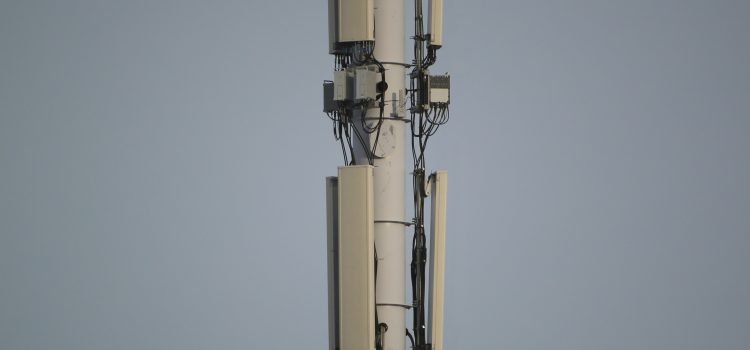
The buzz around 5G technology has been on the rise, with promises of faster internet speeds and improved connectivity. However, the deployment of this groundbreaking network has sparked a heated debate about its safety. The controversy surrounding the potential health risks associated with 5G radiation has left many people wondering whether they should be concerned or not. In this post, we’ll delve into the evidence to examine whether 5G is safe or not. So let’s dive in!

What is 5G?

5G is the fifth generation of mobile phone networks and offers faster speeds and more reliable connections than ever before. However, there is some controversy surrounding the safety of 5G, as it uses higher-frequency waves than previous generations of mobile phone networks. Some studies have suggested that these higher-frequency waves could be harmful to human health, but the evidence is far from conclusive.

At present, there is no definitive proof that 5G is harmful to human health. However, some experts believe that more research is needed to ascertain the long-term effects of exposure to high-frequency electromagnetic radiation. Until such research has been carried out, it is difficult to say definitively whether 5G is safe or not.

The Debate Surrounding 5G Safety

The debate surrounding 5G safety is ongoing and controversial. Some health experts say that the radiation from 5G networks is harmful, while other experts say that it is safe. The evidence is unclear, and more research needs to be done in order to determine the truth about 5G safety.

There are several concerns that have been raised about 5G safety. One worry is that the higher frequencies of 5G radiation could be harmful to human health. Another concern is that the deployment of 5G infrastructure could lead to an increase in electromagnetic field (EMF) exposure.

So far, there is no definitive evidence that 5G radiation is harmful to human health. However, more research needs to be done in order to fully understand the potential risks. In the meantime, it is important to take precautions to reduce your exposure to EMF radiation, such as using an EMF shield or avoiding using wireless devices near your head.

The Evidence for and Against 5G Safety

The 5G technology rollout has been met with opposition from some quarters, who have raised concerns about the potential health risks of the new wireless networks. While the scientific evidence is still emerging, there are a number of studies that have looked at the potential risks of exposure to radiofrequency (RF) radiation from 5G and other wireless technologies.

On the one hand, some studies have found that RF radiation can have negative effects on human health, including an increased risk of cancer. However, it should be noted that these studies are often based on high levels of exposure, such as those experienced by workers in the telecommunications industry. The general public is unlikely to be exposed to similar levels of RF radiation from 5G networks.

On the other hand, other studies have found no clear link between RF radiation and negative health effects. A large-scale study conducted by the World Health Organization found no increase in cancer risk for people living in areas with high levels of RF radiation from mobile phone base stations.

So far, the scientific evidence does not conclusively point to any health risks associated with 5G technology. However, more research is needed to fully understand the potential risks and benefits of this new technology.

Who is at Risk from 5G Radiation?

There is no definitive answer to this question as the research on the matter is ongoing and inconclusive. However, some groups of people may be more vulnerable to the effects of 5G radiation than others. Children and pregnant women are thought to be particularly susceptible, as are those with pre-existing conditions such as cancer or heart disease.

So far, the evidence for any adverse health effects from 5G radiation is scant at best. However, given the potential risks, it is important that further research is conducted in order to ascertain whether there are any real dangers from this new technology.

How to Protect Yourself from 5G Radiation

There is a lot of controversy surrounding the health effects of 5G radiation. Some people believe that 5G radiation is dangerous and can cause a variety of health problems, including cancer. Others believe that 5G radiation is safe and pose no real health risks.

So, what’s the truth? Are the health concerns about 5G radiation justified?

Let’s take a look at the evidence and see what we can find out.

When it comes to protecting yourself from 5G radiation, there are a few things you can do. First, you can try to avoid exposure by staying away from areas where 5G radiation is present. Second, you can use EMF shielding products to help reduce your exposure. And third, you can make sure to keep your cell phone turned off when you’re not using it.

There is no definitive answer to whether or not 5G radiation is dangerous. However, if you’re concerned about the potential health risks, there are steps you can take to minimize your exposure.

Conclusion

We hope this article has helped to provide some clarity on the ongoing debate around 5G radiation and its potential health risks. While opinions are still divided, there is a growing body of evidence that suggests that 5G networks may be safe. As with any new technology, it’s important to monitor the research in this area as more studies become available, so we can make informed decisions about what is best for ourselves and our families.

Introduction

Attention all legal enthusiasts! We have some breaking news that’s causing quite a stir in the legal world. In a recent abortion pill case, the judge has made an unprecedented move to delay reporting on his ruling – and it has major legal implications. Are you curious about what this means for the future of abortion rights? Or how this decision could impact other cases involving controversial issues? Look no further because we’re diving into all of the details in today’s blog post. Buckle up, it’s going to be a wild ride!

The judge’s move to delay reporting

The judge’s move to delay reporting in the abortion pill case has legal implications that are not yet clear. The ruling could be interpreted to mean that doctors and clinics can continue to dispense the medication without having to report to the state, or it could be read to require reporting but with a grace period during which no penalties would be imposed. Either way, the decision will have an immediate impact on how abortions are carried out in Texas.

The legal implications of the judge’s move

The judge’s move to delay reporting in the abortion pill case has legal implications. The law requires that all cases be reported within 24 hours, but the judge’s ruling means that this will not happen in this case. This could have a number of implications for the legal process, including:

-The case could be delayed, which could impact the woman’s health and her ability to get an abortion.

-The case could be dismissed entirely, which would mean that the woman would not be able to get an abortion.

-The judge’s ruling could be overturned on appeal, which would mean that the woman would eventually be able to get an abortion.

The impact of the judge’s move on abortion pill cases

The judge’s move to delay reporting in abortion pill cases will have a significant impact on how these cases are handled going forward. This is because the ruling could potentially set a precedent for other states to follow suit, which would make it more difficult for women to obtain abortions. In addition, the judge’s decision could also make it more difficult for doctors to prescribe the abortion pill, as they may be concerned about potential legal implications.

Conclusion

In conclusion, this recent case has raised important questions about the legal implications of judges delaying reporting in abortion pill cases. It is clear that a judge can delay reporting when making decisions, but what is less clear is the potential repercussions for doing so. We must continue to evaluate and consider these potential consequences in order to ensure that all court decisions are made with both an understanding of the law and respect for human rights. Ultimately, it’s essential that we remain committed to upholding justice and protecting women’s reproductive autonomy as we move forward in similar cases.

The commercial real estate market has been on a rollercoaster ride lately, with a surge in demand followed by an unexpected downturn. While this may seem like just another economic cycle, the implications for banking and finance could be significant. From banks that rely heavily on commercial real estate loans to investors who have poured their savings into these properties, everyone is watching closely as the market continues its downward trend. In this blog post, we’ll explore how the boom-to-bust cycle of commercial real estate could impact banking and what steps financial institutions should take to mitigate risks and adapt to changing times.

The commercial real estate market

The commercial real estate market is in a period of transition. After years of growth, the market is now experiencing a slowdown. This has led to concerns about the potential impact on the banking sector.

There are a number of factors that have contributed to the slowdown in the commercial real estate market. First, there has been a decrease in demand for office space. This is due to a number of factors, including the rise of remote working and the shift to online shopping. Second, there has been an increase in supply, as new office buildings have come onto the market. This has put downward pressure on rents and prices.

The slowdown in the commercial real estate market is having an impact on banks. In particular, it is leading to increased loan defaults and write-offs. This is because many owners of commercial properties are struggling to make their mortgage payments. As a result, banks are facing higher levels of non-performing loans (NPLs).

The increase in NPLs is a cause for concern, as it could lead to bank failures. However, it is important to remember that banks are well capitalized and have strong balance sheets. They also have access to government support if needed. As such, while the current situation is challenging, it is not expected to lead to a major crisis in the banking sector.

How the commercial real estate market affects banking

In the wake of the 2008 financial crisis, commercial real estate (CRE) was one of the hardest hit sectors. As a result, banks were left with a large number of non-performing loans (NPLs). In response to this, banks tightened their lending standards and many turned away from CRE altogether.

Now, as the commercial real estate market begins to rebound, banks are starting to loosen their lending standards and are once again entering the CRE space. However, they are doing so with caution.

The rebound in the CRE market has led to an increase in demand for loans, which has in turn led to higher prices for those loans. This is good news for banks, as it means they can earn higher profits on their CRE loans. However, it also means that there is more risk involved in these loans.

As the commercial real estate market continues to recover, banks will slowly start to increase their lending in this sector. However, they will do so cautiously, as they don’t want to get caught holding too many NPLs again.

What could happen if the commercial real estate market crashes

If the commercial real estate market were to crash, it could have a number of impacts on banking. For one, it could lead to increased defaults on loans, as businesses struggle to make payments on their properties. This could in turn lead to higher levels of non-performing assets for banks, and put pressure on their capital levels. Additionally, a market crash could also result in decreased demand for loans, as businesses become more conservative in their borrowing. This could lead to lower revenues and profitability for banks.

How to protect your bank from a commercial real estate market crash

It’s no secret that the commercial real estate market has been on a bit of a roller coaster ride over the past few years. After reaching record highs in 2007, the market crashed in 2008 and has been slowly crawling its way back ever since. While there are signs that the market is finally starting to recover, there’s always the possibility of another crash.

That’s why it’s important for banks to protect themselves from a potential market crash. Here are a few ways to do so:

1. Diversify your portfolio. Don’t put all of your eggs in one basket when it comes to commercial real estate lending. Spread your risk out by lending to different types of properties in different markets.

2. Be selective with your loans. Just because a borrower has good credit doesn’t mean you should automatically approve their loan request. Make sure you thoroughly analyze each loan request and only lend to those that make financial sense.

3. Have realistic expectations. Don’t expect every commercial real estate deal to turn into a home run. There will be some deals that don’t work out, but as long as you’re making more good loans than bad, you’ll be fine in the long run.

4. Keep an eye on the market. Stay up-to-date on what’s happening in the commercial real estate market so you can anticipate changes and adjust your lending accordingly

Conclusion

In conclusion, the commercial real estate market has the potential to have a dramatic effect on banking. Banks that don’t prepare for this risk could find themselves in trouble. On top of preparing their own portfolios, banks should work to educate their clients on how they can best protect themselves from these risks, and help them make informed decisions about their commercial real estate investments. By staying ahead of the curve and educating investors with accurate data, banks can ensure they remain viable even during times of economic downturns or other market disruptions.

Attention investors! Are you tired of the same old real estate hotspots? Looking for a new and innovative investment opportunity? Look no further than Canadian farms. With their rich history, vast landscapes, and abundance of resources, Canadian farms are quickly becoming one of the most sought-after investments in the country. In this blog post, we explore why investing in Canadian farms is not only profitable but also beneficial for both farmers and communities alike. So sit back, relax, and let us show you why Canadian farms are the new hotspot for real estate investors.

The benefits of investing in Canadian farmland

There are many benefits to investing in Canadian farmland. For one, the Canadian government has a variety of programs and incentives in place to encourage investment in agriculture. This includes things like tax breaks and subsidies. Additionally, the Canadian climate is ideal for growing a variety of crops, which means that there is a lot of potential for profit.

Another benefit of investing in Canadian farmland is that it is a relatively stable market. Farmland prices have remained steady for the past few years, even during economic downturns. This makes it a relatively safe investment compared to other types of real estate.

Lastly, buying farmland can be a way to diversify your portfolio and protect yourself from inflation. Because farmlands are not subject to the same fluctuations as other types of property, they can help offset losses elsewhere in your portfolio. And because the price of food tends to go up over time (due to inflation), owning farmland can be a way to safeguard your finances against rising prices.

The current state of the Canadian farmland market

The current state of the Canadian farmland market is very strong. Farmland prices have been steadily increasing for the past few years, and there is no end in sight. The demand for farmland is very high, and there are more buyers than sellers. This has caused prices to increase significantly.

If you are thinking about investing in farmland, now is a great time to do so. Prices are at an all-time high, and there is a lot of money to be made. farms are a great investment because they are always in demand, and there is a limited supply. If you are thinking about buying a farm, make sure to do your research and consult with a professional before making any decisions.

Why now is the time to invest in Canadian farmland

There are a number of reasons why now is an ideal time to invest in Canadian farmland. First, the country’s agriculture industry is booming, with farm output and exports both reaching record levels in recent years. This strong performance is expected to continue in the coming years, making Canadian farmland a sound investment.

Second, farming practices in Canada are among the most efficient and environmentally-friendly in the world. This makes Canadian farmlands an attractive investment for those looking to make a positive impact on the environment.

Finally, the current political and economic climate in Canada makes it an appealing destination for foreign investors. With its stable government and strong economy, Canada provides a safe and secure place to invest in farmland.

So why wait? If you’re looking for a solid investment that will yield significant returns, Canadian farmland is a great option. Contact us today to learn more about how you can get started investing in this lucrative market.

How to get started investing in Canadian farmland

Looking to diversify your real estate portfolio? Canadian farmland may be the perfect investment for you. Here’s everything you need to know about getting started.

Why invest in Canadian farmland?

There are a number of reasons why Canadian farmland is an attractive investment. For one, the country has a stable political and economic environment. Additionally, Canada is a large producer of agriculture, with the sector accounting for over $100 billion in GDP.

The demand for agricultural products is only expected to grow in the coming years, making Canadian farmland a sound long-term investment. Farmland values have already seen significant growth in recent years, and this trend is expected to continue.

How to get started investing in Canadian farmland

If you’re interested in investing in Canadian farmland, there are a few things you need to do:

1. Research the market: Familiarize yourself with the different types of farmland available in Canada, as well as the current market conditions. This will help you make informed decisions about your investment.
2. Find a reputable broker: Working with a knowledgeable and experienced broker is essential when buying farmland. They can help you navigate the process and find properties that fit your investment goals. 3 . Consider your financing options: There are a variety of financing options available for Canadian farm purchases. Be sure to explore all of your options and choose the one that best suits your needs. 4 . due diligence: Once you’ve

Conclusion

Canadian farms have become a popular real estate investment choice for many investors. With the increased demand and prices for land, farms offer considerable returns and provide a reliable source of income for those looking to make long-term investments in the agricultural sector. Investing in farmland also provides access to land that can be used as collateral or leased out as a source of additional revenue. As such, Canadian farms offer both financial security and potential growth opportunities making them attractive investments with excellent ROI prospects.

The world has changed in unprecedented ways since the outbreak of COVID-19. The way we live, work, and interact with each other is drastically different from what it was before. And as much as we wish things would go back to normal soon, it’s becoming increasingly clear that the ‘new normal’ is here to stay for a while. For those looking to sell their homes during these uncertain times, this can pose unique challenges and questions about how to navigate the market effectively. But fear not! In this post, we’ll explore some tips on how you can adapt your selling strategy so you can still get top dollar for your home amidst a global pandemic – let’s dive in!

The current state of the housing market

The current state of the housing market is in flux. The coronavirus outbreak has created uncertainty and upheaval, causing many would-be sellers to put their plans on hold.

That said, there are still people out there looking to buy homes. In fact, some see this as an opportunity to get a good deal on a property while others are hesitant to enter the market.

If you’re thinking of selling your home during these uncertain times, there are a few things you can do to make the process go smoothly.

First, it’s important to be realistic about your expectations. Don’t expect to sell your home for top dollar if the market is down. Secondly, be sure to work with a qualified real estate agent who can help you navigate these uncharted waters.

Finally, be flexible with your timeline. It may take longer than usual to find a buyer, so don’t be discouraged if it takes a little longer than expected to sell your home.

Tips for selling your house during the outbreak

If you’re selling your house during the coronavirus outbreak, there are some things you need to keep in mind. First and foremost, you need to be aware of the risks involved in selling your house during this time. There is a risk of exposure to the virus if you have buyers coming to your home, so you need to take precautions. Make sure you’re cleaning and disinfecting all surfaces that buyers will come into contact with, including doorknobs, light switches, countertops, and more. You should also have hand sanitizer available for buyers to use when they come into your home.

Another thing to keep in mind is that many people are working from home right now and may not be able to take time off work to come see your home during normal business hours. So, it’s important to be flexible with showings and be willing to accommodate potential buyers’ schedules. You may want to consider holding open houses on weekends or evenings so that people who are working from home can come see your property.

Finally, remember that many people are feeling extra cautious about spending money right now. So, it’s important to be realistic about pricing your home. If you price it too high, you may have a hard time finding a buyer during this uncertain economic time. Work with your real estate agent to decide on a fair asking price for your home.

Things to consider before putting your house on the market

There’s no doubt that the coronavirus outbreak has had a major impact on the real estate market. If you’re thinking about putting your house on the market, there are a few things you should consider before making any decisions.

The first thing to think about is whether or not now is the right time for you to sell. The housing market has taken a hit in recent months and it’s unclear how long it will take to recover. If you’re not in a rush to sell, it might be worth waiting until the market stabilizes.

Another thing to keep in mind is that selling your home during the pandemic comes with some unique challenges. You’ll need to take extra steps to make sure your home is safe for showings and open houses, and you may need to be flexible with buyers who have concerns about COVID-19.

If you’re still considering selling your home during the pandemic, there are some things you can do to make the process as smooth as possible. Make sure you work with a reliable real estate agent who can help you navigate these challenges, and don’t hesitate to ask questions if anything isn’t clear. With careful planning and preparation, selling your home during this time can be successful.

How to stage your home for potential buyers

If you’re selling your home during the coronavirus outbreak, there are some things you need to take into consideration in order to make sure your home is appealing to potential buyers. Here are a few tips on how to stage your home for potential buyers:

– Make sure your home is clean and clutter-free. Buyers will want to see a clean and well-kept home.
– Depersonalize your space. Remove any personal photos or items that would give buyers a glimpse into your personal life. You want them to be able to envision their own lives in the space.
– Create a warm and inviting atmosphere. This can be done by adding some fresh flowers, making sure the space is well-lit, and playing calming music in the background.
– Make sure all of your appliances are in working order and that any repair issues are taken care of before listing your home.
– Pay attention to curb appeal. First impressions matter, so make sure your yard is tidy and that any landscaping is well-manicured.

Making your home safe for showings

When you’re selling your home, you want to make sure that it’s safe for showings. Here are some tips to help you do just that:

– First and foremost, make sure that your home is clean and clutter-free. This will help to create a safe and inviting environment for potential buyers.

– Secondly, if you have any pets, make sure they are either out of the house or well-contained during showings. This will help to avoid any potential allergies or concerns that buyers may have.

– Finally, be sure to open all the windows and doors in your home before showings. This will help to ensure proper ventilation and reduce any risk of exposure to the coronavirus.

Conclusion

Selling your house during the coronavirus outbreak is no easy task. However, with some careful planning and adaption to the new normal, you can successfully sell your home in this unique market. From taking extra measures to ensure that viewings are safe for all parties involved, to using virtual tours and online marketing tools, there are a number of steps you can take to make selling your house during the pandemic an easier process. With these tips in mind, we wish you luck on finding success in selling your home!

When it comes to emergency response, communication can make all the difference. In recent years, advanced telecom technologies have emerged as a game-changing tool for first responders on the front lines. These cutting-edge tools are enabling faster and more effective communication than ever before, helping emergency personnel save lives and protect communities. So what exactly is this tech, and how is it making an impact? Join us as we explore the power of communication in emergency response, and discover how these innovative solutions are shaping the future of public safety.

The Role of Communications in First Response

In any emergency situation, effective communication is key to coordinating a successful response. First responders need to be able to communicate with each other and with dispatch in order to coordinate their efforts and ensure that everyone is on the same page.

Advanced telecom technologies can help to improve communication in emergency situations. For example, Next Generation 911 (NG911) systems can provide first responders with more information about an incident than traditional 911 systems. NG911 systems can also allow first responders to share data and information with each other in real time, which can help to improve coordination and response times.

Another example of how advanced telecom technologies can help first responders is through the use of drones. Drones can be used to provide first responders with a birds-eye view of an incident, which can help them to better assess the situation and make decisions about how to best respond. Additionally, drones can be used to deliver supplies or equipment to first responders in hard-to-reach areas.

Ultimately, effective communication is essential for coordinating a successful response to any emergency situation. Advanced telecom technologies can play a vital role in enabling first responders by providing them with more information and improving coordination between responding agencies.

The Benefits of Advanced Telecom Technologies for First Responders

In today’s fast-paced world, first responders need to be able to communicate quickly and efficiently in order to effectively do their jobs. Advanced telecom technologies can help first responders by providing them with the ability to communicate more easily and effectively with each other and with other emergency personnel.

Some of the benefits of advanced telecom technologies for first responders include:

1. The ability to share information quickly and easily: First responders can use advanced telecom technologies to share information quickly and easily with each other. This is especially important in situations where time is of the essence, such as when responding to an emergency situation.

2. Improved coordination between agencies: Advanced telecom technologies can help improve coordination between different agencies that are responding to an emergency situation. This improved coordination can help ensure that everyone is on the same page and working together towards a common goal.

3. enhanced communication capabilities: Advanced telecom technologies can provide first responders with enhanced communication capabilities, such as the ability to communicate via text, email, or even video chat. This enhanced communication can help ensure that all parties are able to understand each other clearly and make decisions more quickly.

4. Increased safety for first responders: Advanced telecom technologies can also help increase safety for first responders by allowing them to stay in constant communication with each other. This way, if one responder gets into trouble, the others will know immediately and can provide assistance.

The Challenges of Implementing Advanced Telecom Technologies

In order to enable first responders through advanced telecom technologies, public safety organizations must first overcome several challenges. One significant challenge is the high cost of implementing and maintaining these technologies. Another challenge is finding the right balance between providing first responders with the information they need and protecting the privacy of citizens.

First, let’s take a look at the cost issue.Advanced telecom technologies can be expensive to implement and maintain. For example, a typical 911 call center might use several different types of communication technologies, including VoIP (Voice over Internet Protocol), GIS (Geographic Information Systems), and CAD (Computer Aided Dispatch). These systems must be constantly updated and maintained in order to function properly. In addition, trained staff must be available to operate them. This all comes at a significant cost to public safety organizations.

Second, there is the issue of balancing the need for information with the protection of privacy rights. In order to provide first responders with the information they need, public safety organizations must collect data from a variety of sources. However, this data may contain personal information that could potentially violate an individual’s privacy rights. Privacy concerns must be carefully considered when implementing advanced telecom technologies.

Despite these challenges, advanced telecom technologies can be a powerful tool for enabling first responders. By overcoming these challenges, public safety organizations can provide their personnel with the information they need to effectively respond to emergencies.

The Future of Advanced Telecom Technologies in First Response

As first responders continue to face complex and ever-changing challenges, the need for reliable and advanced telecom technologies is more important than ever. First responders must be able to communicate with each other and with the public in real time, in order to coordinate efforts and share crucial information.

The future of advanced telecom technologies in first response looks very promising. New technologies are being developed all the time, and existing technologies are becoming more sophisticated and user-friendly. First responders will soon have access to a wide range of communication tools that will help them do their jobs more effectively and efficiently.

Some of the most exciting developments in advanced telecom technologies for first response include:

Augmented reality (AR) technology: This technology is already being used by first responders in some parts of the world, and it has the potential to revolutionize the way they work. AR can provide first responders with real-time visual information about their surroundings, which can be extremely helpful when responding to emergencies.

Virtual reality (VR) technology: VR technology can also provide first responders with useful visual information about a situation. VR can be used to create realistic simulations of emergency situations, which can help first responders train for different scenarios.

5G technology: 5G is the next generation of wireless technology, and it promises to bring a number of benefits to first responders. 5G will provide faster data speeds and lower latency, which will enable first responders to communicate more quickly and effectively in emergency situations.

Conclusion

In conclusion, it is clear that advanced telecom technologies have the potential to revolutionize how first responders communicate and conduct operations. From improved situational awareness to faster response times, these technologies can give first responders a major advantage in emergencies. Faster communication and coordination could result in fewer injuries, less destruction of property, and more lives saved. With technology advancing at an exponential rate, we can look forward to further improvements that will make the work of our first responders even easier and more effective.

Introduction

Have you ever felt like time just flies by without warning? One minute it’s morning, and the next thing you know, it’s already nighttime. Well, researchers have discovered a surprising link between our heartbeat and how we perceive time! In this blog post, we’ll dig deeper into this fascinating discovery and explore why our heartbeats might hold the key to understanding why time seems to slip away from us so quickly. Get ready for some mind-bending insights that will leave you questioning everything you thought you knew about time perception!

What the Research Says

Time perception is a complex process that involves many different cognitive and physiological factors. One of the most important, but often overlooked, factors is the role of the heartbeat.

A recent study published in the journal Psychological Science found that people who were subjected to a steady metronome beat (a beat that simulates a heartbeat) perceived time as passing more slowly than those who were not exposed to the metronome. The researchers believe that this is because the heartbeat provides an external cue that helps us keep track of time.

Without this regular cue, our internal sense of time can become less accurate. This might explain why time seems to fly by when we’re doing something enjoyable or exciting – our heart rate increases and we lose track of the passing minutes and hours.

So next time you find yourself wondering where the day went, remember that your heart might be playing a trick on you!

How Does This Affect Us?

Time perception is a complex process that is not fully understood. However, researchers have found that the heartbeat plays a role in how we perceive time.

The theory is that the heartbeat provides a timing signal to the brain that helps us to keep track of time. This signal becomes more important as we get older and our brain’s ability to keep track of time declines.

Researchers believe that this may explain why time seems to fly by as we get older. Our heartbeat becomes less regular and our brain has difficulty keeping track of it, leading to a feeling that time is speeding up.

This research has implications for our understanding of aging and memory. It may also help to explain why some people with dementia or Alzheimer’s disease feel that time is moving faster than it actually is.

What Can We Do to Slow Down Time?

It’s no secret that time seems to fly by as we get older. But why does this happen? Researchers have discovered that the heartbeat plays a surprising role in time perception.

When we are young, our heartbeats are relatively slow and steady. As we age, our heart rate begins to increase and become more erratic. This change in heart rate seems to be correlated with a change in how we perceive time.

Researchers believe that the reason for this is that the heartbeat provides us with a regular rhythm that helps us keep track of time. When our heartbeat becomes faster and more erratic, it becomes more difficult for us to keep track of time, leading to the feeling that time is moving more quickly.

So what can we do to slow down time? One option is to try to stay calm and relaxed, which will help keep your heartbeat slow and steady. Another option is to try to focus on specific moments and savor them, rather than letting your mind wander. By paying attention to the present moment, you can help yourself experience time in a more deliberate way.

Conclusion

Our findings suggest that the heartbeat plays an important role in how we perceive time. By understanding this phenomenon, we may be able to help people better manage their sense of time and even use it to their advantage. Further research is needed to further explore these effects, but hopefully our work can bring us one step closer to understanding why time seems imperceptibly fleeting.

Are you tired of fumbling around with cash or digging through your wallet to find the right card for a purchase? If so, mobile payments may be just what you need. With the growing popularity of contactless payment solutions in America, more and more people are adopting this cutting-edge technology to make their transactions fast, easy, and secure. In this blog post, we’ll explore how mobile payments have revolutionized the way we handle our finances and why they’re rapidly becoming the preferred option for consumers across the country. So sit back, relax, and get ready to discover all there is to know about cashless transactions on-the-go!

What is mobile payment?

Mobile payment is a way to pay for goods or services using a mobile device, such as a smartphone. Mobile payments can be made in-store, online, or person-to-person. In-store mobile payments are made by scanning a QR code or NFC tag at the point of sale. Online mobile payments are made through a mobile app or website. Person-to-person mobile payments are made using a mobile app to send money to another person.

There are many benefits of mobile payment, such as convenience, security, and loyalty rewards. Convenience is one of the biggest benefits of mobile payment. With a mobile wallet, you can pay for your purchase without having to carry cash or a physical credit card. This is especially helpful if you forget your wallet at home or if you’re in a hurry and don’t have time to dig through your purse or pockets for your wallet.

Another benefit of mobile payment is security. When you use a credit card, you have to provide your personal information, including your name and credit card number. This information is stored on the merchant’s server and can be hacked. When you use a mobile wallet, your personal information is not stored on the merchant’s server. Instead, it is stored on your phone’s secure element chip (SE). The SE is a separate chip that stores sensitive data separately from the main processor chip. This makes it much harder for hackers to access your personal information.

Finally, many loyalty programs

The different types of mobile payment methods

In the past decade, we have seen a dramatic shift in the way people pay for goods and services. Cash and check transactions have declined significantly, while credit and debit card payments have become the norm. Now, we are seeing another major shift taking place – towards mobile payment solutions.

There are many different types of mobile payment methods available today, including:

Contactless payments: This is a form of payment that does not require physical contact between the customer and the merchant. Instead, customers can simply wave their smartphone or other device near a contactless reader to make a payment. This type of payment is becoming increasingly popular due to its convenience and speed.

Mobile apps: There are many different mobile apps that allow users to make payments directly from their smartphones. These apps typically connect to the user’s bank account or credit card, and allow them to make payments with just a few taps on their screen.

Digital wallets: A digital wallet is a software application that stores your financial information (such as credit card numbers) in a secure online environment. This information can then be used to make payments directly from your smartphone or other devices. Many major retailers (such as Apple Pay, Amazon Pay, and Walmart Pay) offer their own digital wallet solutions.

QR code payments: QR (or “Quick Response”) codes are barcodes that can be scanned by smartphones to provide additional information about a product or service. QR code payments allow customers to

Why is mobile payment becoming more popular?

There are many reasons why mobile payment is becoming more popular in America. The convenience and flexibility of using your smartphone to make payments instead of carrying around cash or credit cards is a major factor. With mobile payment, you can pay for items quickly and easily without having to fumble around for your wallet.

Another reason mobile payment is gaining popularity is due to the increasing number of retailers who are accepting this form of payment. More and more businesses are realizing the benefits of offering mobile payment options to their customers, and as a result, we’re seeing a growing number of places where we can use our smartphones to pay.

Lastly, mobile payment is becoming more popular because it’s simply a more secure way to pay. When you use your credit card at a store, there’s always the risk that your information could be stolen. With mobile payment, however, your information is stored securely on your phone and can’t be accessed by anyone else. This makes it a much safer way to pay for items, and gives peace of mind to consumers who are worried about credit card fraud.

How to use mobile payment methods

With the ubiquity of smartphones, mobile payment solutions have become increasingly popular in recent years. There are a number of different mobile payment methods available, and each has its own advantages and disadvantages.

Contactless payments, such as Apple Pay and Google Pay, are perhaps the most convenient way to pay with your smartphone. All you need to do is hold your phone up to the terminal at the checkout, and the payment will be processed automatically. However, not all retailers accept contactless payments yet, so it’s important to check before you try to use this method.

Another option is to use your smartphone as a digital wallet. Services like PayPal and Venmo allow you to store your credit card information on your phone and then use it to make purchases online or in person. This can be a great way to avoid having to carry around a physical wallet, but it’s important to remember that you’ll still need an internet connection to use these services.

Finally, there are a few apps that allow you to send money directly from one person’s bank account to another. This can be useful for splitting the bill at a restaurant or paying back a friend for something. However, these services usually require both parties to have accounts with the same bank or provider, so they may not be suitable for everyone.

No matter which mobile payment method you choose, it’s important to make sure that your device is properly secured. Remember that

The benefits of using mobile payment methods

Mobile payment methods are becoming increasingly popular in the United States. There are many benefits associated with using mobile payment solutions, including the convenience of being able to make payments on the go, the ability to track spending more easily, and increased security.

One of the most significant benefits of using mobile payment methods is the convenience factor. With a mobile payment solution, there is no need to carry around cash or cards – all you need is your smartphone. This can be especially helpful when you are traveling or in a situation where carrying cash would be impractical.

Another benefit of mobile payments is that they can help you to keep track of your spending more easily. When you use a mobile payment solution, all of your transactions are stored in one place, which makes it simpler to see where your money is going. This can be helpful for budgeting purposes or if you need to track business expenses.

Finally, mobile payments tend to be more secure than traditional methods like cash or checks. When you use a mobile payment solution, your financial information is stored securely on your device and is not shared with the merchant. This reduces the risk of identity theft and fraud.

The risks of using mobile payment methods

Mobile payment methods are becoming increasingly popular in America, but there are some risks associated with using them. One of the biggest risks is identity theft. If your phone is stolen or hacked, someone could gain access to your financial information and make unauthorized charges.

Another risk is that you may not be covered by the same consumer protections that you would have if you used a credit or debit card. For example, if you use a mobile payment method to make a purchase and the item is never delivered, you may not be able to get a refund.

Before using a mobile payment method, be sure to do your research and understand the potential risks involved.

Conclusion

Mobile payment solutions are becoming increasingly popular in America and they are revolutionizing the way people pay for goods and services. With more options, better security features, enhanced speed and convenience, it’s no wonder that mobile payments systems have become so widely accepted. Whether you prefer Apple Pay, Google Pay or any other contactless payment technology available today, these solutions offer an easy and secure way to make purchases without having to rely on cash or cards. Ultimately, as this trend continues to grow we can expect even more innovative ways to use our phones when making transactions!