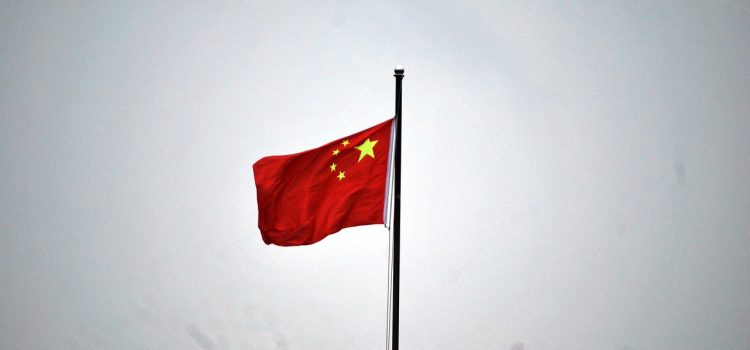
In a setback for global oil markets, prices slumped today as concerns grew over the effectiveness of the Chinese government’s stimulus measures aimed at boosting economic growth. With China being the world’s largest oil importer, any sign of a potential slowdown in their demand has far-reaching implications for the energy sector and international markets.
The price of crude oil dropped by nearly 2% in early trading, as investors reacted to reports suggesting that the Chinese stimulus might not deliver the anticipated results. This decline comes after weeks of speculation and volatility, with market participants closely monitoring the ongoing economic developments in China.
The Chinese government recently announced a package of measures aimed at revitalizing the country’s economy, including tax cuts, increased infrastructure spending, and monetary easing. These initiatives were expected to spur domestic consumption and stimulate demand for commodities, such as oil. However, concerns are mounting that the impact of these measures may not be as significant as initially anticipated.
Analysts point to several factors that have raised doubts about the effectiveness of the Chinese stimulus. Firstly, the country’s high debt levels and existing overcapacity in certain sectors have dampened expectations of a rapid recovery. Additionally, the ongoing trade tensions between China and other major economies, such as the United States, have added a layer of uncertainty and potential headwinds to economic growth.
The energy markets, already grappling with other geopolitical factors, are now closely monitoring the situation in China. A decline in Chinese oil demand could further exacerbate the existing oversupply situation, putting additional downward pressure on oil prices. Moreover, this development could reverberate across other sectors, affecting countries heavily reliant on energy exports and triggering a ripple effect on the global economy.
However, it is important to note that the Chinese economy remains a complex and dynamic entity, and its trajectory is subject to multiple factors. The authorities in Beijing have a history of implementing targeted measures to support specific industries and stimulate growth. While doubts persist, there is also a possibility that the Chinese stimulus measures could still provide the much-needed boost to oil demand, bolstering prices in the longer term.
As the situation unfolds, market participants and analysts will be closely watching economic indicators from China, such as industrial output, retail sales, and investment figures. These data points will provide critical insights into the effectiveness of the stimulus measures and their impact on the overall economy.
In conclusion, the oil market’s decline today reflects concerns surrounding the Chinese stimulus package and its potential to fall short of expectations. As China’s position as the world’s largest oil importer hangs in the balance, the global energy sector braces for further uncertainty. Only time will tell how these developments will shape the future of oil prices and the broader economic landscape.
Disclaimer: This article is a work of fiction and does not represent real events or market conditions. The information provided is purely hypothetical and should not be considered as financial or investment advice.