Dealing with Nail Surgery Complications: Understanding the Risks and Treatment Options
Nail surgery, a common procedure performed to address various nail conditions and abnormalities, can sometimes lead to complications. While nail surgeries are generally safe and effective, certain factors or circumstances can increase the risk of complications. In this article, we will explore the potential complications associated with nail surgery, discuss their causes, and outline treatment options to address them effectively.
Understanding Nail Surgery
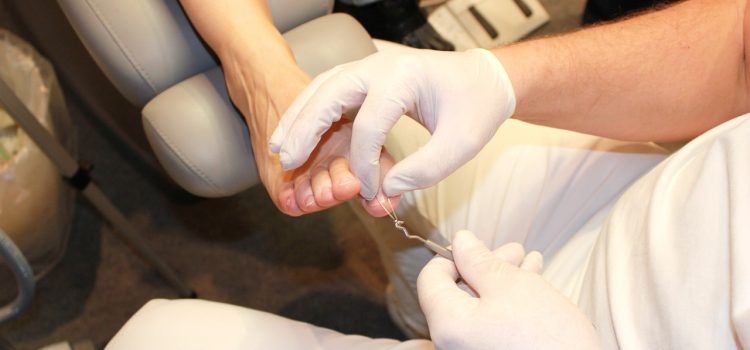
Nail surgery is a medical procedure performed to treat a range of conditions affecting the nails, including ingrown nails, fungal infections, chronic ingrown toenails, and other nail deformities. The surgery involves removing a portion or the entire nail plate, resolving the underlying issue and promoting healthy nail growth. Although nail surgeries are typically performed by experienced professionals, complications can still arise.
Potential Complications
1. Infection
Infection is one of the most common complications following nail surgery. When the skin around the nail is cut or the nail matrix is manipulated, there is a risk of bacterial or fungal contamination. Signs of infection may include increased pain, swelling, redness, discharge, or the presence of pus. Prompt medical attention is necessary to prevent the spread of infection and promote proper healing.
2. Bleeding
Nail surgeries involve incisions or removal of a portion of the nail, which can cause bleeding. While minor bleeding is common, excessive or prolonged bleeding may indicate an underlying issue such as an injury to blood vessels or improper wound closure. Applying pressure and elevating the affected area can help control bleeding. If bleeding persists or is severe, seeking medical assistance is crucial.
3. Delayed Healing
Some individuals may experience delayed wound healing after nail surgery. Factors such as poor blood circulation, underlying medical conditions (e.g., diabetes), or inadequate post-operative care can contribute to delayed healing. It is essential to follow post-operative instructions provided by the healthcare professional, including proper wound care, keeping the area clean and dry, and avoiding activities that could hinder healing.
4. Nail Regrowth Abnormalities
Following nail surgery, the regrowth of the nail may sometimes exhibit abnormalities. This can include irregular nail shape, thickening, or ingrowth. These complications can occur due to inadequate removal of the nail matrix or improper surgical technique. If nail regrowth abnormalities persist or cause discomfort, consulting a healthcare professional is advised to assess and address the issue.
5. Pain and Discomfort
Post-operative pain and discomfort are common after nail surgery. The severity and duration of pain can vary depending on the individual and the extent of the procedure. Over-the-counter pain medications or prescribed analgesics may be recommended to manage pain. Applying ice packs and keeping the foot or hand elevated can also help alleviate discomfort.
Treatment Options
The treatment of nail surgery complications will depend on the specific issue encountered. Here are some common treatment options:
1. Antibiotics or Antifungal Medications
In cases of infection, antibiotics or antifungal medications may be prescribed to eliminate the infection and prevent its spread. It is crucial to complete the full course of medication as prescribed by the healthcare professional.
2. Wound Care and Dressings
Proper wound care is essential to prevent infection and promote healing. This may involve keeping the wound clean, applying antibacterial ointments or dressings, and changing dressings regularly as instructed.