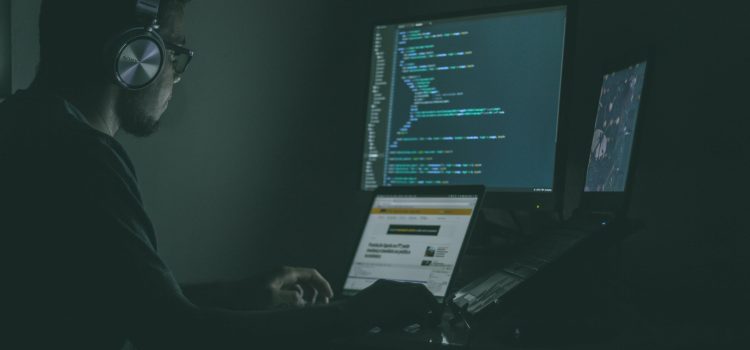
Are you working from home, coffee shops or a co-working space? If yes, then you are not alone. With the increasing trend of remote work, organizations face new security challenges that can lead to cyber threats and data breaches. In today’s digital age, where everything is interconnected and most business transactions happen online, cybersecurity has become more important than ever before. This blog post will explore the importance of cybersecurity in remote work and provide tips on how to keep your business safe from online threats. So buckle up and get ready to learn how to protect your business in this virtual jungle!
What is Cybersecurity?
Cybersecurity is the practice of protecting computer networks, systems, and user data from unauthorized access or malicious attacks. It includes the prevention, detection, and response to cybersecurity threats.
The Importance of Cybersecurity in Remote Work: Keeping Your Business Safe from Online Threats
As more businesses move to remote work, it’s important to be aware of the potential cyber threats that come with it. Here are some tips to keep your business safe from online threats:
Implement a VPN: A VPN can help encrypt your internet connection and prevent hackers from accessing your data.
Use strong passwords: Use strong and unique passwords for all of your online accounts. Avoid using easily guessed words or personal information like birthdates.
Enable two-factor authentication: Two-factor authentication adds an extra layer of security by requiring you to enter a code from your phone in addition to your password when logging into an account.
Update your software: Keep your operating system and software up to date with the latest security patches. This will help close any vulnerabilities that could be exploited by hackers.
The Different Types of Cybersecurity Threats
There are many different types of cybersecurity threats that businesses need to be aware of. Here are some of the most common:
1. Malware: This is software that is designed to damage or disable computers and computer systems. Malware can be spread via email attachments, websites, or even physical media like USB drives.
2. Phishing: This is a type of online fraud that involves tricking people into revealing sensitive information, such as passwords or credit card numbers. Phishing attacks can be very sophisticated, and they often target large organizations.
3. Denial-of-service (DoS) attacks: A DoS attack is an attempt to make a computer or network unavailable to users. This is usually done by flooding the target with traffic or requests for data.
4. SQL injection: This is a type of attack that exploits vulnerabilities in web applications that use Structured Query Language (SQL). SQL injection can allow attackers to access sensitive data or even take control of the database itself.
5. Cross-site scripting (XSS): This is a type of attack that injects malicious code into a web page. When someone visits the page, the code will execute and allow the attacker to steal data or take other actions.
6. Social engineering: This term covers a wide range of attacks that exploit human weaknesses, such as gullibility, vanity, and greed. Social engineering attacks can be used to gain access to sensitive information or systems
How to Protect Your Business from Cybersecurity Threats
In the current business climate, it’s more important than ever to keep your company safe from cybersecurity threats. With more and more employees working remotely, it’s easier for hackers to target your company through online attacks. Here are some tips to protect your business from cybersecurity threats:
1. Educate your employees about cybersecurity risks.Make sure your employees are aware of the dangers of clicking on links in emails or downloading attachments from unknown sources. Provide them with training on how to spot phishing attempts and other common cyberattack strategies.
2. Implement security measures such as two-factor authentication and data encryption. These measures can make it much harder for hackers to access your company’s data.
3. Use a secure VPN when accessing company data remotely. This will help to protect your data from being intercepted by hackers.
4. Keep your software and systems up to date with the latest security patches. Hackers often exploit known vulnerabilities in outdated software, so it’s important to keep everything up to date.
5. Back up your data regularly in case of a ransomware attack or other type of data loss. This way you’ll be able to restore any lost data quickly and minimize the impact of an attack on your business operations.
The Importance of Employee Training in Cybersecurity
As the world increasingly moves online, cybersecurity becomes more and more important. And with more and more employees working remotely, it’s important to make sure that your business is as safe as possible from online threats.
One of the best ways to protect your business is to ensure that your employees are properly trained in cybersecurity. By teaching your employees how to identify and avoid potential risks, you can help keep your business safe from attack.
There are a number of steps you can take to train your employees in cybersecurity. One is to provide them with resources, such as articles, webinars, and e-learning courses. You can also hold regular training sessions on topics like phishing scams and password security.
Make sure that you emphasize the importance of cybersecurity in your training sessions. Remind your employees that they play a vital role in keeping your business safe from attack. By taking the time to educate them on the risks and how to avoid them, you can help protect your business from the growing threat of cyberattacks.
Conclusion
In conclusion, it is essential for any business that allows remote work to pay close attention to cybersecurity. By investing in proper online security measures and training your staff on the basics of cybersecurity, you can ensure that your business data remains secure while also giving your employees peace of mind. Although there may be some upfront costs associated with implementing these measures, they are far outweighed by the potential losses resulting from a cyber attack.