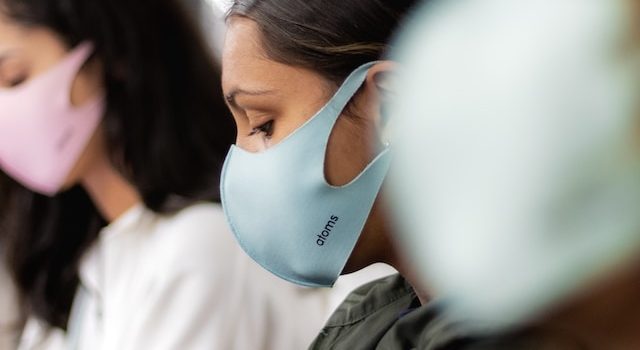
In Japan’s post-mask era, a new profession has emerged that reflects the changing social landscape—the smile coach. As masks gradually become a thing of the past, these coaches are playing a vital role in helping individuals navigate the unmasking process and rediscover the power of genuine smiles. Their expertise lies in nurturing emotional well-being, fostering authentic connections, and embodying the spirit of the times we live in.
The unmasking process in Japan marks a significant shift in society, as individuals are once again revealing their faces in public. While this brings a sense of liberation, it also presents challenges such as anxiety, self-consciousness, and the need to relearn non-verbal communication. The role of the smile coach has emerged as an essential support system during this transition.
Smile coaches understand that a smile is not merely a facial expression; it is a reflection of our emotions and a vital tool for human connection. Through personalized coaching, these professionals guide individuals to embrace their smiles authentically and confidently. They recognize that the act of smiling is deeply intertwined with emotional well-being and can have a profound impact on our interactions with others.
The journey with a smile coach begins with self-reflection and self-acceptance. These coaches empower individuals to explore their unique smiles, recognize their beauty, and appreciate the positive energy they can bring. By fostering self-esteem and a positive self-image, individuals gain the confidence to express their smiles genuinely, even in a world where masks were once the norm.
Smile coaching sessions employ various techniques to assist individuals in reconnecting with their authentic expressions. These may include mirror work, role-playing exercises, and relaxation techniques to reduce anxiety and build comfort. Smile coaches provide guidance on interpreting facial cues, understanding the impact of their smiles, and effectively communicating non-verbally.
Beyond individual coaching, smile coaches play an active role in creating community spaces for individuals to practice their smiles and engage with others. Workshops and events are organized to foster a supportive environment where people can share their experiences, challenges, and successes. These gatherings not only promote the unmasking process but also emphasize the importance of authentic connections in a post-mask era.
Critics may question the need for smile coaching, arguing that smiling should come naturally. However, proponents argue that the prolonged use of masks has influenced social dynamics and disrupted our ability to express emotions openly. Smile coaches provide valuable guidance and support, enabling individuals to navigate the unmasking process with greater confidence, self-assurance, and emotional well-being.
The impact of smile coaching goes beyond the individual level. As individuals rediscover the power of their smiles, a positive ripple effect is created in society. Smiles have the potential to break down barriers, foster empathy, and create a sense of unity among diverse communities. Smile coaches not only support individuals but also contribute to the collective well-being and harmony of the post-mask era.
As Japan embraces the unmasking process, the rise of smile coaching reflects the changing social landscape and the recognition of emotional well-being in our interactions. This profession serves as a symbol of the times we live in—a time of reconnection, authenticity, and the celebration of the human spirit.
In a world where face coverings were the norm, the smile coach has become a beacon of hope, reminding us of the power of genuine human connections. Through their guidance and expertise, smile coaches are shaping the way individuals approach unmasking, encouraging them to embrace their smiles and create a more joyful and compassionate society.