Introduction
Surgical instruments are an essential part of the healthcare industry, ensuring that medical professionals can perform operations with precision and safety. Whether you’re a healthcare provider, student, or simply someone interested in the topic, understanding the various types of surgical instruments, their materials, and their manufacturers is key.
In this article, we will dive into the world of surgical instruments, exploring the different categories, materials, and the leading companies that supply these tools. We’ll also provide insights into how these instruments are made, their uses in various surgeries, and why quality and innovation matter.
What Are Surgical Instruments?
Surgical instruments are tools designed to assist healthcare professionals during surgeries. They help perform tasks like cutting, suturing, clamping, and manipulating tissue. These tools range from simple scalpels to intricate devices used in high-stakes surgeries. The quality and precision of surgical instruments are crucial for the success of any procedure.
From a simple operation to life-saving surgeries, the reliability of these instruments can make a significant difference in patient outcomes. Whether it’s a general surgery or a specialized procedure, surgical tools ensure the precision necessary for the job.
Types of Surgical Instruments
Surgical instruments come in various forms, each designed for a specific function. Broadly, these instruments can be divided into two categories:
1. General Surgery Instruments
These instruments are commonly used in a wide range of surgical procedures. Some of the most common general surgery instruments include:
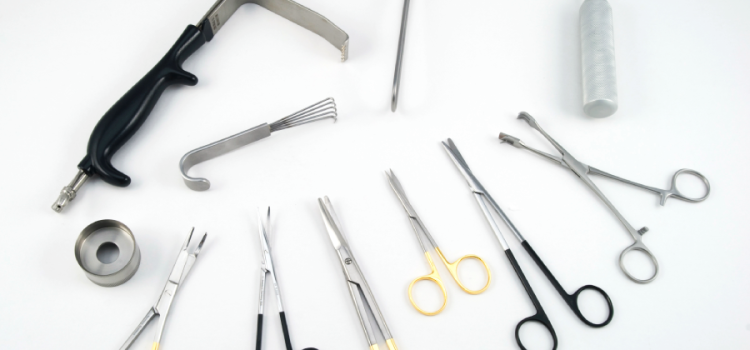
- Scalpels: Used for making incisions in the skin.
- Scissors: Used for cutting tissues, sutures, and bandages.
- Forceps: Used for grasping tissues and organs during procedures.
- Needle Holders: Essential for suturing and other delicate tasks.
- Hemostats: Clamp blood vessels to prevent bleeding.
General surgery instruments are often versatile, used in various fields ranging from orthopedic surgeries to cardiovascular procedures. Surgical tools manufacturers typically produce these instruments in bulk, ensuring they meet strict quality standards.
2. Specialty Instruments
These instruments are specifically designed for use in particular types of surgeries. Some examples include:
- Ophthalmic Instruments: Specialized tools used in eye surgeries, like cataract removal or retinal surgery.
- Orthopedic Instruments: Tools designed for bone surgeries, such as bone saws or orthopedic forceps.
- Neurosurgery Instruments: Specialized for brain surgeries, including retractors and craniotomy drills.
Specialty instruments are tailored to meet the needs of specific surgeries, ensuring the most effective and efficient approach for complex medical procedures.
Materials Used in Surgical Instruments
1. Stainless Steel Surgical Instruments
The most commonly used material for surgical instruments is stainless steel. Known for its durability, corrosion resistance, and strength, stainless steel is ideal for the harsh conditions of a surgical environment. It maintains sharp edges and precision during extended use, making it the go-to material for a wide range of surgical tools.
Some of the key properties that make stainless steel ideal for surgical instruments include:
- Corrosion Resistance: Surgical tools are frequently exposed to blood and bodily fluids, which can cause rust and damage. Stainless steel resists corrosion, maintaining its integrity over time.
- Strength and Durability: Stainless steel instruments can withstand the stresses and forces involved in surgeries without breaking or deforming.
- Biocompatibility: Stainless steel is biocompatible, meaning it won’t cause adverse reactions when it comes into contact with human tissue.
2. Other Materials Used in Surgical Tools
In addition to stainless steel, surgical instruments can be made from various other materials, including:
- Titanium: Lighter and stronger than stainless steel, titanium is often used for implants and tools that need high strength and resistance to fatigue.
- Plastic: Used in disposable instruments, such as syringes or specimen containers.
- Carbon Steel: A strong, flexible material used for tools that require precise cutting, although it’s more prone to rust compared to stainless steel.
Surgical Instruments Companies
The role of surgical instruments companies is essential to the healthcare industry. These manufacturers design, produce, and distribute high-quality tools used by medical professionals worldwide. The success of any surgery relies heavily on the quality of the instruments used.
1. Leading Surgical Instruments Manufacturers
Some of the leading surgical instruments companies include:
- Medtronic: A major player in the medical device industry, Medtronic offers a wide range of surgical instruments for various specialties, including cardiovascular, orthopedic, and neurological surgeries.
- Johnson & Johnson: Their Ethicon brand is known for producing some of the most reliable and advanced surgical tools used in general and specialized surgeries.
- Stryker: Renowned for its orthopedic instruments, Stryker manufactures high-quality surgical tools and devices used in bone and joint surgeries.
These companies are renowned for their commitment to innovation, precision, and safety in the production of surgical instruments.
2. Surgical Instruments Suppliers: How to Choose the Right One
When sourcing surgical instruments, healthcare providers must choose reliable suppliers to ensure they receive high-quality, durable tools. Factors to consider when selecting a surgical instruments supplier include:
- Certification and Standards: Look for companies that comply with regulatory standards such as ISO 13485 and FDA approval.
- Product Range: Choose suppliers who offer a wide range of instruments, catering to various specialties and surgeries.
- Reputation: Reliable suppliers often have a track record of supplying to hospitals and clinics worldwide.
- Warranty and Support: Good suppliers offer warranties on their products and have a customer service team available for maintenance and repair support.
The Importance of High-Quality Surgical Instruments
The success of a surgery depends largely on the tools used. High-quality surgical instruments help reduce complications, improve the accuracy of the procedure, and ensure faster recovery times for patients. Substandard tools can lead to poor outcomes, increased risk of infections, or unnecessary surgical delays.
The sterility, sharpness, and durability of the instruments used directly affect the safety and effectiveness of the surgery. High-quality surgical instruments are designed to reduce human error, prevent tissue damage, and ensure optimal outcomes.
Conclusion: The Future of Surgical Instruments
Surgical instruments have come a long way in terms of design, materials, and functionality. As technology advances, we can expect to see even more precision, innovation, and efficiency in surgical tools. The future of surgical instruments lies in smart tools, robotics, and new materials that enhance the safety and effectiveness of surgeries.
If you’re involved in healthcare or simply have an interest in surgical technology, staying informed about these advancements is crucial. Surgical instruments are not just tools; they are a lifeline in the operating room.
Call to Action
Do you have any experiences or insights on surgical instruments? Share your thoughts in the comments below, or feel free to ask any questions.