





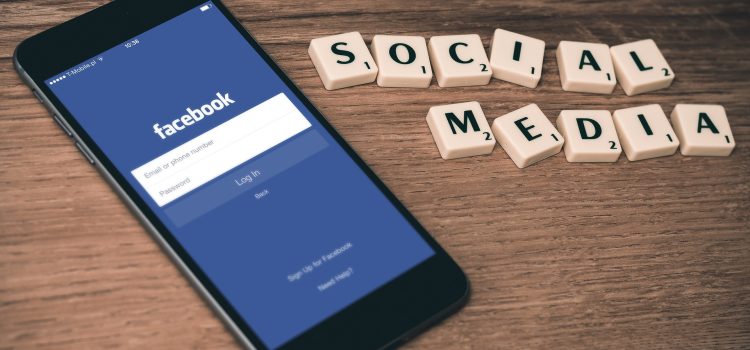
Social media was once hailed as a tool for bringing people together, promoting social connection, and facilitating communication. However, in recent years, social media has come under scrutiny for its negative effects on mental health, privacy, and democracy. The once-friendly platform is now turning against its users.
Mental Health Concerns
One of the most pressing concerns surrounding social media is its impact on mental health. Studies have shown that excessive use of social media can lead to depression, anxiety, and other mental health issues. This is because social media encourages users to compare themselves to others, which can lead to feelings of inadequacy and low self-esteem.
The problem is exacerbated by the addictive nature of social media. The constant notifications and updates can make it difficult for users to disconnect, leading to a cycle of constant engagement that can have negative effects on mental health.
Privacy Concerns
Another significant concern surrounding social media is privacy. With the vast amount of personal information that users share on these platforms, the risk of data breaches and misuse of personal information is a constant threat. Recent scandals, such as the Cambridge Analytica scandal, have highlighted the dangers of personal data being used for political manipulation and propaganda.
In response to these concerns, governments around the world have introduced new laws and regulations to protect users’ privacy. However, social media companies have been slow to comply with these regulations, and many users remain unaware of the risks associated with sharing personal information on these platforms.
Algorithmic Control
Another concern surrounding social media is the use of algorithms to control what users see and interact with on their feeds. Algorithms are used to tailor content to users’ interests, but they can also be used to promote specific views and agendas.
The algorithms used by social media platforms have come under scrutiny in recent years for their role in spreading misinformation and creating echo chambers. In particular, the algorithms used by Facebook have been criticized for promoting content that is divisive and sensational, rather than content that is informative and accurate.
The issue of algorithmic control has become so concerning that some have called for social media platforms to be regulated like public utilities. This would involve greater oversight of the algorithms used by these platforms, with the aim of promoting more balanced and accurate content.
Democracy Concerns
The negative effects of social media on democracy have also been a growing concern in recent years. Social media has been used to spread false information, manipulate public opinion, and even interfere in elections.
The problem is exacerbated by the lack of transparency surrounding political advertising on social media. Unlike traditional media, social media platforms are not required to disclose who is paying for political ads or how much they are spending.
In response to these concerns, some countries have introduced new laws and regulations to regulate political advertising on social media. However, these measures have been criticized for being too weak and not going far enough to address the problem.
Conclusion
The once-friendly platform of social media is now turning against its users, presenting significant risks to mental health, privacy, democracy, and other aspects of society. While social media has the potential to bring people together and facilitate communication, it is essential that we work towards greater transparency, accountability, and user control. Only then can we build a social media landscape that truly reflects our values and supports our needs.