Introduction:
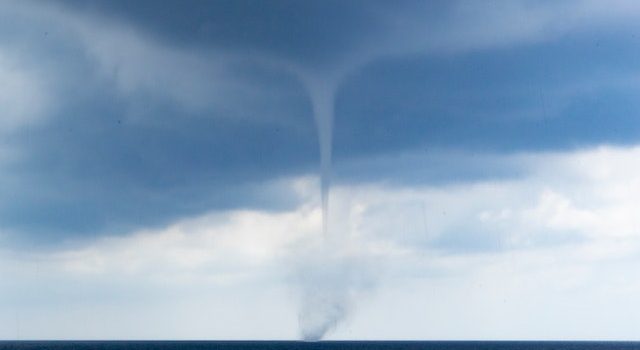
Tornado outbreaks, characterized by the occurrence of multiple tornadoes within a specific region, can result in significant damage and loss of life. While tornadoes are natural phenomena, human activity has been found to contribute to more severe tornado outbreaks. In this article, we will explore the ways in which human activity is impacting tornado severity and the potential implications for affected areas.
1. Urbanization and Tornado Vulnerability:
The expansion of urban areas and increased population density can exacerbate the impacts of tornadoes. Urbanization leads to the proliferation of infrastructure, such as buildings and roads, which can create more significant obstacles and hazards during a tornado. The presence of structures and the concentration of people in urban environments increase the potential for damage and casualties during severe tornado outbreaks.
2. Climate Change and Extreme Weather:
Human-induced climate change is influencing the frequency and intensity of extreme weather events, including tornadoes. Rising global temperatures contribute to changes in atmospheric conditions, such as increased moisture content and atmospheric instability. These changes can fuel the development of severe thunderstorms, which serve as the breeding ground for tornado formation and contribute to more severe tornado outbreaks.
3. Air Pollution and Atmospheric Dynamics:
Human activities, particularly the burning of fossil fuels and industrial processes, release pollutants into the atmosphere. These pollutants, such as greenhouse gases and particulate matter, can alter atmospheric dynamics and affect weather patterns. The interaction between air pollution and atmospheric conditions can contribute to the formation of more volatile and severe thunderstorms, which can produce more destructive tornadoes during outbreaks.
4. Land Use Changes and Tornado Formation:
Changes in land use, such as deforestation and urban expansion, can impact the natural landscape and alter airflow patterns. Forests and vegetation act as barriers that can impede the development of tornadoes. When these natural barriers are removed or disrupted, the conditions necessary for tornado formation can be enhanced. Thus, human-induced land use changes can contribute to the occurrence of more severe tornado outbreaks.
5. Enhanced Tornado Monitoring and Reporting:
Advancements in technology and improved tornado monitoring and reporting systems have also contributed to an apparent increase in the number of reported tornadoes. With the availability of weather radar, mobile technology, and better communication networks, more tornadoes are being detected and reported than in the past. This increased reporting does not necessarily indicate a rise in tornado frequency but rather a greater ability to observe and document tornado events.
Conclusion:
Human activity is playing a role in the severity of tornado outbreaks. Urbanization, climate change, air pollution, land use changes, and enhanced monitoring systems all contribute to the increased severity and impact of tornadoes. It is crucial to recognize the implications of these human-induced factors and take proactive measures to mitigate their effects. This includes implementing strategies for sustainable urban planning, reducing greenhouse gas emissions, improving air quality, and promoting responsible land use practices. By addressing these factors, we can work towards minimizing the risks associated with tornado outbreaks and building more resilient communities in the face of changing weather patterns.