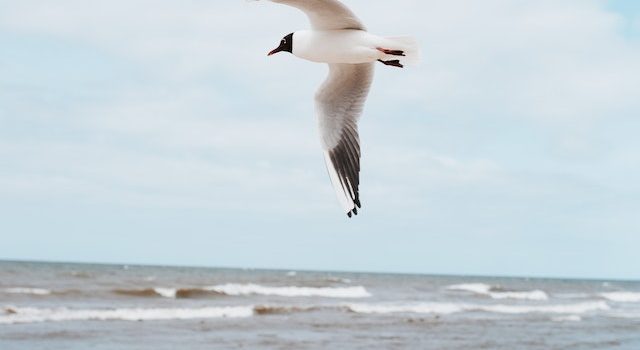
The Red Knot, a small shorebird, is making a remarkable recovery in New Jersey, signaling a significant conservation success story. The bird’s resurgence is a testament to the collective efforts of conservationists, scientists, and local communities working together to protect and restore its habitat.
The Red Knot (Calidris canutus) is a migratory bird that depends on the beaches and marshes of New Jersey’s coastline as a crucial stopover site during its long-distance journeys. These birds undertake an arduous migration, traveling from their breeding grounds in the Arctic to their wintering grounds in South America. Along the way, they rely on the Delaware Bay’s rich resources, particularly the eggs of horseshoe crabs, to replenish their energy reserves.
For years, the Red Knot population faced numerous challenges, including habitat loss, declining horseshoe crab populations, and changing climate patterns. However, concerted conservation efforts have successfully reversed this decline and are now driving the bird’s recovery.
One key aspect of the Red Knot’s recovery has been the protection and restoration of its critical habitat. Efforts have focused on preserving and enhancing the beaches and marshes that provide vital food sources and resting areas for the birds. Conservation organizations have collaborated with government agencies and local communities to implement measures such as creating protected areas, reducing disturbances, and restoring natural habitats. These actions have helped create a more favorable environment for the Red Knots, allowing them to feed and rest in safety.
Furthermore, conservation initiatives have targeted the horseshoe crab population, recognizing its essential role in the Red Knot’s survival. Strict regulations have been implemented to manage the harvesting of horseshoe crabs, ensuring sustainable practices that do not endanger their numbers. By protecting the horseshoe crabs, which lay millions of eggs on the beaches, conservationists have secured a crucial food source for the Red Knots during their stopover period.
In addition to habitat protection and management, public awareness and education campaigns have played a vital role in the Red Knot’s recovery. Efforts to raise awareness about the bird’s plight, its ecological importance, and the need for conservation have garnered public support and engagement. This has led to increased participation in volunteer programs, citizen science initiatives, and beach cleanups, all of which contribute to the well-being of the Red Knot population and its habitat.
The successful recovery of the Red Knot in New Jersey is a cause for celebration and provides hope for other endangered species. It showcases the power of collaborative conservation efforts, where scientists, conservation organizations, policymakers, and local communities work hand in hand to protect and restore critical habitats. The Red Knot’s rebound also highlights the importance of long-term monitoring and adaptive management to ensure the continued success of conservation initiatives.
As the Red Knot population continues to grow in New Jersey, it serves as a reminder of the resilience of nature and the positive impact that conservation actions can have. By learning from this success story and applying similar strategies to other endangered species and their habitats, we can strive for a more sustainable and harmonious coexistence with the natural world.