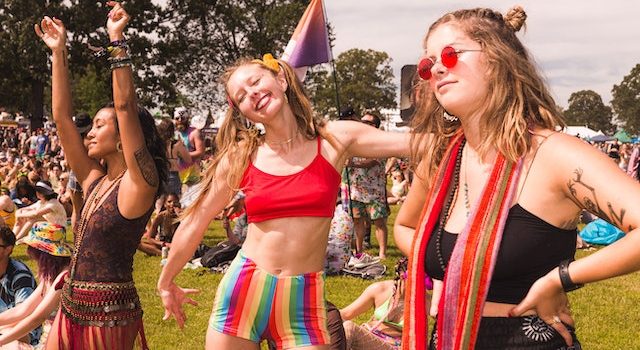
Introduction: Fifty years have passed since the inaugural pride marches took place, marking a significant milestone in the LGBTQ+ rights movement. This article reflects on the evolution of pride marches, the progress made, and the challenges that lie ahead. As we honor the past and celebrate the future, we acknowledge the transformative power of these marches in advocating for equality, promoting visibility, and fostering a more inclusive society.
Remembering the Origins: Pride marches trace their roots back to the Stonewall Riots of 1969, when LGBTQ+ individuals in New York City stood up against police harassment and discrimination. These acts of resistance sparked a movement, leading to the formation of the first pride parade and serving as a catalyst for change. As we reflect on the past, we pay tribute to the bravery of those who paved the way for the rights and freedoms enjoyed by LGBTQ+ individuals today.
A Journey of Visibility and Acceptance: Over the last five decades, pride marches have played a pivotal role in increasing visibility and promoting acceptance of the LGBTQ+ community. From small grassroots demonstrations to large-scale parades, these events have created spaces where LGBTQ+ individuals can celebrate their identities openly and proudly. The visibility achieved through pride marches has challenged societal norms, shattered stereotypes, and fostered a greater understanding of LGBTQ+ experiences.
Milestones and Achievements: Pride marches have been instrumental in achieving significant milestones for LGBTQ+ rights. From the decriminalization of homosexuality to the recognition of same-sex marriage, these events have contributed to legislative changes, policy reforms, and societal shifts. Pride has become a platform for advocacy, enabling the community to mobilize and demand equal rights, protection, and acceptance under the law.
Intersectionality and Inclusivity: As pride marches have evolved, there has been a growing recognition of the importance of intersectionality and inclusivity within the LGBTQ+ community. Pride events now strive to amplify the voices and experiences of marginalized groups within the community, addressing the unique challenges faced by individuals based on race, ethnicity, gender identity, disability, and socioeconomic background. By embracing intersectionality, pride marches foster a more inclusive movement that fights for the rights of all LGBTQ+ individuals.
Ongoing Challenges and the Road Ahead: While pride marches have made significant progress, there are still challenges to overcome. LGBTQ+ individuals continue to face discrimination, violence, and legal barriers in many parts of the world. Pride events remain crucial in raising awareness, advocating for change, and standing in solidarity with those fighting for equality. Looking to the future, it is important to continue the work of dismantling systemic oppression, fostering acceptance, and creating a society where all individuals can live authentically and without fear.
Celebrating Diversity and Unity: As we reflect on 50 years of pride marches, we celebrate the diversity and unity within the LGBTQ+ community. Pride events serve as a testament to the strength, resilience, and love that bind us together. They are an opportunity to honor the progress made, acknowledge the work that remains, and envision a future where every individual, regardless of sexual orientation or gender identity, can thrive in a world that embraces and celebrates their authentic selves.
Conclusion: Fifty years of pride marches have left an indelible mark on the LGBTQ+ rights movement. From their humble beginnings at Stonewall to becoming global celebrations of love and acceptance, these events have transformed lives and societies. As we reflect on the past and celebrate the future, let us continue to march forward, advocating for equality, fostering inclusivity, and ensuring that the legacy of pride marches lives on for generations to come.