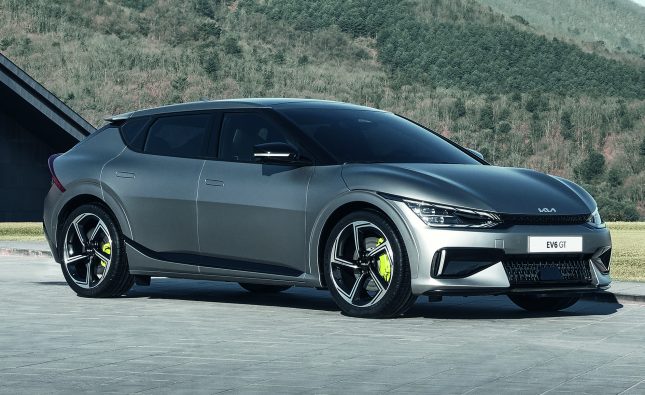
In a bid to cement their position as key players in the growing electric vehicle (EV) market, American automakers Ford and General Motors (GM) have announced a joint investment of $11.4 billion in an ambitious new project aimed at creating an EV “supercluster”. The project, which is being led by the Electric Power Research Institute (EPRI), is part of an effort to build a more sustainable future and reduce the carbon footprint of the auto industry.
The EV supercluster will focus on developing new battery and charging technologies, as well as building a robust EV infrastructure that will enable faster and more convenient charging for consumers. The project will also seek to create a more sustainable supply chain for the EV industry, with a focus on reducing the carbon footprint of materials used in EV production.
According to a joint statement released by Ford and GM, the supercluster project is expected to create 35,000 jobs in the United States over the next five years, and will generate $15 billion in economic activity. The project has received funding from the US Department of Energy, which has committed $5 billion to the initiative.
The announcement comes at a time when the global auto industry is facing increasing pressure to reduce its carbon emissions and transition to more sustainable modes of transportation. Many automakers have already announced plans to phase out gas-powered vehicles in the coming years, and are investing heavily in EV research and development.
Ford and GM, both of whom have pledged to become carbon neutral by 2050, are betting big on the EV market, which is expected to grow rapidly over the next decade. According to a report by BloombergNEF, sales of EVs are projected to increase from around 3 million in 2020 to 116 million by 2030, with EVs accounting for over 50% of new car sales by the end of the decade.
However, the transition to EVs is not without its challenges. One major hurdle is the development of a robust charging infrastructure that can accommodate the growing number of EVs on the road. The current infrastructure is limited, and many consumers are hesitant to switch to EVs due to concerns about range anxiety and the availability of charging stations.
The EV supercluster project aims to address this issue by developing new charging technologies and building a more comprehensive charging network. The project will also focus on improving the performance and efficiency of EV batteries, which remains a key area of concern for consumers.
The joint investment by Ford and GM is a significant milestone in the transition to a more sustainable transportation sector. The project has the potential to transform the EV market, and could pave the way for a more sustainable future for the auto industry.
However, there are concerns that the project could further entrench the dominance of big automakers in the EV market, making it harder for smaller players to compete. There are also questions about whether the project will deliver on its promises, and whether it will ultimately benefit consumers or just the auto industry.
Despite these concerns, the announcement of the EV supercluster project is a clear signal that the auto industry is taking the transition to a more sustainable future seriously. As more and more companies invest in EV research and development, it is clear that the shift to electric vehicles is no longer a matter of if, but when. The question now is how quickly the industry can make the transition, and whether it will be able to do so in a way that benefits both the environment and consumers.