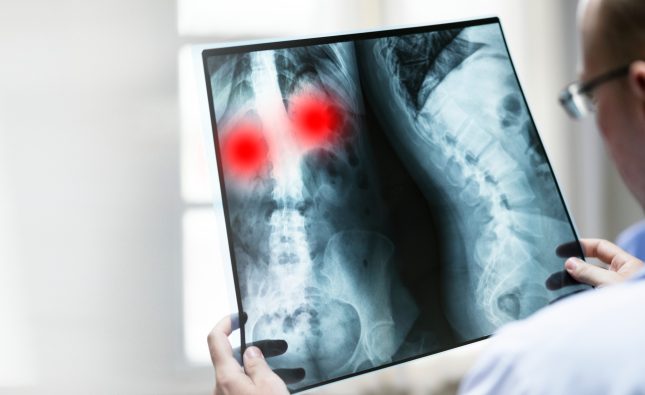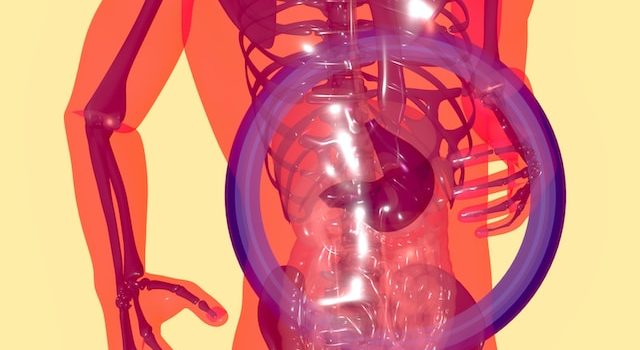
Fatty liver disease, also known as hepatic steatosis, has emerged as a silent but significant health concern worldwide. It affects millions of individuals, often without their knowledge, and can have serious consequences if left untreated. In this article, we delve into the intricacies of this condition, exploring its symptoms, causes, and available treatment options.
Fatty liver disease is characterized by an abnormal accumulation of fat in the liver cells. This excessive fat buildup interferes with the organ’s normal function and, if left unaddressed, can progress to more severe conditions such as cirrhosis and liver failure. Understanding the symptoms is crucial for early detection and intervention.
In its early stages, fatty liver disease often presents no noticeable symptoms. However, as the condition progresses, individuals may experience fatigue, weakness, unexplained weight loss or gain, abdominal discomfort, and a general feeling of malaise. These symptoms are often nonspecific and can be easily attributed to other factors, making it challenging to diagnose fatty liver disease solely based on symptoms.
Multiple factors contribute to the development of fatty liver disease. The most common cause is excessive alcohol consumption, leading to alcoholic fatty liver disease (AFLD). Other risk factors include obesity, insulin resistance, type 2 diabetes, high cholesterol levels, and certain medications. Non-alcoholic fatty liver disease (NAFLD) is prevalent among individuals who do not consume excessive alcohol but exhibit similar symptoms and liver abnormalities.
The rise of obesity and sedentary lifestyles has contributed to the escalating prevalence of NAFLD. With poor dietary choices and lack of exercise becoming increasingly common, this condition has become a global health concern. Early intervention is vital to prevent further liver damage and halt the progression of fatty liver disease.
When it comes to treatment options, lifestyle modifications take center stage. This includes adopting a healthy, balanced diet rich in fruits, vegetables, whole grains, and lean proteins. Regular exercise, aimed at achieving and maintaining a healthy weight, plays a pivotal role in managing the condition. Additionally, it is crucial to address any underlying conditions such as diabetes or high cholesterol, as they can exacerbate fatty liver disease.
In more severe cases, where lifestyle changes alone are insufficient, medical interventions may be necessary. Medications that help reduce liver inflammation and control underlying conditions are sometimes prescribed. However, it’s important to note that there is no specific medication approved for the treatment of fatty liver disease itself.
Research efforts are underway to better understand the complexities of fatty liver disease and develop targeted treatments. Clinical trials exploring novel therapies and interventions are showing promise, offering hope for future advancements in combating this widespread condition.
In conclusion, fatty liver disease is a stealthy ailment that affects millions worldwide. With its insidious nature and potential for serious complications, understanding its symptoms, causes, and available treatment options is crucial. By promoting awareness and emphasizing lifestyle modifications, we can make significant strides in preventing and managing this silent epidemic.