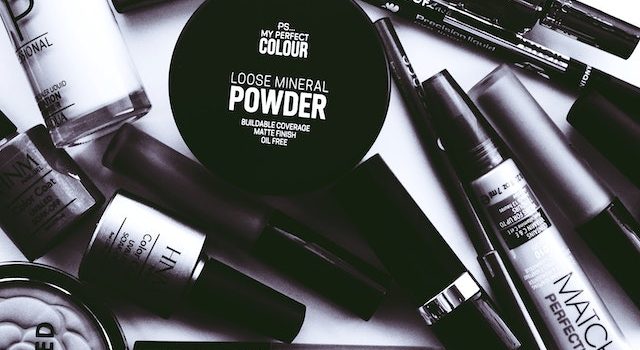
Introduction:
Inflationary pressures have been impacting economies worldwide, leading to rising prices and financial uncertainty. However, amidst these challenges, the beauty industry continues to thrive, displaying remarkable resilience and growth. This article delves into the various factors that contribute to the beauty industry’s success, highlighting how it manages to flourish even in the face of inflation. From skincare to makeup, we will explore the strategies, innovations, and consumer behavior that drive the industry forward.
Consumer Prioritization of Self-Care:
One of the key reasons behind the beauty industry’s ability to withstand inflation is the unwavering consumer prioritization of self-care. Regardless of economic conditions, individuals consider personal grooming and self-expression through cosmetics as integral parts of their well-being and confidence. This consistent demand ensures that the beauty industry maintains a strong consumer base, providing a solid foundation for growth.
Shifts in Consumer Behavior:
While rising prices may influence consumer spending patterns, the beauty industry has adapted to these shifts in behavior. Companies have strategically introduced a range of product offerings that cater to various price points, allowing consumers to find options that fit their budgets. Additionally, the industry has witnessed an increase in the popularity of “affordable luxury” brands, which provide high-quality products at more accessible prices, making beauty products accessible to a broader consumer base.
Innovation and Product Differentiation:
Continuous innovation and product differentiation are crucial aspects of the beauty industry’s success. Companies invest heavily in research and development to introduce new formulations, technologies, and trends that captivate consumers. These innovations not only drive excitement and demand but also justify higher price points, enabling beauty brands to maintain profitability in the face of inflationary pressures.
Social Media and Influencer Culture:
The rise of social media and influencer culture has played a significant role in the beauty industry’s thriving success. Platforms like Instagram, YouTube, and TikTok have created a virtual space where beauty enthusiasts and influencers can share their knowledge, experiences, and recommendations. This digital landscape has fueled the growth of beauty brands, allowing them to reach wider audiences and generate buzz around their products. Influencer endorsements and product recommendations hold substantial sway over consumer purchasing decisions, further contributing to the industry’s resilience.
Shift to Online Retail:
The beauty industry’s adaptation to the digital age has also been instrumental in its success during inflationary times. With the growth of e-commerce, beauty brands have expanded their online presence and established direct-to-consumer channels. This shift to online retail has not only increased accessibility for consumers but also reduced overhead costs for brands. By bypassing traditional brick-and-mortar retail, beauty companies can offer competitive pricing and discounts, making their products more appealing to cost-conscious consumers.
Investment in Skincare:
The skincare segment within the beauty industry has experienced significant growth and resilience. Skincare products, known for their perceived long-term benefits and self-care appeal, have become a focal point for consumers. With increasing awareness of skincare routines and the desire for healthier-looking skin, consumers are willing to invest in high-quality skincare products. This focus on skincare has helped the beauty industry maintain steady revenue streams, even during times of inflation.
Sustainable and Ethical Practices:
Consumer preferences have shifted towards brands that prioritize sustainability and ethical practices. The beauty industry has responded by integrating environmentally friendly initiatives, cruelty-free practices, and responsible sourcing into their operations. By aligning with consumer values, beauty brands can strengthen brand loyalty and attract socially conscious consumers, further contributing to their resilience during inflationary periods.
Conclusion:
The beauty industry’s ability to thrive despite inflationary pressures can be attributed to several key factors. The unwavering prioritization of self-care, shifts in consumer behavior, innovation and product differentiation, the influence of social media and influencers, the shift to
online retail, investment in skincare, and a focus on sustainable and ethical practices have all played crucial roles. By understanding consumer needs, adapting to changing market dynamics, and delivering compelling products, the beauty industry has managed to maintain its allure and financial stability, even in challenging economic times.