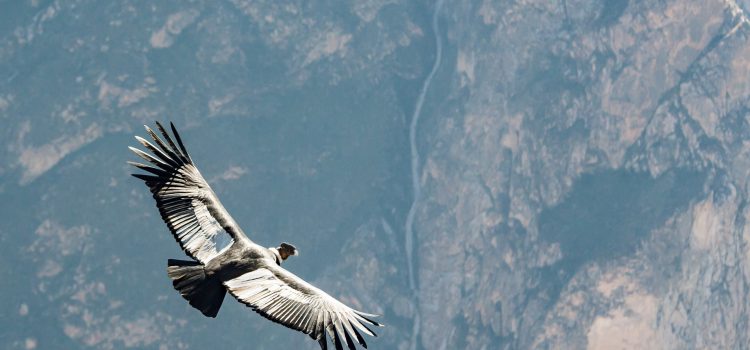
The California Condor, one of the world’s most endangered birds, is facing yet another threat – an outbreak of bird flu in Arizona. As conservationists and scientists work to contain the spread of this deadly virus, it is critical to understand how it spreads and what can be done to prevent further devastation. In this blog post, we will explore the bird flu outbreak affecting these magnificent creatures and discuss ways we can help protect them from extinction.
What is the bird flu?
Bird flu, also known as avian influenza, is a highly contagious viral infection that affects birds. The virus can spread quickly and easily from bird to bird through contact with infected feces, saliva or nasal secretions. In some cases, the virus can also spread from birds to humans.
The severity of symptoms varies depending on the strain of the virus and the species affected. Some strains of bird flu cause mild symptoms like coughing and sneezing in birds while others can be deadly within hours.
Bird flu outbreaks often occur in areas where there are large populations of domesticated poultry like chickens or ducks. However, wild birds such as waterfowl can carry the virus without showing any signs of illness which makes it difficult to detect and control outbreaks.
While rare, human infections with bird flu have occurred most commonly after close contact with live infected poultry or surfaces contaminated by their droppings. It is important to handle all potentially infected materials properly and practice good hygiene habits when working around sick animals or visiting farms during an outbreak.
How is the bird flu spreading?
The bird flu, also known as avian influenza, is a highly contagious disease that can spread rapidly among birds. The virus can be carried by migratory birds and poultry, making it difficult to contain once it begins to spread.
One way the bird flu spreads is through direct contact between infected birds and healthy ones. This can occur when they come into contact with each other’s saliva, feces or nasal secretions.
Another way the virus spreads is through indirect contact with contaminated objects such as equipment or clothing that have been in contact with infected birds. Humans who handle contaminated items are at risk of becoming carriers of the virus themselves.
The movement of live birds from one area to another also contributes to the spread of avian influenza. Domesticated poultry such as chickens and ducks may carry the virus without showing any symptoms and infect other flocks when they are moved around for commercial purposes.
In addition, wild bird migrations contribute significantly to spreading the disease across vast areas since these species travel over long distances carrying potentially harmful bacteria or viruses on their feathers or bodies.
Preventing further outbreaks requires strict regulations regarding quarantine procedures for both domesticated and wild populations while maintaining surveillance programs dedicated solely towards monitoring potential cases amongst vulnerable species like California Condors in affected regions.
What are the symptoms of the bird flu?
The bird flu, also known as avian influenza, is a highly contagious viral infection that primarily affects birds. However, humans who come into close contact with infected birds can also contract the virus. Symptoms of the bird flu in humans vary depending on the severity of the infection.
Mild symptoms include fever, coughing, sore throat and muscle ache. More severe cases can develop into pneumonia or acute respiratory distress syndrome (ARDS), which could lead to death. Those with weakened immune systems or chronic medical conditions are most susceptible to developing severe complications from the virus.
It’s important to note that not everyone who contracts the bird flu will display symptoms – some people may be asymptomatic carriers of the virus without even realizing it. This makes it difficult to track and contain outbreaks.
If you have been in close contact with infected birds or people exhibiting symptoms of avian influenza, seek medical attention immediately for diagnosis and treatment options. Early detection and treatment are crucial for preventing serious health complications from this potentially deadly virus.
What are the consequences of the bird flu?
The consequences of the bird flu outbreak can be severe, especially for endangered species like the California Condor. The virus is highly contagious and can spread rapidly among birds, resulting in widespread sickness and death. In addition to its impact on wildlife populations, bird flu can also have a significant economic impact.
The loss of large numbers of birds due to bird flu outbreaks can affect local ecosystems and disrupt food chains. This disruption could cause further harm to already vulnerable animal populations, leading to long-term ecological consequences.
In terms of human health, some strains of bird flu have been known to infect humans with serious respiratory illnesses that require hospitalization. While these cases are relatively rare so far, there is always the risk that a new strain will emerge that could pose even greater risks.
There’s the financial cost associated with controlling an outbreak. Governments often spend millions of dollars culling infected flocks and compensating farmers who lose their birds as a result of an outbreak.
The consequences of bird flu outbreaks go beyond just wildlife populations – they impact entire ecosystems as well as human health and economies alike.
What can be done to prevent the spread of the bird flu?
Preventing the spread of bird flu is crucial to protecting both humans and animals. Here are some measures that can be taken to prevent further outbreaks:
1. Vaccination: Vaccinating birds against avian influenza can significantly reduce the risk of transmission.
2. Biosecurity Measures: Implementing strict biosecurity measures, such as proper hygiene practices, disinfection protocols, and restricted access to farms or areas with infected birds, can help prevent the spread of bird flu.
3. Surveillance: Early detection is key in preventing an outbreak from spreading out of control. Regular surveillance and testing programs should be put in place for both wild and domesticated birds.
4. Public Awareness Campaigns: Educating people about bird flu risks, symptoms, prevention methods and reporting systems can help increase public awareness and encourage early reporting if there are any suspected cases.
5. International Cooperation: Since avian influenza knows no boundaries; international cooperation among countries on issues related to disease prevention/control will go a long way in curbing its spread across borders.
By implementing these preventive measures we can protect endangered species like California Condors from falling victim to future outbreaks while also protecting human health worldwide from deadly strains of the virus.
The California Condor
The California Condor is a remarkable bird that holds great significance in American culture. It’s also one of the rarest birds in North America, with only around 500 individuals remaining in the wild. The species almost went extinct due to habitat loss and hunting, but conservation efforts have helped increase their numbers over time.
These large scavengers are known for their striking black feathers and bald red heads. They can weigh up to 25 pounds and have a wingspan of more than nine feet! These majestic creatures play an important role in maintaining the balance of ecosystems by consuming dead animals that would otherwise attract disease-carrying insects.
Despite being protected under the Endangered Species Act, California Condors face numerous threats. One such threat is lead poisoning from ingesting bullets left behind by hunters in animal carcasses they consume. Another threat has emerged recently: a bird flu outbreak that hit Arizona earlier this year resulted in several condor deaths.
Conservationists are working hard to save these magnificent birds from extinction through breeding programs and other protective measures. It’s crucial that we continue supporting these efforts if we want future generations to be able to encounter these incredible creatures out in the wild.
Conclusion
The recent bird flu outbreak in Arizona has had a devastating impact on the already endangered California Condor population. While efforts are being made to contain and prevent further spread of the virus, it is crucial for individuals and organizations to take necessary measures in preventing such outbreaks in the future.
It is important to note that wildlife conservation plays a significant role in protecting species like the California Condor from threats like these. By raising awareness about endangered species and supporting conservation efforts, we can work towards preserving our natural world for generations to come. Through collective action and individual responsibility, we can help keep our planet healthy and thriving.